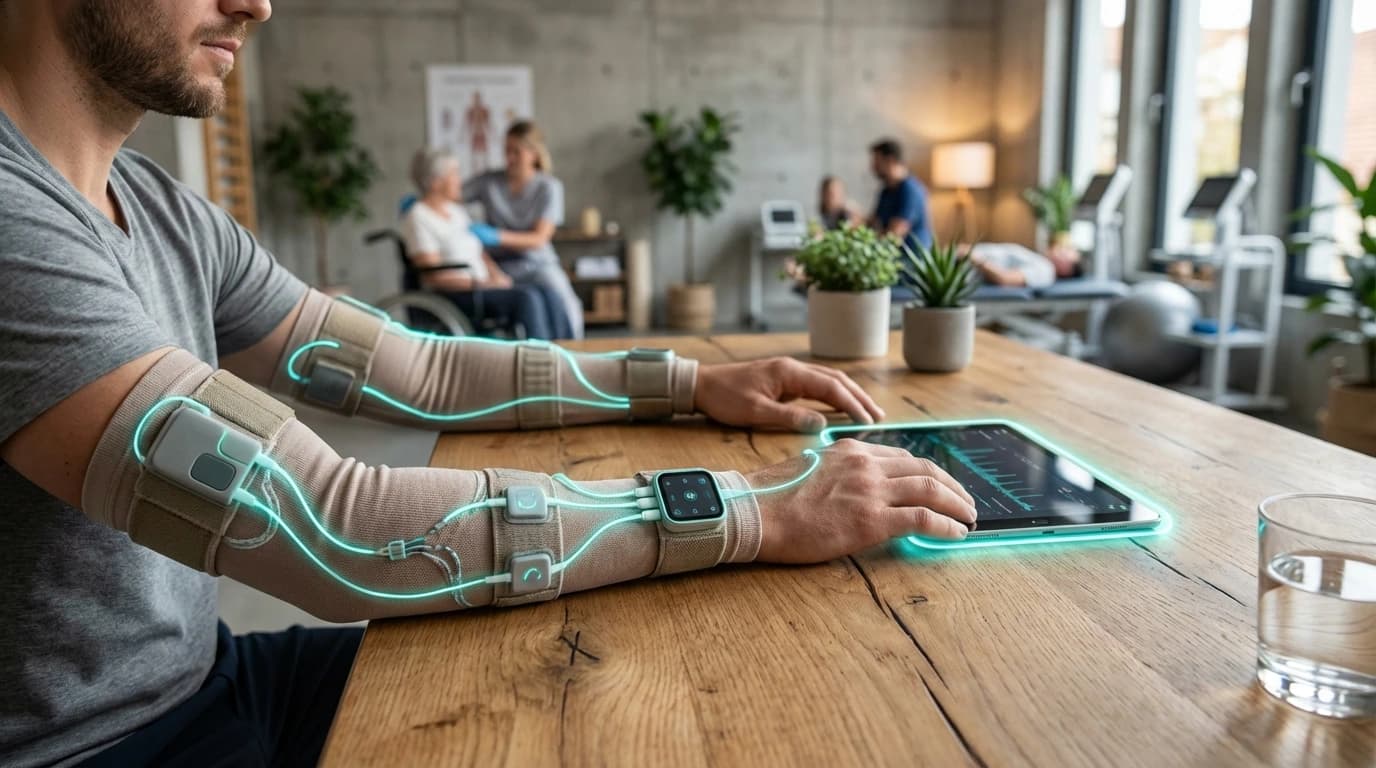
Neuro-Haptic Wearables
Neuro-haptic wearables represent an emerging class of wellness technology that leverages precise tactile stimulation to influence autonomic nervous system function. These devices typically take the form of wristbands, chest-worn patches, or neck-mounted units that deliver carefully calibrated vibration patterns to areas of the body where peripheral nerves are accessible. The underlying mechanism draws from research in neurostimulation and vagal tone modulation, where specific frequencies—often in the range of 10-150 Hz—can activate mechanoreceptors in the skin that communicate with the vagus nerve, a critical component of the parasympathetic nervous system. Unlike pharmaceutical interventions or traditional biofeedback systems that require conscious engagement, neuro-haptic devices work passively, delivering gentle, rhythmic pulses that can shift the body from sympathetic "fight-or-flight" activation toward parasympathetic "rest-and-digest" states. Some implementations incorporate biosensors that monitor heart rate variability or skin conductance, enabling adaptive stimulation patterns that respond to the wearer's real-time physiological state.
The wellness technology sector has long sought non-invasive, drug-free interventions for stress-related conditions, which affect millions globally and contribute to decreased productivity, burnout, and chronic health issues. Traditional approaches—from meditation apps to pharmaceutical anxiolytics—face challenges related to compliance, side effects, or the need for sustained conscious effort. Neuro-haptic wearables address these limitations by offering an intervention that requires minimal user engagement while potentially delivering measurable physiological benefits. For organizations managing high-stress work environments—emergency services, healthcare settings, financial trading floors—these devices present an opportunity to support employee wellbeing without disrupting workflow. The technology also responds to growing recognition that mental health tools must be destigmatized and seamlessly integrated into daily life rather than positioned as crisis interventions. By framing nervous system regulation as routine maintenance rather than treatment, these wearables align with preventive wellness paradigms that emphasize continuous support over episodic care.
Early commercial implementations have appeared in both consumer wellness markets and clinical research settings, with several startups developing wrist-worn devices marketed for anxiety reduction and sleep improvement. Pilot programs in corporate wellness initiatives and therapeutic contexts for conditions like post-traumatic stress disorder suggest potential applications beyond general stress management. Research institutions are exploring whether consistent use might improve heart rate variability metrics over time, potentially offering cardiovascular benefits alongside psychological ones. The technology intersects with broader trends in psychophysiological interventions and the quantified-self movement, where individuals seek objective data about their internal states and tools to actively modulate them. As understanding of the vagus nerve's role in emotional regulation, inflammation, and overall health deepens, neuro-haptic stimulation may evolve from a stress management tool into a more comprehensive wellness platform. Future iterations might integrate with digital therapeutics ecosystems, providing haptic interventions coordinated with cognitive behavioral therapy protocols or mindfulness practices, creating multimodal approaches to psychological resilience and emotional wellbeing.
Related Organizations

Produces a wearable that delivers silent, soothing vibrations to the body to improve resilience to stress.


Develops a device using infrasonic resonance to tone the vagus nerve and lower stress biomarkers.

Creates wearables that use BLAST (Bi-Lateral Alternating Stimulation Tactile) technology to reduce stress.

MIT spinoff producing the Embr Wave, a wrist-worn device using Peltier technology to trigger thermal comfort sensations.

A medical technology company developing neurostimulation products.

Develops a wearable vagus nerve stimulator worn around the neck to reduce stress and improve sleep quality.

Battelle
United States · Nonprofit
A massive applied science and technology organization developing PFAS Annihilator™ and other advanced remediation tech.

Develops a wearable neckband that uses ultra-low radio frequency energy to mimic the magnetic signature of molecules.
Supporting Evidence
Research this in Signals
Signals turns a topic into a sourced research record you can inspect and rerun. Your first scan is free, and this one starts with Neuro-Haptic Wearables already loaded, so edit it or scan as is.