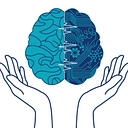






Neurorights Campaigns

Cognitive Liberty Frameworks
Legal and ethical standards protecting mental privacy and freedom from neural manipulation
As neurotechnology advances—from consumer brain-computer interfaces to therapeutic neural implants—the capacity to read, interpret, and potentially influence human thought processes has moved from science fiction to technical reality. Cognitive Liberty Frameworks represent an emerging class of legal, ethical, and technical standards designed to protect what scholars term "neurorights": the fundamental freedoms of mental privacy, cognitive self-determination, and protection from non-consensual mental manipulation. These frameworks establish boundaries around how brain data can be collected, stored, and used, recognizing that neural information represents perhaps the most intimate form of personal data. The technical mechanisms underlying these protections include data minimization protocols that limit what neural signals are captured, encryption standards for brain data transmission and storage, and consent architectures that ensure individuals maintain control over their cognitive information. Some frameworks also incorporate technical safeguards against "neurotargeting"—the use of brain data to manipulate decision-making or emotional states without explicit consent.
The urgency of these frameworks stems from a growing recognition that existing privacy laws and human rights protections were not designed for technologies that can access mental states directly. Consumer neurotechnology companies already market devices that claim to enhance focus, meditation, or sleep quality by monitoring and responding to brain activity, yet regulatory oversight remains fragmented. In clinical contexts, therapeutic brain implants generate continuous streams of neural data, raising questions about data ownership, secondary use, and the potential for function creep—where devices designed for medical purposes could be repurposed for monitoring or control. Cognitive Liberty Frameworks address these challenges by establishing clear boundaries: what constitutes legitimate versus invasive use of neurotechnology, when mental privacy can be overridden (if ever), and how to prevent the emergence of "neurosurveillance" systems that could monitor thoughts, emotions, or intentions. These standards also tackle the thorny issue of cognitive enhancement, balancing individual freedom to modify one's own mental capacities against concerns about coercion, equity, and the preservation of authentic human experience.
Several jurisdictions have begun translating these principles into law, with Chile becoming the first nation to enshrine neurorights in its constitution, while international bodies explore frameworks for cross-border governance of brain data. Early implementations focus on establishing baseline protections: requiring explicit consent for neural data collection, prohibiting discrimination based on brain data, and mandating transparency about how neurotechnology systems function. Research institutions are developing technical standards for "privacy-preserving" brain-computer interfaces that can deliver functionality while minimizing data exposure, using techniques like federated learning and on-device processing. As neurotechnology becomes more sophisticated and accessible, these frameworks will likely evolve to address emerging challenges such as the use of neural data in employment decisions, education, or criminal justice. The trajectory points toward a future where cognitive liberty is recognized as fundamental to human dignity—a necessary evolution of human rights for an era when technology can reach into the mind itself, ensuring that the final frontier of privacy remains protected even as we develop unprecedented tools to understand and interface with human consciousness.
TRL
3/9Conceptual
Impact
5/5
Investment
2/5
Category
Ethics Security
Related Organizations
Government of Chile
Chile · Government Agency
The executive branch of the Chilean state.
Deployer
Advocacy group led by Rafael Yuste promoting the five ethical neurorights in international law.
Standards Body
A network of scholars and activists dedicated to protecting freedom of thought.
Researcher
A professional society promoting the development and responsible application of neuroscience.
Researcher
The UN agency responsible for the 'Recommendation on the Ethics of Artificial Intelligence'.
Standards Body

Council of Europe
France · Government Agency
Oversees the Oviedo Convention, the only international legally binding instrument prohibiting the use of genetic engineering on the human germline.
Standards Body
A think tank dedicated to the ethical, legal, and social implications of neuroscience.
Researcher
OECD
France · Government Agency
Adopted the 'Recommendation on Responsible Innovation in Neurotechnology' to guide governments and companies.
Standards Body
Produces 'Ethically Aligned Design' standards, addressing the legal and ethical implications of autonomous systems.
Standards Body
The UK's independent regulator for data rights, providing specific guidance on AI and data protection.
Standards Body
What was expected
Published forecasts about this technology, graded against what happened in Hindsight.
Supporting Evidence
Evidence data is not available for this technology yet.
Research this in Signals
Scan Cognitive Liberty Frameworks for yourself.
Signals turns a topic into a sourced research record you can inspect and rerun. Your first scan is free, and this one starts with Cognitive Liberty Frameworks already loaded, so edit it or scan as is.