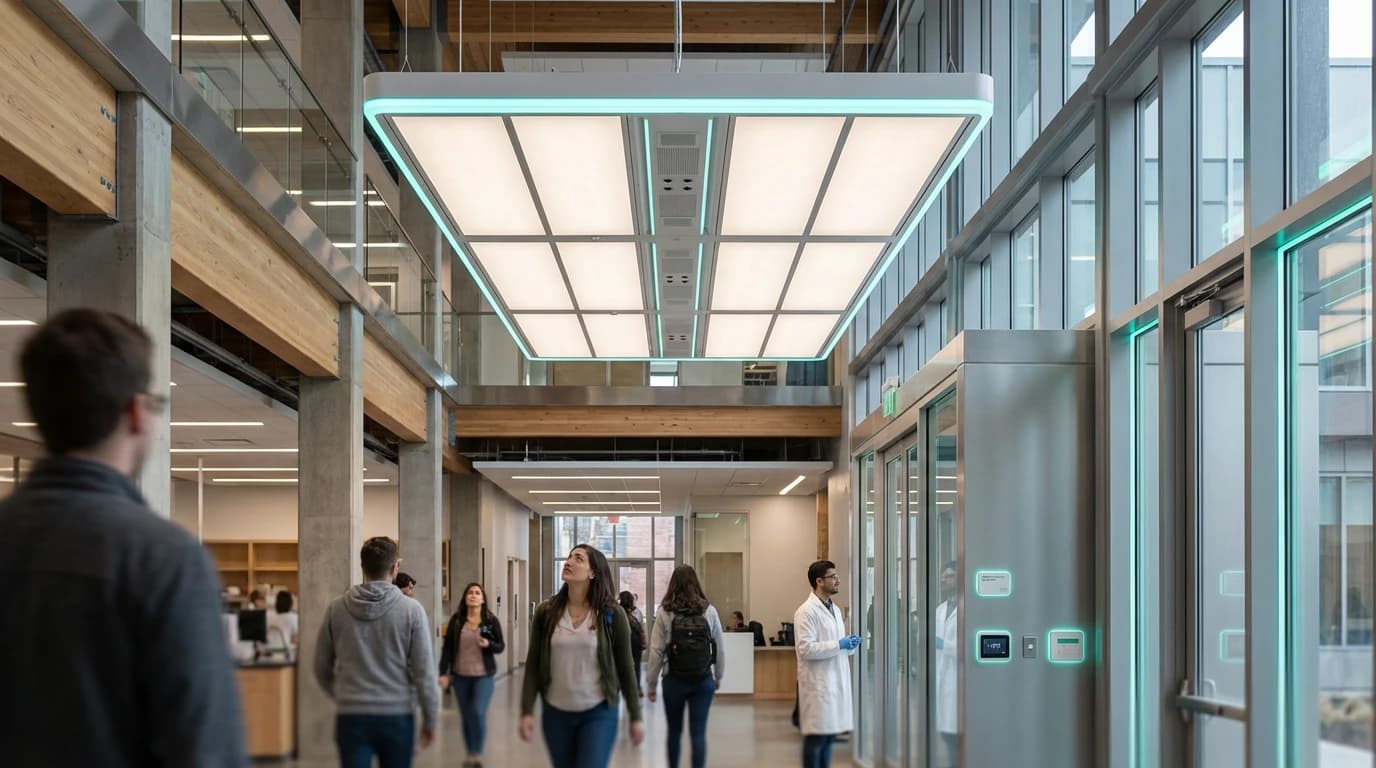
Biodynamic Lighting Systems
Biodynamic lighting systems represent a sophisticated approach to indoor illumination that addresses a fundamental challenge of modern built environments: the disconnect between human biology and artificial lighting. Traditional lighting systems provide static illumination that remains constant throughout the day, failing to account for the human body's innate circadian rhythms—the 24-hour biological cycles that regulate sleep, hormone production, alertness, and numerous physiological processes. This misalignment between artificial lighting and natural biological needs has been linked to various health issues, including disrupted sleep patterns, decreased cognitive performance, and mood disorders. Biodynamic lighting systems work by continuously adjusting both the intensity and spectral composition of light throughout the day, mimicking the natural progression of sunlight from dawn to dusk. These systems typically employ tunable LED technology capable of shifting color temperature from cooler, blue-enriched light in the morning hours to warmer, amber-toned light in the evening. Advanced sensors and control algorithms monitor ambient conditions and time of day, automatically modulating the lighting to provide biologically appropriate stimulation at each phase of the circadian cycle.
The implementation of biodynamic lighting addresses several critical challenges in workplace productivity, healthcare settings, and residential wellbeing. In office environments, research suggests that exposure to circadian-aligned lighting can enhance alertness during working hours while reducing the sleep disruption that often accompanies prolonged exposure to artificial light. Healthcare facilities have begun adopting these systems to support patient recovery, with early deployments indicating potential benefits for sleep quality and healing outcomes, particularly in intensive care units and long-term care facilities where patients may have limited access to natural daylight. Educational institutions are exploring biodynamic lighting to support student concentration and learning outcomes, while residential applications focus on creating healthier home environments that support natural sleep-wake cycles. The technology also offers particular value for shift workers and individuals in environments with limited natural light exposure, such as underground facilities or high-latitude regions experiencing extended periods of darkness.
Current adoption of biodynamic lighting spans from pilot programs in progressive office buildings to broader implementation in healthcare and educational facilities. The technology integrates seamlessly with smart building management systems, allowing for personalised lighting schedules that can accommodate individual preferences while maintaining circadian-supportive parameters. As awareness of the health impacts of lighting grows and LED technology becomes more sophisticated and cost-effective, biodynamic systems are transitioning from premium installations to increasingly mainstream applications. This evolution aligns with broader trends in human-centered design and wellness-focused architecture, where the built environment is conceived not merely as shelter but as an active contributor to human health and performance. The convergence of biodynamic lighting with other wellness technologies—such as air quality monitoring and thermal comfort systems—points toward a future where buildings actively support occupant wellbeing through integrated environmental management.
Related Organizations

A company founded by former NASA researchers developing 'SkyBlue' technology to provide high melanopic lux for circadian regulation without compromising visual color.
Leader in lighting control, owner of Ketra which produces natural light simulation.

Parent company of Philips Hue, which offers the 'Hue Sync' protocol to align smart lighting with HDMI video signals.

The organization behind the WELL Building Standard, which mandates specific circadian lighting requirements for certification.

The world's leading university-based research center devoted to lighting, pioneering studies on circadian stimulus (CS).

Consumer electronics company that developed the Dyson Zone, headphones with air purification and monitoring.

Zumtobel Group
Austria · Company
An Austrian lighting manufacturer offering 'Active Light' solutions that dynamically adjust intensity and color temperature to support human biorhythms.

A Swedish lighting group focusing on 'Tunable White' solutions to mimic the natural day/night cycle.

A Norwegian industrial group that develops Human Centric Lighting (HCL) solutions for extreme latitude environments.
Supporting Evidence
Research this in Signals
Signals turns a topic into a sourced research record you can inspect and rerun. Your first scan is free, and this one starts with Biodynamic Lighting Systems already loaded, so edit it or scan as is.