Adaptive Soundscaping Systems
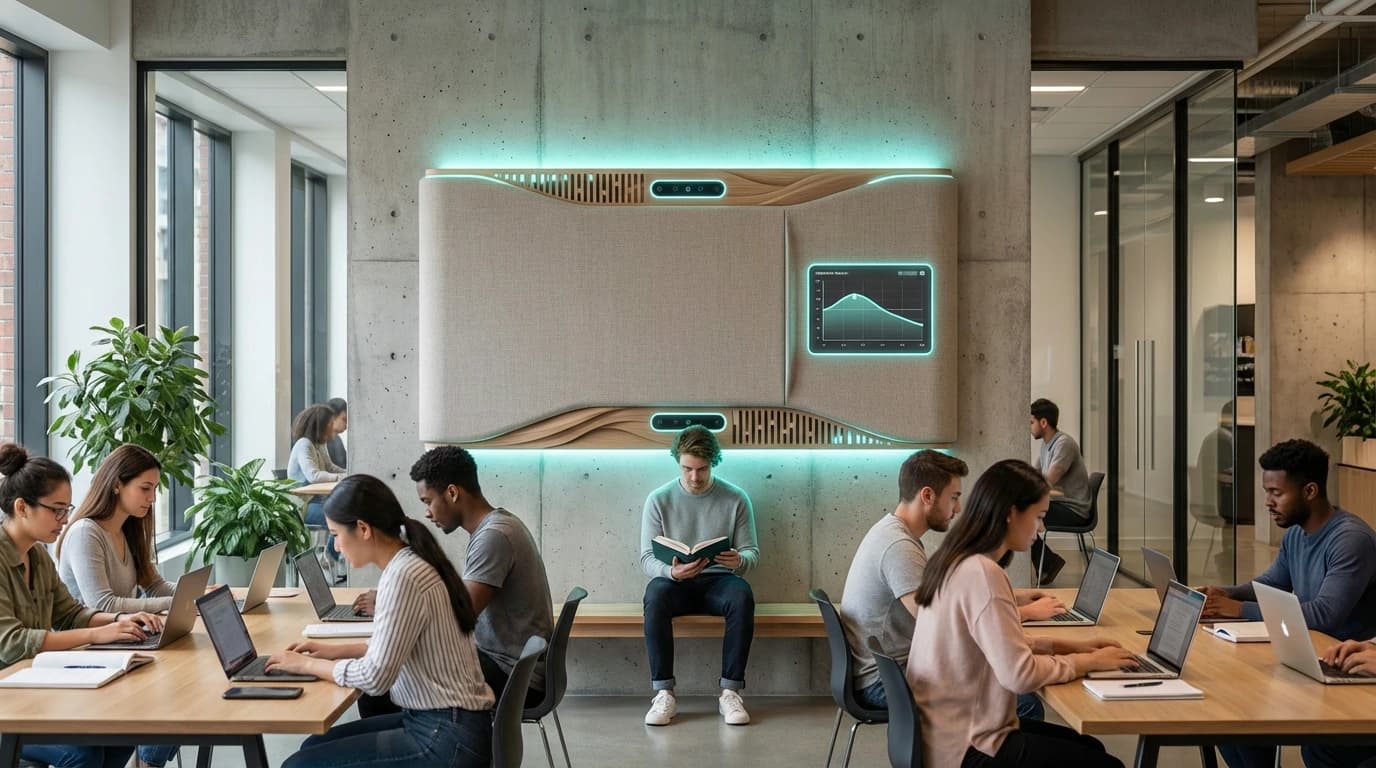
Adaptive Soundscaping Systems represent an emerging class of environmental technology that actively manages acoustic environments to support human wellbeing and cognitive performance. Unlike passive noise-cancellation or static background music, these systems employ networks of distributed sensors and speakers that continuously monitor ambient sound conditions and respond dynamically to changing acoustic needs. The core technology integrates real-time sound analysis with psychoacoustic principles—the science of how humans perceive and respond to different sound frequencies, patterns, and intensities. Advanced algorithms process inputs from environmental microphones to identify disruptive noise sources, measure overall sound pressure levels, and detect patterns that research suggests may increase stress or reduce concentration. The system then generates compensatory soundscapes through strategically positioned speakers, either masking unwanted noise through carefully calibrated frequencies or introducing restorative natural sounds such as flowing water, rustling leaves, or birdsong. Some implementations incorporate generative audio that evolves organically over time, avoiding the repetitive patterns that can become irritating in traditional background music systems.
The workplace wellness sector has emerged as an early adopter of these technologies, driven by growing recognition that acoustic comfort directly impacts employee productivity, satisfaction, and mental health. Open-plan offices, which dominate contemporary workplace design, frequently suffer from poor acoustic conditions that contribute to distraction, fatigue, and reduced cognitive performance. Traditional solutions like white noise generators or sound-masking systems offer only crude interventions that fail to adapt to changing conditions throughout the day. Adaptive soundscaping addresses this limitation by responding to actual usage patterns—quieting during focused work periods, introducing subtle energising elements during afternoon productivity dips, or creating acoustic privacy for sensitive conversations. Healthcare facilities represent another significant application domain, where evidence indicates that acoustic environments influence patient recovery rates, sleep quality, and pain perception. Early deployments in hospital settings suggest that adaptive systems can reduce stress-inducing noise spikes from medical equipment and foot traffic while maintaining the acoustic awareness that clinical staff require for safety monitoring.
Commercial installations are beginning to appear in progressive office environments, wellness-focused coworking spaces, and select healthcare facilities, though widespread adoption remains in early stages. Pilot programs in corporate headquarters have explored integration with occupancy sensors and calendar systems to anticipate acoustic needs based on scheduled activities and room usage. Public libraries and educational institutions are investigating applications for creating distinct acoustic zones that support different activities—quiet study areas, collaborative spaces, and social gathering points—within shared environments. The technology aligns with broader trends toward human-centered design in built environments and growing corporate investment in employee wellness programs. As remote and hybrid work models reshape expectations for workplace quality, organisations face increasing pressure to create office environments that offer tangible advantages over home settings. Looking forward, integration with wearable devices and biometric sensors could enable truly personalised soundscaping that responds to individual stress indicators, though such applications raise important questions about privacy and data governance that the field is only beginning to address.
Related Organizations

Creates personalized soundscapes using AI that adapt in real-time to inputs like heart rate, weather, and circadian rhythm to help users focus, relax, or sleep.

Provides biophilic soundscaping for commercial real estate to improve employee wellbeing and productivity.

A gaming and social platform that functions across VR headsets, mobile devices, and web browsers, maintaining a unified 3D space.

Major electronics manufacturer known for 'Habitat Soundscaping', a system combining visuals and nature sounds for open offices.

A music company creating audio specifically designed for health and wellbeing, validated by scientific research.

A mental wellness marketplace that uses machine learning to recommend personalized audio content.
Supporting Evidence
Research this in Signals
Signals turns a topic into a sourced research record you can inspect and rerun. Your first scan is free, and this one starts with Adaptive Soundscaping Systems already loaded, so edit it or scan as is.