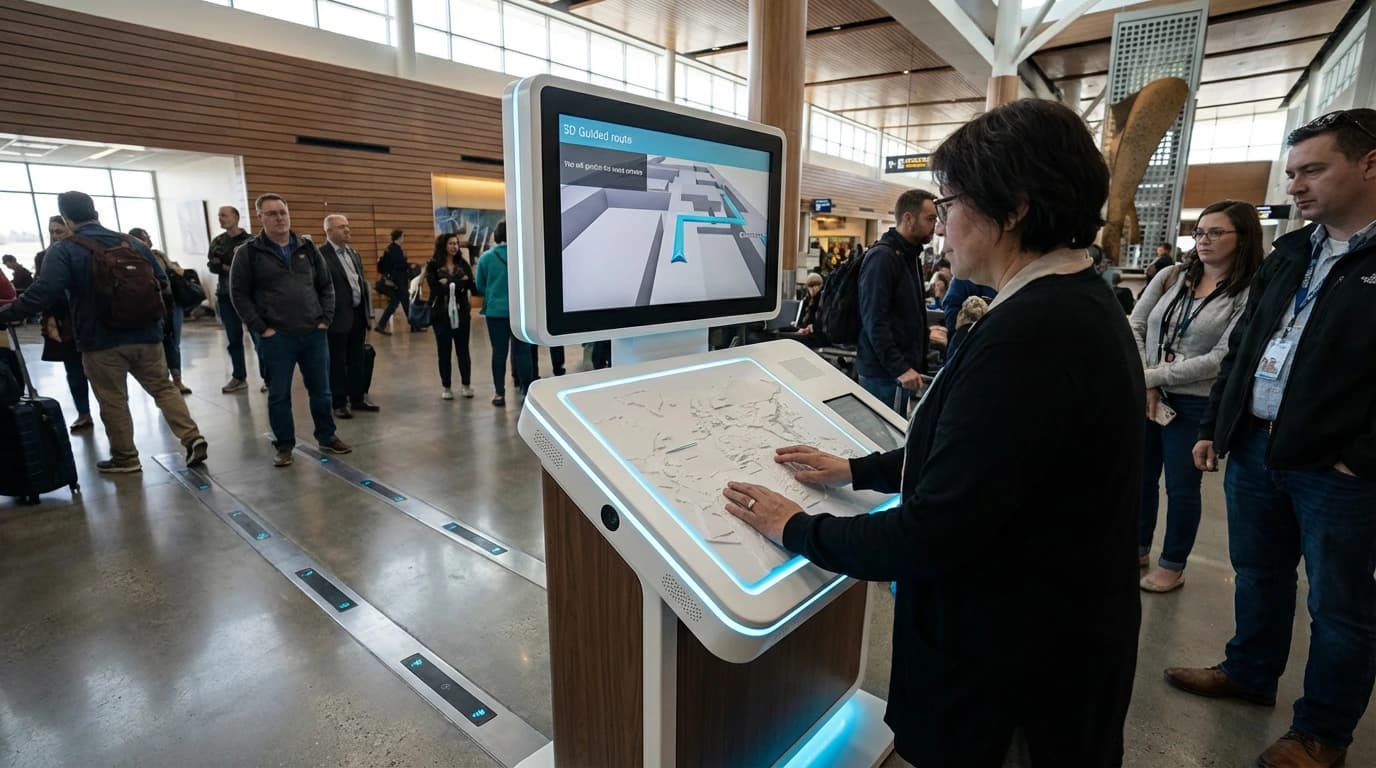
AI-powered tools ensuring inclusive travel for people with disabilities.
Frameworks to prevent bias in travel security and pricing.
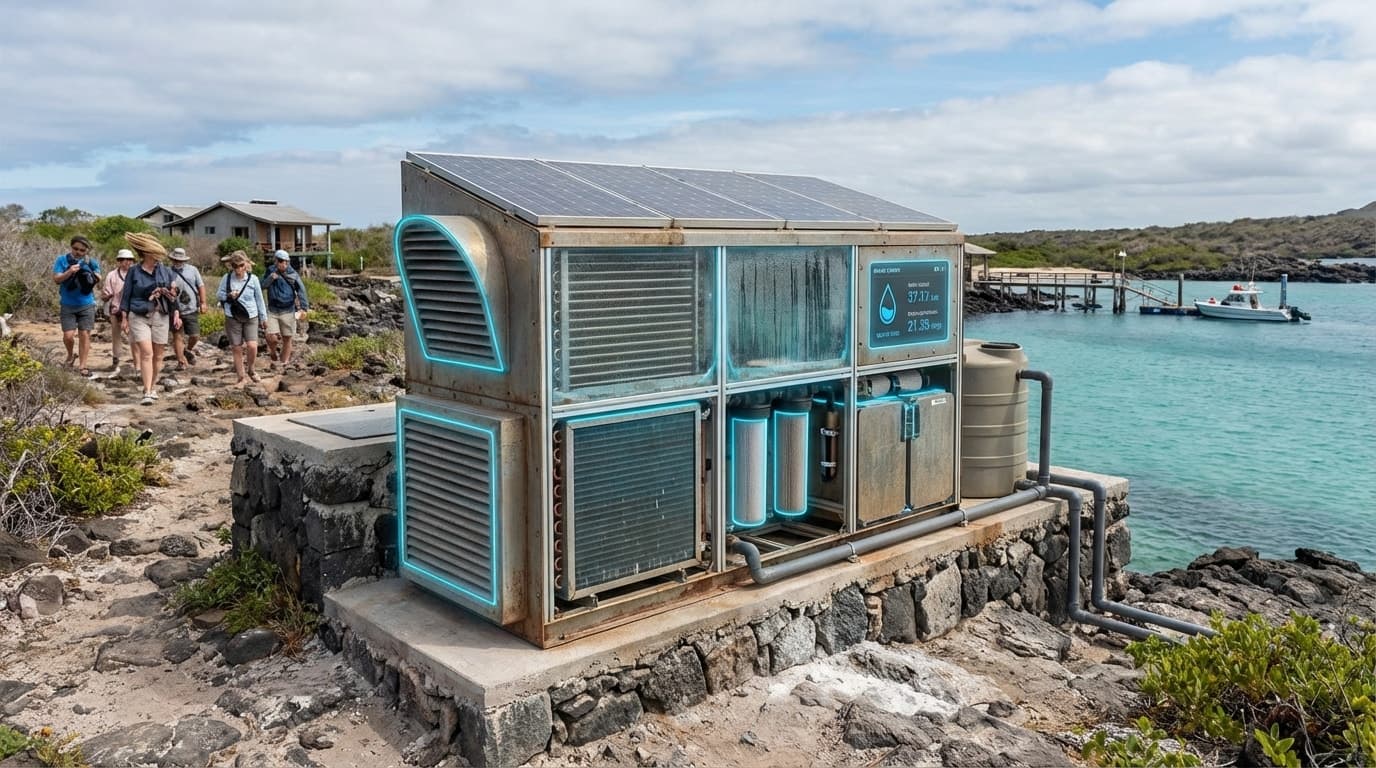
Systems extracting potable water from air for remote and island tourism.
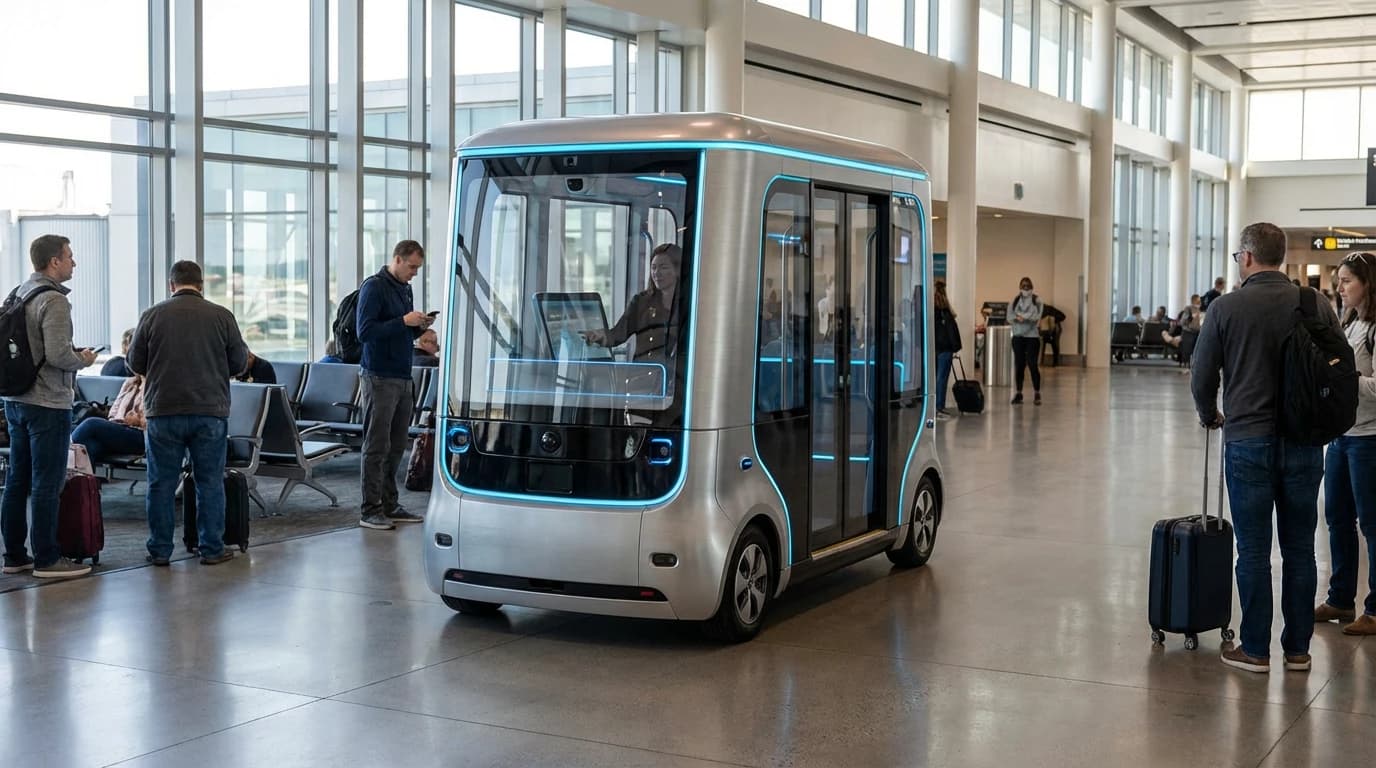
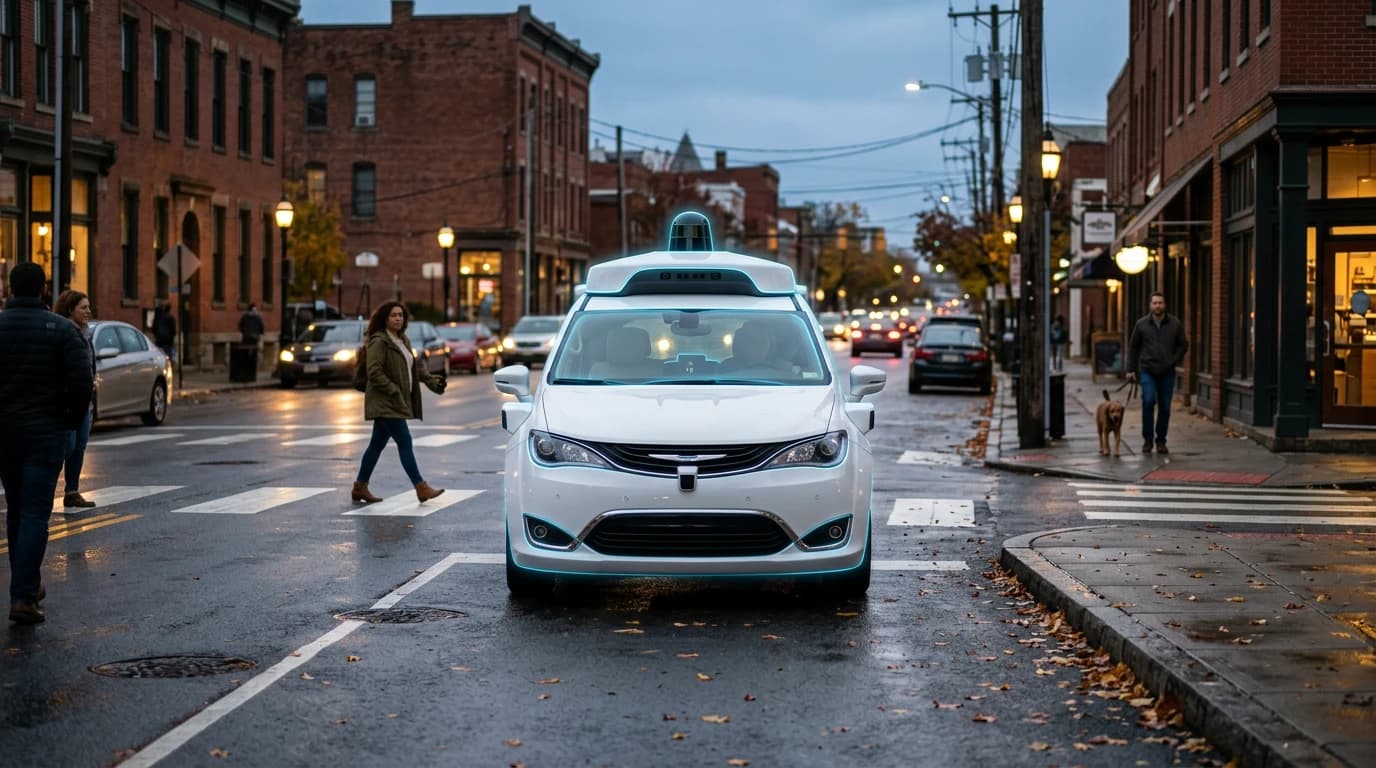
Self-driving capsules for last-mile transport in airports and resorts.
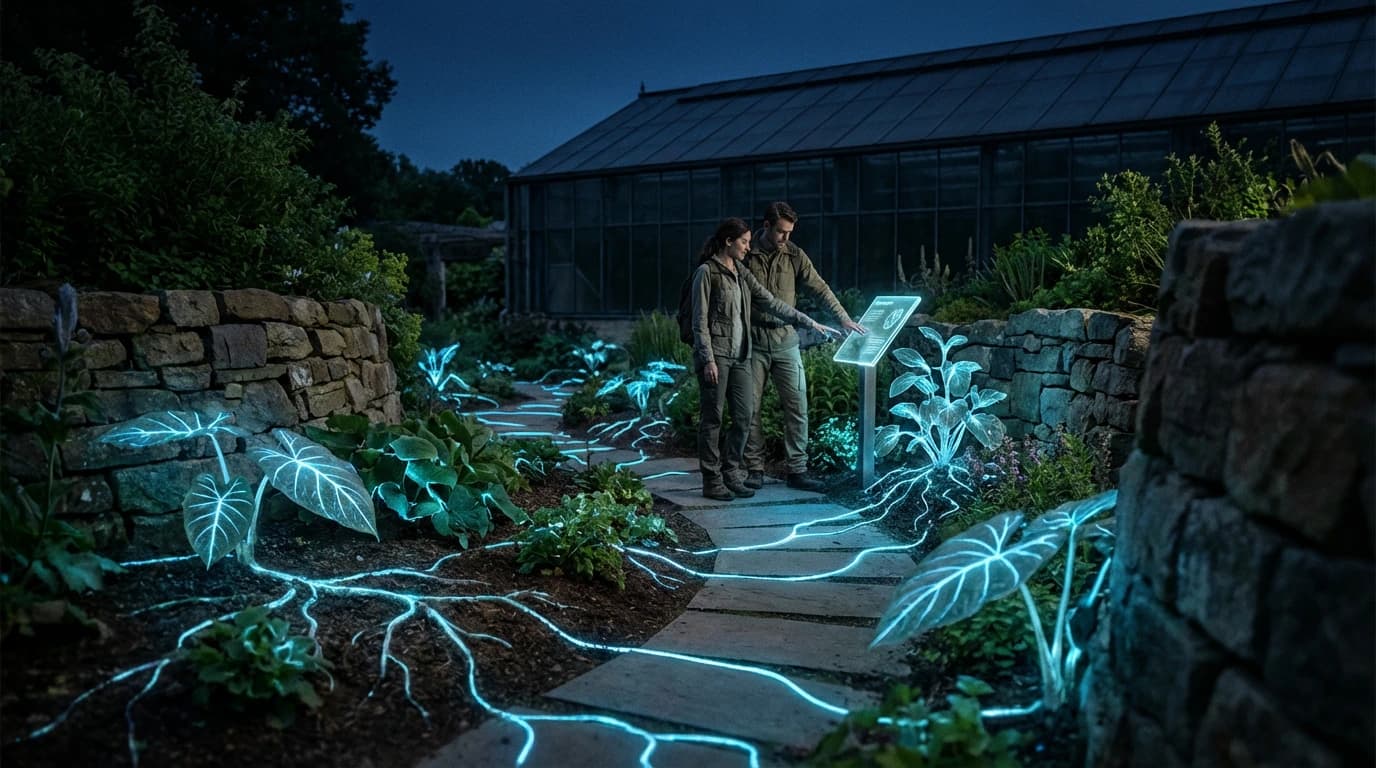
Engineered glowing plants and pathways replacing electric lighting.
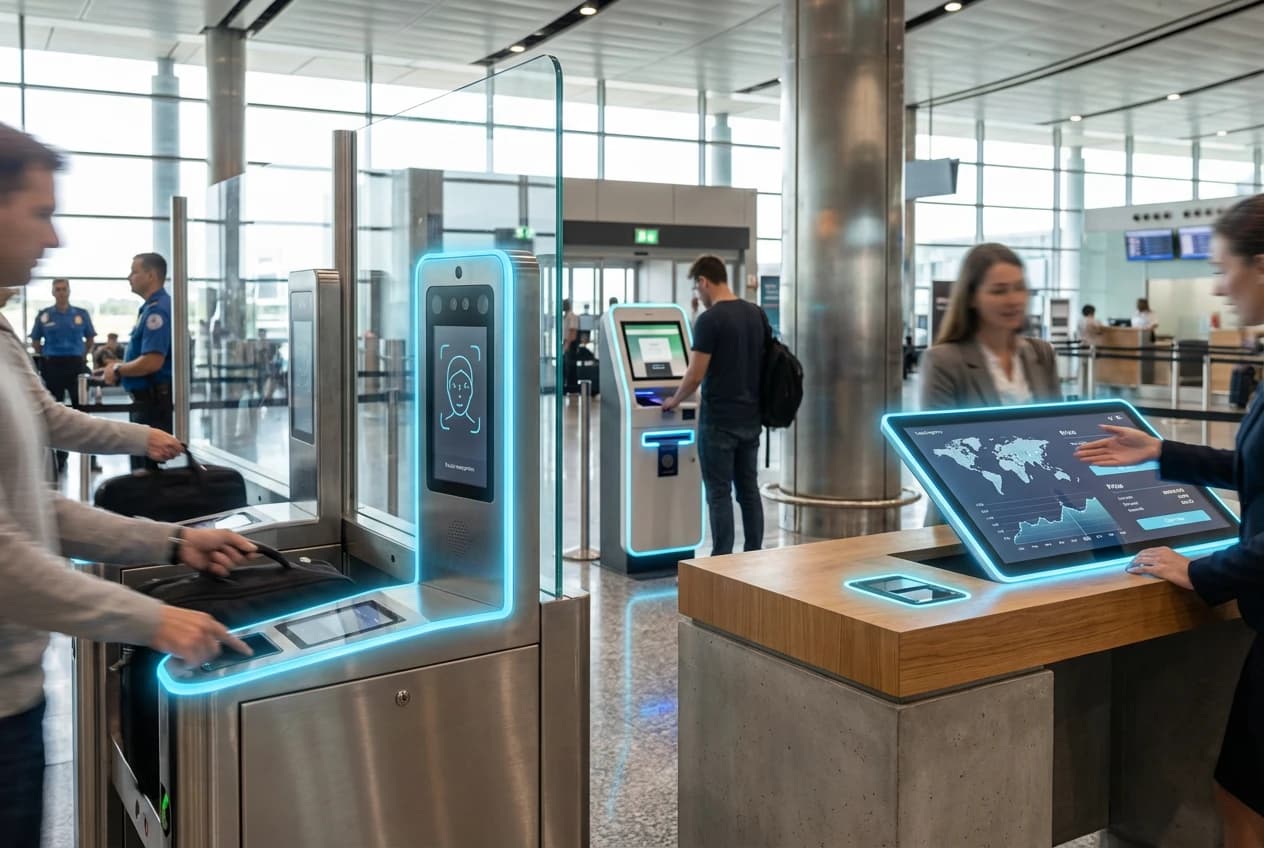
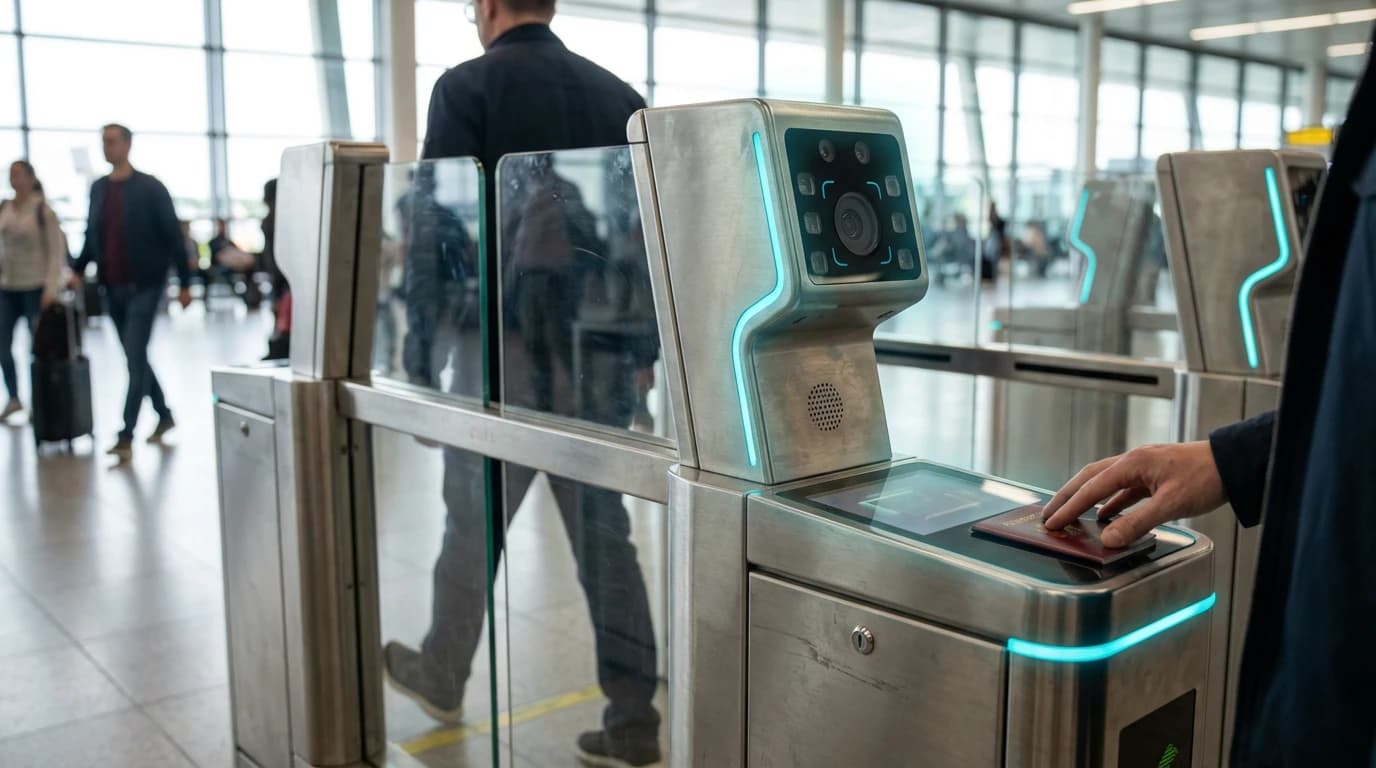
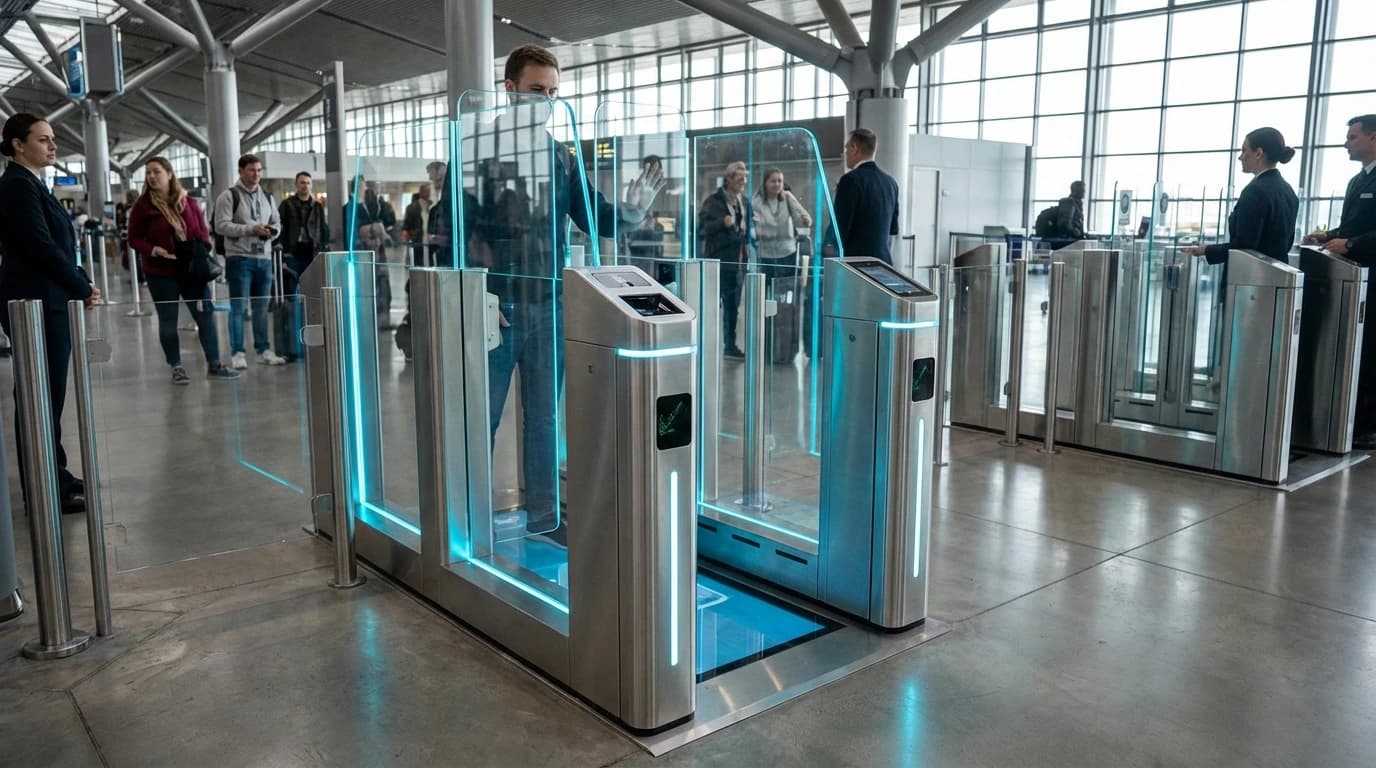
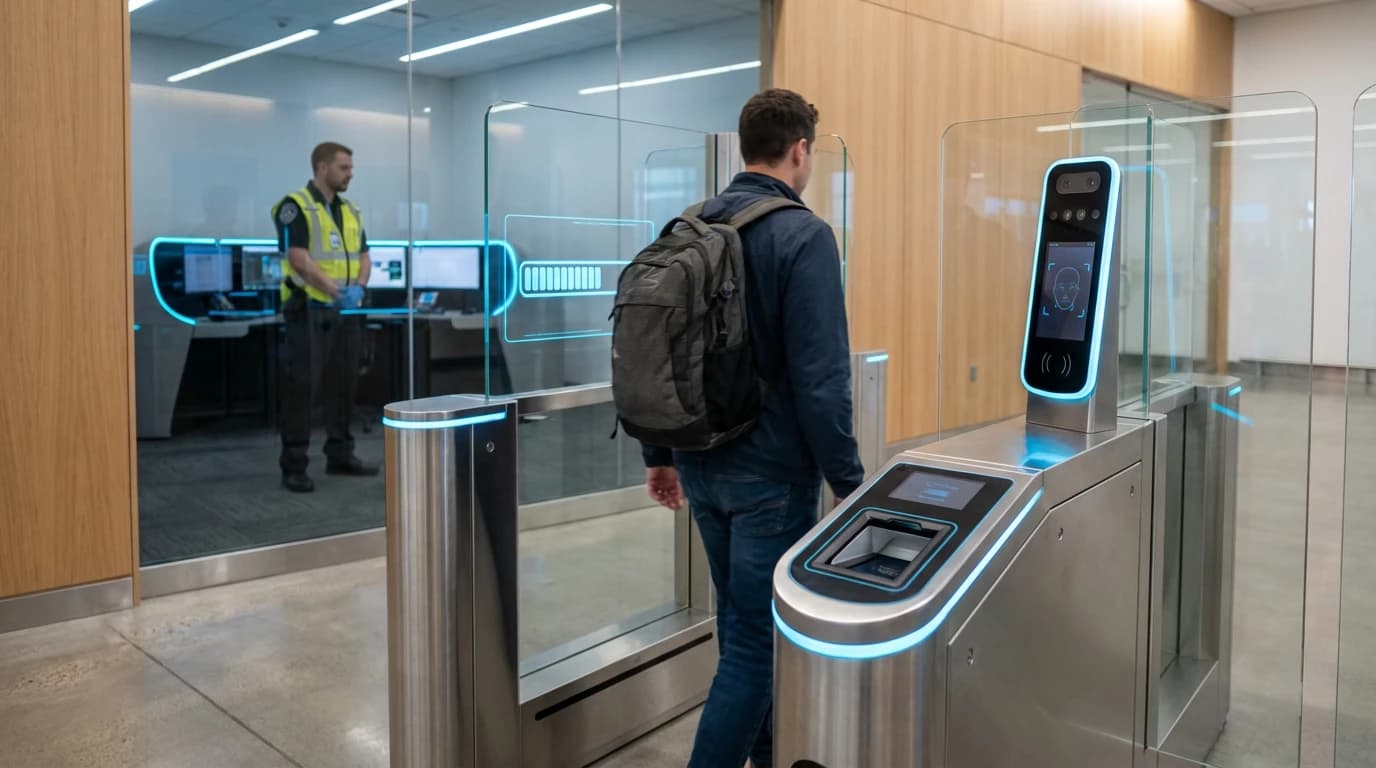
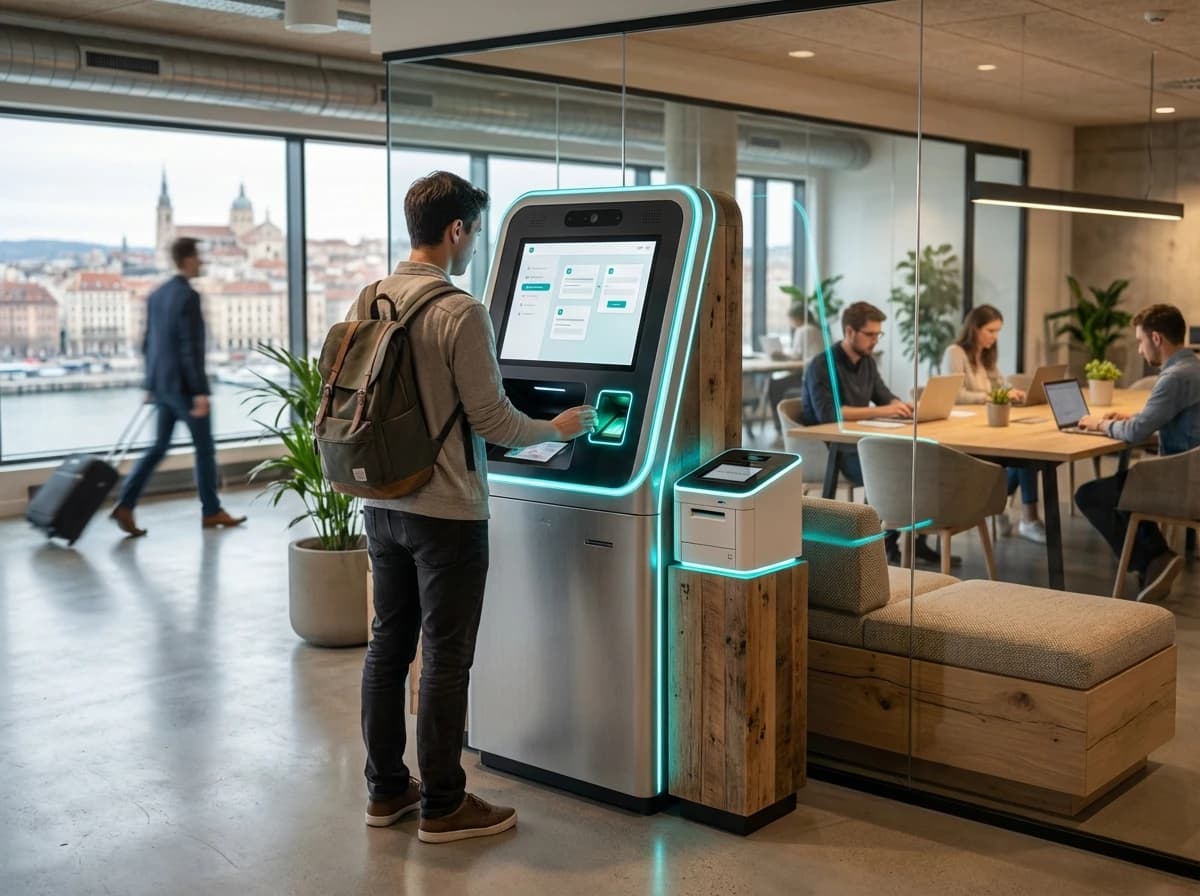
Automated border control systems using facial and biometric recognition.
Frameworks that set guardrails for biometric use in borders and hospitality.
Auditing and redress systems for automated border control technologies.
Immutable tracking of travel environmental footprints.
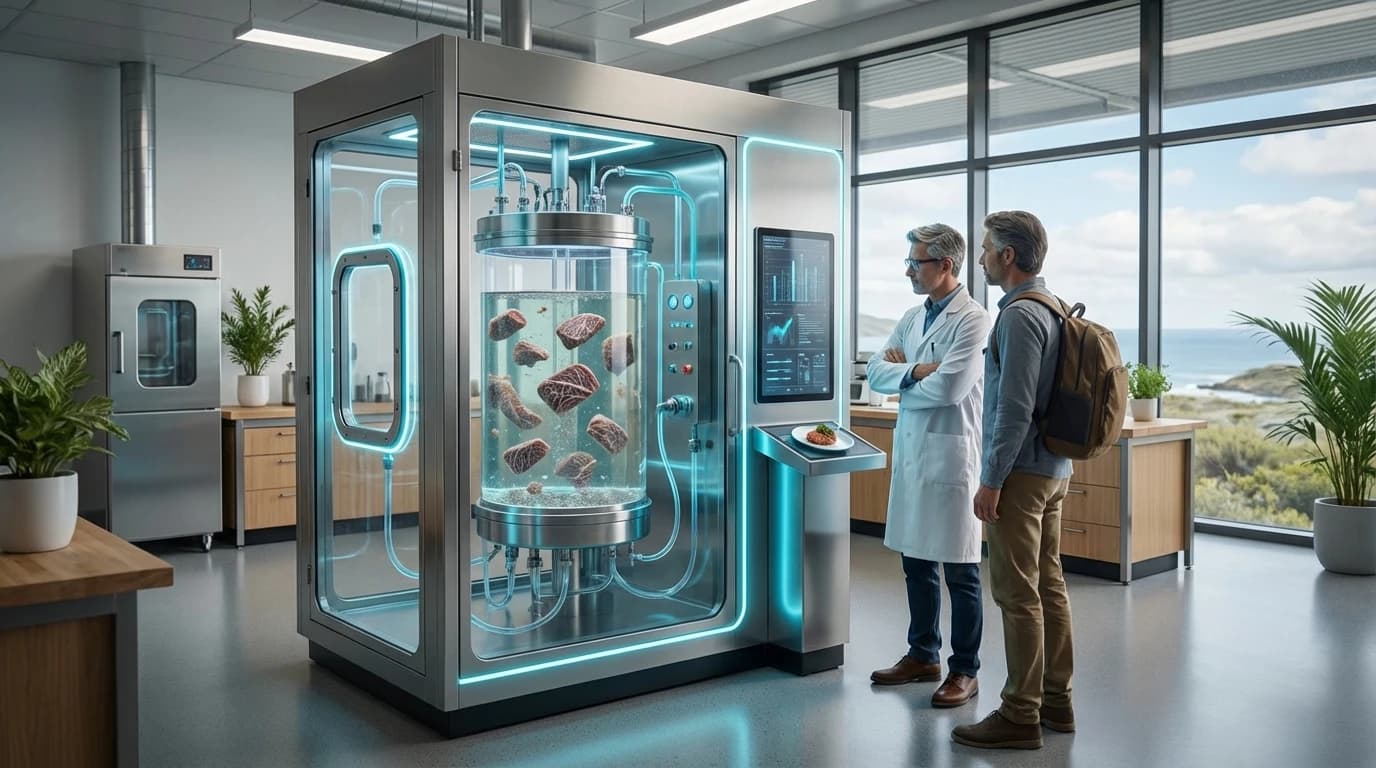
Lab-grown regional delicacies protecting endangered species and biodiversity.
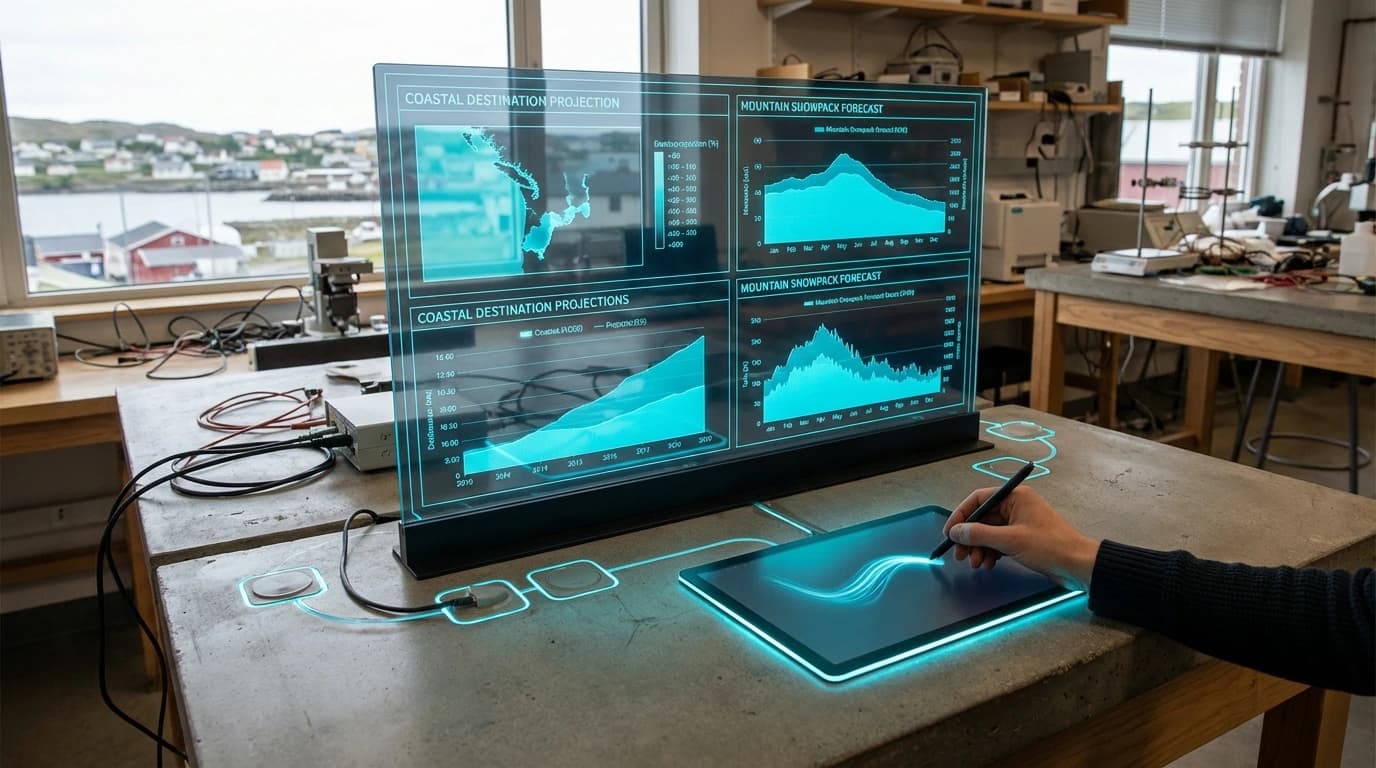
Predictive systems modeling climate impact on destinations and seasonality.
Equity-based carbon budgets and compensation for high-emission travel.
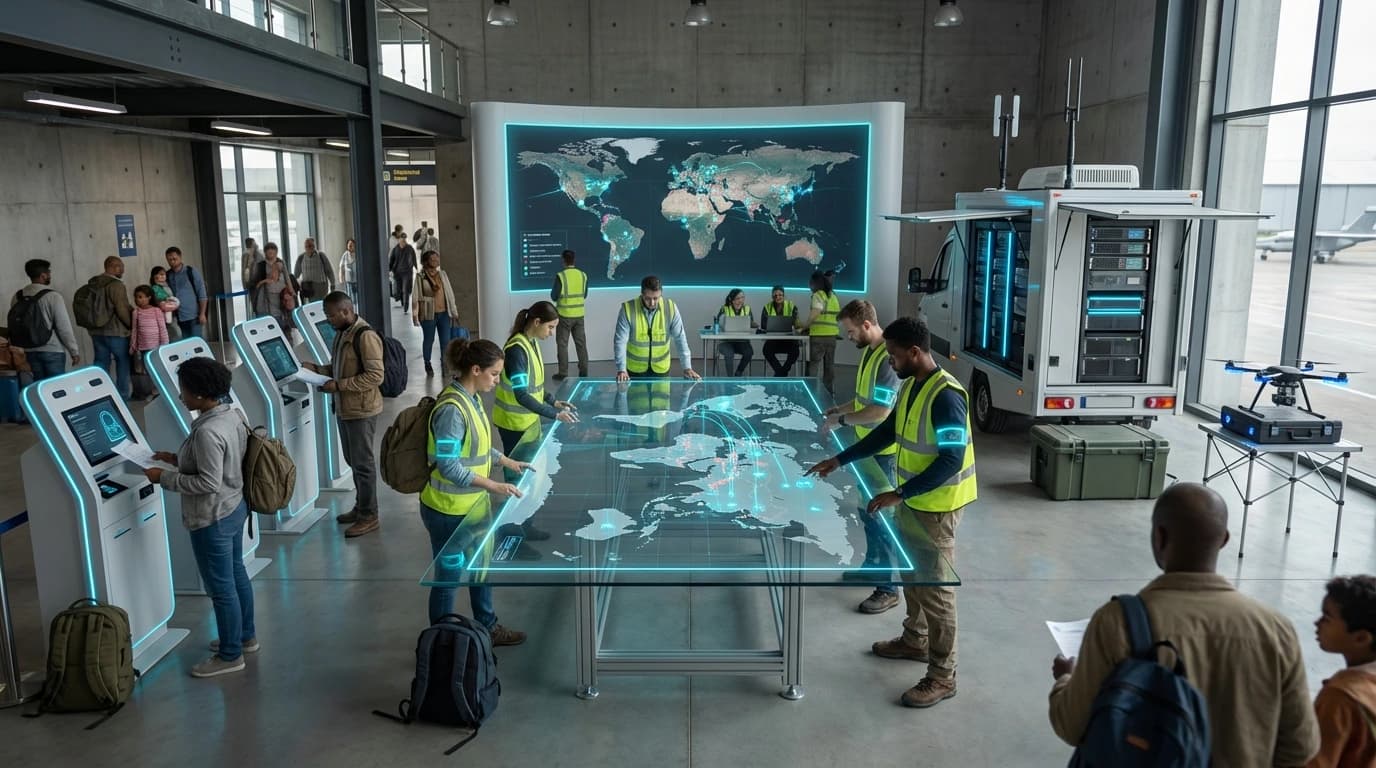
Real-time platforms managing evacuations, refugee flows, and emergency travel.
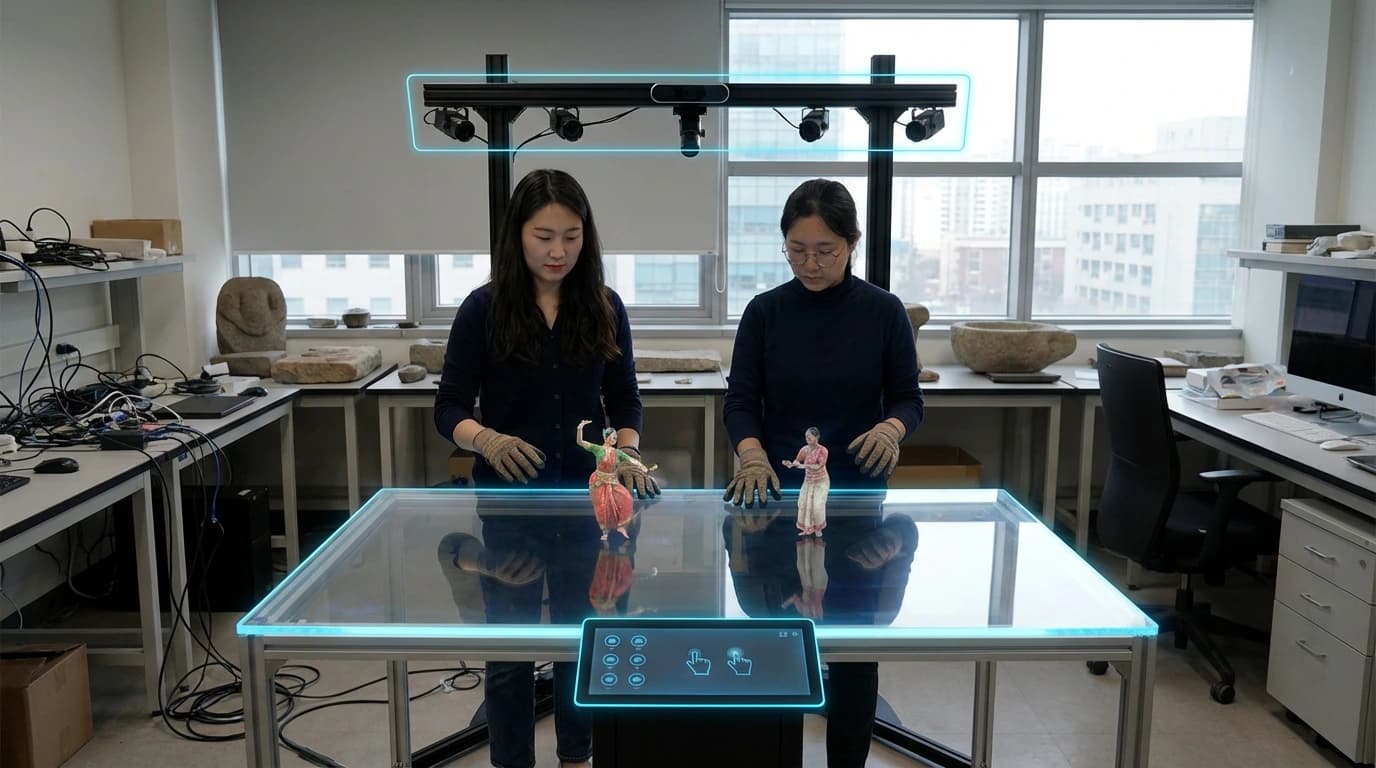
Digital tools documenting and safeguarding intangible cultural heritage.
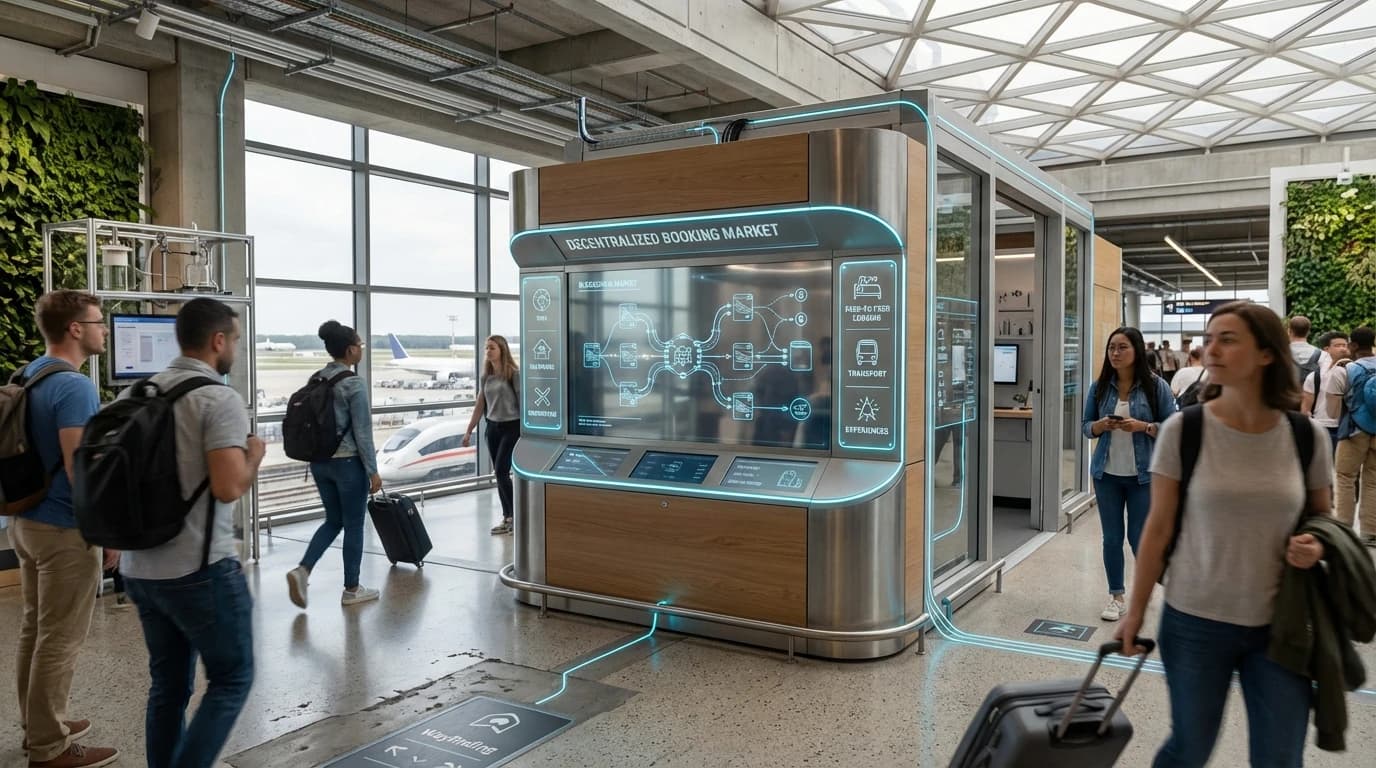
Blockchain-based peer-to-peer travel booking platforms.
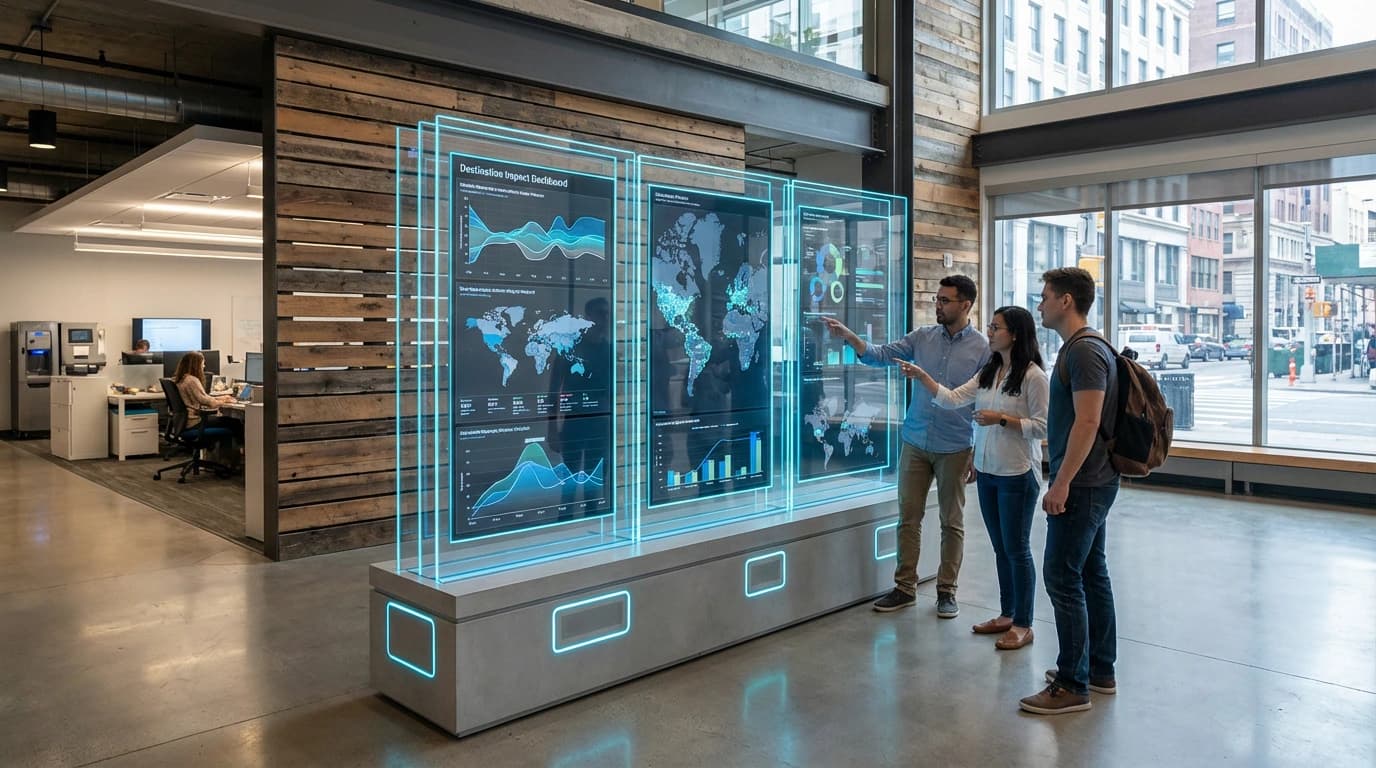
Public dashboards visualizing tourism’s social, economic, and ecological footprints.
Virtual replicas of cities used to simulate and manage tourist flows.
Streamlined application and compliance systems for remote work visas.
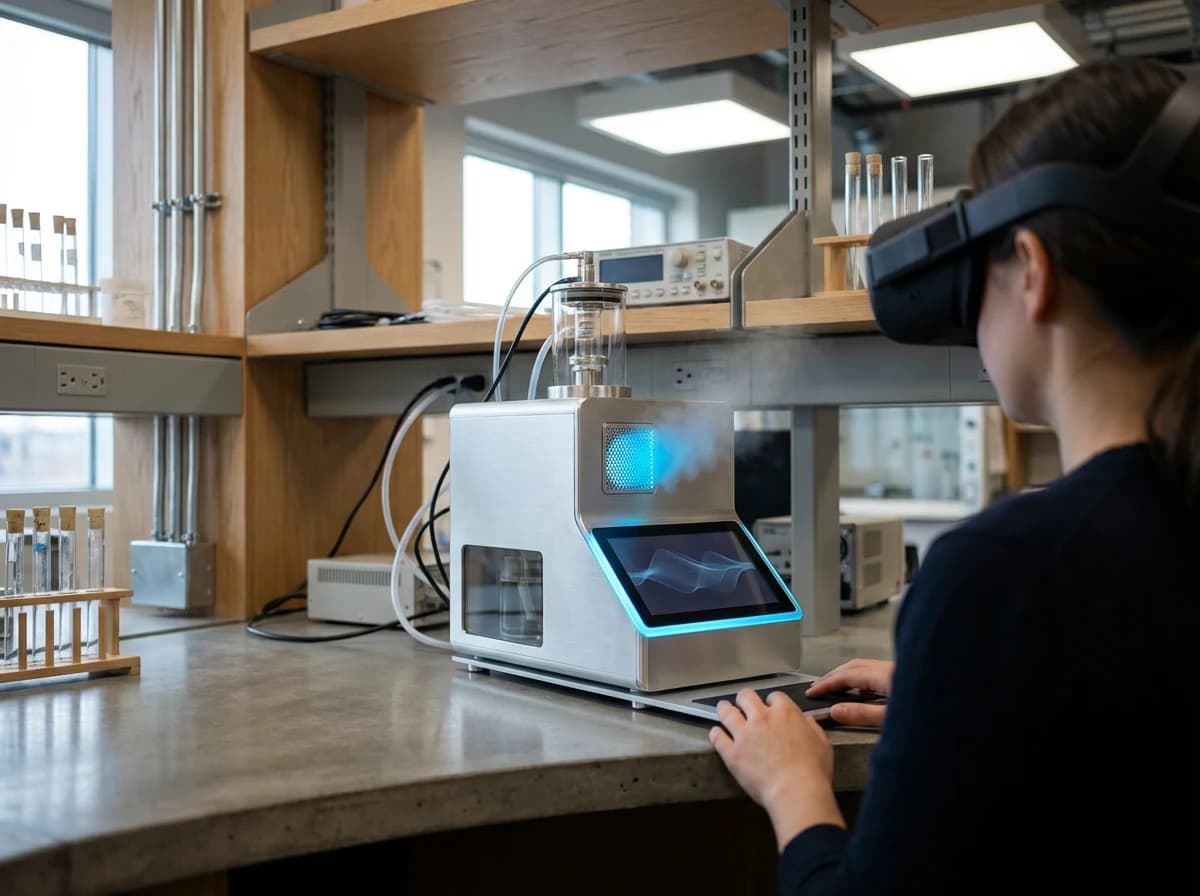
Transmission of scents to enhance virtual tourism and memory recall.
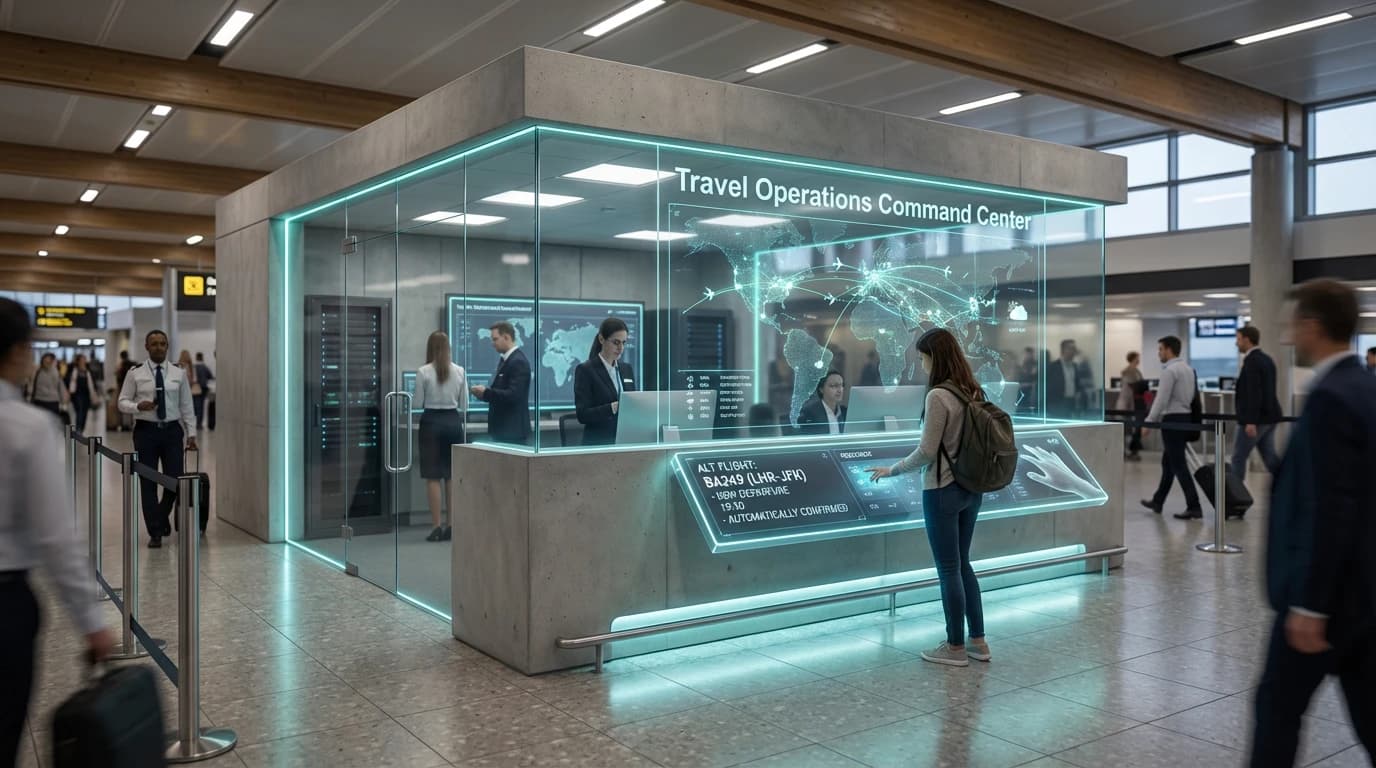
AI models predicting delays and automatically rebooking complex itineraries.
Timed-entry and capacity-aware reservation systems that smooth visitor flows.
On-device AI providing travel guidance without connectivity.
Battery-powered ferries for island and coastal mobility.
Electric Vertical Take-off and Landing vehicles for urban air mobility.
AI systems that create hyper-personalized travel itineraries.
Labour standards and social safety nets for platform-based tourism workers.
Next-generation rail networks in emerging markets and cross-border corridors.
Vacuum-assisted, ultra-high-speed transport systems connecting major hubs.
Frameworks ensuring Indigenous communities control tourism data about their territories.
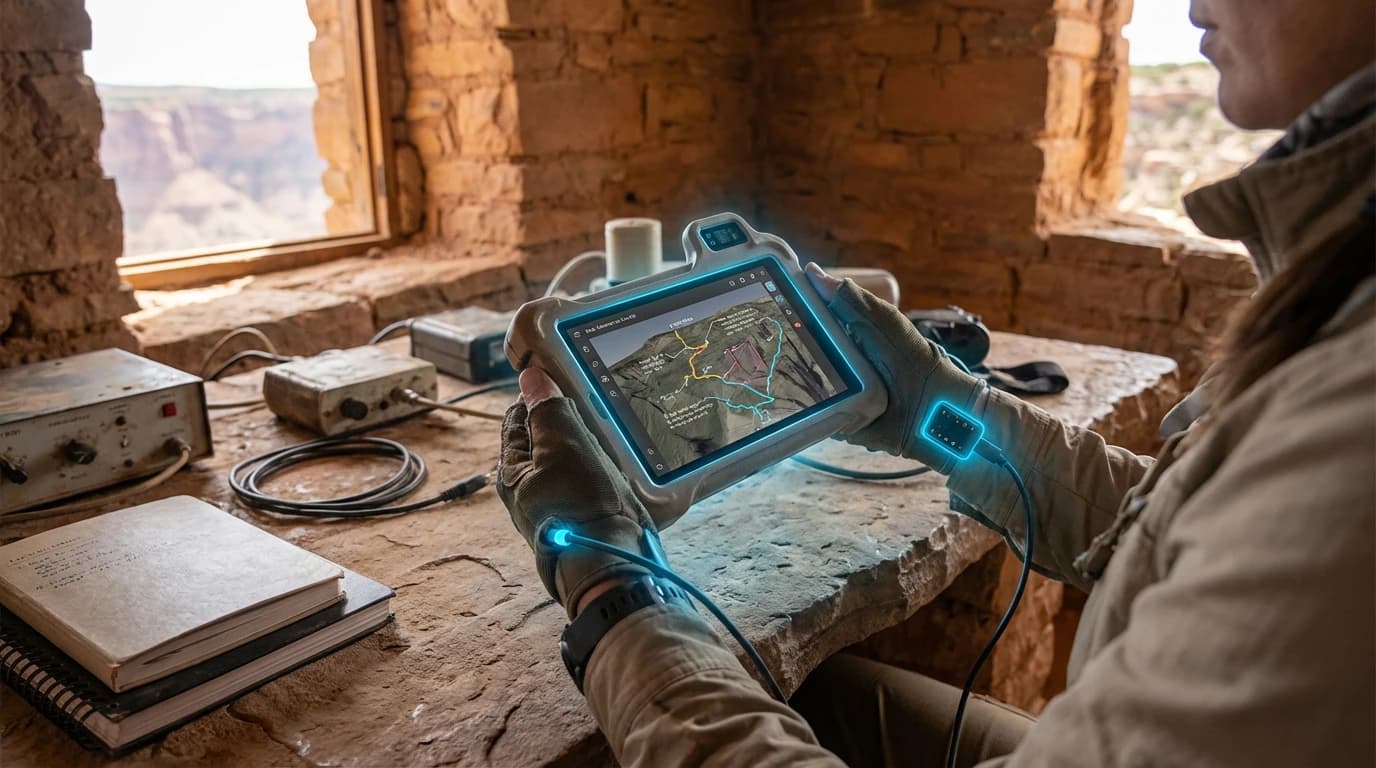
AR/MR overlays providing real-time translation, historical context, and navigation.
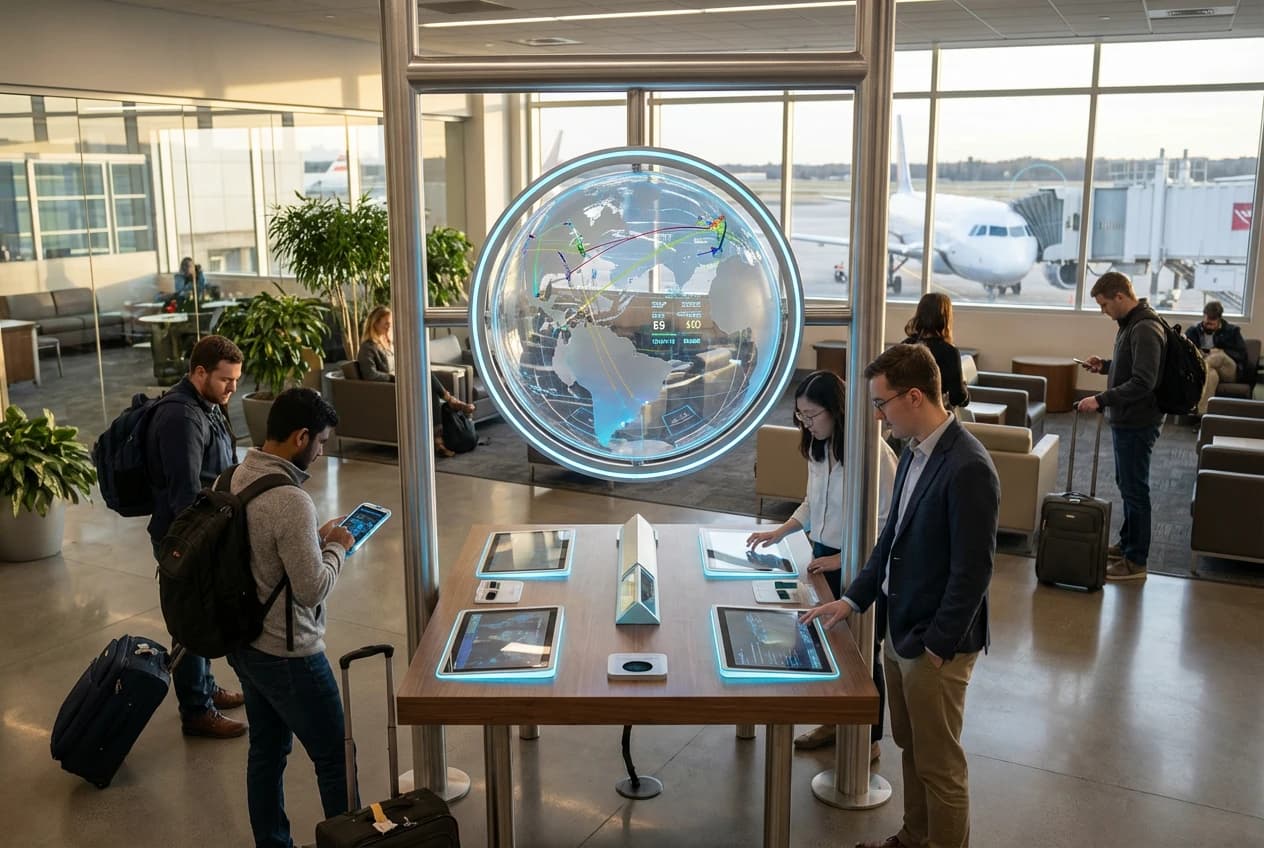
Dense sensor networks embedded in airports, stations, and ports.
Unified apps bundling journey planning, ticketing, visas, and payments.
Prefabricated, relocatable hotel units for rapid deployment.
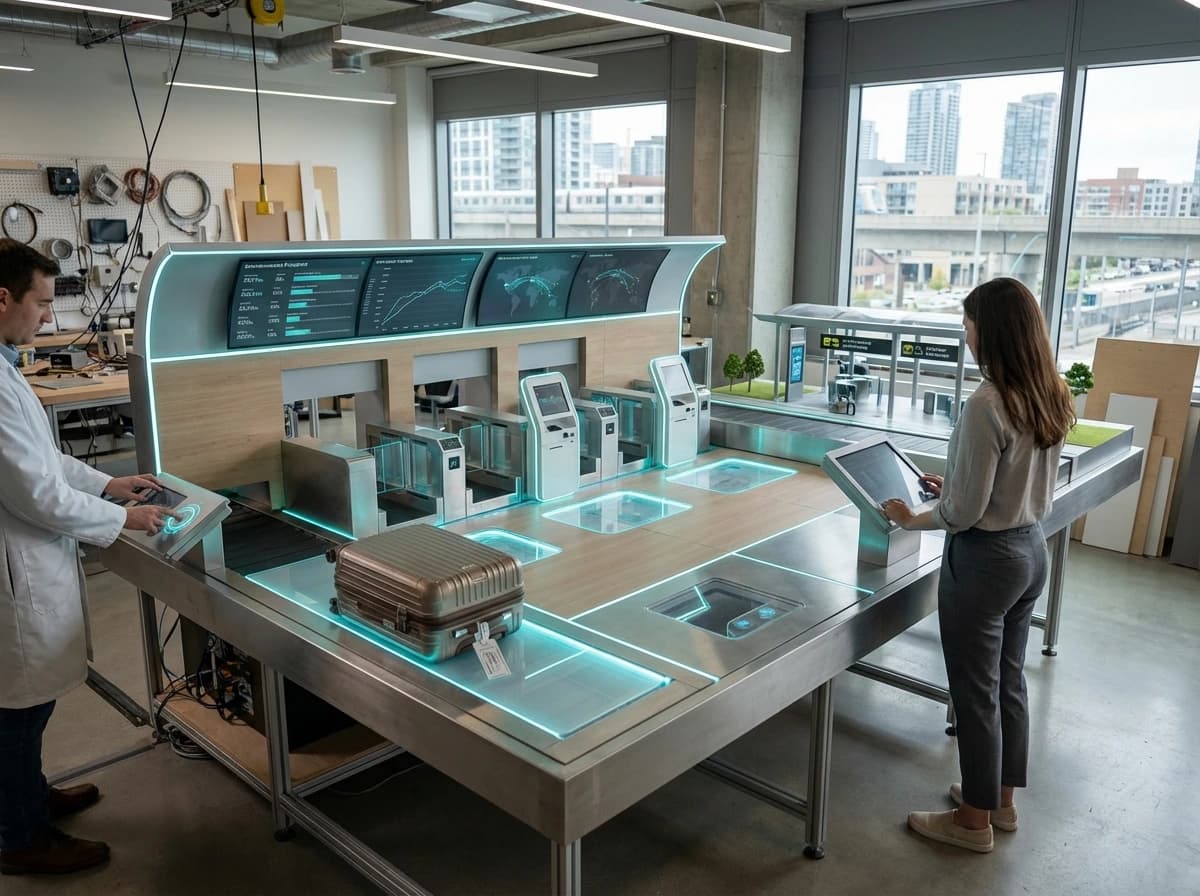
Software that stitches flights, rail, micromobility, and lodging into a single journey graph.
Hotel rooms and cabins that adjust to traveler stress and circadian rhythms.
Hybrid AI combining neural networks with knowledge graphs for cultural understanding.
Dynamic visitor caps, pricing, and dispersion mechanisms to combat crowding.
Techniques to analyze traveler flows without exposing individual identities.
Quantum computing solving complex multi-modal routing problems at scale.
Platforms steering demand toward community-owned, low-impact experiences.
Low Earth orbit constellations enabling internet access in remote destinations.
User-controlled digital identity wallets for secure travel.
Wearable robotics enabling accessible hiking and active travel for seniors.
Commercial spacecraft offering edge-of-space experiences.
Next-generation supersonic jets cutting intercontinental flight times.
Next-generation propulsion for cruise ships using LNG, fuel cells, and wind-assist.
AI-generated datasets preserving statistical properties while protecting privacy.
Digital tracing of labour conditions across tourism supply chains.
Geospatial analytics aggregating health, climate, and geopolitical risk for travelers.
Pressurized underwater lodges allowing extended stays without diving gear.
Immersive remote visits to destinations via VR, 360° video, and telepresence robots.
Designing travel systems that support mental health and well-being.