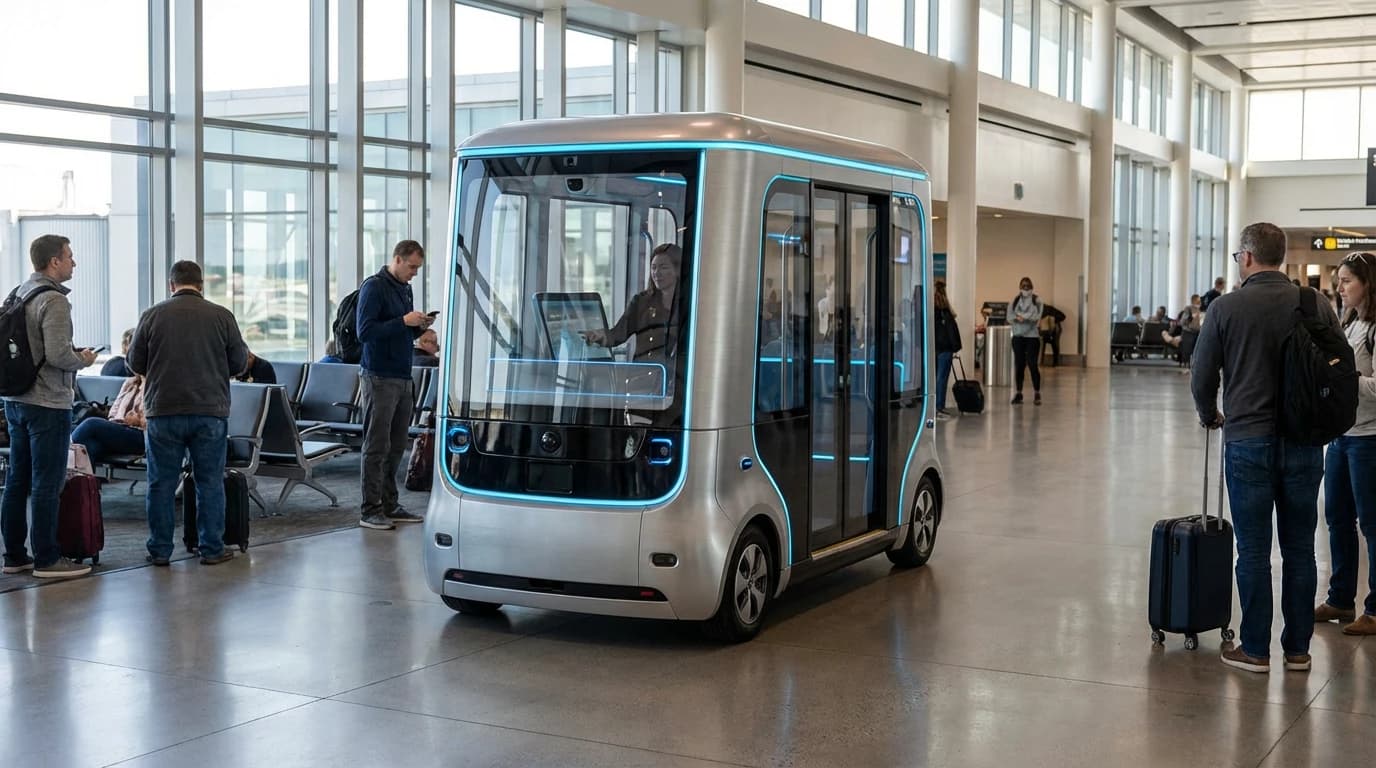
Autonomous Pods
Autonomous pods represent a specialized category of self-driving vehicles engineered specifically for controlled, low-speed environments where traditional transportation methods prove inefficient or impractical. Unlike conventional autonomous vehicles designed for public roads, these compact, electric-powered capsules operate within geofenced areas using a combination of LiDAR sensors, computer vision systems, and pre-mapped routes to navigate safely around pedestrians and obstacles. The vehicles typically accommodate two to six passengers along with their luggage, featuring barrier-free entry points and intuitive touchscreen interfaces for destination selection. Their propulsion systems rely on electric motors that enable quiet operation and zero local emissions, while their compact footprint allows them to navigate narrow pathways and congested areas that would challenge larger vehicles. The pods communicate with central management systems that coordinate fleet movements, optimize routing, and ensure safe spacing between vehicles, creating an orchestrated transportation network within their designated operational zones.
The tourism and travel industry faces persistent challenges in moving people efficiently across sprawling facilities where walking distances can be prohibitive and traditional shuttle services prove costly and inflexible. Airports struggle with the "last-mile" problem of connecting remote gates to terminals, while resort complexes and theme parks grapple with guest fatigue and accessibility requirements across vast properties. Autonomous pods address these challenges by providing on-demand, point-to-point transportation that eliminates fixed routes and schedules. This flexibility reduces passenger wait times and operational costs compared to conventional shuttle buses that must follow predetermined circuits regardless of actual demand. The technology also enhances accessibility for elderly travelers, families with young children, and passengers with mobility limitations who might otherwise struggle with long terminal walks or crowded shuttle buses. By operating continuously without driver fatigue concerns and requiring minimal infrastructure beyond charging stations and designated pathways, these systems can scale service levels dynamically to match fluctuating passenger volumes throughout the day.
Several major airports and hospitality venues have begun deploying autonomous pod systems, with early implementations demonstrating the technology's viability in real-world conditions. These pilot programs typically start with limited routes in controlled sections of facilities before expanding to broader coverage areas as operational confidence grows. The pods have found particular success in airport environments where they shuttle passengers between terminals, parking structures, and rental car facilities, reducing the burden on existing people-mover systems. Resort properties have similarly embraced the technology to differentiate their guest experience while addressing practical transportation needs across sprawling grounds. Industry analysts note that as sensor technology becomes more sophisticated and regulatory frameworks mature, autonomous pods are likely to expand beyond their current niche applications into broader tourism contexts, including cruise ship terminals, convention centers, and even outdoor attractions where seasonal weather conditions previously limited deployment options. This evolution aligns with the broader trend toward personalized, on-demand mobility solutions that prioritize passenger convenience and operational efficiency over traditional mass-transit approaches.
Related Organizations

Develops autonomous baggage and passenger transport vehicles specifically for aviation environments.

A high-tech company specializing in driverless technology and smart mobility solutions, famous for the EZ10 autonomous shuttle.

Operates the Heathrow Pod system connecting Terminal 5 to business car parks.

Specializes in automated transit networks and shared autonomous vehicles.

Developing a Personal Rapid Transit (PRT) system with autonomous pods on dedicated narrow lanes.

A New Zealand-based manufacturer of autonomous electric shuttles designed for first and last-mile transport.


A global technology company supplying systems for passenger cars and commercial vehicles, including autonomous shuttle systems (via 2getthere acquisition).

A leader in autonomous vehicle technology, deploying fleets of self-driving shuttles for public transit in various US cities.

Developing the 'Lunar Cruiser' in partnership with JAXA, a pressurized rover that serves as a mobile habitat for astronauts.
Supporting Evidence
Research this in Signals
Signals turns a topic into a sourced research record you can inspect and rerun. Your first scan is free, and this one starts with Autonomous Pods already loaded, so edit it or scan as is.