Cultural Heritage Preservation Platforms
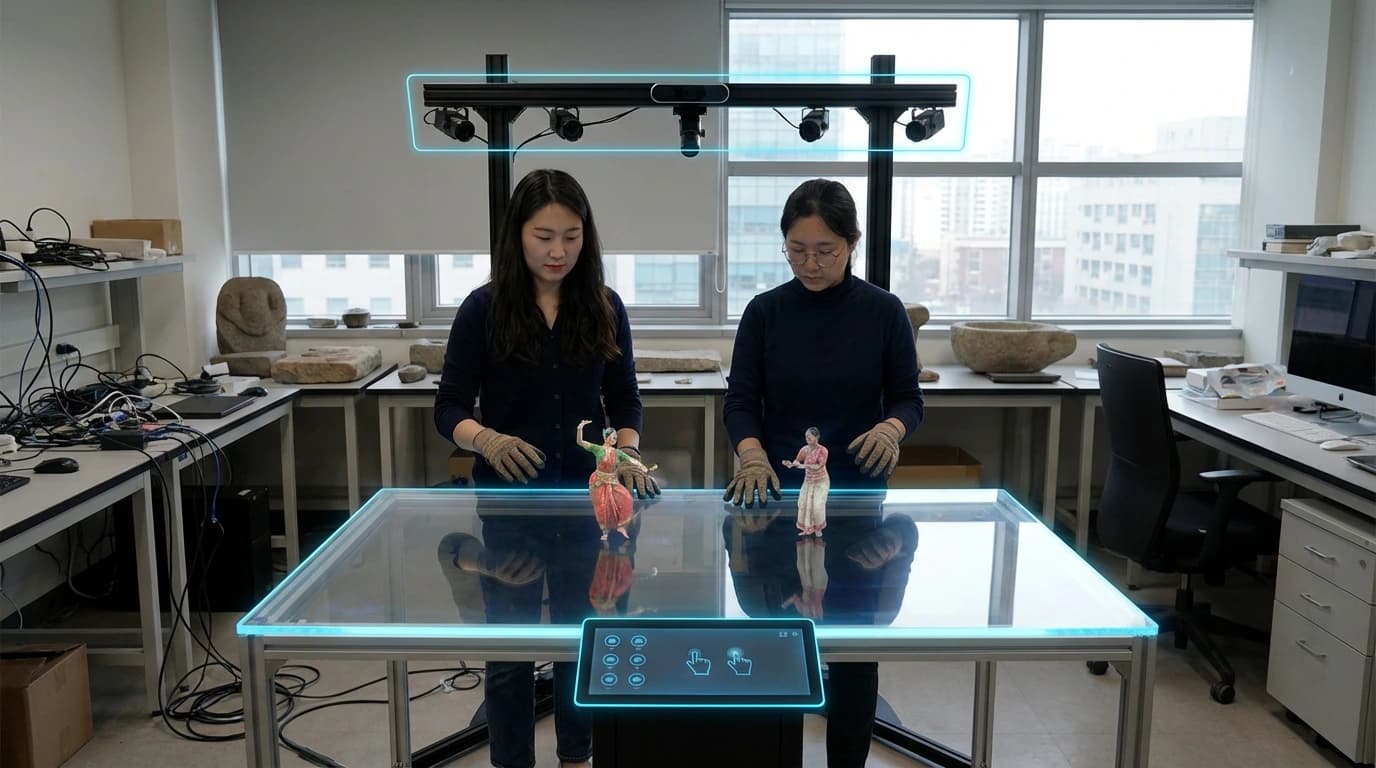
Cultural heritage preservation platforms represent a convergence of digital technologies designed to document, archive, and protect intangible cultural heritage that faces erosion from globalization, urbanization, and generational shifts. These systems integrate multiple technological approaches including high-resolution photogrammetry for capturing physical artifacts and sites, digital audio-visual recording for oral histories and traditional performances, and structured knowledge management systems for organizing community-contributed information. The platforms typically employ cloud-based architectures that enable distributed access while maintaining version control and provenance tracking for all contributed materials. Advanced implementations incorporate machine learning for language documentation, allowing for the transcription and analysis of endangered dialects, while spatial mapping tools connect cultural practices to specific geographic locations. The technical infrastructure prioritizes long-term digital preservation standards, ensuring that captured materials remain accessible and interpretable across future technology transitions.
The tourism industry faces a persistent challenge in balancing economic development with authentic cultural representation and community benefit. Traditional heritage tourism models often commodify local cultures without providing adequate compensation or control to source communities, while simultaneously failing to capture the depth and context of intangible traditions that cannot be preserved through physical monuments alone. Cultural heritage preservation platforms address these limitations by creating digital repositories that communities themselves manage and curate, establishing frameworks where tourism operators, researchers, and travelers can access authenticated cultural content while revenue flows directly support preservation efforts and community custodians. This approach enables destinations to differentiate themselves through documented authenticity rather than manufactured experiences, while providing educational resources that enhance visitor understanding and respect. The platforms also solve the problem of knowledge transfer within communities, as younger generations increasingly engage with digital media more readily than traditional apprenticeship models, creating new pathways for cultural continuity.
Early implementations of these platforms have emerged across regions with rich oral traditions and endangered cultural practices, particularly in indigenous communities and remote destinations seeking sustainable tourism development. Research initiatives in language preservation have demonstrated the viability of community-managed digital archives, while pilot programs in heritage tourism have shown that travelers increasingly value access to authenticated cultural narratives and are willing to pay premium prices for experiences that demonstrably support preservation efforts. The platforms enable new tourism products such as virtual pre-visit cultural orientations, augmented reality overlays at heritage sites that provide community-narrated context, and post-visit access to deeper archival materials that extend engagement beyond the physical journey. As concerns about overtourism and cultural appropriation intensify, these systems offer a pathway toward more equitable and sustainable cultural tourism models. The technology aligns with broader industry trends toward experiential travel, digital storytelling, and conscious tourism, while addressing growing demand from both travelers and communities for more meaningful, mutually beneficial cultural exchanges that preserve rather than exploit heritage resources.
Related Organizations

A nonprofit dedicated to digitally recording, archiving, and sharing the world's most significant cultural heritage sites.

Platform providing virtual tours of museums, heritage sites, and landmarks using Street View technology.

French startup specializing in the digitization of endangered cultural heritage sites using drones and 3D photogrammetry.
Organization dedicated to the digital preservation of art and artifacts, developing custom high-res scanners.

World's largest museum complex, actively digitizing collections for virtual tours.

A global volunteer movement to save and promote every language in the world.

Hosts the 'Internet Arcade' and massive collections of abandonware, utilizing browser-based emulation (Emularity) to keep software accessible.

An organization dedicated to recording, preserving, and sharing the stories of Americans from all backgrounds.

A 3D asset platform (owned by Epic Games) that hosts a massive library of cultural heritage scans from museums worldwide.
Supporting Evidence
Research this in Signals
Signals turns a topic into a sourced research record you can inspect and rerun. Your first scan is free, and this one starts with Cultural Heritage Preservation Platforms already loaded, so edit it or scan as is.