Atmospheric Water Generation
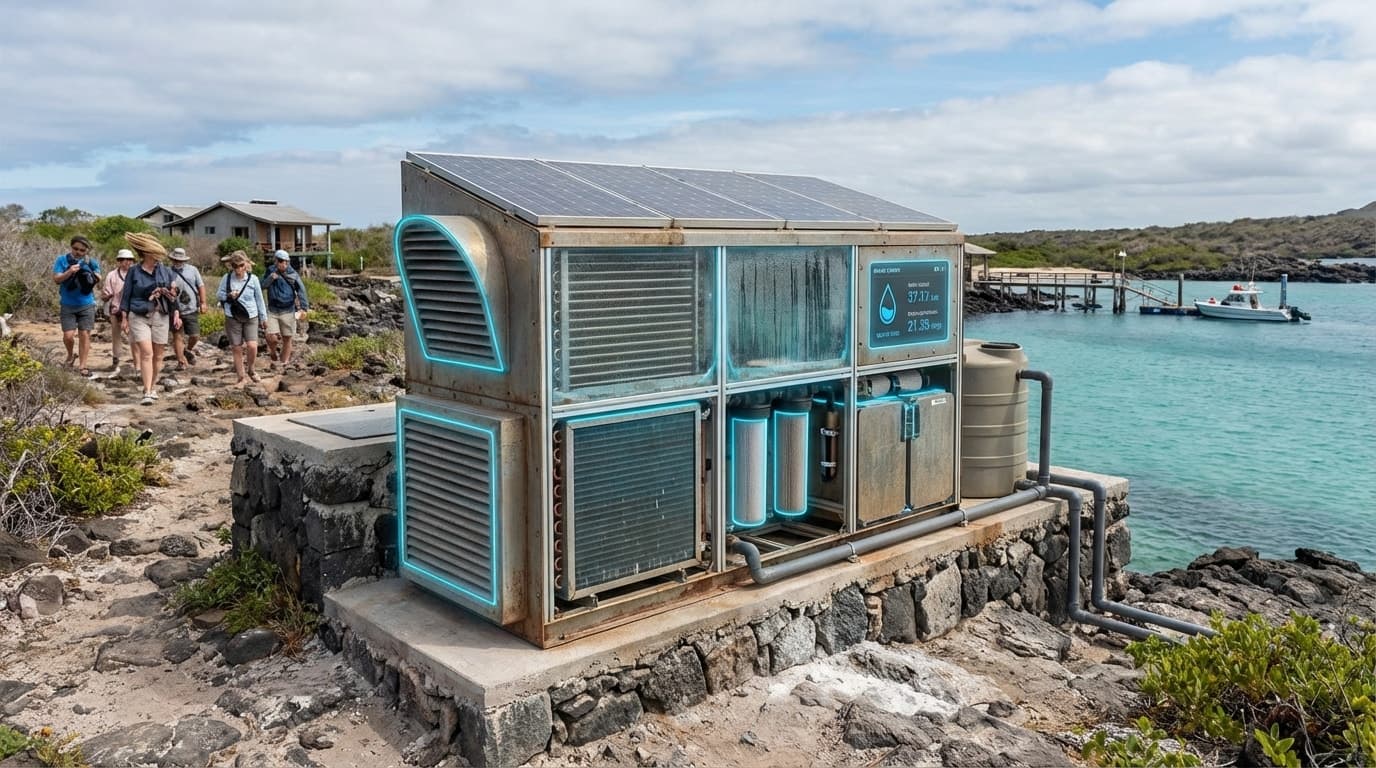
Atmospheric water generation represents a breakthrough in sustainable water sourcing that addresses one of tourism's most pressing environmental challenges: providing clean drinking water without depleting local resources or generating plastic waste. These systems employ two primary technological approaches to extract moisture from air. The first utilizes solar-powered hydro-panels that contain hygroscopic materials—substances that naturally attract and absorb water molecules from the atmosphere. As air passes through these panels, water vapor condenses on specialized surfaces, is collected in reservoirs, and undergoes mineralization to produce potable water. The second approach relies on active cooling systems that lower air temperature below its dew point, causing water vapor to condense on refrigerated coils, similar to how a dehumidifier operates but optimized for drinking water production. Both methods can function in diverse humidity conditions, though efficiency varies with atmospheric moisture levels, with some advanced systems capable of extracting water even in arid environments with relative humidity as low as 20 percent.
The tourism industry faces mounting pressure to reduce its environmental footprint, particularly in island destinations and remote locations where freshwater scarcity intersects with high visitor demand. Traditional solutions—importing bottled water or drilling deeper wells—exacerbate problems by generating plastic pollution and depleting fragile aquifers that local communities depend upon. Atmospheric water generation offers a decentralized alternative that produces water on-site, eliminating transportation costs and associated carbon emissions while reducing strain on municipal water systems. For resort operators, this technology addresses both sustainability goals and operational challenges, providing water independence during peak tourist seasons when local supplies are most stressed. The systems also align with growing traveler expectations for environmentally responsible accommodations, as guests increasingly seek destinations that demonstrate genuine commitment to conservation rather than merely offsetting their impact elsewhere.
Early deployments of atmospheric water generation in tourism contexts have demonstrated both promise and practical considerations. Luxury eco-resorts in the Maldives and Caribbean have installed hydro-panel arrays to supplement their water needs, while some boutique hotels in desert regions have adopted the technology as a signature sustainability feature. The systems prove particularly valuable in locations where desalination is prohibitively expensive or where infrastructure for water delivery is limited. Current installations typically serve as partial solutions rather than complete replacements for conventional water sources, supplementing existing supplies during high-demand periods or providing premium drinking water for guests while conventional sources handle other needs. As the technology matures and production costs decline, industry analysts note expanding interest from mainstream hospitality operators, cruise lines seeking to reduce port water intake, and adventure tourism companies operating in remote areas. This trajectory suggests atmospheric water generation will transition from a niche sustainability showcase to a standard component of water management strategies in water-stressed tourist destinations, contributing to the broader industry shift toward regenerative tourism models that restore rather than deplete local resources.
Related Organizations

Manufactures Hydropanels that use solar energy to extract drinking water from the air, even in arid conditions.
Watergen
Israel · Company
Develops atmospheric water generation technology that captures humidity from the air to create fresh drinking water.
An Indian company manufacturing 'Meghdoot' atmospheric water generators.
Produces industrial and commercial AWG machines capable of generating up to 1000 liters per day.

Swedish water innovation company developing scalable atmospheric water generation systems for industrial use.

Develops the WaterCube, an industrial-scale atmospheric water generator designed to solve global water scarcity.

Provides water-as-a-service using Air-to-Water and Water-to-Water technologies for island and commercial applications.

Manufactures atmospheric water generators for office, home, and commercial use.

Develops air-to-water dispensers that turn air into mineral-rich alkaline water, targeting hospitality and home use.
Supporting Evidence
Research this in Signals
Signals turns a topic into a sourced research record you can inspect and rerun. Your first scan is free, and this one starts with Atmospheric Water Generation already loaded, so edit it or scan as is.