Bio-luminescent Night Tourism
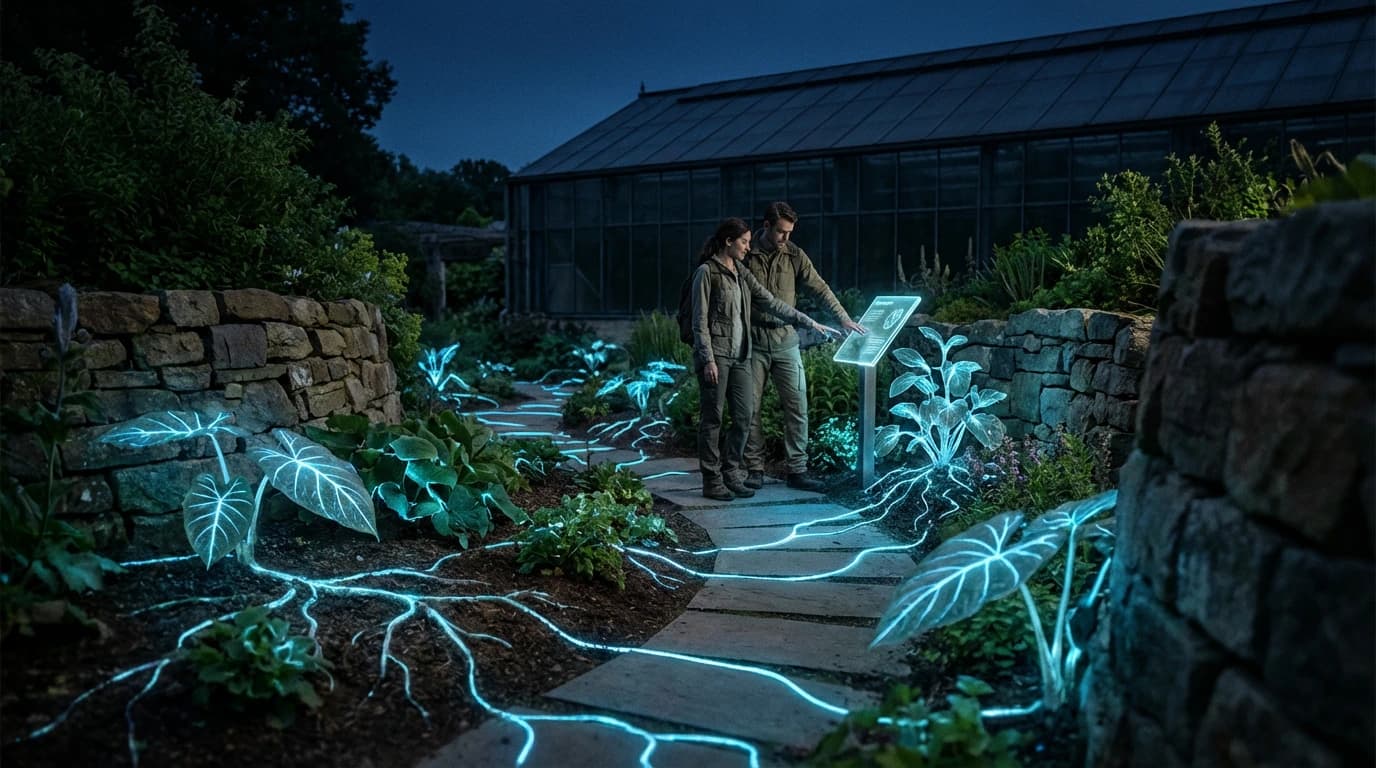
Bio-luminescent night tourism represents an innovative fusion of synthetic biology and sustainable tourism infrastructure, utilizing genetically engineered organisms to create natural illumination in outdoor spaces. The technology relies on bioluminescence genes—typically sourced from marine organisms like dinoflagellates, jellyfish, or certain species of fungi—that are inserted into terrestrial plants, algae, or bacteria through genetic modification techniques. These organisms produce light through biochemical reactions involving the enzyme luciferase and the substrate luciferin, which emit photons when combined with oxygen. The resulting glow can range from subtle blue-green hues to brighter emissions, depending on the specific genetic constructs and host organisms used. Unlike traditional electric lighting systems, these living light sources require no external power infrastructure, instead drawing energy from the organisms' natural metabolic processes through photosynthesis or nutrient absorption.
The tourism industry faces mounting pressure to reduce its environmental footprint while simultaneously creating distinctive experiences that attract visitors in an increasingly competitive market. Traditional nighttime attractions rely heavily on electric lighting, which contributes to light pollution that disrupts wildlife behavior, obscures natural night skies, and consumes significant energy resources. Bio-luminescent installations address these challenges by offering an alternative that minimizes ecological disruption while creating ethereal, otherworldly environments that appeal to experience-seeking travelers. This approach enables destinations to differentiate themselves through unique after-dark offerings that align with growing consumer demand for sustainable and nature-based tourism. The technology also reduces ongoing operational costs associated with electricity consumption and maintenance of conventional lighting systems, while creating opportunities for educational programming around biotechnology and environmental conservation.
Early implementations of bio-luminescent tourism experiences have emerged primarily in botanical gardens, eco-resorts, and specialized nature parks, where controlled environments allow for careful management of the modified organisms. These installations typically feature pathways lined with glowing plants or pools containing luminescent algae, creating immersive nighttime environments that attract visitors seeking novel experiences. Research institutions and biotechnology companies continue to refine the brightness, duration, and color spectrum of bio-luminescent organisms to enhance their viability for tourism applications. As genetic engineering techniques advance and regulatory frameworks evolve, the potential applications extend beyond contained environments to larger-scale implementations in urban parks, resort properties, and protected natural areas. This technology aligns with broader trends toward regenerative tourism and biomimicry in destination development, suggesting a future where living systems increasingly replace conventional infrastructure in creating memorable visitor experiences while supporting conservation objectives.
Research this in Signals
Signals turns a topic into a sourced research record you can inspect and rerun. Your first scan is free, and this one starts with Bio-luminescent Night Tourism already loaded, so edit it or scan as is.