Digital Nomad Visa Platforms
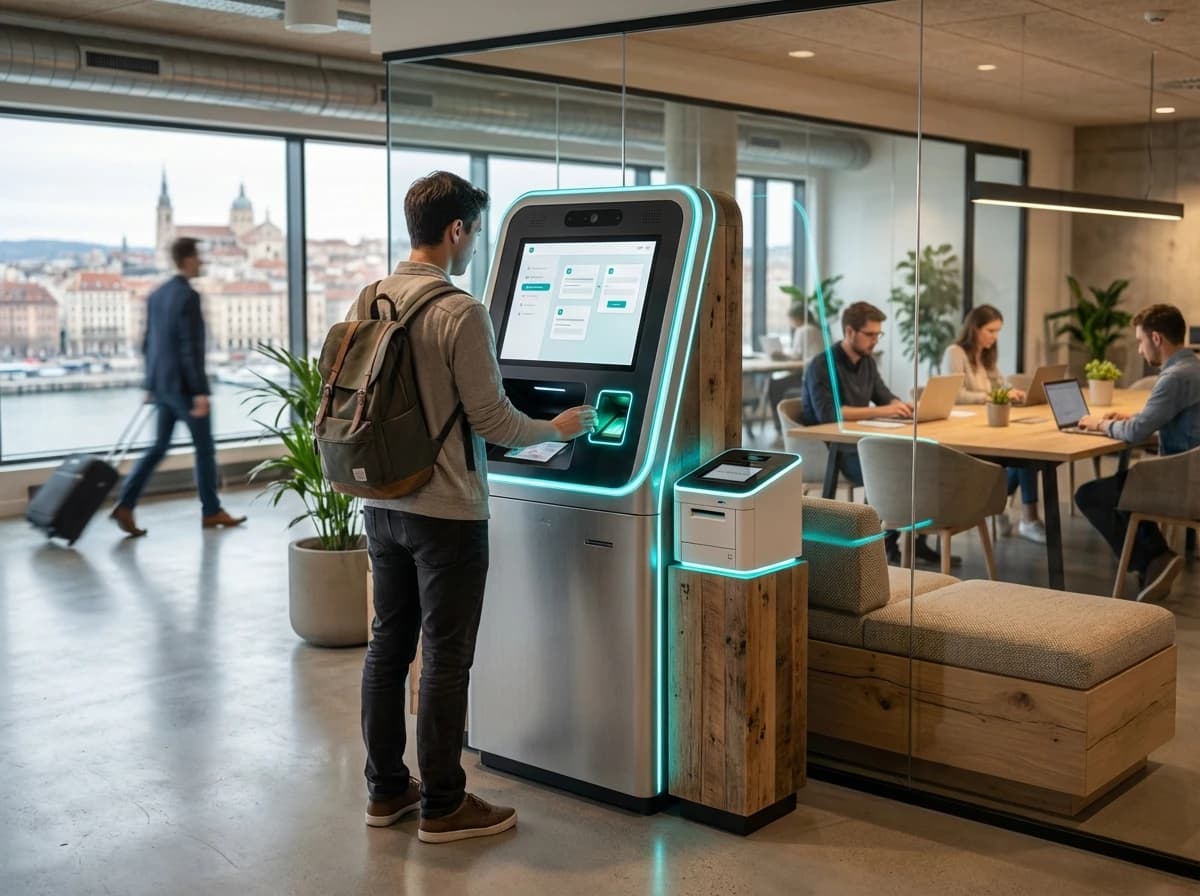
The rise of remote work has created a new category of global workers who operate independently of traditional geographic constraints, yet existing immigration systems were designed for an era when employment and physical presence were tightly coupled. Digital nomad visa platforms address this fundamental mismatch by creating integrated technological infrastructure that bridges the gap between mobile remote workers, host country governments, and employers. These platforms function as comprehensive middleware, automating the complex web of requirements that digital nomads must navigate when establishing temporary residency in foreign jurisdictions. At their core, these systems employ application programming interfaces (APIs) to connect disparate government databases, immigration systems, tax authorities, and insurance providers into a unified workflow. The platforms typically incorporate document verification systems, automated eligibility assessments based on income thresholds and employment status, and real-time tracking of application progress. By digitising what were previously paper-intensive, multi-agency processes, these platforms reduce processing times from months to weeks while minimising errors and ensuring consistency in how visa requirements are interpreted and applied.
The traditional visa application process for remote workers has been characterised by fragmentation, with applicants forced to navigate multiple government agencies, understand complex tax treaties, secure appropriate health coverage, and maintain compliance with residency rules that vary dramatically across jurisdictions. This complexity has created significant friction for both workers seeking location flexibility and countries attempting to attract high-skilled remote talent and the economic activity they generate. Digital nomad visa platforms solve these challenges by consolidating requirements into a single interface, automatically calculating tax obligations across multiple jurisdictions, facilitating compliant health insurance enrollment, and providing ongoing compliance monitoring. For governments, these platforms offer improved oversight of remote worker populations, more efficient resource allocation in immigration processing, and enhanced ability to track economic contributions. For employers with distributed workforces, the platforms reduce administrative burden and legal risk associated with employees working from various countries. The systems also enable new business models, such as employer-sponsored visa packages and bundled services that include co-working memberships, local banking setup, and community integration support.
Several countries including Portugal, Estonia, Croatia, and Barbados have already launched digital nomad visa programs, with varying degrees of technological sophistication in their application systems. Early implementations suggest strong demand, with Portugal's program receiving thousands of applications within its first year of operation. The platforms are evolving beyond simple application processing to encompass the full lifecycle of the digital nomad experience, including pre-arrival planning tools, post-arrival settlement assistance, and renewal management. Industry analysts note that as remote work becomes increasingly normalised, competition among nations to attract digital nomads will likely intensify, driving further innovation in these platforms. Future developments may include blockchain-based credential verification, AI-powered personalised guidance through complex immigration requirements, and integration with emerging portable benefits systems that allow workers to maintain consistent health coverage and retirement contributions across borders. As the global workforce becomes more fluid, these platforms represent critical infrastructure for a new model of international mobility that balances worker flexibility with governmental oversight and compliance requirements.
Related Organizations

An app designed to help digital nomads find visas, insurance, and community.
A government-issued digital identity and status that provides access to Estonia's transparent business environment.

A mobile app that streamlines the visa application process with instant photos and automated forms.
Jobbatical
Estonia · Company
A platform that automates employee relocation and immigration processes.

Provides travel and medical insurance for nomads and is building a 'country on the internet' (Plum).

Provides an API for travel requirements and eVisas, integrated into airline and booking sites.


The leading community and data platform for digital nomads.

A global employment platform enabling companies to hire, pay, and care for distributed teams.

Global HR solutions for distributed teams, handling payroll, benefits, and relocation.

Boundless Immigration
United States · Company
Technology company helping families navigate the US immigration system.
Supporting Evidence
Research this in Signals
Signals turns a topic into a sourced research record you can inspect and rerun. Your first scan is free, and this one starts with Digital Nomad Visa Platforms already loaded, so edit it or scan as is.