Tracking signals shaping the future of governance and institutions — civic innovation, regulatory technologies, institutional systems, and public-sector infrastructure.
Technologies
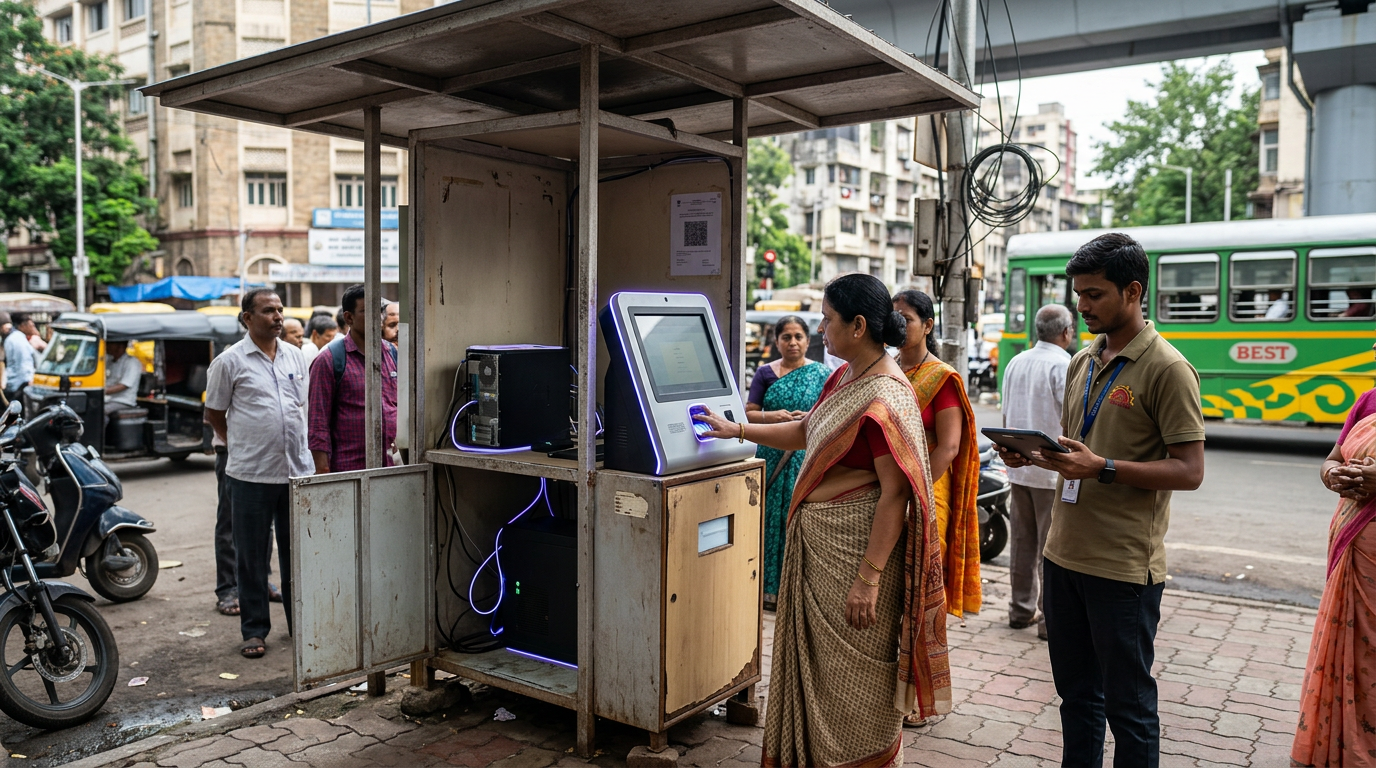
The world's largest biometric database — 1.4 billion enrolled Indians with a 12-digit unique identity linked to fingerprints and iris scans.

Abu Dhabi's Digital Strategy 2025-2027 deploys AED 13 billion ($3.5B) to become the world's first fully AI-native government across all digital services by 2027.

Standardized tools and methods for detecting discrimination in government AI systems
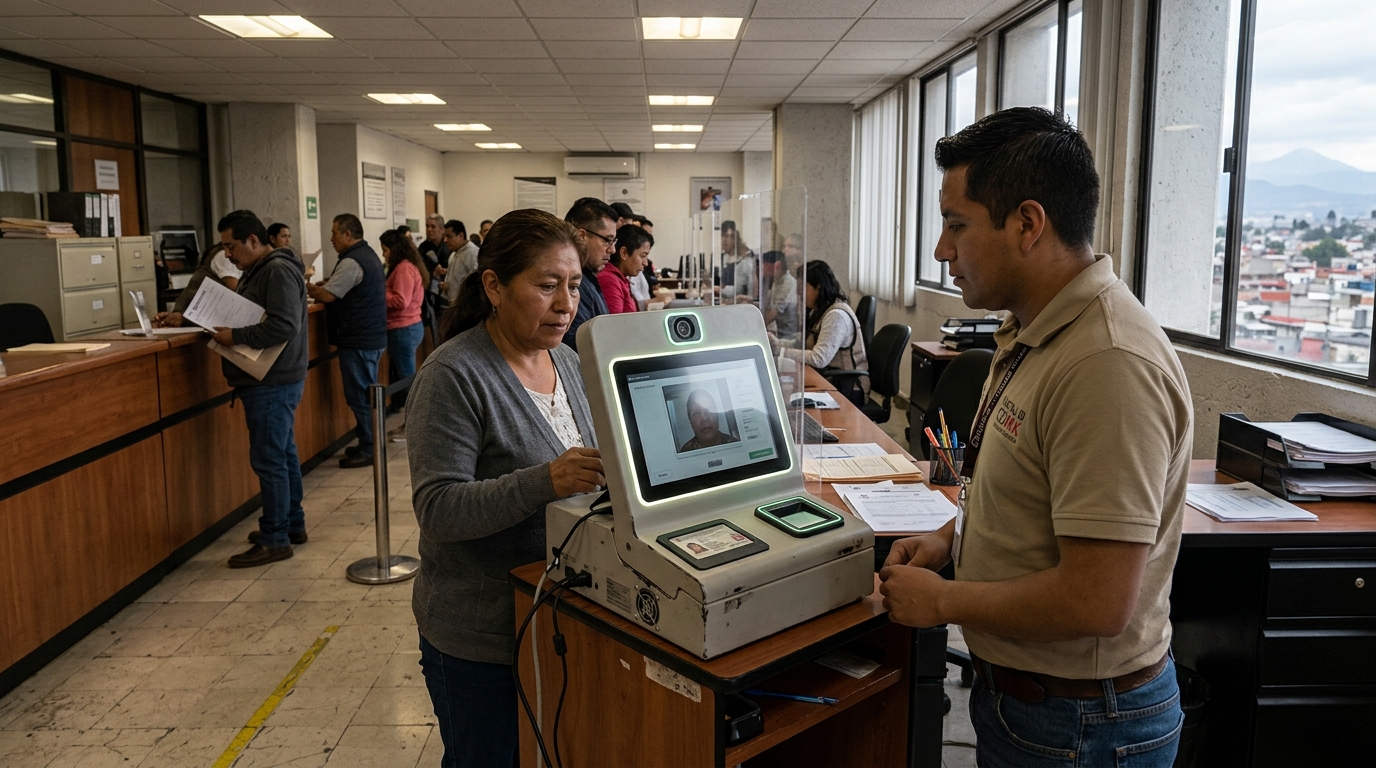
Mexican fintechs deploy computer vision and liveness detection to verify identities for 60M+ unbanked adults using INE voter IDs, enabling KYC compliance without physical bank visits.

Automated systems that verify real-world conditions to trigger transparent public decisions

Standardized evaluations required before deploying AI systems in public services

Systems that automatically deliver public benefits when citizens become eligible, without requiring applications

Robotic systems that detect and repair roads, bridges, and utilities without human intervention
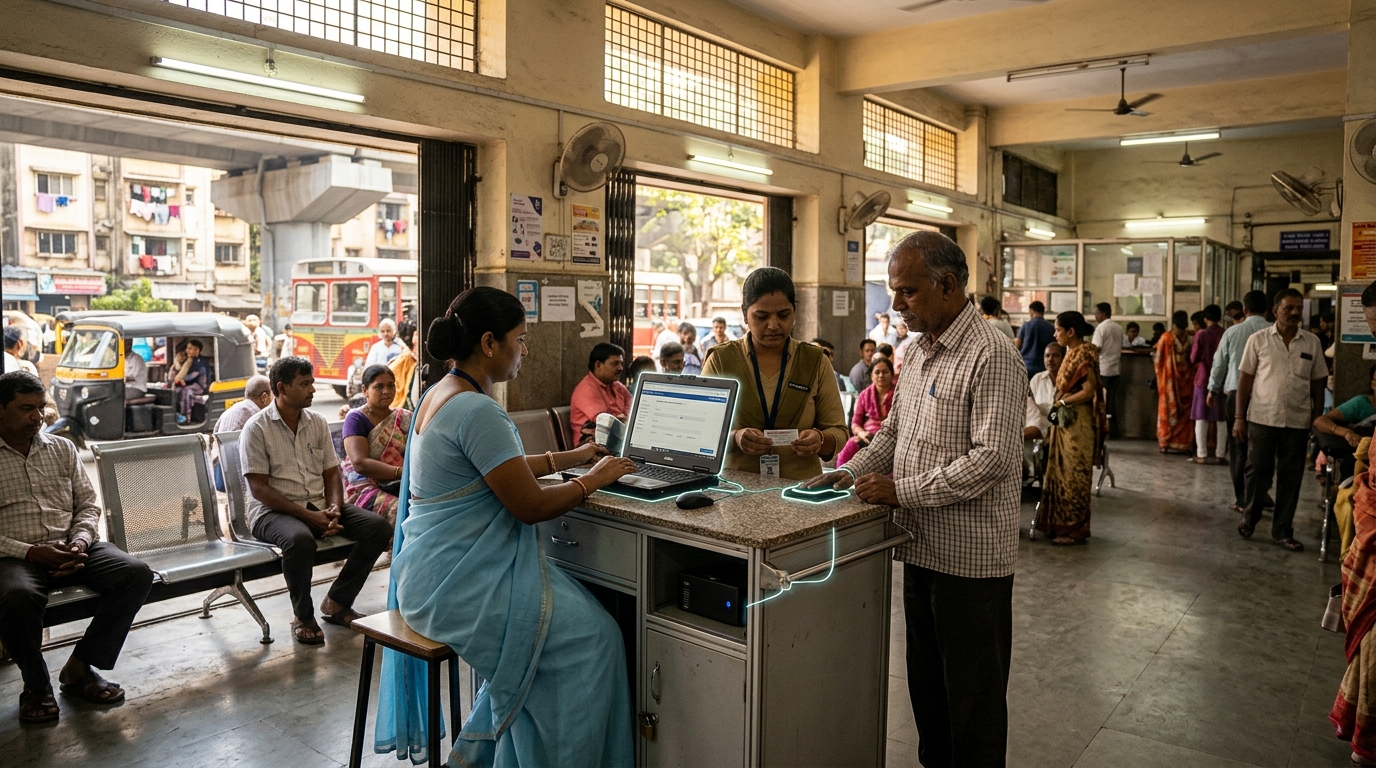
India's initiative to create interoperable digital health IDs and records for 1.4 billion people — the health layer of India Stack.

Nigeria's NIMC has enrolled 100M+ citizens in biometric digital IDs, while Kenya and Ghana are deploying similar systems — creating the identity layer for digital economies.
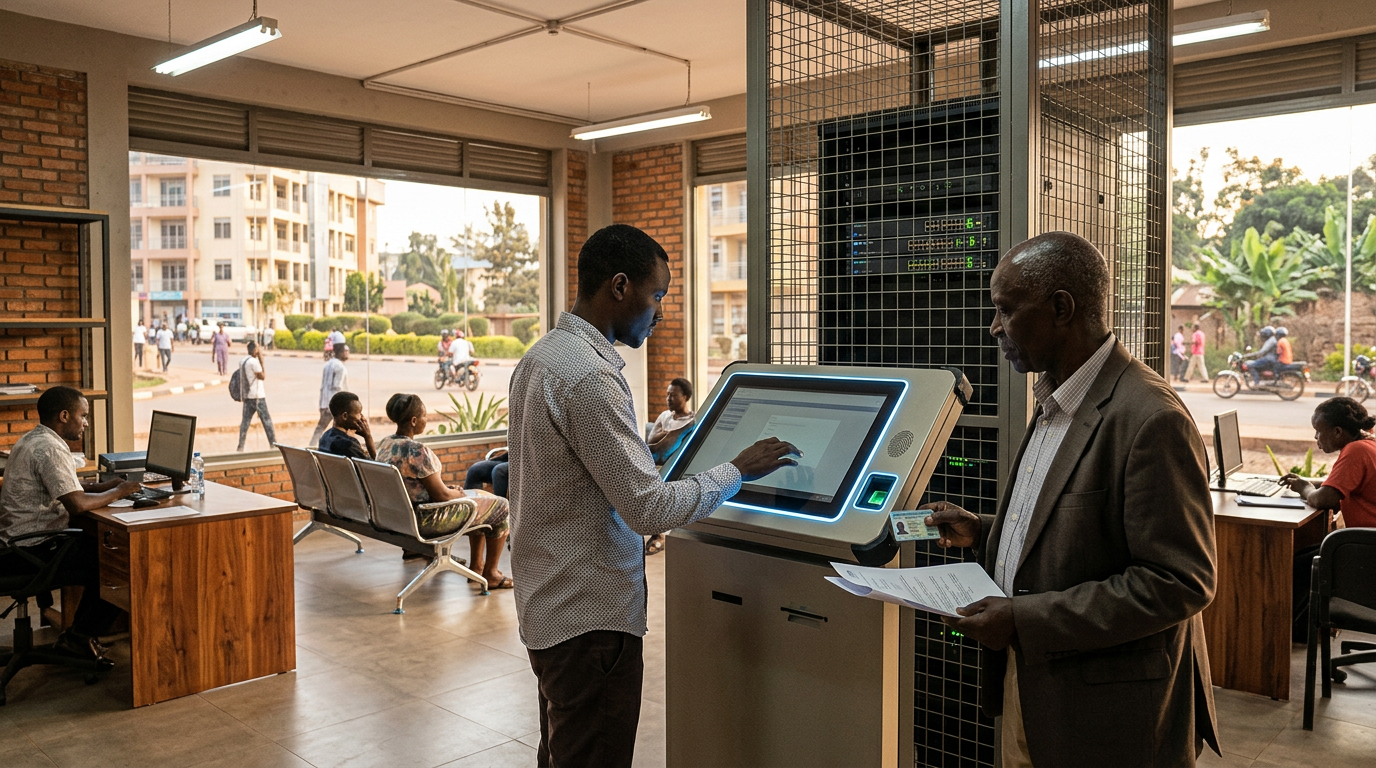
Rwanda completed Africa's most comprehensive digital land registry, registering 11.4M parcels — now exploring blockchain verification to make titles tamper-proof and tradeable.

Sydney's Immutable built the largest blockchain gaming platform processing millions of NFT transactions — pioneering gas-free Layer 2 scaling technology now adopted across gaming and digital commerce.

Bharat Operating System Solutions is India's indigenous Debian-based Linux distribution mandated for government use, with full support for 22 official Indian languages.

The world's first border carbon tax — requiring importers to pay for embedded CO2 emissions in steel, cement, aluminum, and fertilizers from January 2026

EU battery passports, right-to-repair mandates, and digital product passports creating the world's first regulatory framework for circular manufacturing — forcing global supply chain redesign

Verifiable records of civic participation and public service that travel across platforms

Automated interfaces that stream compliance data to regulators in real time instead of periodic reports
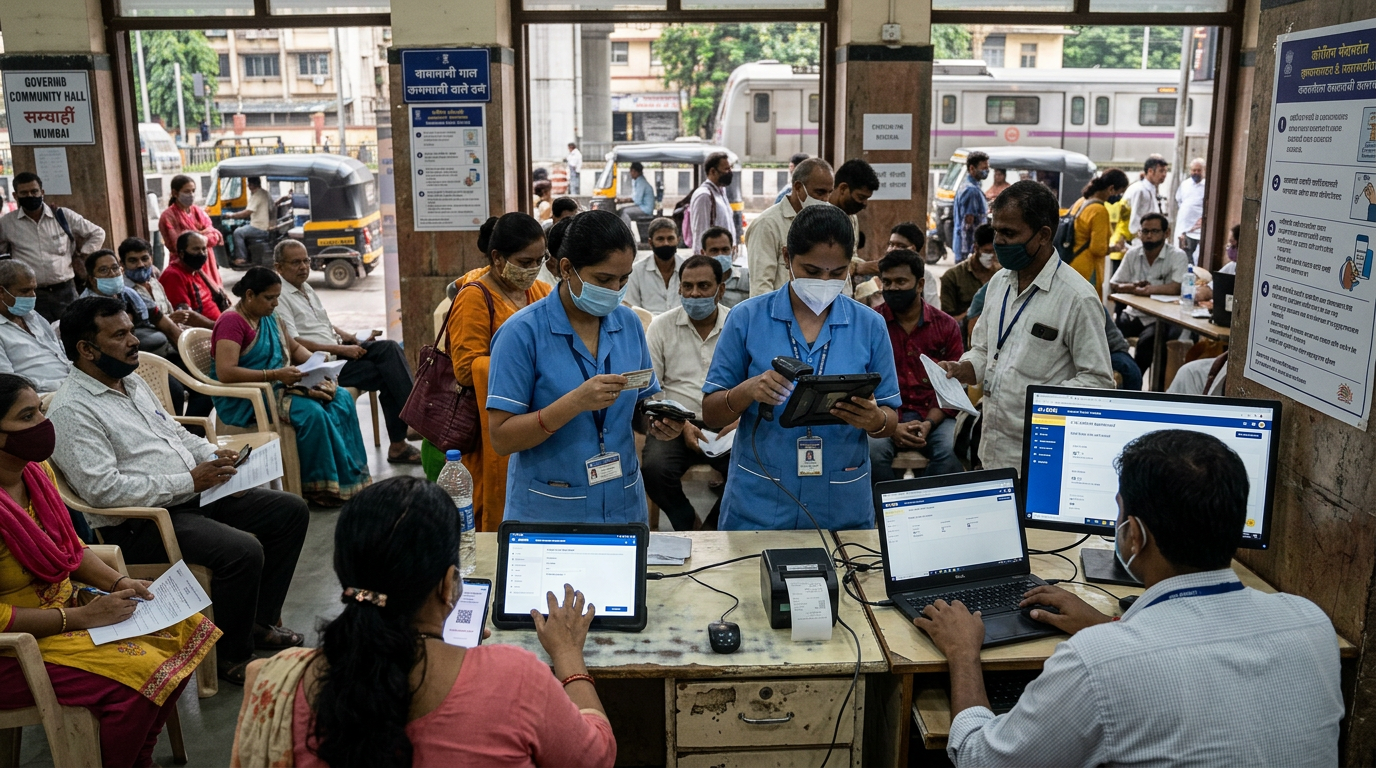
Digital platform that managed 2.2 billion COVID vaccine doses for 1.4 billion people — scheduling, tracking, and certificate generation at unprecedented scale.

Centralized digital hubs that unify real-time data streams for coordinated emergency response

Mutual recognition frameworks that let businesses use home-country licenses across partner jurisdictions

Centralized systems managing citizen consent and data preferences across government services

Legal frameworks that pool data rights and negotiate collective terms for public benefit

NZ's Digital Identity Trust Framework went live July 2025 — requiring W3C Verifiable Credentials or ISO mDL standards, a global pioneer in privacy-preserving digital ID.

Community-owned IoT networks that enable residents to monitor local air quality, noise, and environmental conditions

Digital platforms enabling structured citizen deliberation and consensus-building at scale
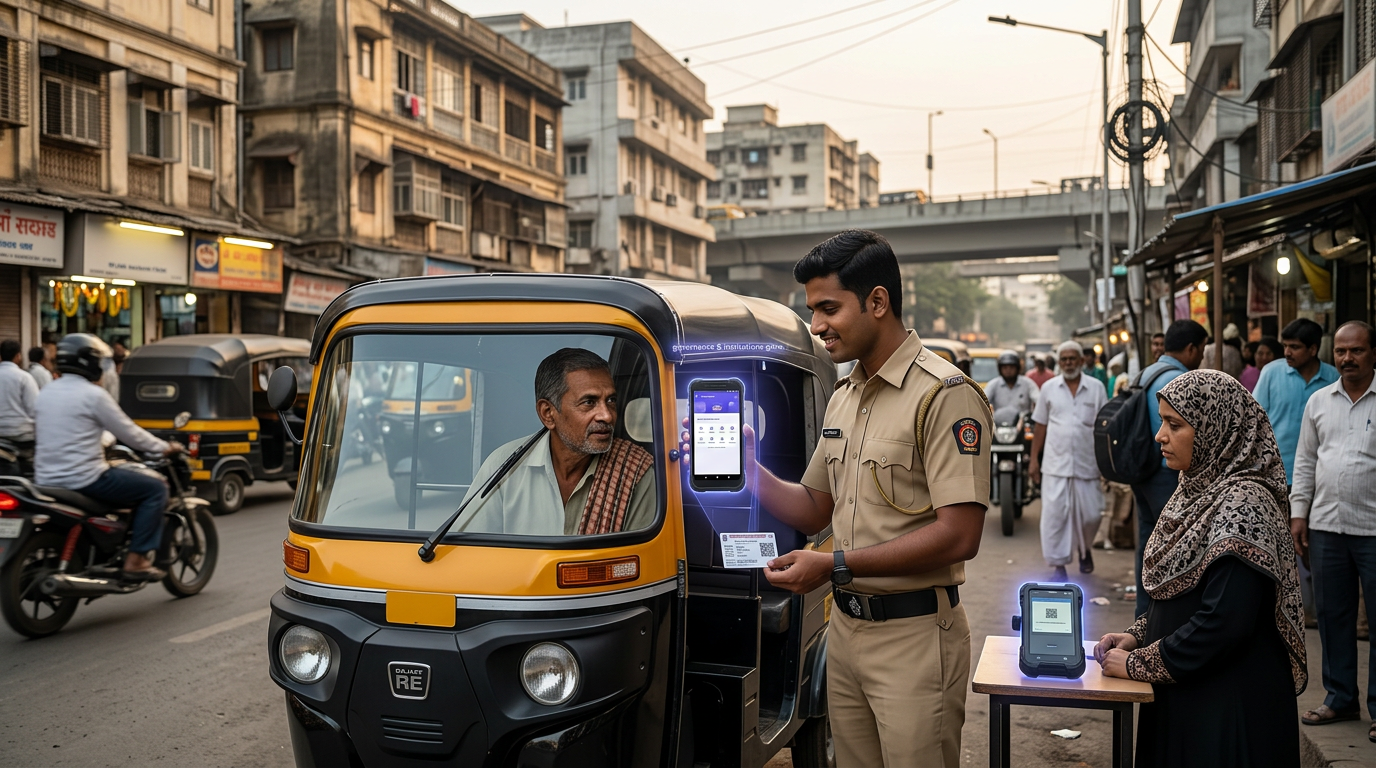
India's cloud-based platform for issuing, storing, and verifying government documents — over 300 million users accessing digital versions of driving licenses, diplomas, and tax records.

The European Central Bank's digital currency — designed as electronic cash available free to all eurozone citizens, complementing physical banknotes

India has digitized 98.5% of rural land records and is assigning a 14-digit 'Bhu-Aadhaar' (ULPIN) to every land parcel — modernizing centuries of disputed, hand-written ownership records across 657,000 villages.

Reusable digital layers for identity, payments, and data exchange across government services

Virtual replicas of government systems and infrastructure for testing policies before implementation
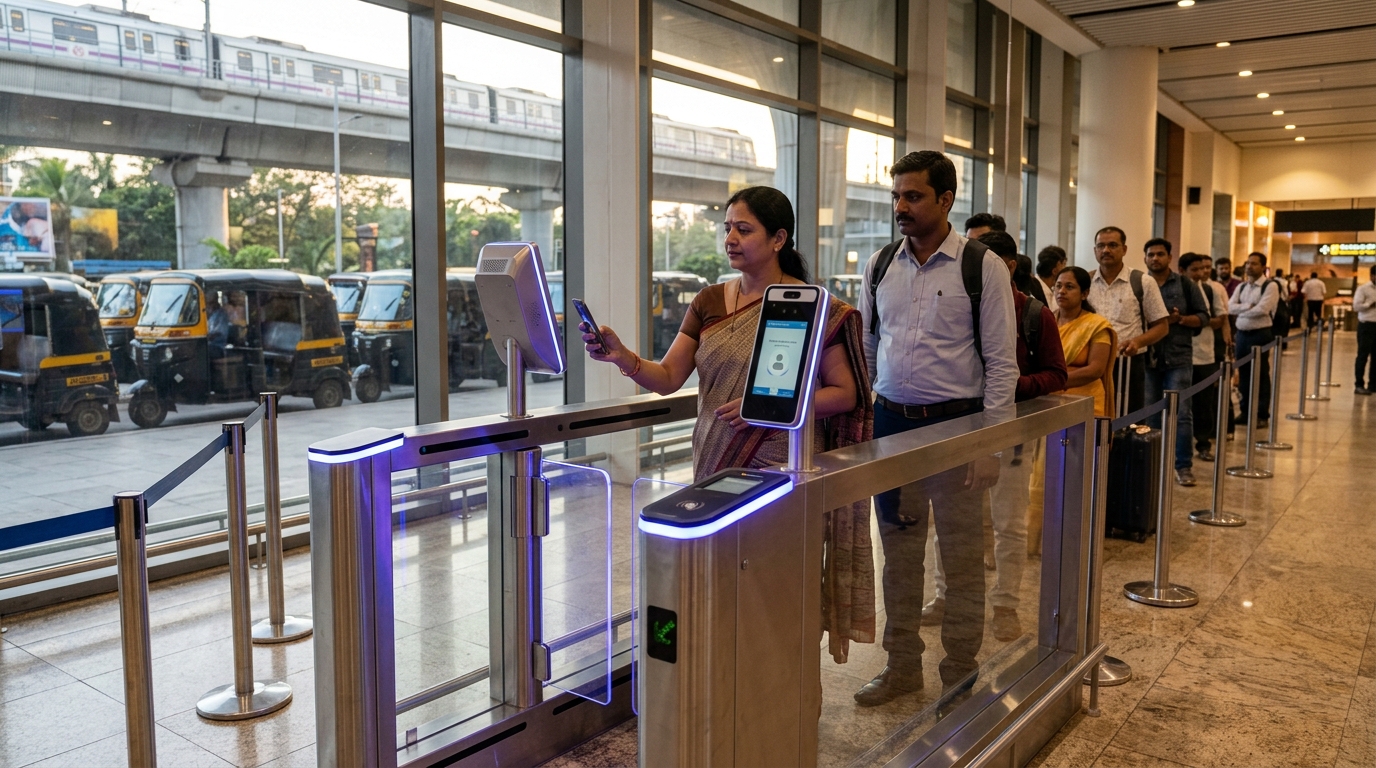
India's sovereign facial-recognition air travel system enables paperless airport processing at 25+ airports, using decentralized identity stored on passengers' devices.

Aadhaar-linked welfare delivery system that eliminated middlemen from 300+ government schemes, saving over $33 billion in fraud and leakage since 2013.

Dubai aims to migrate all government transactions to blockchain by 2026, with active implementations in land registry, supply chain verification, and cross-border payments.

Dubai has deployed blockchain-powered governance, IoT-enabled infrastructure, and AI-driven urban management across the city, ranking first globally for HQ FDI projects in 2025.

Government-issued digital identities for non-residents to access services and start businesses remotely

EU-wide digital identity framework enabling citizens to store ID, driving license, and diplomas on their phones — France deploying nationwide by summer 2025
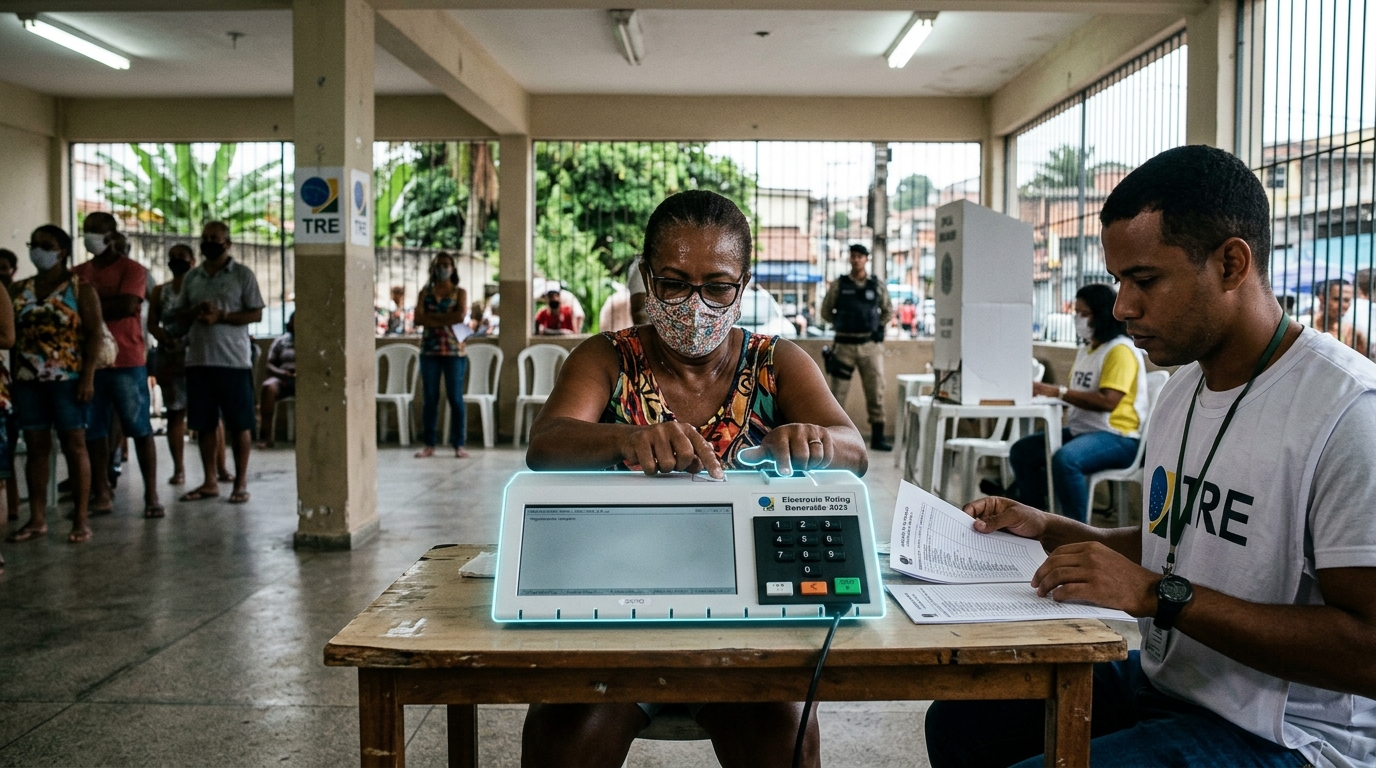
The world's largest fully electronic voting system — 150M+ voters, 25+ years in operation, results in hours, now in its 12th hardware generation with biometric verification

Mexico's $1.5B+ cybersecurity market serves enterprises navigating Latin America's highest cyberattack rates, with local firms specializing in fintech compliance and industrial OT security.
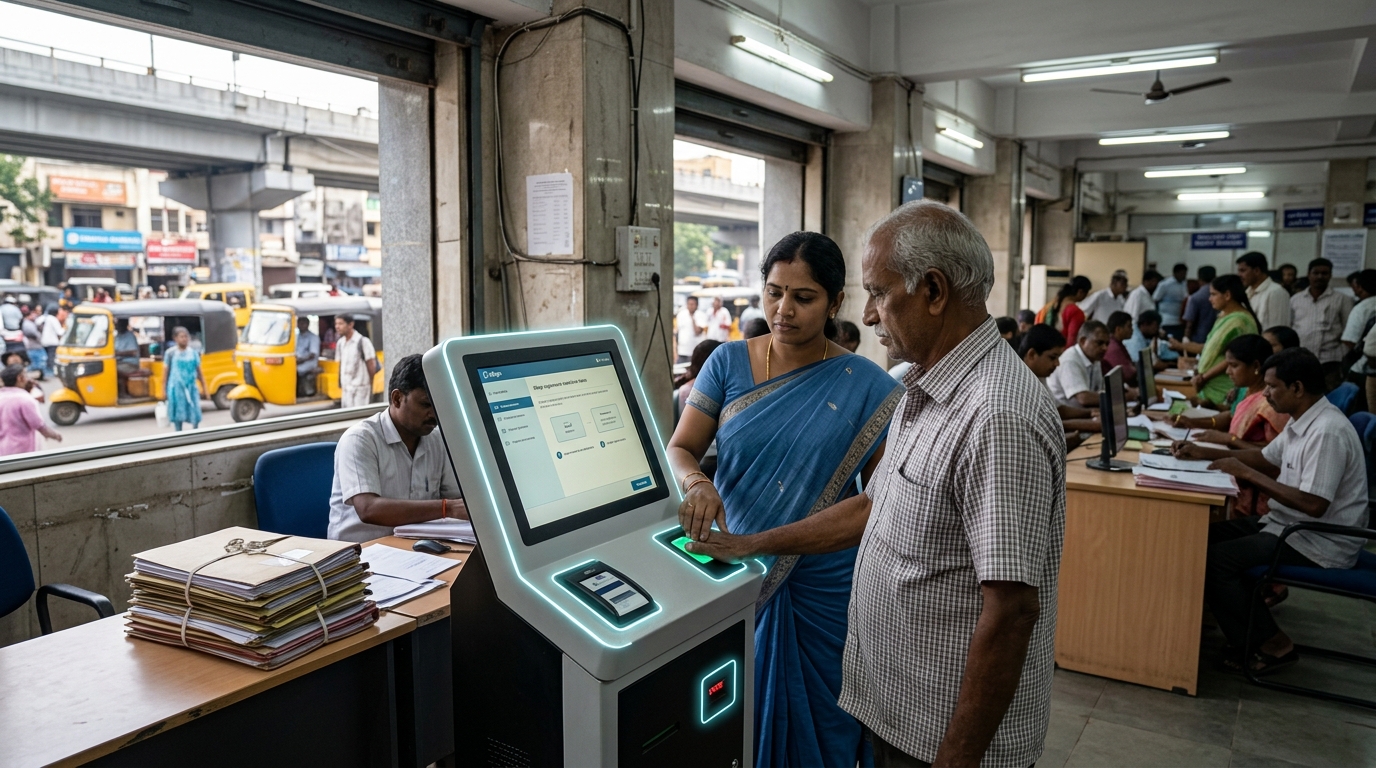
Aadhaar-based electronic signature service enabling legally valid digital signatures for 1.4 billion Indians — completing the paperless transaction layer of India Stack.

The world's first comprehensive AI regulation — risk-based framework classifying AI applications by danger level, with enforcement beginning February 2025
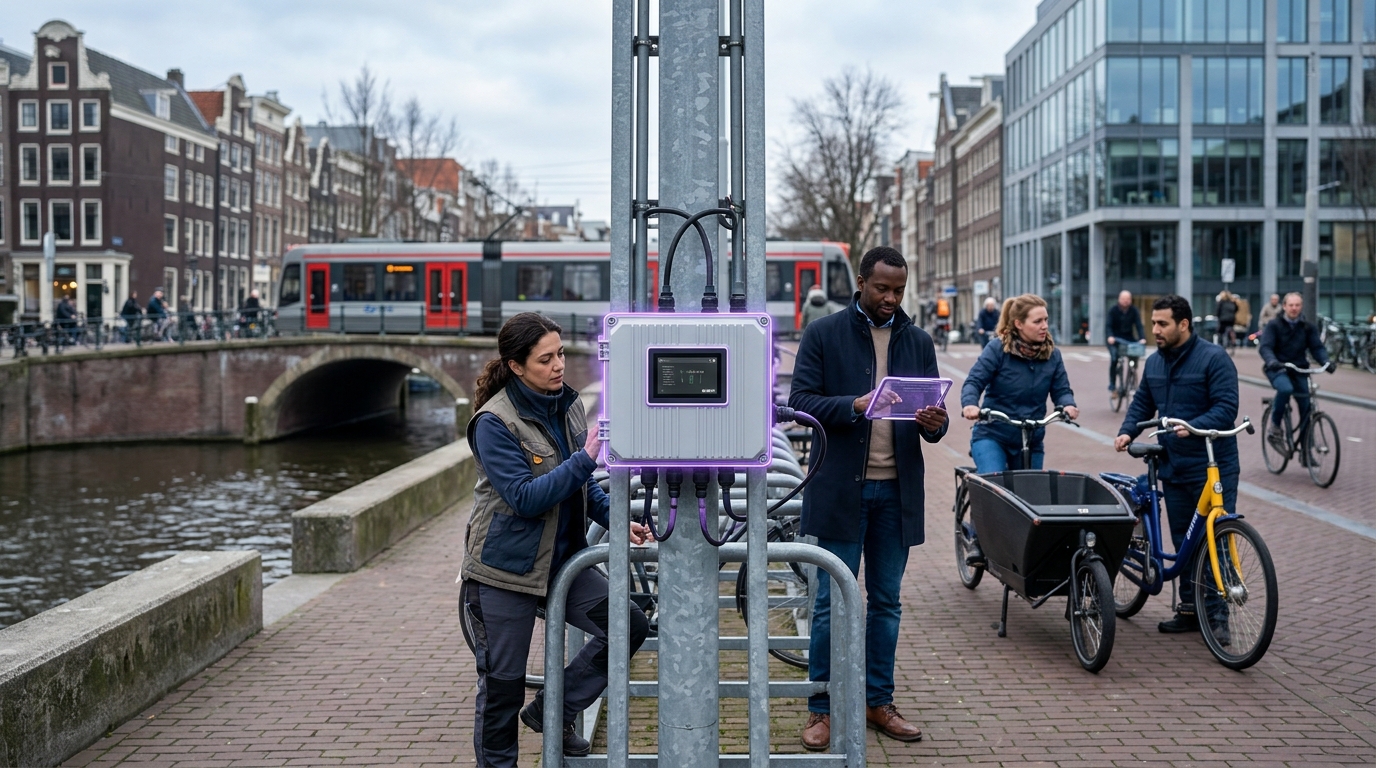
Sector-specific frameworks for sharing data across borders — health, agriculture, energy, mobility, and manufacturing data spaces enabling the EU's data economy

AI systems that justify government decisions with transparent, auditable reasoning

Australia's ASD operates as a Five Eyes cyber operations hub with offensive and defensive capabilities, achieving 90% centralised logging across government entities in 2025 and leading joint threat intelligence sharing.

The EU's General Data Protection Regulation became the de facto global privacy standard — adopted or emulated by 160+ countries through the Brussels Effect

Germany created a dedicated Ministry for Research, Technology, and Aerospace — consolidating tech policy, R&D funding, and strategic technology investment

Visual workflow builders designed for public agencies to digitize services without custom code
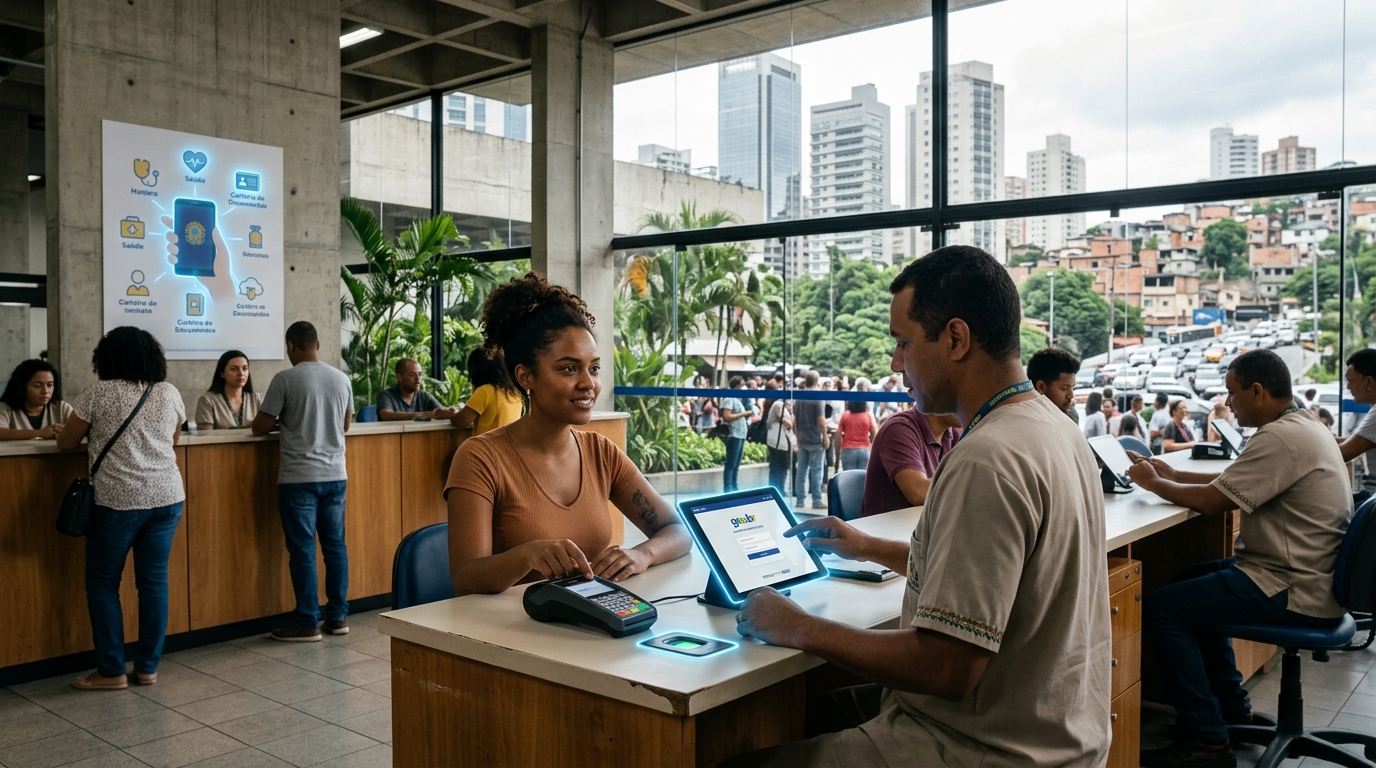
153 million registered users on a single digital ID platform that unifies documents, government services, and banking verification in a mobile app

Latin America's largest government IT operation — processing 33 billion transactions annually across 750+ digital solutions, managing 30.4 petabytes of public sector data

Australia's Guarantee of Origin scheme, live since November 2025, provides blockchain-verified emissions accounting for hydrogen, green metals, and renewable electricity — enabling premium pricing in export markets.
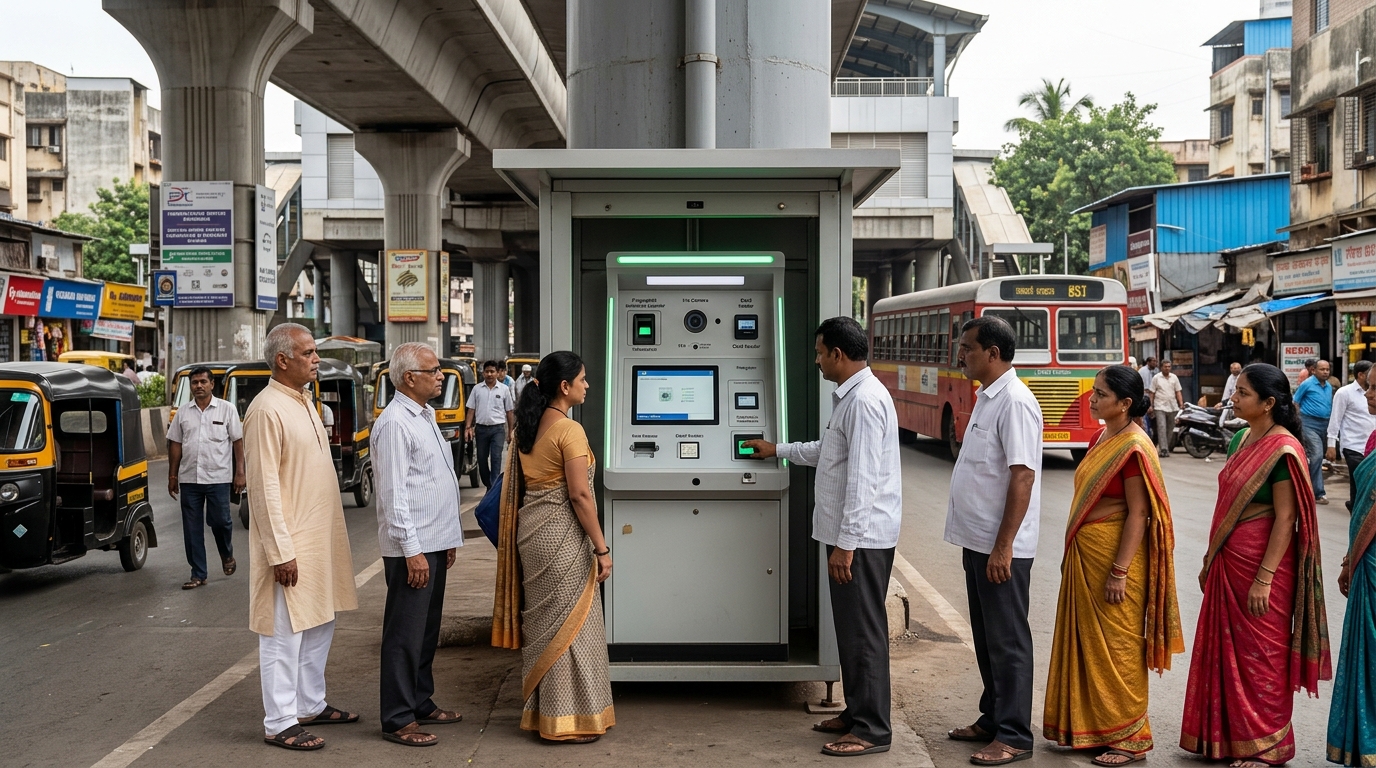
The world's most ambitious open API architecture — a layered stack of Aadhaar, UPI, DigiLocker, eSign, and consent frameworks that other nations are now replicating.
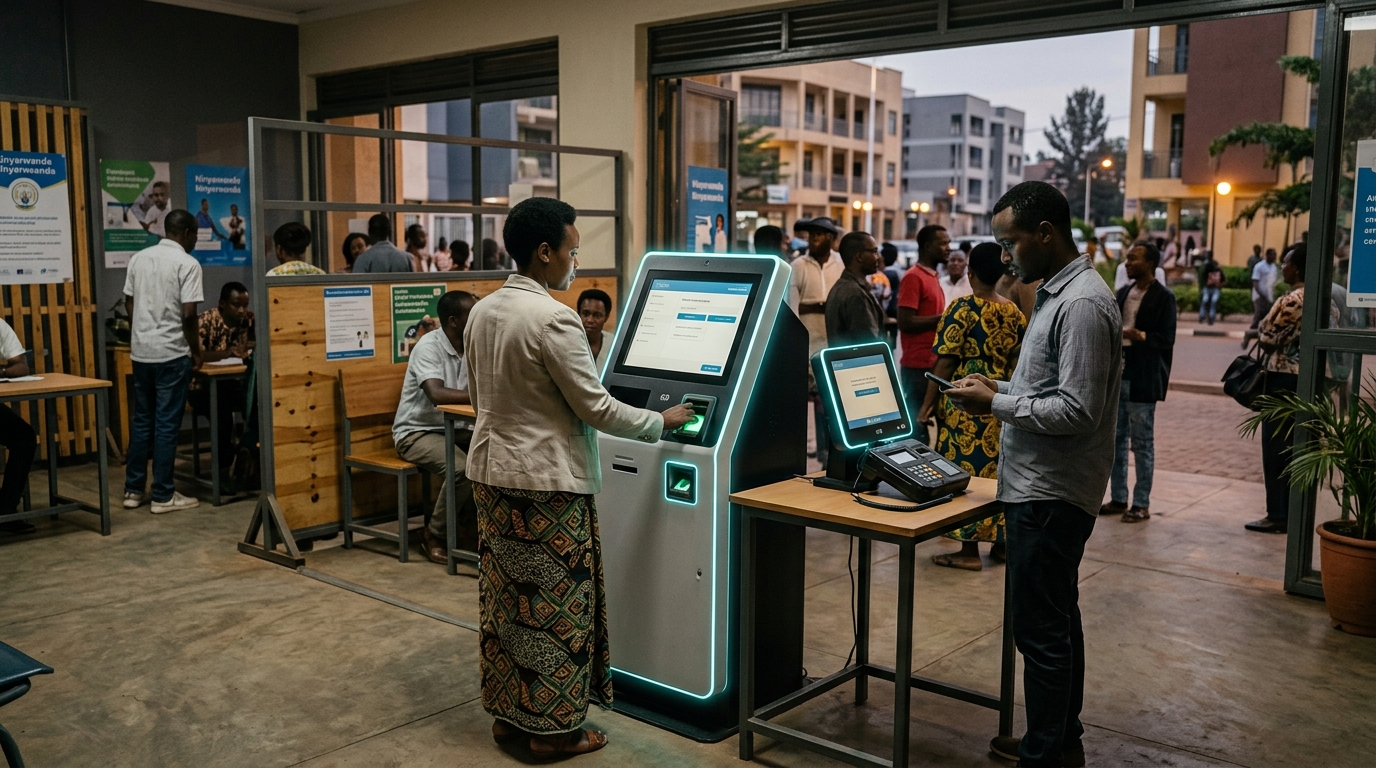
Rwanda's Irembo platform delivers 100+ government services online via web and USSD — from birth certificates to business registration — reaching 90%+ of Rwandans.

Shared infrastructure enabling secure data exchange across government agencies and borders
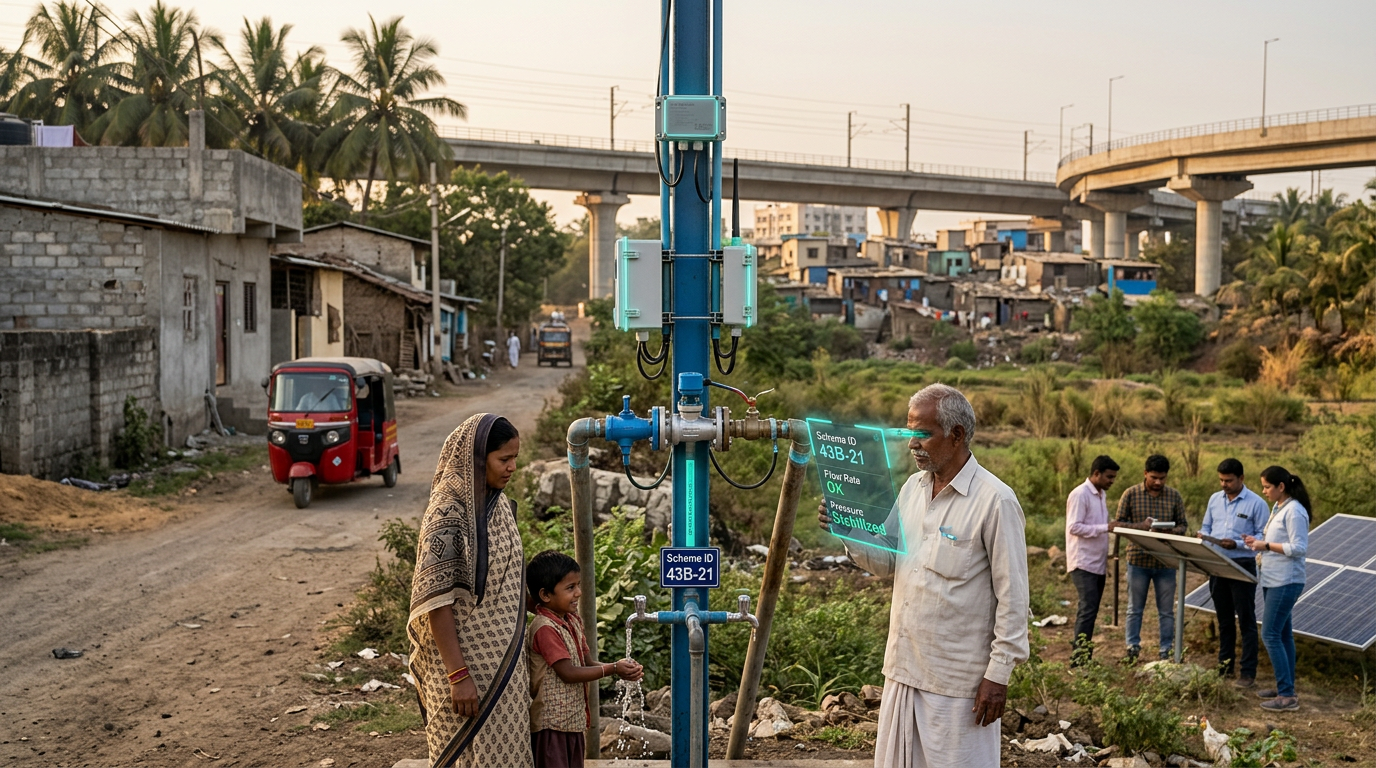
Jal Jeevan Mission connected 158 million rural households with piped tap water — now deploying IoT sensors, unique scheme IDs, and predictive analytics across 657,000 villages.

Brazil's GDPR-equivalent data protection law covers 220 million citizens — enforced by an independent authority (ANPD) with real penalties and cross-border data transfer rules

Voting systems where citizens can vote directly or delegate their vote to trusted representatives

Qatar's Lusail City — built for the 2022 World Cup — is being converted into one of the Gulf's most advanced smart cities with AI-driven infrastructure, integrated light rail, and real-time IoT management serving 250,000 planned residents.

Regulatory frameworks encoded as structured logic for automated compliance verification

The world's first comprehensive internet governance law (2014) — codifying net neutrality, privacy, and freedom of expression — became a model for digital rights legislation globally

Formal mechanisms for representing ecosystems, future generations, and AI in governance
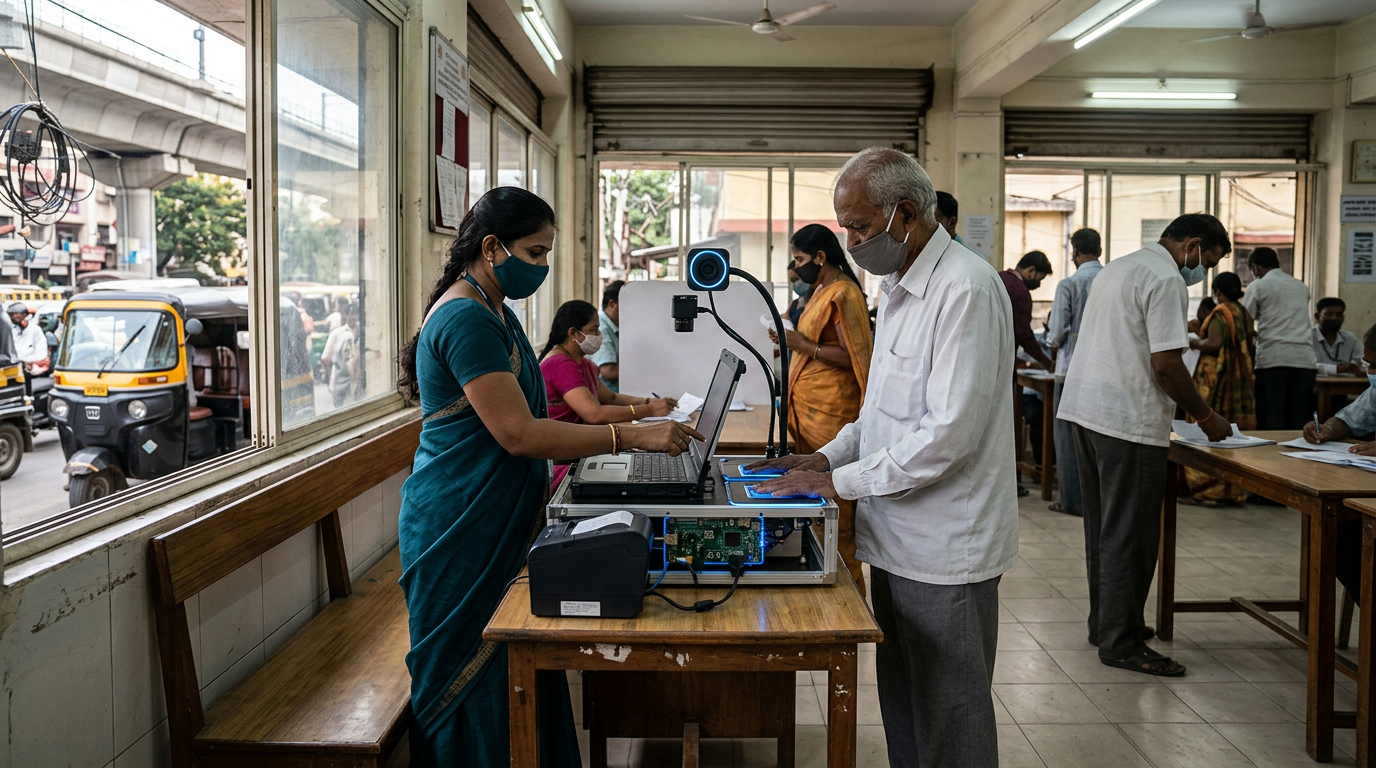
India is exporting its digital public infrastructure as open-source protocols — MOSIP powers national ID systems in 16+ countries including the Philippines (76M citizens), and Beckn enables open commerce networks globally.

Malaysia's CyberSecurity Malaysia (an agency under MOSTI) develops ASEAN-referenced cybersecurity standards, operates a national CERT, and certifies digital products for the regional market.
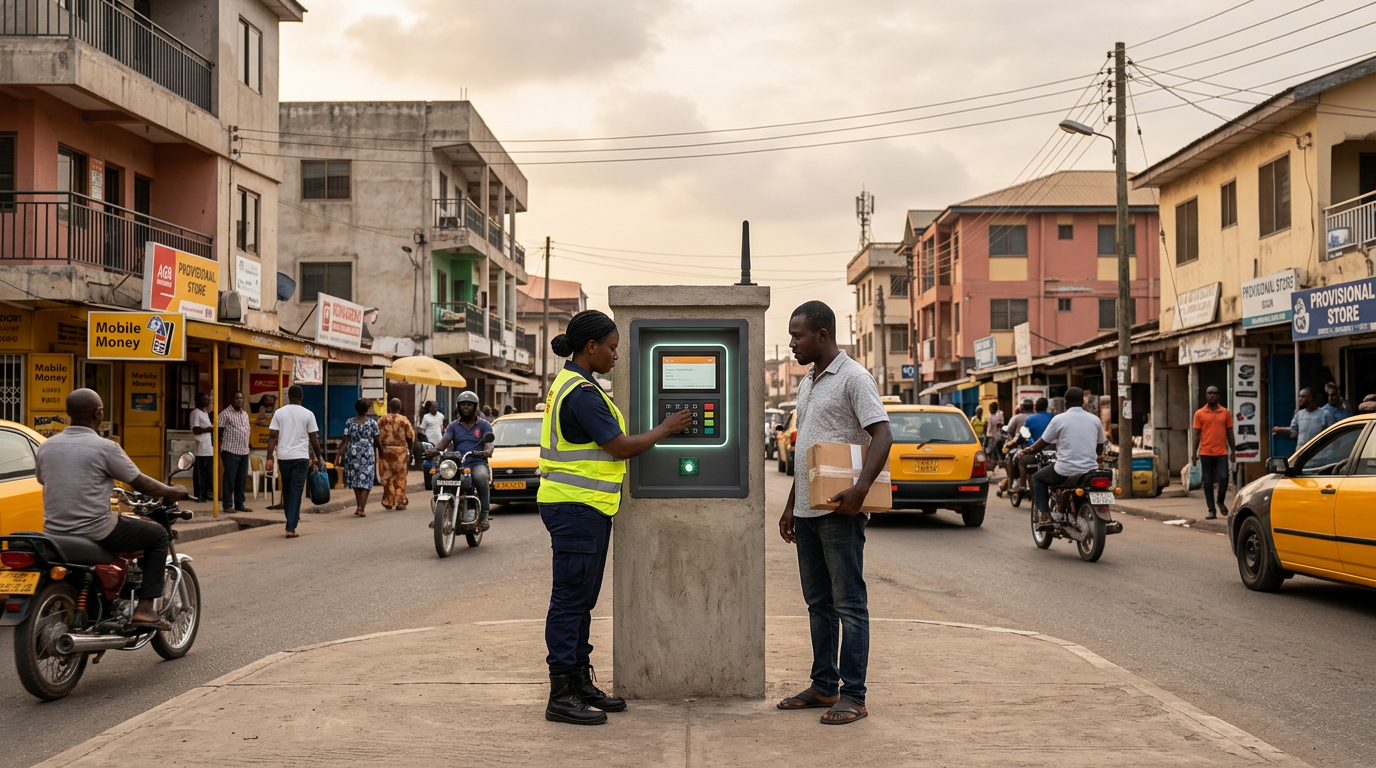
Ghana's GhanaPostGPS assigns unique digital addresses to every 5m x 5m square in the country — giving addresses to the 70% of land without street names.

Sovereign internet infrastructure enabling deep packet inspection, content filtering, and internet shutdowns — technically sophisticated censorship and surveillance architecture.

Singapore's Virtual Singapore platform is a 3D digital twin of the entire city-state, used for urban planning, disaster simulation, climate modeling, and autonomous vehicle testing.

Mexico's IT services sector employs 700,000+ developers in the same time zones as US clients, with Guadalajara, Mexico City, and Monterrey emerging as major engineering hubs.

Saudi Arabia's $500B linear city has been descoped from 170km to a 5km initial segment by 2030, but the underlying smart city technologies in logistics, construction, and urban systems remain in active development.

AI assistants that maintain conversation context across all government service channels

Tools that track blockchain transactions to enforce financial regulations and detect illicit activity

Canada's Consumer-Driven Banking Framework is rolling out regulated data sharing between financial institutions and fintechs, following the UK and EU models while adding Canadian privacy safeguards.

Algorithms that map shared viewpoints across populations to reveal consensus and division

NEOM's Oxagon — the world's first fully integrated Industry 4.0 manufacturing city — embeds robotics, digital twins, and circular economy principles into a 200 km² octagonal industrial complex on the Red Sea, with a net-zero AI factory campus under development.

Canada is developing a federated digital identity system enabling citizens to use provincially issued digital IDs for federal services, based on the Pan-Canadian Trust Framework.

AI tools that process citizen proposals and voting data to help allocate public budgets

EU mandating all member states begin migration to quantum-resistant encryption by end of 2026 — protecting critical infrastructure against future quantum attacks

Quantum-resistant encryption safeguarding government communications and classified data

Voting and funding systems that let participants signal how strongly they care about each issue

Singapore's carbon tax ($25/tonne, rising to $50-80 by 2030) and Climate Impact X exchange create ASEAN's first regulated carbon market infrastructure for nature-based and technology-based credits.

Platforms coordinating controlled tests of new business models under modified regulatory frameworks

MAS operates the world's most emulated fintech regulatory sandbox, processing 250+ experiments that have shaped global approaches to regulating digital assets, DeFi, and AI in finance.

Self-healing networks that maintain local connectivity when centralized infrastructure fails

Saudi Arabia is deploying advanced entertainment technology across mega-venues including Qiddiya's Six Flags theme park, AlUla heritage digitization, and Jeddah's e-sports arena.

Saudi Arabia has invested over $38B in gaming through PIF's Savvy Gaming Group, acquiring ESL/FACEIT and taking major stakes in Nintendo, Activision, and EA to build a global gaming hub.

Saudi Arabia's $1T+ construction program is driving innovation in modular construction, 3D concrete printing, and AI-managed logistics for mega-project delivery.

Saudi Arabia's Absher platform provides unified digital identity for 30+ million residents, enabling e-government services, travel permissions, and civil registration through a single mobile app.

Ottawa-based Shopify powers over 4 million merchants globally, providing commerce infrastructure that democratizes e-commerce and represents Canada's most successful tech platform company.
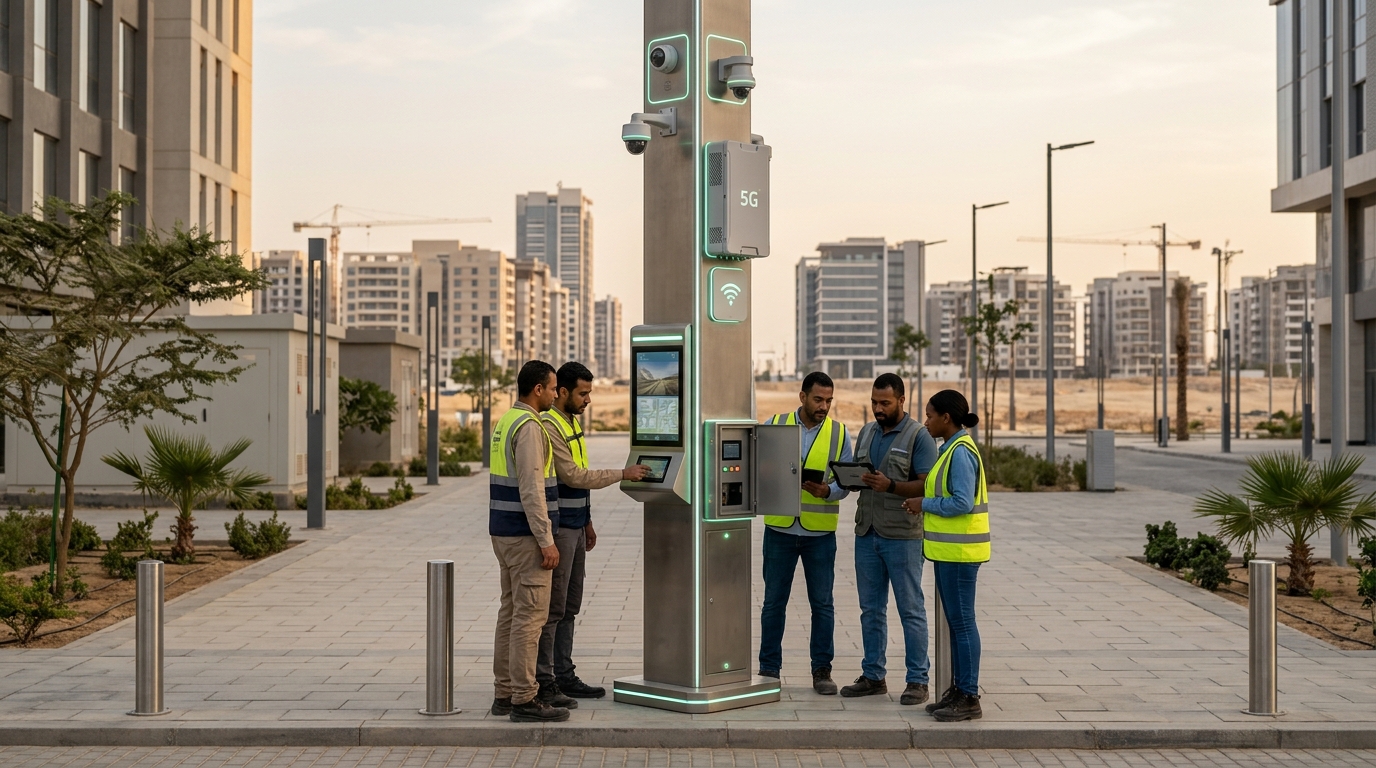
Egypt's New Administrative Capital deploys AI-driven traffic management, IoT sensors, smart grid technology, and public WiFi infrastructure across a city built from scratch for 6.5M people.

Brazil is building sovereign AI compute — $433M for SERPRO cloud modernization, Scala partnership for renewable-powered hyperscale data centers, and R$23B AI investment plan through 2028.

Australia is building sovereign AI compute infrastructure with SambaNova-SouthernCrossAI partnership, Groq inference platform, and National AI Plan mandating data sovereignty for government AI workloads.

Open-source cloud platforms deployed within national borders to ensure data sovereignty

Japan's government cloud program mandates domestic data residency and is increasingly prioritizing NTT, NEC, and Fujitsu over U.S. hyperscalers for sensitive government workloads.

Japan maintains sovereign HD mapping through Zenrin and Dynamic Map Platform, providing centimeter-accurate 3D road data critical for autonomous driving without foreign dependency.

Software platforms that automate regulatory data analysis for supervisory bodies

Artificial datasets that mirror real populations for policy testing without exposing personal data

Blockchain-based fractional ownership and trading of public infrastructure revenue rights

India's real-time payment protocol processed 228 billion transactions worth $3.4 trillion in 2025 — 50% of all global digital transactions by volume.
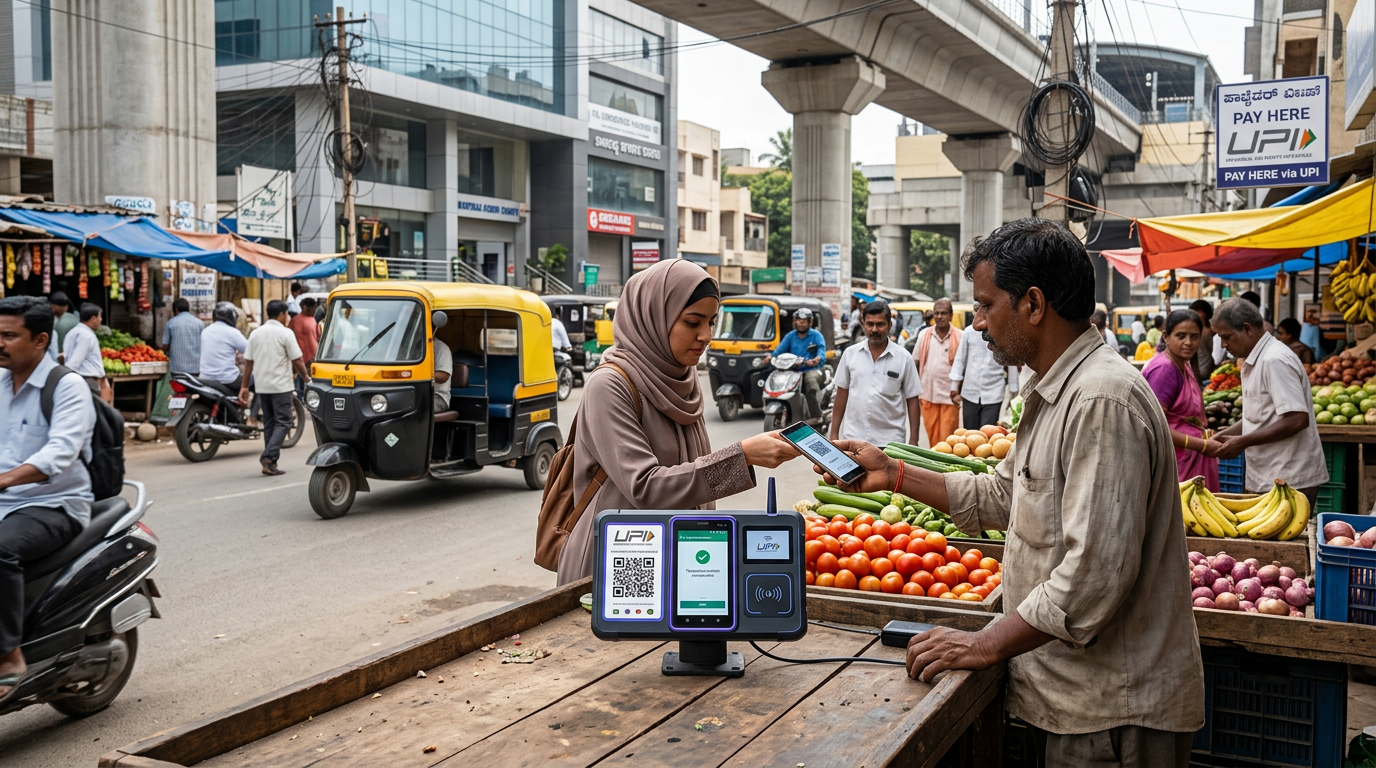
India's UPI payment protocol expanding globally — now live in Singapore, UAE, France, Sri Lanka, Bhutan, Nepal, and Mauritius, positioning India as an exporter of digital public infrastructure.

Real-time virtual replicas of cities integrating IoT data for planning and operations
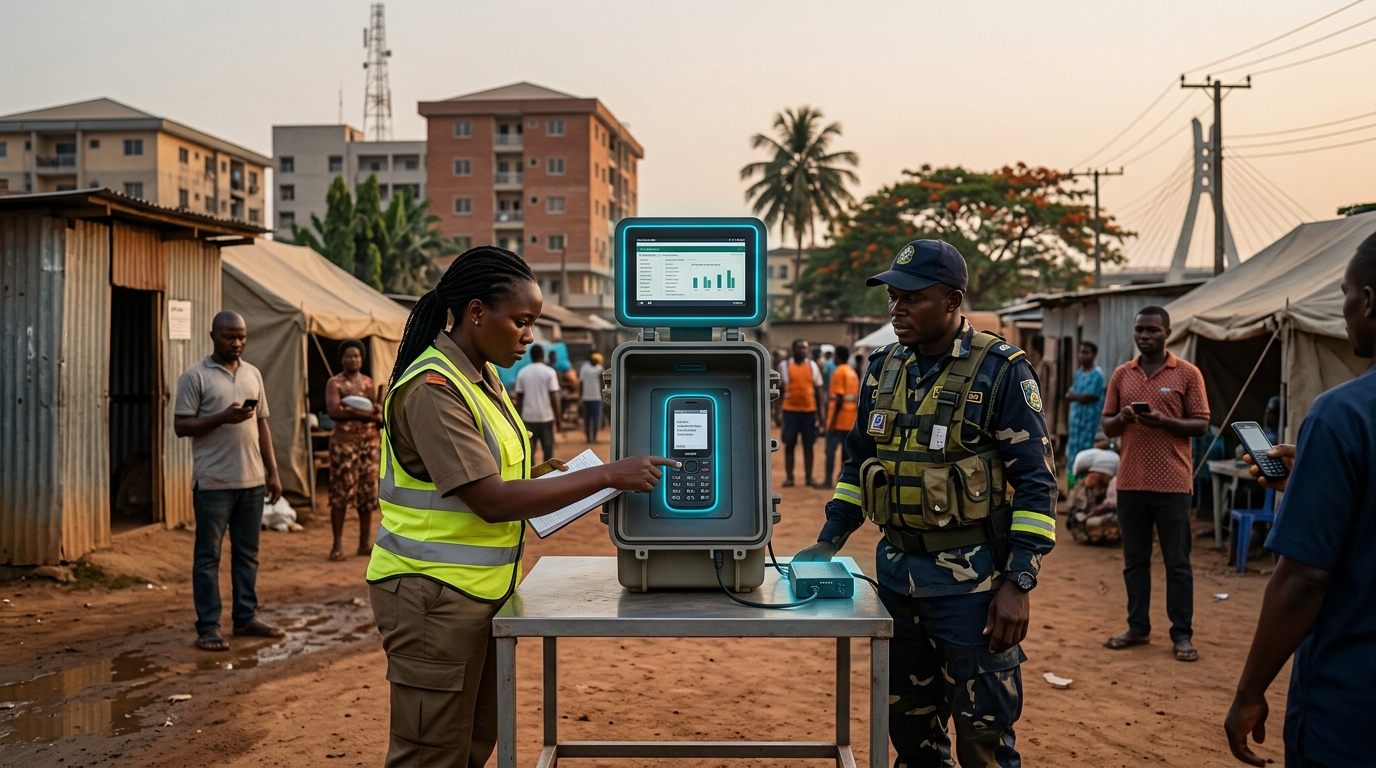
African governments deploy emergency response systems via USSD — enabling disaster alerts, missing person reports, and emergency coordination on feature phones without internet.


Turn this hub into a team session
Interested in our work?
Newsletter
Follow us for weekly foresight in your inbox.