Liquid Democracy Platforms
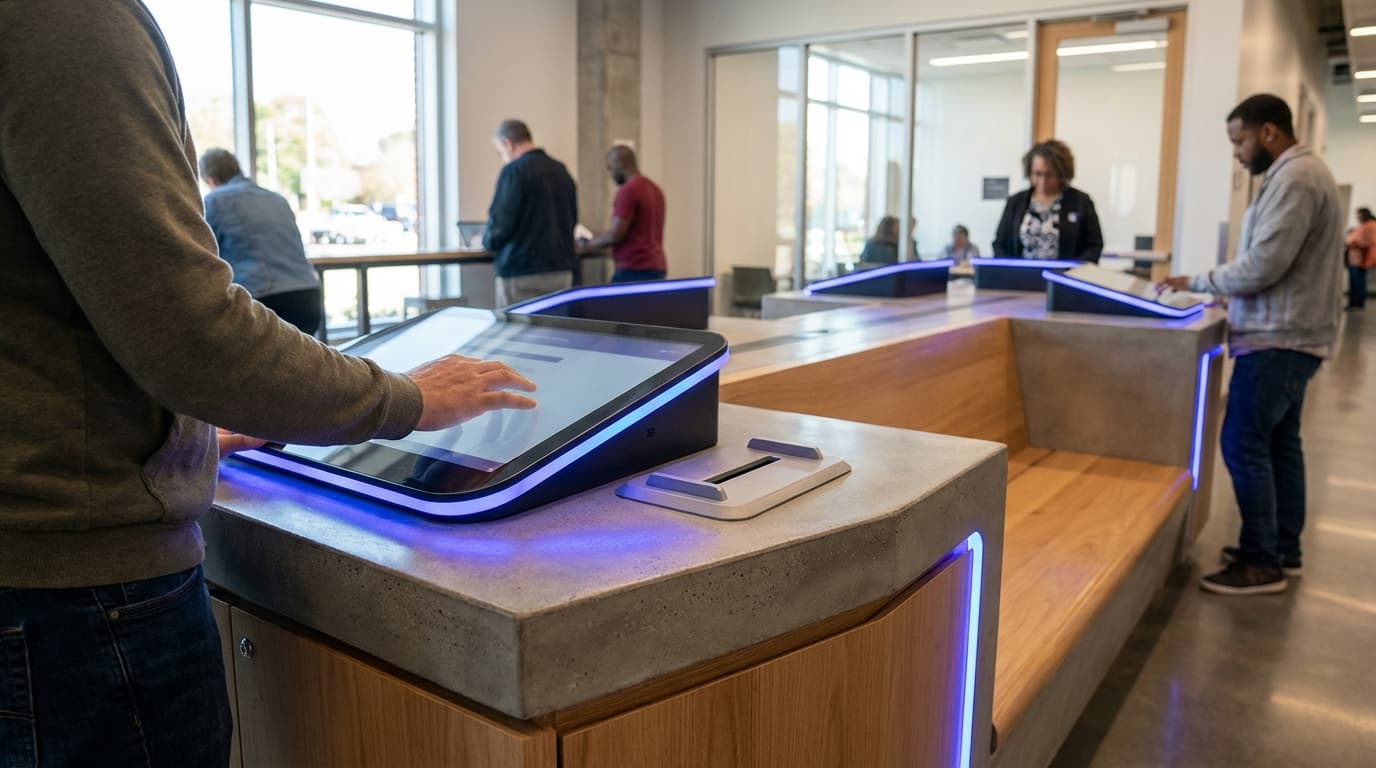
Traditional democratic systems often force a stark choice between direct democracy, where every citizen votes on every issue, and representative democracy, where elected officials make decisions on behalf of constituents. This binary creates inherent tensions: direct democracy can overwhelm citizens with complex policy decisions requiring specialised knowledge, while representative democracy can feel distant and unresponsive to evolving public sentiment. Liquid democracy platforms emerge as a technological solution to this dilemma, implementing a hybrid model where voting power flows dynamically between direct participation and delegated representation. These digital systems operate on the principle of transitive delegation, allowing citizens to vote directly on matters where they feel informed while delegating their voting power to trusted individuals on topics requiring expertise they lack. Crucially, these delegations are revocable at any time and can be topic-specific—a citizen might delegate environmental policy votes to a climate scientist while voting directly on local infrastructure issues.
The technical architecture of liquid democracy platforms addresses several persistent challenges in modern governance. By enabling granular, domain-specific delegation, these systems help overcome the information asymmetry problem that plagues both direct and representative models. Citizens need not become experts in every policy area, yet they retain ultimate control over their voting power, withdrawing delegation whenever they disagree with their chosen proxy's positions. This flexibility also tackles the accountability gap in traditional representation, where elected officials may drift from constituent preferences between election cycles. The platforms typically incorporate transparency mechanisms, allowing users to see how their delegates vote and track the chain of delegation, creating unprecedented visibility into decision-making processes. Some implementations include reputation systems and deliberation spaces, fostering informed discourse before votes occur. This technological framework supports more nuanced participation than binary electoral choices, potentially increasing civic engagement by lowering barriers to meaningful political involvement.
Early implementations of liquid democracy platforms have emerged primarily in political party contexts and organisational governance rather than full governmental adoption. The German Pirate Party pioneered the use of such systems through their LiquidFeedback platform, allowing party members to shape policy positions through delegative voting. Several blockchain-based platforms have since explored cryptographically secure implementations, though widespread governmental deployment remains limited by regulatory frameworks and the need for robust identity verification systems. Research suggests that these platforms could address declining trust in traditional institutions by offering citizens more agency in governance processes, particularly appealing to younger demographics comfortable with digital participation. The technology aligns with broader trends toward participatory governance and civic technology innovation, though questions remain about digital divides, the concentration of delegated power among influential individuals, and the scalability of deliberative processes. As cities and organisations continue experimenting with participatory budgeting and citizen assemblies, liquid democracy platforms represent a potential evolution in democratic infrastructure, offering a technologically-enabled path toward governance systems that balance expertise, accountability, and direct citizen voice in an increasingly complex policy landscape.
Related Organizations

The original open-source software for proposition development and decision making, enabling proxy voting (delegation).

Building censorship-resistant digital democracy tools, including quadratic voting implementations on blockchain.

Provides tools to build and manage Decentralized Autonomous Organizations (DAOs) on the blockchain.

Developers of DemocracyOS, an open-source platform designed to enable citizen participation and liquid feedback.

A non-profit researching political economy and 'Plurality' to create governance systems that avoid hyper-financialization.


Builds a privacy-centric, censorship-resistant voting protocol that supports complex governance structures like liquid democracy.
Supporting Evidence
Research this in Signals
Signals turns a topic into a sourced research record you can inspect and rerun. Your first scan is free, and this one starts with Liquid Democracy Platforms already loaded, so edit it or scan as is.