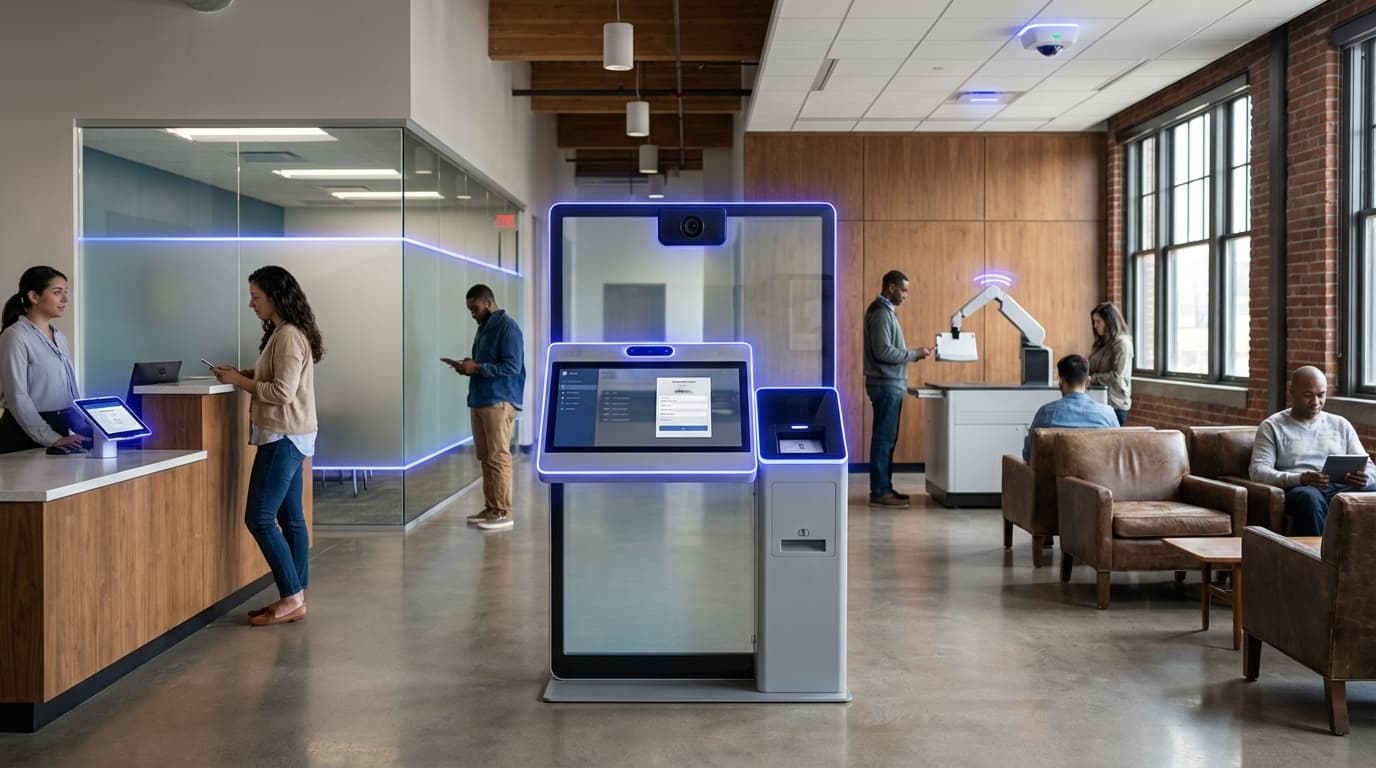
Omnichannel Government Assistants
Omnichannel Government Assistants represent a fundamental shift in how public institutions interact with citizens, leveraging advanced conversational AI to create a unified interface across every touchpoint where residents engage with government services. Unlike traditional digital government initiatives that often result in fragmented experiences—where a citizen might start a process online, continue it via phone, and complete it in person with no continuity between channels—these systems maintain context and conversation history regardless of how or where the interaction occurs. The underlying architecture combines natural language processing, knowledge graphs built from legislative texts and administrative procedures, and integration layers that connect to legacy systems across multiple agencies. These assistants are trained on comprehensive corpora including statutory law, regulatory frameworks, service catalogs, and historical citizen inquiries, enabling them to understand not just what residents are asking but the broader administrative context of their needs. The technology employs sophisticated intent recognition to determine whether a citizen is seeking information, attempting to complete a transaction, or navigating a complex multi-step process that may span several departments.
The core problem these systems address is the notorious complexity and opacity of government services, where citizens often struggle to understand which agency handles their issue, what documentation is required, or how to navigate bureaucratic processes that were designed around departmental silos rather than citizen journeys. Traditional government service delivery frequently forces residents to become experts in administrative structure, requiring them to know that starting a small business might involve interactions with business licensing, tax authorities, health departments, and zoning boards—each with separate portals, phone numbers, and requirements. Omnichannel Government Assistants eliminate this burden by serving as intelligent guides that understand cross-agency processes and can orchestrate the entire journey. They can translate complex regulatory language into plain speech, help residents determine eligibility for benefits programs, pre-fill forms using information already held by government, and coordinate identity verification across departments to reduce redundant authentication. This approach also addresses equity concerns, as these assistants can operate in multiple languages, adjust communication complexity based on user needs, and ensure that digital services remain accessible to residents with varying levels of technological literacy.
Early implementations are emerging in jurisdictions seeking to modernize citizen services, with pilot programs demonstrating significant reductions in call center wait times and increases in successful service completion rates. Cities and national governments are deploying these systems to handle high-volume inquiries about permits, licenses, and benefit applications, while more sophisticated implementations are beginning to manage complex multi-agency processes such as business formation, property development applications, or coordinated social services. The technology shows particular promise in crisis response scenarios, where residents need rapid access to emergency assistance programs and accurate information across multiple agencies simultaneously. As governments continue to accumulate digital service infrastructure and citizen expectations for seamless experiences rise, these assistants are evolving from simple chatbots into comprehensive service orchestration platforms. The trajectory points toward systems that not only respond to citizen inquiries but proactively notify residents of relevant services, deadlines, or policy changes, transforming government interaction from a reactive burden into an anticipatory partnership that meets citizens where they are and guides them through civic processes with unprecedented clarity and efficiency.
Related Organizations

Government agency driving Singapore's Smart Nation initiative.

Developer of 'Bürokratt', a vision for a Siri-like interoperable network of public sector AI assistants.

Provides cloud-based software for government communications, meeting management, and digital services.

Microsoft subsidiary specializing in conversational AI.

The largest software company in North America exclusively focused on the public sector, providing integrated cloud solutions.

Amelia
United States · Company
Enterprise conversational AI platform deployed in public sector contexts for high-volume citizen queries.

A global leader in CRM that recently launched Agentforce to deploy autonomous agents across the enterprise.

Provides a cloud computing platform to help companies manage digital workflows for enterprise operations.

A major cloud-based people development software provider (LMS/LXP/HR).
Supporting Evidence
Research this in Signals
Signals turns a topic into a sourced research record you can inspect and rerun. Your first scan is free, and this one starts with Omnichannel Government Assistants already loaded, so edit it or scan as is.