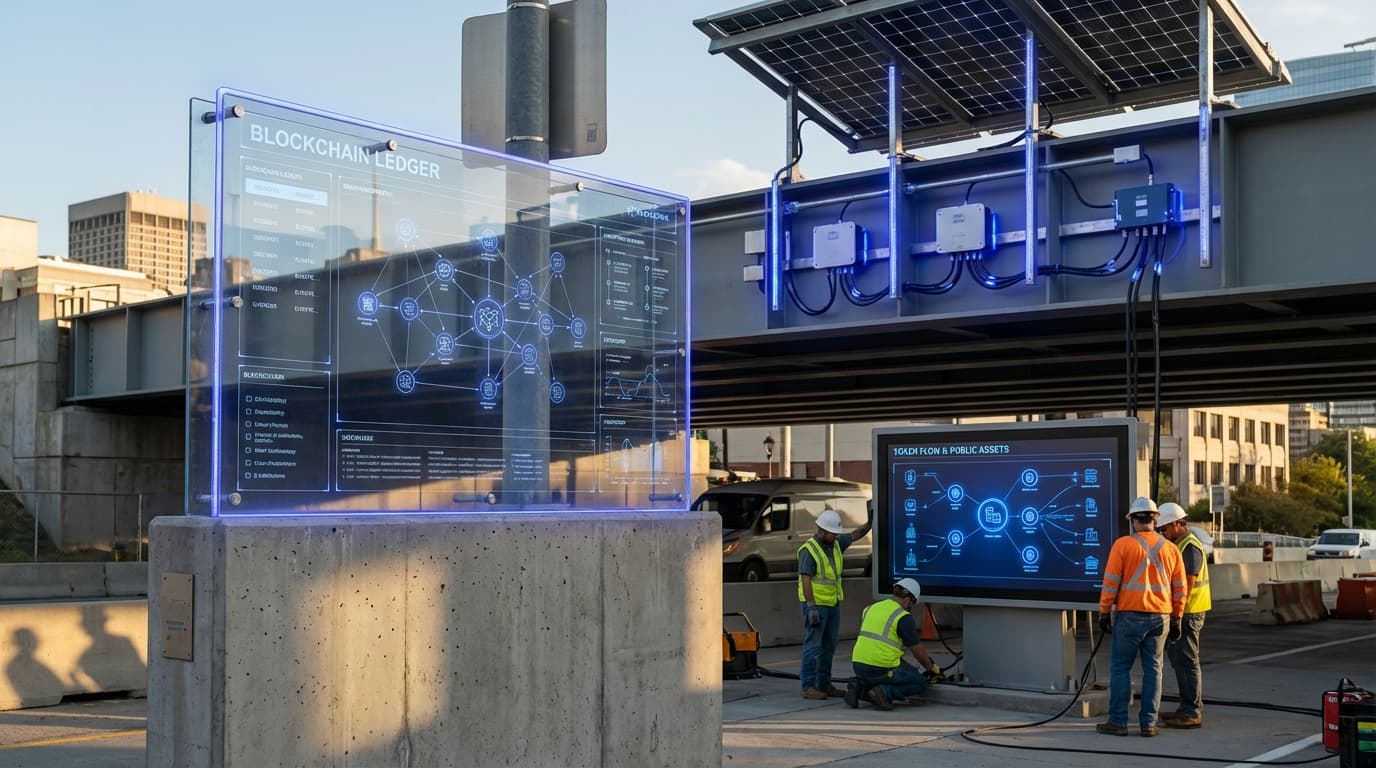
Tokenized Public Assets
Tokenized public assets represent a novel approach to financing and managing public infrastructure through blockchain technology. At its core, this system converts ownership stakes or revenue rights in public projects—such as toll roads, bridges, renewable energy installations, or water treatment facilities—into digital tokens that can be bought, sold, and traded on blockchain networks. Each token represents a fractional claim on either the asset itself or the revenue streams it generates, recorded immutably on a distributed ledger. The blockchain infrastructure ensures transparent tracking of ownership, automated distribution of returns through smart contracts, and a verifiable chain of custody for each investment unit. This technical architecture eliminates many traditional intermediaries in public finance, reducing transaction costs while maintaining a permanent, auditable record of all ownership transfers and revenue distributions.
The primary challenge this solution addresses is the persistent gap in public infrastructure funding that many municipalities and regional governments face. Traditional financing mechanisms—such as municipal bonds, public-private partnerships, or direct taxation—often prove insufficient or politically contentious, leaving critical infrastructure projects underfunded or delayed. Tokenization opens new capital channels by allowing citizens, local businesses, and institutional investors to participate directly in infrastructure development at lower entry points than conventional investment vehicles. This democratization of infrastructure investment also helps align community interests with project success, as local stakeholders become direct beneficiaries of well-maintained and efficiently operated public assets. Furthermore, the transparency inherent in blockchain systems can reduce corruption risks and increase public trust in how infrastructure funds are managed and deployed, addressing long-standing concerns about accountability in public works projects.
Several pilot programs have begun exploring tokenized infrastructure models, particularly in renewable energy projects where revenue streams from power generation can be easily quantified and distributed. Research suggests that this approach could be especially valuable for smaller municipalities that struggle to access traditional capital markets or for projects that serve specific communities rather than broad populations. Early implementations indicate potential for reducing the cost of capital while increasing community engagement in local development decisions. As regulatory frameworks evolve to accommodate blockchain-based securities and governments become more comfortable with distributed ledger technologies, tokenized public assets may become an increasingly common tool in the urban planner's toolkit. This innovation aligns with broader trends toward participatory governance and community-driven development, offering a pathway for cities to fund essential infrastructure while fostering deeper civic engagement and shared prosperity among residents who can now directly invest in and benefit from the public assets that serve their daily lives.
Related Organizations

The lending arm of the EU, which has issued multiple 'digital bonds' on public blockchains (Ethereum) to modernize debt issuance.


A subsidiary of Société Générale dedicated to digital assets, structuring tokenized green bonds and security tokens.
A leading Ethereum software company that has worked with Dubai government entities on blockchain implementation strategies.


Supports the ecosystem of the Algorand blockchain.

Southeast Asia's largest bank, operating a digital exchange for tokenized assets including bonds.


Industrial giant offering the 'Senseye Predictive Maintenance' suite and MindSphere IoT platform.
Supporting Evidence
Research this in Signals
Signals turns a topic into a sourced research record you can inspect and rerun. Your first scan is free, and this one starts with Tokenized Public Assets already loaded, so edit it or scan as is.