Tracking signals shaping the future of sensory and behavioral influence — stimulus-design technologies, perception modulation, psychoactive delivery, and behavioral influence mechanisms.
Technologies

Real-time modulation of store scent, lighting, and sound based on shopper behavior and crowd data
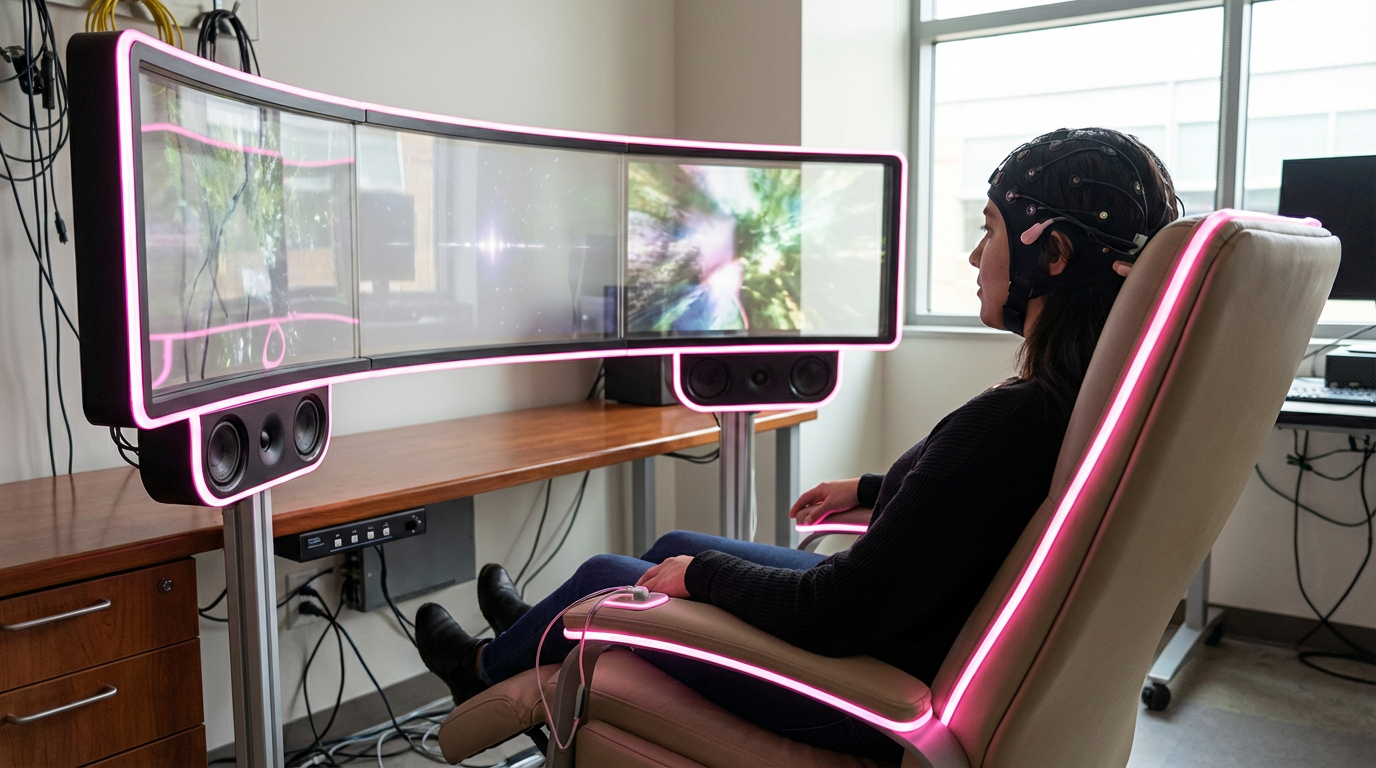
Real-time audio-visual environments that adjust to brainwave patterns via EEG feedback
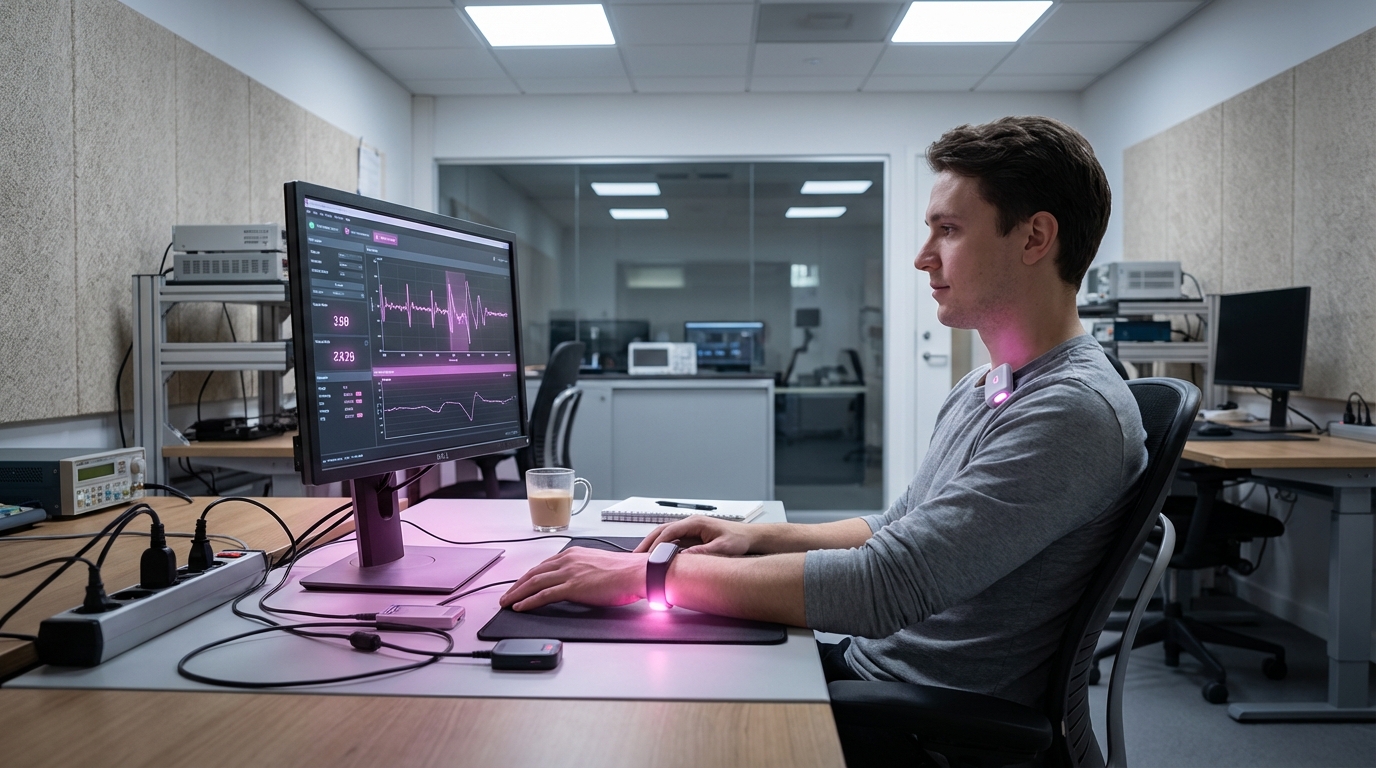
AI systems that detect and interpret human emotions from facial expressions, voice, and biometric data

Systems that detect and flag manipulative interface patterns in digital products
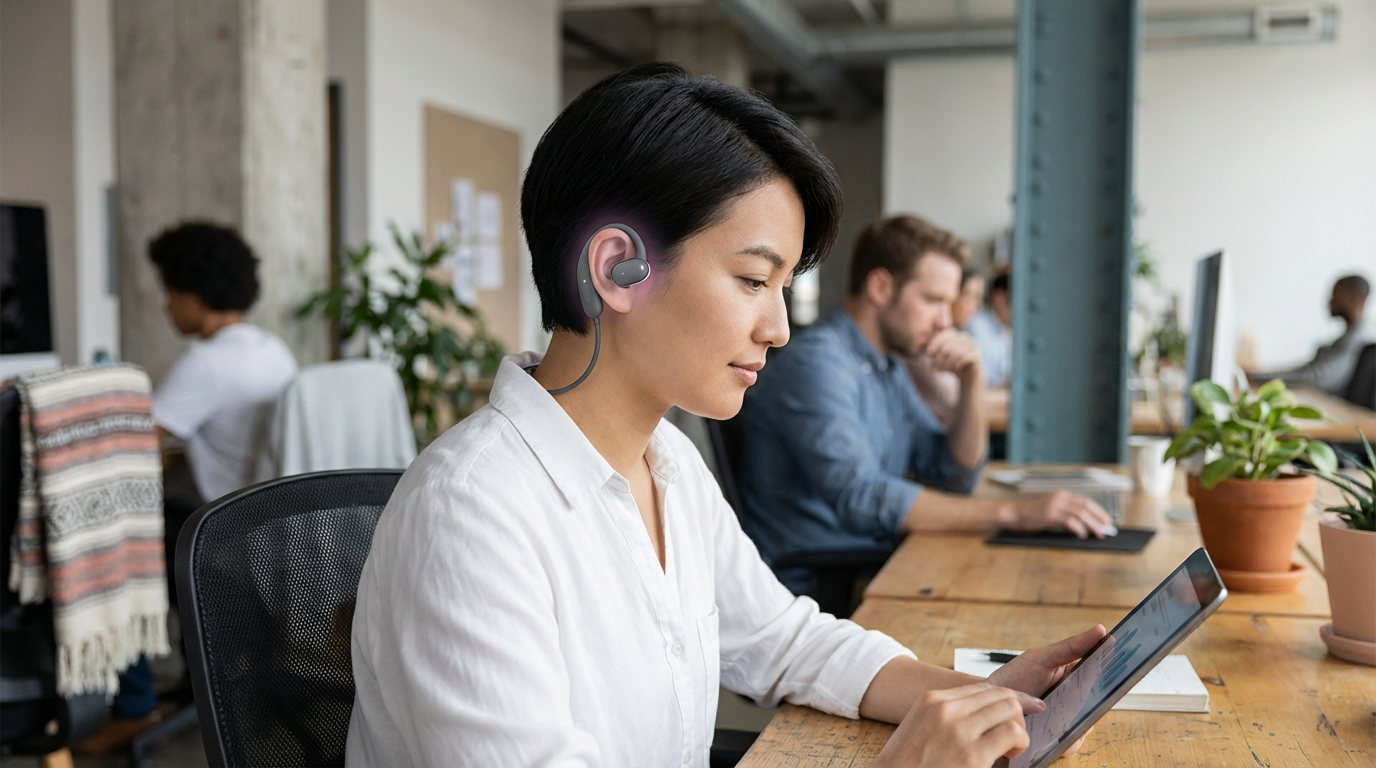
Ear-worn devices that stimulate the vagus nerve to regulate stress, mood, and autonomic responses

Automated systems that design, test, and optimize digital nudges to guide user decisions at scale

Lighting systems that adjust spectrum, intensity, and timing to align with human circadian rhythms

Legal and technical standards protecting mental privacy and self-determination from neural interference

Systems that monitor and influence emotional states of large groups in real time
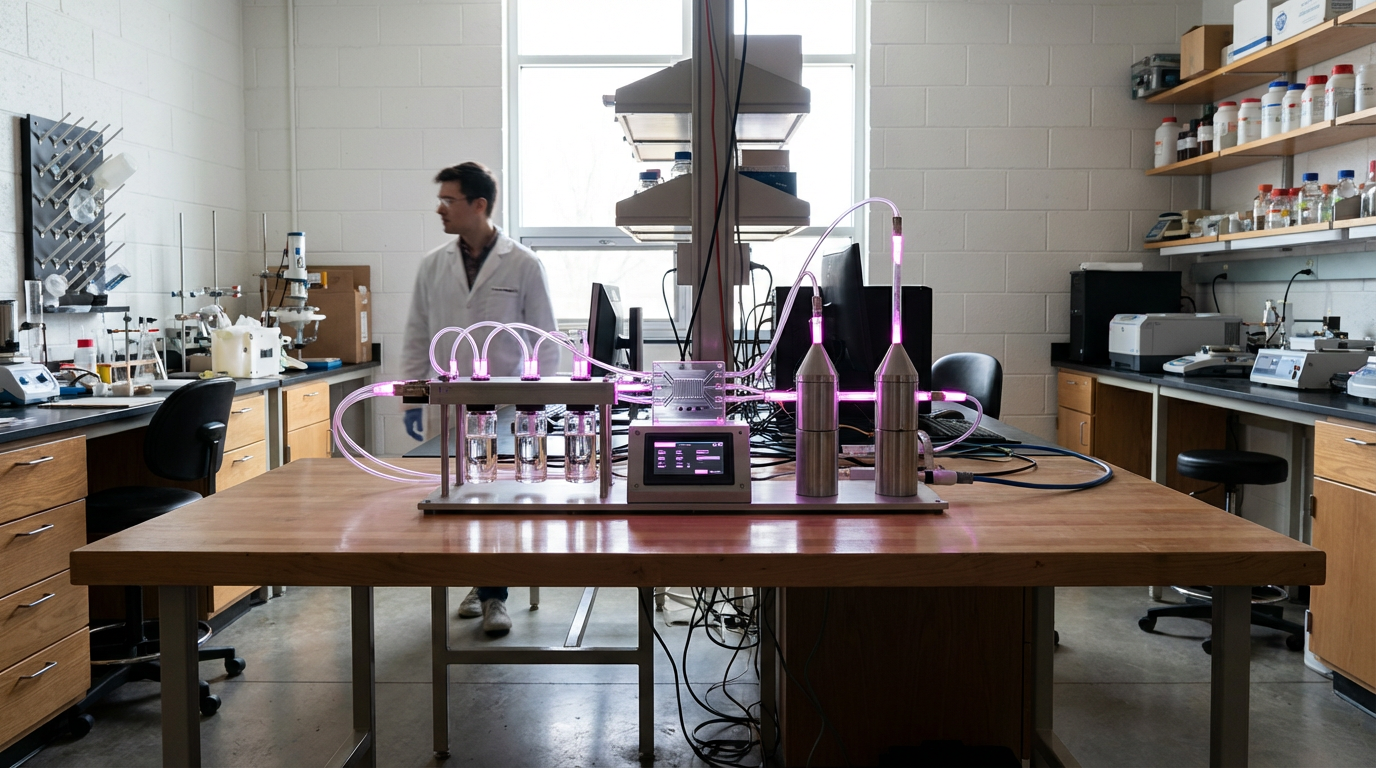
Devices that blend scent compounds on demand to create custom odor profiles
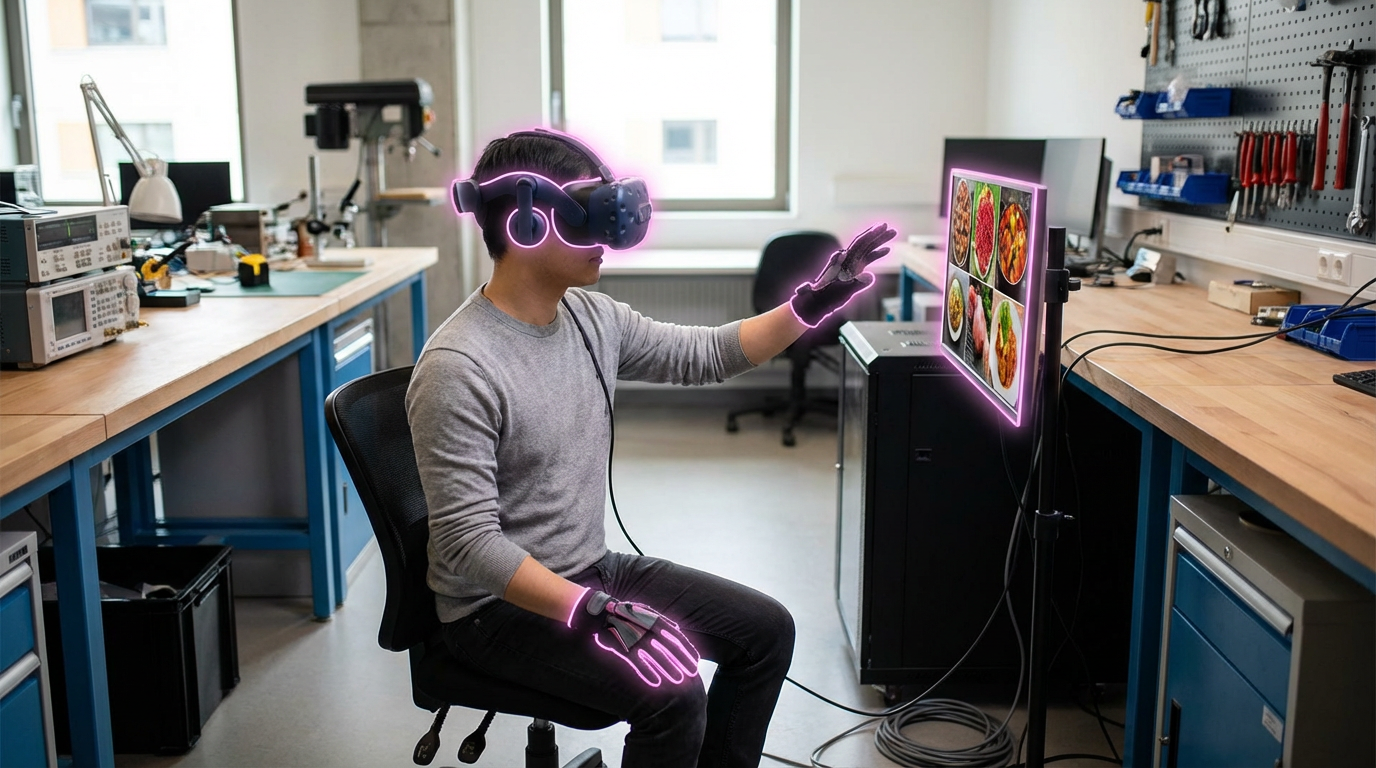
Immersive simulations that reduce cravings by mimicking consumption experiences
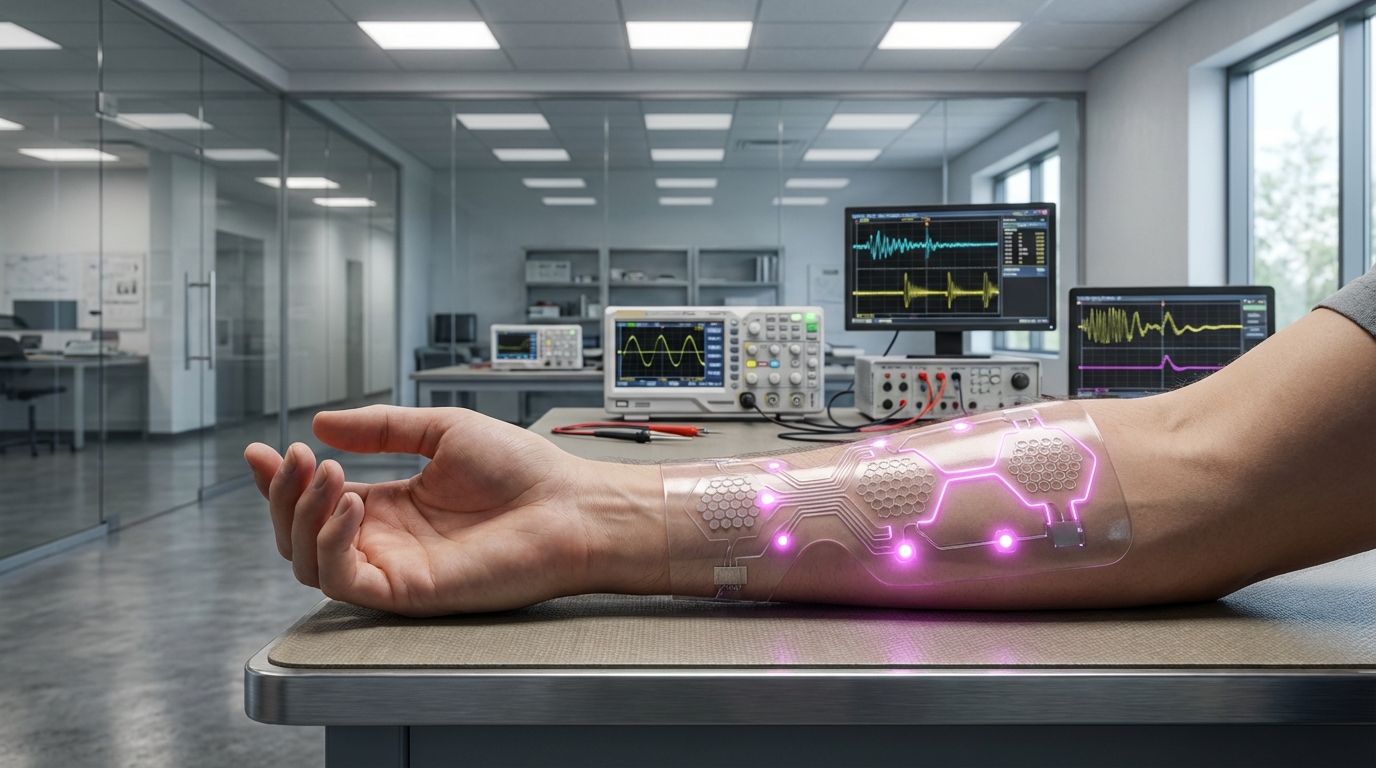
Ultra-thin wearable interfaces that bond to skin to deliver tactile feedback and sensory input

Public databases documenting persuasive technologies operating in commercial and digital spaces
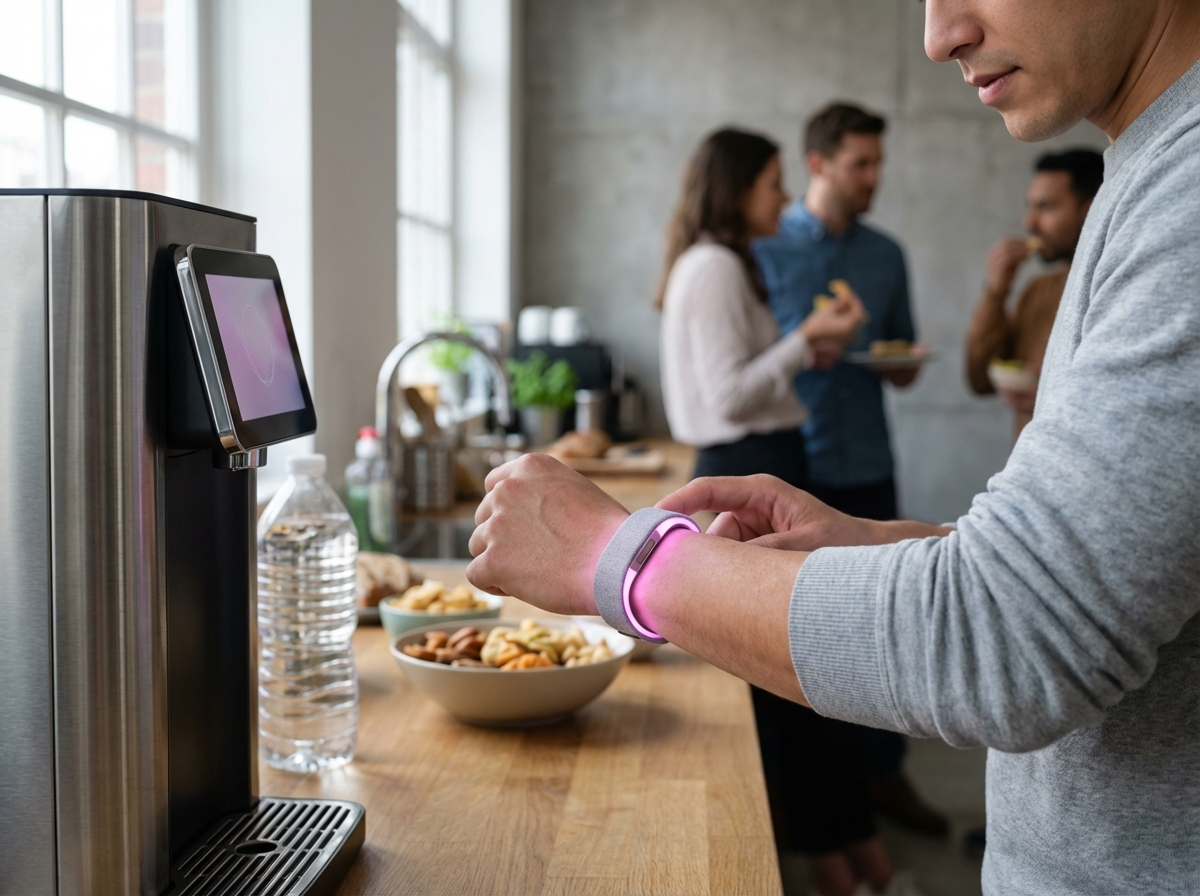
Wearable systems that detect craving signals and deliver real-time behavioral interventions
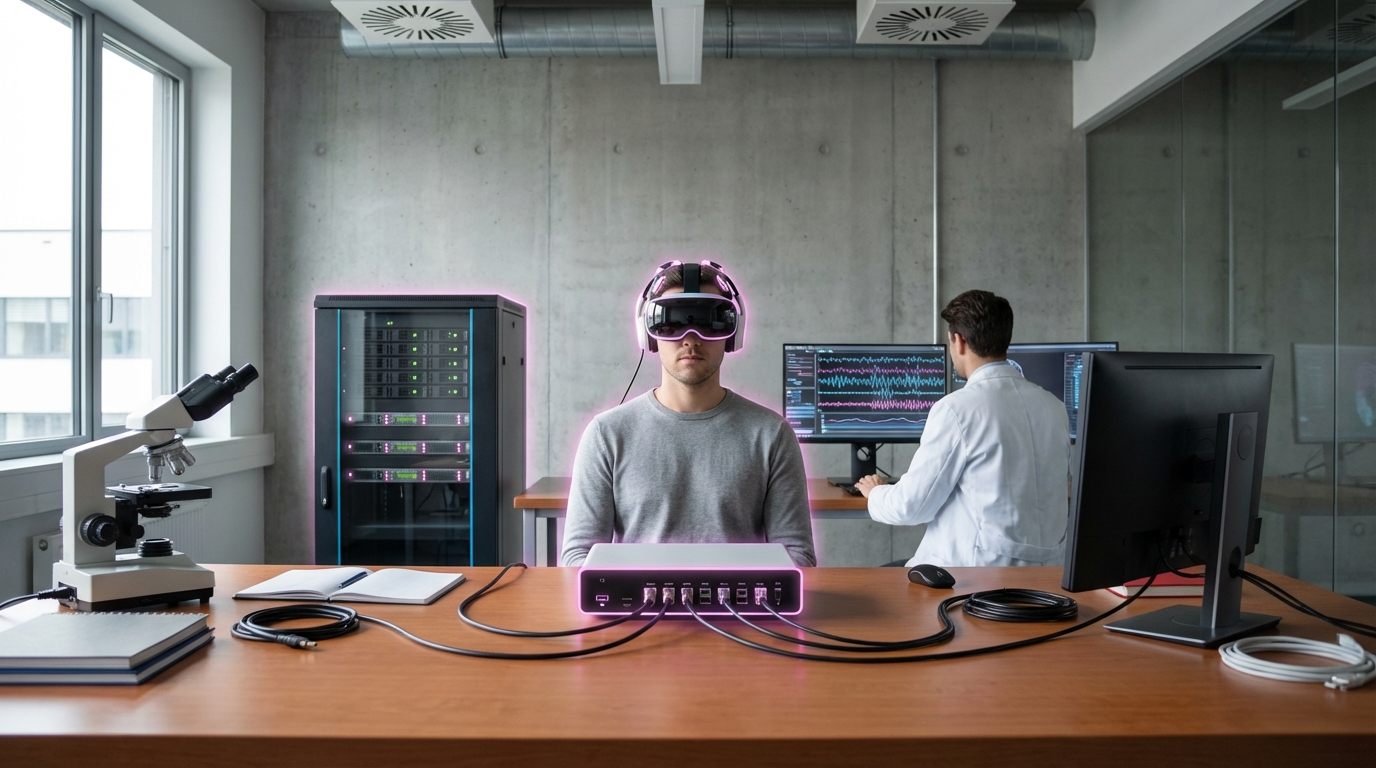
Frameworks protecting brain-computer interface data from unauthorized access and misuse
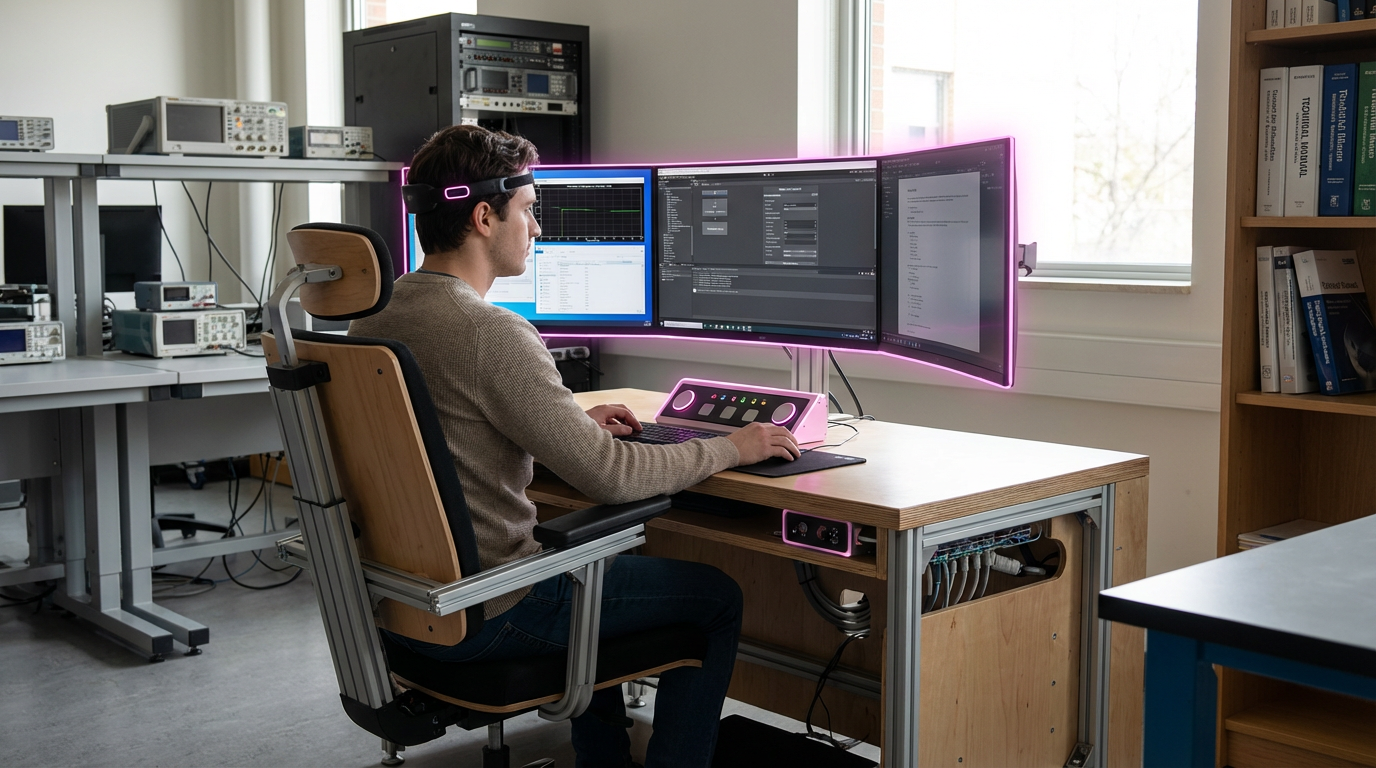
Educational platforms that adjust content difficulty and pacing based on real-time cognitive load monitoring
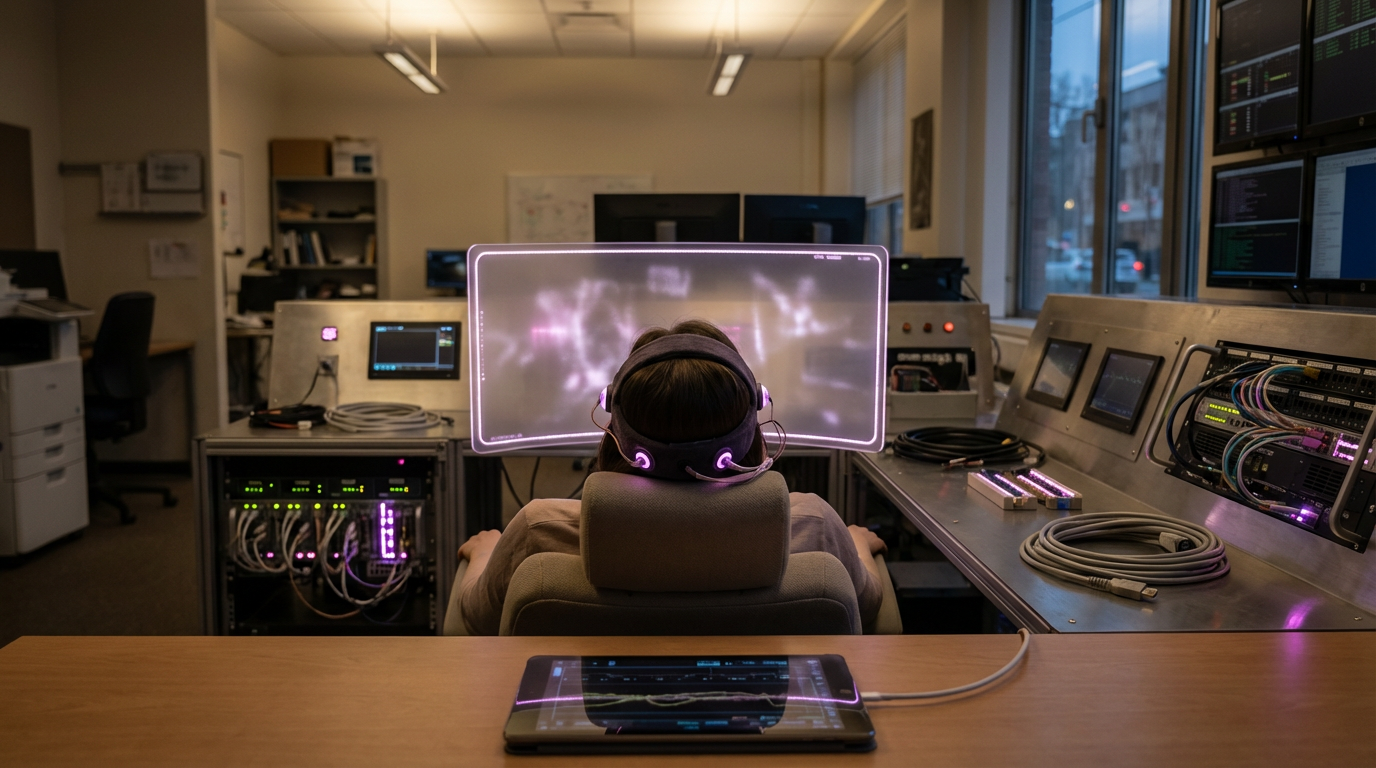
Automated systems that verify neurotechnology products comply with cognitive liberty and mental privacy laws

Directional sound delivery using ultrasonic waves to target specific listeners without ambient spillover
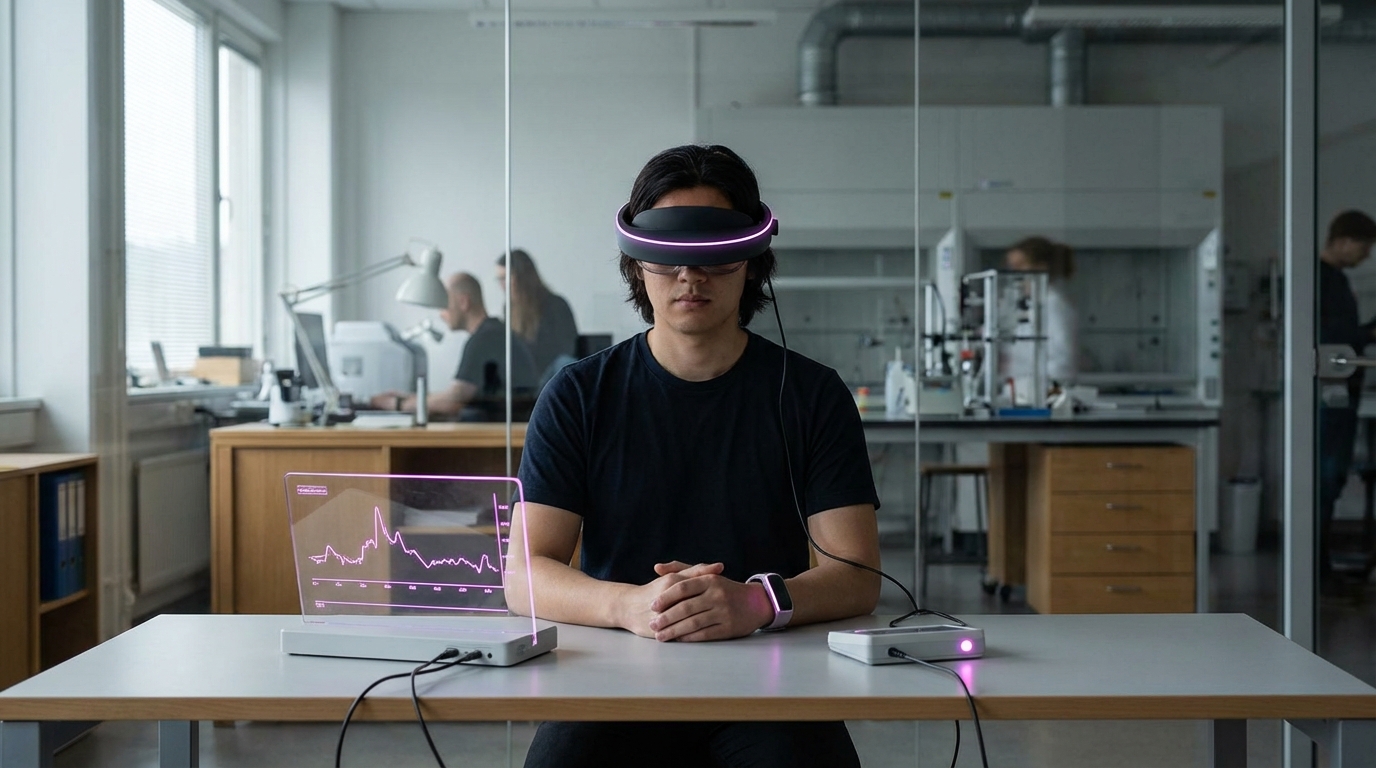
Quantifies and limits cumulative persuasive messaging across digital platforms
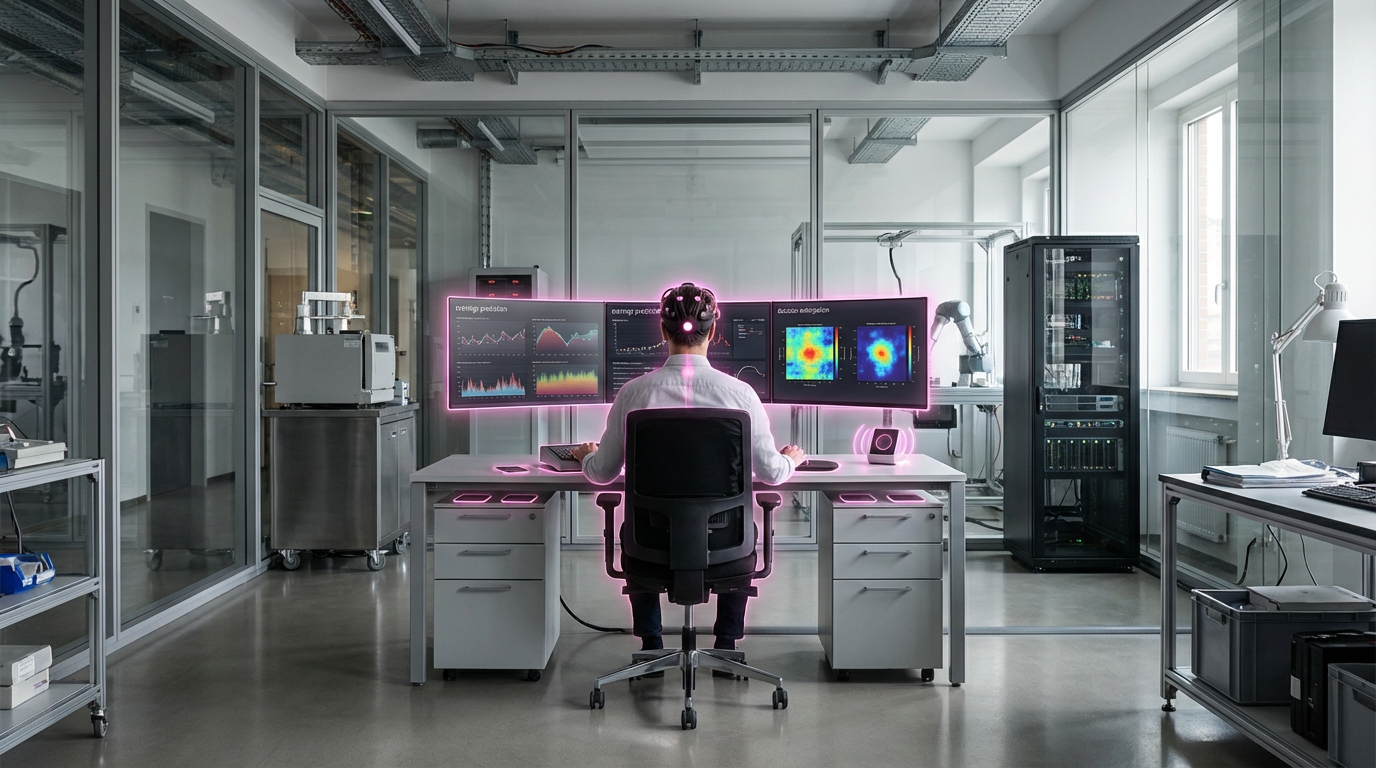
Machine learning systems that forecast user decisions and psychological states from behavioral data
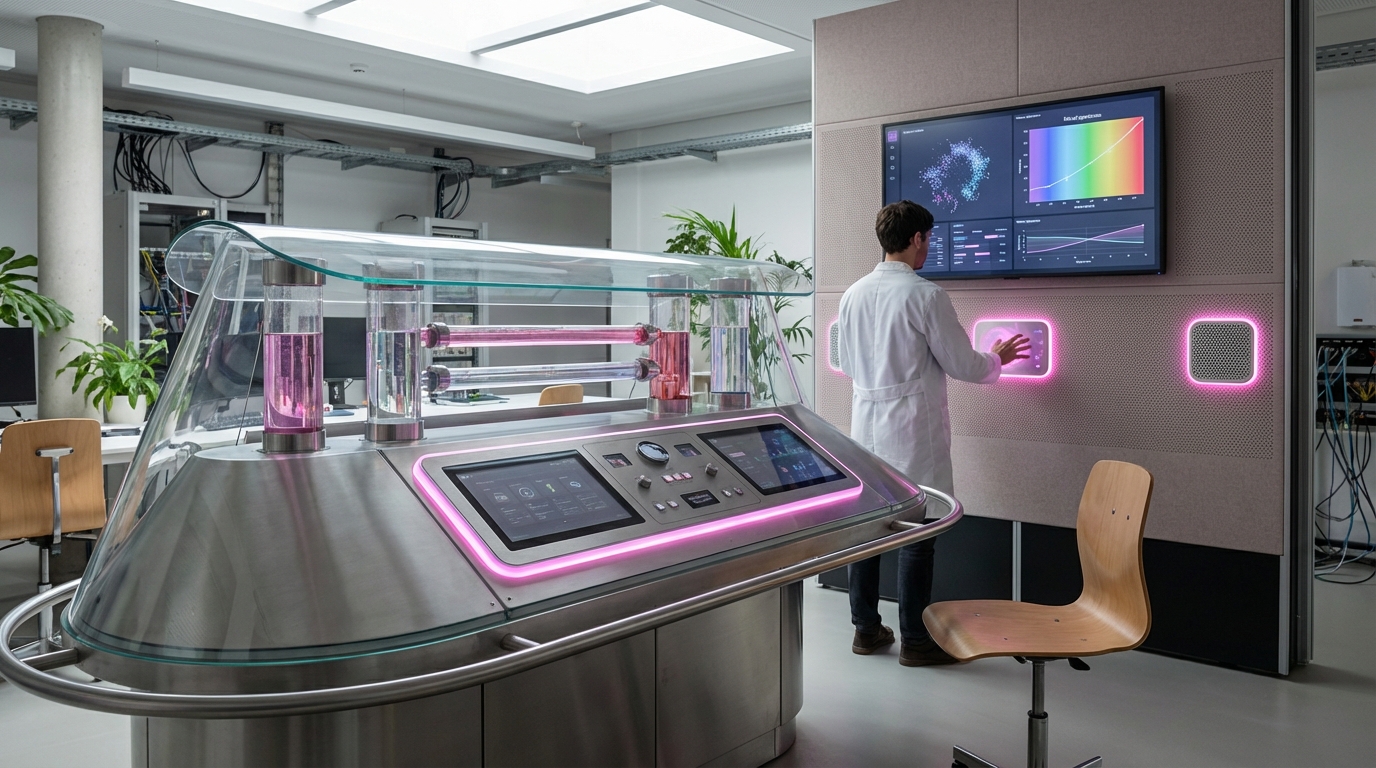
Design platforms that tune color, sound, scent, and texture to shape emotional and behavioral responses
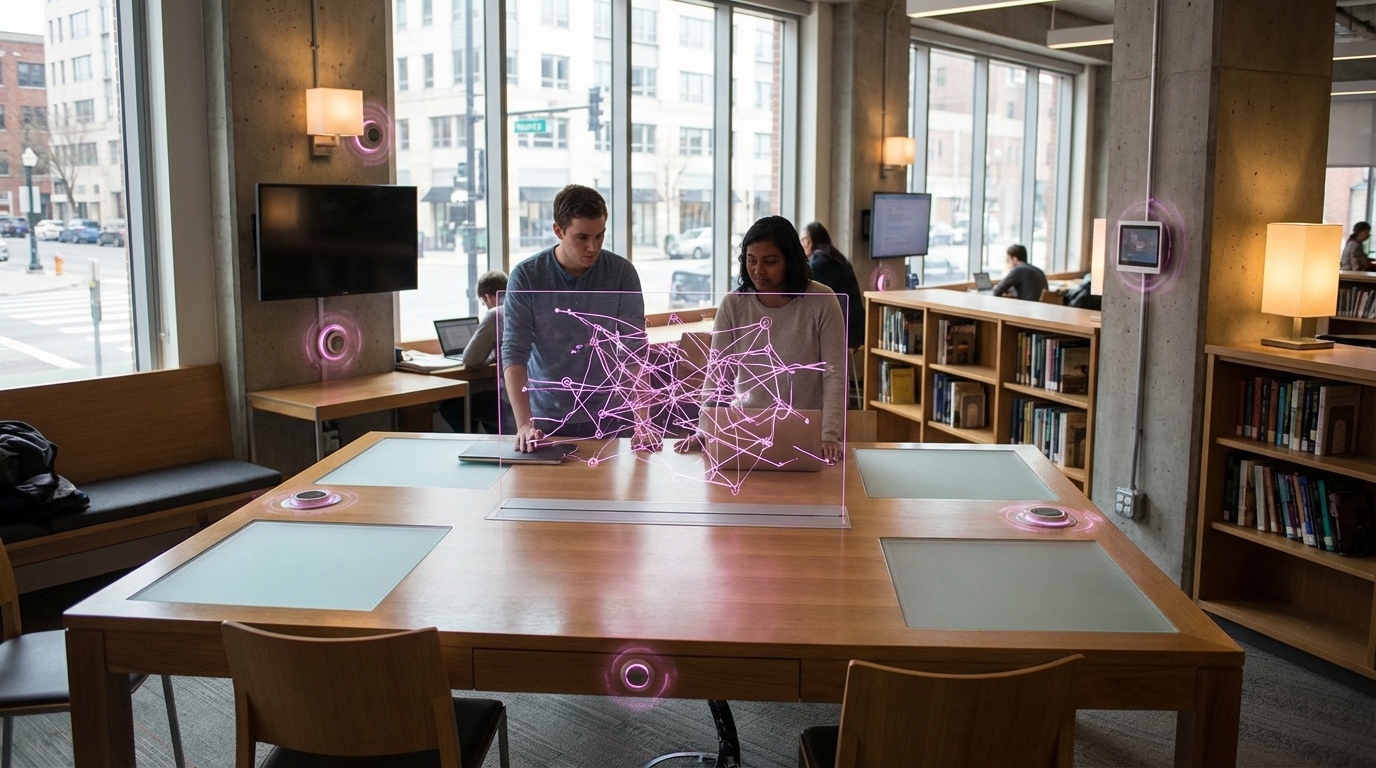
Computational models that predict how emotions, beliefs, and behaviors spread through social networks
Turn this hub into a team session
Interested in our work?
Newsletter
Follow us for weekly foresight in your inbox.