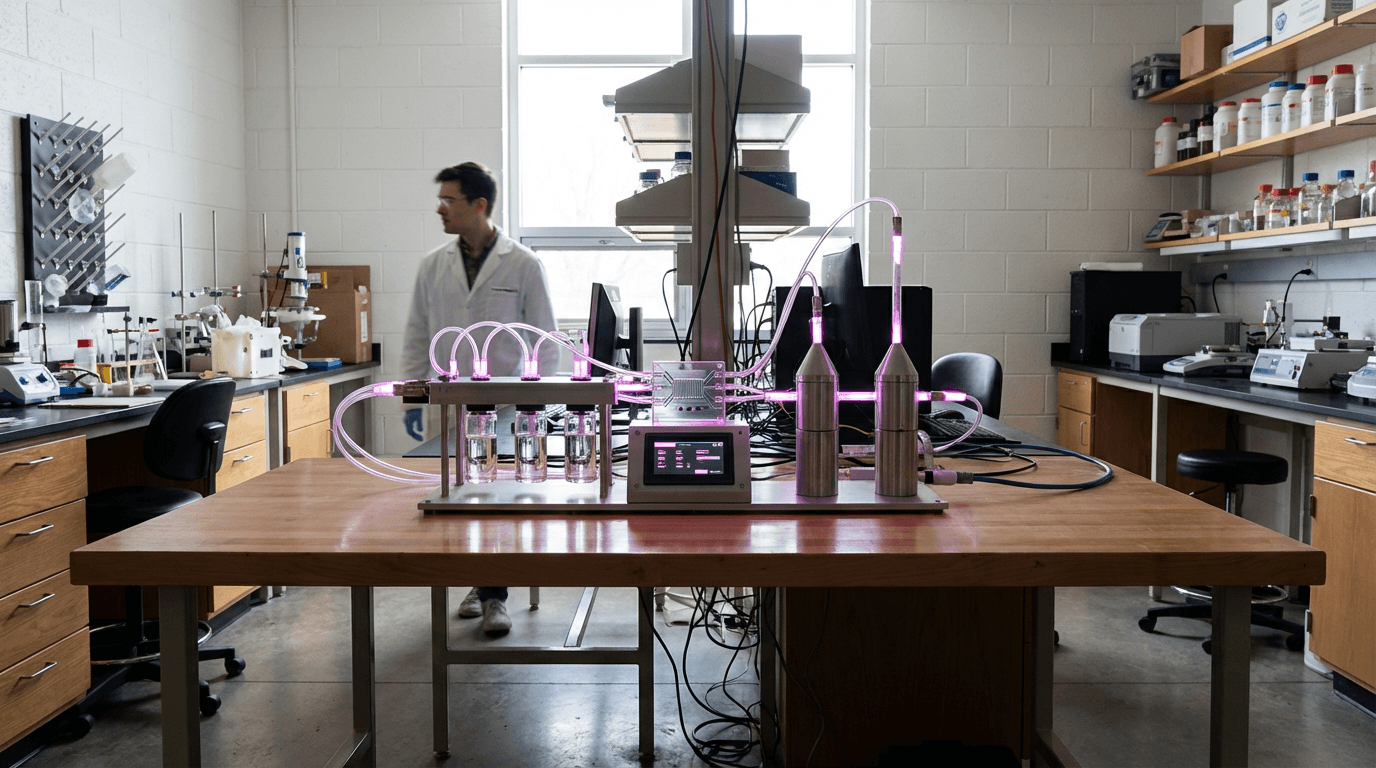
Digital Olfactory Synthesizers
Digital olfactory synthesizers represent a convergence of microfluidics, chemical engineering, and sensory neuroscience, designed to generate precise scent combinations on demand. These devices operate through sophisticated cartridge systems containing primary scent compounds—analogous to how printers use CMYK inks—which are mixed in controlled proportions to create complex odor profiles. The core technology relies on micro-fluidic channels and precision valves that regulate the release and combination of volatile compounds, while digital control systems manage timing, intensity, and composition. Unlike traditional air fresheners or fragrance diffusers, these synthesizers can rapidly switch between scent profiles and adjust concentration levels with millisecond precision. The underlying architecture typically includes thermal or ultrasonic atomization mechanisms to convert liquid scent compounds into breathable aerosols, alongside sensors that monitor air quality and dispersion patterns to ensure consistent delivery across different environmental conditions.
The commercial potential of digital olfactory synthesizers addresses a fundamental gap in multisensory media experiences and immersive environments. While visual and auditory technologies have advanced dramatically, the olfactory dimension has remained largely unexplored in consumer applications. This technology enables new possibilities in entertainment, where films or virtual reality experiences can be enhanced with synchronized scent cues that deepen emotional engagement and narrative immersion. The retail sector stands to benefit significantly, as stores can dynamically adjust ambient scents to influence purchasing behavior or create distinctive brand atmospheres without manual intervention. Healthcare applications are emerging as well, with research suggesting that controlled scent delivery could support therapeutic interventions for conditions like PTSD, anxiety disorders, or dementia, where specific odors might trigger beneficial memories or emotional states. The direct neurological pathway from olfactory receptors to the limbic system—bypassing the thalamus unlike other senses—makes scent uniquely powerful for influencing mood, memory recall, and subconscious responses.
Early commercial deployments have appeared in high-end cinema installations and theme park attractions, where scent effects complement visual storytelling. Consumer-grade devices are beginning to enter the market, though widespread adoption faces challenges including cartridge standardization, scent library development, and the complexity of creating universally appealing odor profiles across diverse cultural contexts. Industry analysts note growing interest from automotive manufacturers exploring cabin scent customization and from teleconferencing companies investigating ways to enhance remote presence. The technology aligns with broader trends toward multisensory design and personalized environmental control, suggesting that as costs decrease and scent libraries expand, digital olfactory synthesis could become a standard feature in immersive entertainment systems, smart homes, and therapeutic settings. The development of open-source scent coding standards and collaborative fragrance databases may accelerate adoption by enabling content creators to design olfactory experiences as routinely as they currently design soundtracks or color palettes.
Related Organizations

Develops the Aroma Shooter, a directional scent delivery device that uses solid-state cartridges.

Creates wearable scent technology (ION) for VR/AR headsets to deliver precise olfactory experiences.
Tokyo Institute of Technology Nakamoto Lab
Japan · University
Led by Takamichi Nakamoto, this lab is a pioneer in olfactory displays and tele-olfaction, developing systems to record and reproduce scents remotely.

A Google Research spinoff using AI to map the structure of molecules to odor perception (digitizing smell).
University of Sussex SCHI Lab
United Kingdom · University
The Sussex Computer Human Interaction (SCHI) Lab researches multisensory interfaces, including novel olfactory displays and scent-delivery mechanisms.

Expert in fragrance diffusion technologies, developing connected capsule-based systems for home and commercial scent synthesis.

The world's largest flavor and fragrance company, investing in digital scent startups and technologies.
Supporting Evidence
Research this in Signals
Signals turns a topic into a sourced research record you can inspect and rerun. Your first scan is free, and this one starts with Digital Olfactory Synthesizers already loaded, so edit it or scan as is.