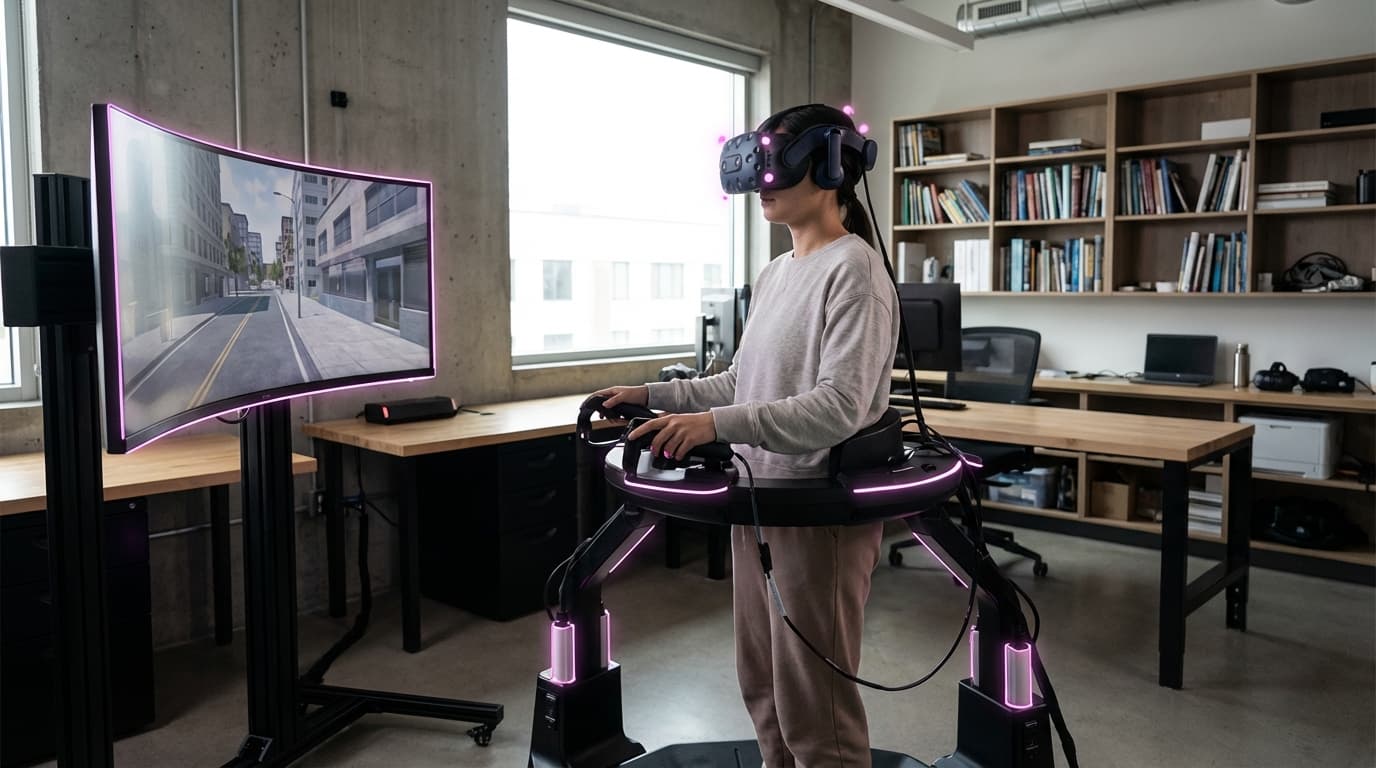
Virtual Exposure Protocols
Virtual Exposure Protocols represent a sophisticated application of immersive technology in clinical psychology, leveraging high-fidelity virtual reality systems to create controlled therapeutic environments for treating anxiety-based disorders. These protocols utilize head-mounted displays, spatial audio systems, and sometimes haptic feedback devices to generate realistic simulations of anxiety-provoking scenarios—from crowded public spaces and heights to combat situations and social interactions. The technology operates on the principle of graduated exposure, where clinicians can precisely calibrate the intensity, duration, and complexity of virtual stimuli, allowing for systematic desensitization that follows established therapeutic frameworks. Unlike traditional exposure therapy, which relies on imagination-based techniques or real-world exposure that can be difficult to control or reproduce consistently, virtual protocols offer repeatable, scalable scenarios that can be paused, adjusted, or repeated as needed. The systems typically include biometric monitoring capabilities that track physiological responses such as heart rate variability and galvanic skin response, providing clinicians with objective data to inform treatment progression and ensure patient safety throughout the therapeutic process.
The clinical challenges these protocols address are substantial, particularly in treating conditions where traditional exposure therapy faces practical or ethical limitations. For patients with severe PTSD, recreating trauma-related environments in the real world may be impossible, prohibitively expensive, or potentially harmful if not carefully controlled. Similarly, phobia treatment often requires access to specific stimuli—such as flying, spiders, or medical procedures—that cannot be readily summoned on demand in a clinical setting. Virtual Exposure Protocols solve these problems by providing on-demand access to any conceivable scenario while maintaining complete therapeutic control. This technology also addresses the significant dropout rates associated with traditional exposure therapy, as patients often find virtual environments less overwhelming than immediate real-world exposure, improving treatment adherence. The economic implications are equally significant, as these protocols can reduce the need for costly field trips, specialized equipment, or the coordination of complex real-world scenarios, making evidence-based exposure therapy more accessible to a broader range of clinical settings and patient populations.
Research institutions and clinical practices have begun integrating these protocols into standard treatment regimens, with early deployments indicating promising outcomes for conditions ranging from social anxiety disorder to specific phobias and combat-related PTSD. Veterans' health systems have been particularly active in adopting virtual exposure therapy for treating service-related trauma, while anxiety disorder clinics are employing the technology for everything from fear of public speaking to agoraphobia. The protocols are increasingly being combined with other therapeutic modalities, such as cognitive-behavioral therapy and mindfulness techniques, creating integrated treatment approaches that leverage the unique capabilities of immersive technology. As virtual reality hardware becomes more affordable and accessible, and as clinical evidence continues to accumulate, these protocols are positioned to become a standard component of mental health treatment infrastructure. The trajectory points toward increasingly personalized therapeutic experiences, where artificial intelligence may eventually help tailor virtual scenarios to individual patient responses in real-time, and where remote therapy delivery could extend specialized treatment to underserved populations, fundamentally expanding access to evidence-based mental health interventions.
Related Organizations

A leading VR platform for mental health professionals, offering a library of virtual environments for exposure therapy (phobias, anxiety).

Home to the 'Bravemind' project, a clinical VR exposure therapy tool for treating PTSD in veterans.

Creators of RelieVRx, an FDA-authorized VR therapeutic for chronic lower back pain.

The largest integrated health care system in the US, actively deploying VR exposure therapy (Bravemind) for veterans with PTSD.

One of the earliest pioneers in VR exposure therapy, providing systems for treating fear of flying, heights, and public speaking.

French company developing therapeutic VR software for phobias, addictions, and anxiety disorders.

Developed SparkRx, a digital therapeutic program for adolescent depression based on CBT principles.

Operates virtual clinics providing VR therapy for various conditions.

Scandinavian VR/AR production studio creating immersive art installations and theater experiences.

Creates wearable scent technology (ION) for VR/AR headsets to deliver precise olfactory experiences.
Supporting Evidence
Research this in Signals
Signals turns a topic into a sourced research record you can inspect and rerun. Your first scan is free, and this one starts with Virtual Exposure Protocols already loaded, so edit it or scan as is.