Just-in-Time Craving Interruption Systems
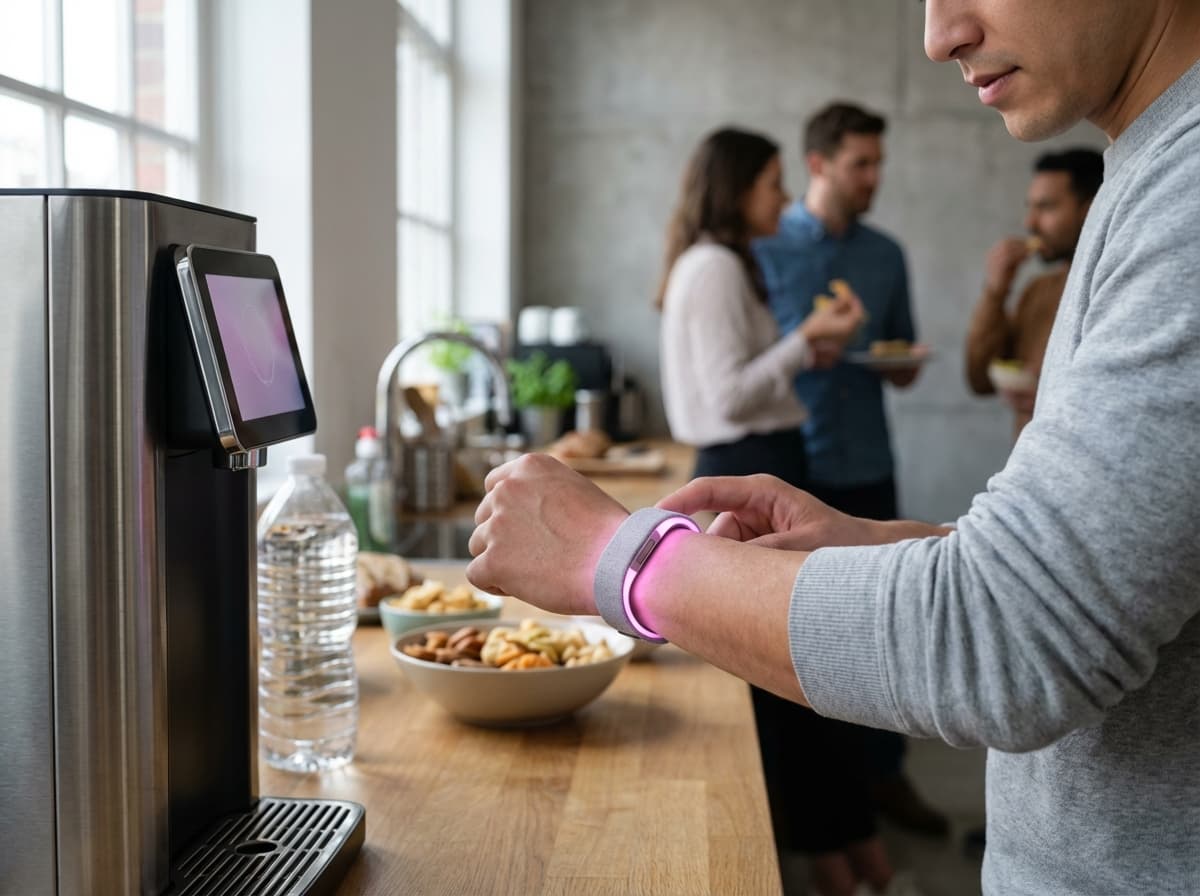
Just-in-Time Craving Interruption Systems represent a convergence of biosensing technology, behavioral psychology, and predictive analytics designed to intervene at the precise moment when an individual is most vulnerable to relapse or unwanted consumption behaviors. These systems operate through wearable devices equipped with multiple sensors that continuously monitor physiological signals including heart rate variability, galvanic skin response, movement patterns, and in some cases, biochemical markers through non-invasive means. The technology employs machine learning algorithms trained on individual baseline data to recognize the subtle physiological signatures that precede craving episodes—patterns that often emerge minutes or even hours before conscious awareness of the urge. When the system detects these precursor signals, it immediately deploys targeted micro-interventions calibrated to the user's preferences and historical response patterns. These interventions might include specific haptic vibration sequences designed to activate competing neural pathways, brief guided breathing exercises delivered through bone-conduction audio, temperature changes applied to specific acupressure points, or personalized visual cues that redirect attention away from craving-associated stimuli.
The fundamental challenge these systems address is the temporal gap between intention and action in addiction recovery and behavior modification programs. Traditional intervention approaches rely on individuals recognizing their own craving states and consciously choosing to employ coping strategies—a process that often fails because cravings can escalate rapidly and overwhelm executive function before deliberate countermeasures can be activated. Research in addiction neuroscience suggests that the window of maximum intervention effectiveness is extremely narrow, often lasting only seconds to minutes. Just-in-Time Craving Interruption Systems solve this problem by automating the detection and response process, effectively serving as an external prefrontal cortex that can identify risk states before they reach critical intensity. This technology also addresses the limitation of scheduled check-ins or time-based reminders, which rarely align with actual moments of vulnerability. By operating continuously and responding dynamically to real-time physiological data, these systems provide support precisely when it is most needed rather than at arbitrary intervals.
Current implementations of this technology are emerging primarily in substance use disorder treatment programs, where early pilot deployments have shown promising results in reducing relapse rates during critical transition periods such as post-rehabilitation integration. Several digital health companies have developed prototype systems that combine smartwatch platforms with proprietary algorithms, though most remain in clinical trial phases rather than widespread commercial availability. The technology is also being explored for managing behavioral addictions including problematic smartphone use, compulsive eating, and gambling disorders. Industry analysts note that the effectiveness of these systems improves significantly over time as the algorithms learn individual patterns and refine their predictive accuracy. Looking forward, the integration of this technology with broader digital therapeutics platforms suggests a future where personalized, adaptive intervention systems become standard components of chronic disease management. As sensor technology becomes more sophisticated and less obtrusive, and as our understanding of the neurobiological markers of craving deepens, these systems are likely to evolve from reactive tools into proactive behavioral modification platforms that can help individuals not only interrupt unwanted patterns but gradually reshape their automatic responses to triggering situations.
Related Organizations

A multi-university consortium focused on Mobile Sensor Data-to-Knowledge for health.

Digital platform for substance use recovery using connected breathalyzers and saliva tests with financial incentives.

Provider of wearable-enabled remote patient monitoring (RPM) solutions, specifically gesture detection for smoking.

Developer of Pivot, a smoking cessation program featuring a mobile breath sensor.

Produces a wearable that delivers silent, soothing vibrations to the body to improve resilience to stress.

Develops medical-grade wearables (Embrace) monitoring EDA and physiological signals.

A digital clinic for substance use management (formerly Quit Genius) offering medication-assisted treatment and CBT.

Maker of the Oura Ring, a smart ring that tracks sleep, readiness, and stress.

Multinational technology company known for GPS and wearable technology.
Supporting Evidence
Research this in Signals
Signals turns a topic into a sourced research record you can inspect and rerun. Your first scan is free, and this one starts with Just-in-Time Craving Interruption Systems already loaded, so edit it or scan as is.