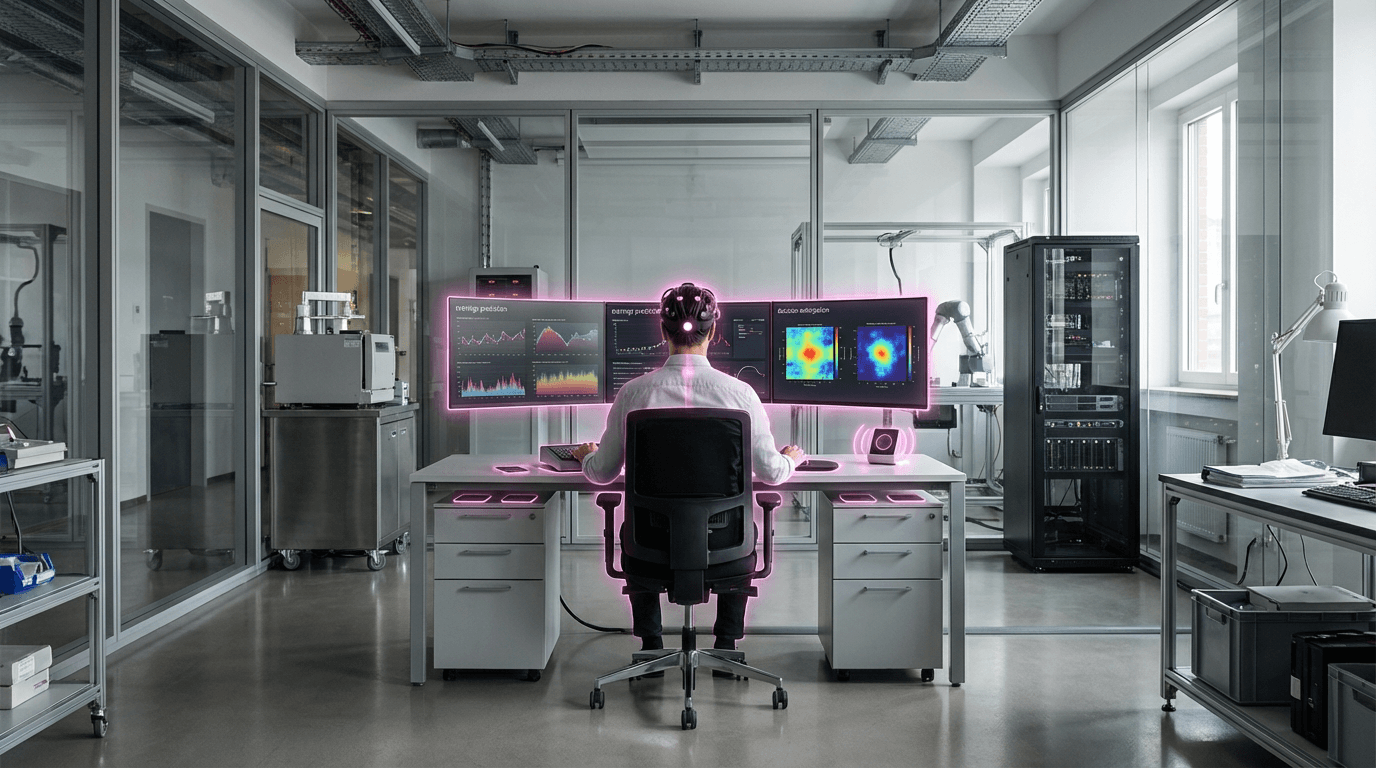
Predictive Behavioral Modeling
Predictive behavioral modeling represents a convergence of machine learning, behavioral psychology, and real-time data analytics designed to anticipate human decision-making patterns before they fully manifest. At its technical core, these systems employ sophisticated algorithms that analyze vast datasets of historical user behavior—including purchase patterns, physiological signals, digital interactions, and environmental context—to identify precursor signals that indicate emerging psychological states. The technology relies on continuous data streams from wearables, smartphones, and connected devices to detect subtle patterns: changes in heart rate variability that precede stress-induced cravings, browsing behaviors that signal decision fatigue, or location patterns that correlate with specific consumption triggers. By processing these multi-modal inputs through neural networks and temporal analysis models, the systems can forecast moments of vulnerability or opportunity with increasing precision, creating probabilistic models of when individuals are most susceptible to particular influences or most receptive to behavioral interventions.
The commercial imperative driving this technology stems from fundamental challenges in consumer engagement, health behavior change, and habit formation. Traditional marketing and wellness interventions suffer from poor timing—delivering messages when users are unreceptive or missing critical windows of opportunity. Research suggests that interventions delivered at precisely the right psychological moment can be exponentially more effective than generic, scheduled approaches. For industries ranging from digital health to retail, this represents a solution to the persistent problem of low engagement rates and failed behavior modification programs. The technology enables what industry analysts describe as "just-in-time adaptive interventions," where systems can detect when someone is about to abandon a fitness goal, relapse into unhealthy consumption, or make an impulsive purchase decision, then deploy targeted nudges—whether encouragement, alternative suggestions, or friction-adding delays—to redirect behavior toward desired outcomes.
Early deployments indicate particularly strong adoption in wellness applications, where systems monitor patterns suggesting imminent lapses in medication adherence or diet compliance, triggering supportive messages or environmental modifications through connected home devices. Retail platforms are exploring these models to optimize conversion rates by identifying micro-moments of purchase intent and reducing decision paralysis through personalized simplification. The technology also shows promise in corporate wellness programs, where employers seek to reduce healthcare costs by preemptively addressing stress, burnout, and unhealthy lifestyle patterns among employees. As sensor technology becomes more ubiquitous and machine learning models grow more sophisticated at detecting subtle behavioral signatures, predictive behavioral modeling is positioned to become a foundational element of what some researchers call "anticipatory design"—systems that don't merely respond to user actions but actively shape the decision-making environment based on predicted psychological states. This trajectory raises important questions about autonomy and manipulation, even as it offers unprecedented tools for supporting positive behavior change at scale.
Related Organizations

Developing Project Kuiper, a satellite constellation that will utilize optical inter-satellite links.

Developers of the Gemini family of models, which are trained from the start to be multimodal across text, images, video, and audio.

A provider of financial data-driven personalization and customer engagement solutions.

Heavy users and researchers of causal inference for personalization and content delivery.

Builds software that empowers organizations to integrate their data, decisions, and operations (Foundry and AIP).

A contextual customer experience platform for the financial services industry.

A provider of AI-powered relevance platforms (acquired Qubit).

A leader in eye tracking and driver monitoring systems that acquired Affectiva (the pioneer of Emotion AI) to integrate deep affective computing capabilities.


A global leader in audience measurement, data and analytics.
Supporting Evidence
Research this in Signals
Signals turns a topic into a sourced research record you can inspect and rerun. Your first scan is free, and this one starts with Predictive Behavioral Modeling already loaded, so edit it or scan as is.