Digital Satiation Therapies
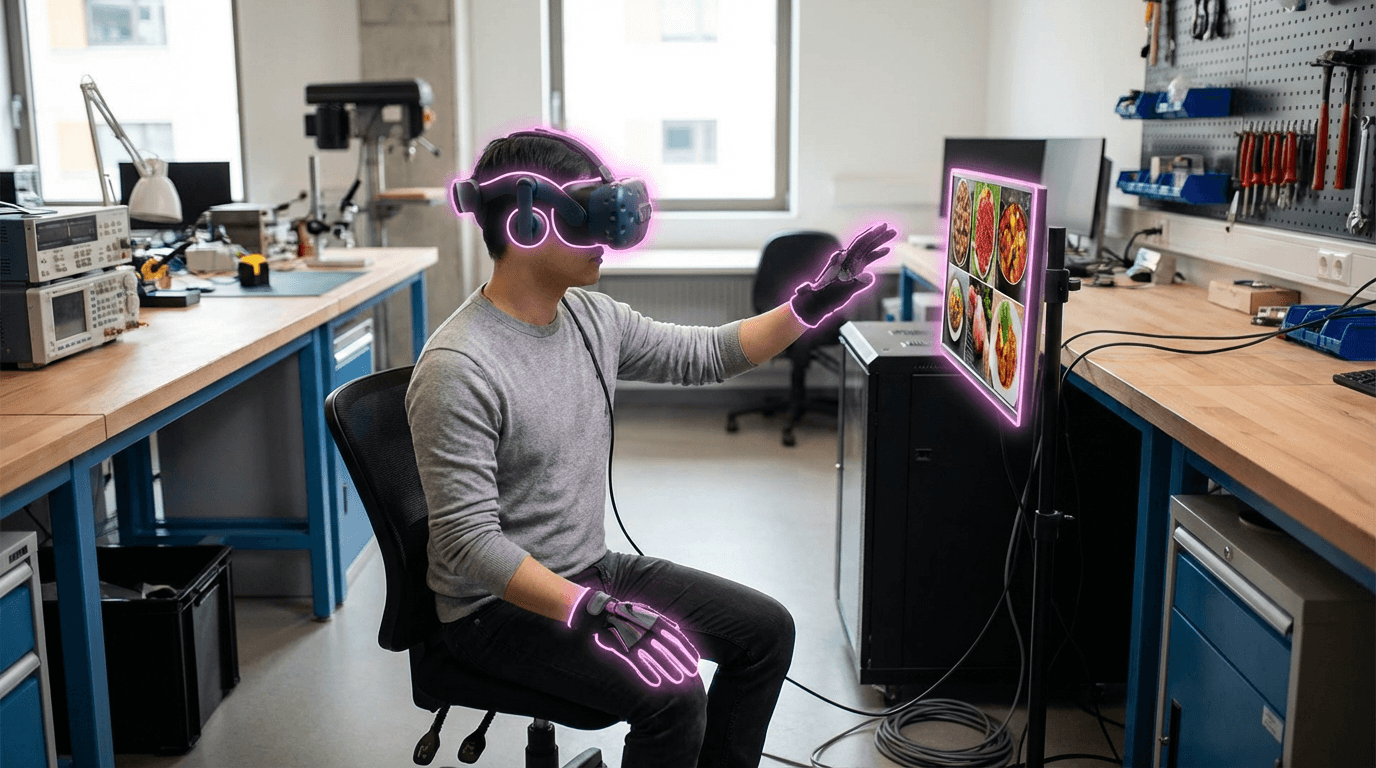
Digital satiation therapies represent an innovative intersection of neuroscience, behavioral psychology, and immersive technology, designed to address one of the most persistent challenges in addiction treatment and weight management: the powerful physiological and psychological pull of cravings. These therapeutic interventions leverage virtual reality (VR) and augmented reality (AR) platforms to create convincing multisensory simulations of consumption experiences—whether eating specific foods, smoking, or using other substances. The underlying mechanism exploits the brain's tendency to respond to sensory cues as if they were real experiences. When users engage with these simulations, they see, hear, and sometimes even smell representations of the desired substance, activating neural pathways associated with reward anticipation and satisfaction. Research suggests that repeated exposure to these virtual consumption experiences can help recalibrate the brain's reward system, potentially reducing the intensity of real-world cravings over time. Some systems incorporate haptic feedback devices that simulate the physical sensations of eating or drinking, while others use olfactory components to enhance realism and therapeutic effectiveness.
The healthcare and wellness industries face mounting pressure to develop effective, non-pharmaceutical interventions for conditions ranging from obesity and binge eating disorders to substance use disorders and smoking cessation. Traditional cognitive behavioral therapy, while effective, often struggles with the immediate, visceral nature of cravings that can overwhelm rational decision-making. Digital satiation therapies address this gap by providing a tool that operates at the sensory level where cravings originate. For addiction treatment centers, these technologies offer a complementary approach that can be integrated into existing programs, potentially improving outcomes while reducing relapse rates. In the weight management sector, where long-term success rates remain disappointingly low, these therapies provide a novel mechanism for helping individuals manage food cravings without relying solely on willpower or restrictive dieting. The technology also enables unprecedented personalization, allowing therapists to tailor virtual experiences to each patient's specific triggers and preferences, creating scenarios that directly address their unique challenge patterns.
Early clinical deployments of digital satiation therapies have emerged primarily in specialized treatment facilities and research settings, with pilot programs exploring applications across multiple domains. Some addiction treatment centers have begun incorporating VR-based craving management sessions into their standard protocols, particularly for alcohol and nicotine dependence. In the weight management space, several digital health companies are developing consumer-facing applications that individuals can use at home, though these typically represent simplified versions of clinical-grade systems. The technology shows particular promise when combined with traditional therapeutic approaches, serving as a bridge between clinical sessions and real-world situations where cravings occur. As VR and AR hardware becomes more affordable and accessible, industry analysts note growing interest from both healthcare providers and wellness platforms in scaling these interventions beyond specialized clinical settings. The convergence of this technology with broader trends in digital therapeutics and personalized medicine suggests a future where managing cravings becomes a more precise, data-driven process, potentially transforming how we approach behavioral health challenges that have historically proven resistant to conventional treatment methods.
Related Organizations

Home to the Miyashita Lab, which developed 'Taste the TV' (TTTV), a lickable screen that imitates food flavors.

Develops the Aroma Shooter, a directional scent delivery device that uses solid-state cartridges.

Research center known for developing the 'Digital Lollipop' and electric taste stimulation.

A creative research studio that created 'Project Nourished', a VR gastronomy experience.

Creates wearable scent technology (ION) for VR/AR headsets to deliver precise olfactory experiences.

A leading VR platform for mental health professionals, offering a library of virtual environments for exposure therapy (phobias, anxiety).

Clinics using VR exposure therapy for phobias and weight management.

Operates virtual clinics providing VR therapy for various conditions.

Developed SparkRx, a digital therapeutic program for adolescent depression based on CBT principles.
Supporting Evidence
Research this in Signals
Signals turns a topic into a sourced research record you can inspect and rerun. Your first scan is free, and this one starts with Digital Satiation Therapies already loaded, so edit it or scan as is.