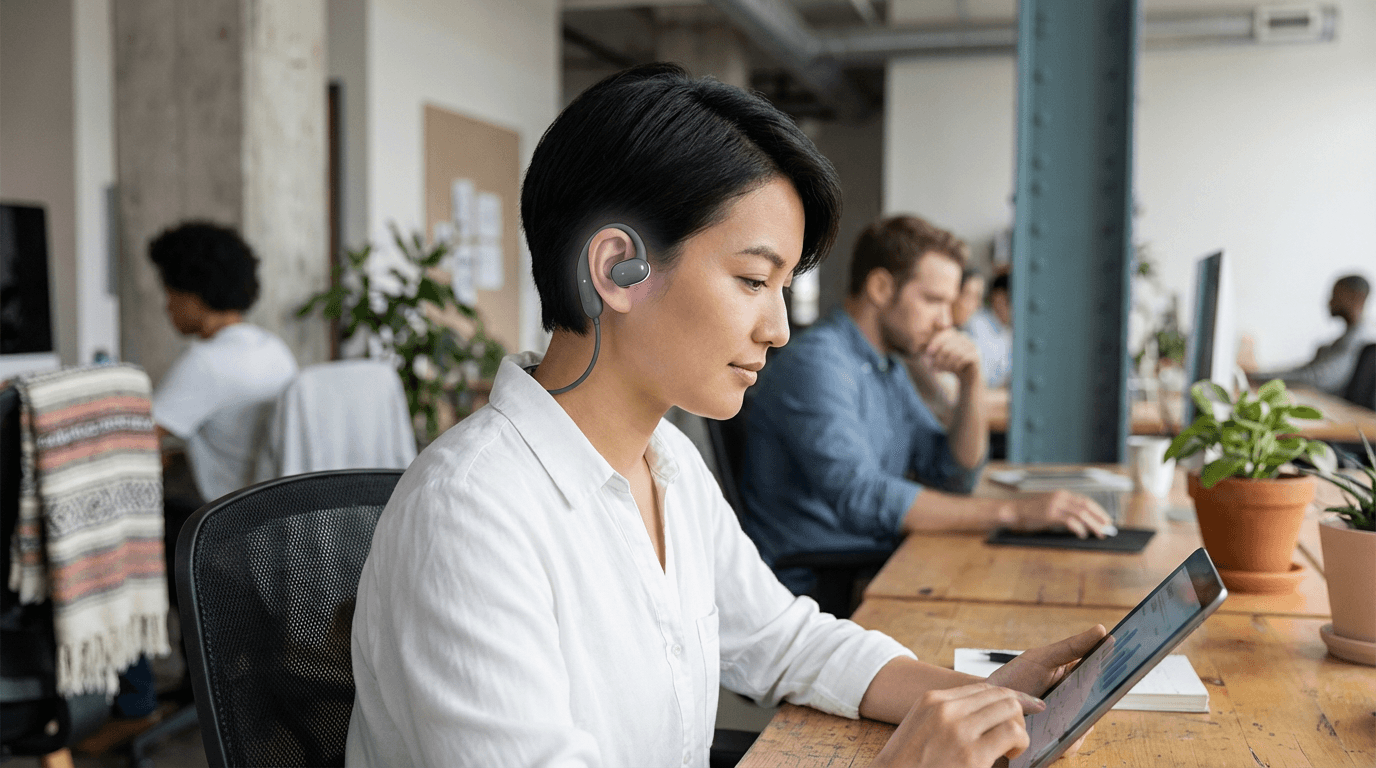
Auricular Vagus Nerve Stimulation Wearables
The vagus nerve, a critical component of the parasympathetic nervous system, has long been recognized for its role in regulating heart rate, digestion, and emotional states. Traditional vagus nerve stimulation has required surgical implantation of electrodes, limiting its accessibility to patients with severe epilepsy or treatment-resistant depression. Auricular vagus nerve stimulation wearables represent a non-invasive alternative that leverages the nerve's superficial branches in the outer ear. These devices employ small electrodes positioned at specific auricular zones—typically the tragus, concha, or cymba conchae—where vagal afferents are most accessible. Through carefully calibrated electrical pulses, often in the range of 20-30 Hz at low intensities, the technology activates these nerve fibers without penetrating the skin barrier. The stimulation parameters can be adjusted based on real-time biometric feedback from integrated sensors that monitor heart rate variability, skin conductance, or other autonomic markers, creating a closed-loop system that adapts to the wearer's physiological state.
The appeal of this technology lies in its potential to address the growing epidemic of stress-related disorders and behavioral health challenges that burden both individuals and healthcare systems. Chronic stress, anxiety, and addiction represent conditions where dysregulated autonomic function plays a central role, yet pharmaceutical interventions often come with side effects or dependency risks. Early clinical research suggests that auricular vagus nerve stimulation may offer a complementary approach by directly modulating the body's stress response mechanisms. For individuals struggling with nicotine cravings, preliminary studies indicate that brief stimulation sessions can reduce urge intensity by activating reward-processing circuits in the brain. Similarly, those experiencing anxiety may benefit from the technology's ability to shift autonomic balance toward parasympathetic dominance, promoting a physiological state associated with calm and recovery. The wearable format transforms what was once a clinical intervention into a consumer-accessible tool, potentially enabling proactive mental health management rather than reactive treatment.
Several companies have begun developing commercial prototypes, with some devices already available through limited release programs or clinical trials. These wearables typically resemble modified earbuds or ear clips, designed for discrete daily wear during commutes, work sessions, or moments of anticipated stress. Integration with smartphone applications allows users to track stimulation patterns, correlate them with mood journals or behavioral data, and adjust protocols based on personal response. The technology aligns with broader trends in digital therapeutics and precision medicine, where interventions are increasingly personalized and delivered outside traditional clinical settings. As research continues to validate optimal stimulation parameters and identify responder profiles, auricular vagus nerve stimulation may become a standard component of workplace wellness programs, addiction recovery support systems, and consumer health ecosystems. The convergence of neuroscience, wearable engineering, and behavioral health creates a pathway toward interventions that work with the body's existing regulatory systems rather than overriding them, potentially reshaping how we approach emotional resilience and autonomic balance in an increasingly demanding world.
Related Organizations

A medical technology company developing neurostimulation products.

Wearable bioelectronic medicine for opioid withdrawal.

A medical device company specializing in transcutaneous Vagus Nerve Stimulation.

Research arm of Northwell Health, home to the Institute of Bioelectronic Medicine.


A public medical school and research university.

Manufacturer of non-invasive neuromodulation and brain stimulation devices, including specific GVS hardware for research.

Supporting Evidence
Research this in Signals
Signals turns a topic into a sourced research record you can inspect and rerun. Your first scan is free, and this one starts with Auricular Vagus Nerve Stimulation Wearables already loaded, so edit it or scan as is.