Tracking signals shaping the future of the space industry — orbital systems, launch technologies, satellite infrastructure, and off-planet exploration.

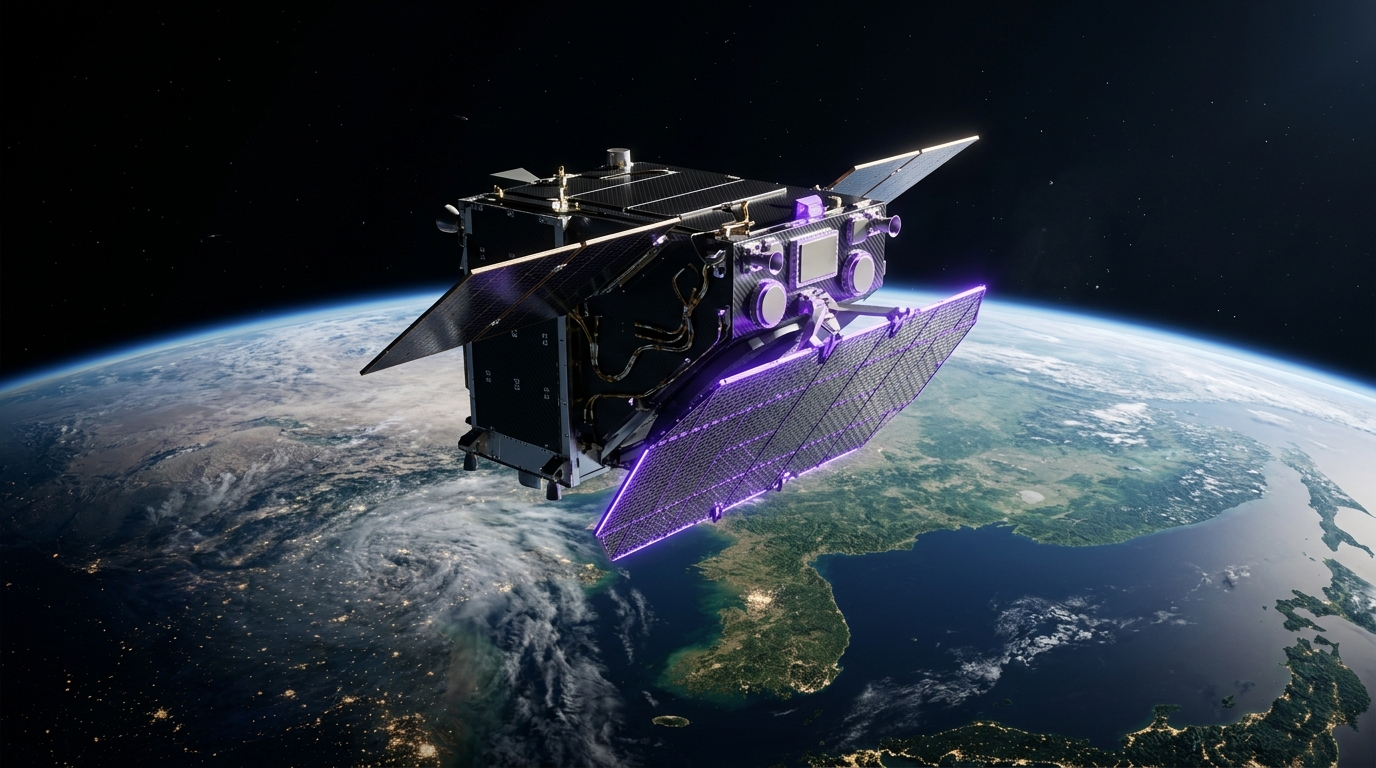
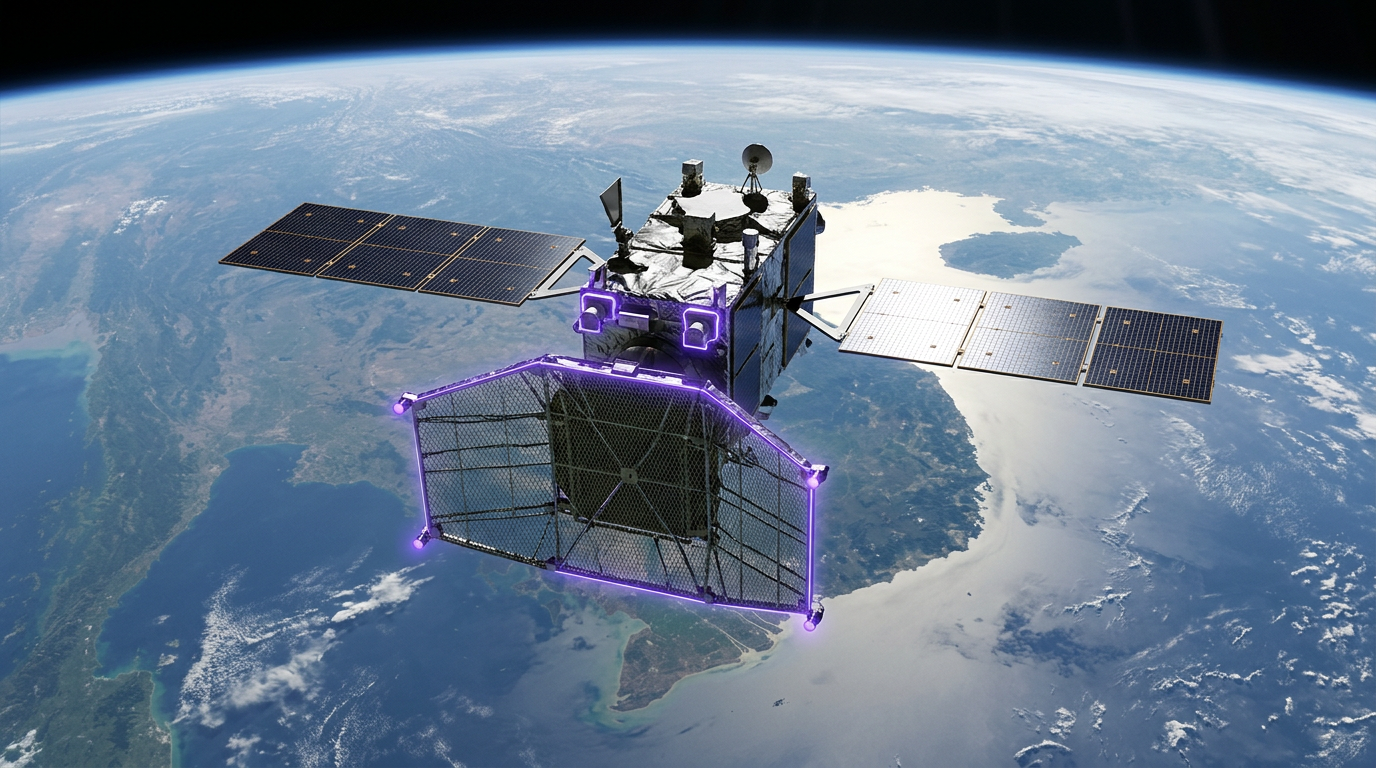
South Korea completed its 5-satellite military ISR constellation in 2025: 1 EO/IR + 4 SAR satellites enabling 24/7 all-weather North Korea monitoring.

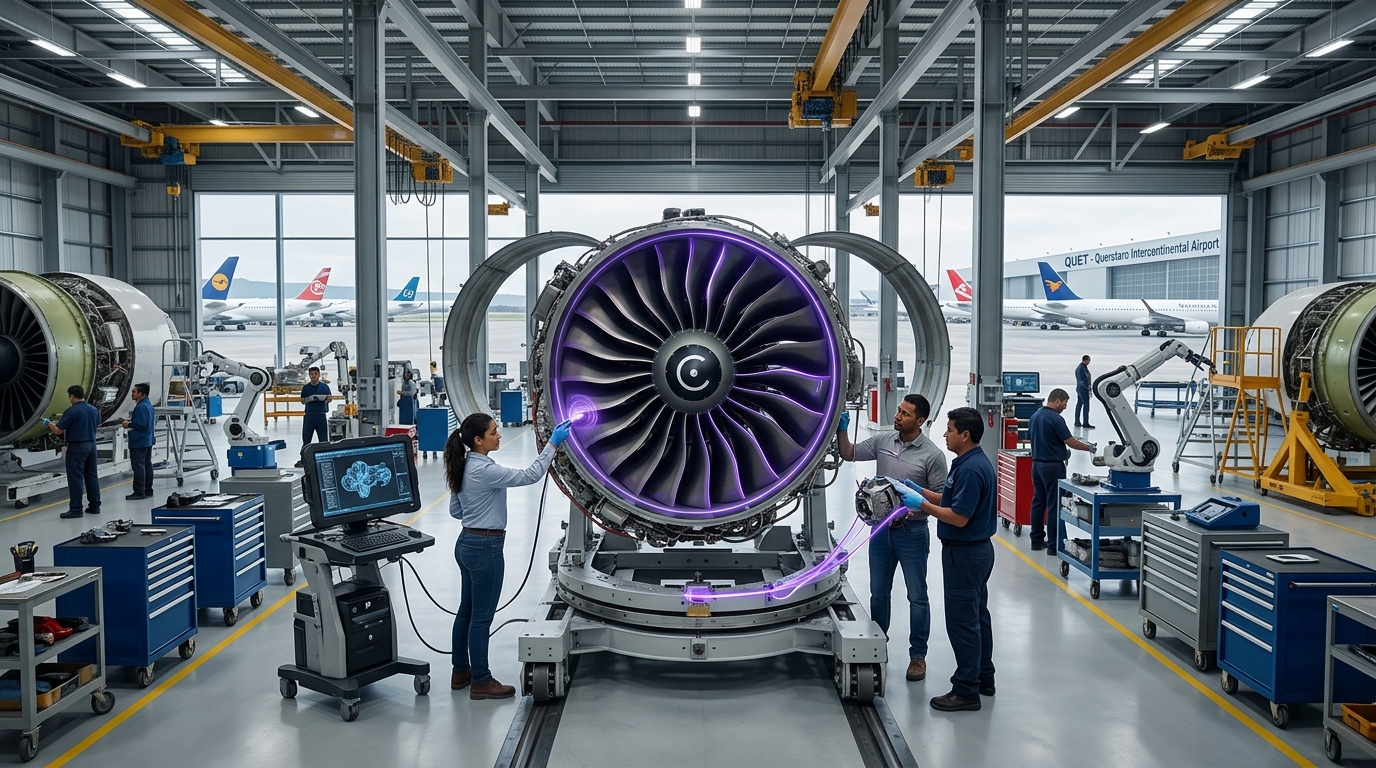
Mexico's maintenance, repair, and overhaul sector in Querétaro handles increasingly complex engine and airframe work for global airlines, with NDT and digital twin adoption.

Materials and active systems that protect astronauts from cosmic rays and solar radiation

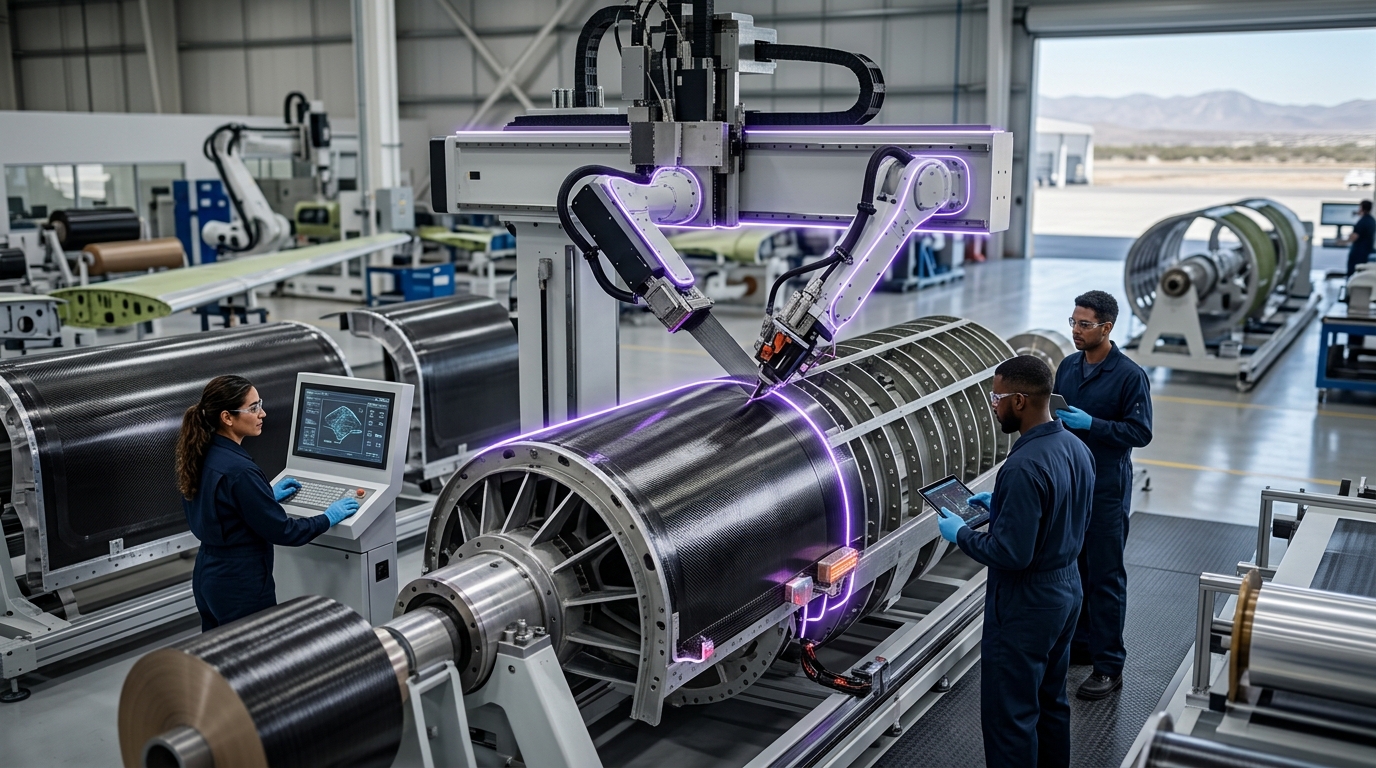
Mexico's aerospace cluster — 80+ firms in Querétaro alone — reported 10% growth in 2025, manufacturing structural components for Airbus, Bombardier, and Safran.

Nigeria, Egypt, and South Africa have launched 40+ satellites for earth observation, with Nigerian engineers trained in satellite design through UK technology transfer programs.

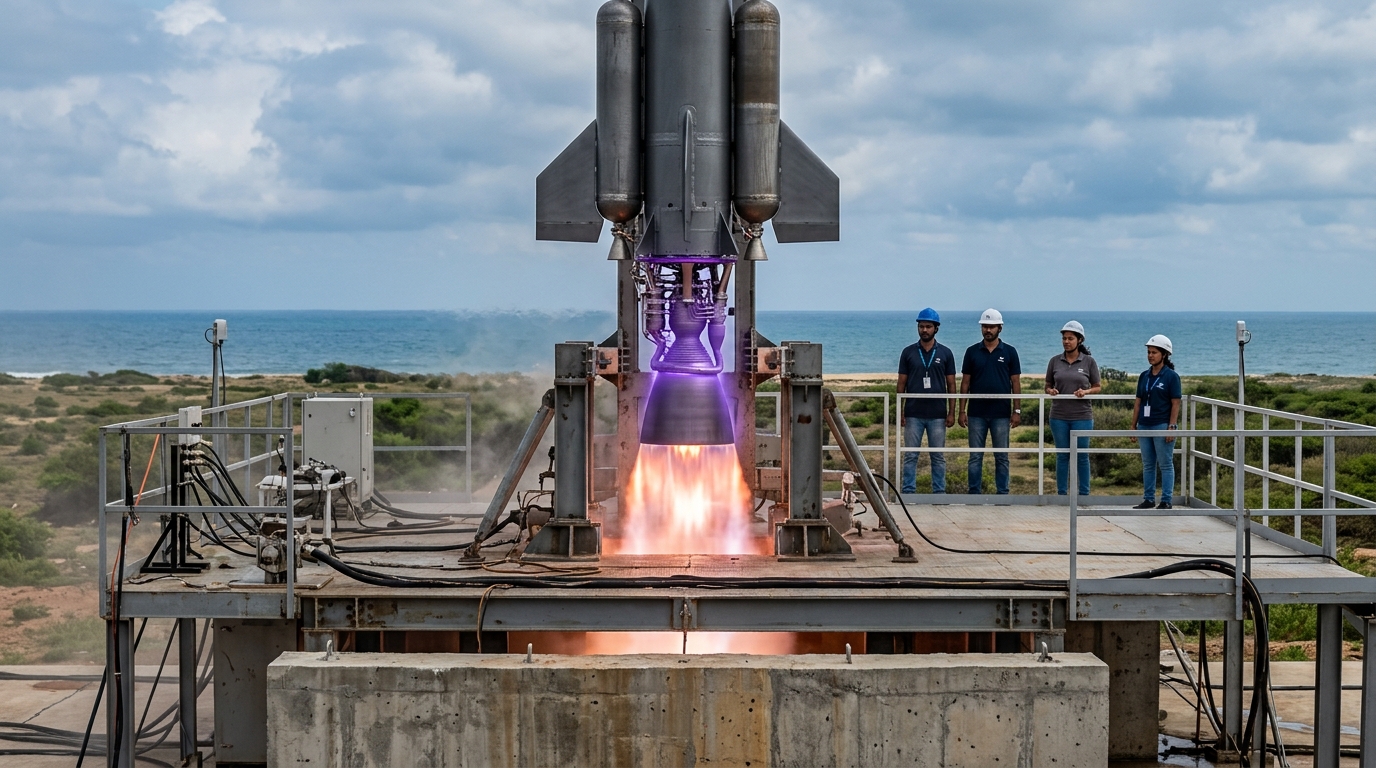
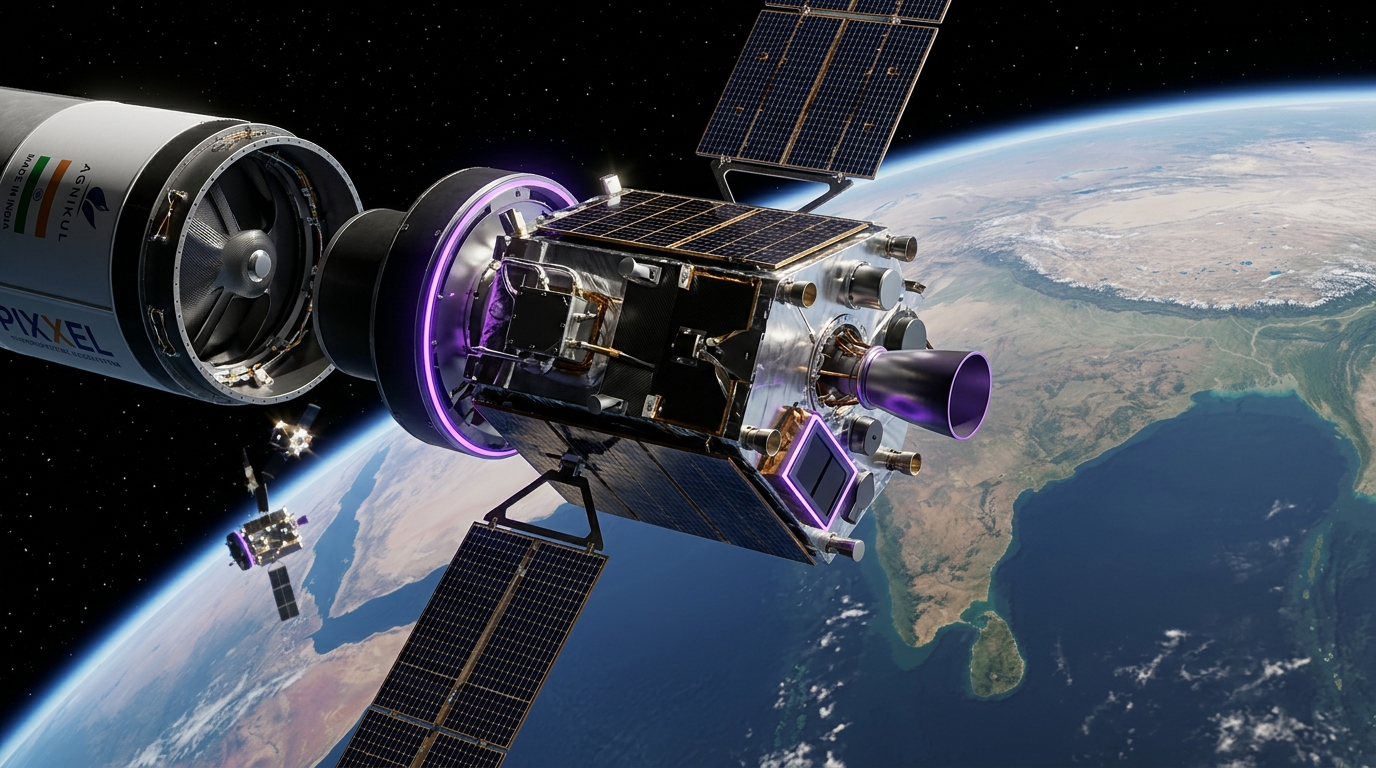
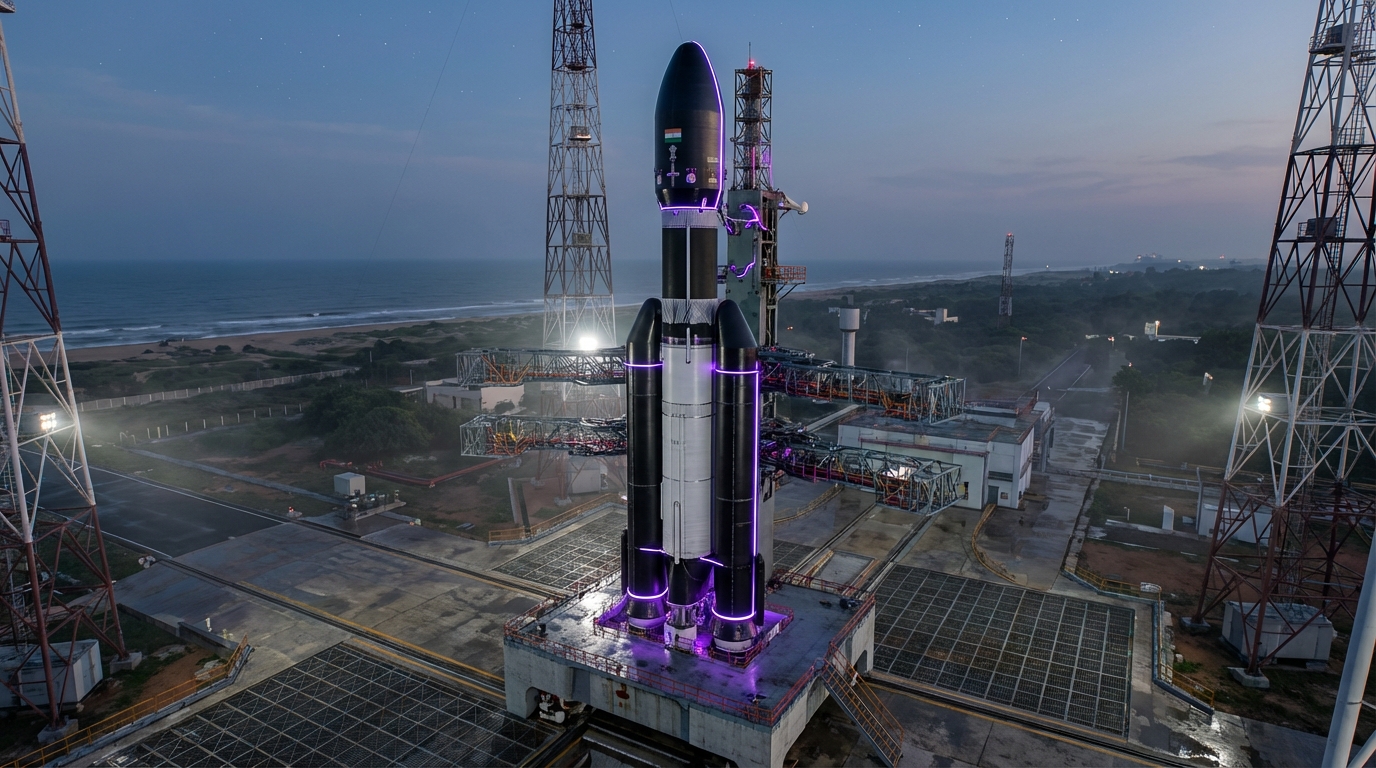
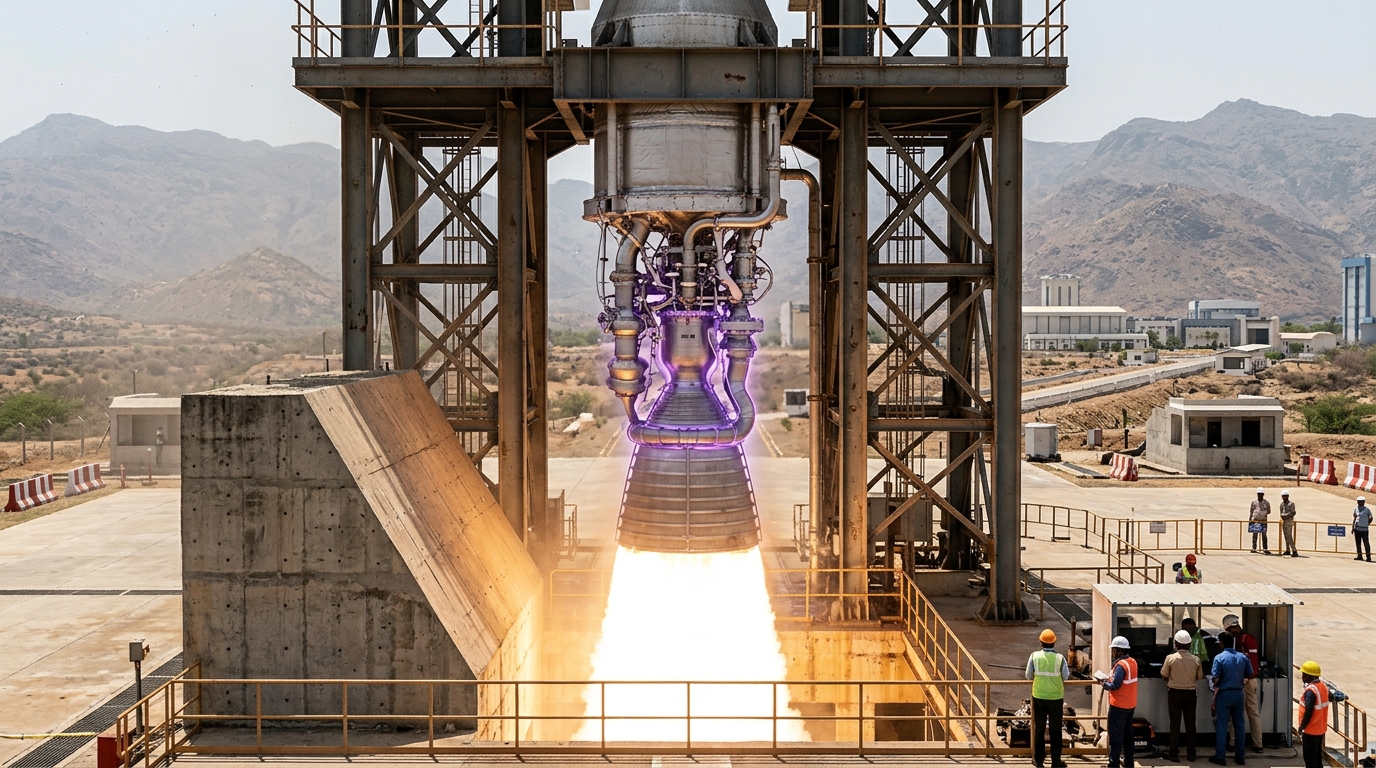
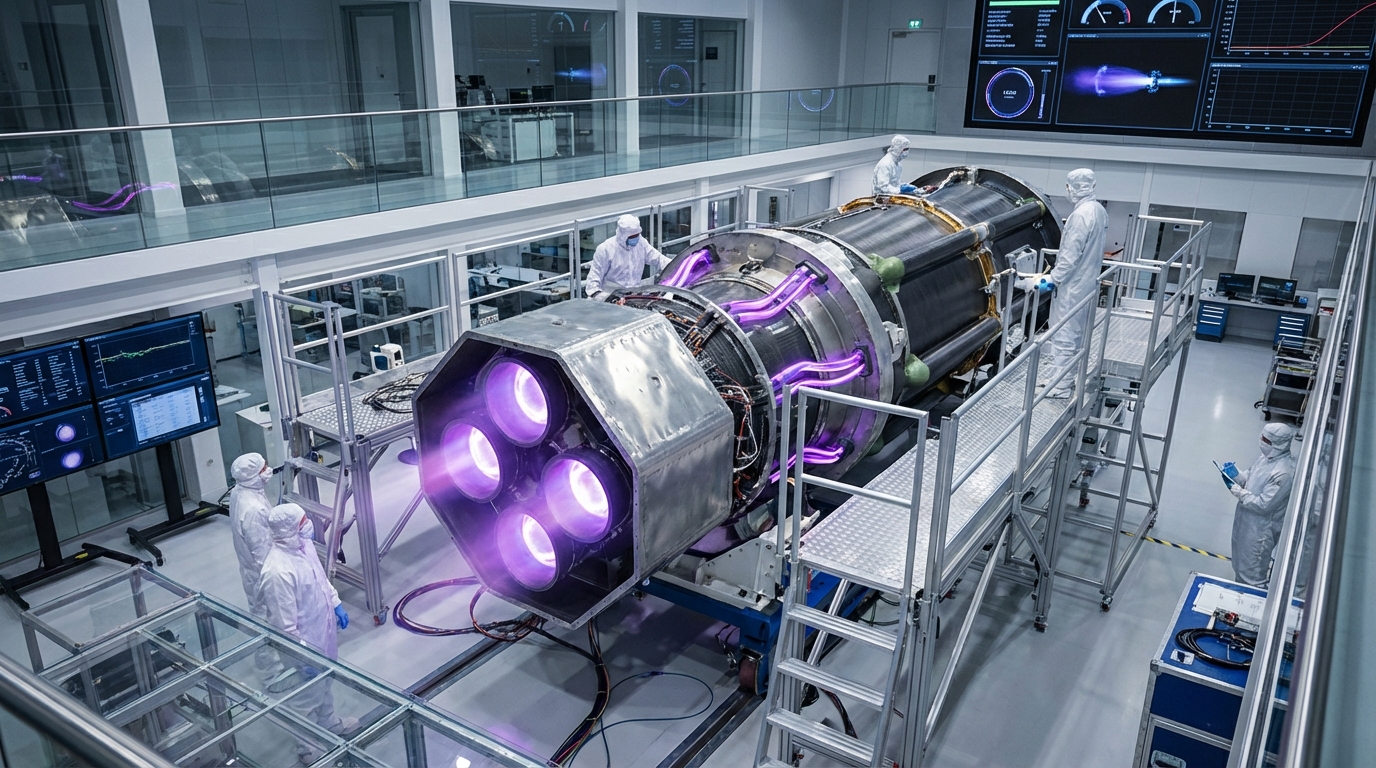
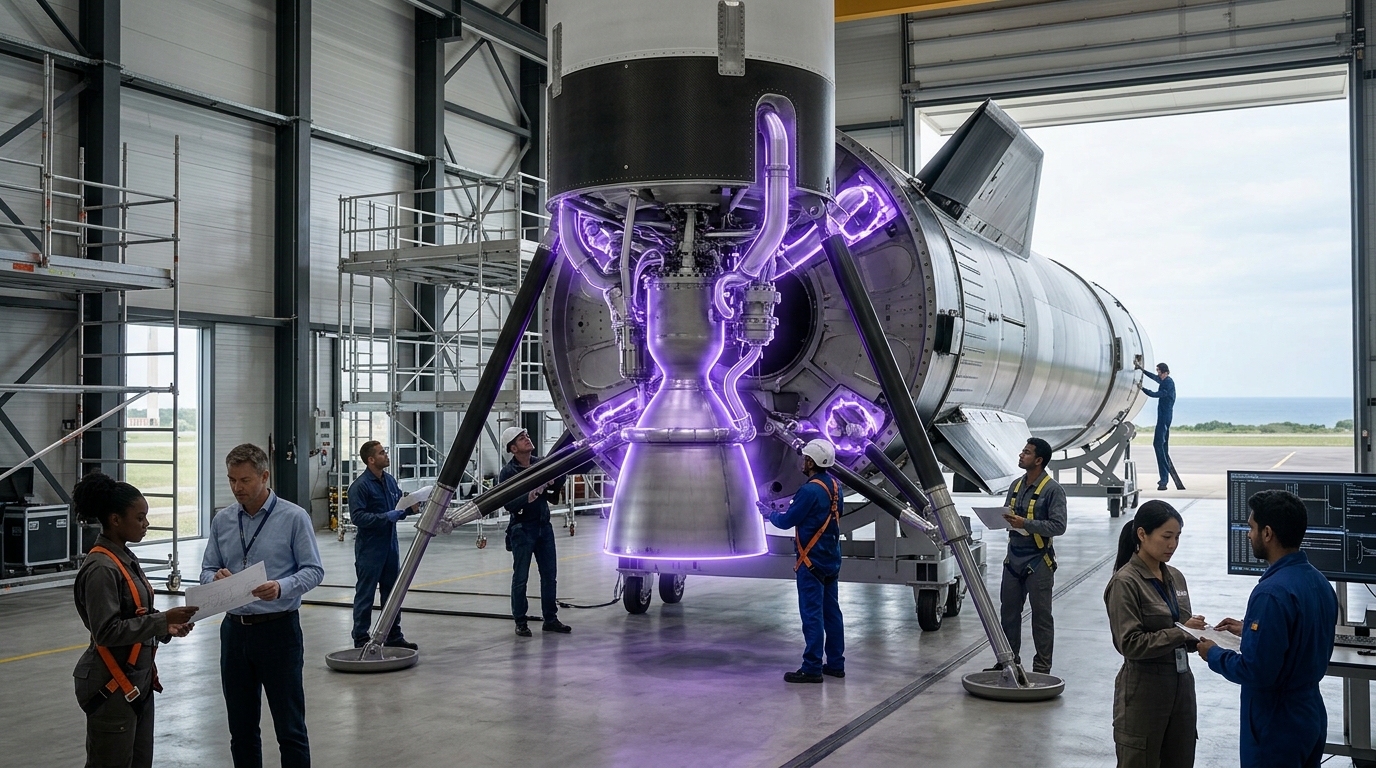
Chennai-based startup developing the world's first single-piece 3D-printed semi-cryogenic rocket engine — Agnibaan SOrTeD launched from India's first private launchpad in 2024.

Machine learning systems that autonomously schedule satellite imaging and data transmission

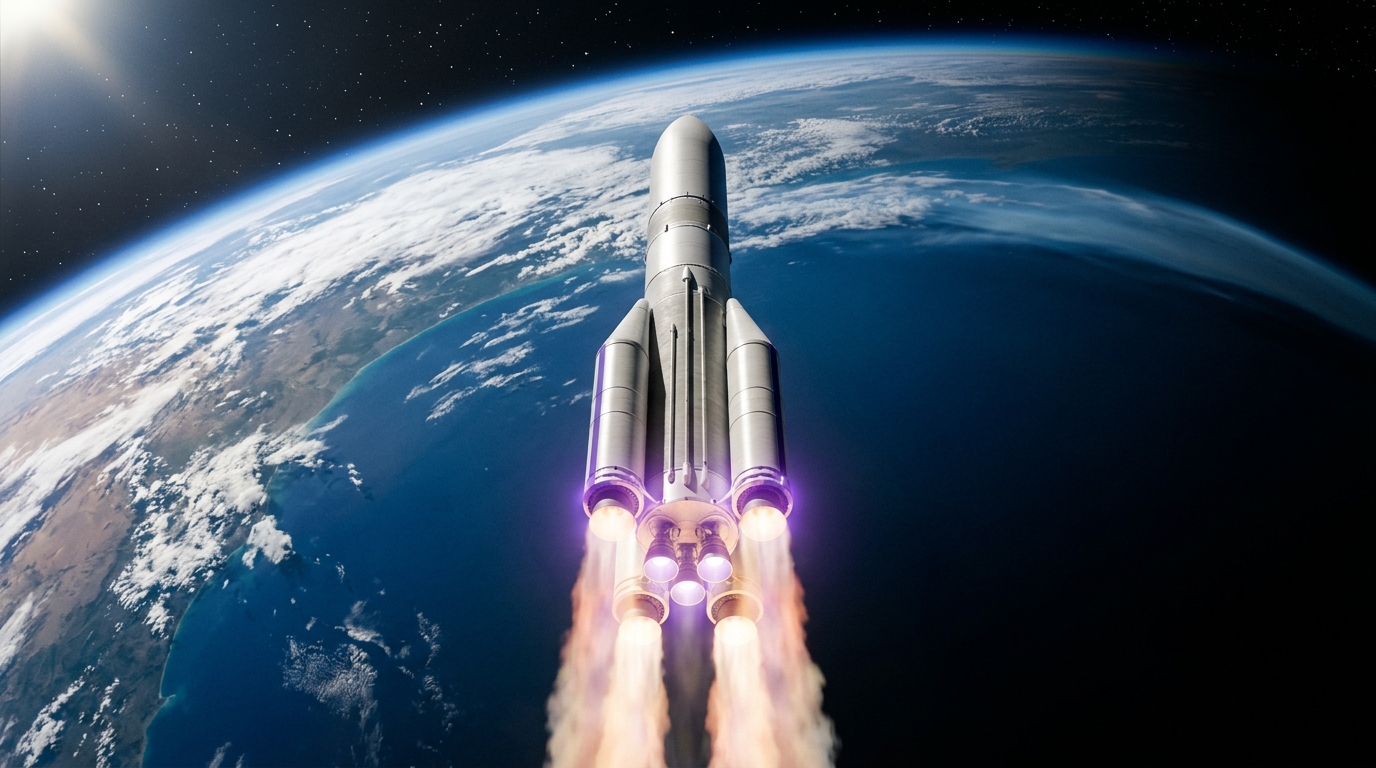
Europe's new heavy-lift rocket — 5 successful launches in 2024-25 restoring sovereign access to space after the Ariane 5 gap

Rotating spacecraft or habitats to simulate gravity through centripetal force

Robotic spacecraft surveying asteroids to map water, metals, and rare earth deposits

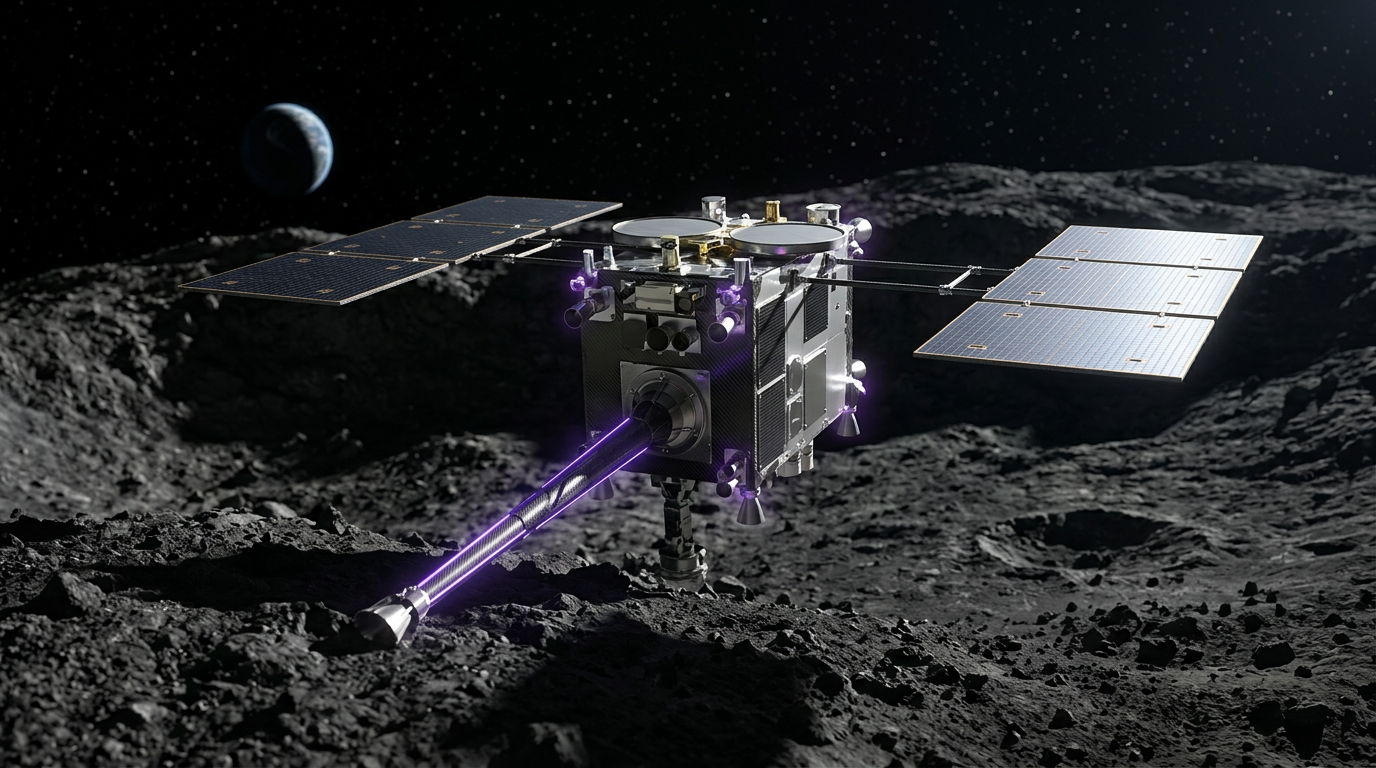
Hayabusa2 achieved nine engineering world firsts including the first subsurface asteroid sample collection — returning 5.4g from asteroid Ryugu and demonstrating Japan's precision engineering culture at interplanetary scale.

AI systems managing spacecraft navigation, diagnostics, and mission planning without real-time ground control

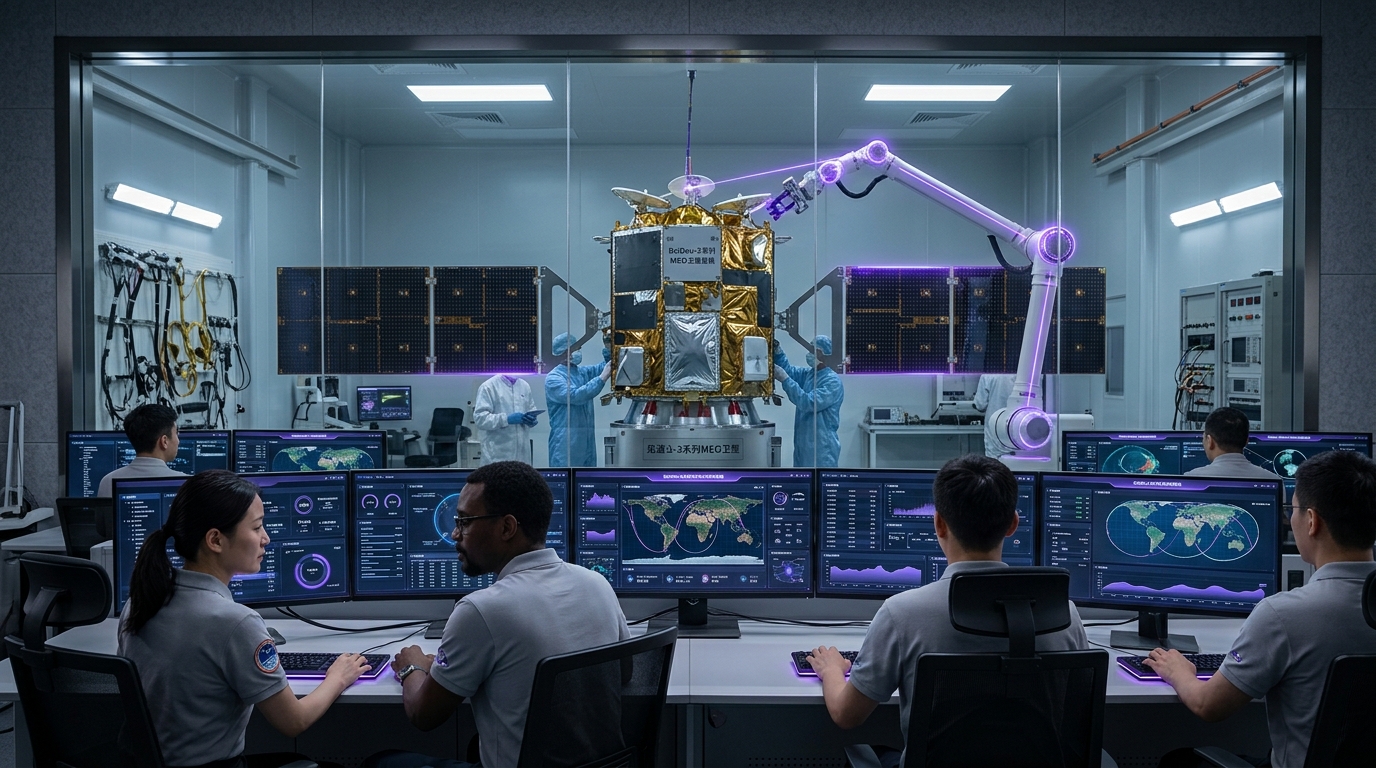
China's GPS alternative provides global coverage with a unique two-way messaging feature and centimeter-level precision for agriculture and port management

India's planned indigenous space station — a modular orbital laboratory building on Gaganyaan technologies, targeting initial module launch by the early 2030s.

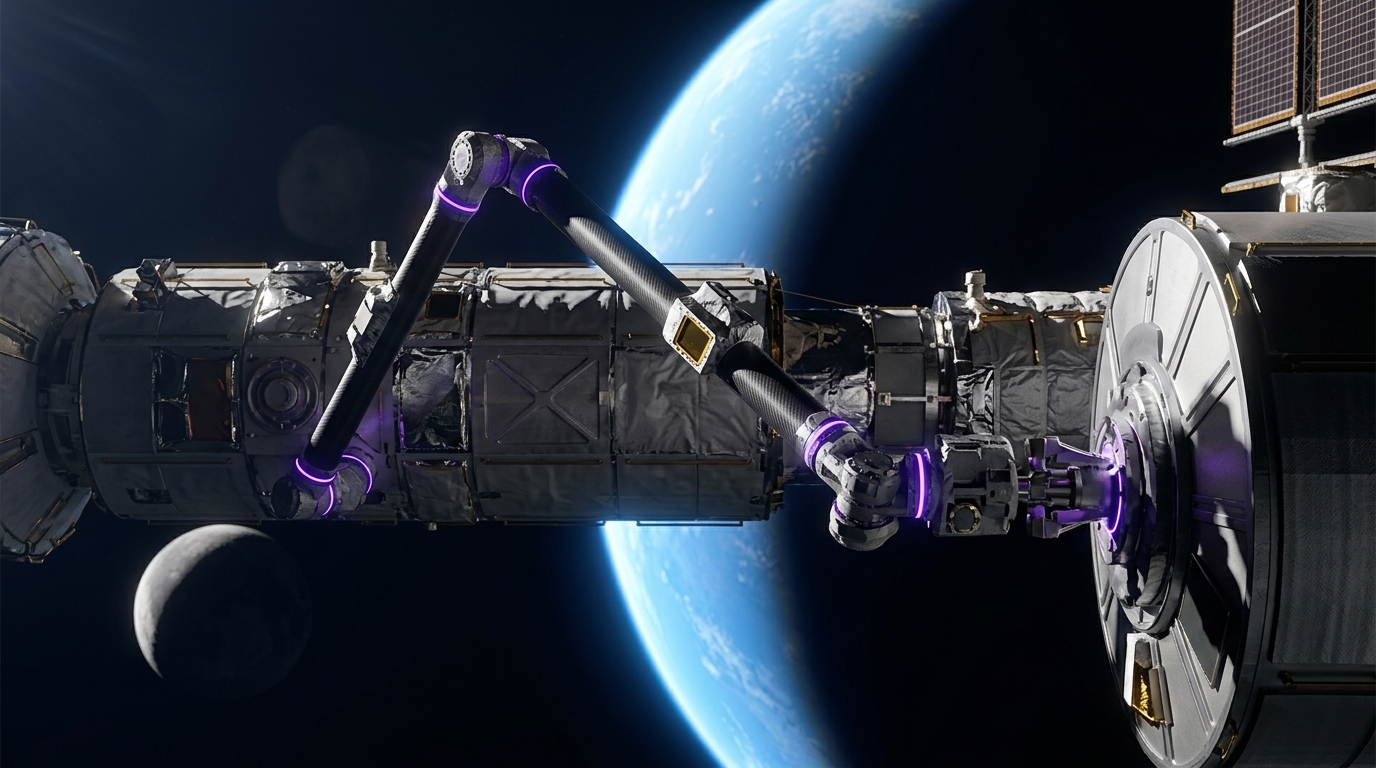
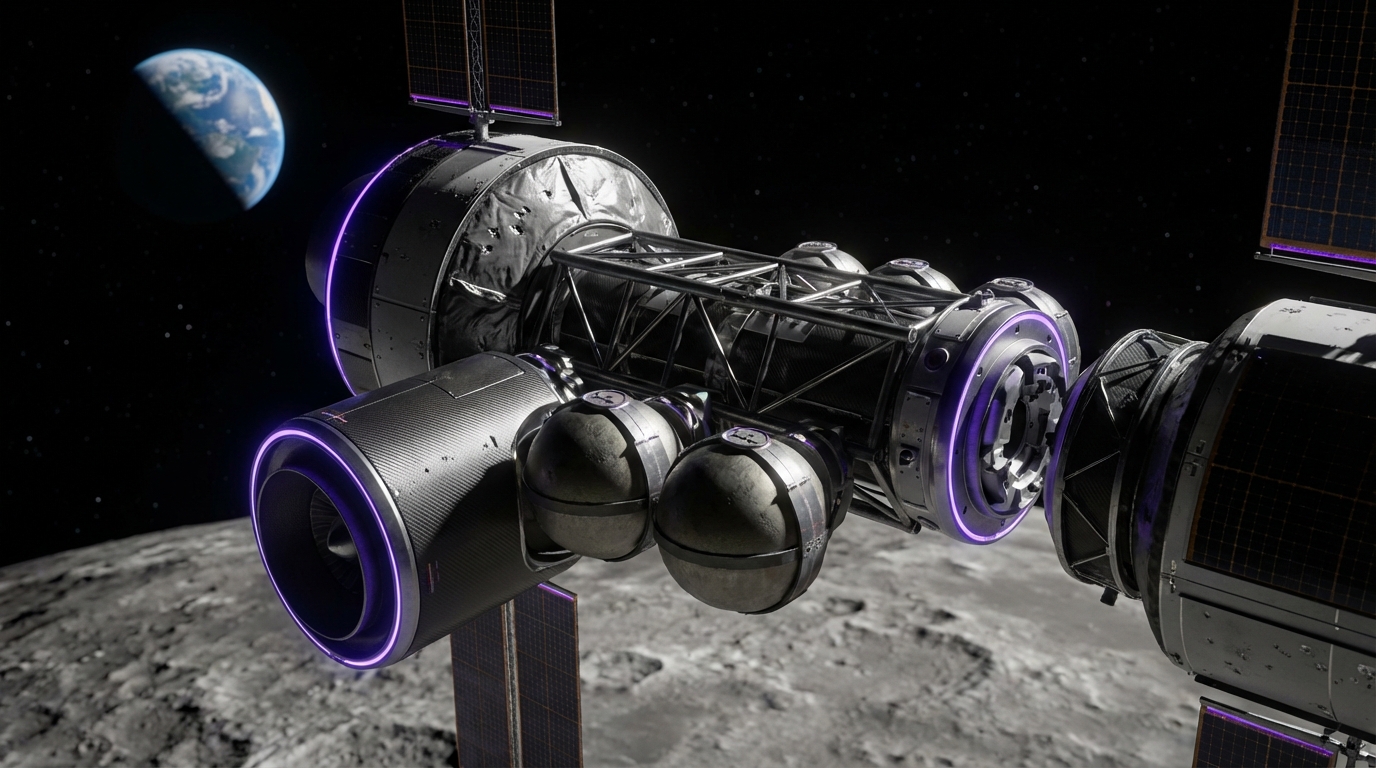
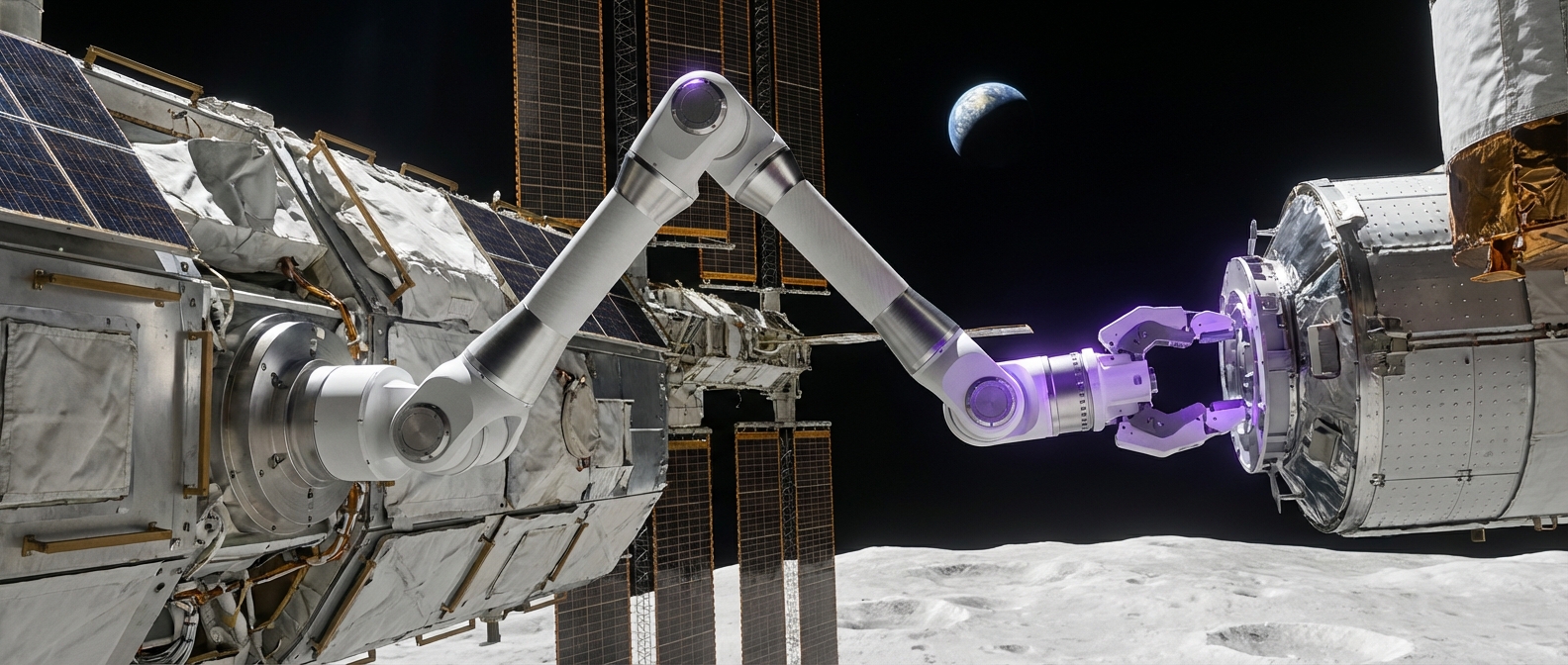
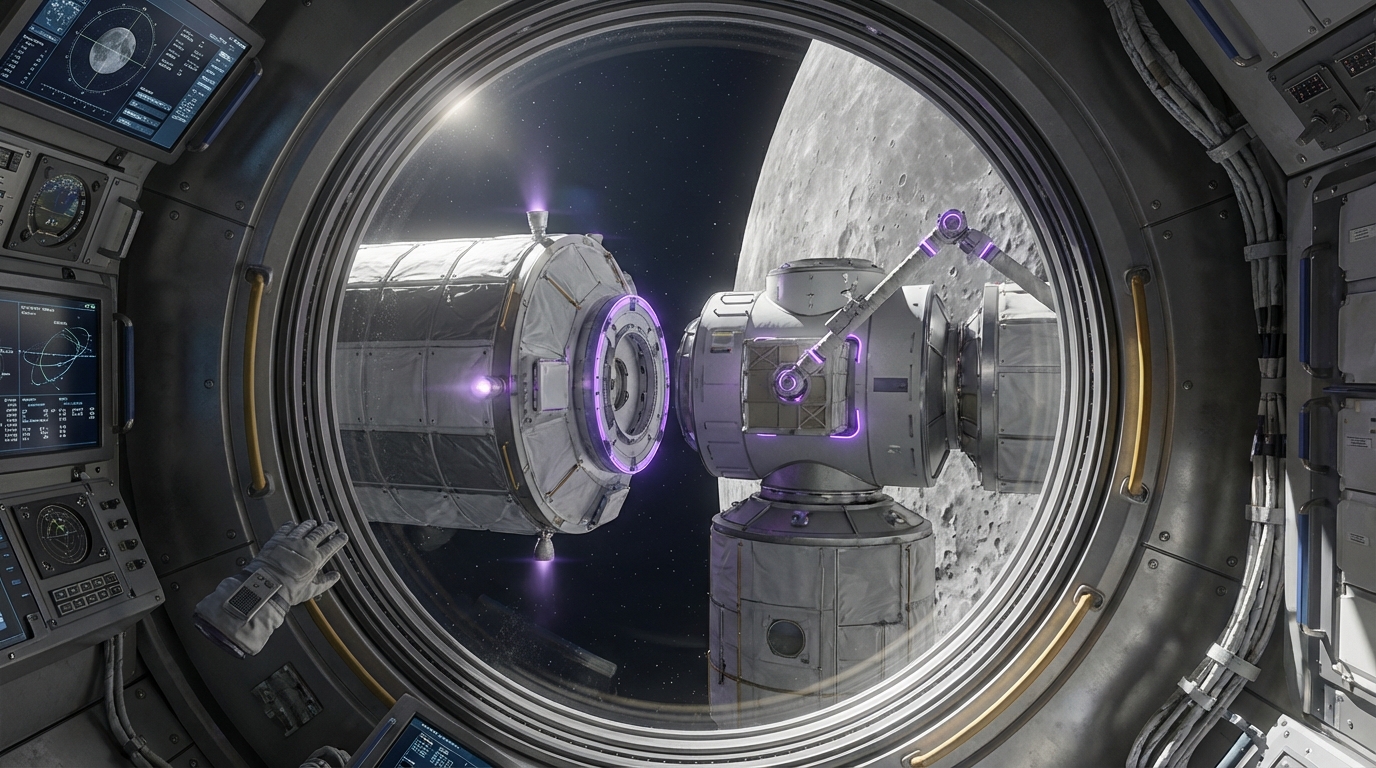
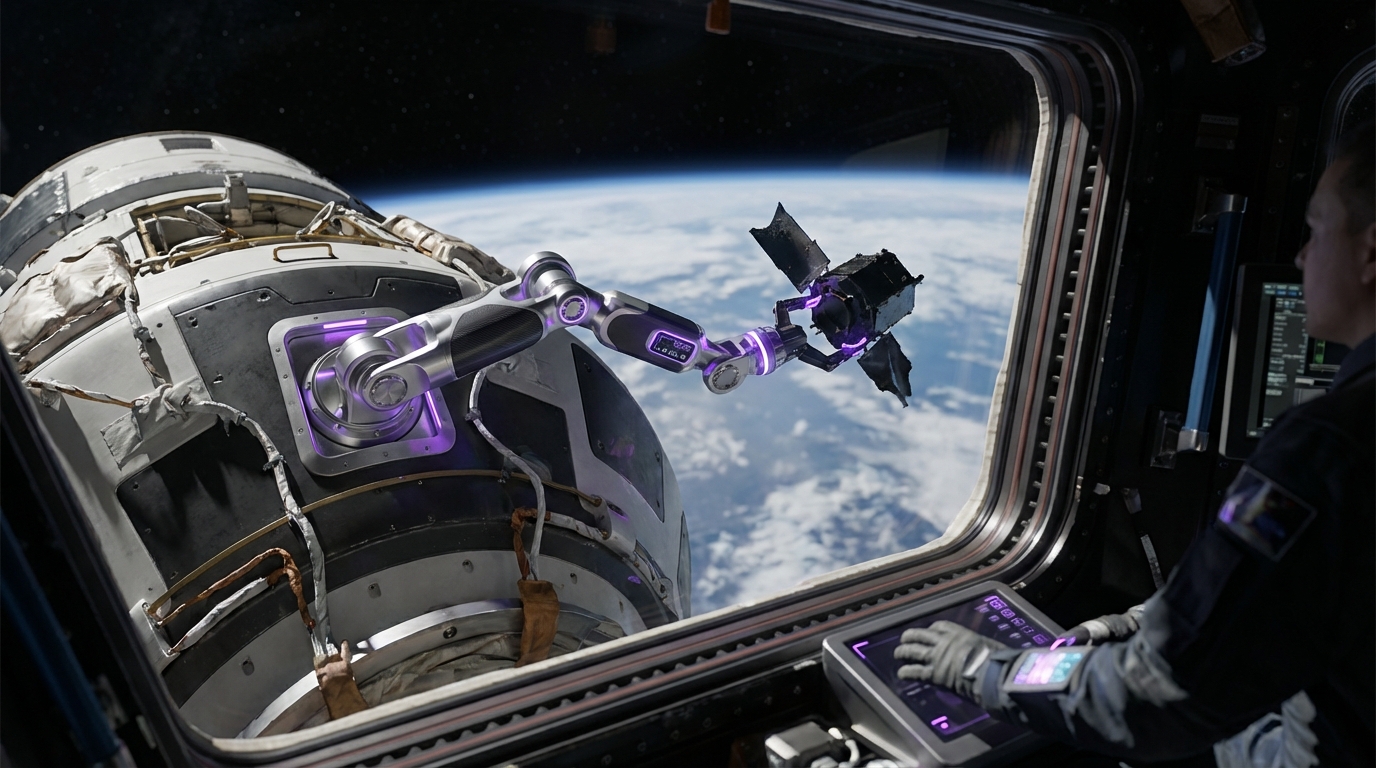
MDA Space is building Canadarm3 for NASA's Lunar Gateway station with CA$172M+ in new 2025-26 investment — an AI-enabled robotic system capable of autonomous operations around the Moon.

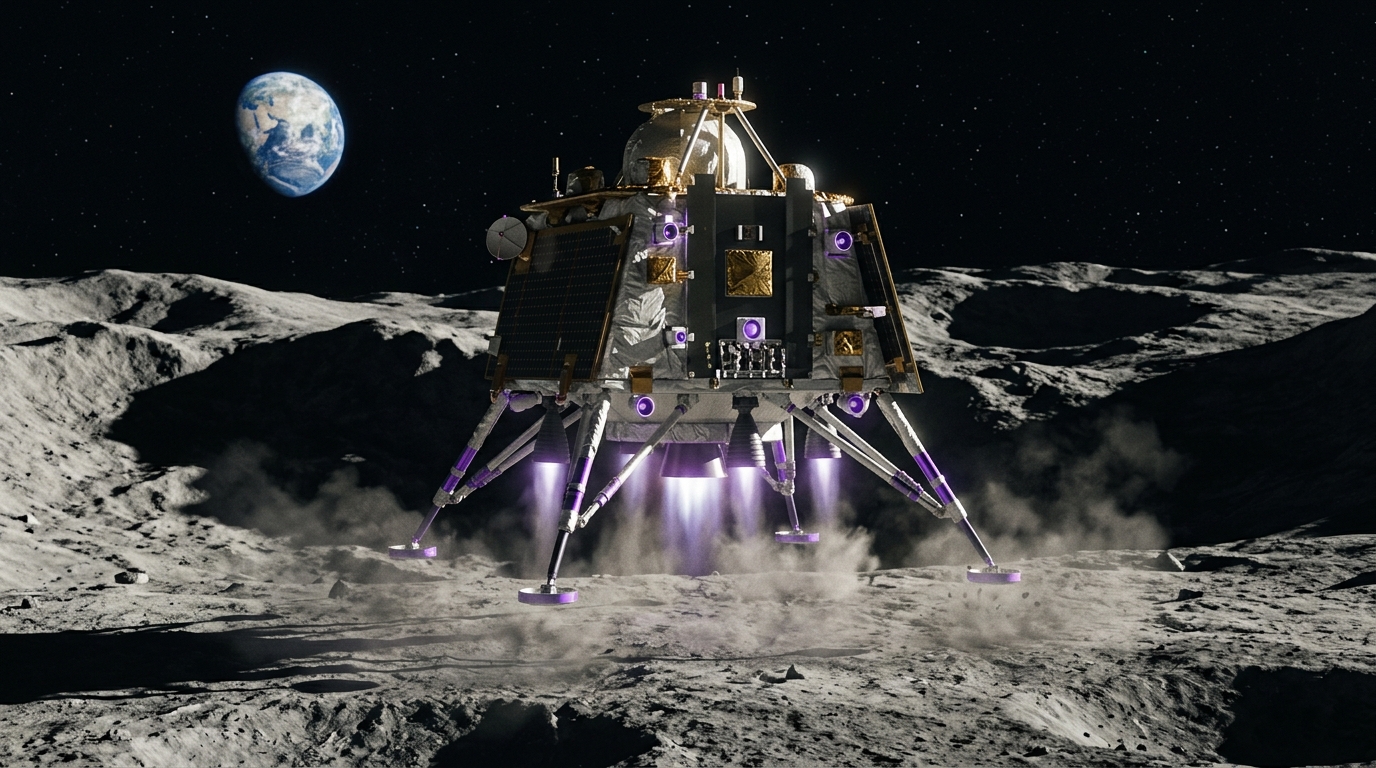
India became the first nation to land near the Moon's south pole in August 2023, at a mission cost of $75 million — a fraction of comparable international missions.

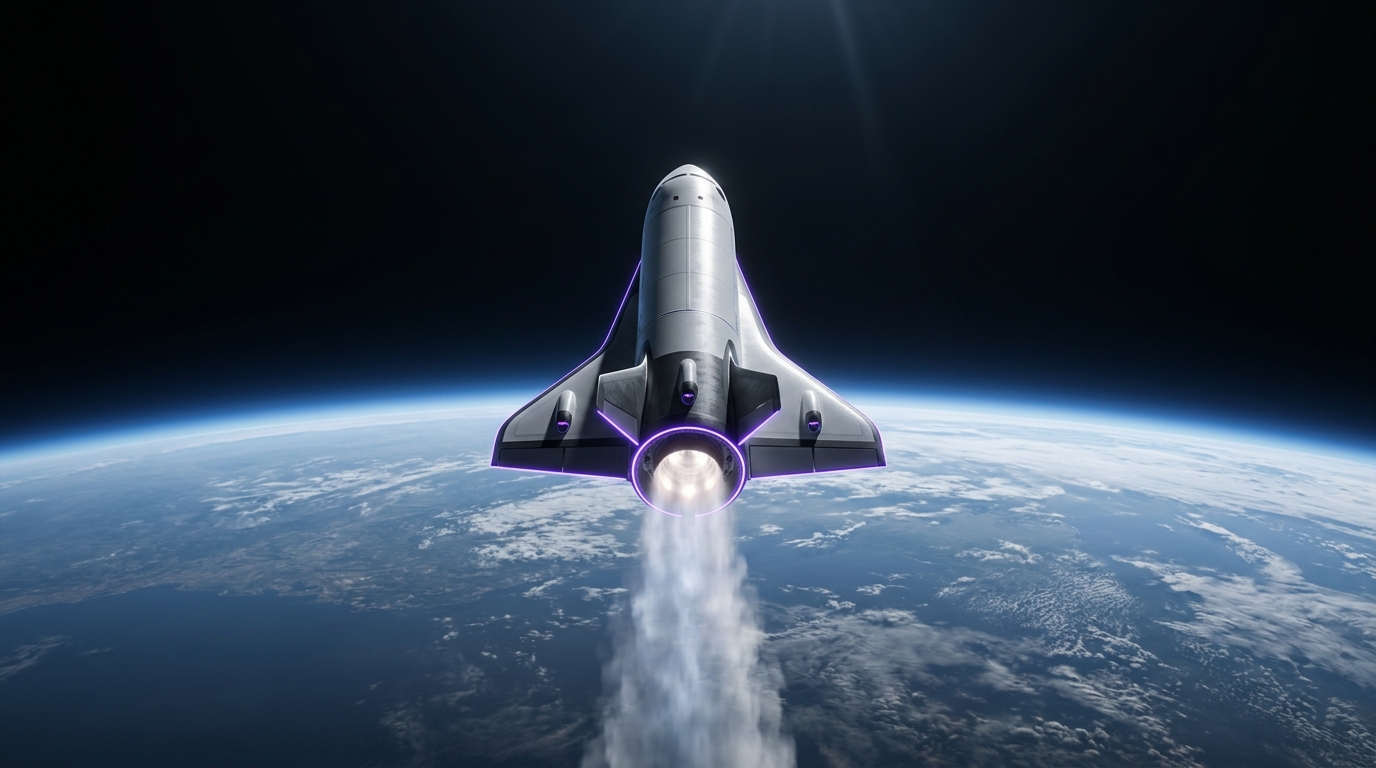
Reusable spacecraft shuttling payloads between Earth orbit, lunar orbit, and the Moon

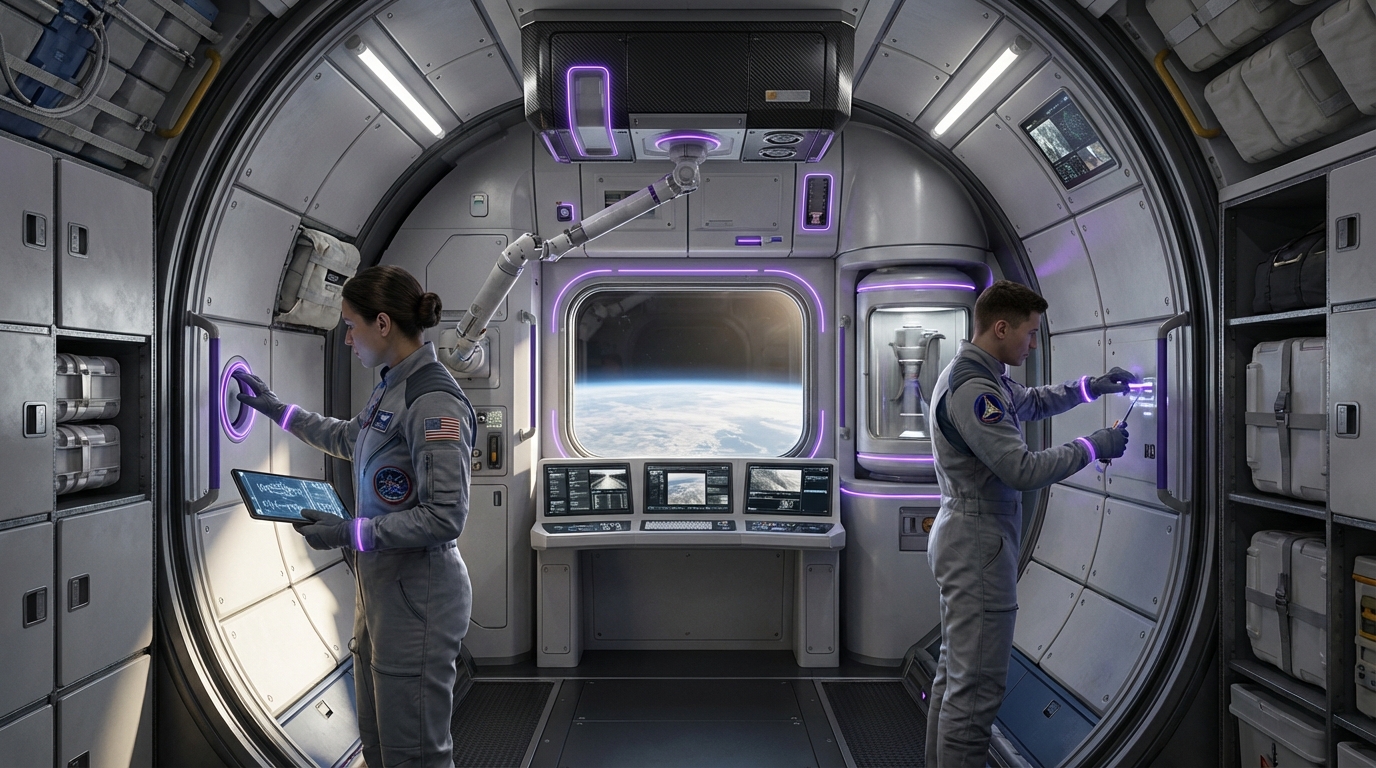
Recycling air, water, and waste to sustain crews on long-duration space missions

Automated systems that predict satellite collisions and calculate evasive maneuvers

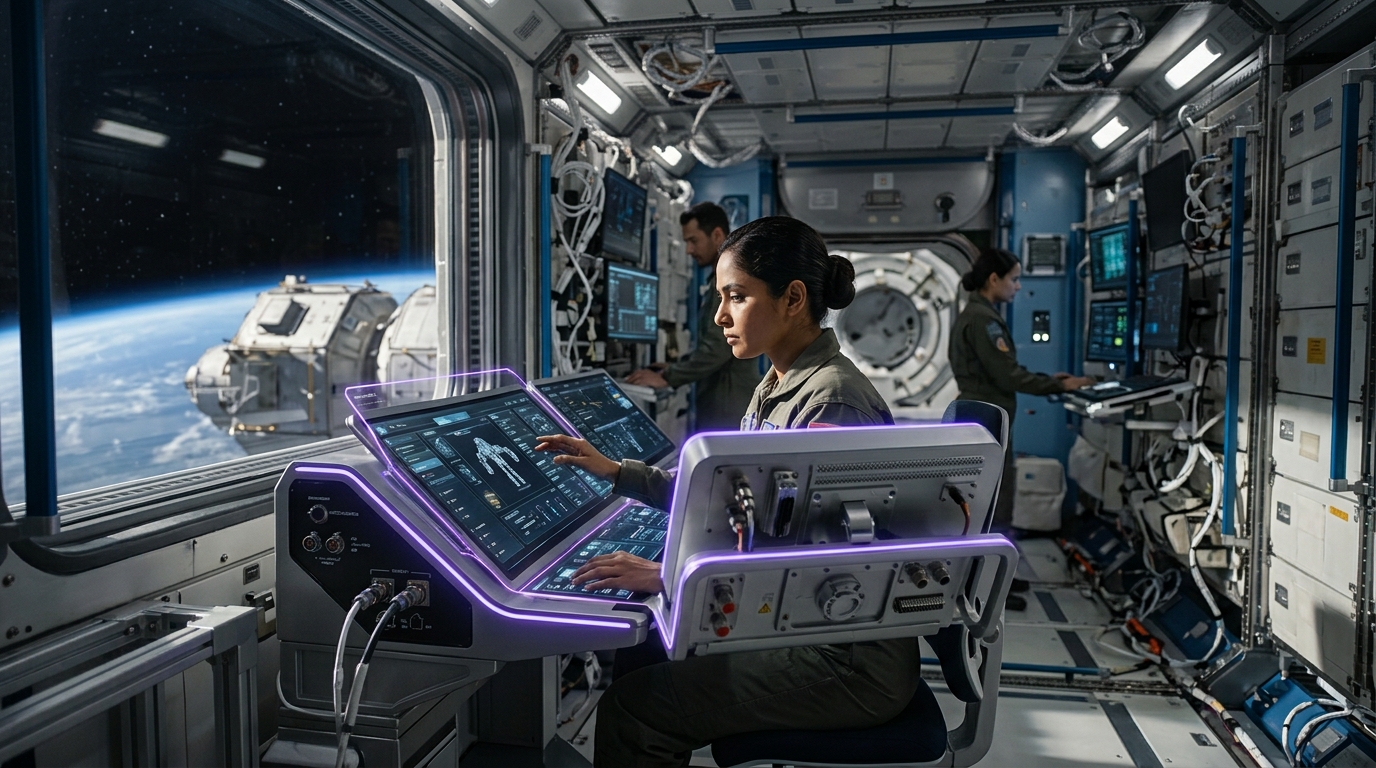
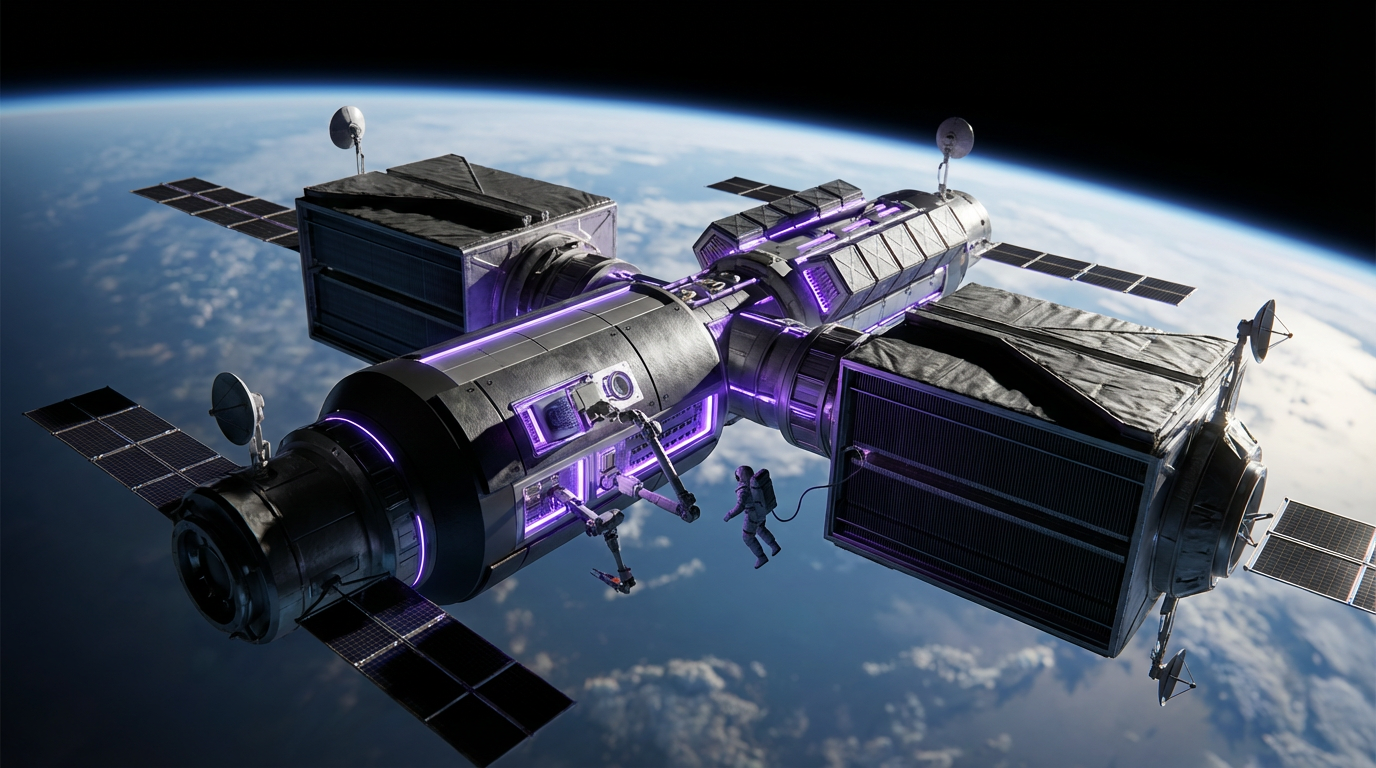
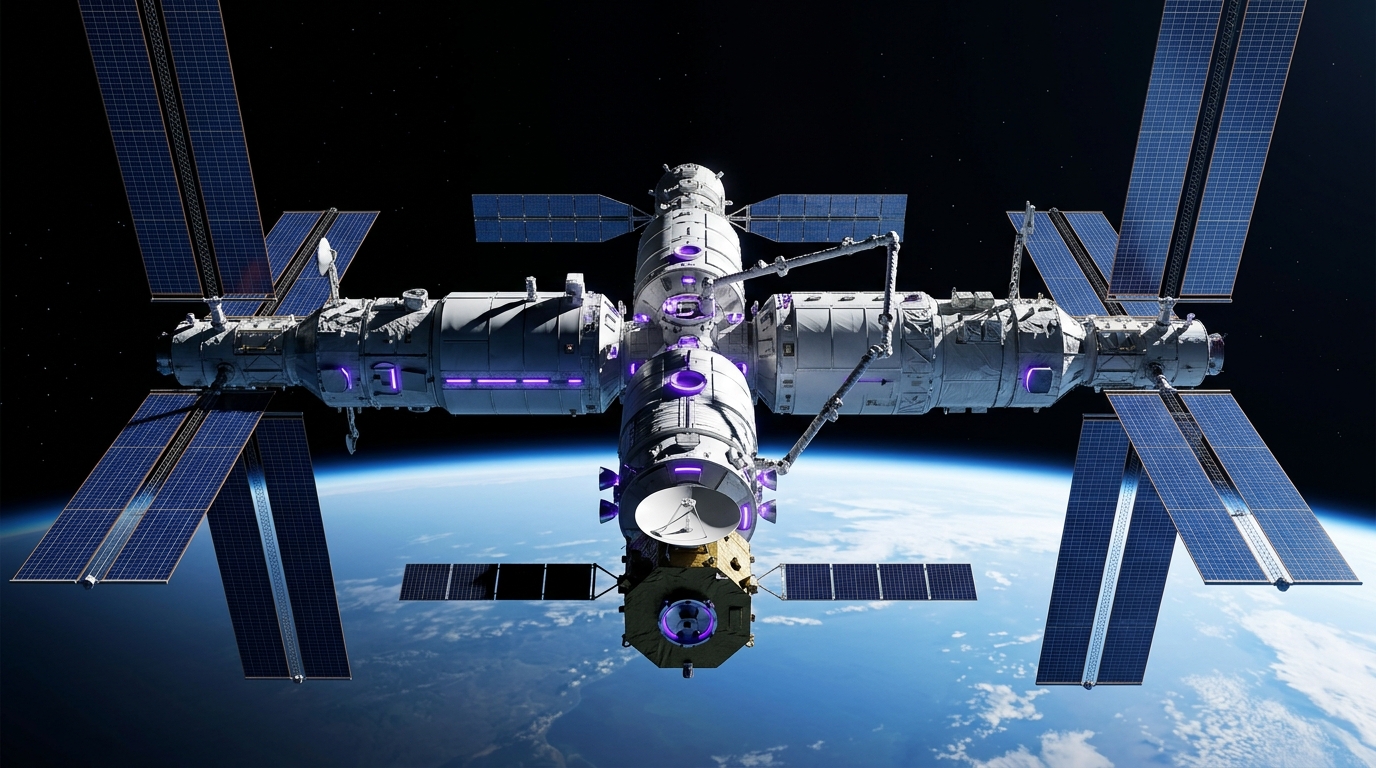
Vast's Haven-1, Axiom Space's modules, and Blue Origin's Orbital Reef are competing to replace the ISS with commercial space stations, with the first private modules targeting launch by 2026-2027.

Privately operated orbital platforms for research, manufacturing, and tourism in Low Earth Orbit

Beijing startup InterstellOr targets 2028 for China's first crewed suborbital flight at ~$430K per ticket, with celebrity passengers already signed

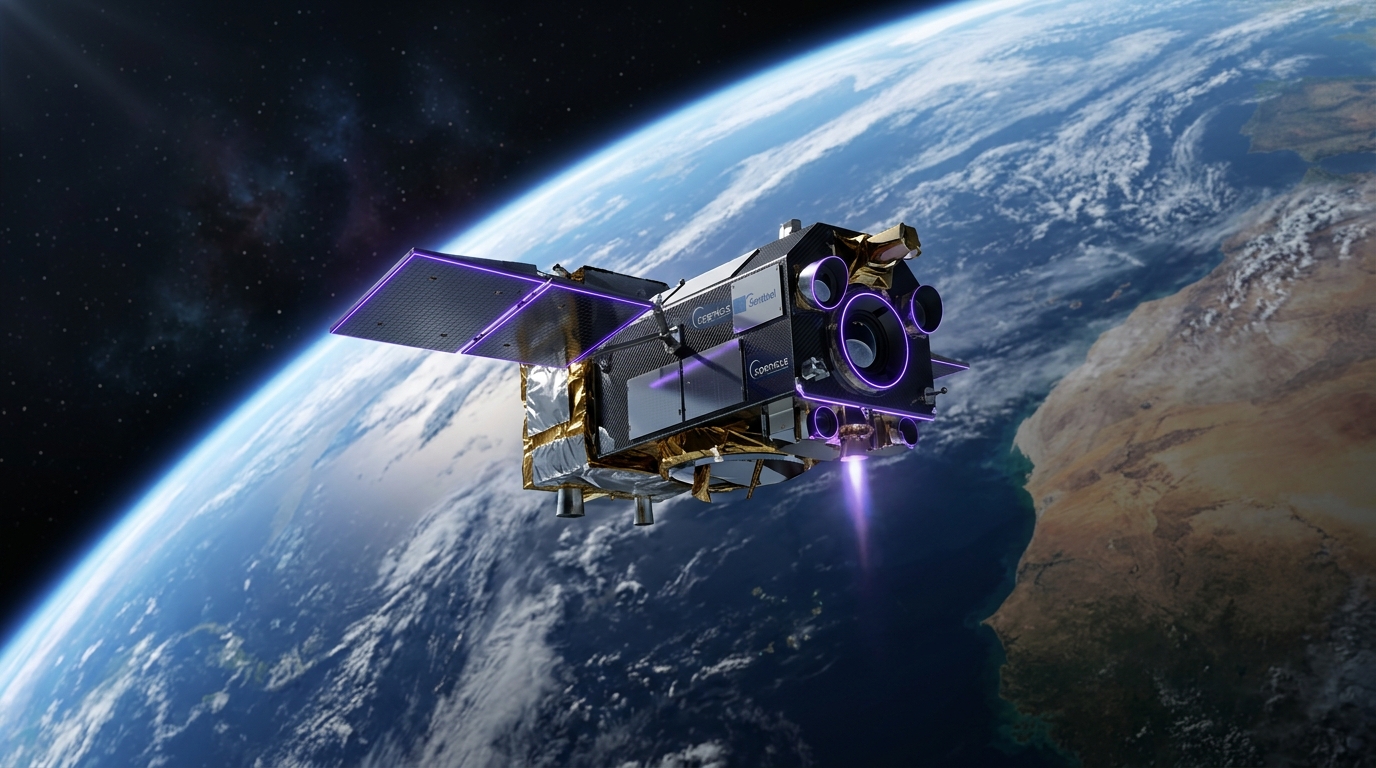
The world's largest Earth observation program — free, full, and open data from Sentinel satellites monitoring climate, oceans, atmosphere, and land use

Technical and regulatory measures to minimize satellite light pollution for astronomy and night sky access

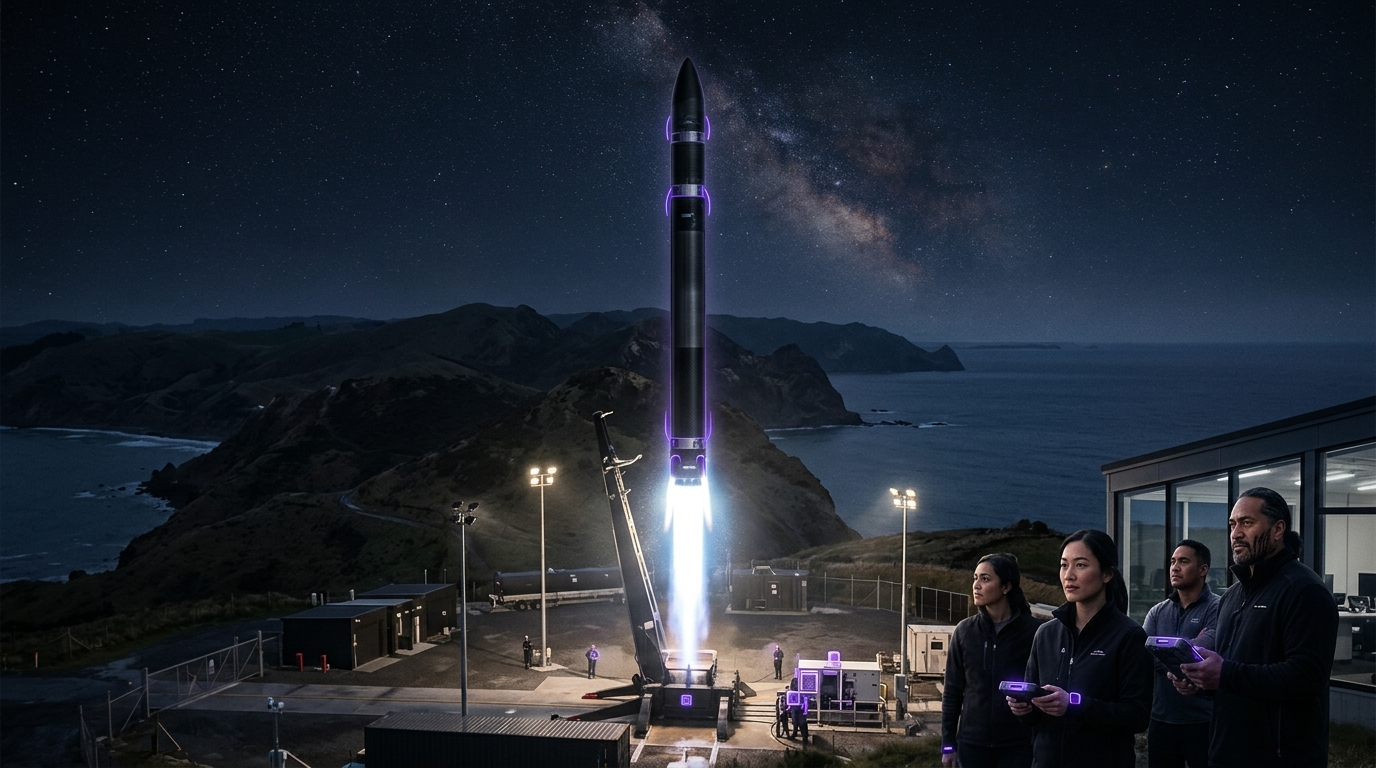
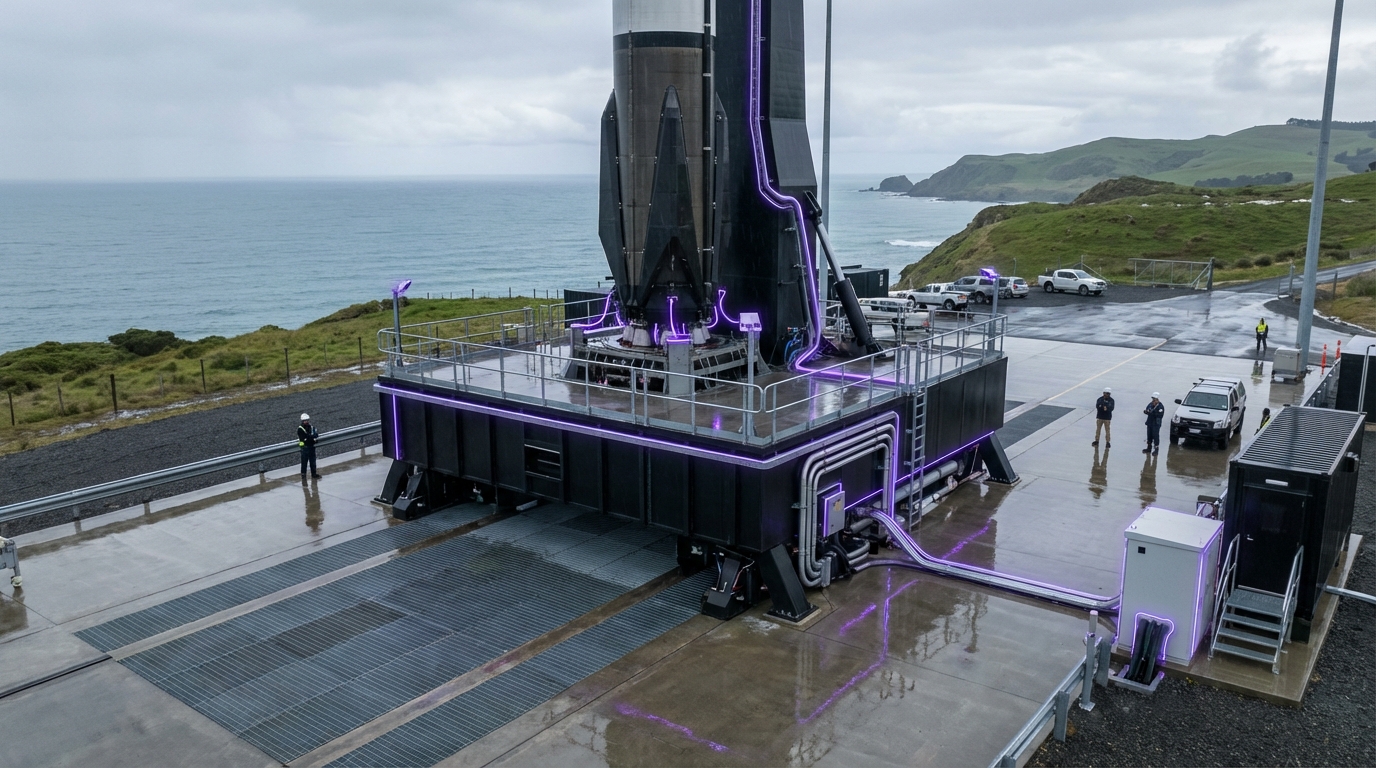
Rocket Lab's Electron, launching from NZ's Mahia Peninsula, completed 21 missions in 2025 with 100% success rate — the world's most frequently launched small orbital rocket.

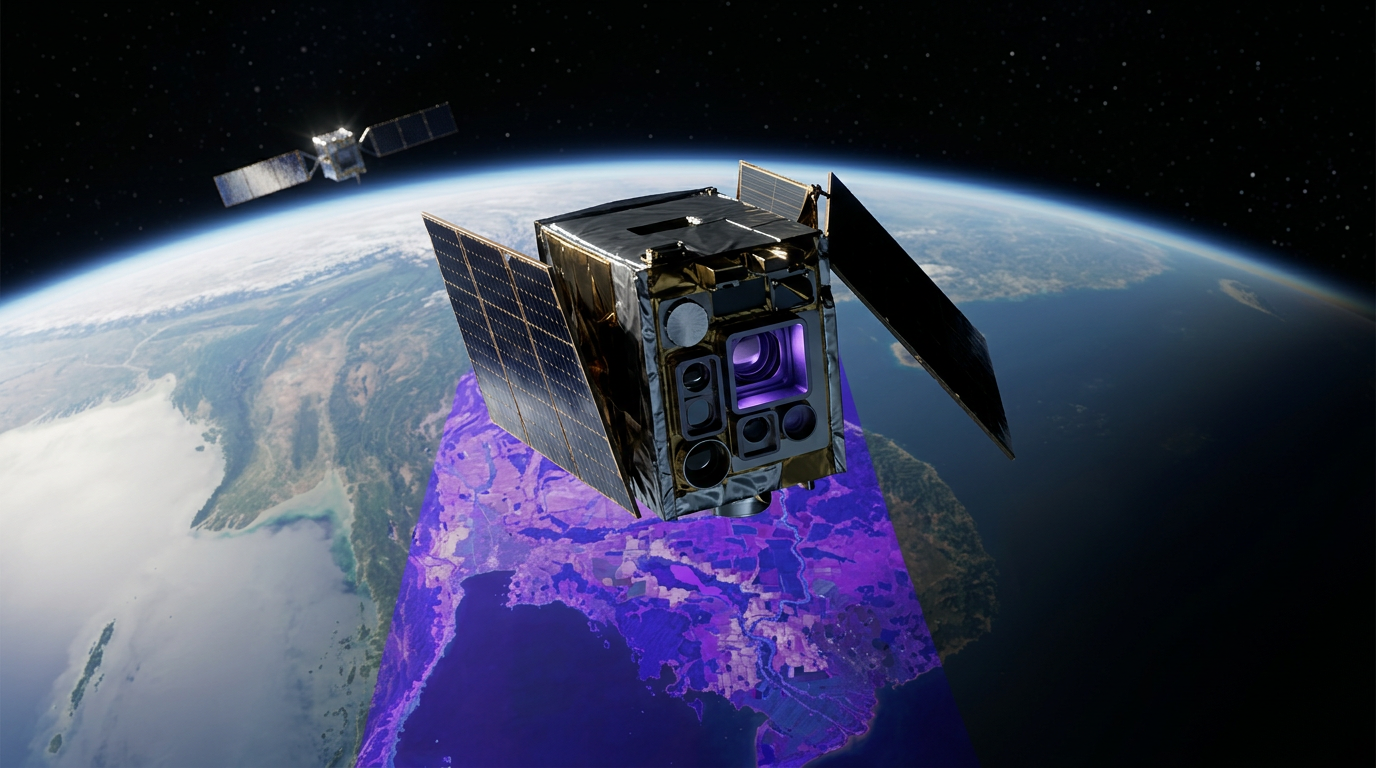
Satellite imagery processing that builds digital twins of any location on Earth in minutes — enabling operation simulation before physical deployment

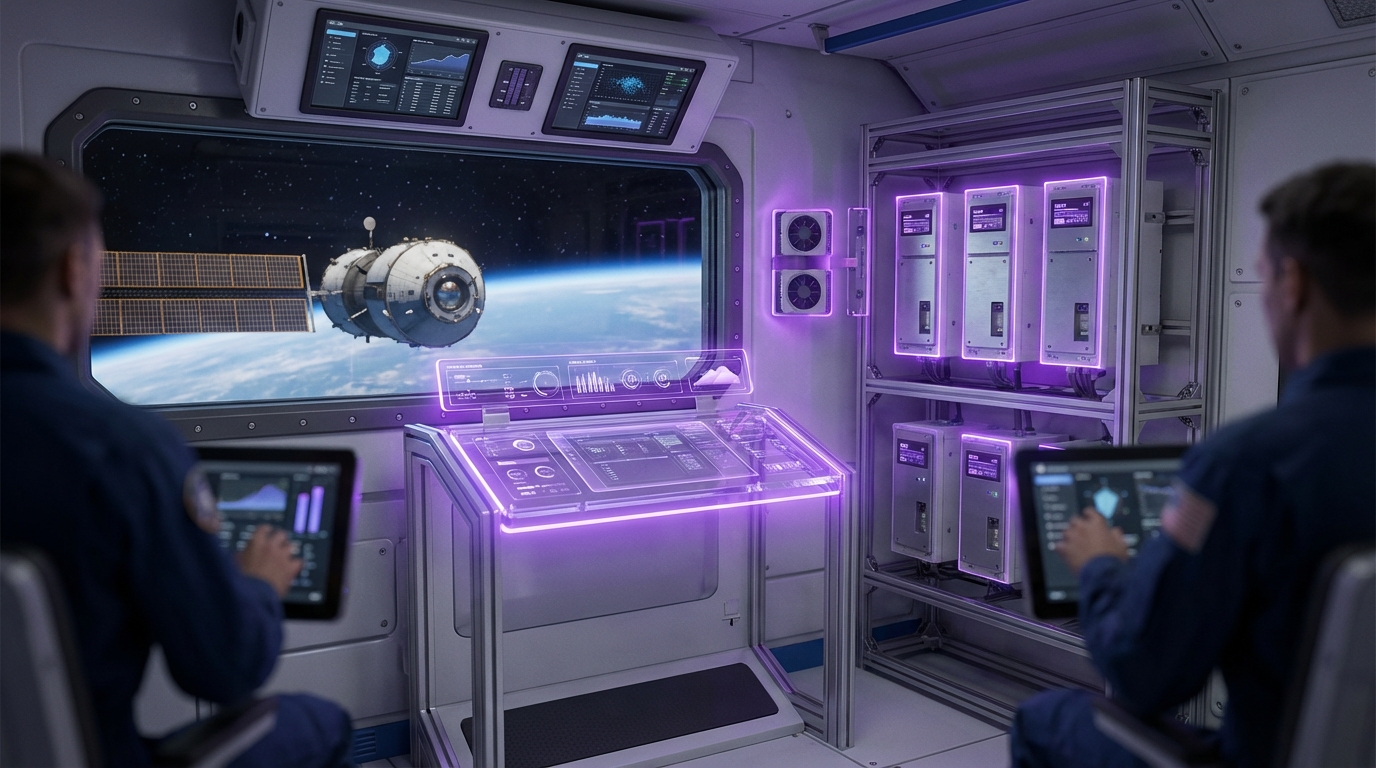
Virtual replicas of spacecraft synchronized with real-time telemetry for testing and diagnostics

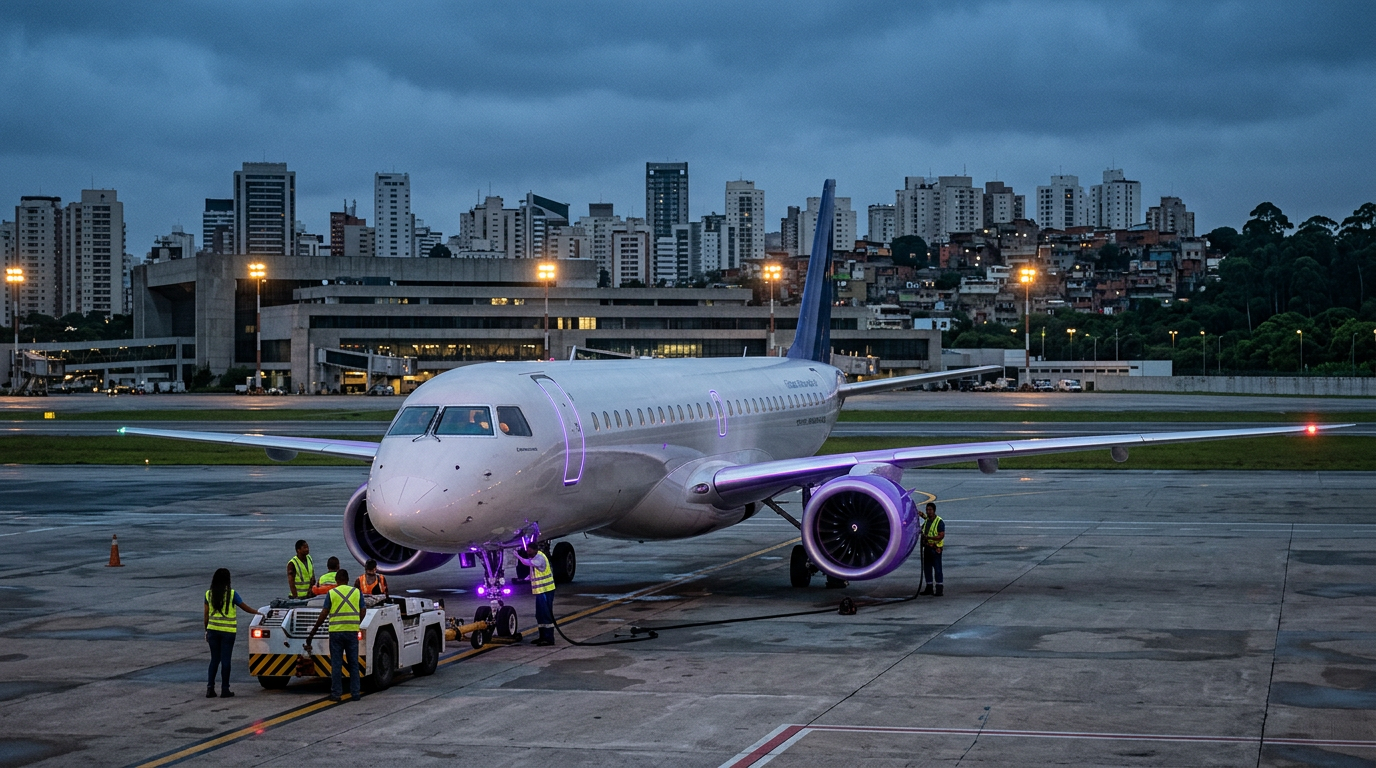
The world's most fuel-efficient single-aisle jet — 30% less fuel per seat than previous generation — with NATO countries and major airlines ordering in volume

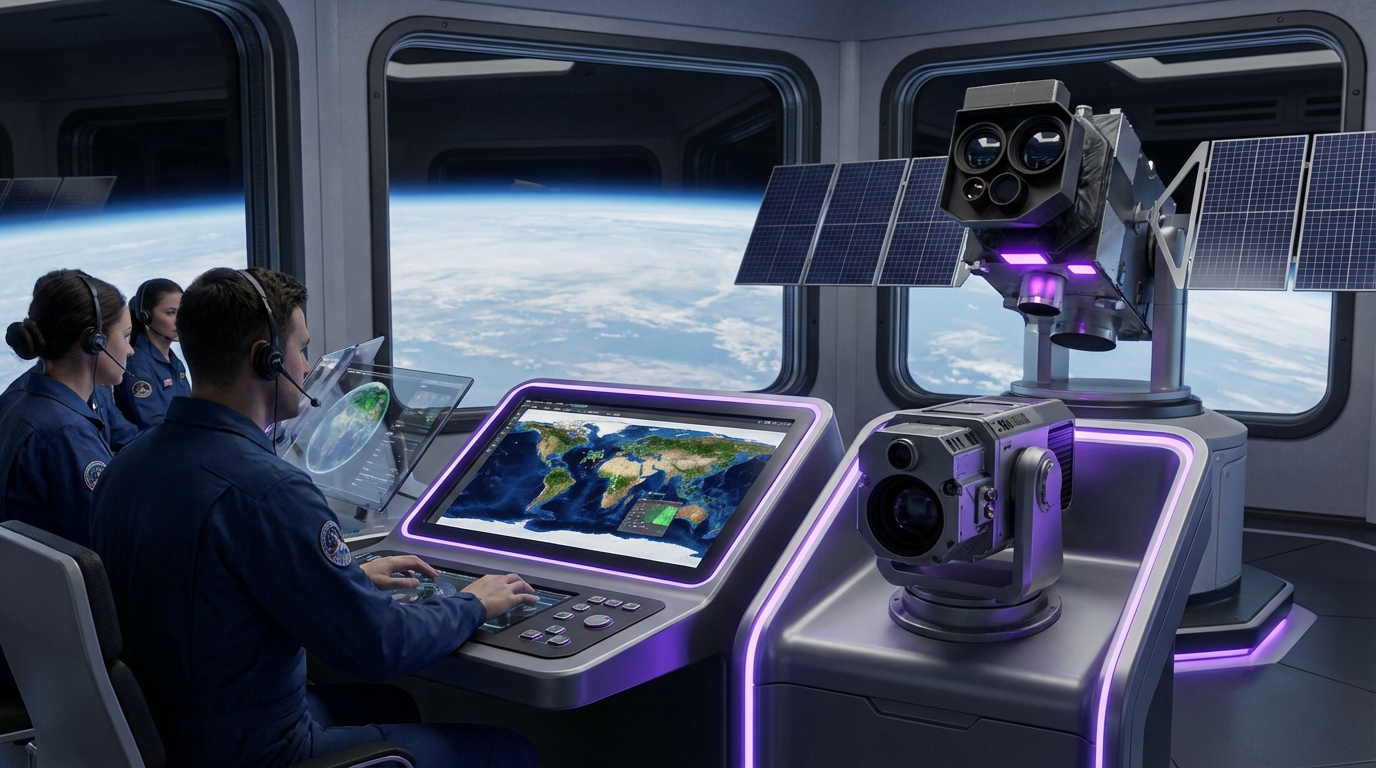
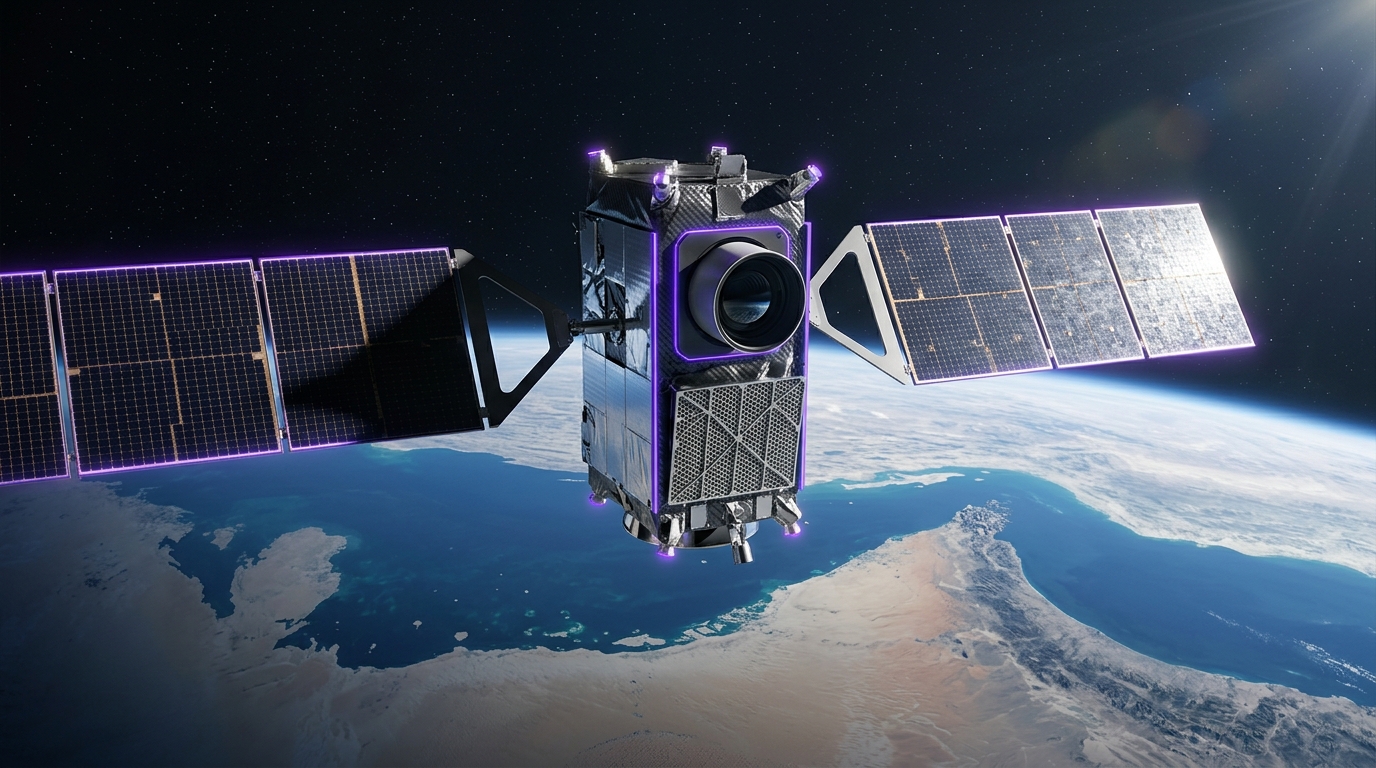
High-cadence satellite imaging with onboard AI for real-time Earth monitoring

Frameworks balancing commercial satellite data access with privacy, security, and equity concerns

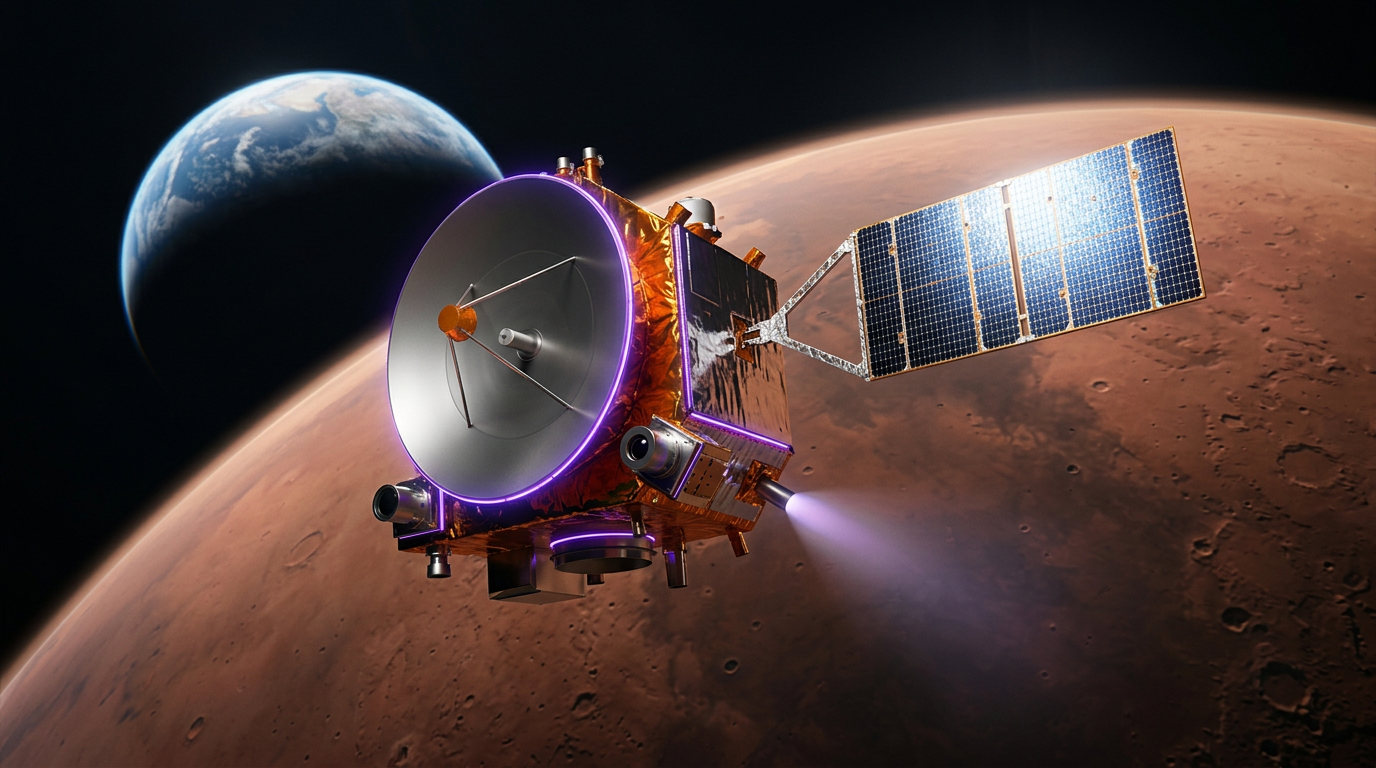
The UAE's Hope Probe, the first Arab interplanetary mission, has been extended to 2028 and has produced novel data on Martian atmospheric dynamics.

Tracking atmospheric effects from increasing rocket launch frequency

The world's first ethanol-powered production aircraft — certified in 2004, over 1,500 units delivered — spraying crops with zero fossil fuel dependency

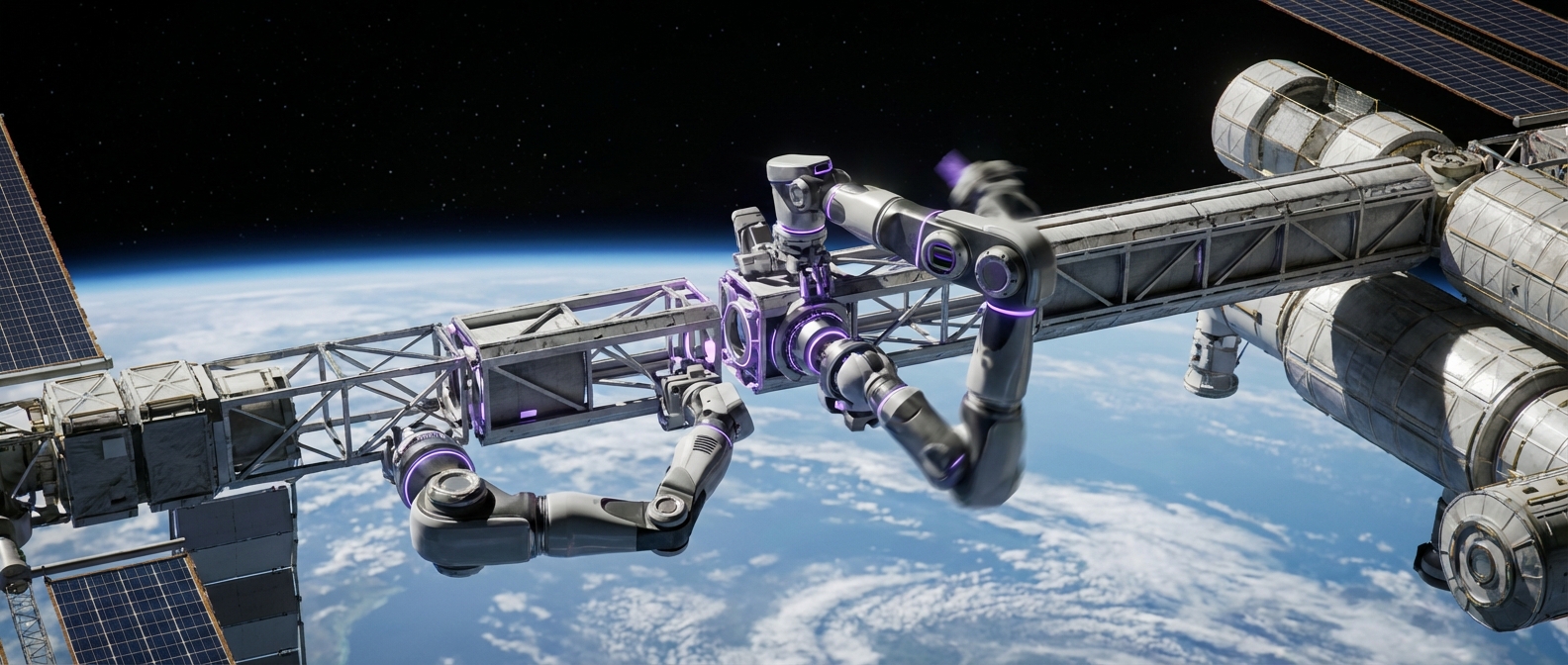
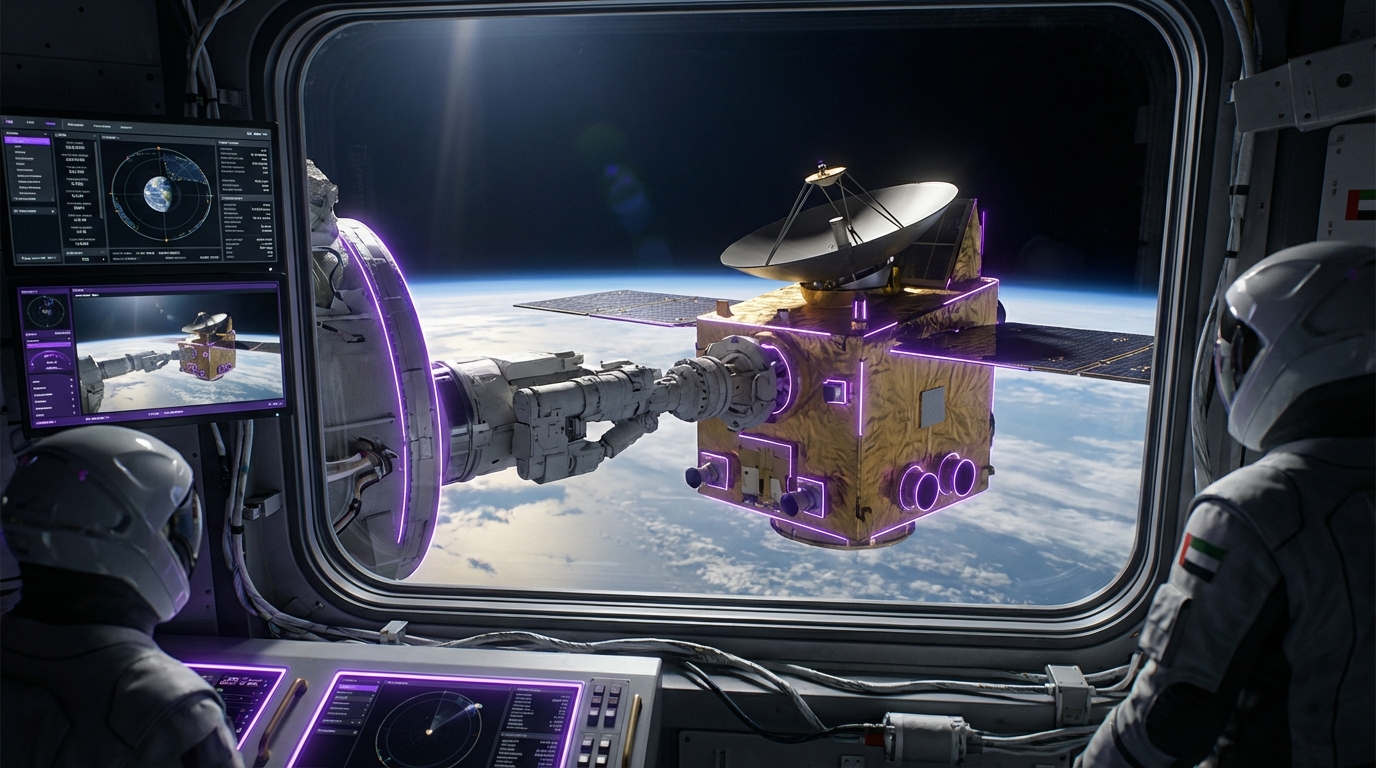
Modular robotic manipulators for Gateway assembly, lunar operations, and satellite servicing

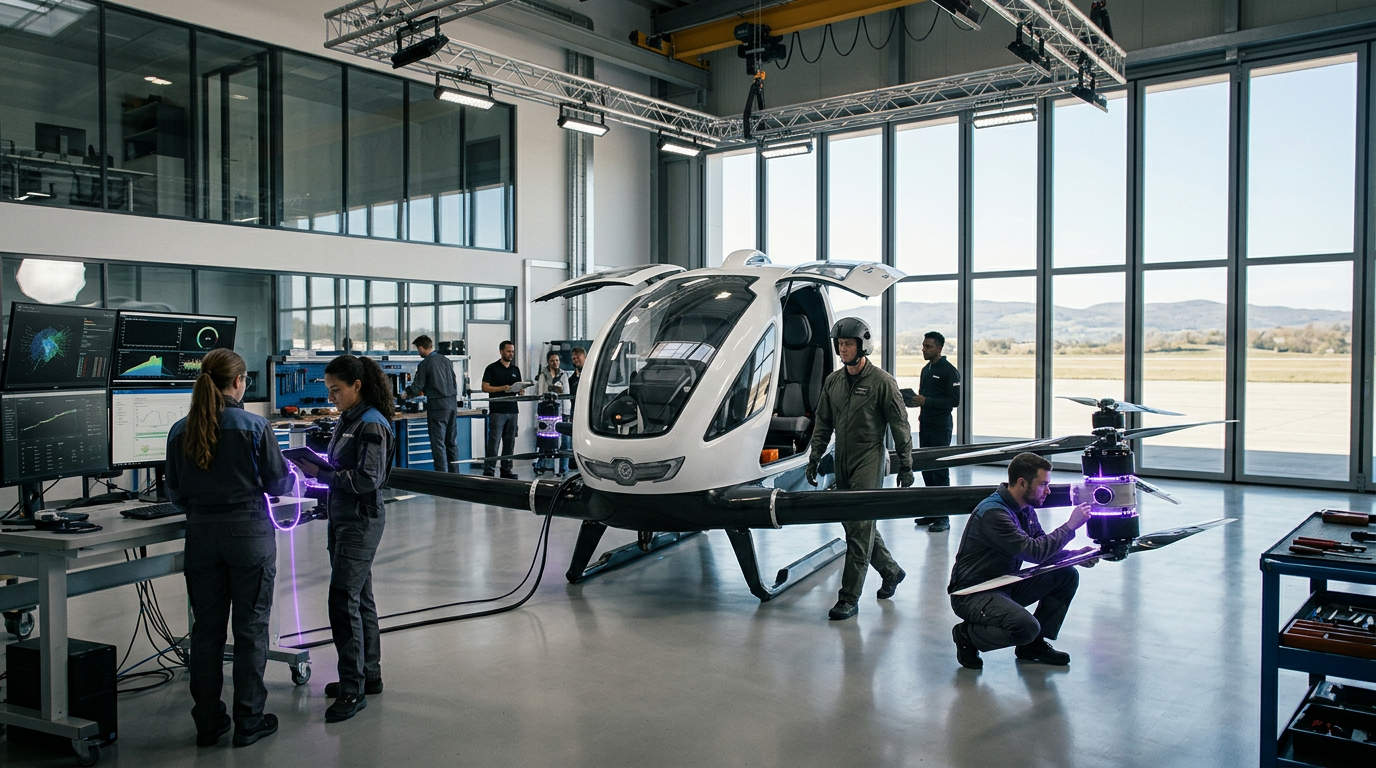
EHang became the first company globally to receive full commercial passenger eVTOL certification, completing the regulatory process in 31 months versus 7+ years for Western competitors

Eve Air Mobility completed its first full-scale eVTOL flight in December 2025, with 2,900+ pre-orders and hundreds of test flights planned for 2026 certification

Satellite constellations train shared AI models by exchanging updates instead of raw data
Propulsion systems using electromagnetic fields to reduce or eliminate onboard propellant mass
Bendable circuit boards that conform to curved surfaces and reduce weight in satellites and spacecraft

Spacecraft propulsion using controlled fusion reactions for faster interplanetary missions

India's indigenous human spaceflight program aiming to send three astronauts to low Earth orbit — the first unmanned orbital flight targeted for late 2025.

Europe's independent satellite navigation system providing positioning to 4 billion devices — more accurate than GPS with encrypted sovereign service

Next-gen GPS III satellites deliver 3x accuracy and 8x anti-jamming power, with Block IIIF adding regional military signals launching from 2026.

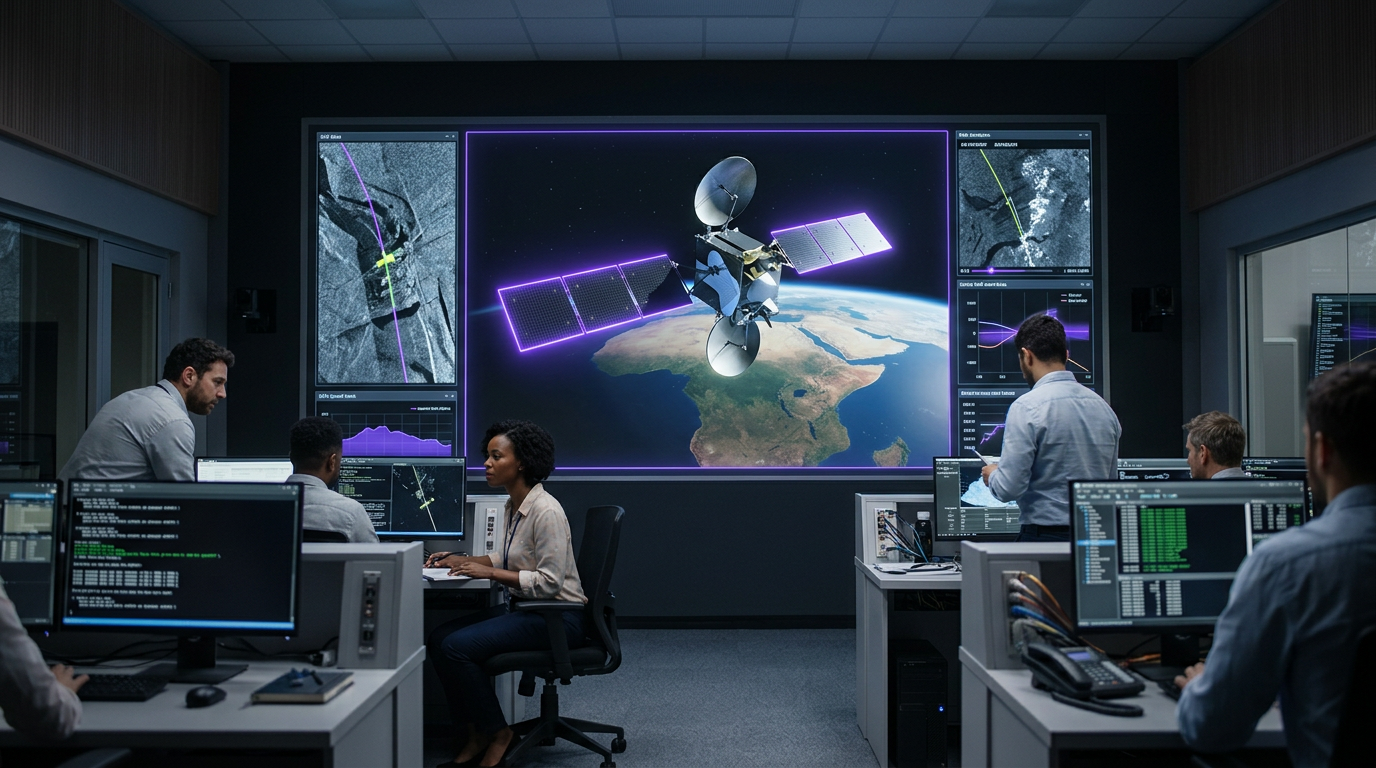
Software that automates satellite fleet operations, from pass scheduling to anomaly detection

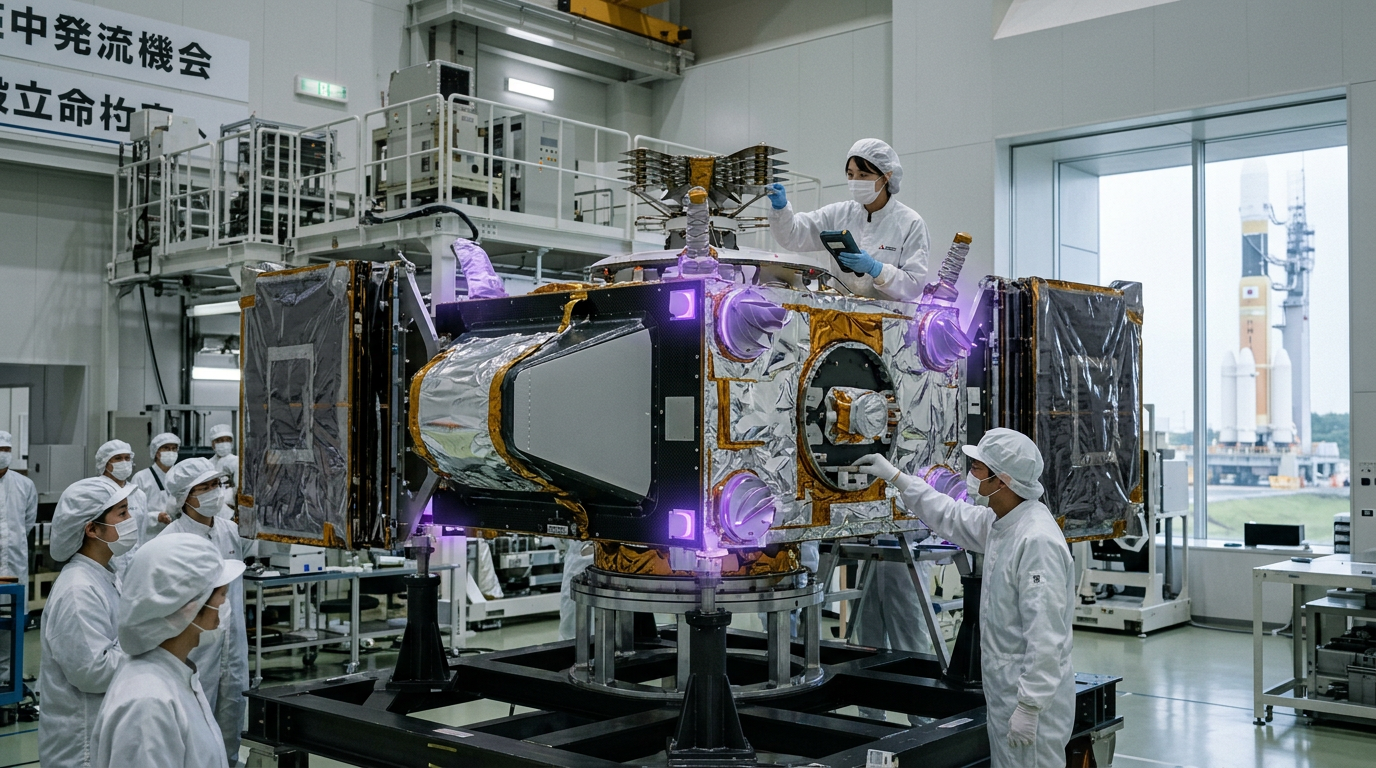
JAXA's H3 rocket achieved four consecutive successful launches through 2025, becoming Japan's new flagship launcher for QZSS navigation and ISS resupply.

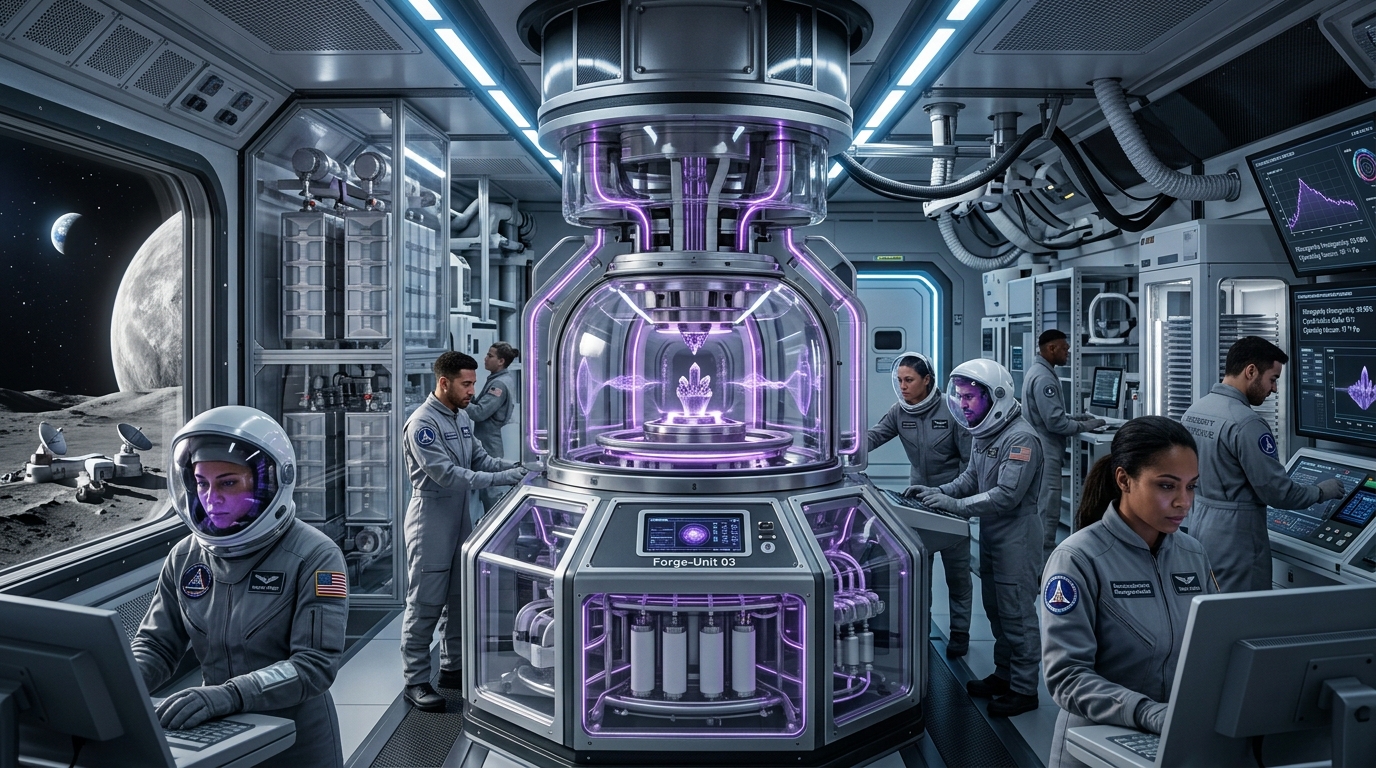
Space Forge uses reusable platforms to manufacture semiconductors in microgravity — producing flawless crystal structures impossible on Earth

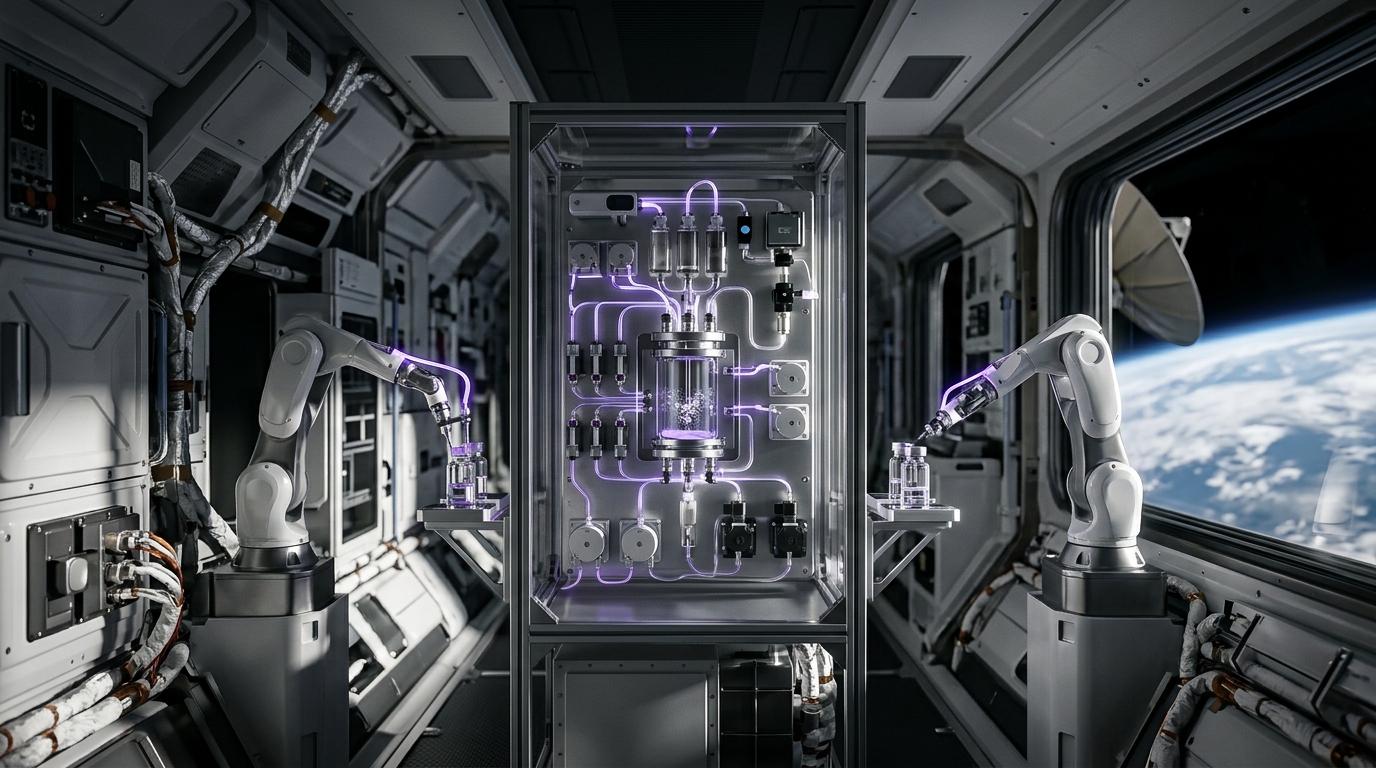
Varda Space Industries completed its third orbital manufacturing mission in 2025, producing pharmaceutical crystals in microgravity and returning them to Earth via reentry capsule — proving space as a manufacturing venue.

Orbital fuel stations that store and transfer propellant between spacecraft in orbit

Extracting oxygen, water, and metals from lunar regolith and asteroids for in-space use

Over 1,200 registered space companies including Skyroot (first private Indian rocket), Agnikul (3D-printed engines), and Pixxel (hyperspectral satellite constellation).

Cost-effective launch systems optimized for small satellites and polar orbit access

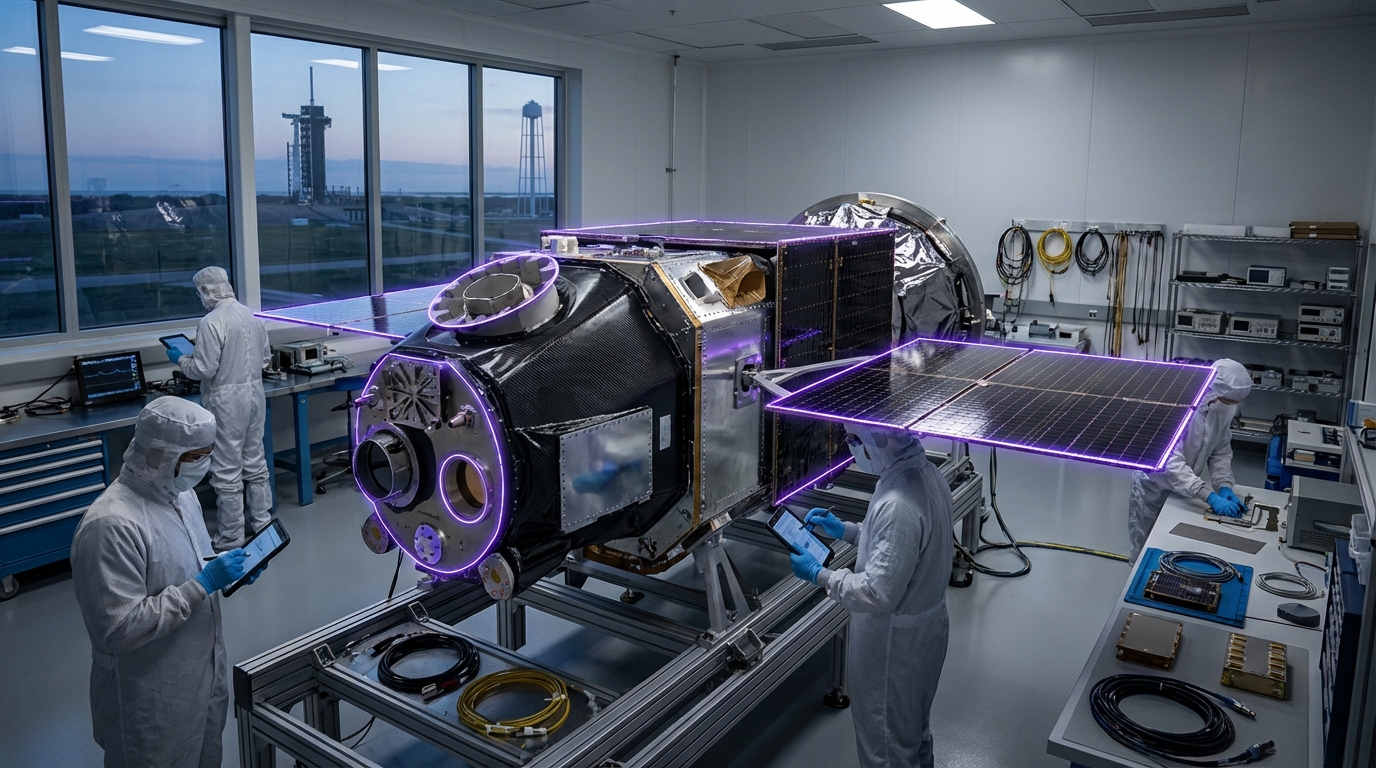
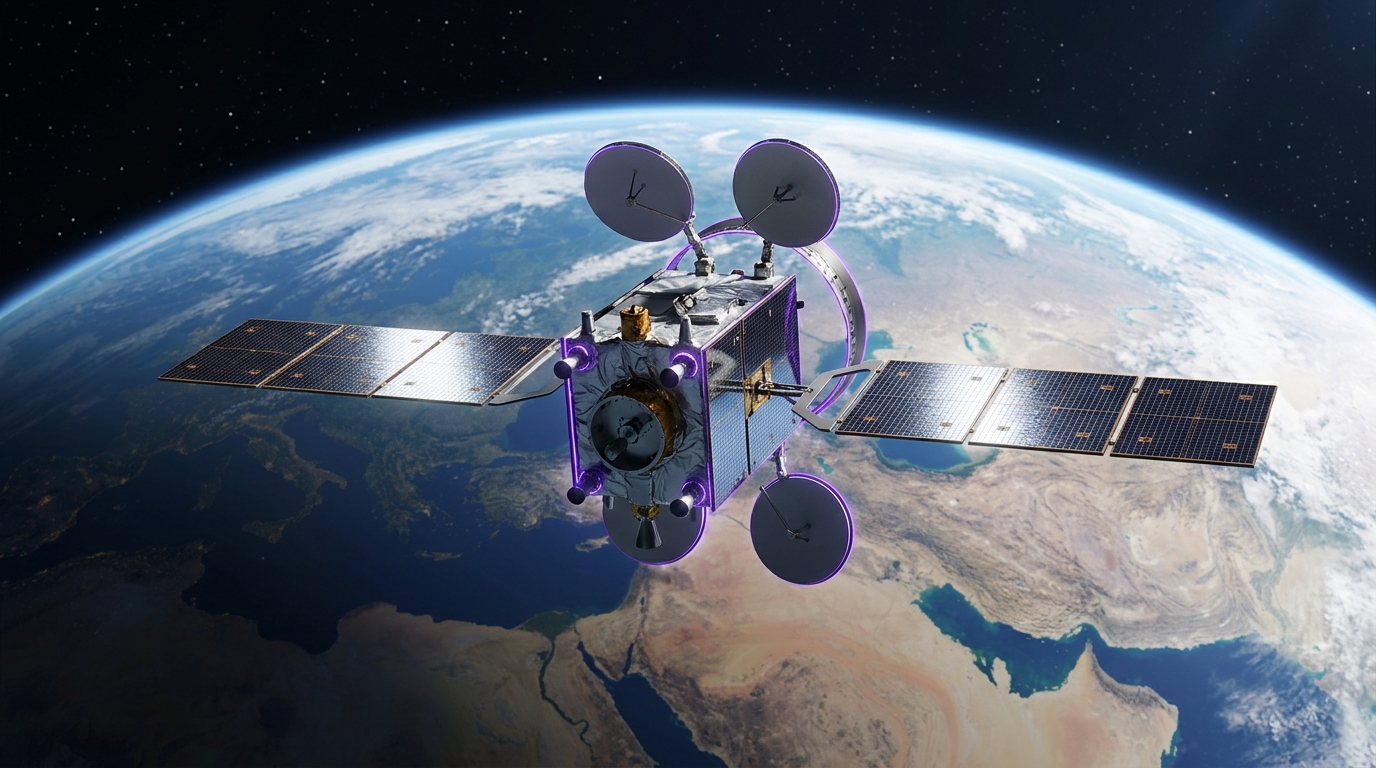
Türksat 6A — Turkey's first domestically built comms satellite (81%+ indigenous subsystems) — launched July 2024 and entered operational orbit in December, covering 5 billion+ people.

ASEAN nations are building indigenous satellite programs for agriculture, disaster monitoring, and maritime surveillance, with Indonesia, Vietnam, and the Philippines investing in domestic capabilities.

Göktürk-2 and IMECE satellites provide indigenous high-resolution imaging for defense, agriculture, and environmental monitoring with sub-meter resolution capability.

Chamran-1 and Khayyam reconnaissance satellites provide indigenous imaging capability, with Khayyam (launched via Soyuz) offering sub-meter resolution for military/civilian use.

Israel operates the Ofek constellation including Ofek-19 SAR satellite (launched 2025), providing sovereign sub-meter imaging independent of allied intelligence sharing.

Shavit-2 makes Israel one of only 7 nations that both build satellites and launch them indigenously, despite a 30% payload penalty from westward launch requirements.

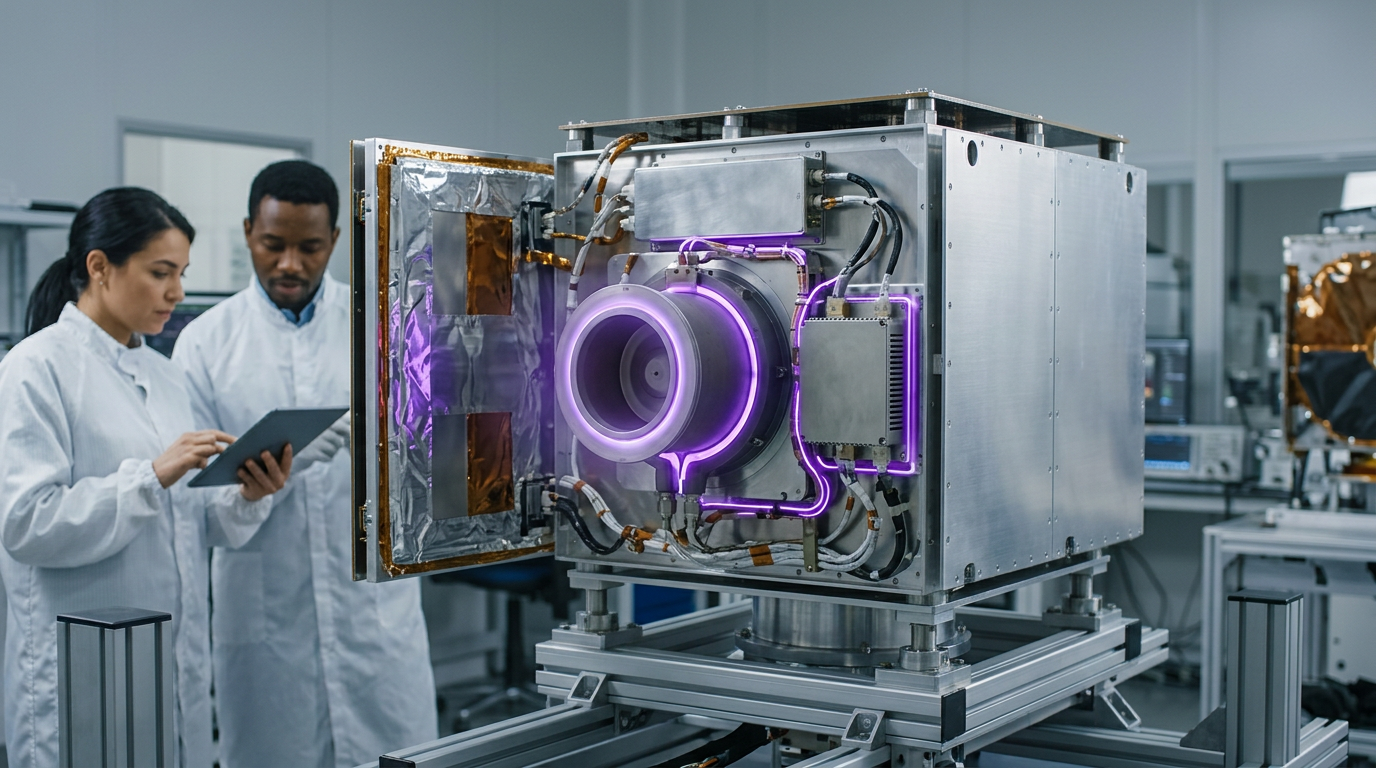
TÜBİTAK Space developed an indigenous 1,500W Hall Effect thruster with cathode, fuel supply, power processing and control — achieving space qualification for electric propulsion.

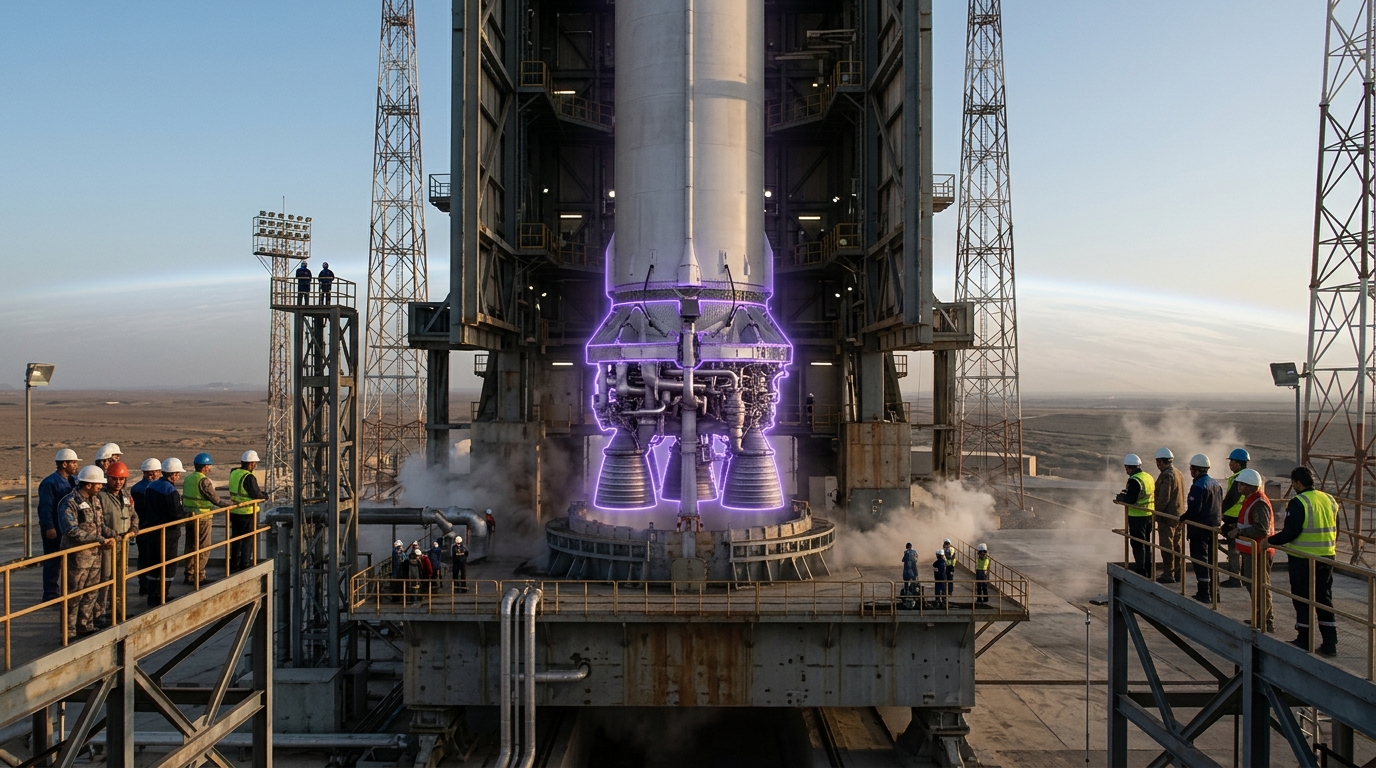
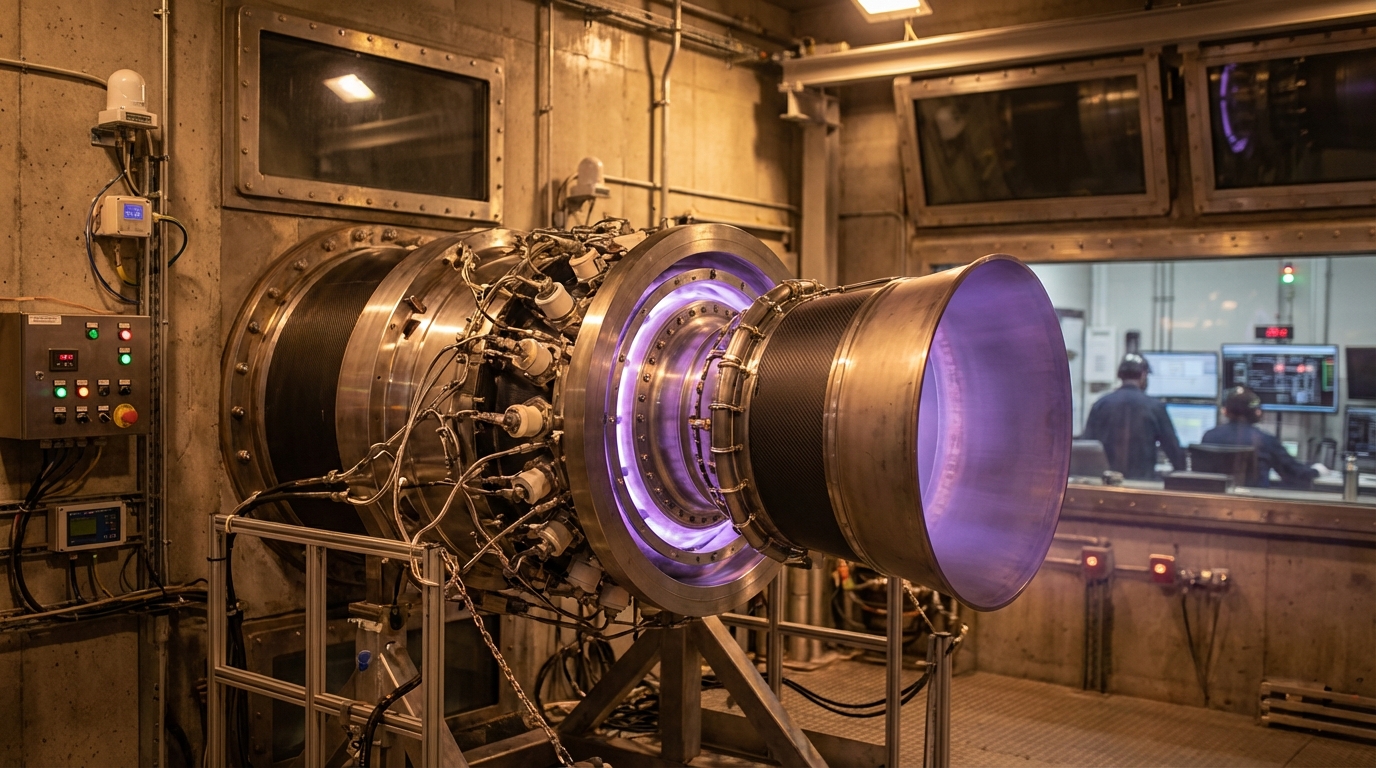
ISRO's 2,000 kN semicryogenic LOX/kerosene engine completed its first successful hot test in March 2025 — a high-thrust engine that will dramatically increase India's heavy-lift launch capacity.

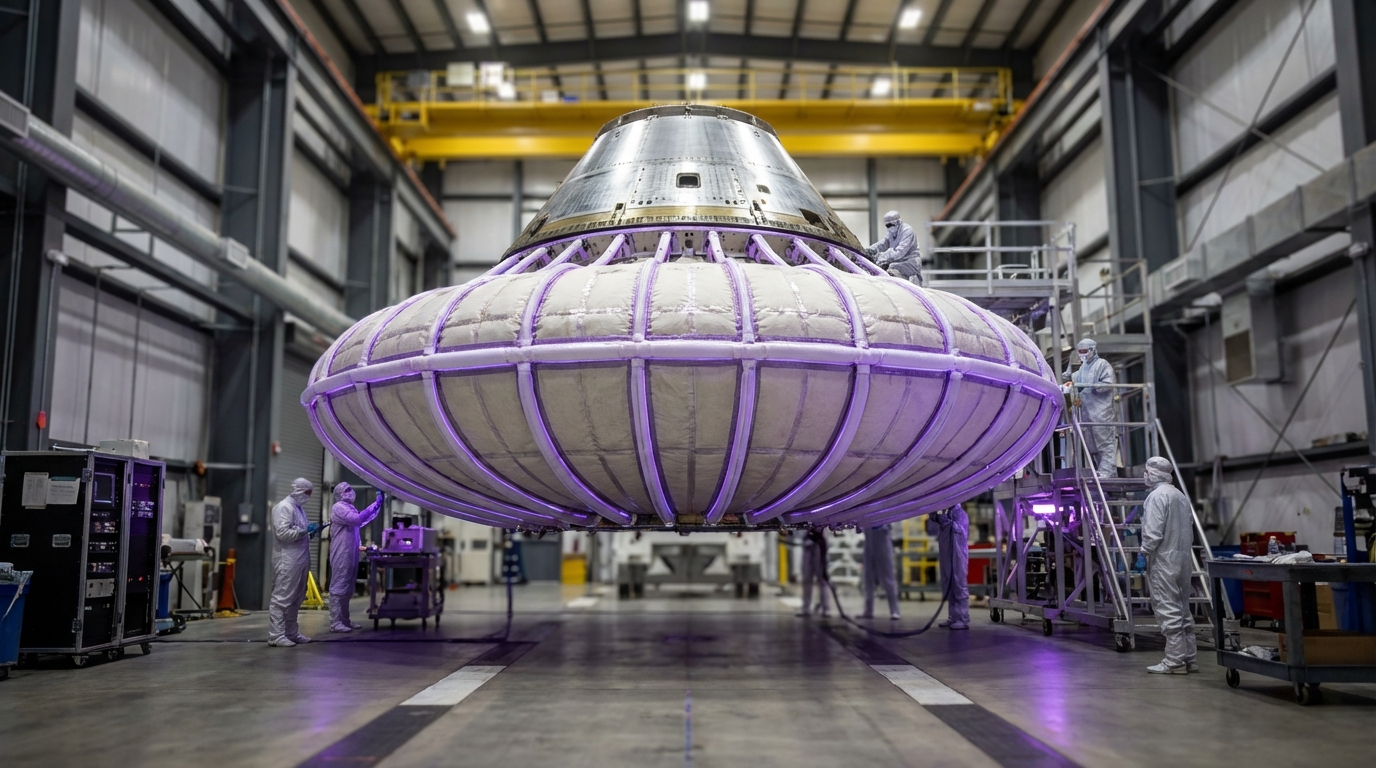
Expandable aeroshells that deploy before atmospheric entry to slow heavier spacecraft

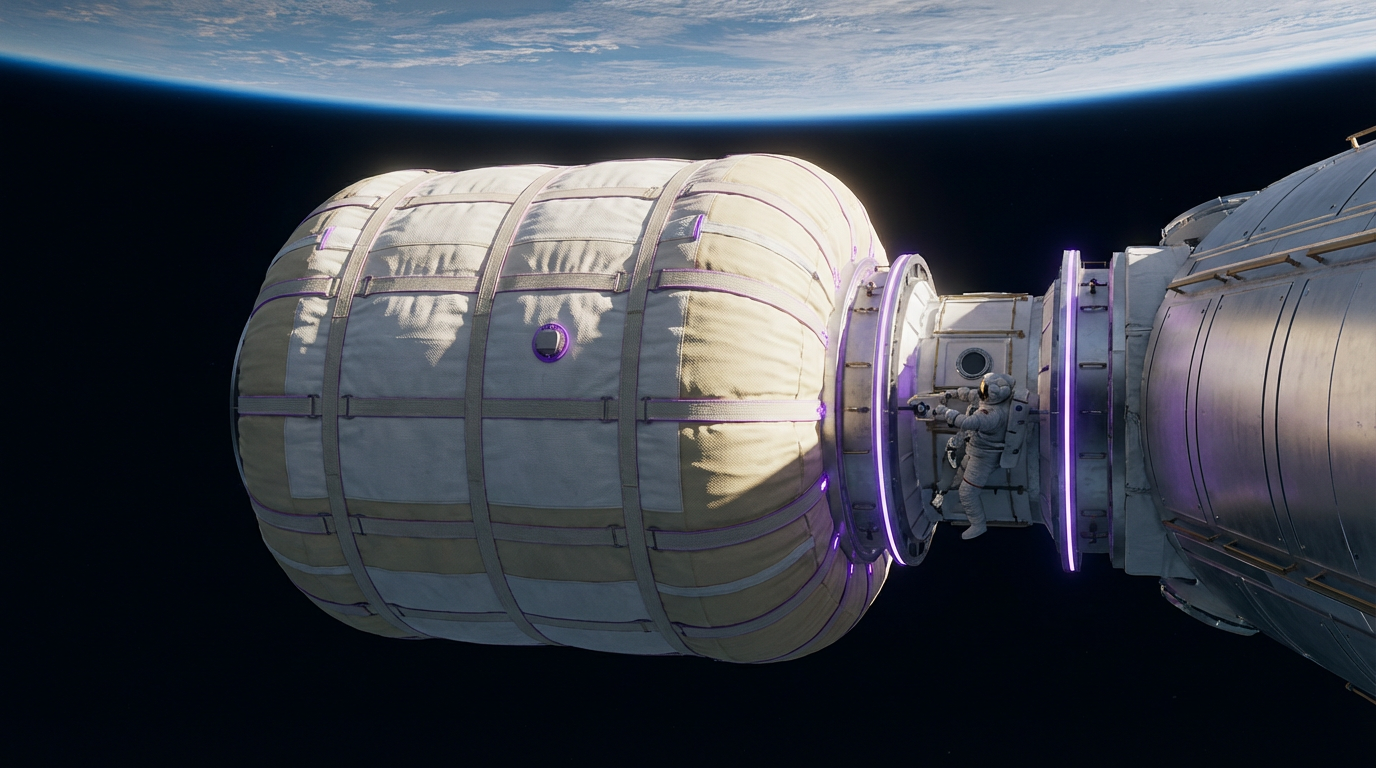
Expandable fabric modules that inflate in orbit to create large pressurized living spaces

Expandable structures that deploy in orbit to create living and working space for astronauts

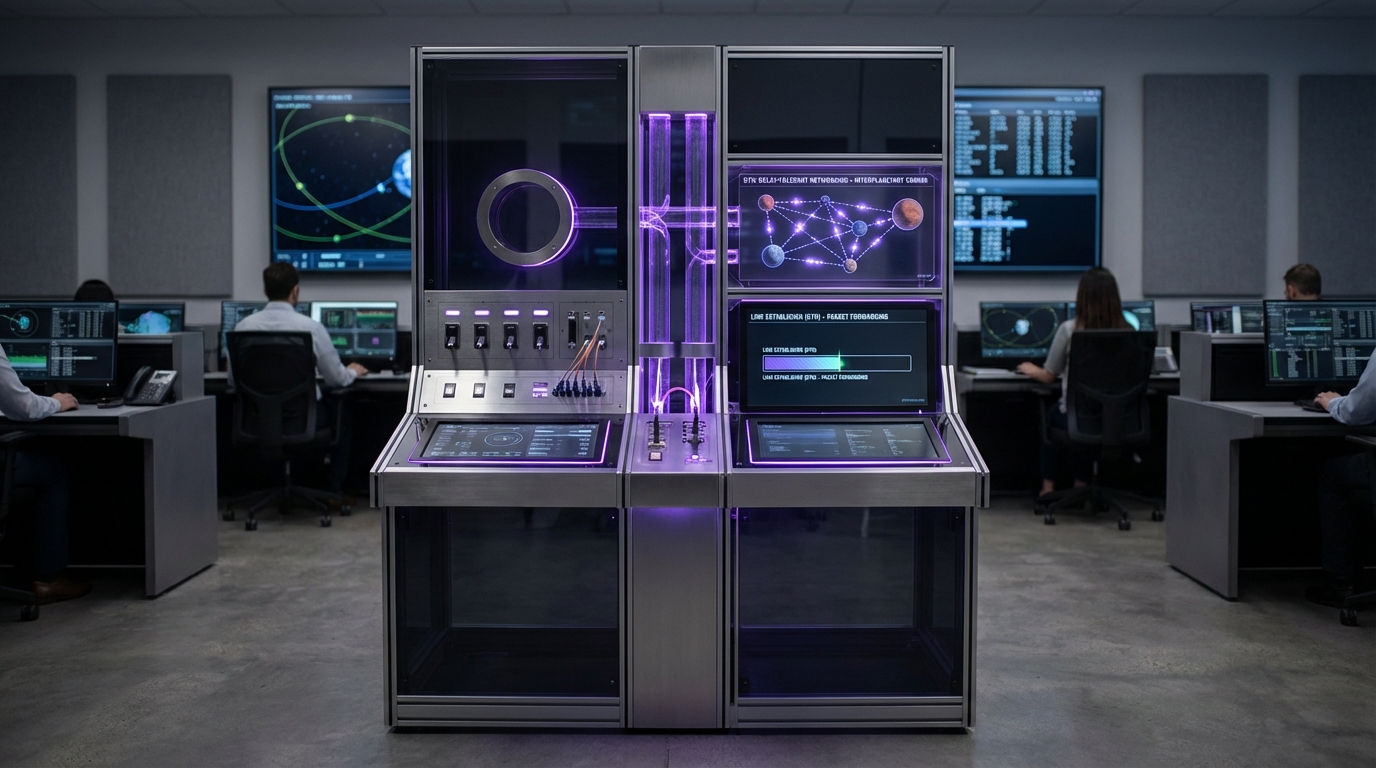
Networking protocols that handle long delays and gaps in deep-space data transmission

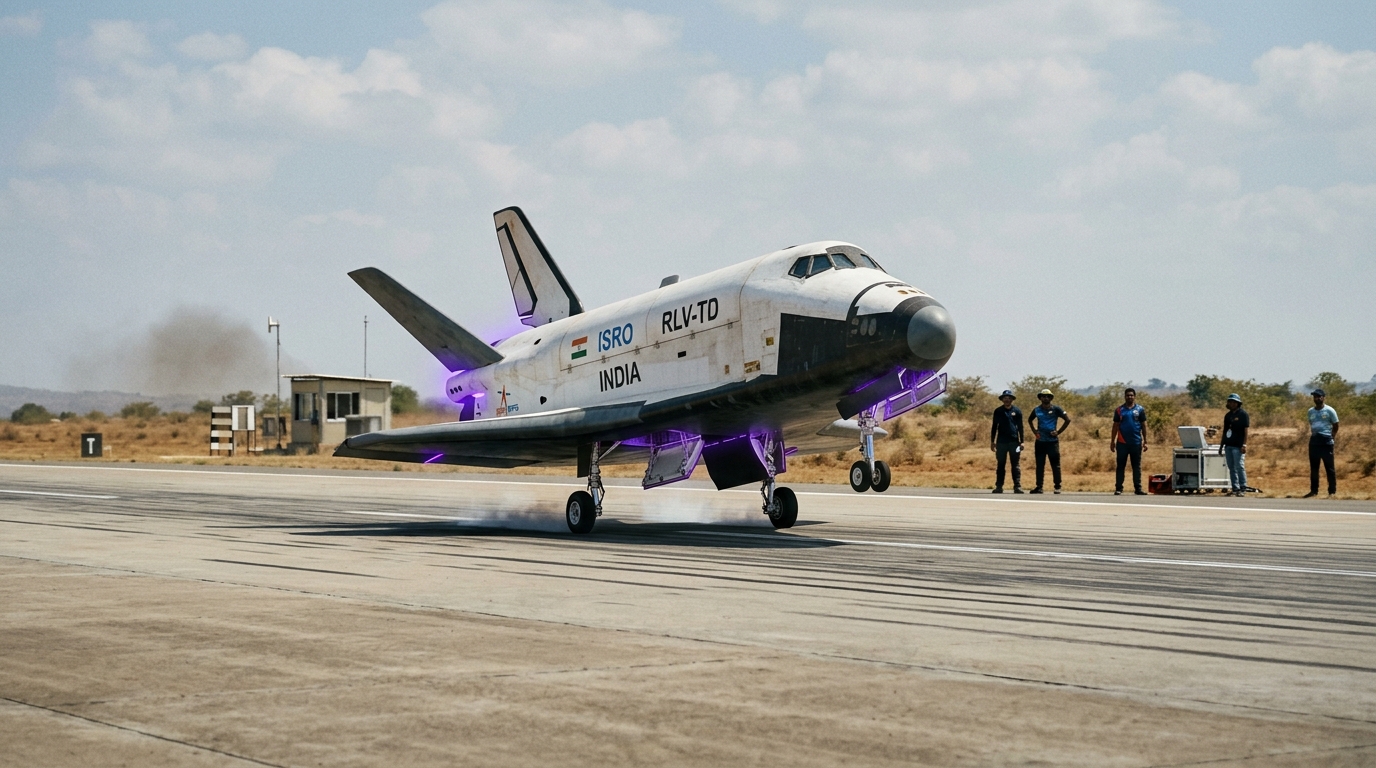
ISRO's autonomous runway landing experiment for a winged reusable launch vehicle — successfully demonstrated in 2023, targeting dramatic reduction in launch costs.

Spacecraft that collect and return asteroid samples to Earth for analysis

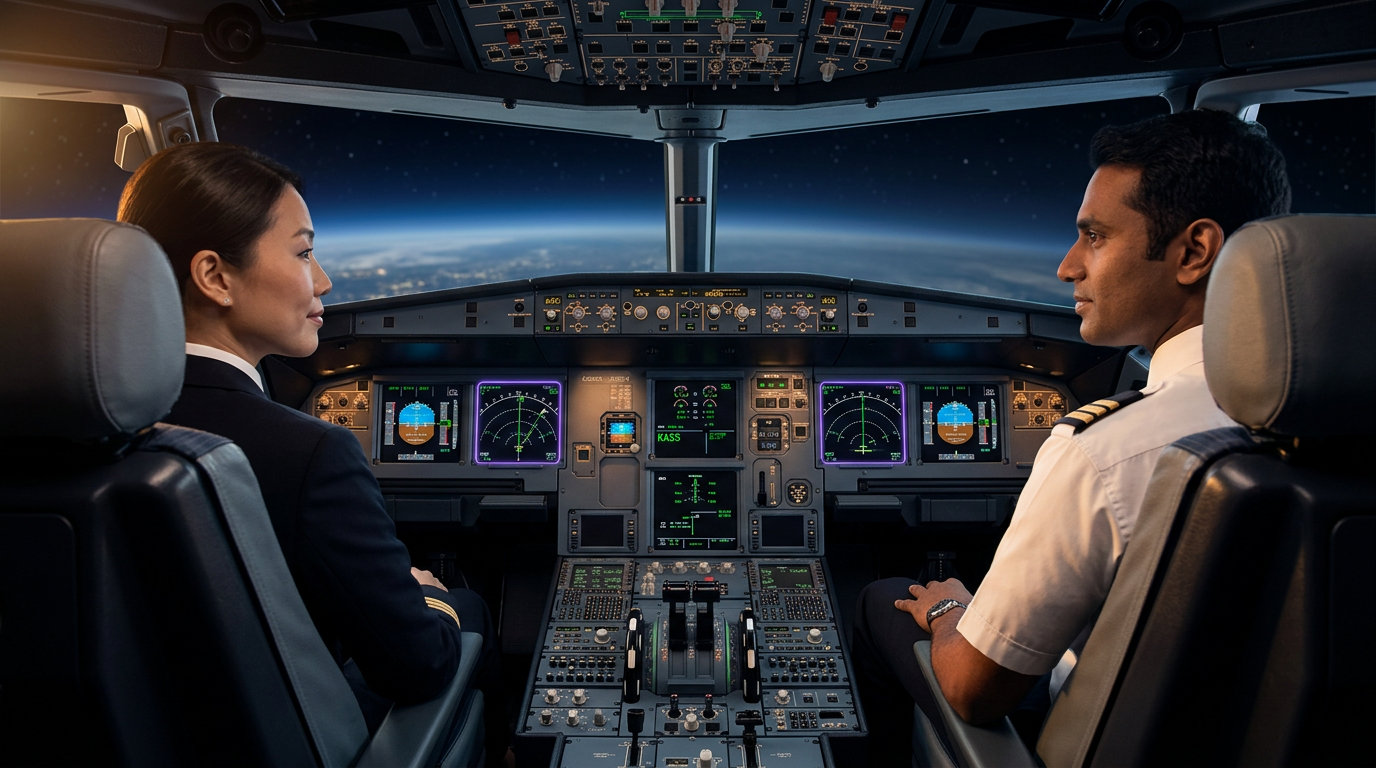
KASS reduces GPS positioning errors to within 3 meters using geostationary relay, becoming Korea's first certified SBAS for aviation precision approaches.

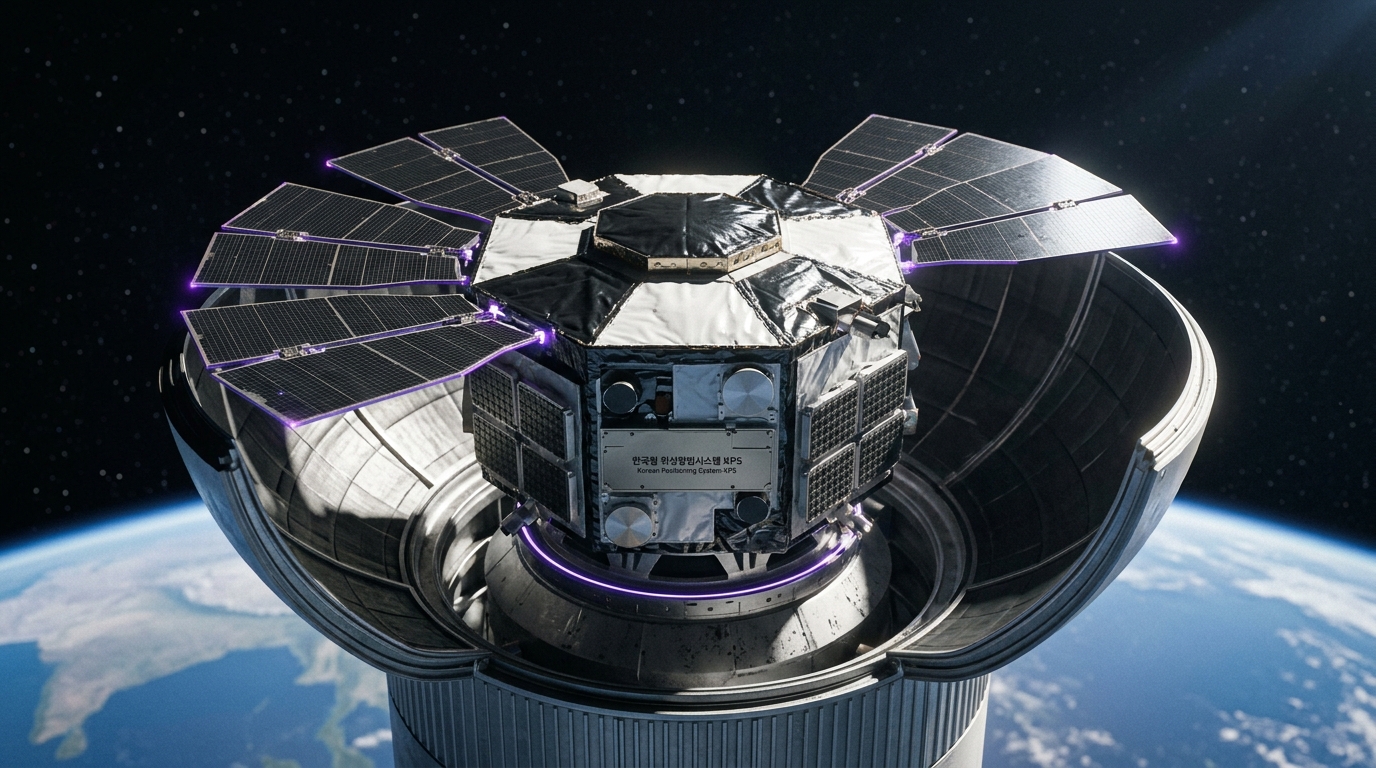
South Korea's $3.3B indigenous satellite navigation system will deploy 8 satellites by 2035 for sub-meter positioning across the Asia-Oceania region.

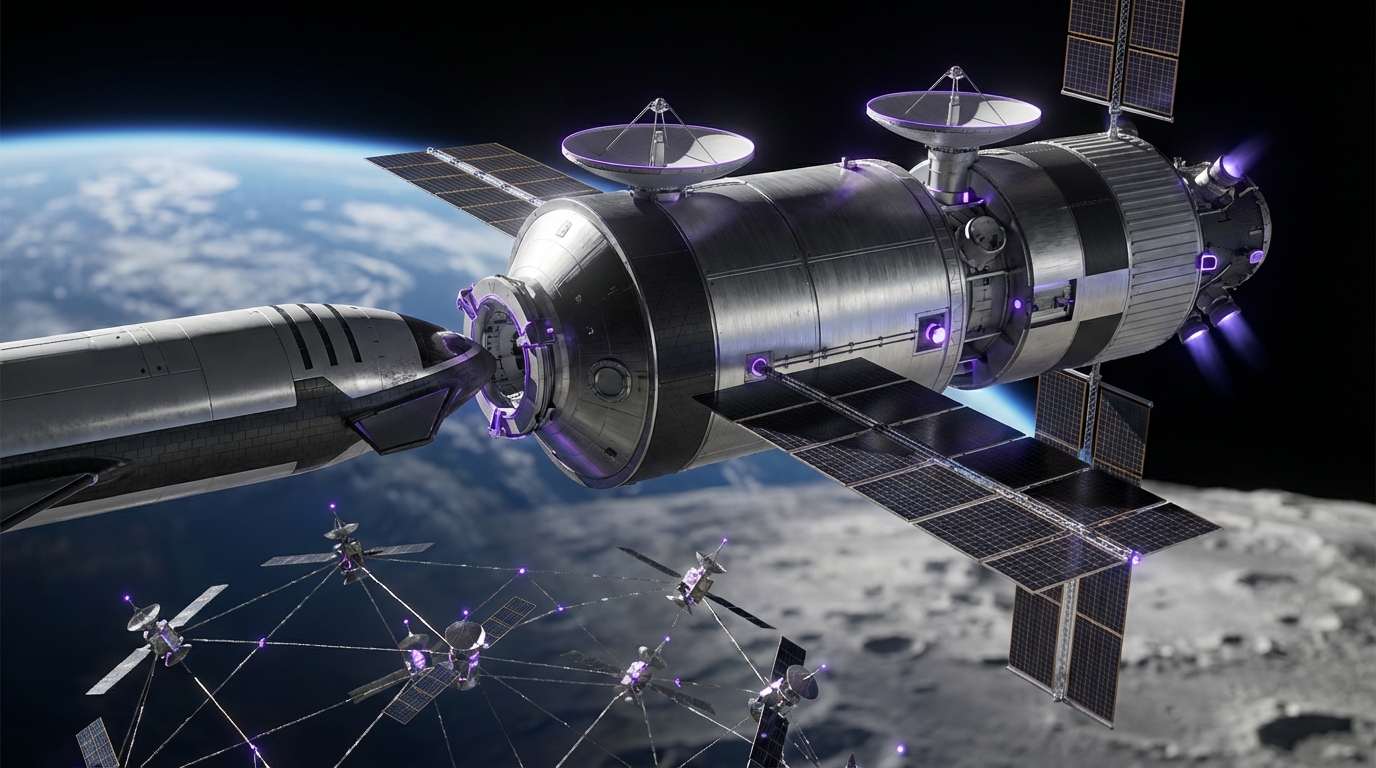
Permanent orbital stations and networks enabling sustained Earth-Moon operations

Simorgh two-stage liquid-fuel SLV achieved first successful multi-satellite launch in Jan 2024, delivering 3 payloads to 450 km orbit — Iran's heaviest orbital lifter.

Vietnam's LOTUSat-1 is a Japanese-built SAR satellite providing all-weather radar imaging for disaster monitoring — the country's first indigenous radar space capability.

Legal frameworks governing resource extraction, ownership, and stewardship on the Moon and Mars

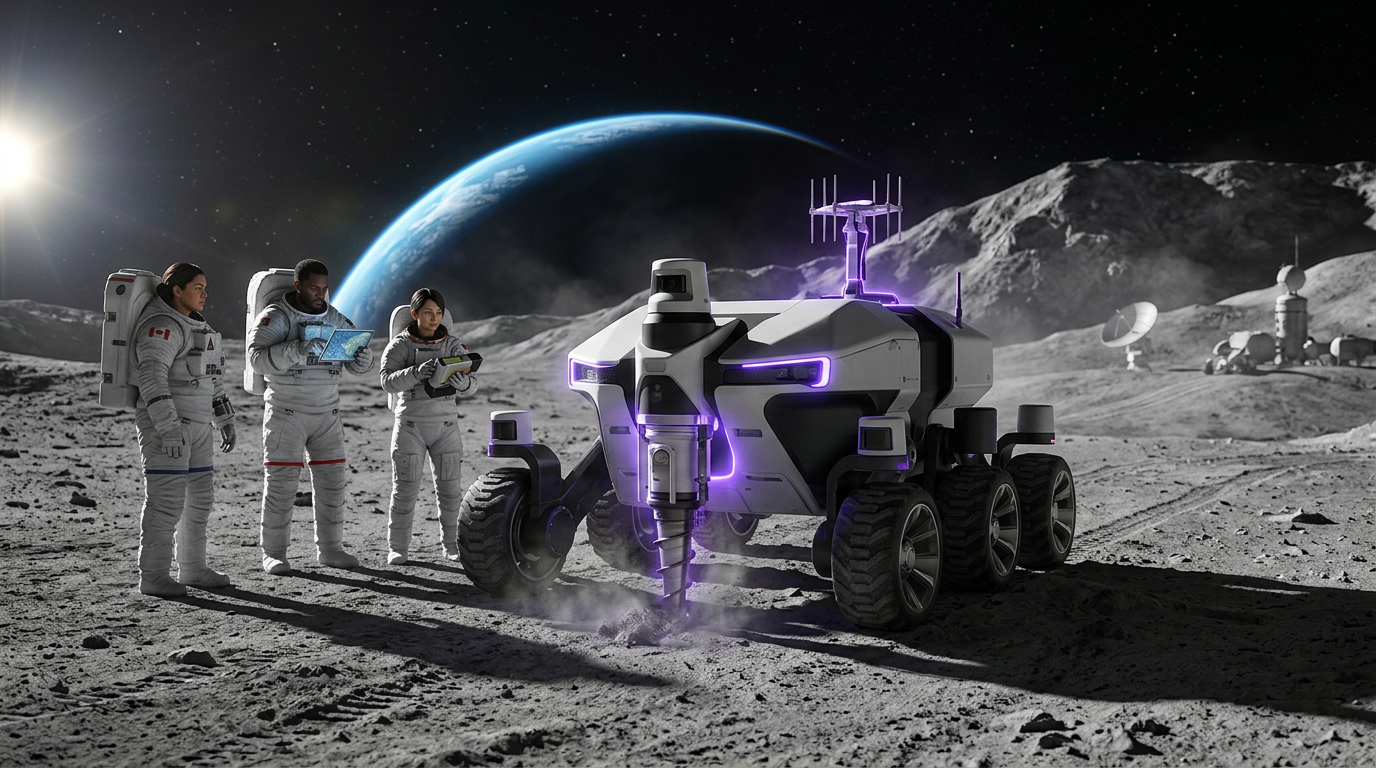
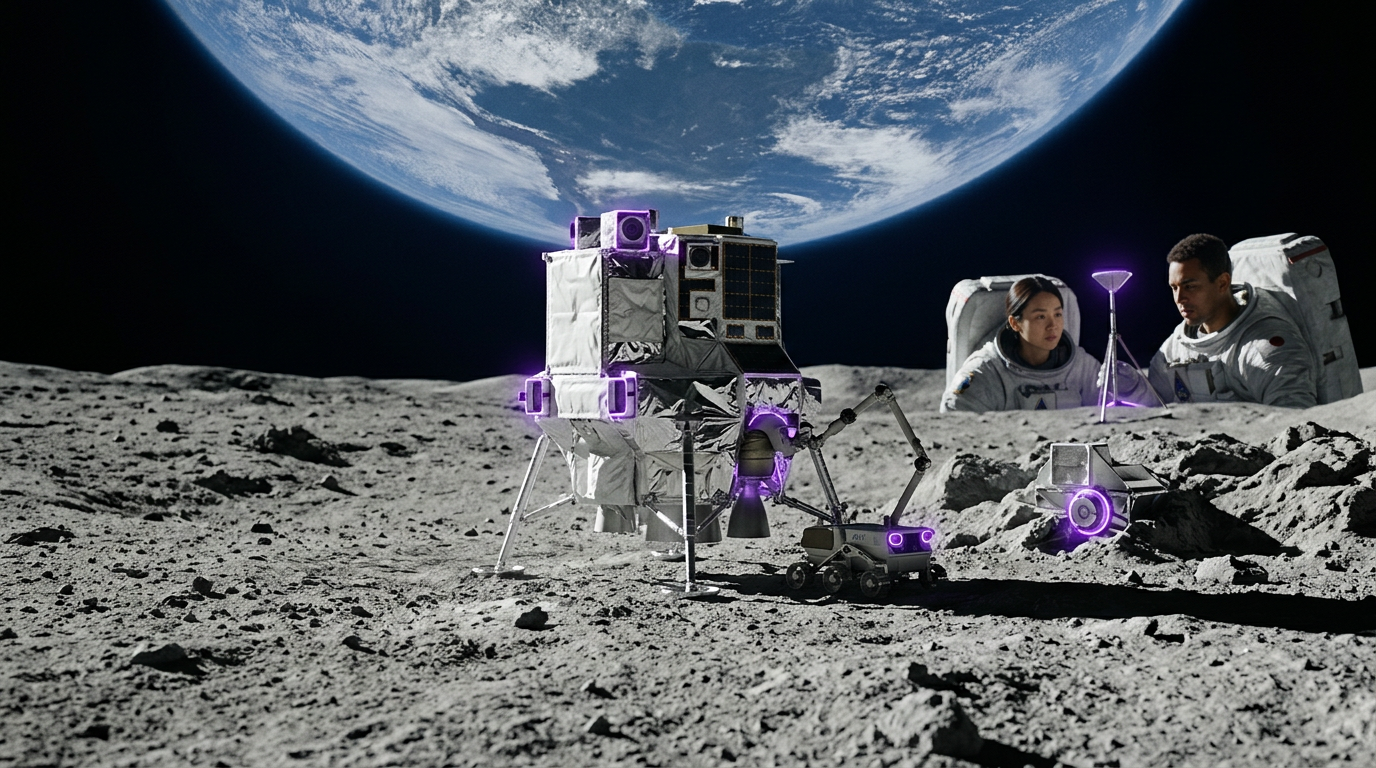
CSA's LEAP program funds Canadian companies developing lunar surface technologies including rovers, science instruments, and AI-powered exploration systems for the Artemis era.

Turkey plans first lunar contact by 2026 with a spacecraft designed by TÜBİTAK Space, part of a $161M space budget that signals ambitions beyond Earth orbit.

International space station modules orbiting the Moon for crew staging and deep-space research

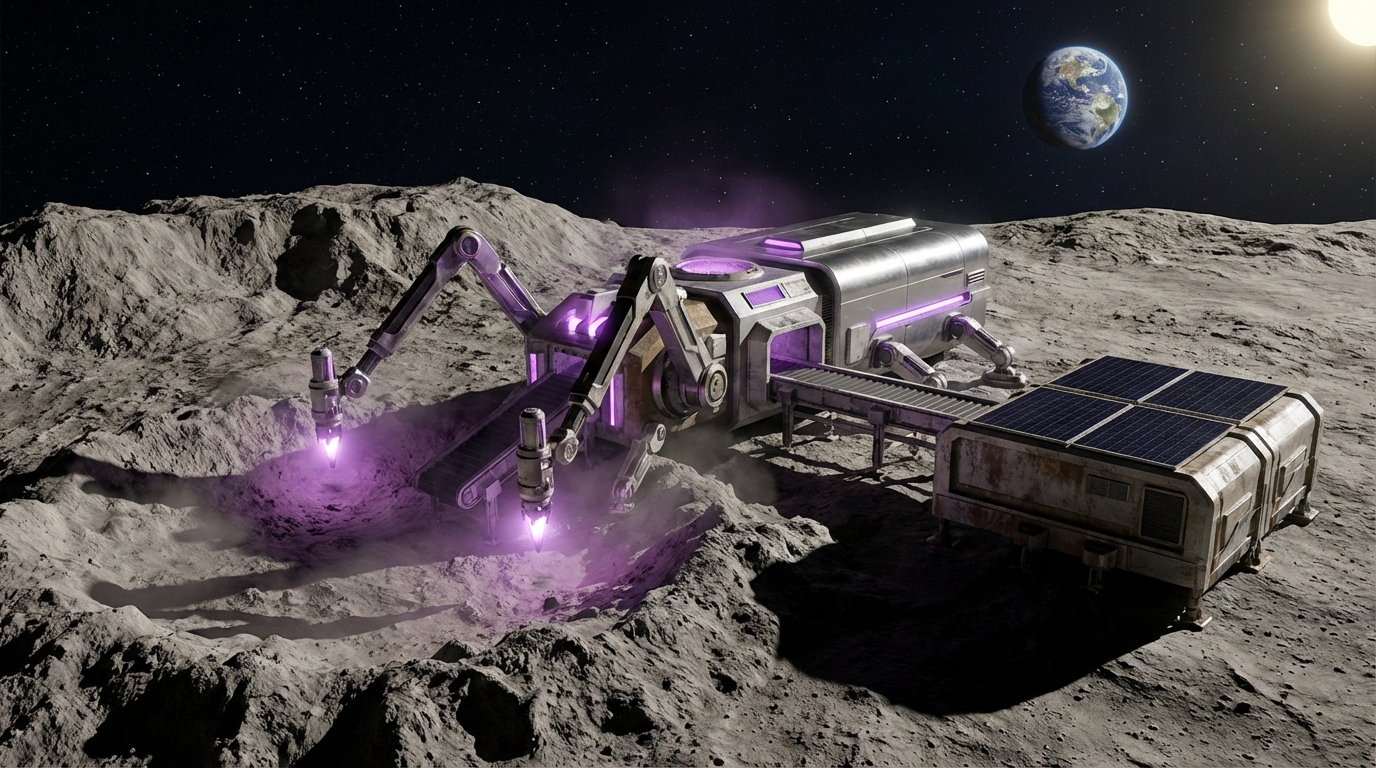
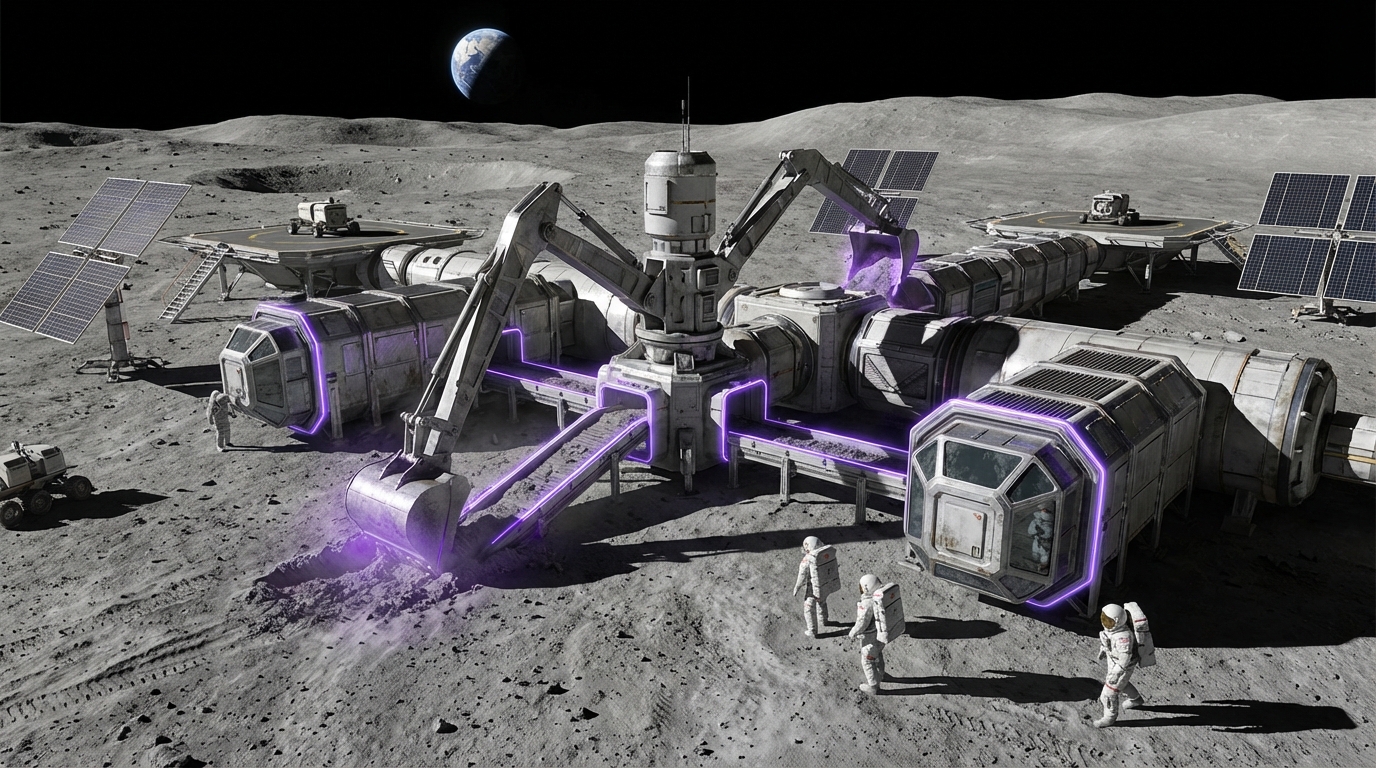
Extracting oxygen, metals, and silicon from lunar soil for life support and construction

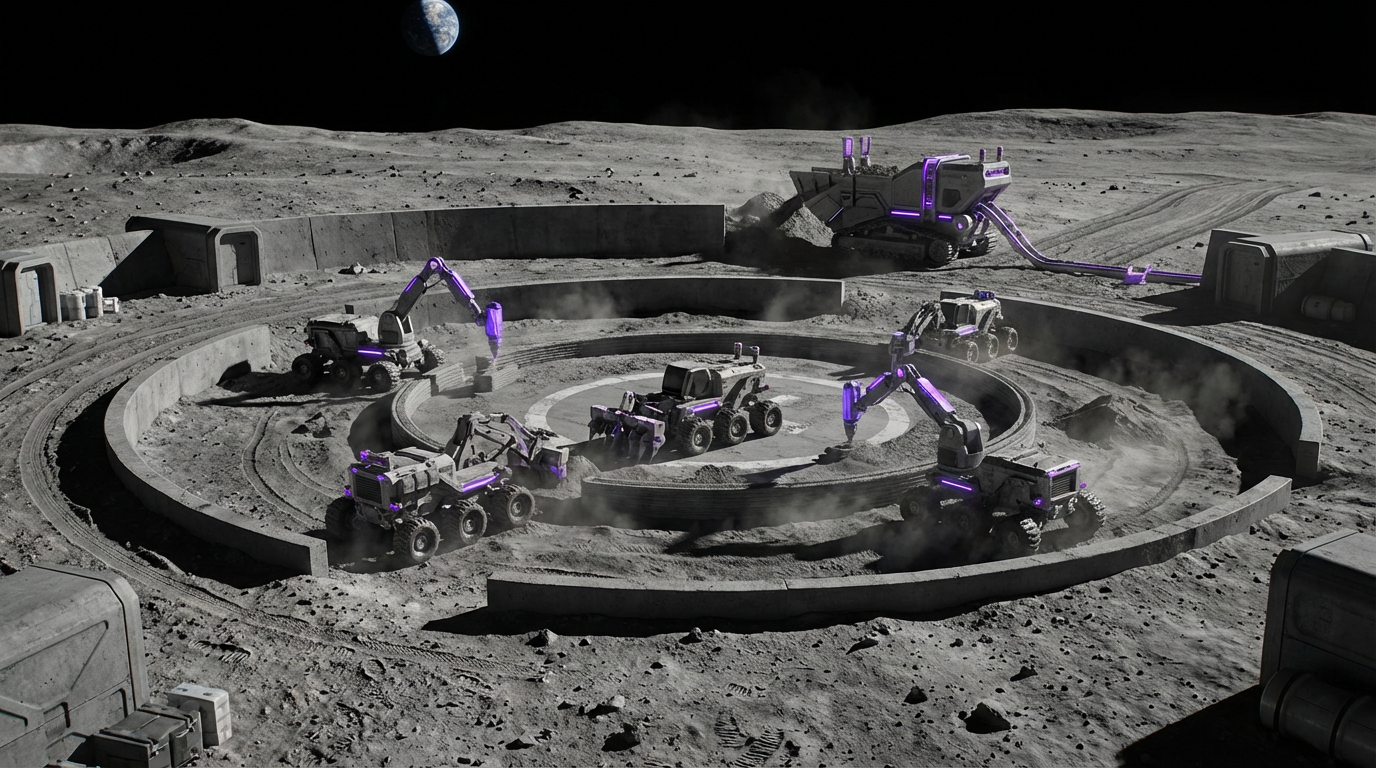
Robotic systems that build lunar infrastructure using Moon soil instead of Earth materials

India reached Mars orbit on its first attempt in 2014 for $74 million — the cheapest interplanetary mission in history, costing less than the movie Gravity.

JAXA's MMX mission launches in FY2026 on an H3 rocket to explore Phobos and Deimos and return the first samples from a Martian moon.

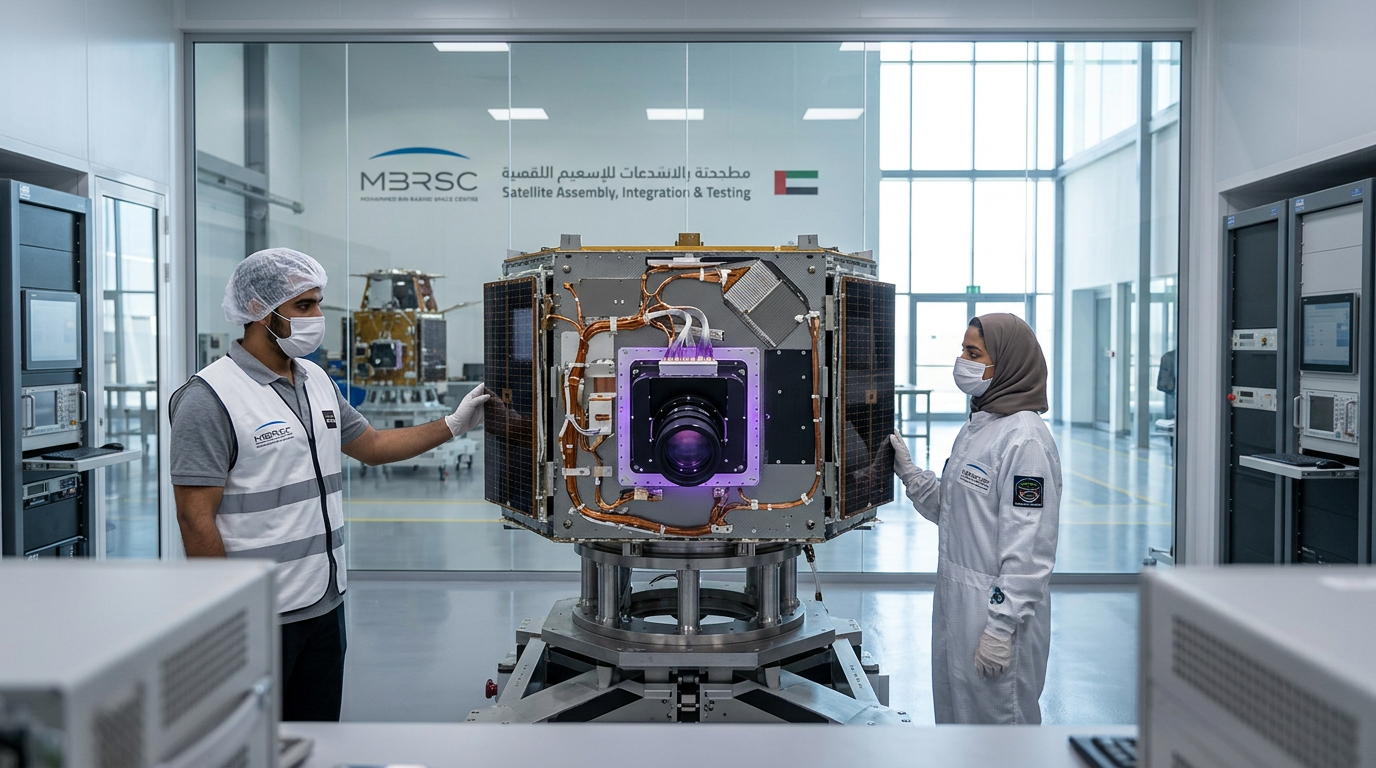
MBZ-SAT, launched January 2025, is the most advanced Earth-imaging satellite in the Middle East — with 90% of mechanical components manufactured by UAE companies, marking the transition from imported to indigenous satellite production.

Rocket Lab's Neutron and Relativity Space's Terran R are developing medium-lift reusable rockets to break SpaceX's near-monopoly, with Rocket Lab already the second most frequent US launch provider via Electron.

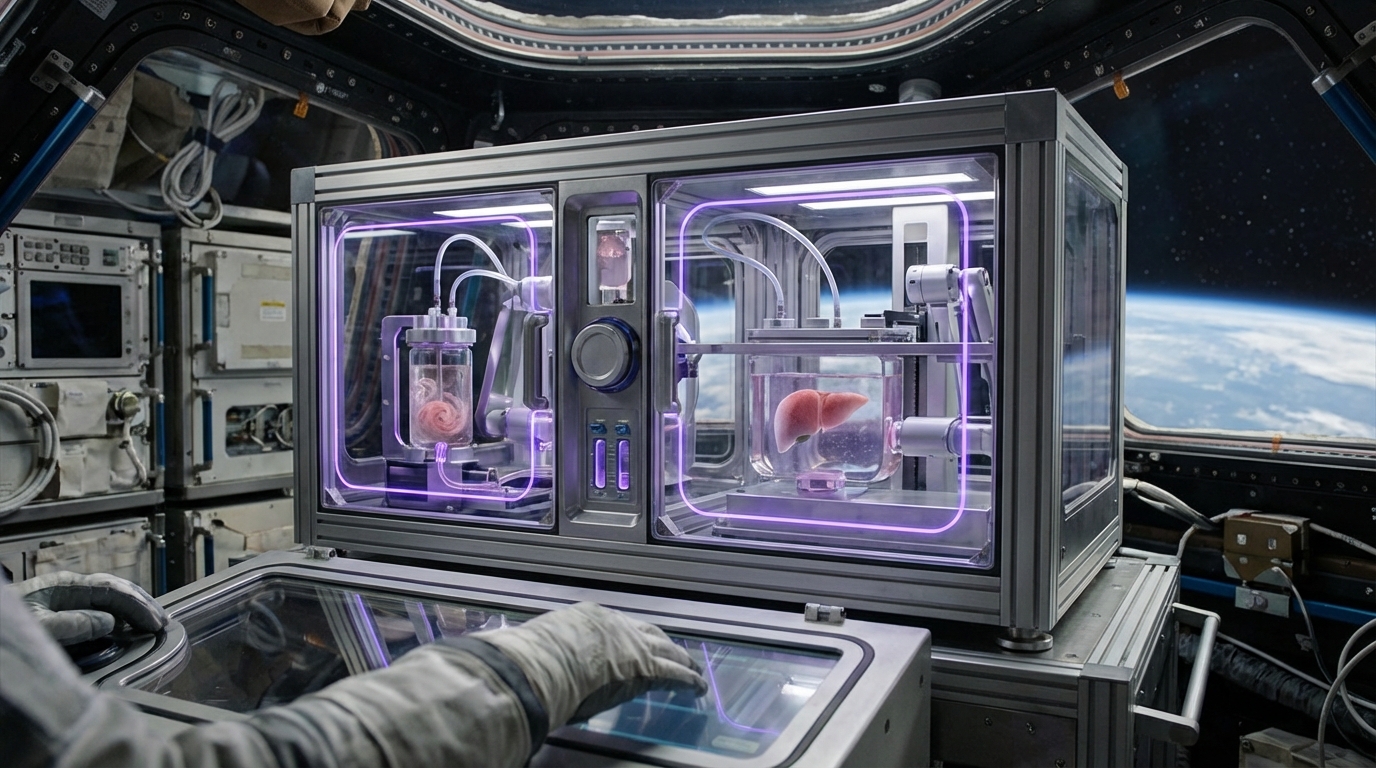
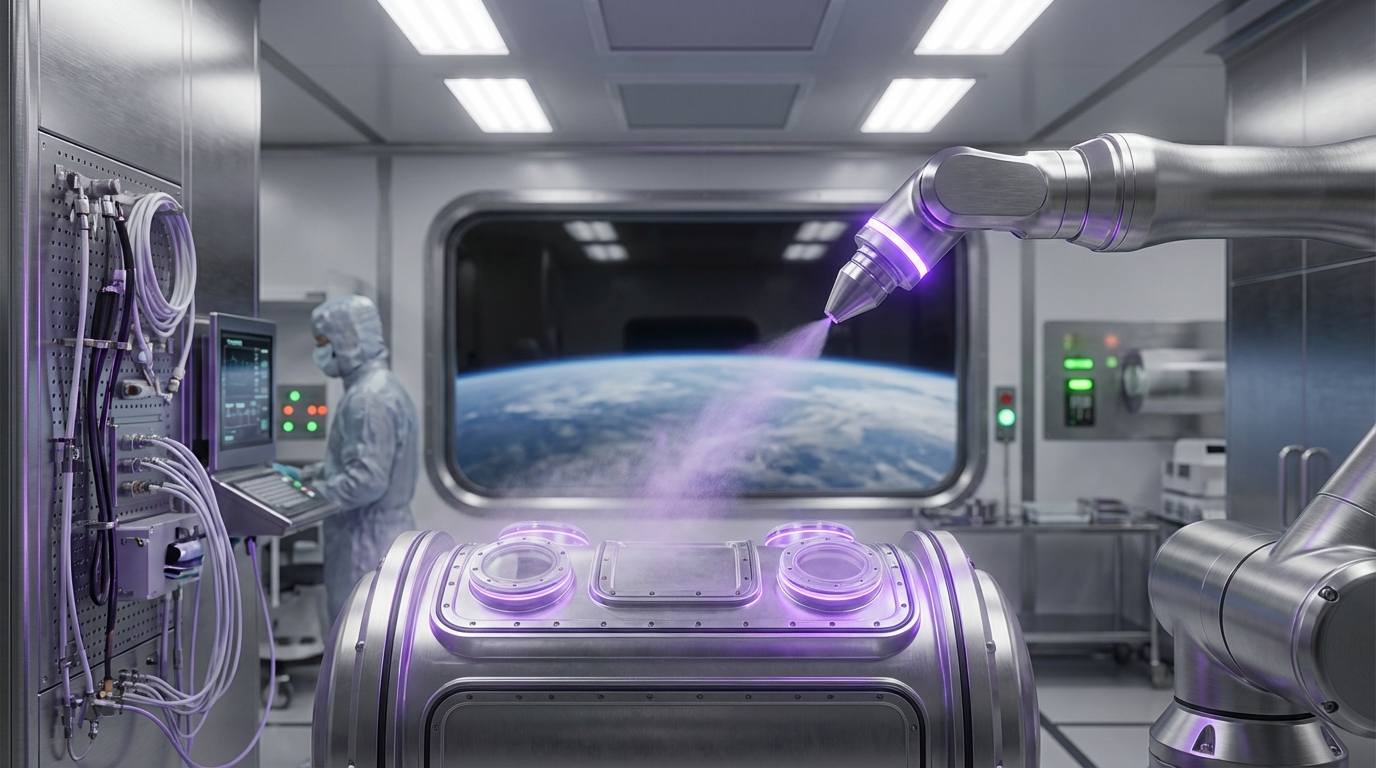
Manufacturing pharmaceuticals and bioprinted tissues in orbit using microgravity conditions

Governance frameworks for space technologies with both civilian and military applications

Israeli companies develop compact satellite communication terminals and small-sat payloads for defense and commercial broadband, leveraging miniaturization expertise.

AI tools that optimize spacecraft trajectories, launch windows, and mission architectures

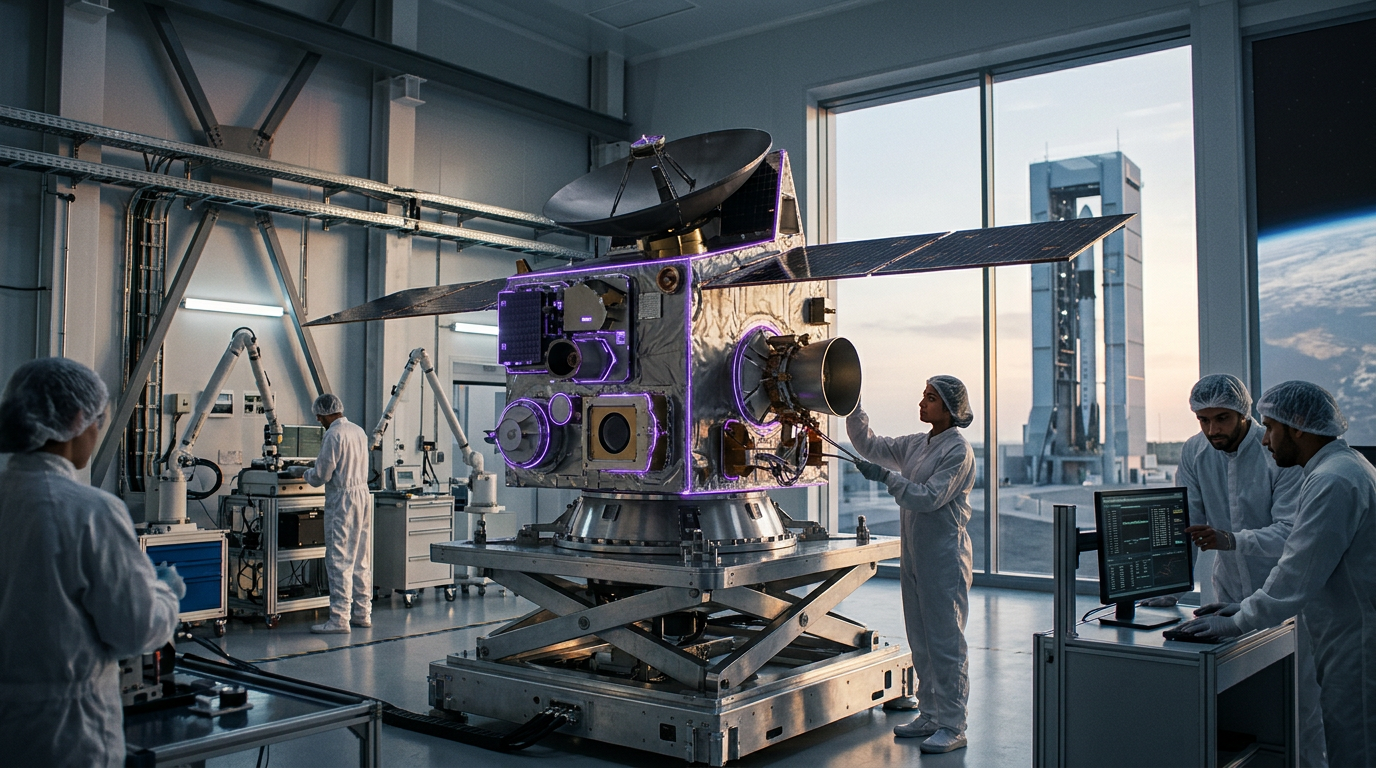
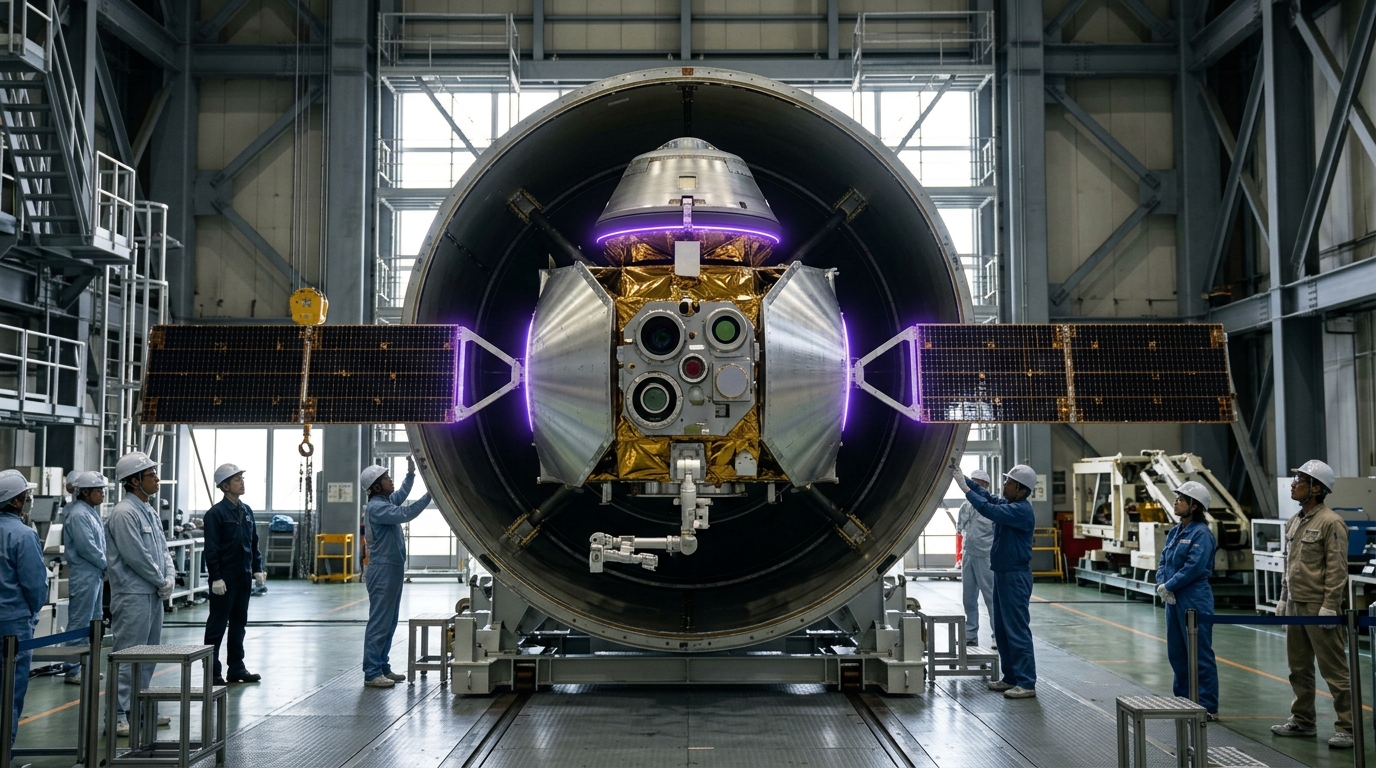
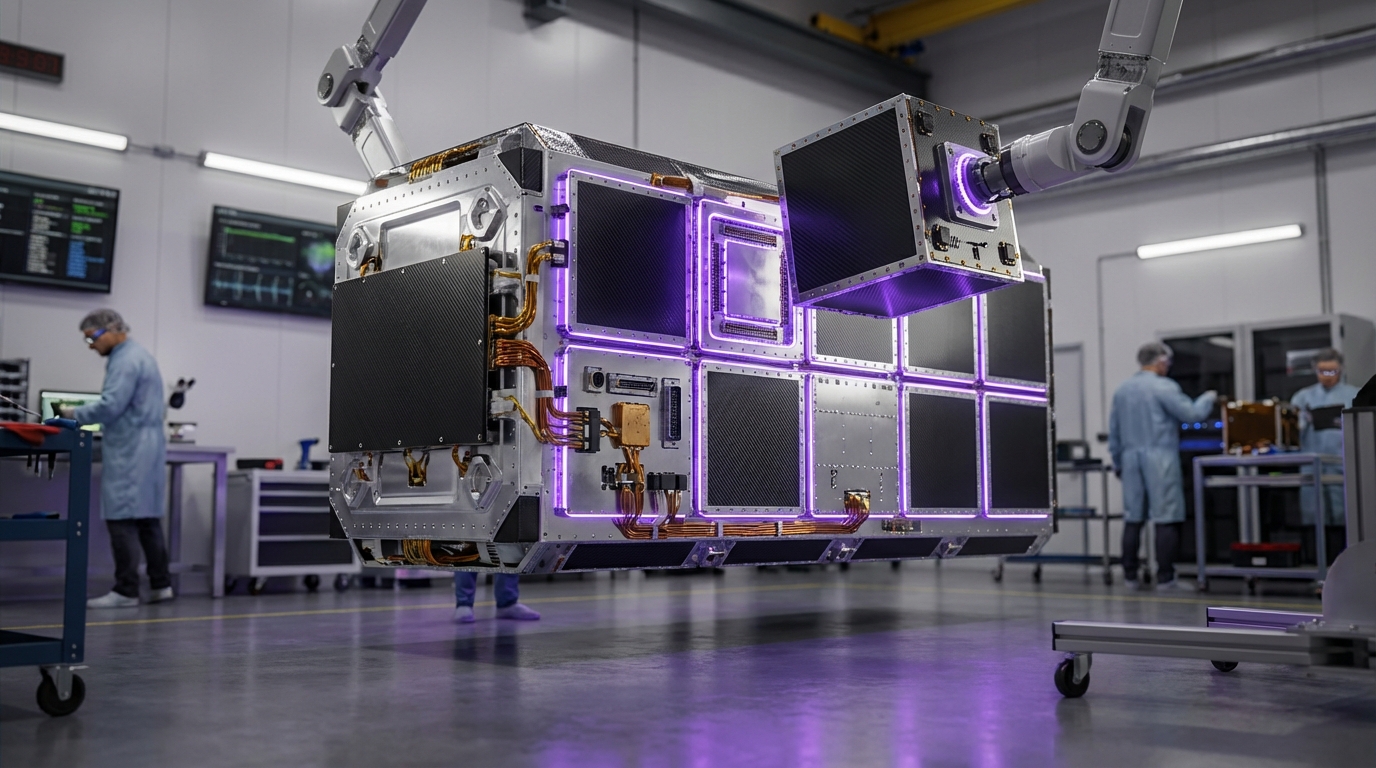
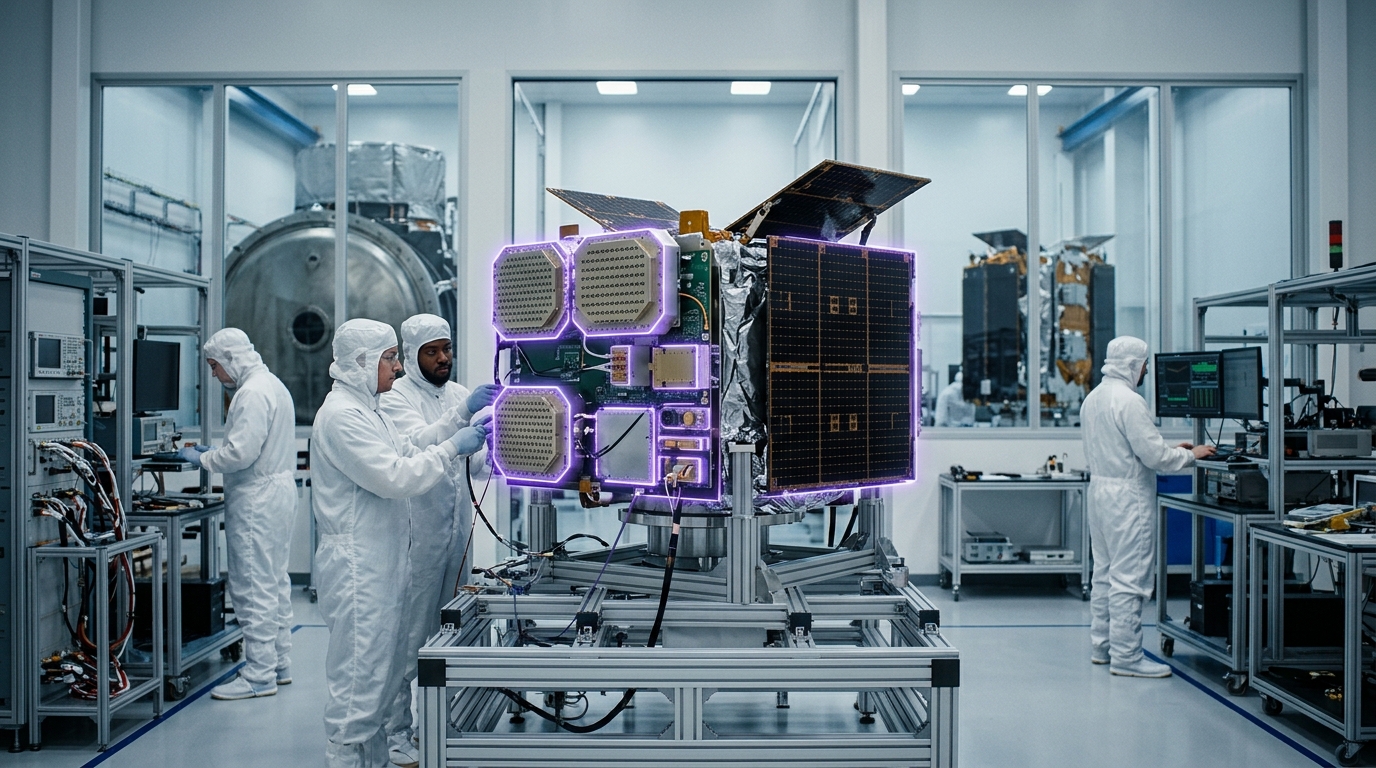
Standardized satellite platforms with swappable components for on-orbit upgrades and mission changes

Eutelsat operates 33 GEO satellites plus 600+ LEO satellites after merging with OneWeb — the world's first integrated multi-orbit broadband operator

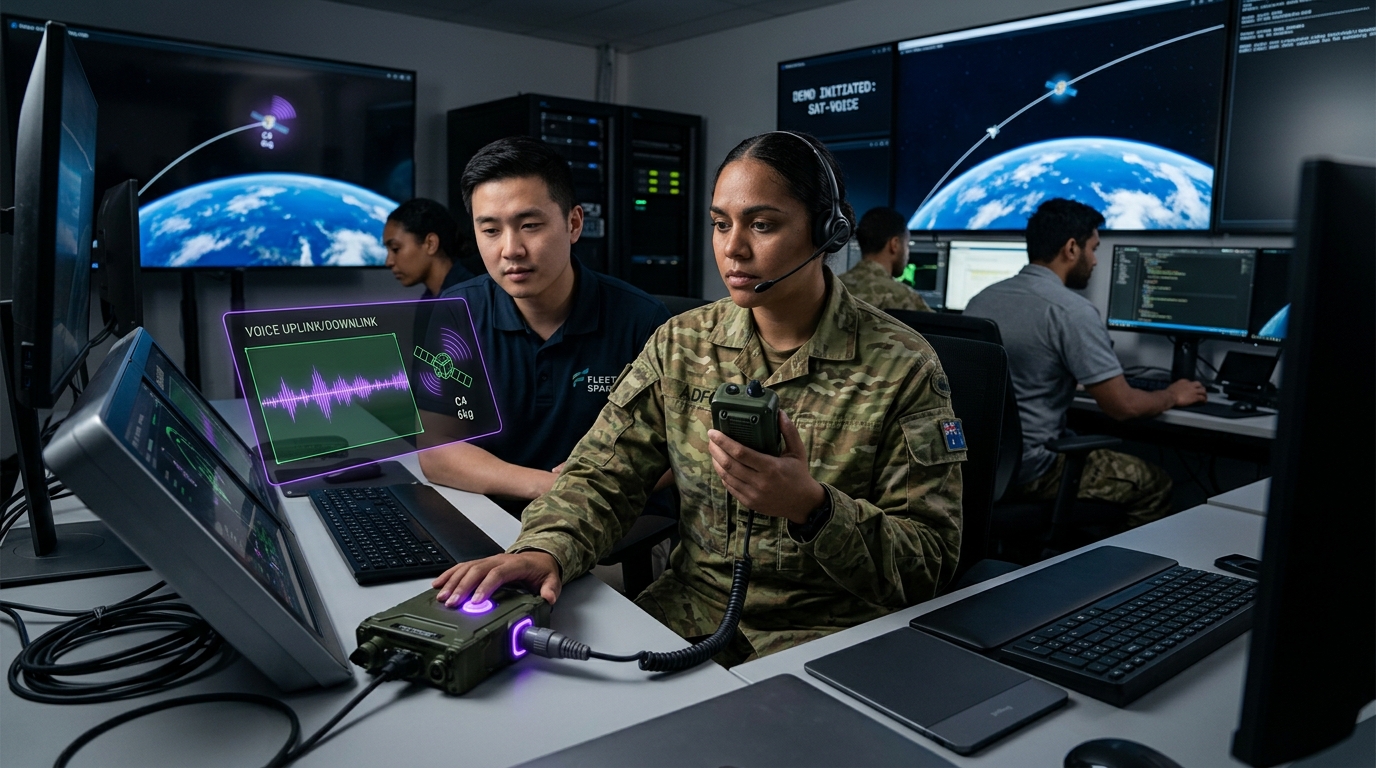
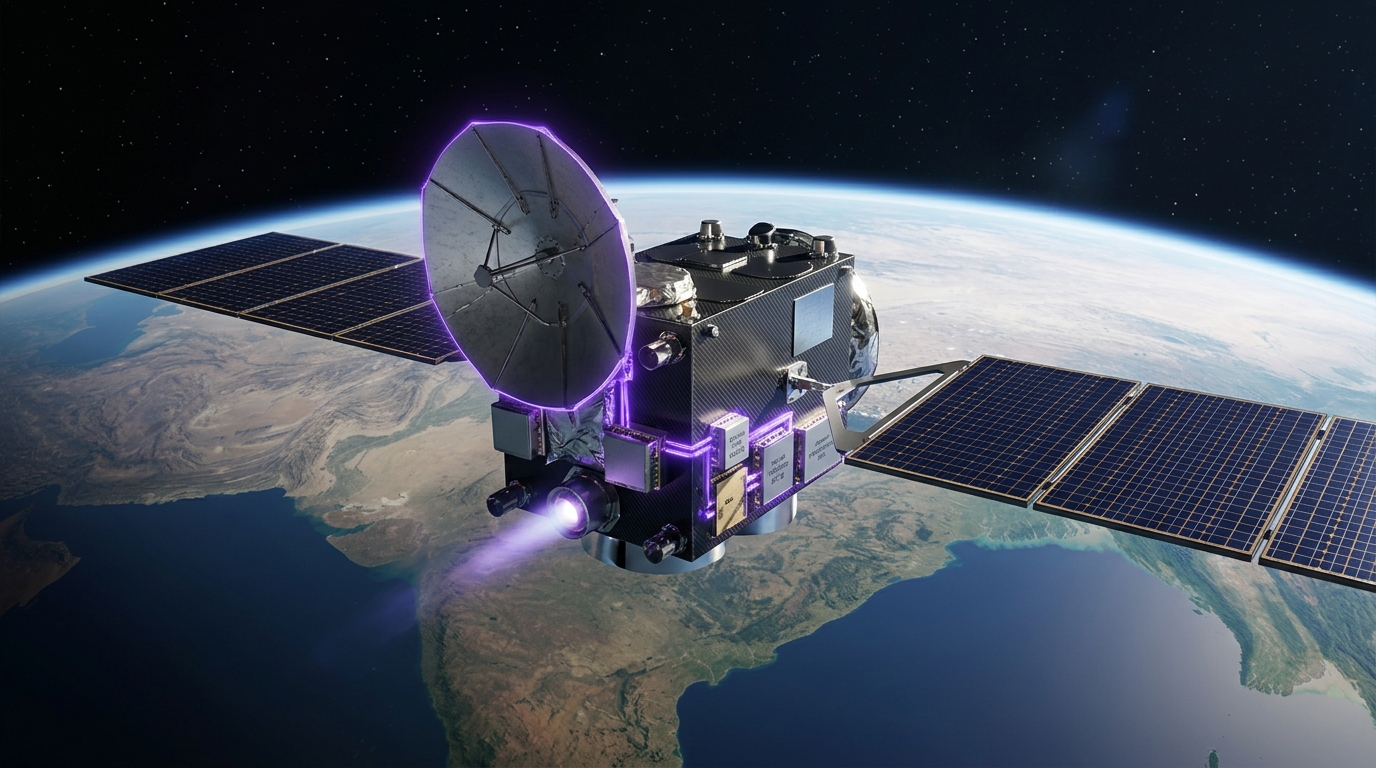
Fleet Space demonstrated satellite-enabled Push-to-Talk voice for the Australian Defence Force on the world's smallest known voice-capable satellite — Centauri-4 weighing just 6kg.

Indonesia is developing indigenous satellite communication capabilities through LAPAN/BRIN, targeting broadband coverage across its 17,000-island archipelago to reduce Starlink dependence.

India's indigenous satellite navigation system provides position accuracy within 5 meters across the Indian subcontinent, reducing dependence on GPS.

Orbital launch sites in New Zealand enabling frequent small satellite missions

High-efficiency electric and nuclear engines enabling faster, farther deep-space travel

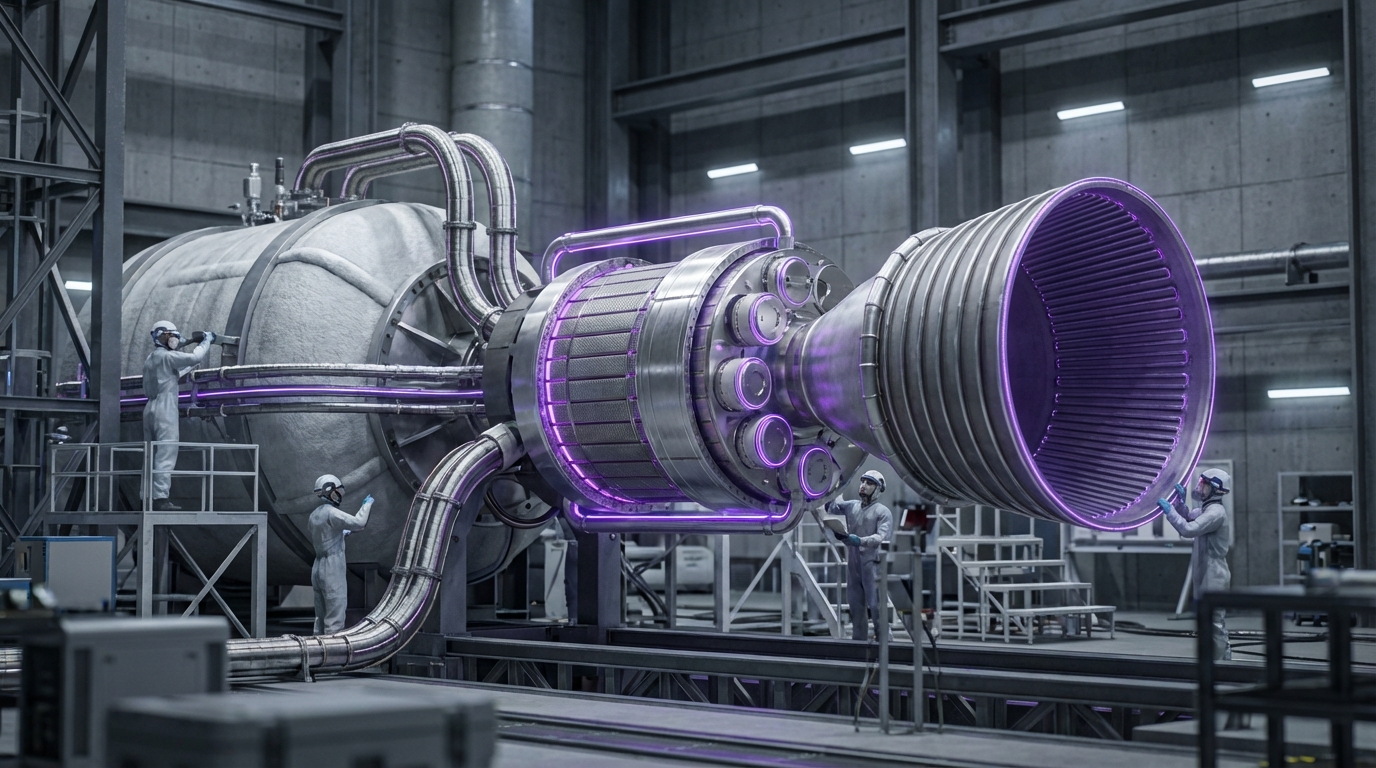
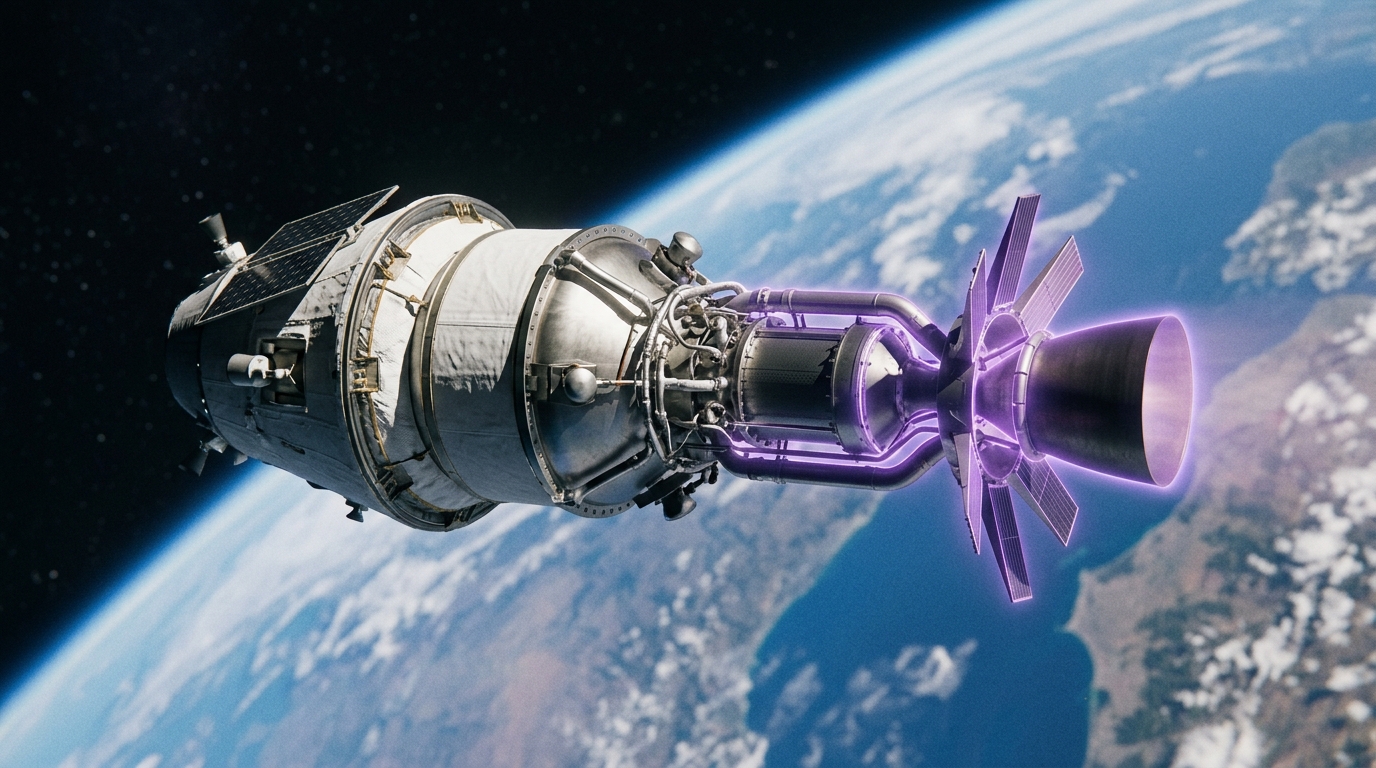
Nuclear reactors heating hydrogen propellant for faster deep-space missions

DARPA's DRACO program, with Lockheed Martin building the spacecraft, aims to demonstrate nuclear thermal propulsion in orbit by 2027 — cutting Mars transit time from 9 months to 3-4 months.

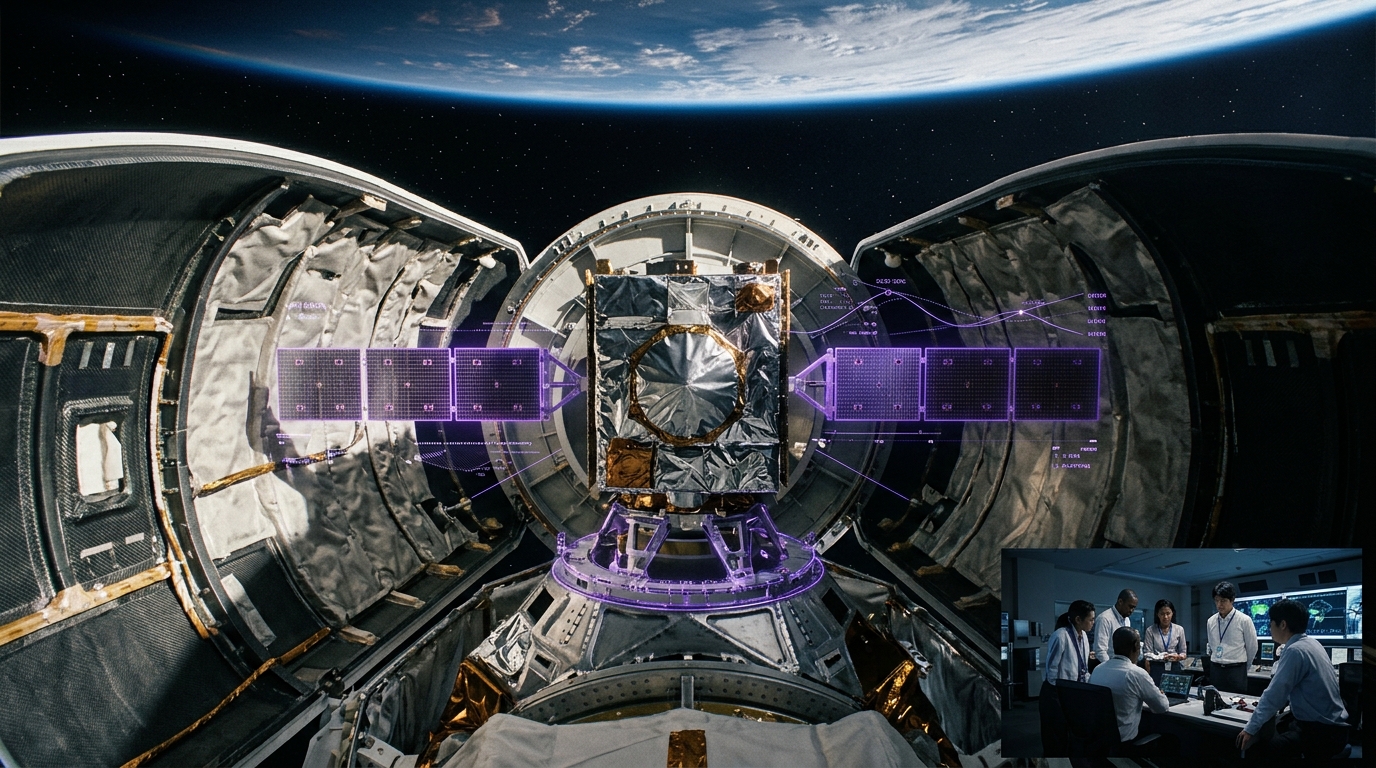
Robotic systems constructing satellites, antennas, and telescopes directly in orbit

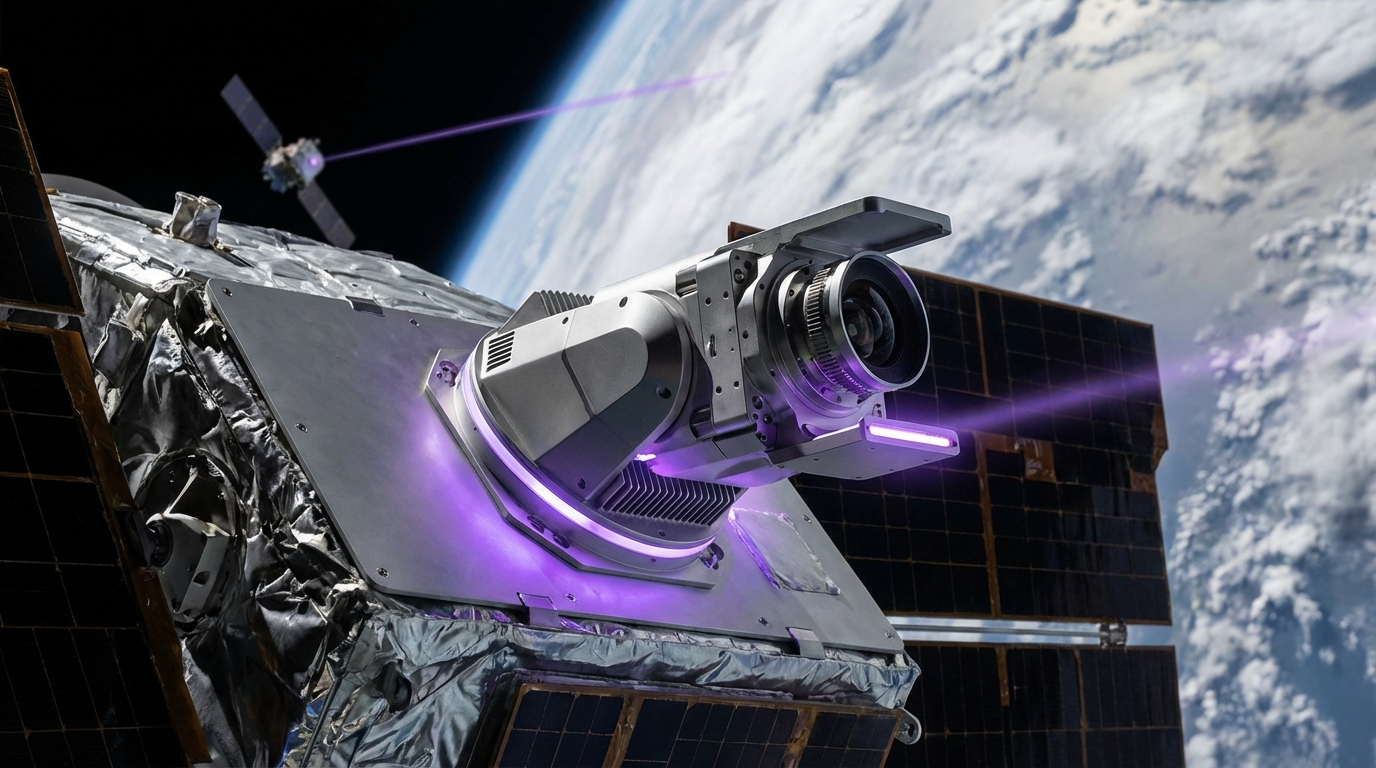
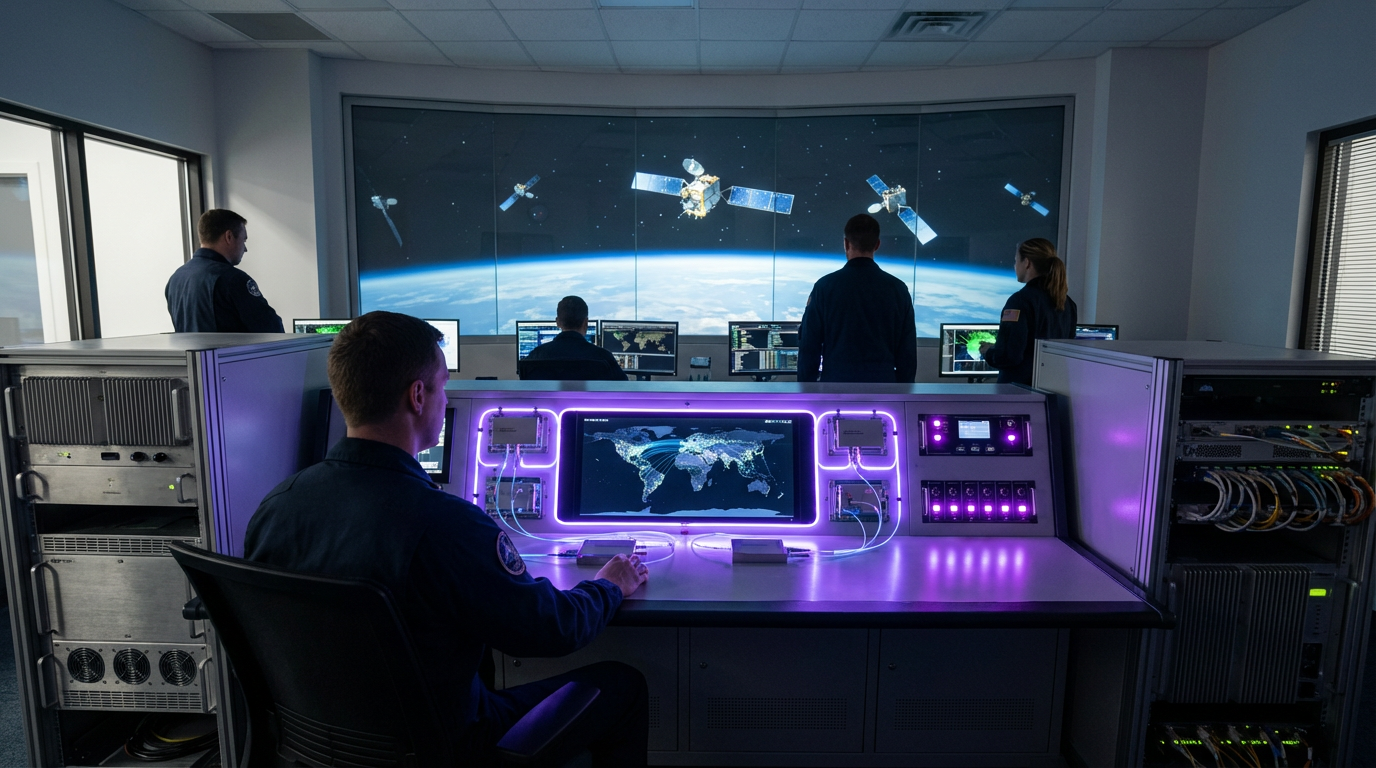
Laser crosslinks between satellites enable ground-station-independent data routing in orbit, now deployed across thousands of Starlink and SDA military satellites.

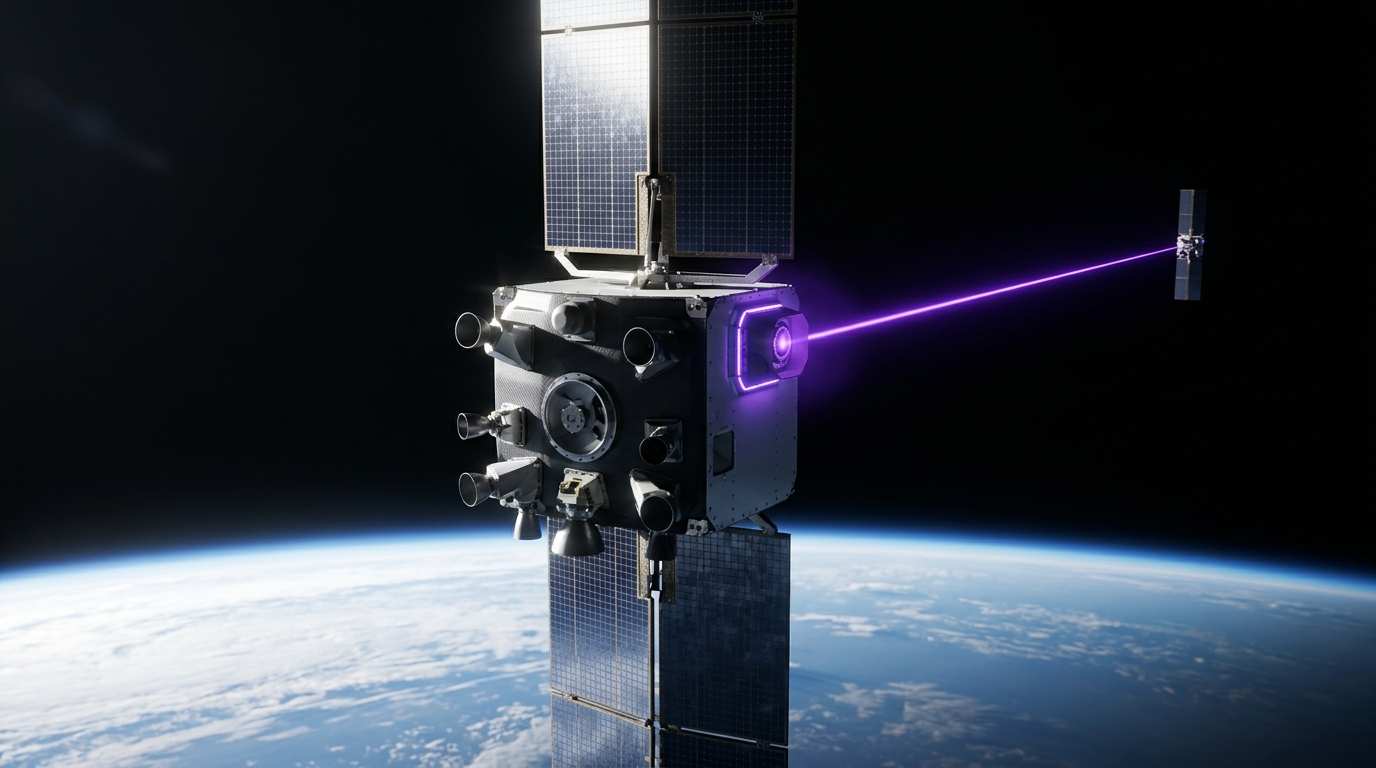
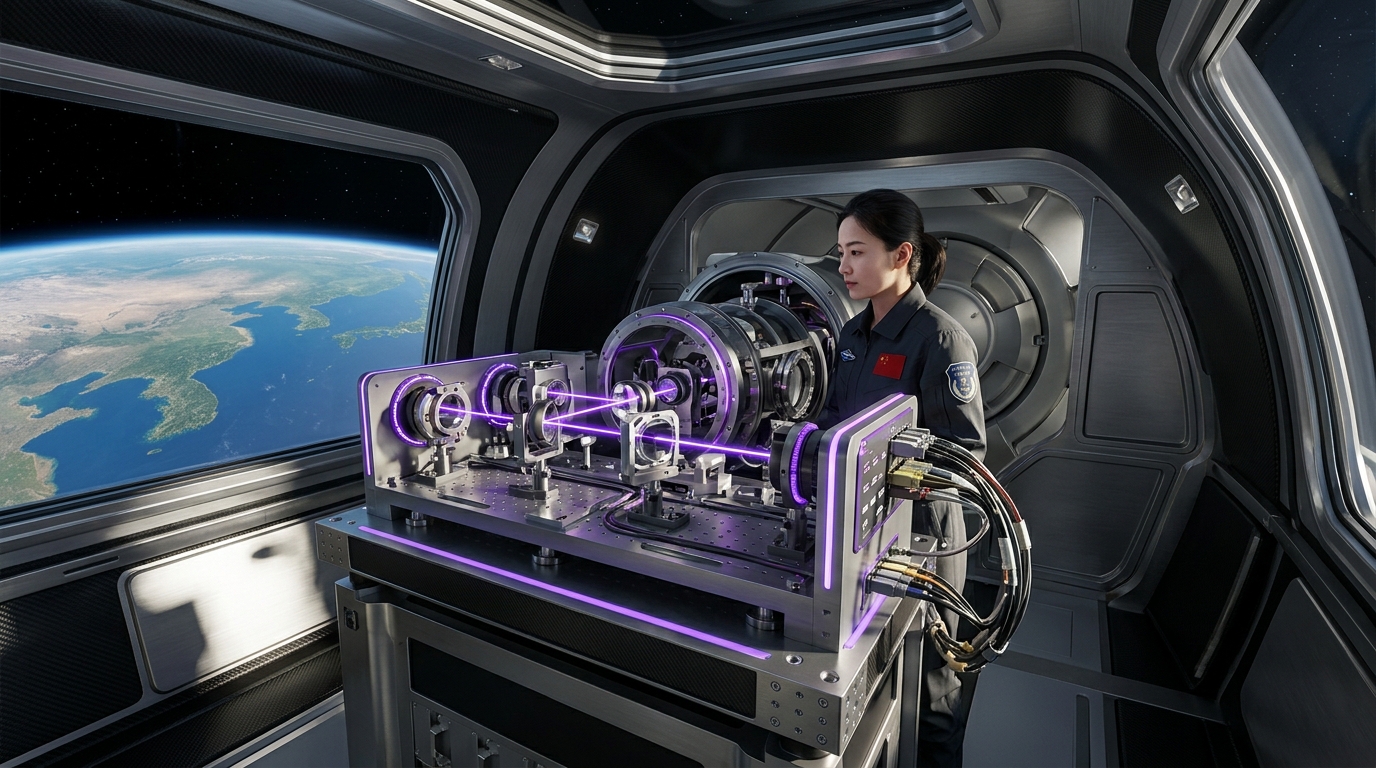
Laser beams connecting satellites directly for high-speed data routing without ground stations

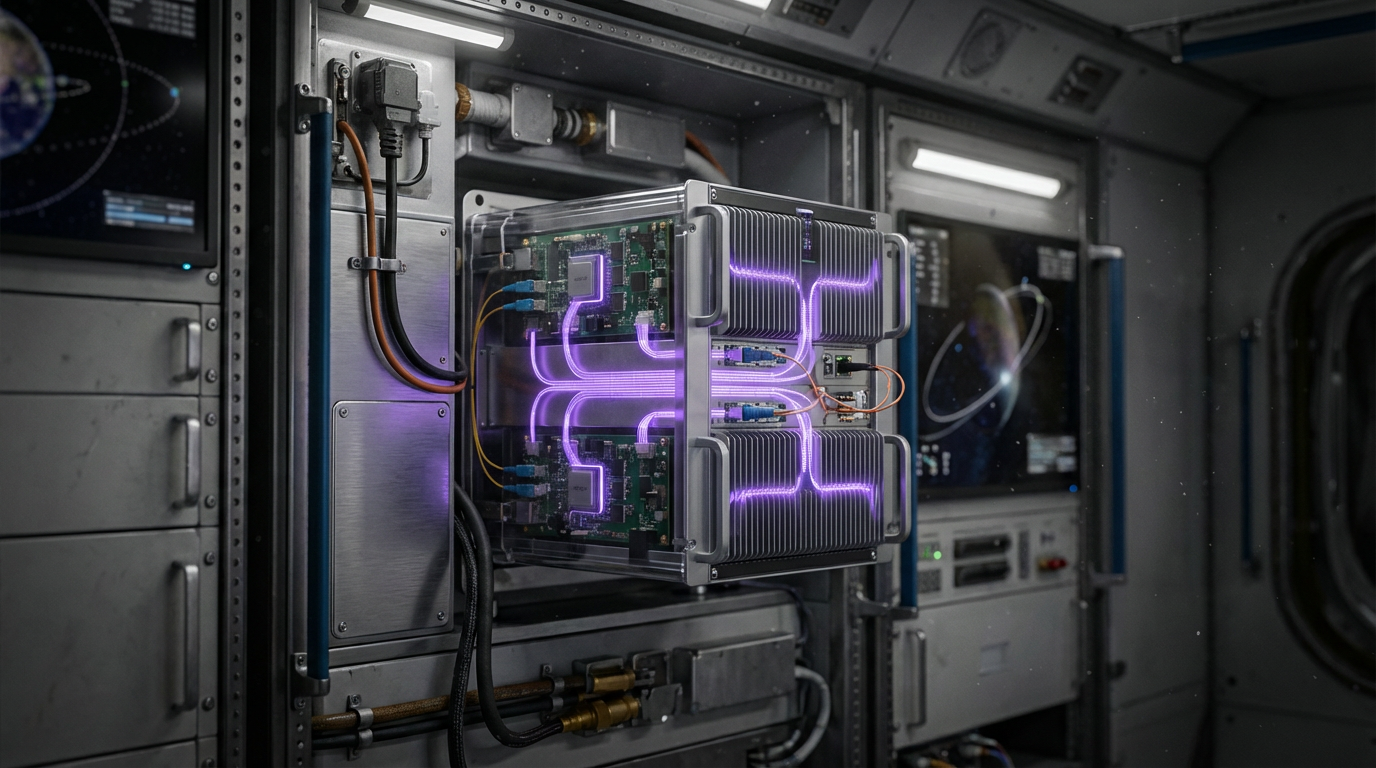
Space-based computing facilities using vacuum conditions for passive thermal management

Governance frameworks and removal technologies for managing space debris and collision risks

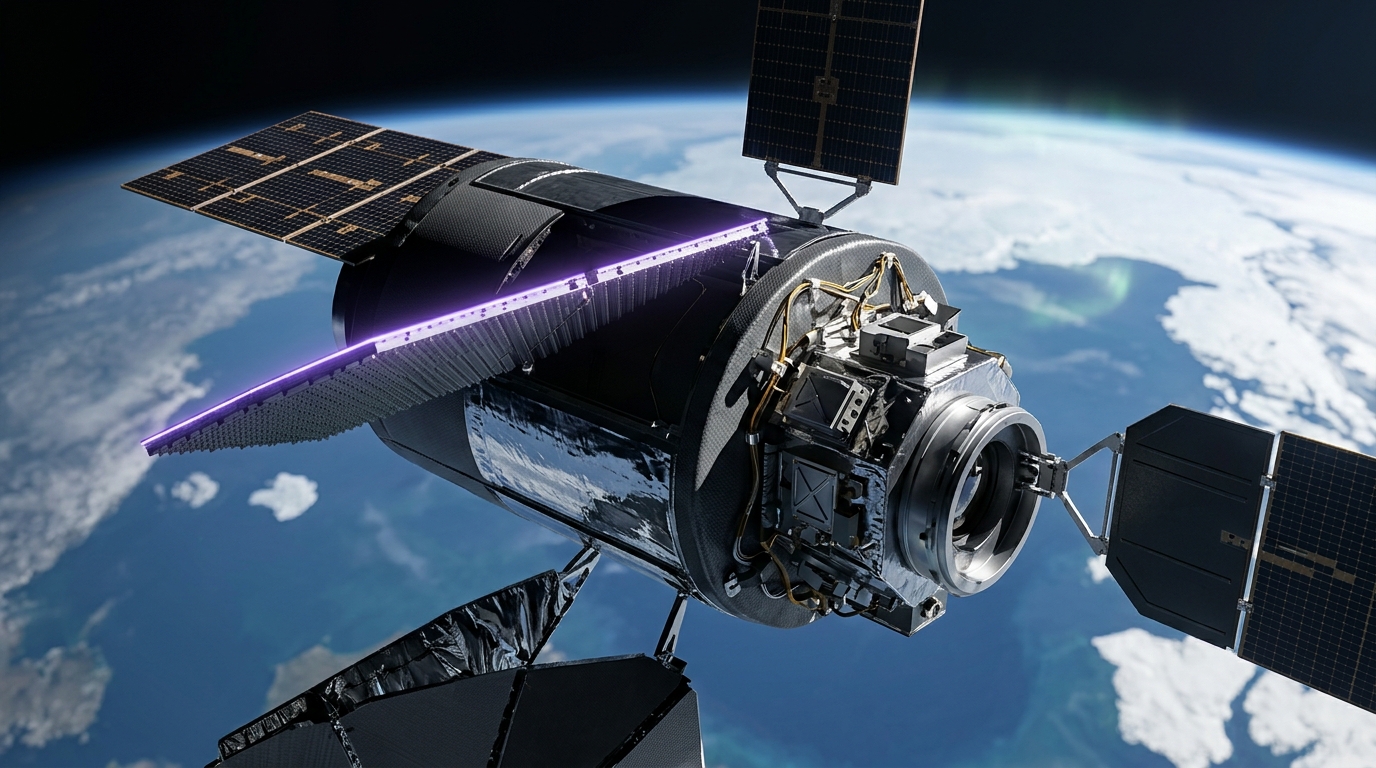
Satellites with onboard processing power that analyze Earth observation data before transmission

Automated collision prediction and maneuver coordination for satellites in crowded orbits

India's first private satellite constellation — six Firefly hyperspectral imaging satellites launched in 2025, capturing data across hundreds of spectral bands for agriculture, mining, and environmental monitoring.

Protocols preventing biological contamination between Earth and other celestial bodies

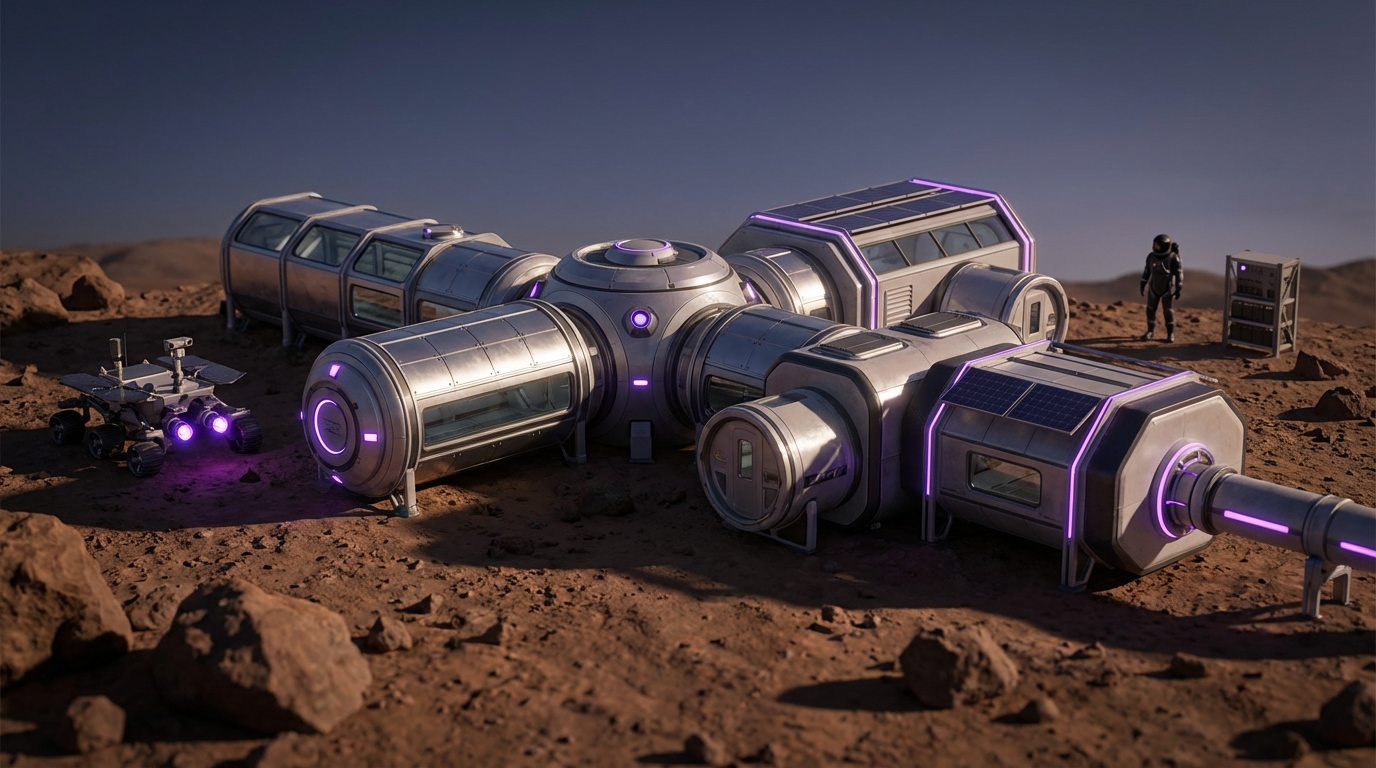
Integrated systems for long-term human living on the Moon and Mars

Electric propulsion systems that accelerate ionized gas to maneuver satellites and spacecraft

Suborbital rocket delivery enabling global cargo transport in under an hour

Reusable rockets delivering cargo or passengers anywhere on Earth in under an hour

Space-based wide-area surveillance program using RADARSAT data and dedicated Arctic monitoring for maritime domain awareness and sovereignty assertion.

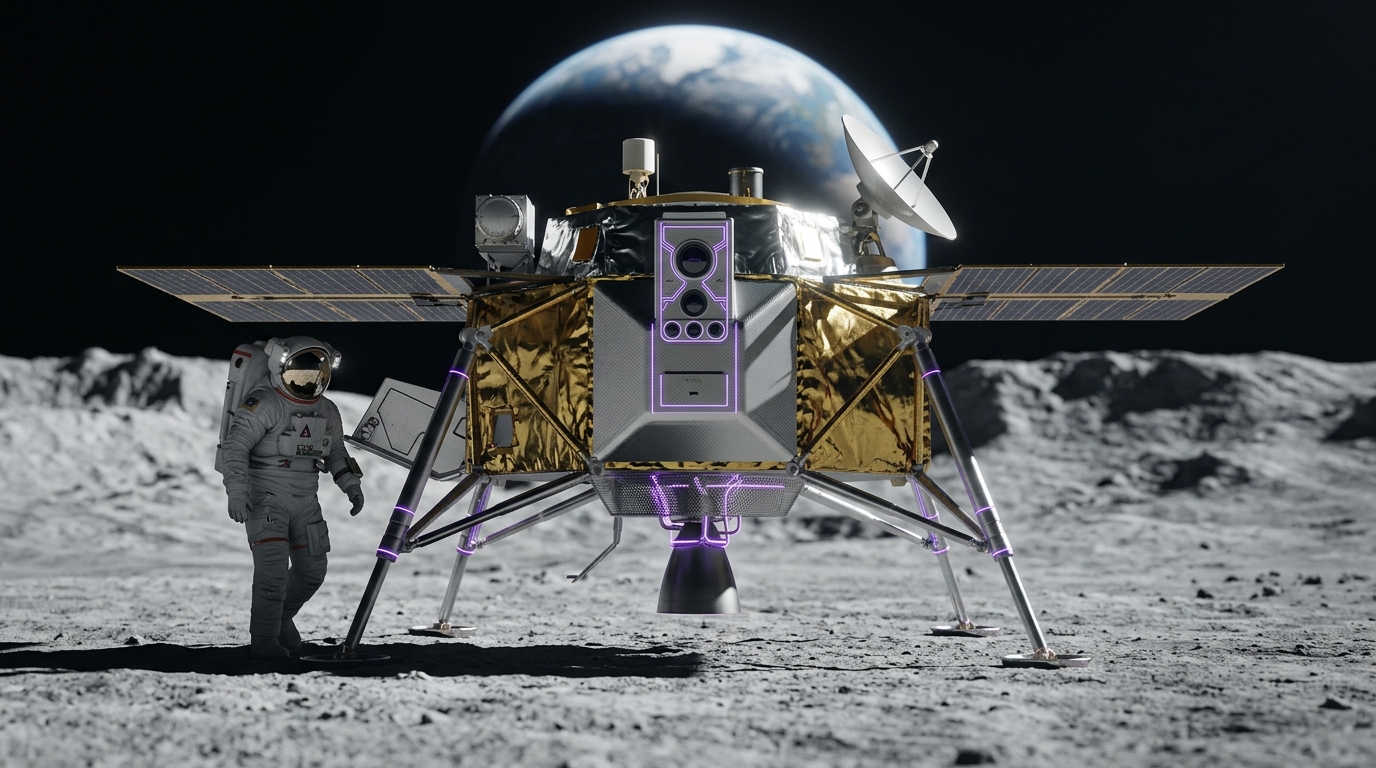
JAXA's SLIM 'Moon Sniper' achieved pinpoint lunar landing within 55 meters of target in January 2024 — demonstrating navigation technology applicable to all future planetary missions.

ispace secured a $55M NASA CLPS contract and signed a JAXA propulsion study agreement — building Japan's private space sector alongside government missions.

ISRO's Polar Satellite Launch Vehicle has completed 60+ missions with 90%+ success rate, launching 400+ foreign satellites and earning India a reputation as the world's most cost-effective launch provider.

China's Starlink competitor plans 15,000+ LEO satellites — 90 launched by mid-2025, behind schedule but targeting global coverage by 2027

Japan's regional GNSS augmentation system provides centimeter-level positioning over Japan and Asia-Oceania, expanding from 4 to 7 satellites by 2026 for standalone capability.

Canada invested $47M in December 2025 to expand its RADARSAT constellation with a fourth satellite, securing sovereign Earth observation capability for Arctic surveillance, disaster management, and maritime monitoring.

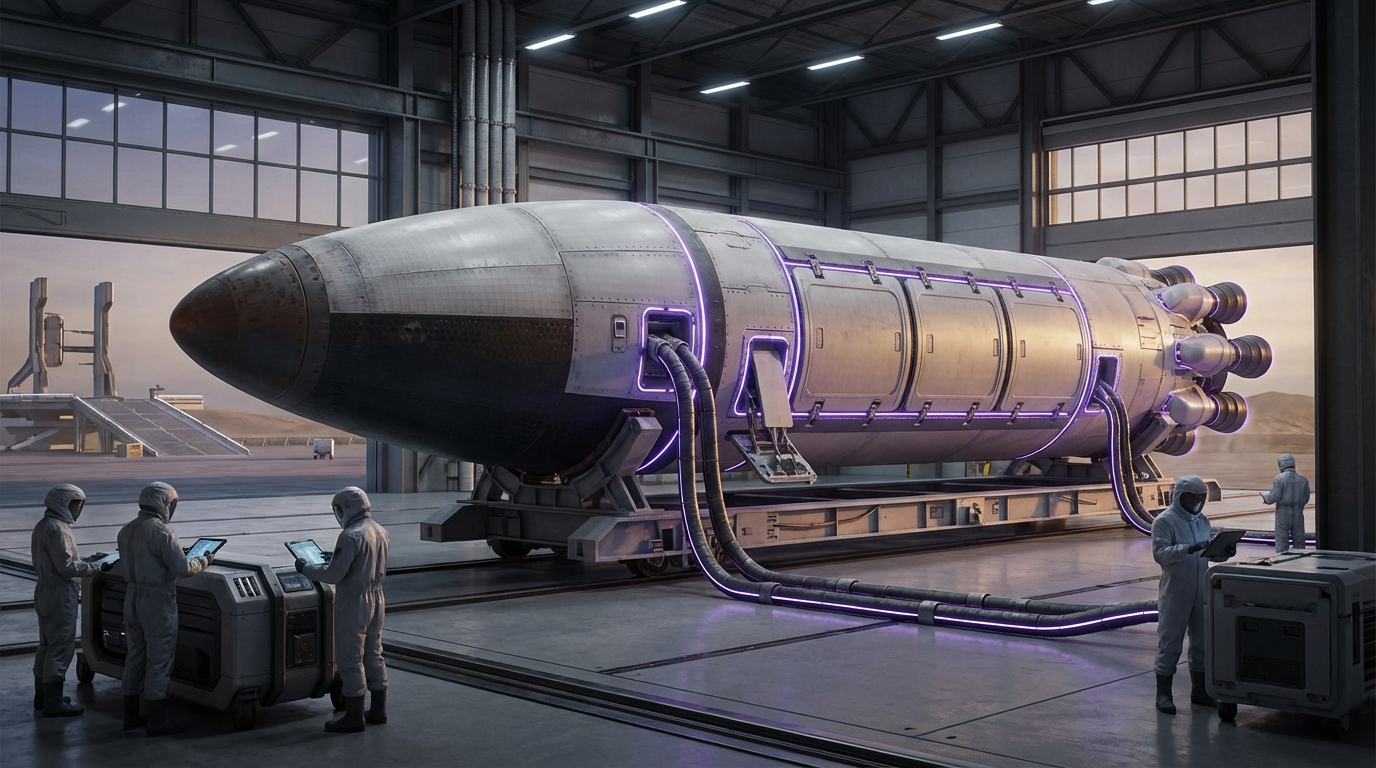
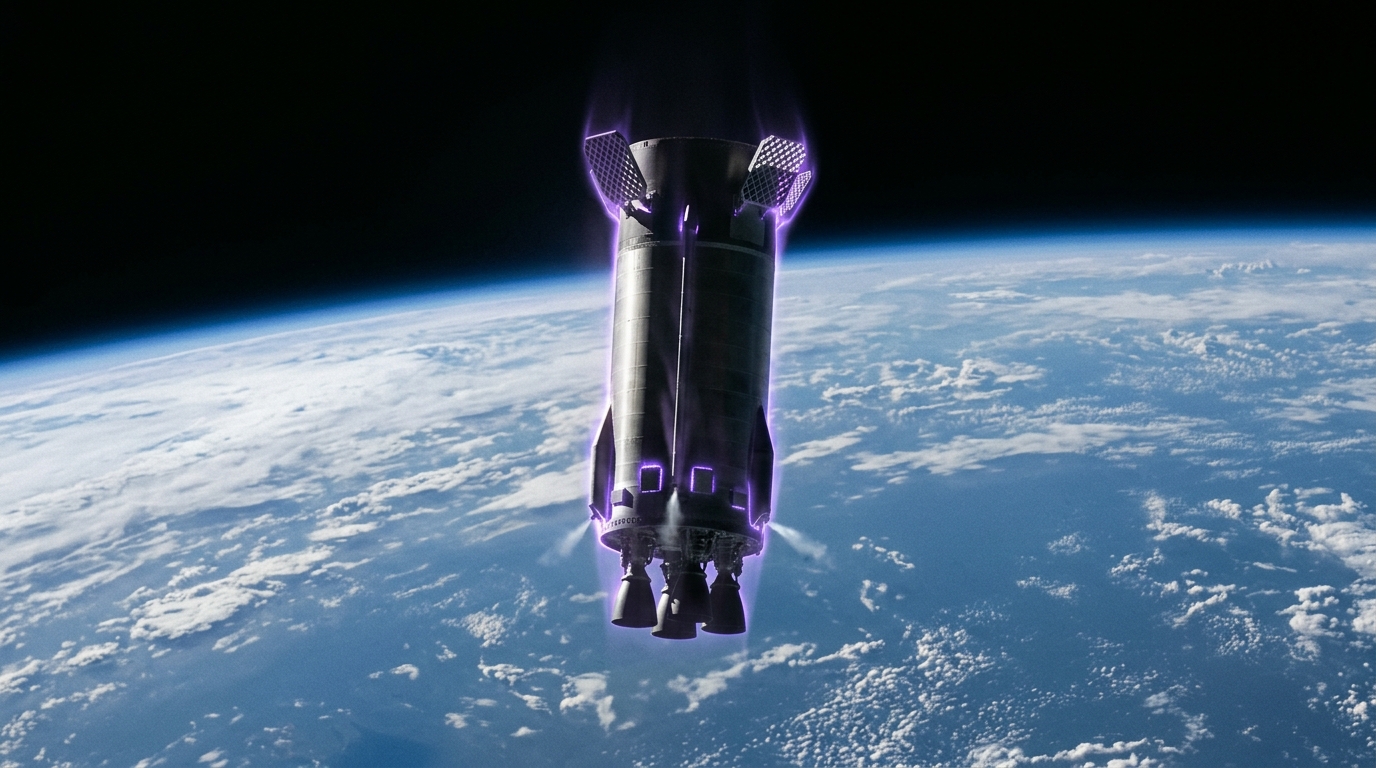
Rocket systems designed for same-vehicle relaunch within days instead of months

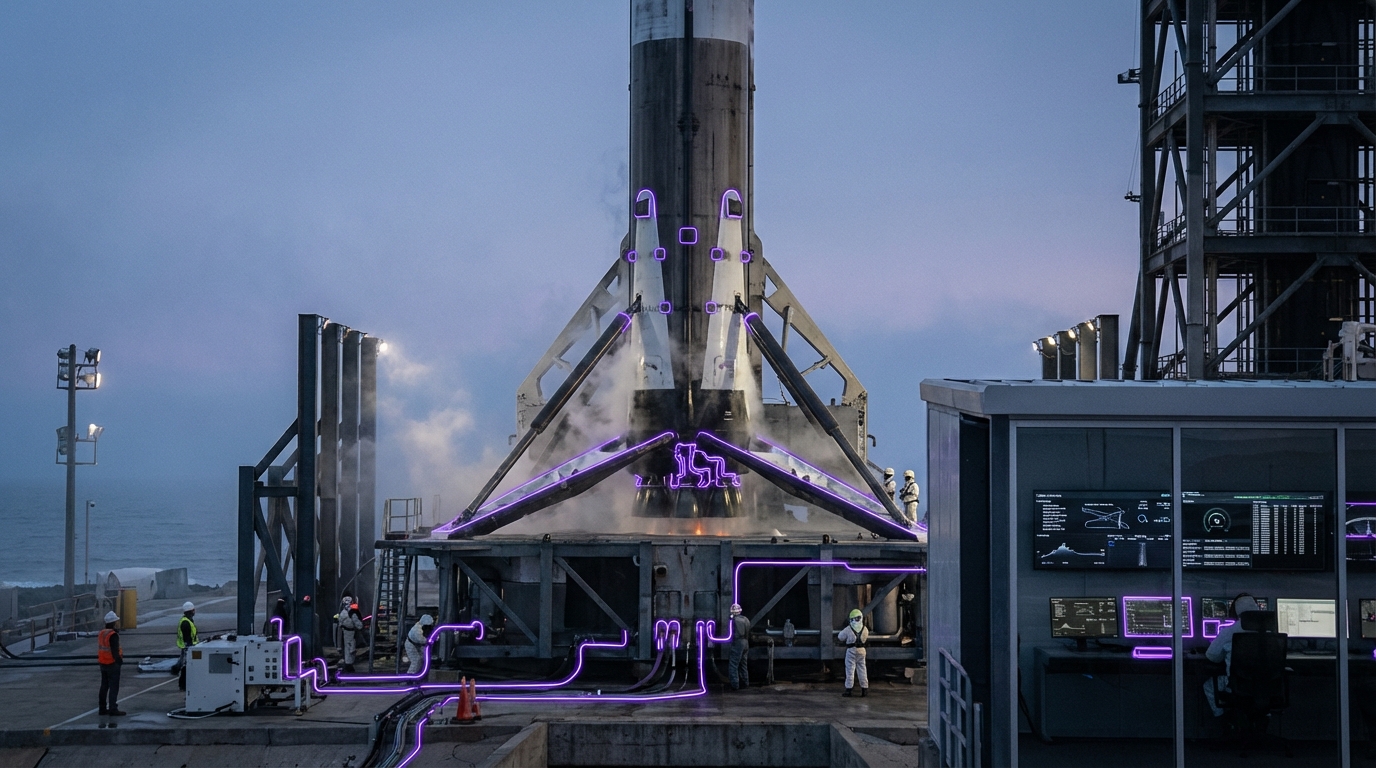
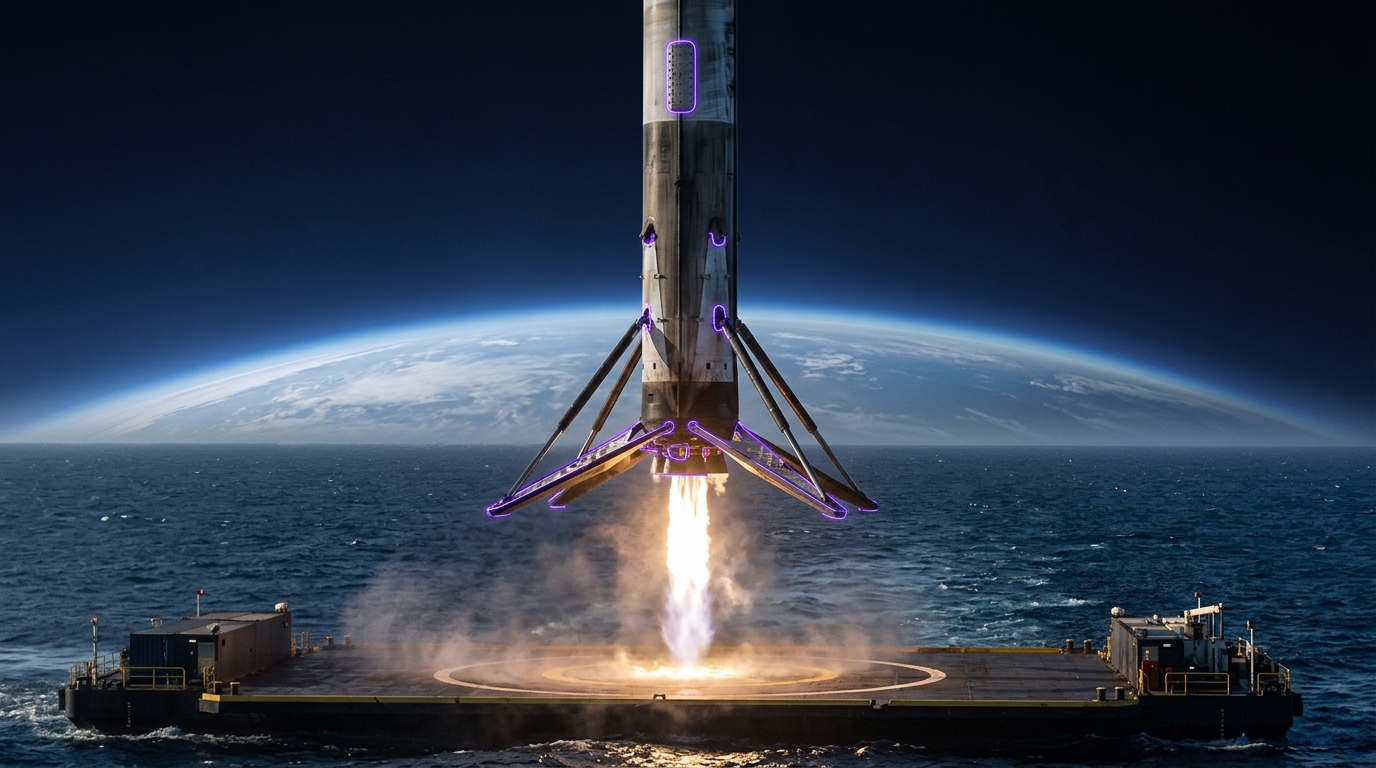
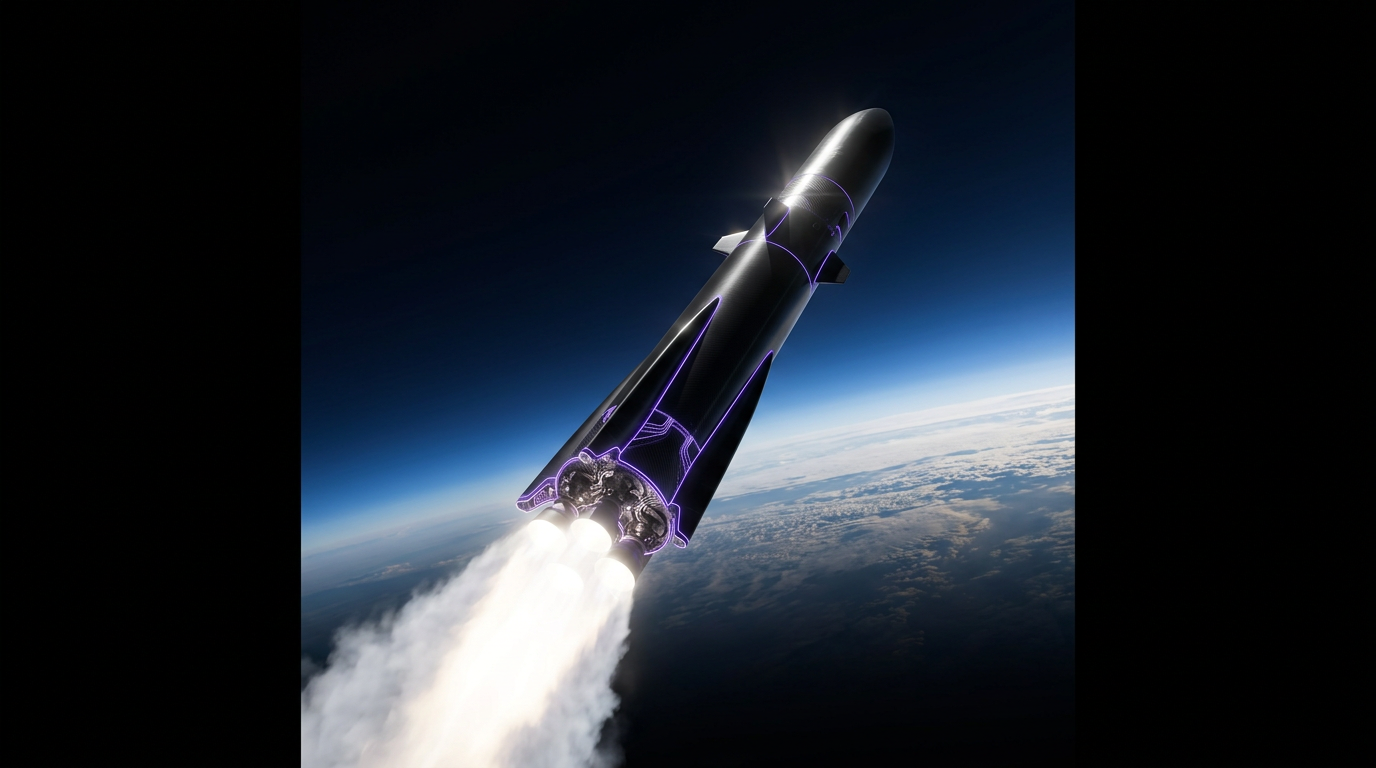
Rockets designed to land and fly again, cutting launch costs for satellite and cargo missions

ESA's Themis demonstrator and Prometheus engine target vertical landing tests in 2026 — Europe's pathway to SpaceX-class reusable rockets via MaiaSpace and Isar Aerospace.

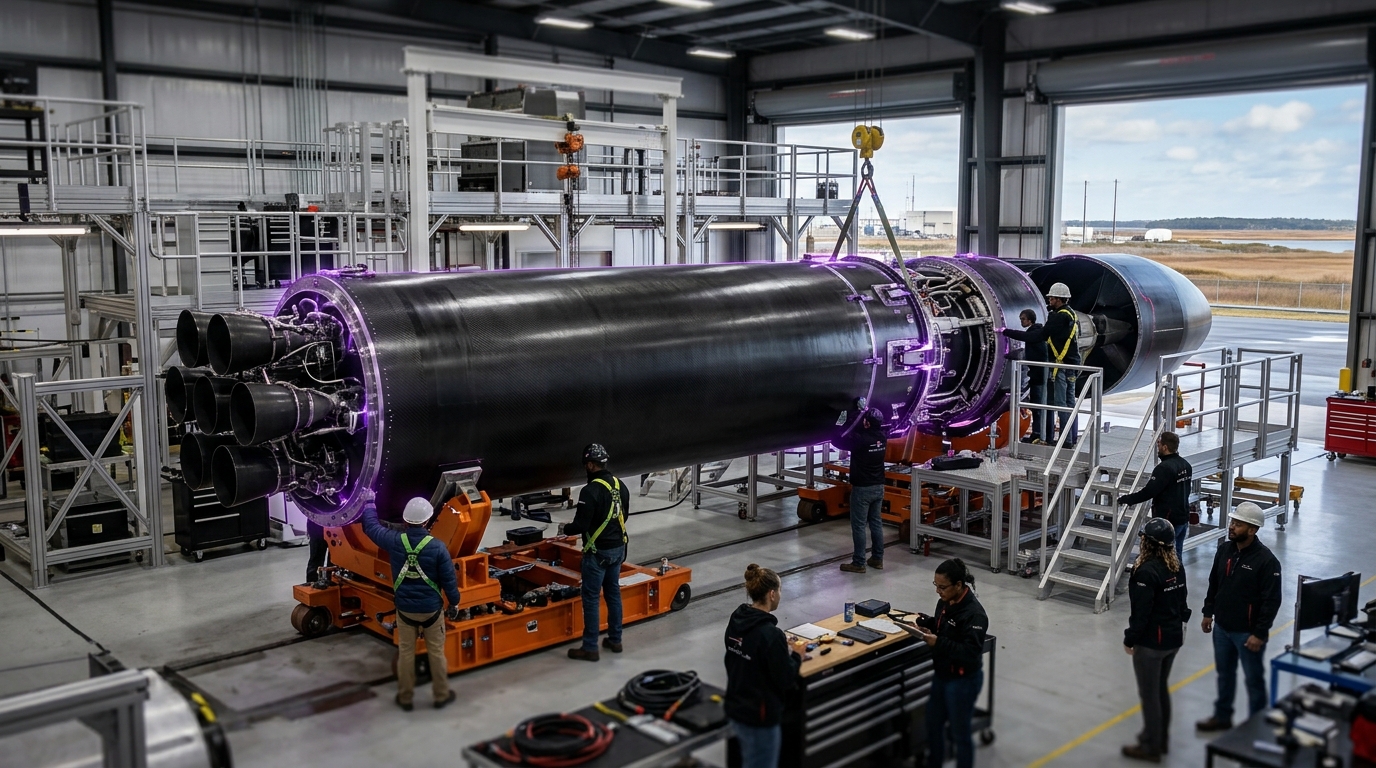
Rocket Lab's Neutron — a 43m reusable rocket carrying 13 tonnes to LEO — targets debut launch in early 2026 for constellation deployment and national security missions.

LandSpace's Zhuque-3 reached orbit in December 2025 but failed its landing attempt — one of 4+ Chinese reusable rockets expected to fly in 2026

Continuous detonation waves in annular chambers for more efficient rocket propulsion

Argentina's SAOCOM constellation — two indigenous L-band SAR satellites — provides all-weather soil moisture and crop monitoring, managed by CONAE with ESA collaboration.

Brazil's VLM microsatellite launcher program at Alcântara aims to provide indigenous orbital access from the world's most equator-proximate launch site.

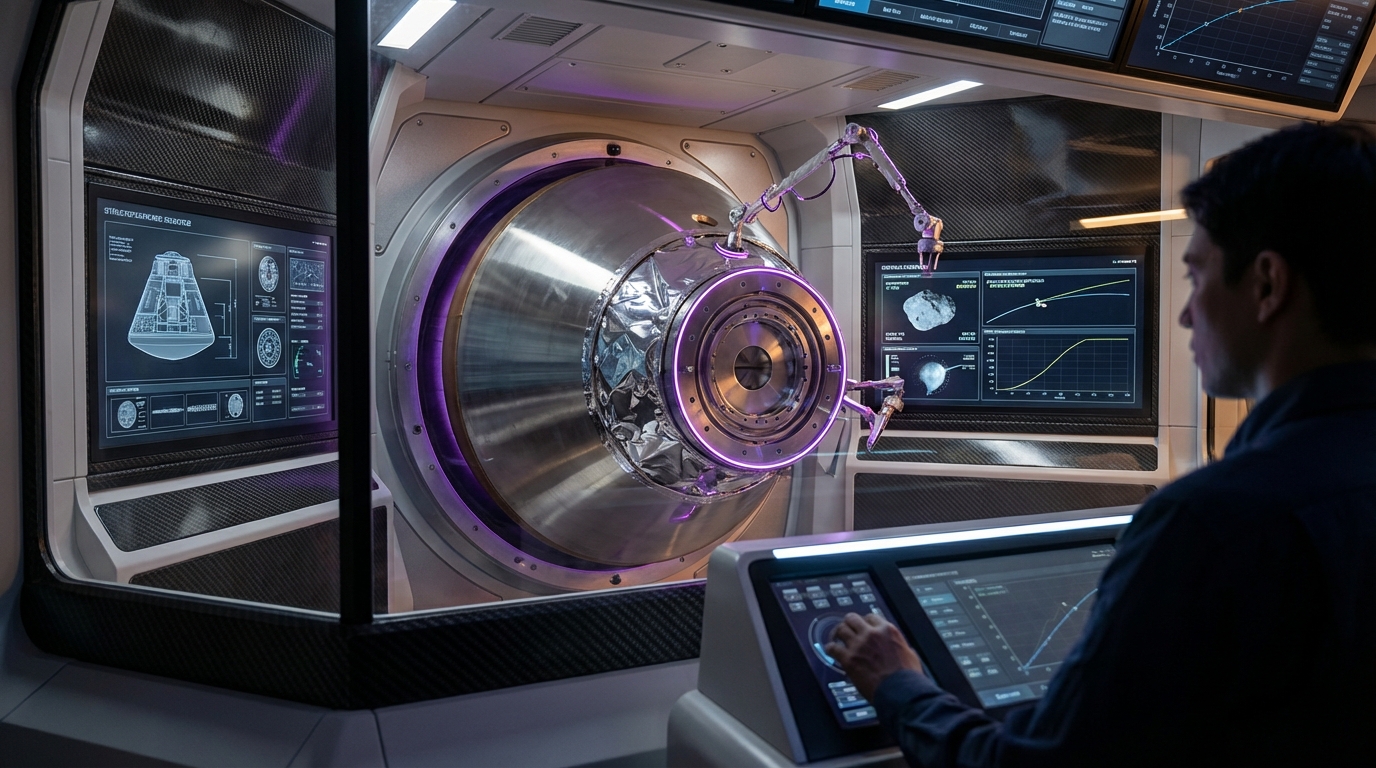
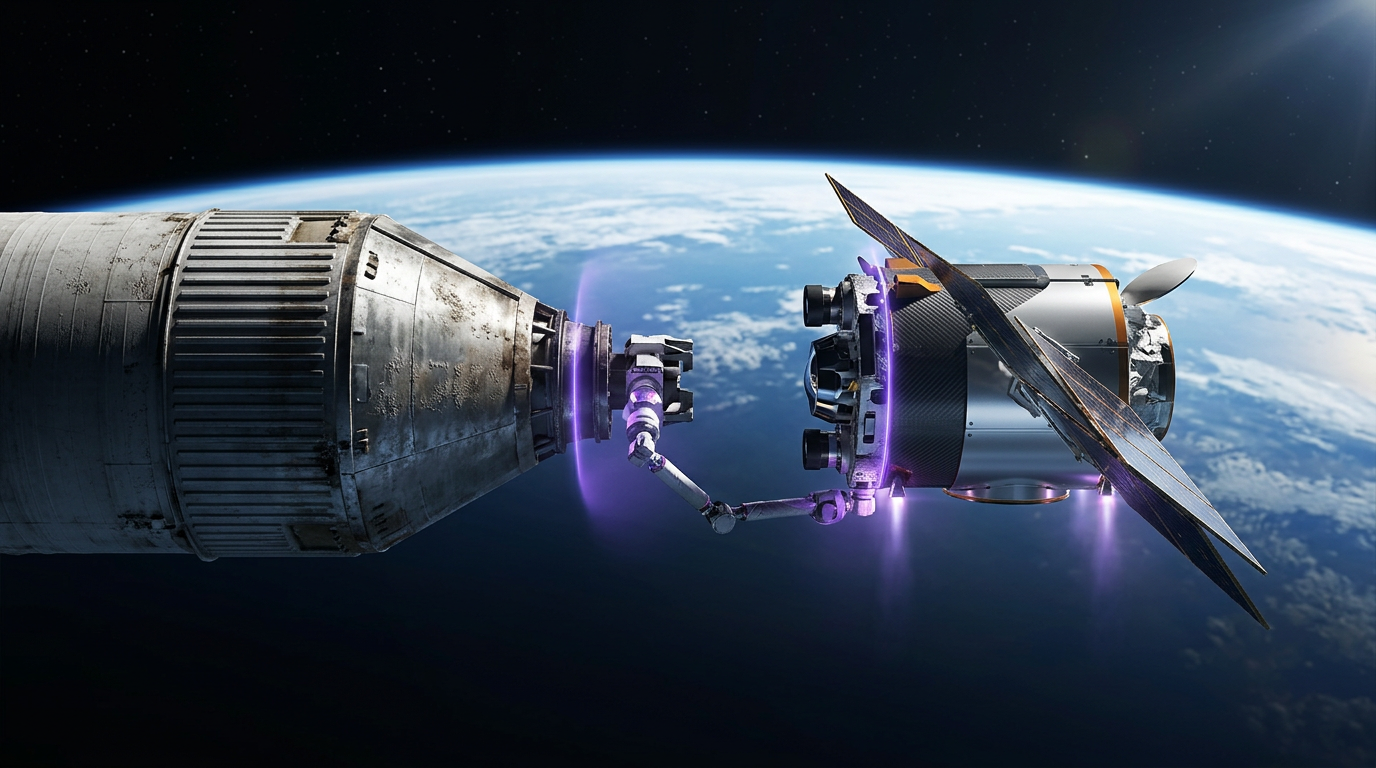
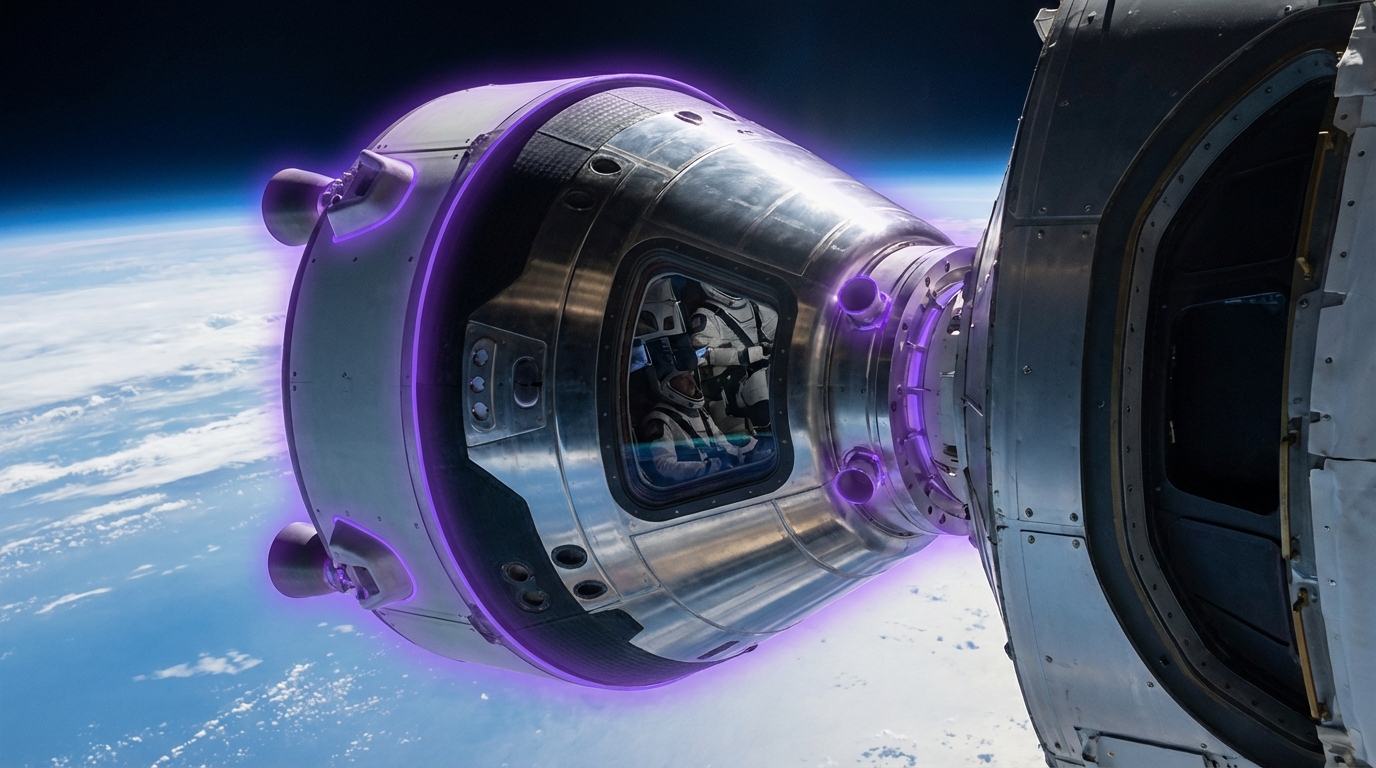
Autonomous spacecraft that dock with satellites to refuel, repair, or reposition them in orbit

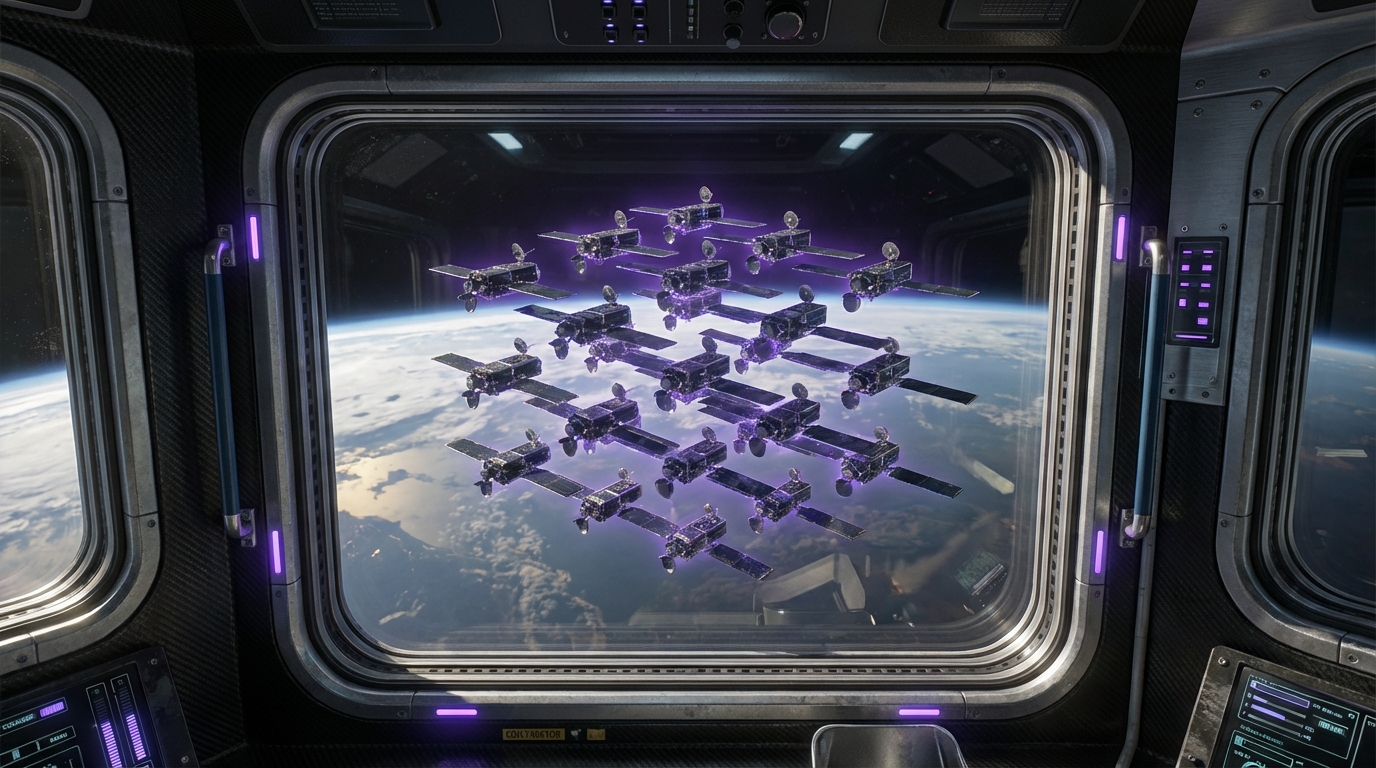
Distributed control systems enabling satellite groups to coordinate sensing, mapping, and maneuvers

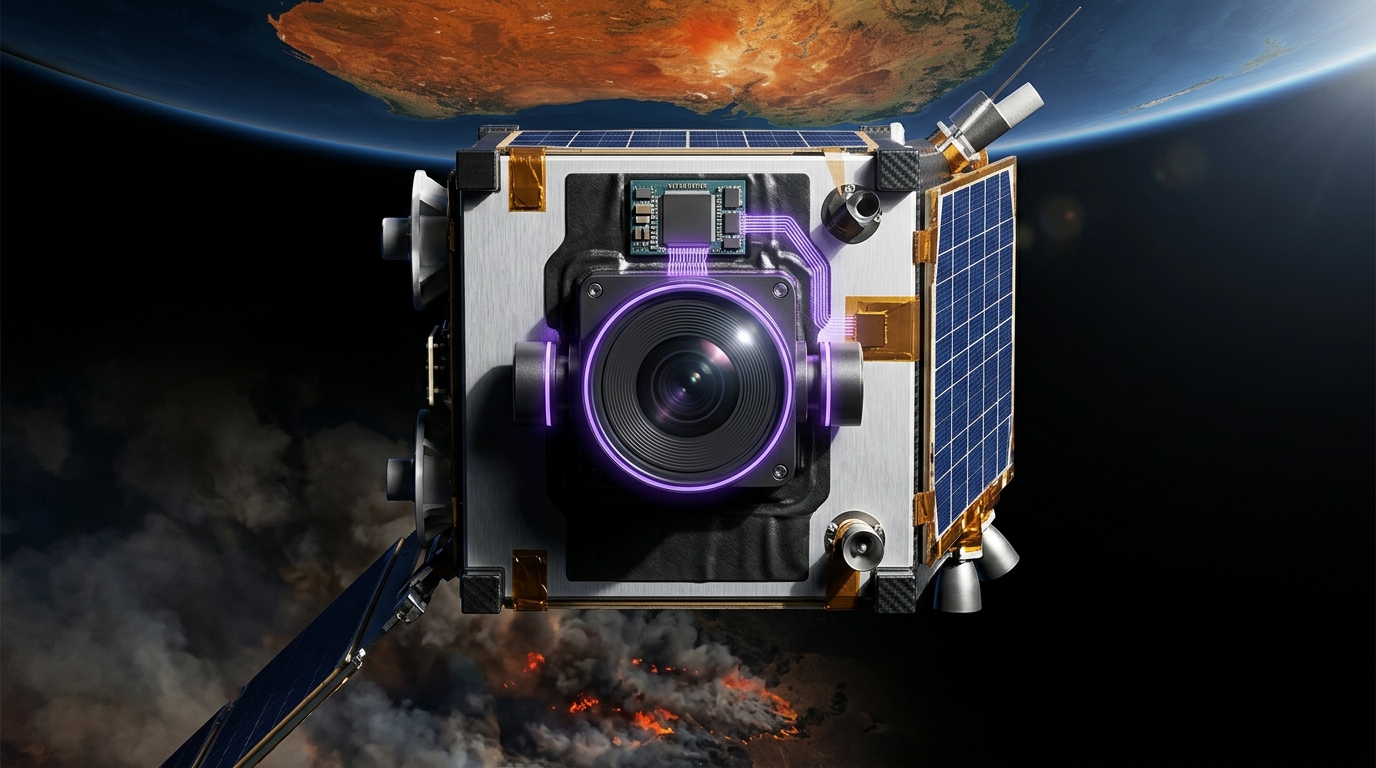
Australia's Kanyini satellite uses onboard AI to detect bushfires within minutes of ignition; FireSat constellation began detecting Australian fires in July 2025.

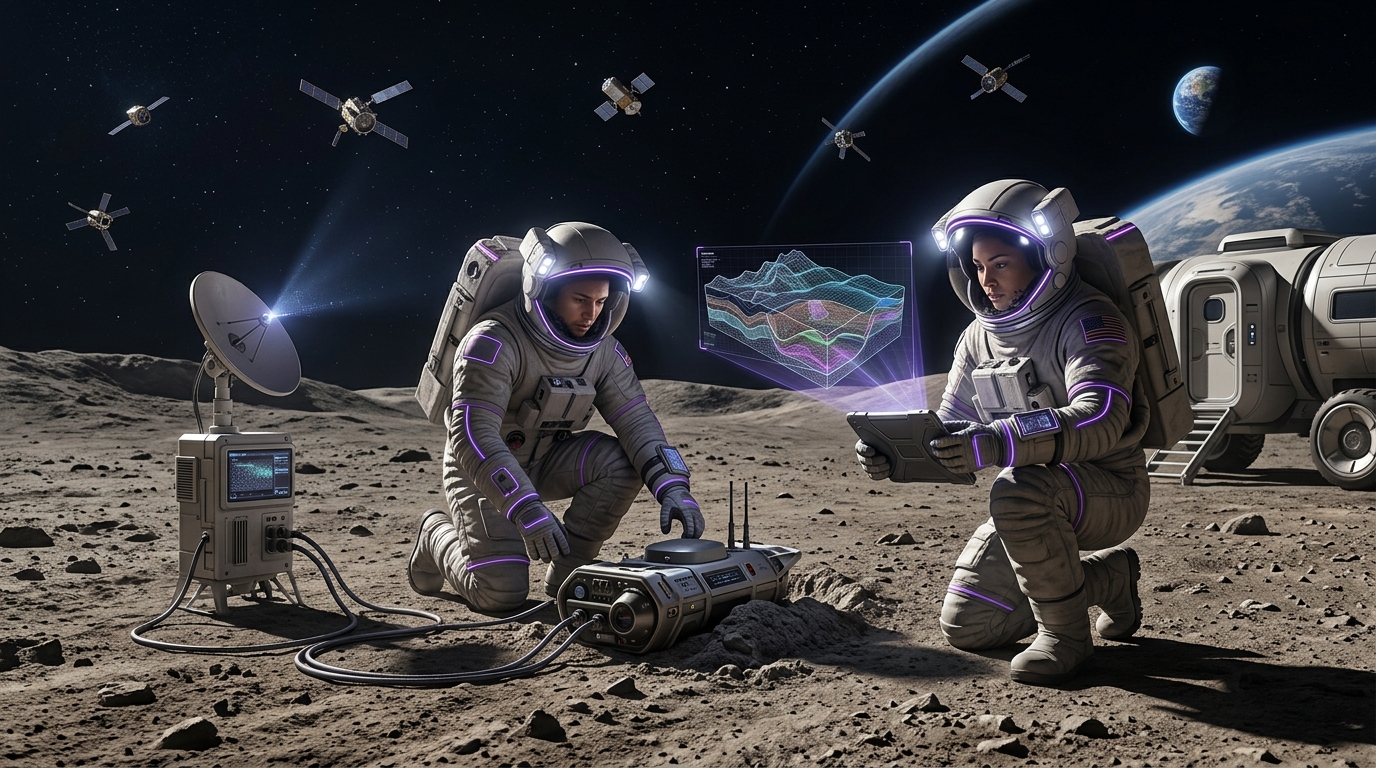
Fleet Space Technologies combines nano-satellite connectivity, seismic sensors, and AI to map subsurface mineral deposits in 3D — used by Rio Tinto, Barrick, and Gold Fields across 20+ countries.

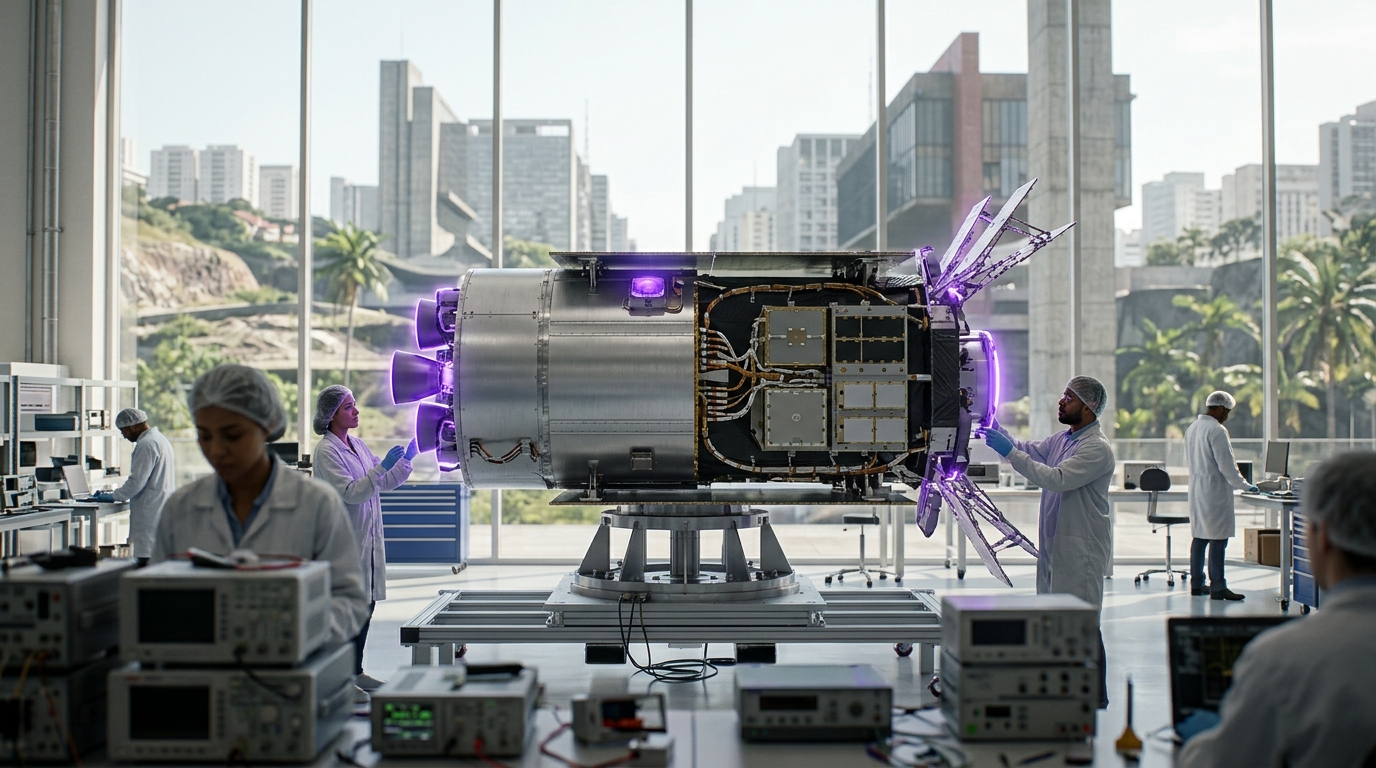
Brazil's geostationary defense satellite provides encrypted military X-band and Ka-band broadband to unconnected Amazon regions.

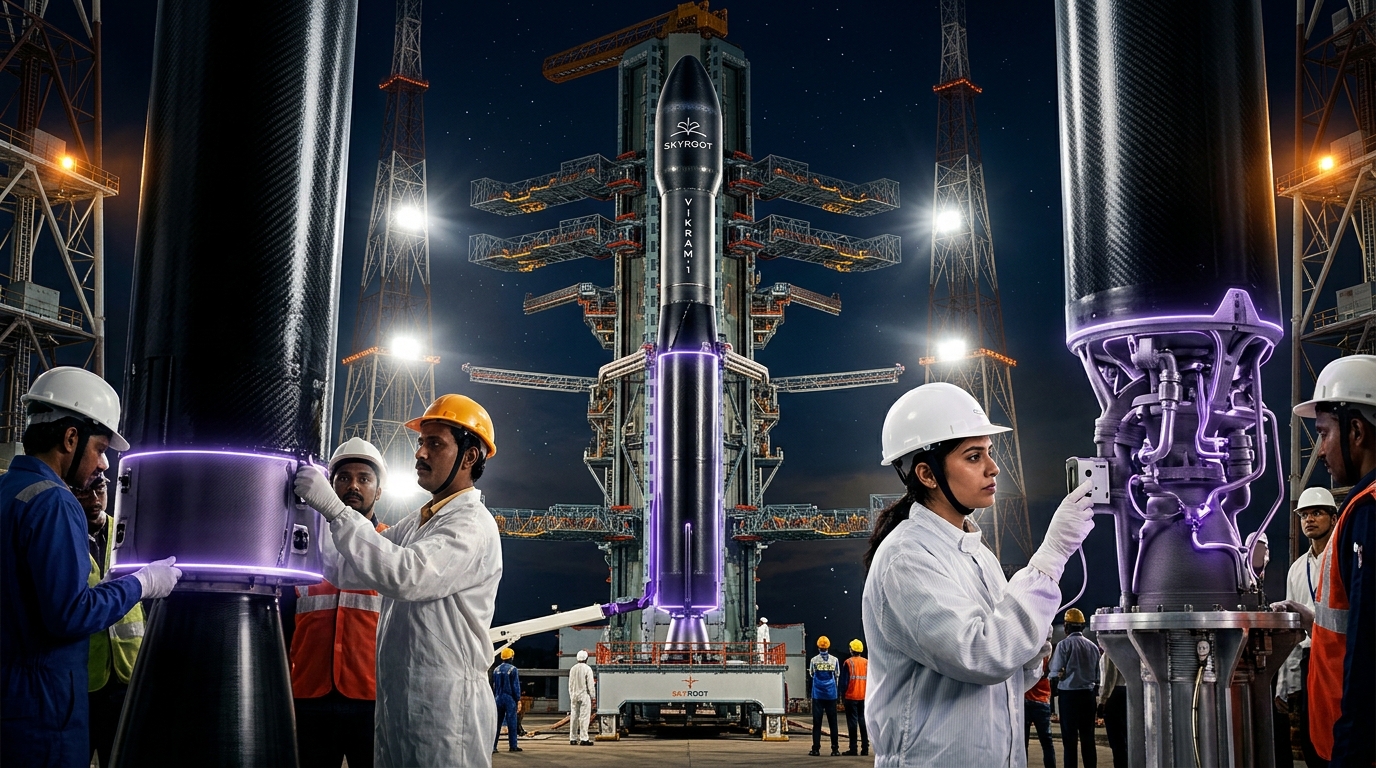
India's first private rocket company — launched Vikram-S in 2022, with the orbital Vikram-1 targeting commercial small satellite launches using carbon composite structures and 3D-printed engines.

Rocket Lab's Electron launches SAR constellation satellites for Japanese iQPS — enabling all-weather, day-night Earth observation relevant to Australian maritime surveillance and agricultural monitoring.

Qaem-100 solid-fuel SLV achieved two successful orbital launches in 2024, placing Chamran-1 (60 kg) into 550 km orbit — enabling rapid-response military-grade launch capability.

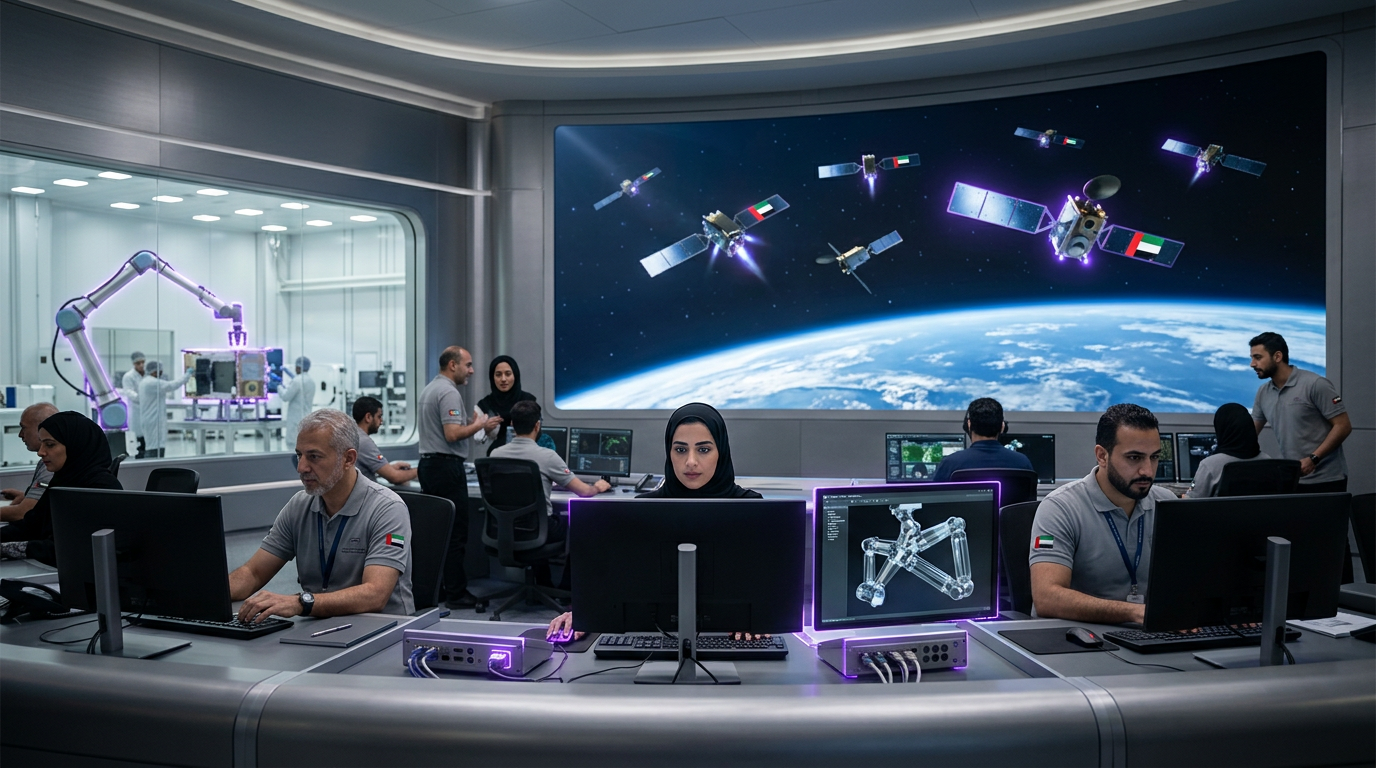
UAE's Al Yah Satellite Communications and MBRSC have built indigenous satellite design and assembly capability, producing MBZ-SAT and earth observation platforms domestically.

Security architectures protecting spacecraft and ground systems from jamming, spoofing, and unauthorized access

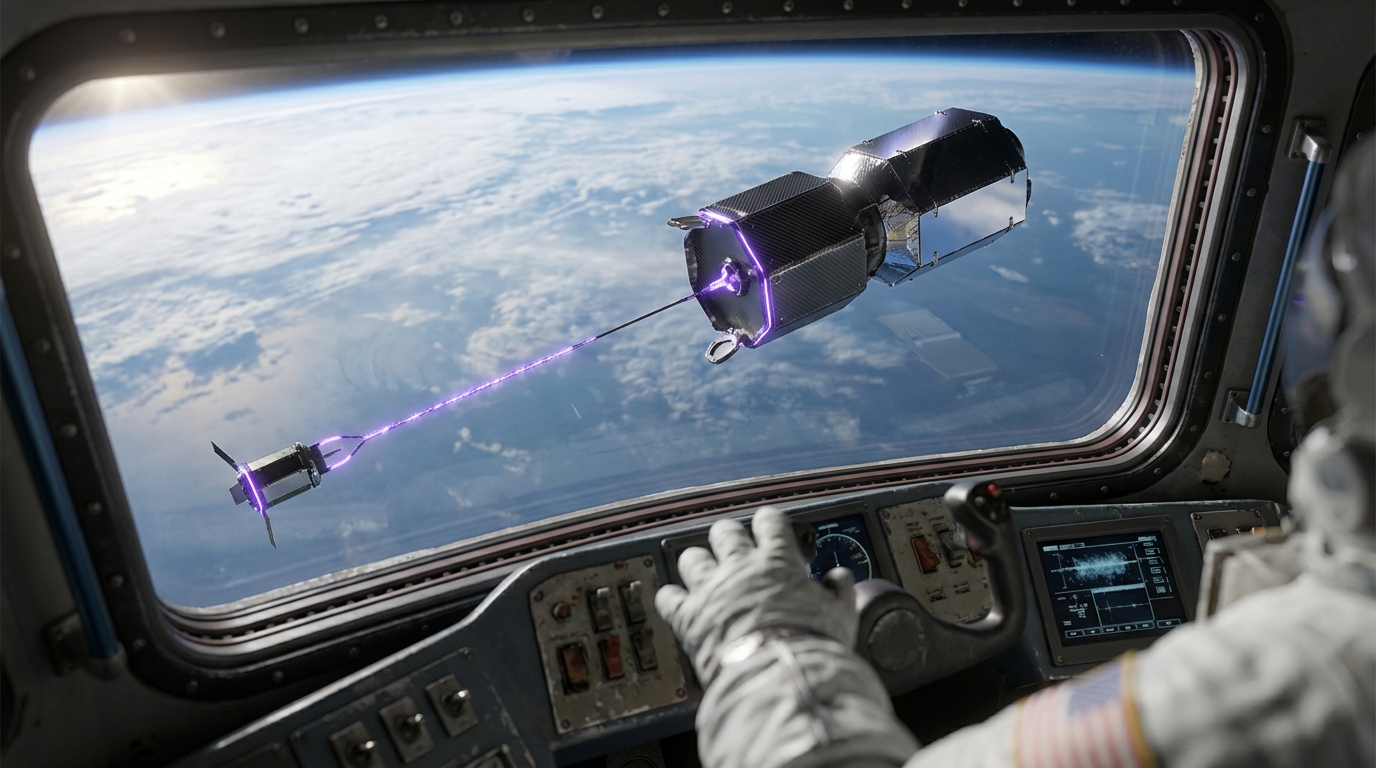
Tokyo-based Astroscale is the world leader in orbital debris removal — its ADRAS-J mission achieved a historic 15-meter approach to space debris, with Airbus placing the first commercial order for docking plates.

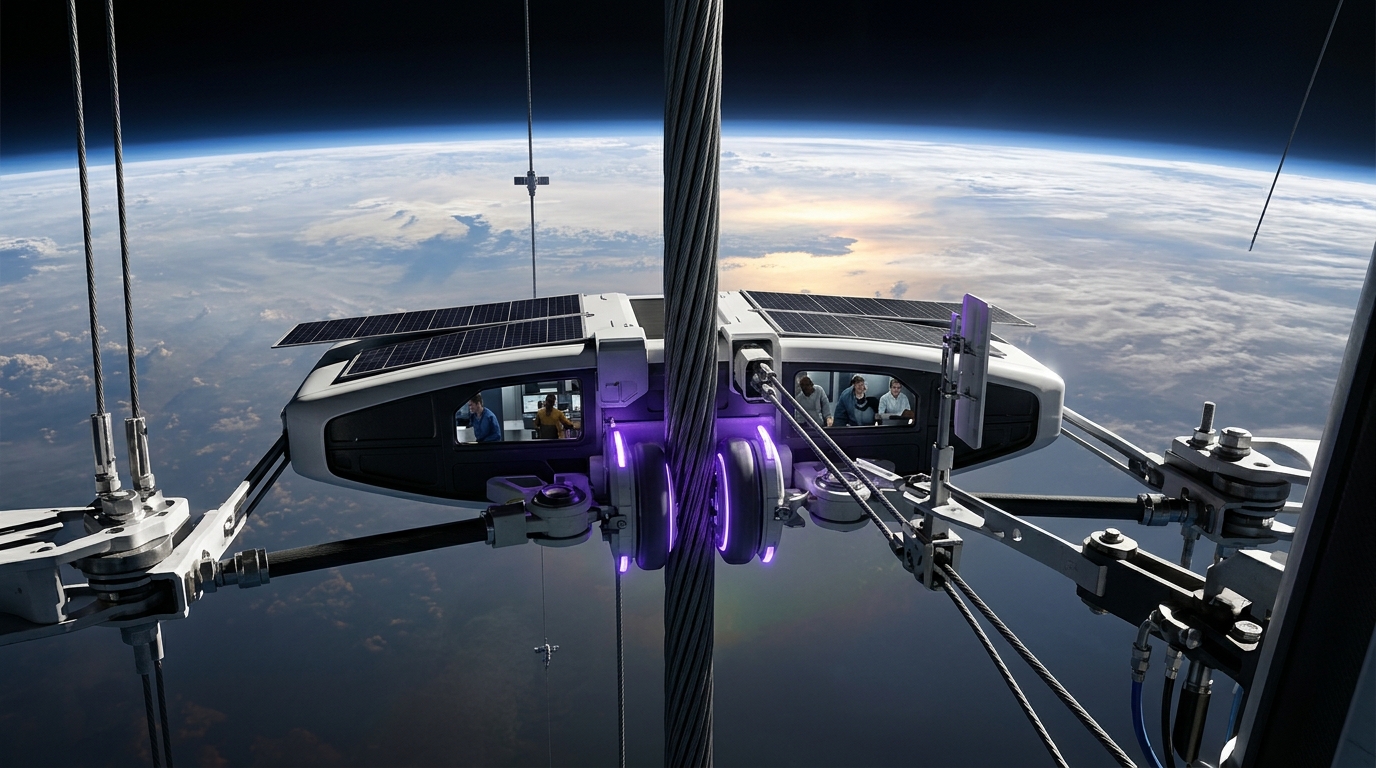
Cable-based transportation system connecting Earth's surface to geostationary orbit

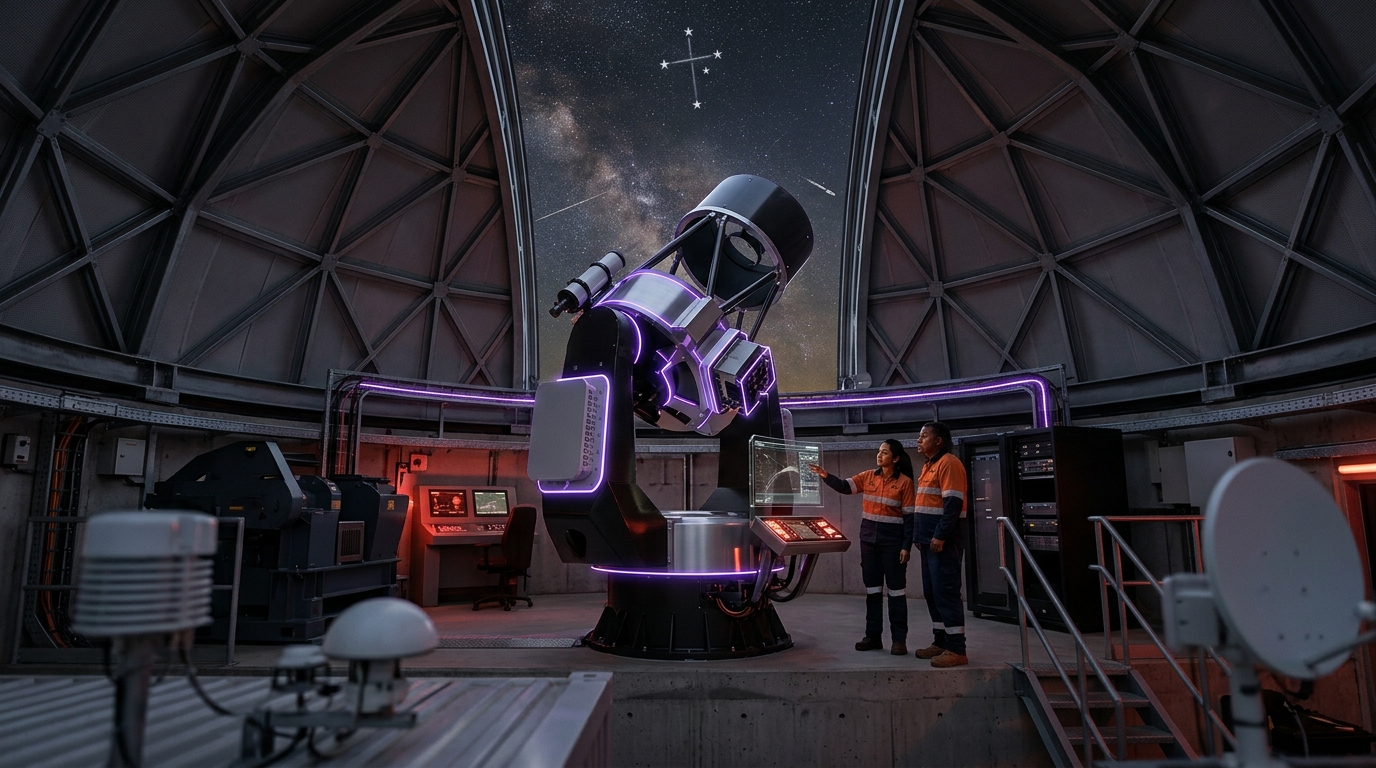
Australia operates ground-based space surveillance telescopes and sensors as part of the Combined Space Operations initiative, tracking orbital debris and satellites from the Southern Hemisphere.

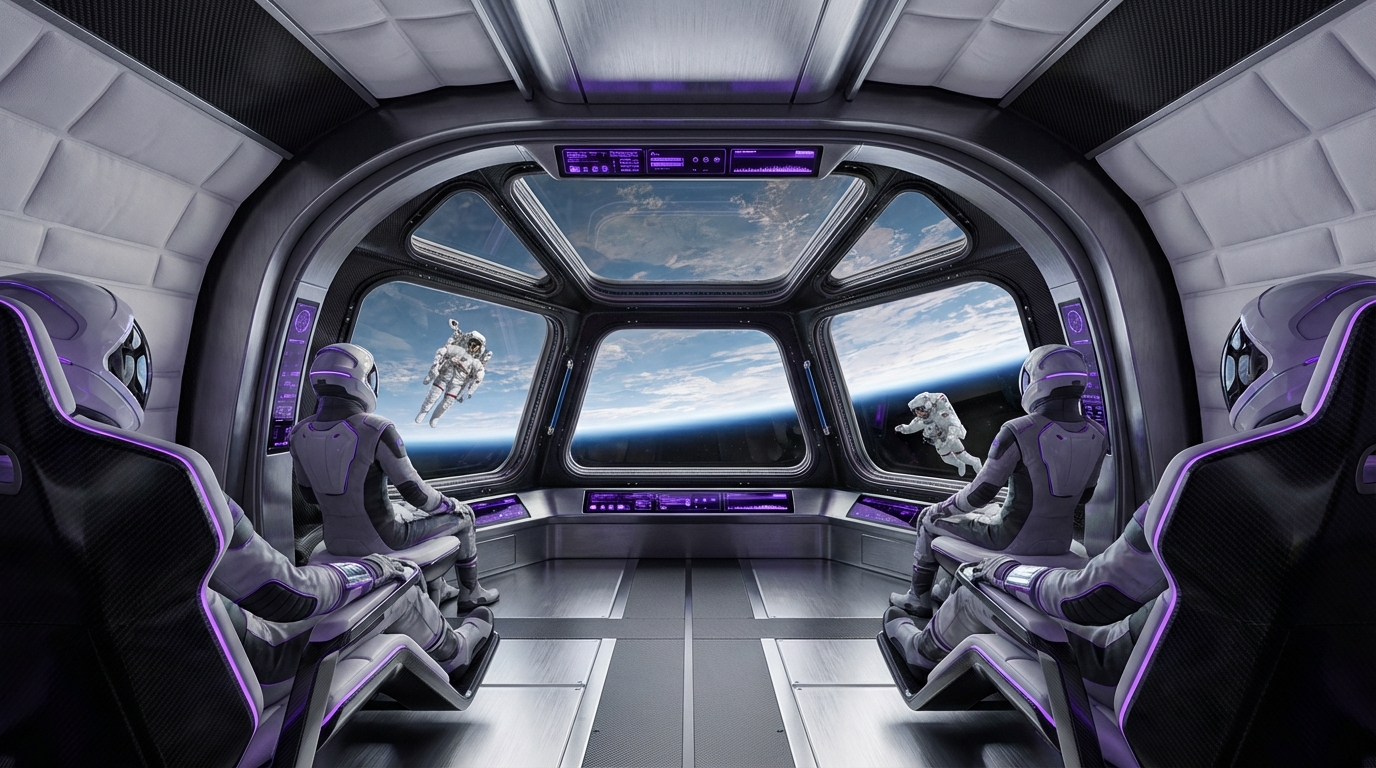
Commercial spaceflight services offering suborbital and orbital experiences to private passengers

Commercial passenger vehicles for suborbital and orbital spaceflight experiences

Policy frameworks coordinating satellite movements and collision avoidance in crowded orbits

Protecting satellites, communications, and power grids from solar storms and geomagnetic disturbances

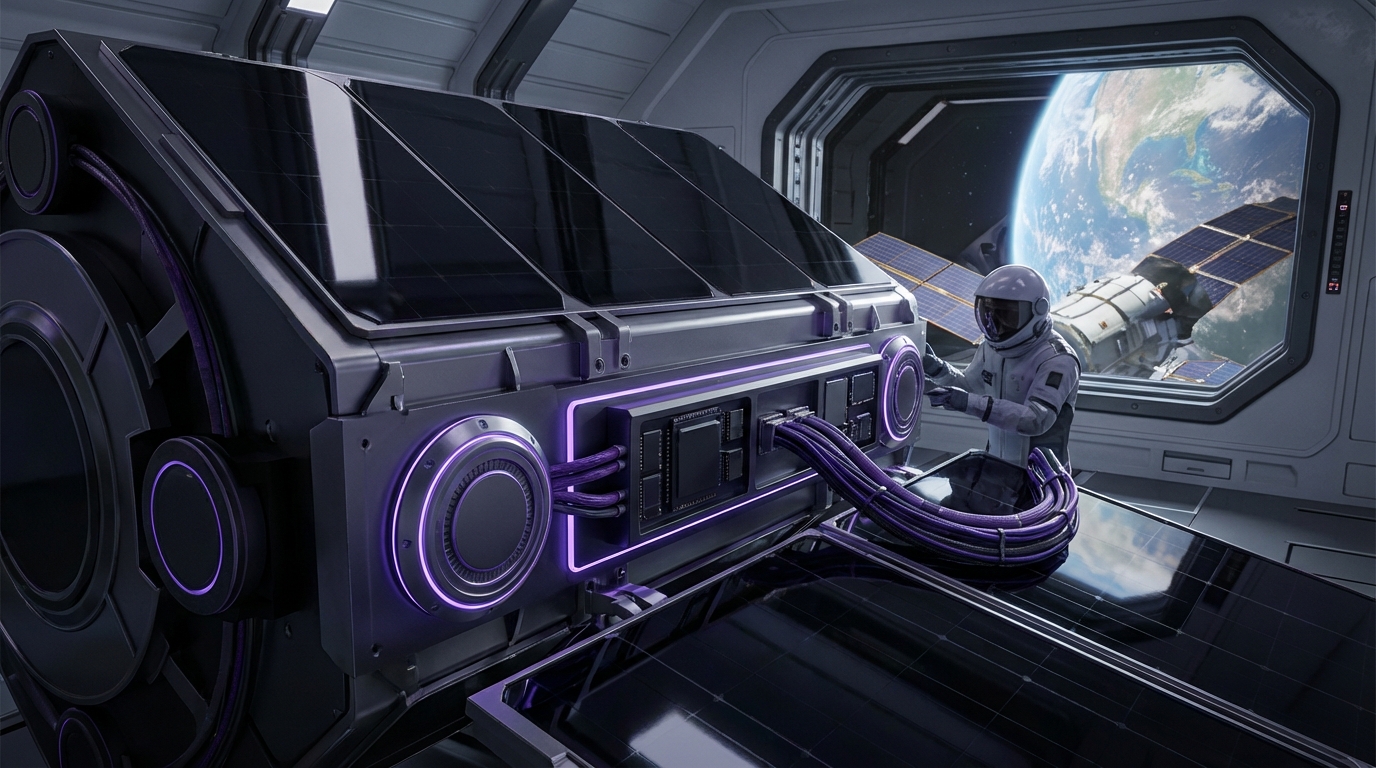
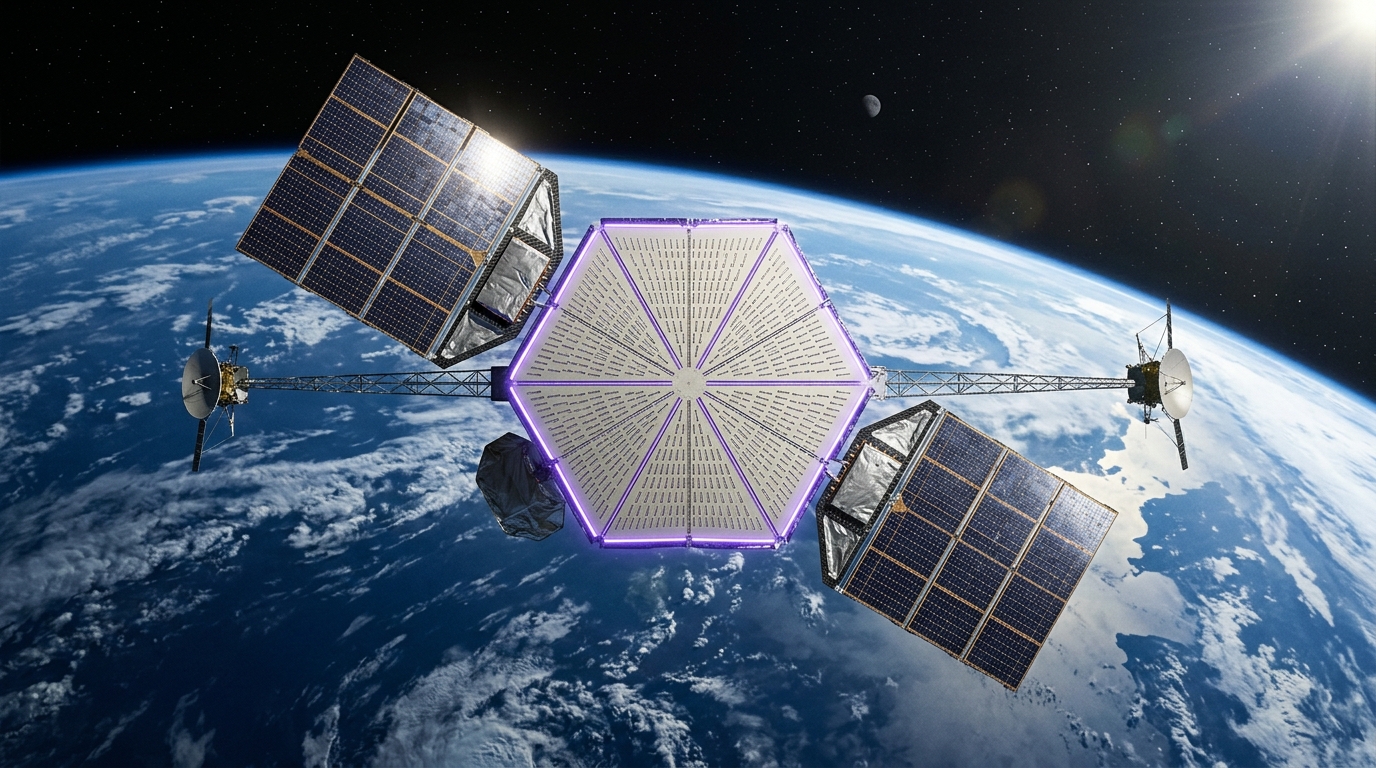
Orbital AI compute network powered by solar energy and connected via optical links

China is building two space-based gravitational wave observatories — Taiji and TianQin — targeting ~2030 launch to detect supermassive black hole mergers invisible from Earth.
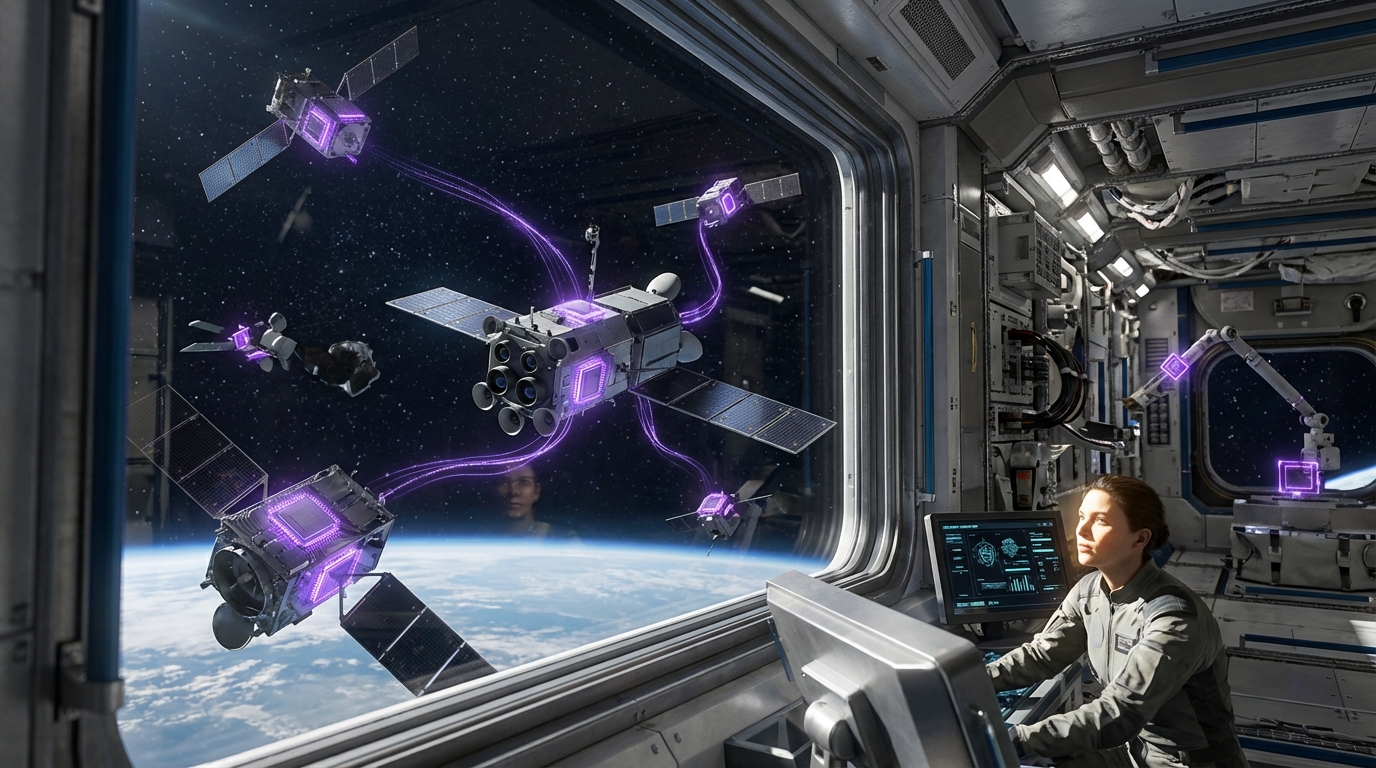
Satellite networks distributing quantum-encrypted keys that detect interception attempts

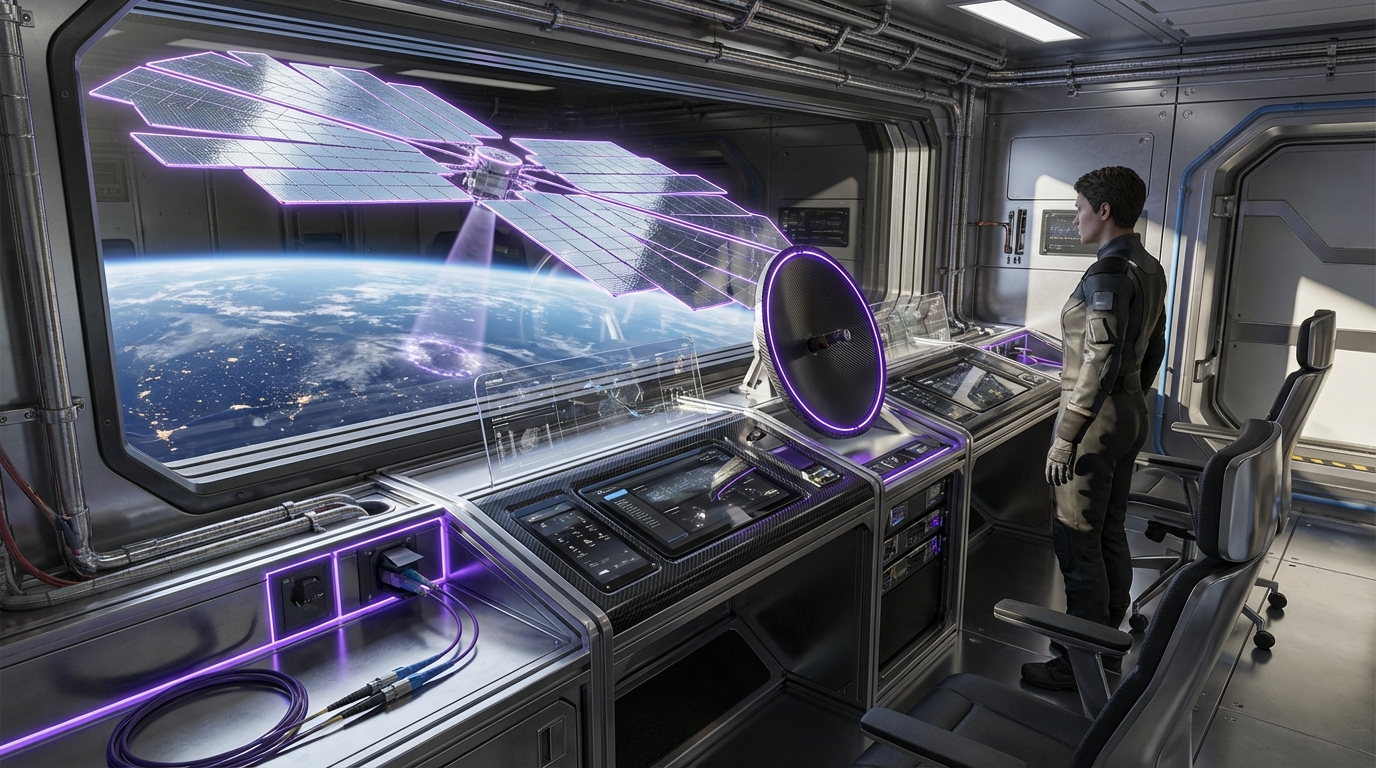
Orbital solar arrays transmitting continuous clean energy to Earth via microwave beams

JAXA has pursued space-based solar power research for two decades — demonstrating wireless power transmission over 55 meters in 2015 and continuing microwave beaming experiments.
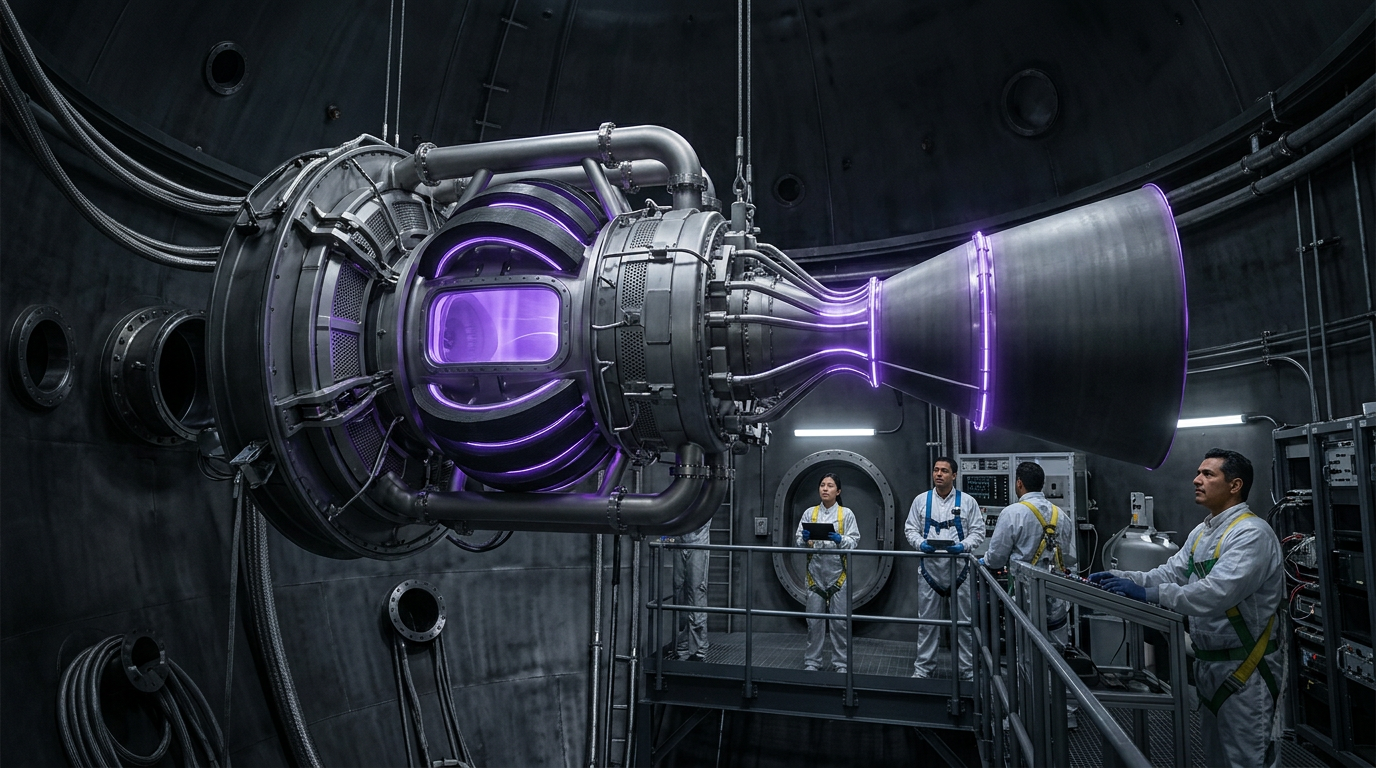
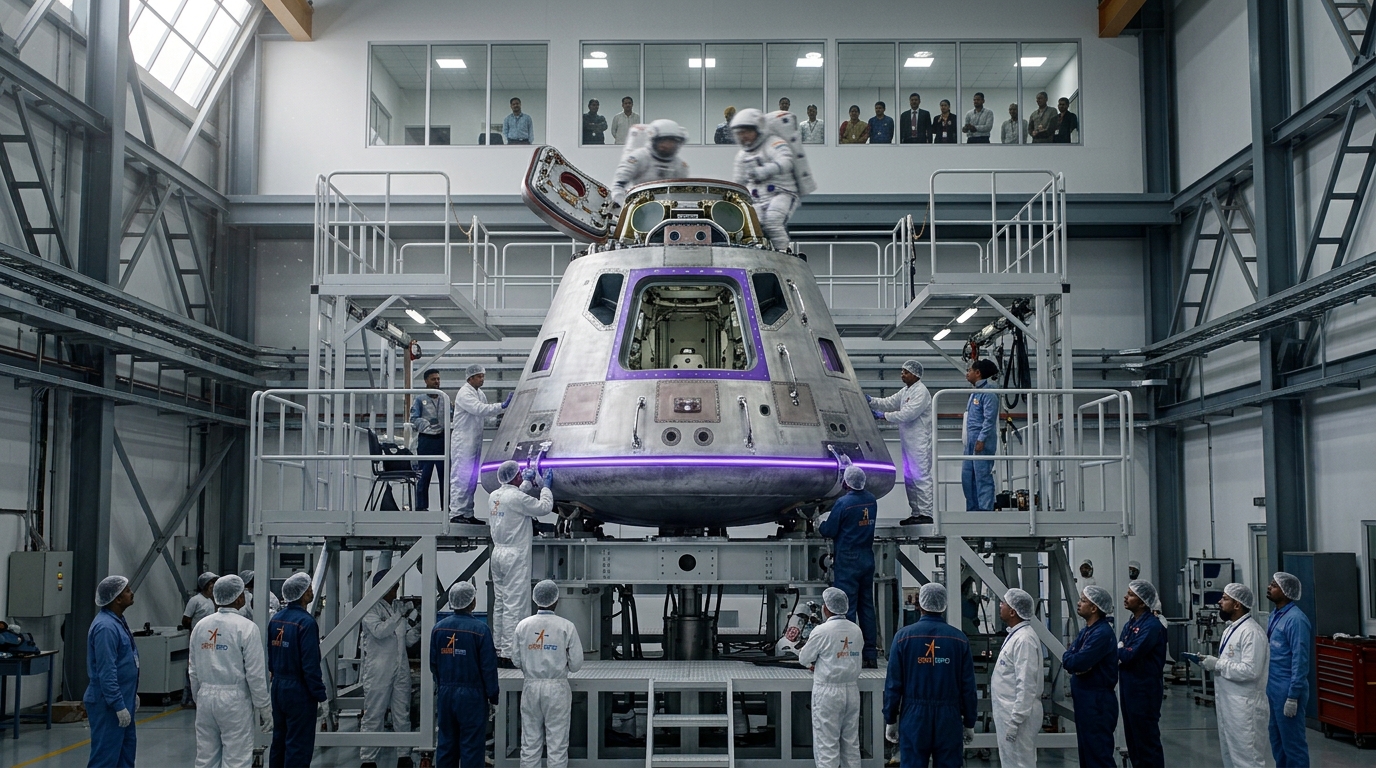
AI systems enabling spacecraft to navigate, diagnose faults, and execute missions without ground control

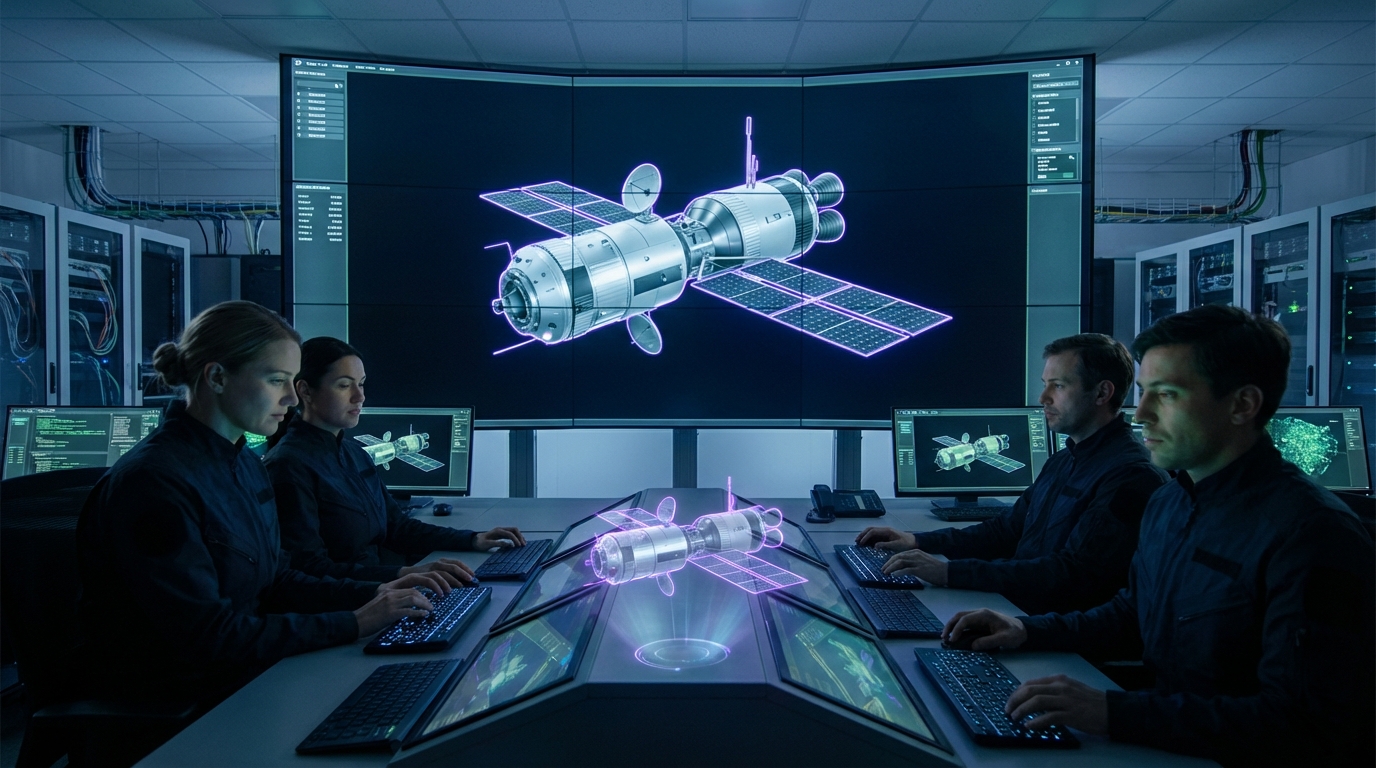
Virtual replicas of spacecraft that sync with real-time telemetry to predict failures and test maneuvers

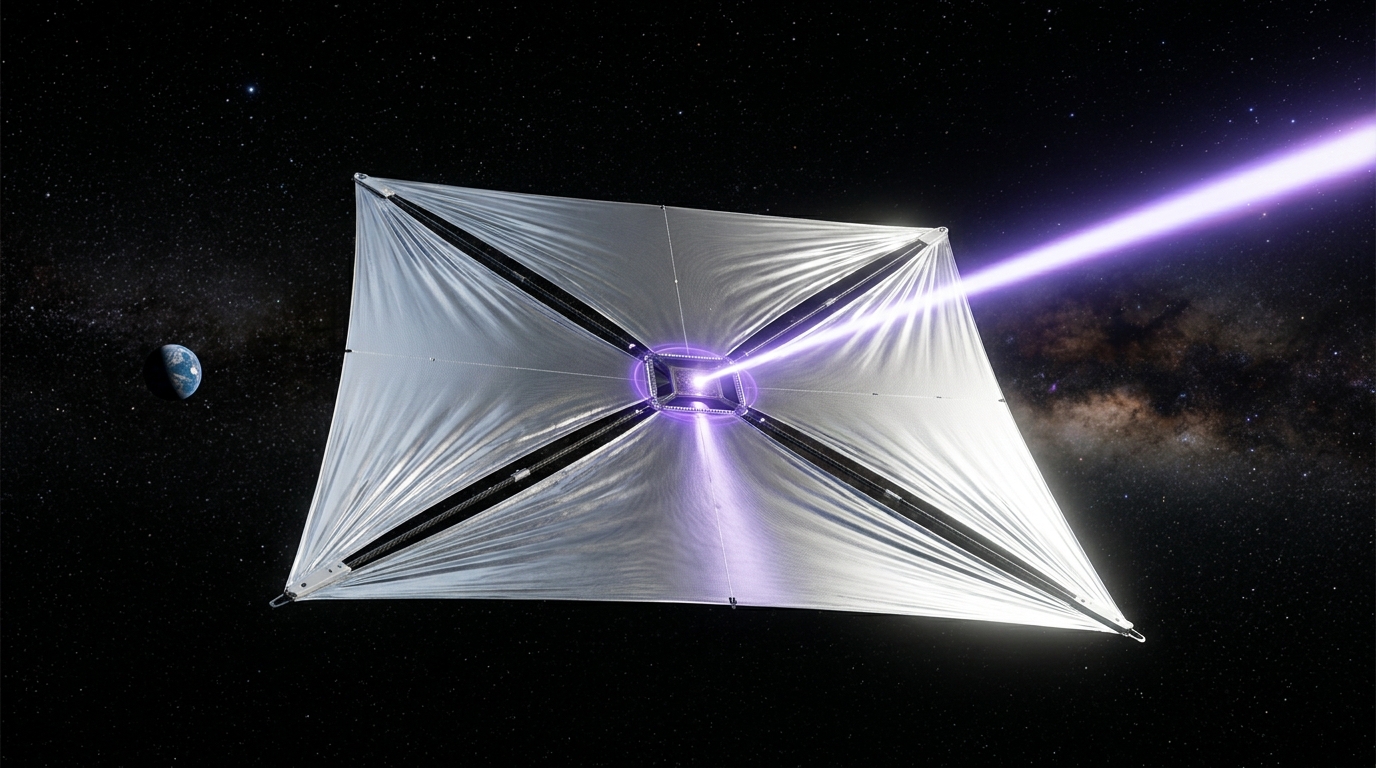
Laser-propelled light sails accelerating gram-scale probes to 20% light speed for interstellar flybys

Suspended animation systems for crew during long-duration space missions

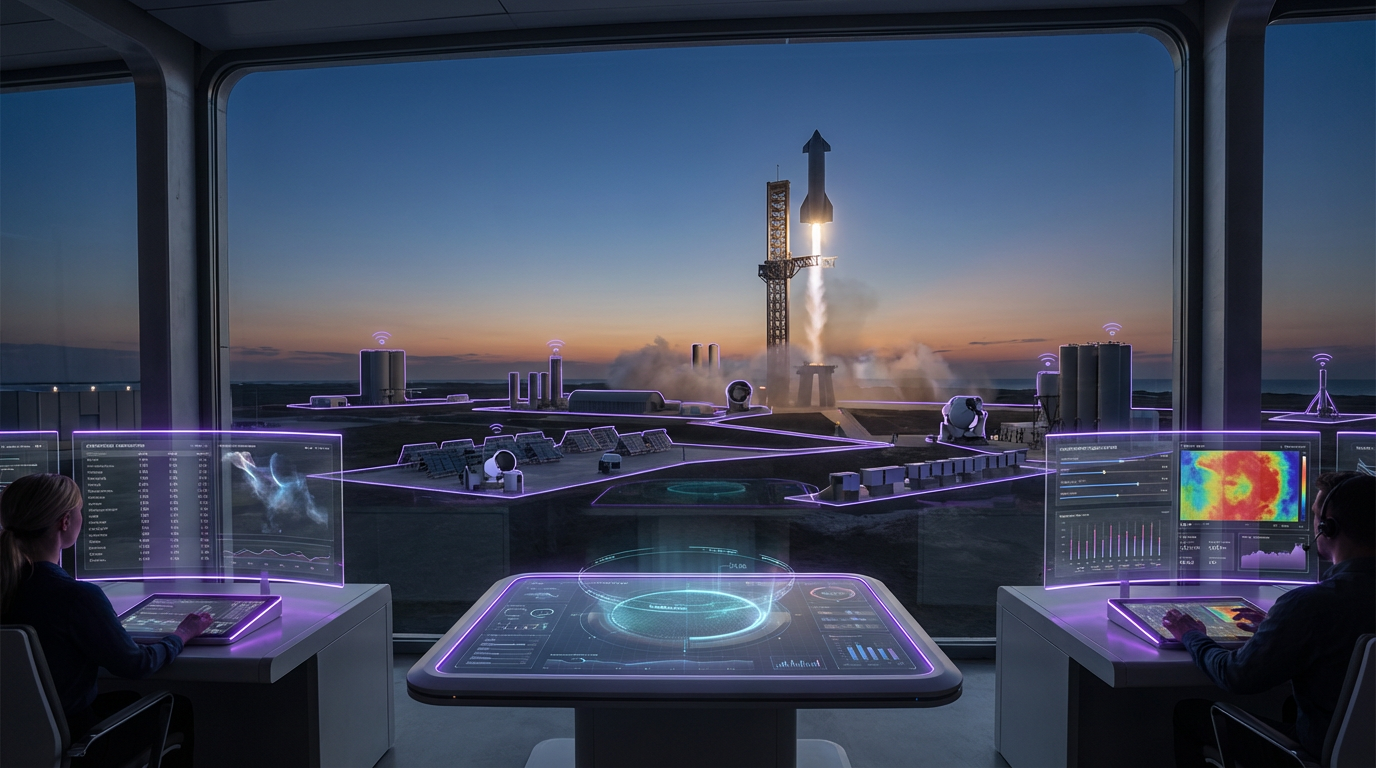
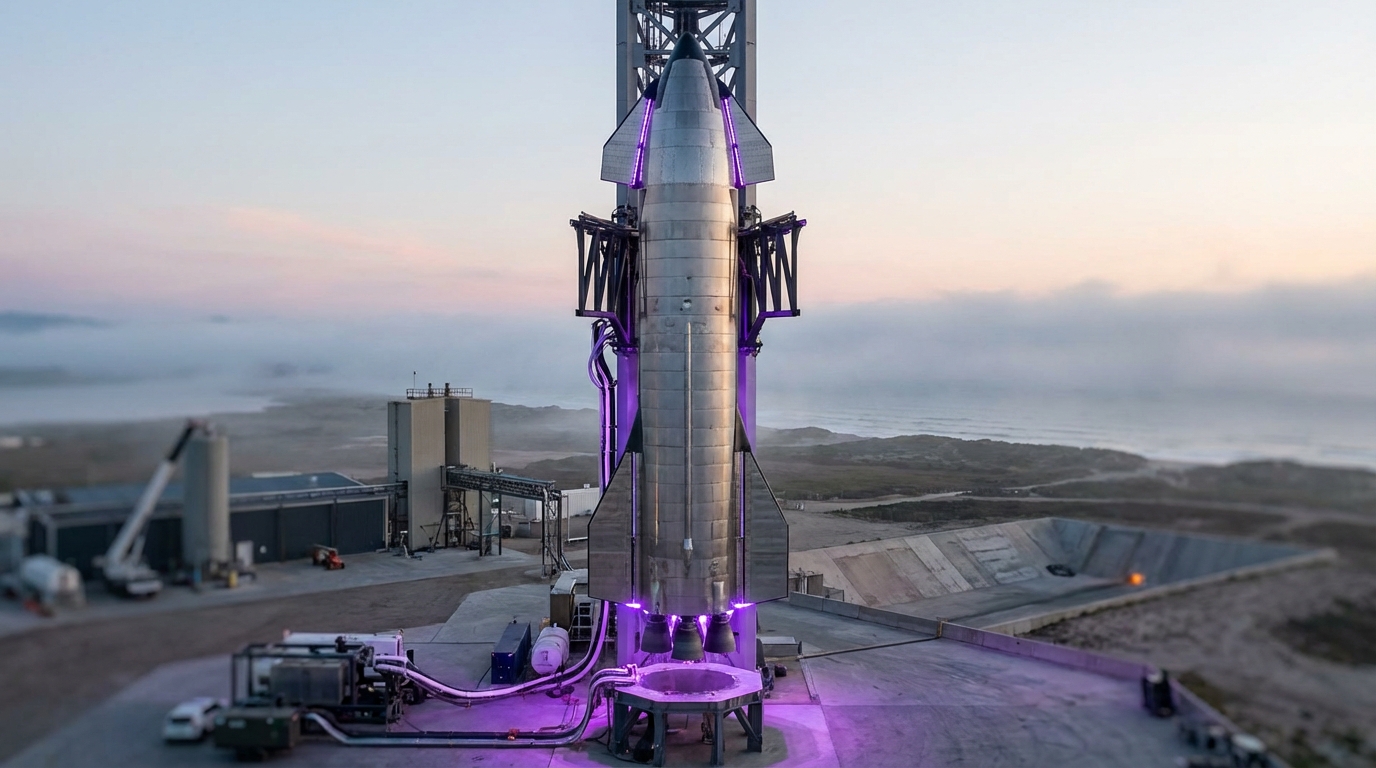
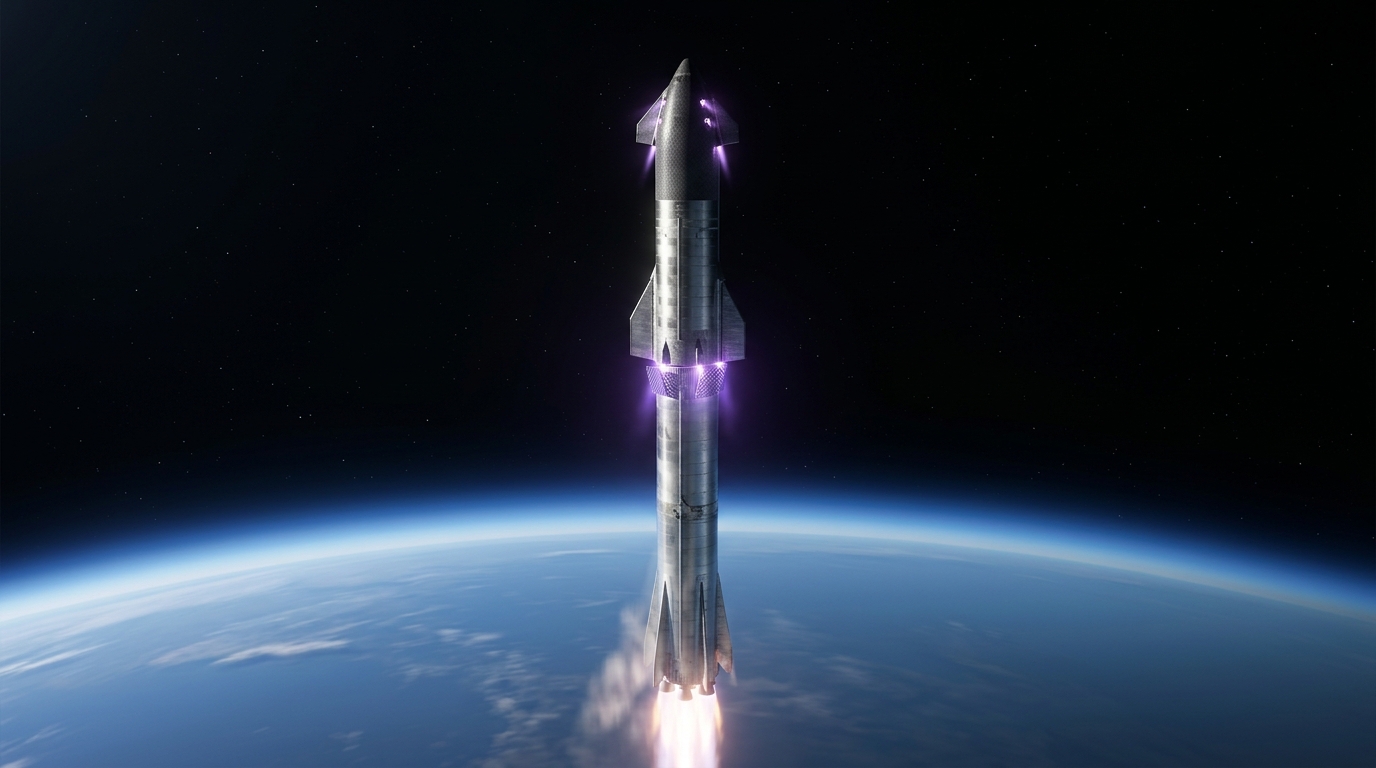
SpaceX's Starship — the largest and most powerful rocket ever built — achieved successful orbital flights and booster catches in 2025, targeting Mars cargo missions as early as 2026 while reducing launch costs to ~$10/kg.

Networking and control software enabling satellite formations and robotic fleets to coordinate autonomously

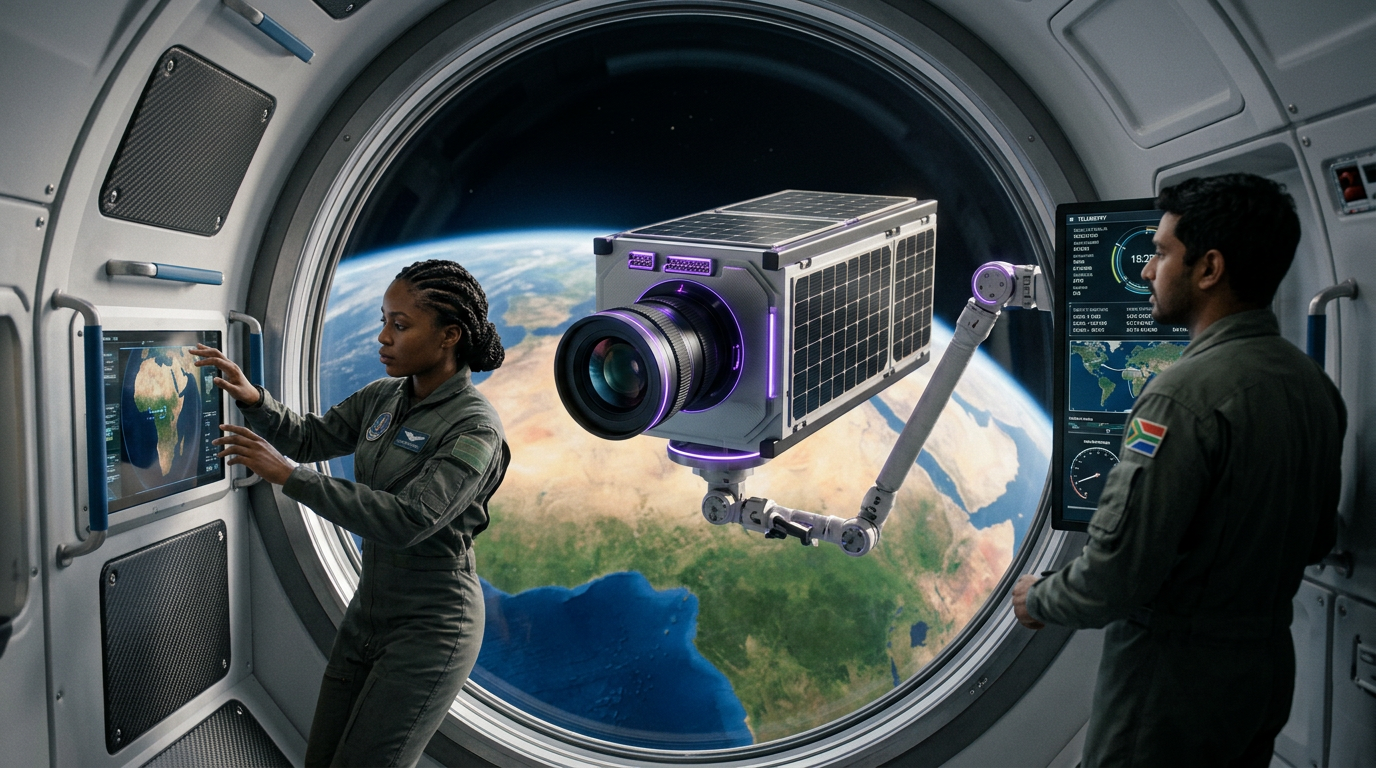
South Africa is developing indigenous SAR satellite capabilities for maritime domain awareness and border security — critical for monitoring Africa's vast coastlines.
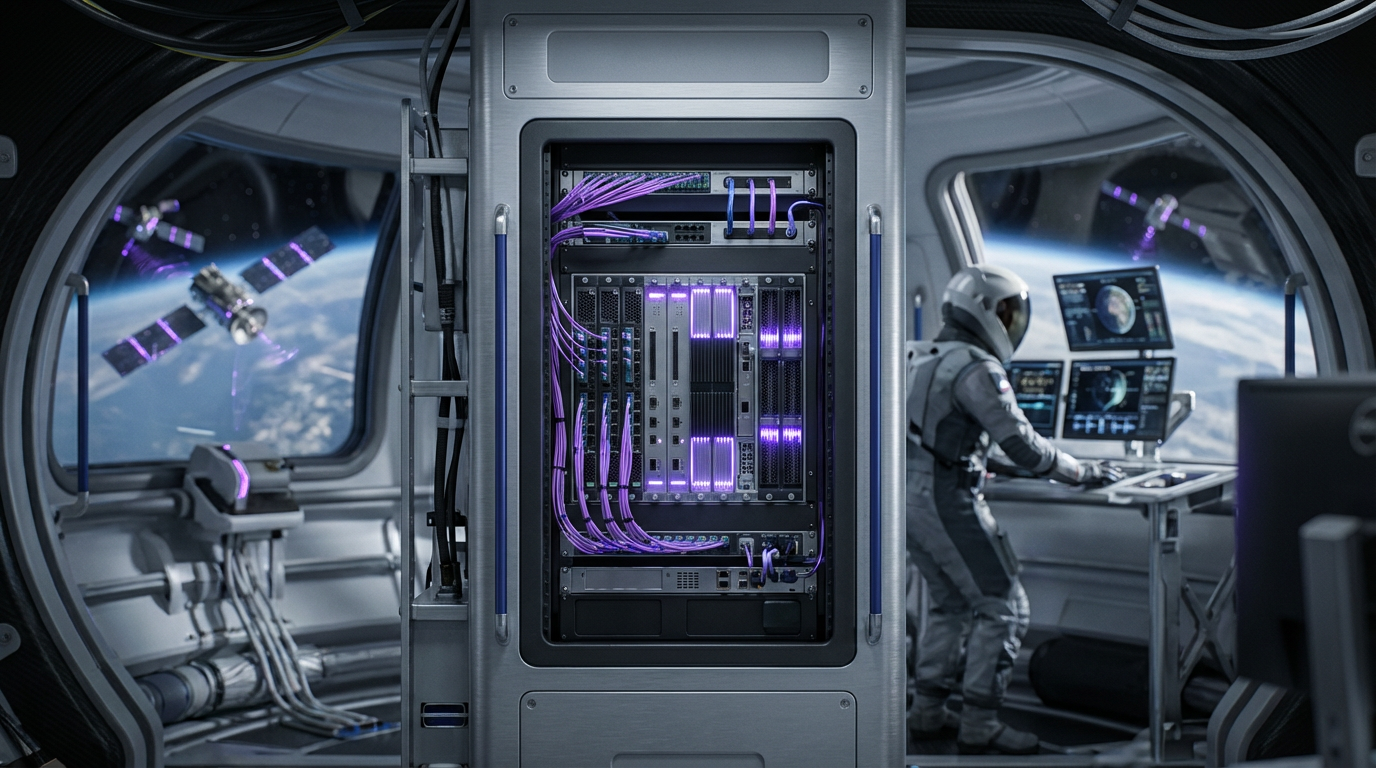
Canada's Telesat is building a 198-satellite LEO constellation backed by CA$2.54 billion in government funding, with military Ka-band added in March 2026 and first launches scheduled for mid-2026.

Long conductive cables that use Earth's magnetic field to adjust satellite orbits without fuel
China operates the only alternative to the aging International Space Station and launched an asteroid sample-return probe in May 2025

UAE-led Mars orbiter and follow-on missions developing regional deep-space expertise

The UAE Space Agency has launched a national space fund to grow domestic space industry, with plans for asteroid belt exploration and expanded satellite manufacturing.

The UAE is building indigenous satellite manufacturing capabilities for earth observation, with applications in agriculture, disaster management, and environmental monitoring.

Satellites operating at 150–300 km altitude for superior imaging resolution and atmospheric sensing
Follow us for weekly foresight in your inbox.