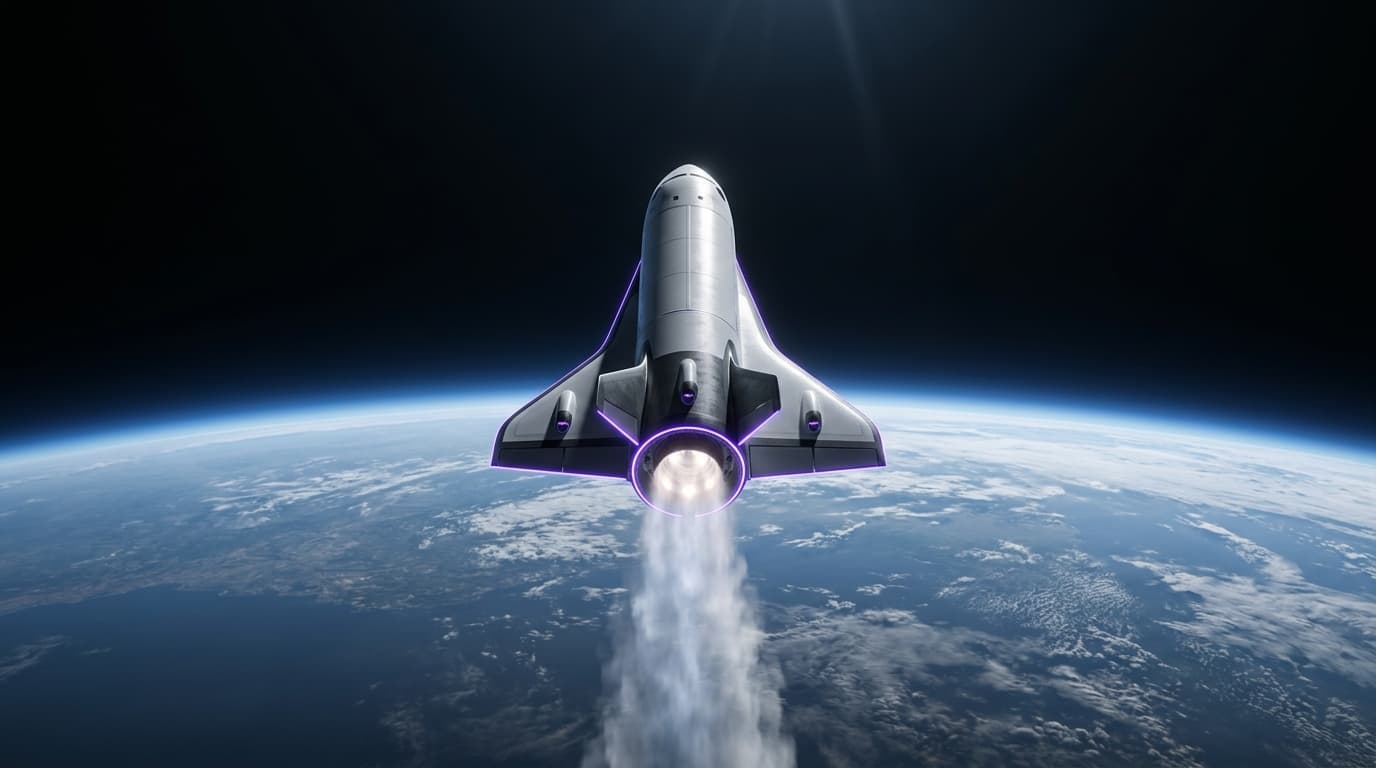
Commercial Space Tourism (Suborbital)
Geography: Asia Pacific · East Asia · China
InterstellOr is developing a reusable suborbital vehicle that would carry passengers to the edge of space for several minutes of weightlessness. Tickets are priced at approximately 3 million yuan ($430,000) — comparable to Virgin Galactic and Blue Origin pricing.
The company has signed its first celebrity passenger and is taking bookings. CAS Space, another Chinese contender, is developing a separate suborbital tourist vehicle. Both are part of China's booming commercial space sector (150+ private companies).
The timeline is ambitious. No Chinese company has yet flown a crewed suborbital mission, and the 2028 target requires significant development milestones. But the broader context matters: China's commercial space sector is growing faster than the US's by several metrics, and tourism is a revenue model that could fund more ambitious programs.
Research this in Signals
Signals turns a topic into a sourced research record you can inspect and rerun. Your first scan is free, and this one starts with Commercial Space Tourism (Suborbital) already loaded, so edit it or scan as is.