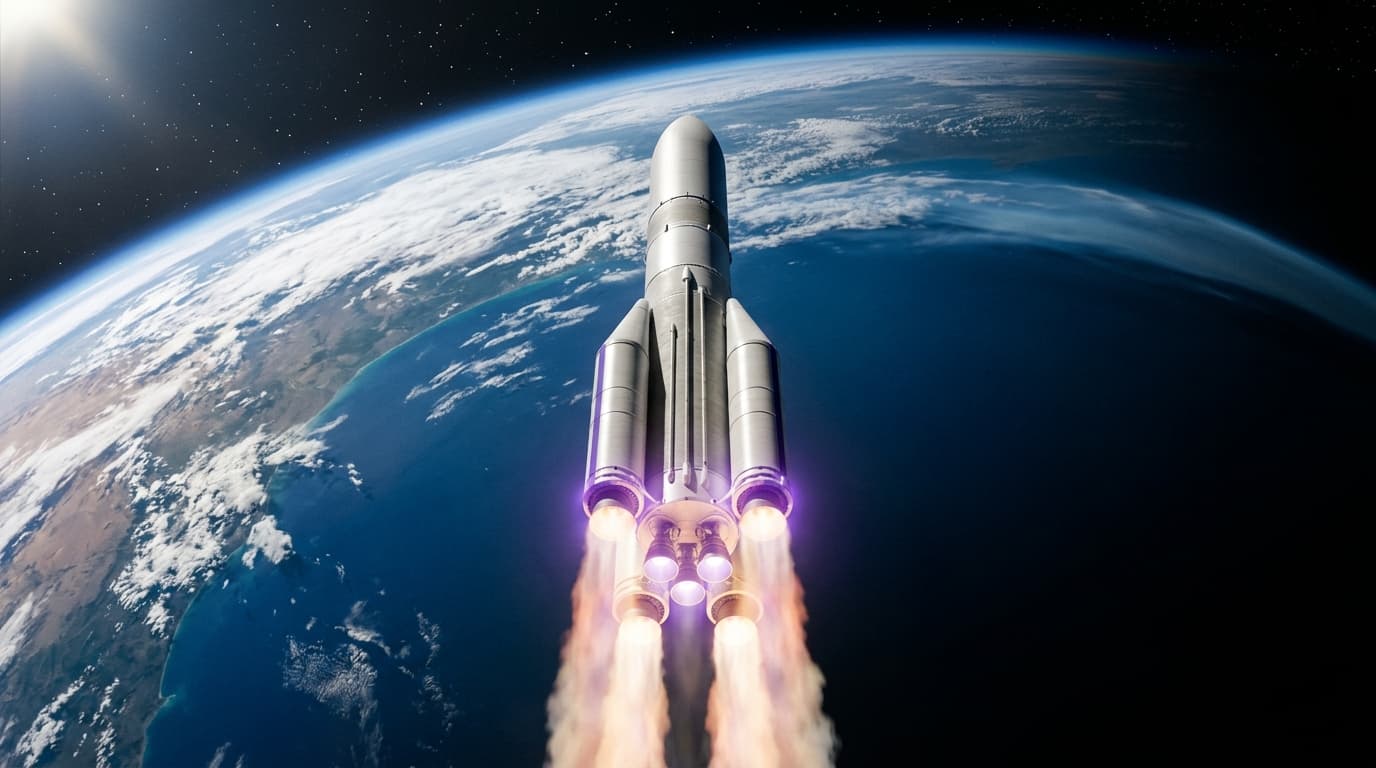
Ariane 6 Launch Vehicle
Geography: Emea · Europe · Europe
Ariane 6 is Europe's next-generation launch vehicle, succeeding Ariane 5. The rocket made its maiden flight in July 2024 and completed 5 successful launches by end of 2025, including the first dual-satellite Galileo deployment. Available in two configurations (two or four solid rocket boosters), it can lift up to 11.5 tonnes to geostationary transfer orbit.
The strategic imperative was urgent: after Ariane 5's retirement and the loss of Russian Soyuz launches due to sanctions, Europe faced a gap in sovereign space access. European satellites — including military, intelligence, and critical navigation payloads — temporarily relied on SpaceX for launch, an unacceptable dependency for strategic autonomy.
Ariane 6 restores European launch independence, though at higher cost than SpaceX's reusable Falcon 9. ESA is developing ASTRIS, an orbital transfer vehicle add-on, and studying Ariane 6 upper stage reuse to improve competitiveness. The November 2025 ESA Council also approved next-generation reusable launcher studies.
Research this in Signals
Signals turns a topic into a sourced research record you can inspect and rerun. Your first scan is free, and this one starts with Ariane 6 Launch Vehicle already loaded, so edit it or scan as is.