Tracking signals shaping the future of biotechnology — biotech platforms, longevity science, bio-engineering tools, and human-performance enhancement.
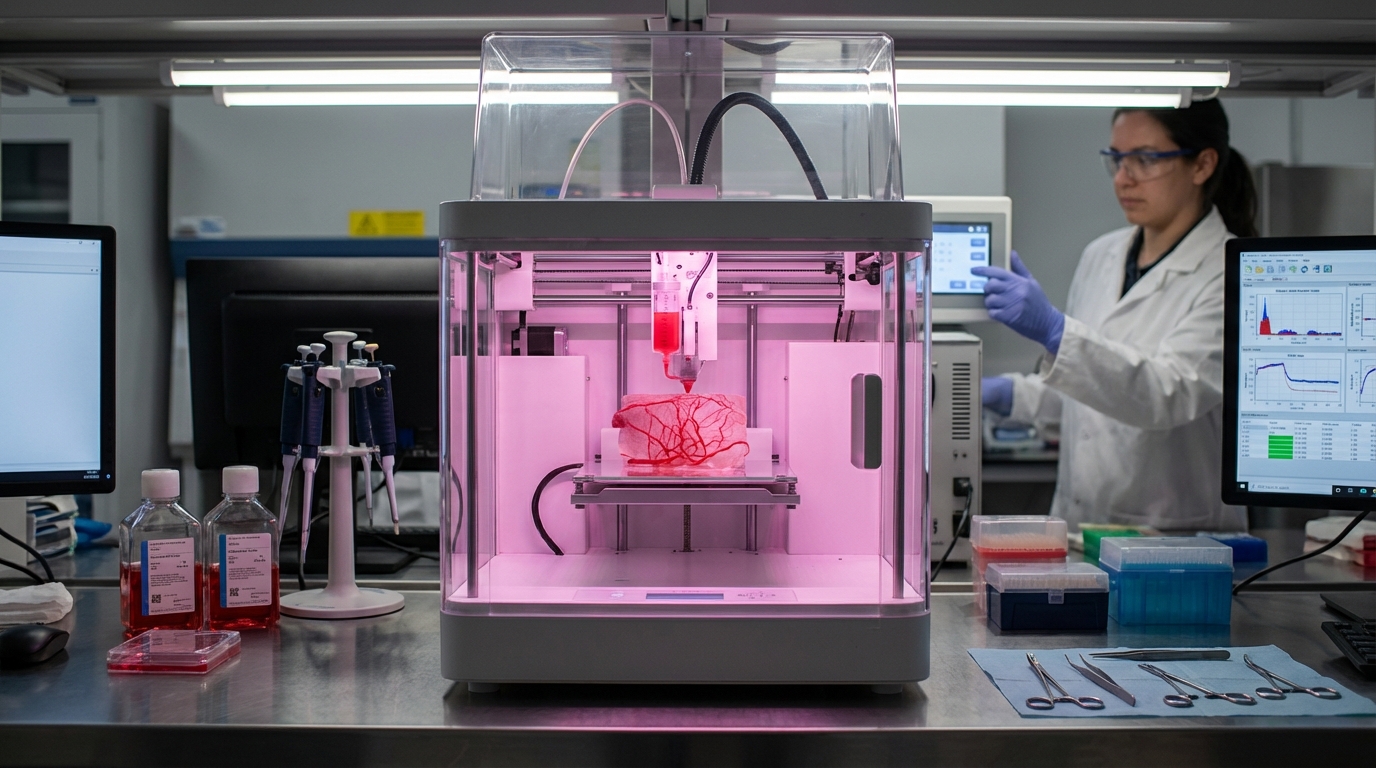
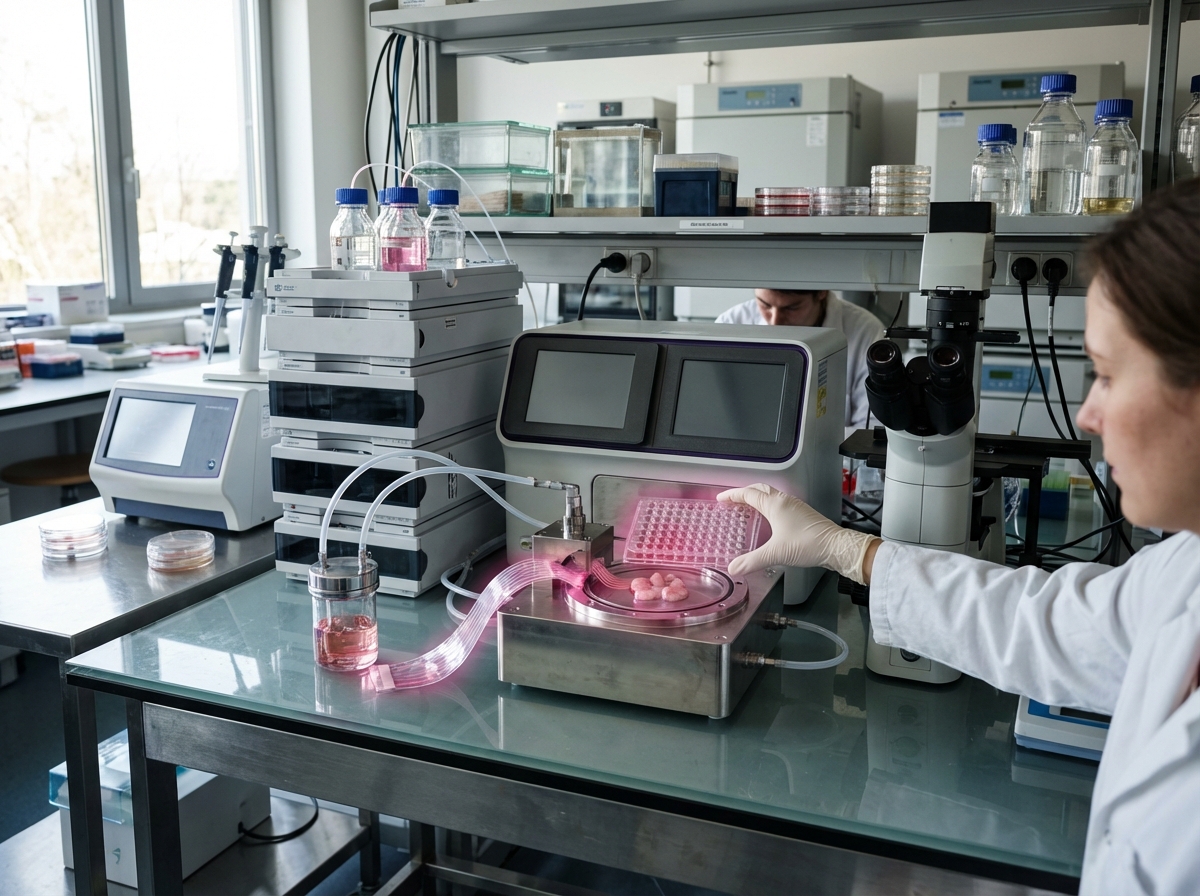
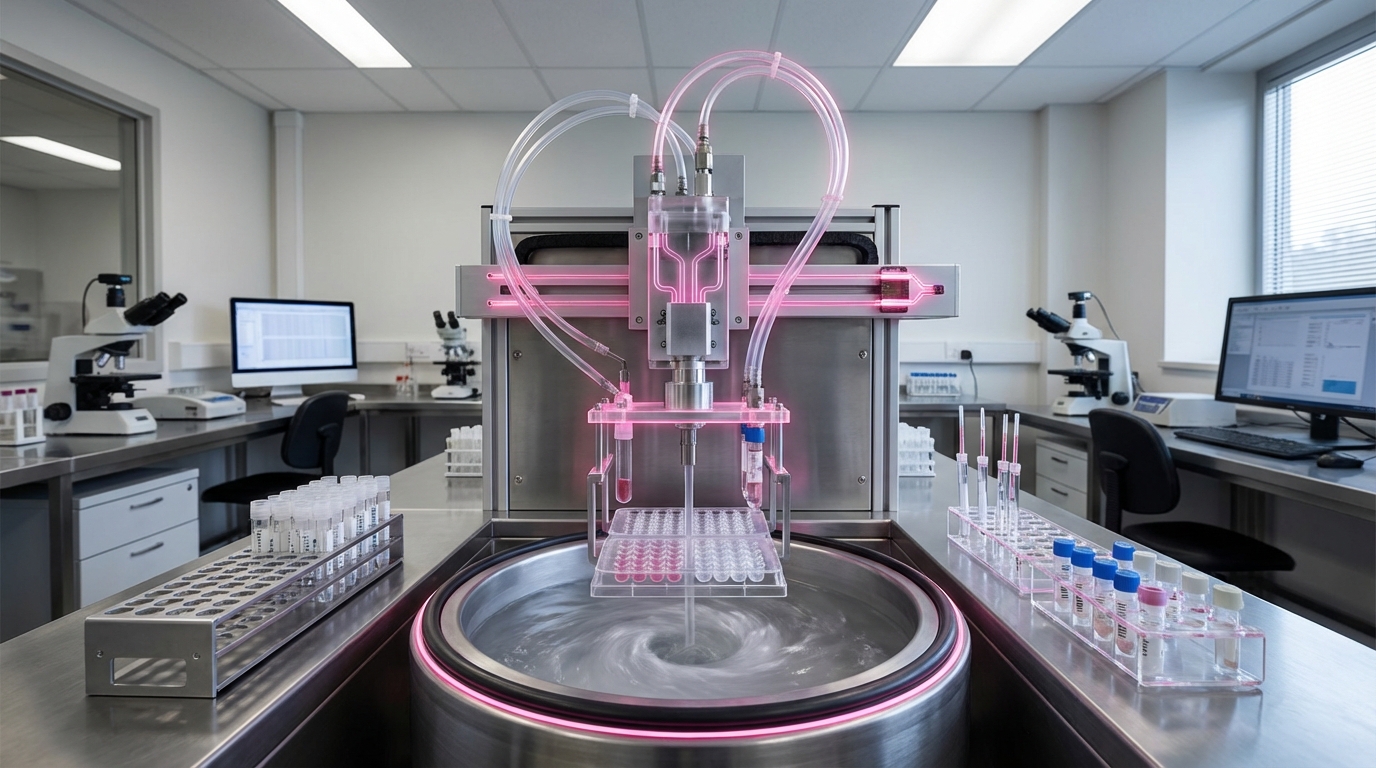
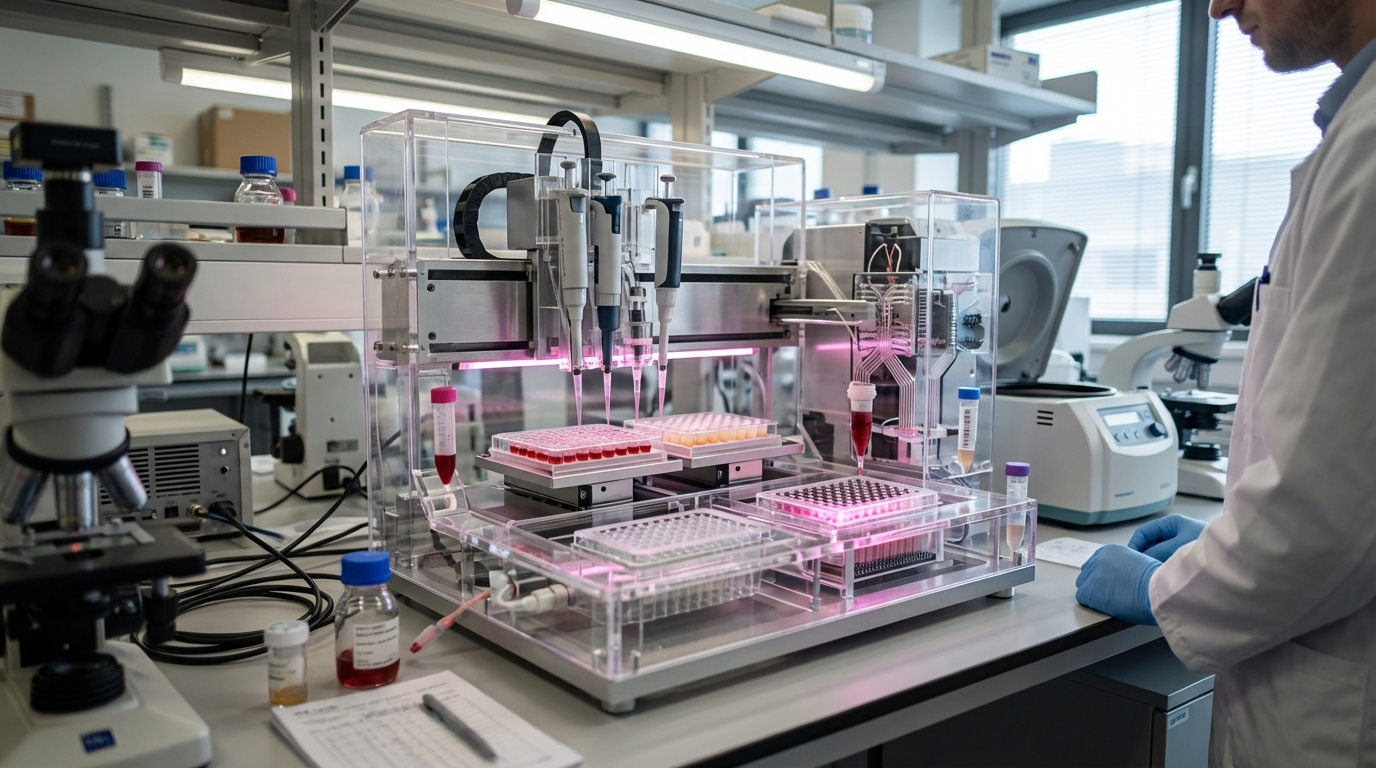
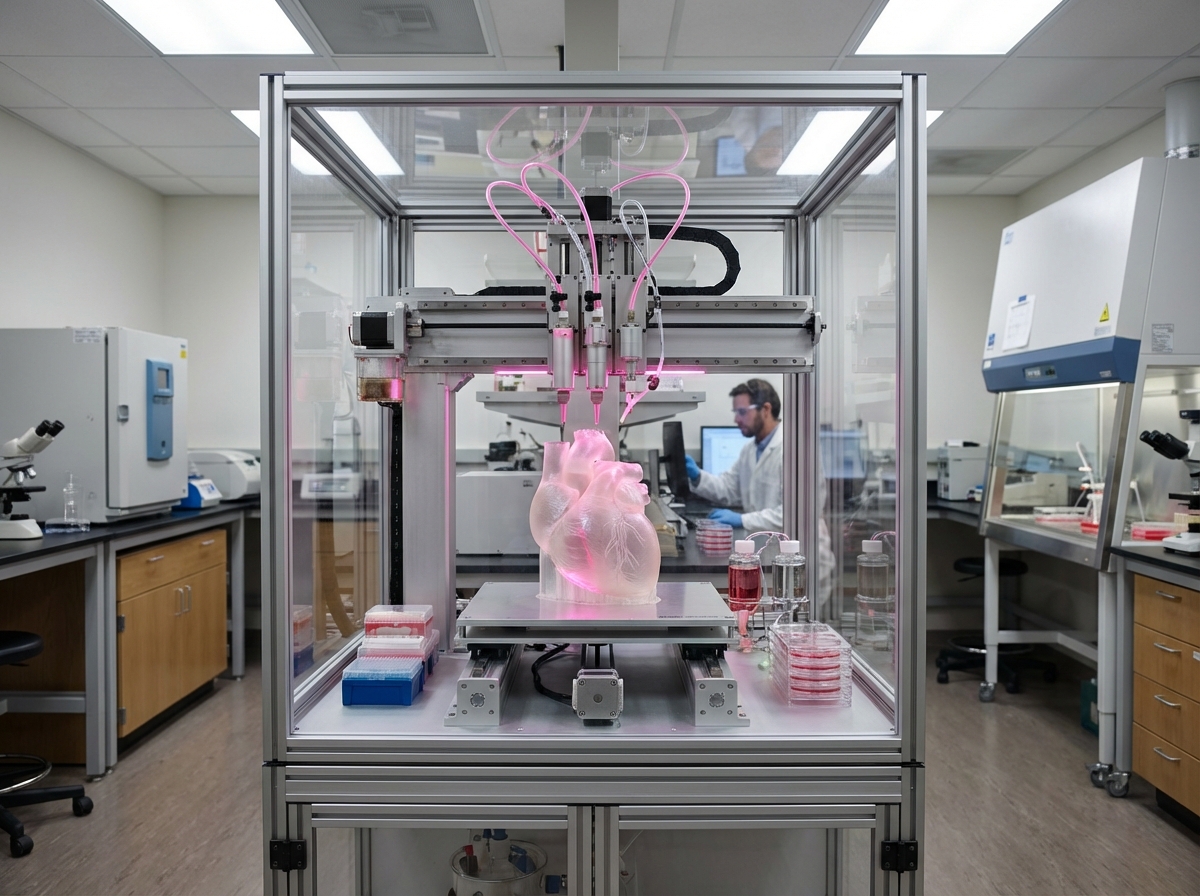
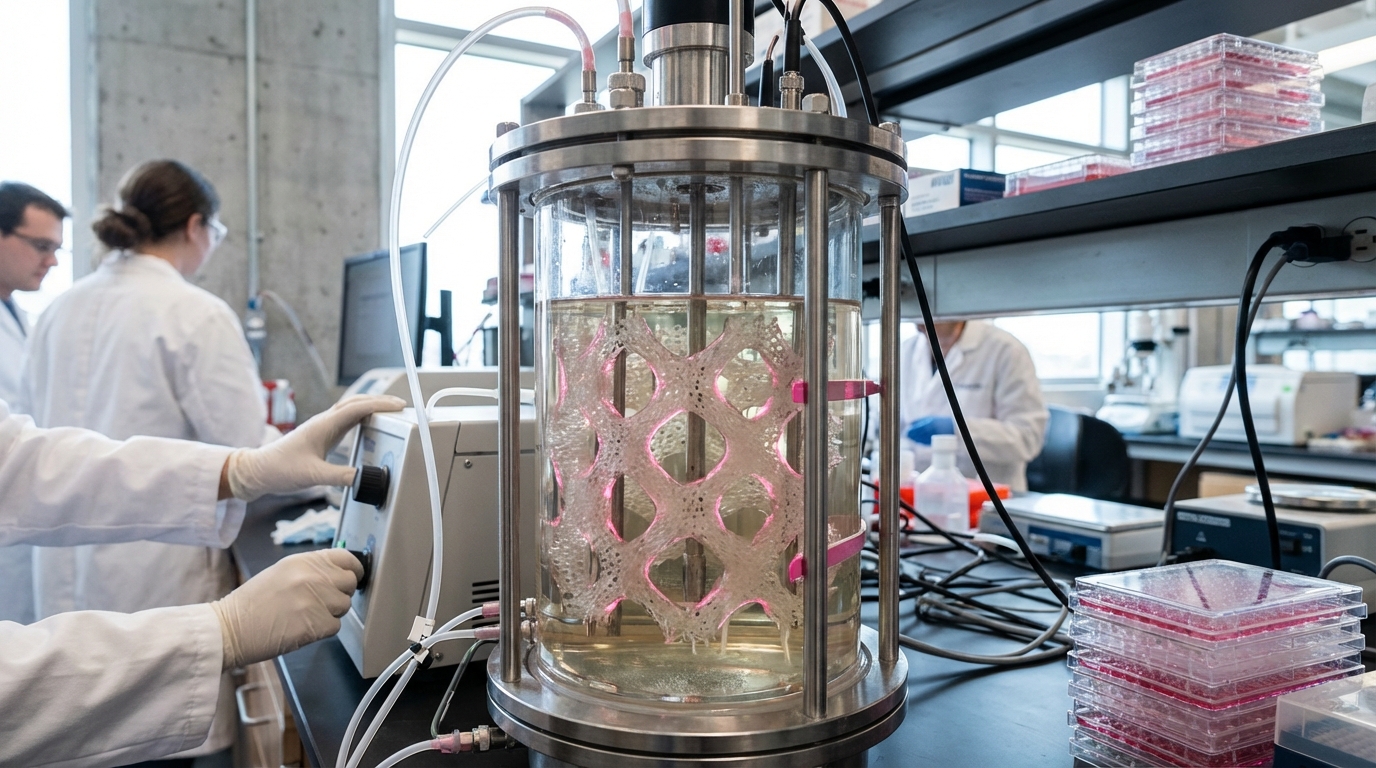
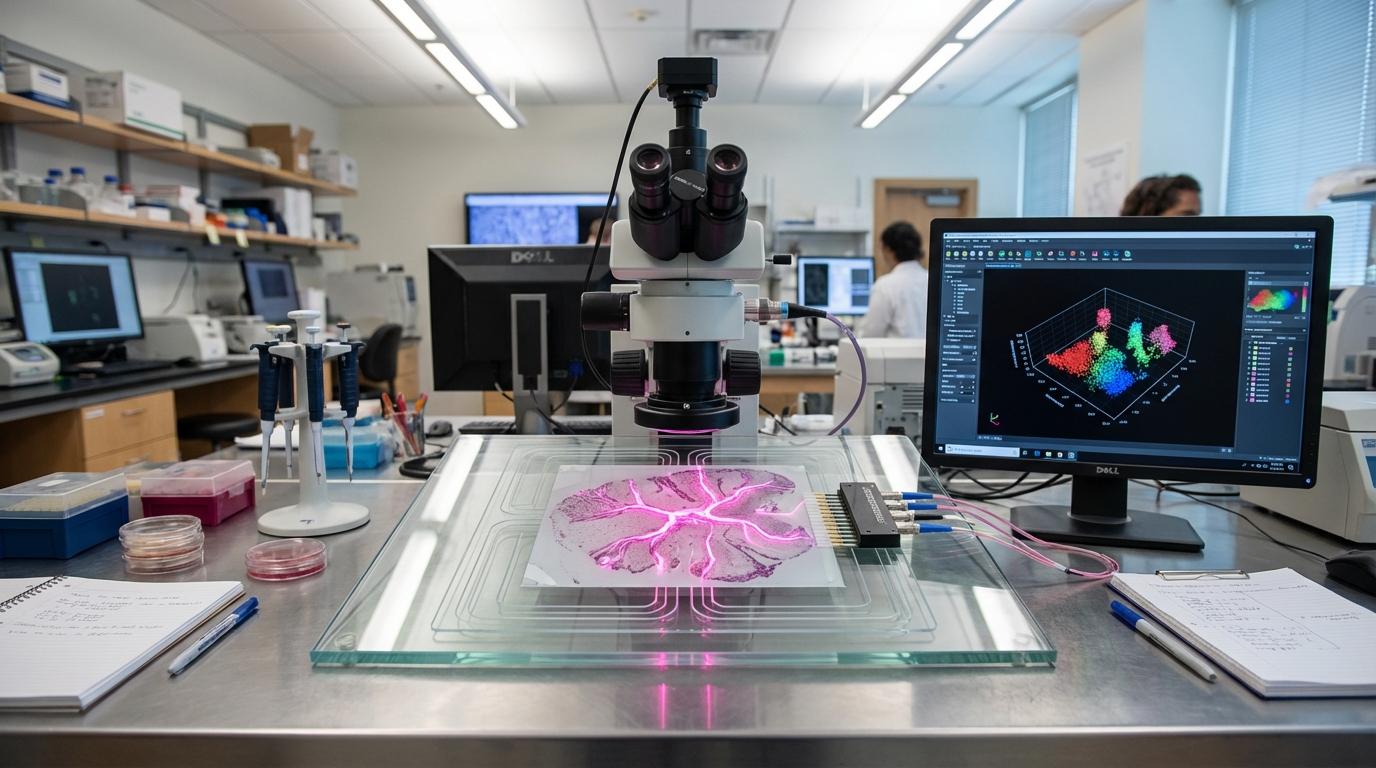
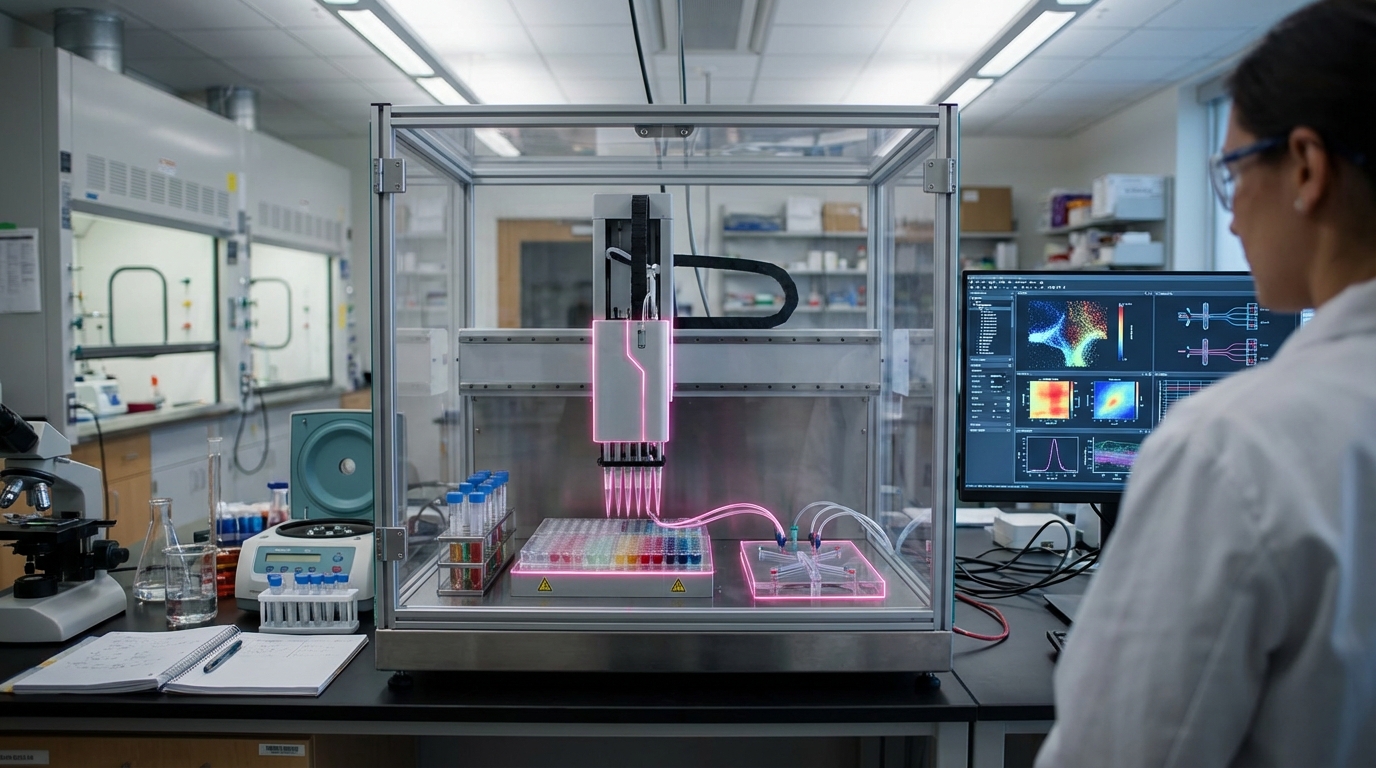
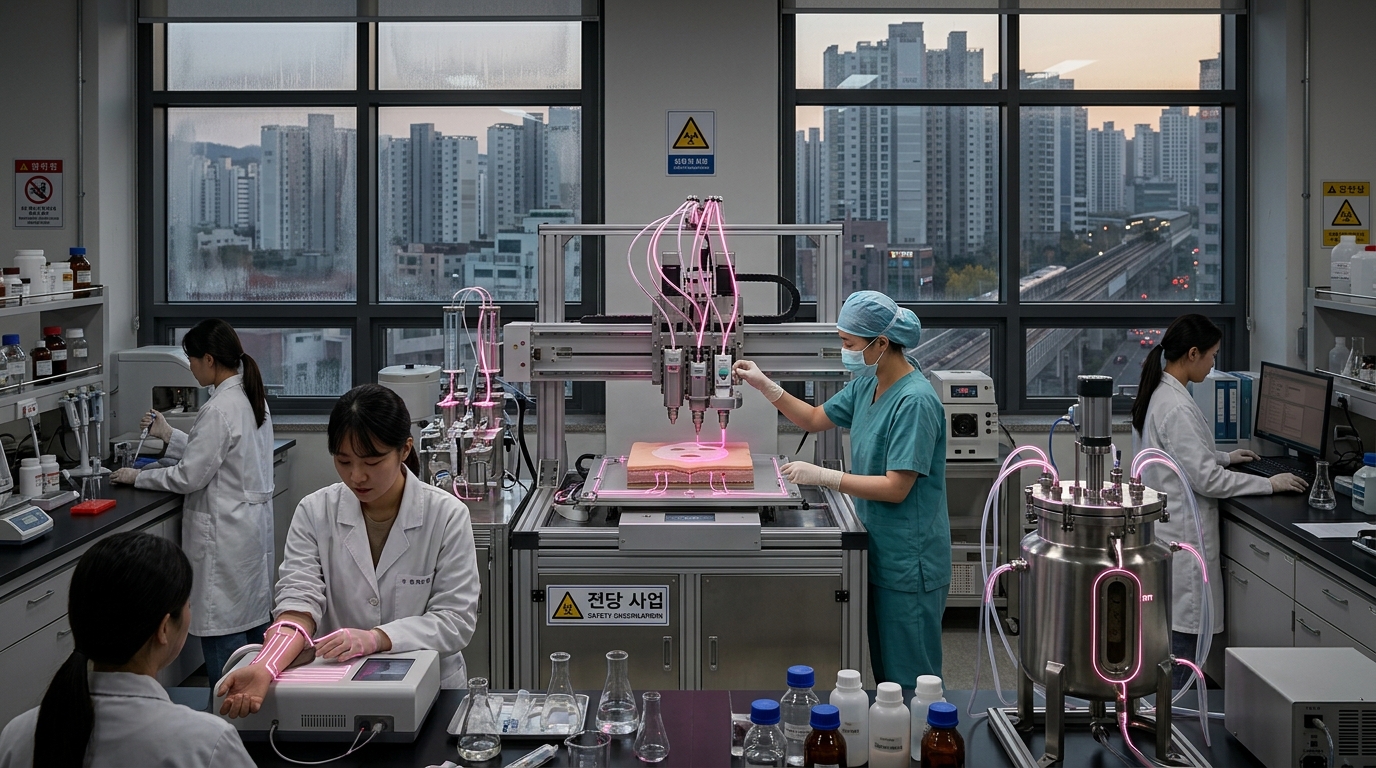
Printers capable of generating functional capillary networks within lab-grown organs.
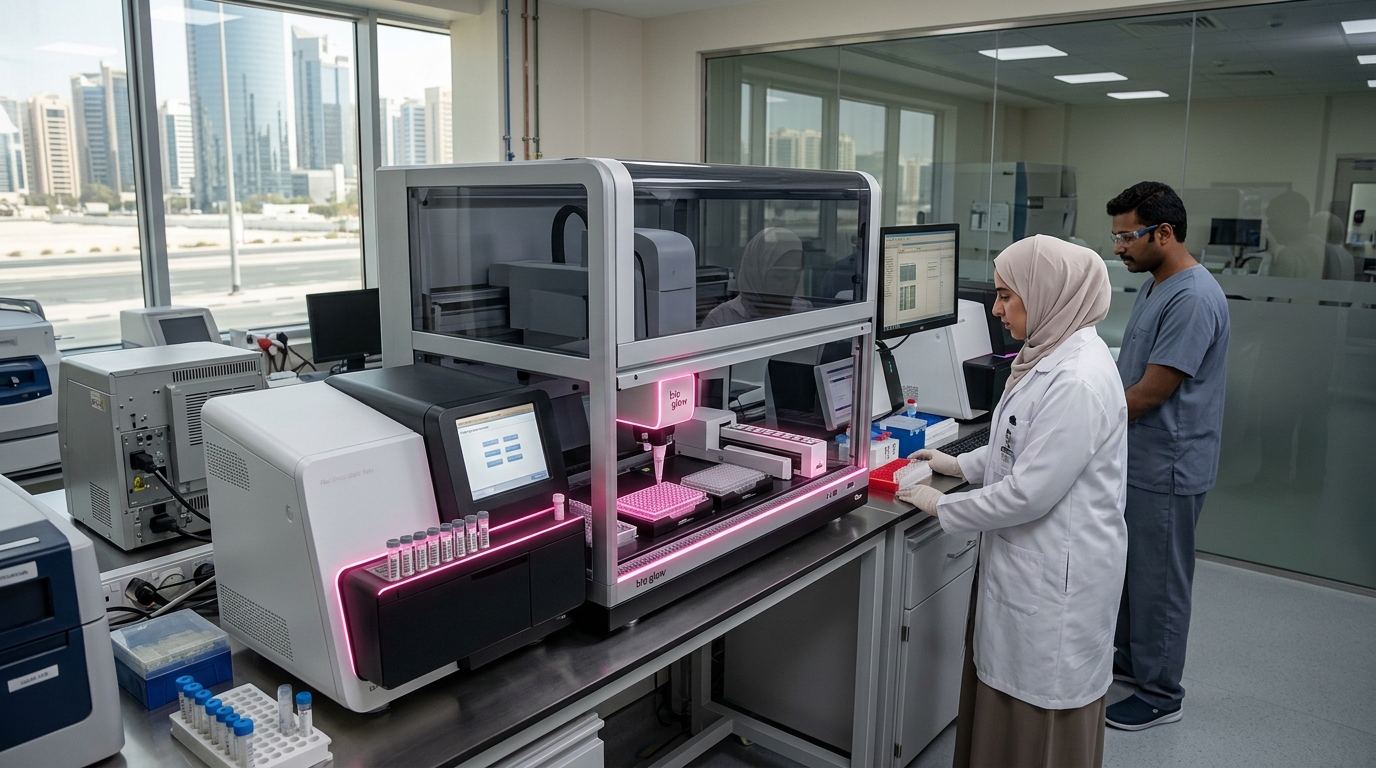
G42 Healthcare operates Abu Dhabi's population-scale genomics program, combining AI analysis with clinical data to build the region's most advanced precision medicine platform.
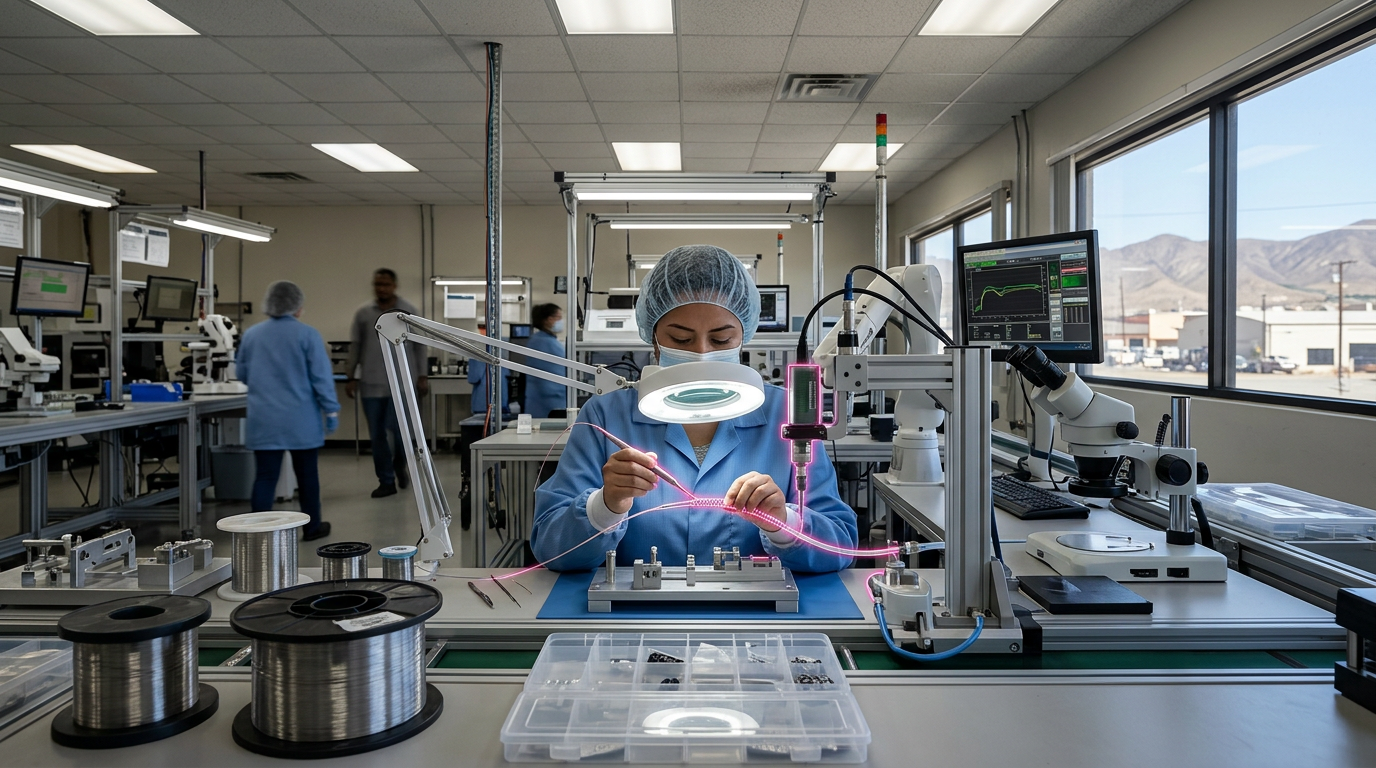
Mexico is the 8th-largest medical device exporter globally, manufacturing Class II/III devices including surgical instruments, catheters, and diagnostic equipment in Baja California clusters.
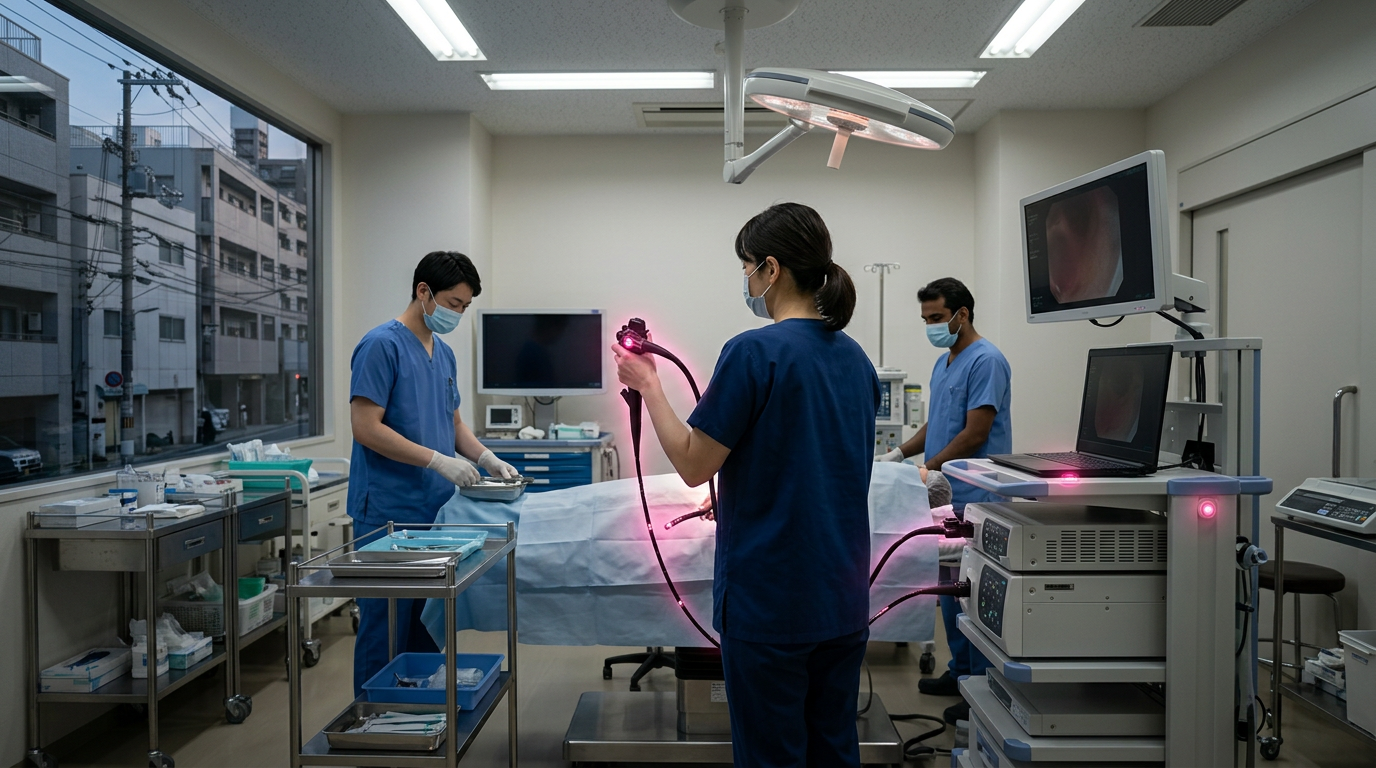
Olympus controls ~70% of the global gastrointestinal endoscope market — integrating AI-assisted diagnosis for real-time cancer detection.
ML models flagging toxicity and safety issues during clinical trials.
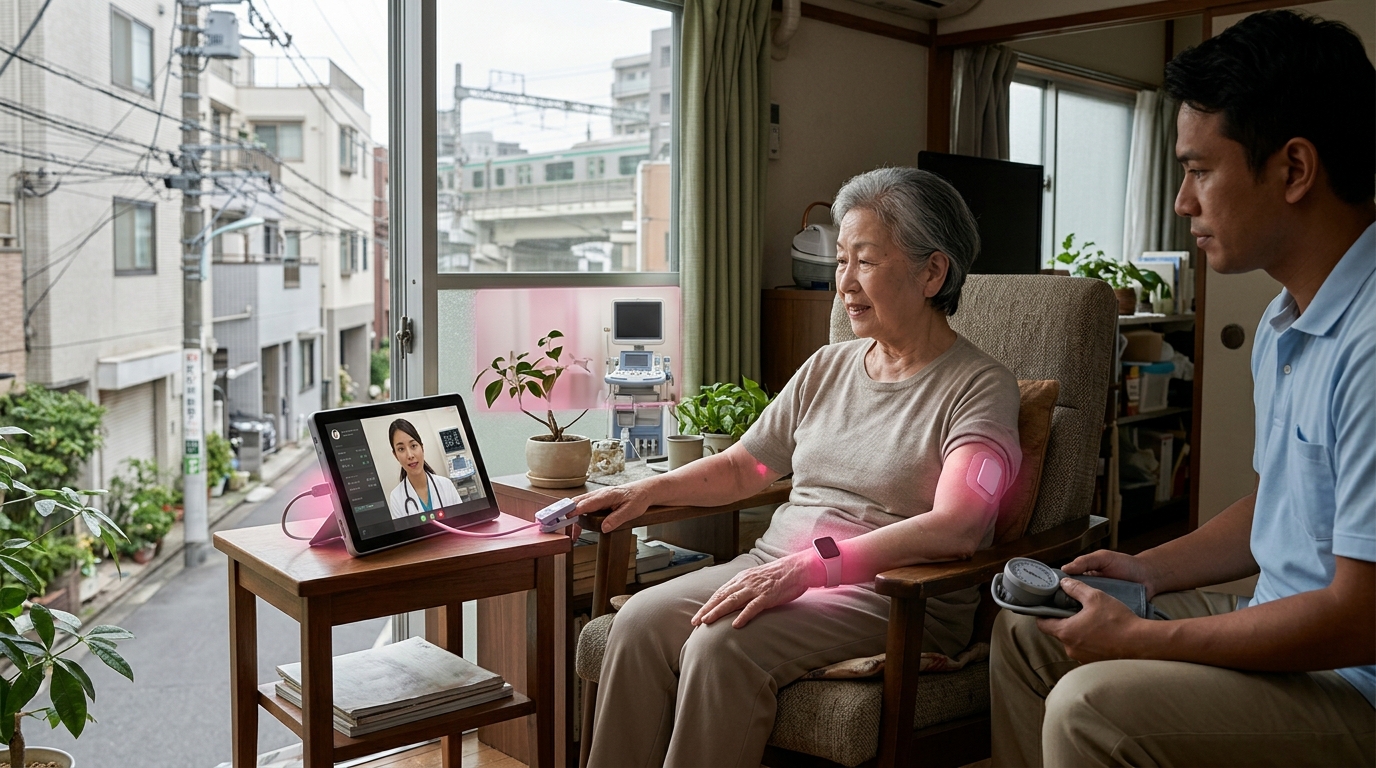
Japan's status as the world's most aged society (29% over 65) drives innovation in telemedicine, wearable monitoring, and dementia care technology.
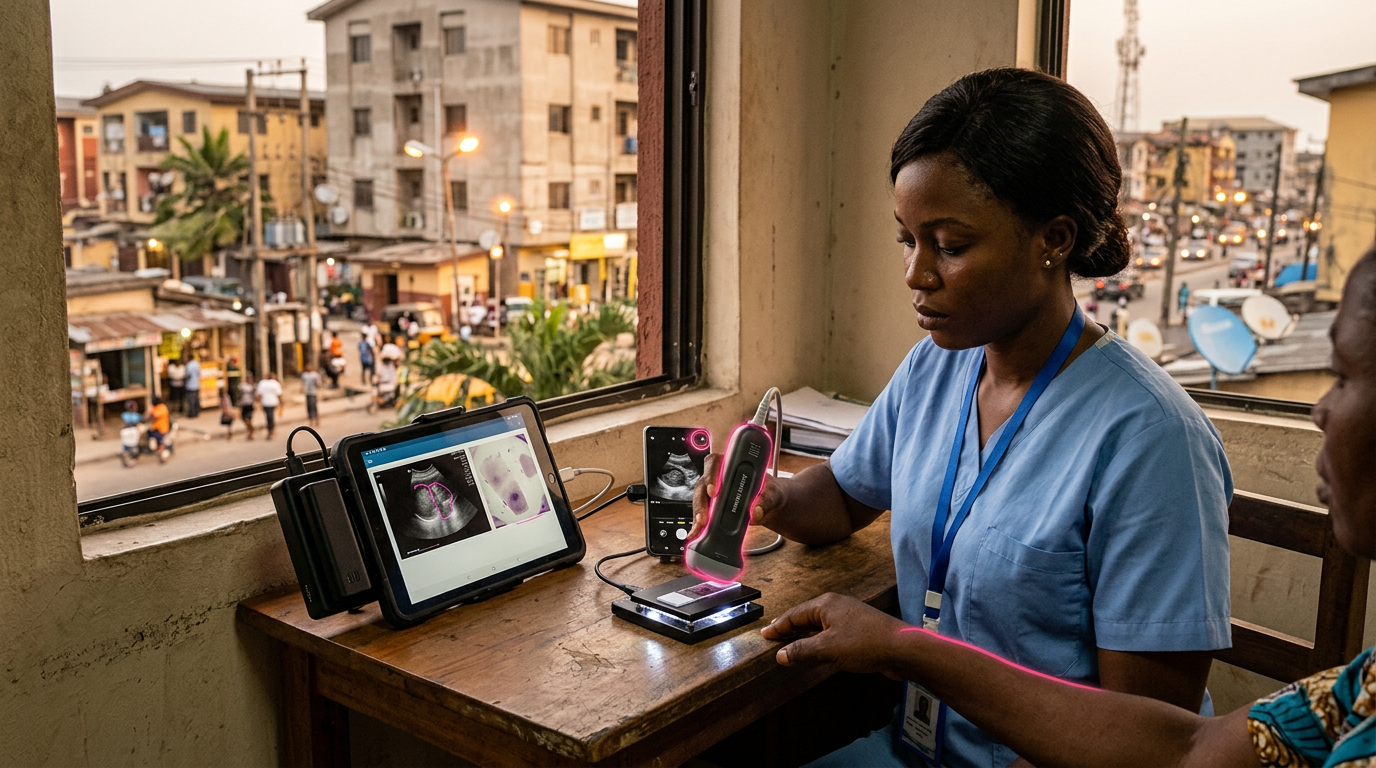
African-built AI models trained on African patient data detect TB, malaria, cervical cancer, and diabetic retinopathy from phone cameras and portable ultrasound devices.
AstraZeneca paid $5.2 billion for access to CSPC's AI drug discovery platform — the largest AI-pharma deal in history — signaling China's emergence in computational drug design
AlphaFold 3 and RoseTTAFold All-Atom predict protein-drug interactions, while David Baker's lab designs entirely novel proteins with therapeutic and industrial applications that don't exist in nature.
Generative models for de novo protein design and cell behavior prediction.
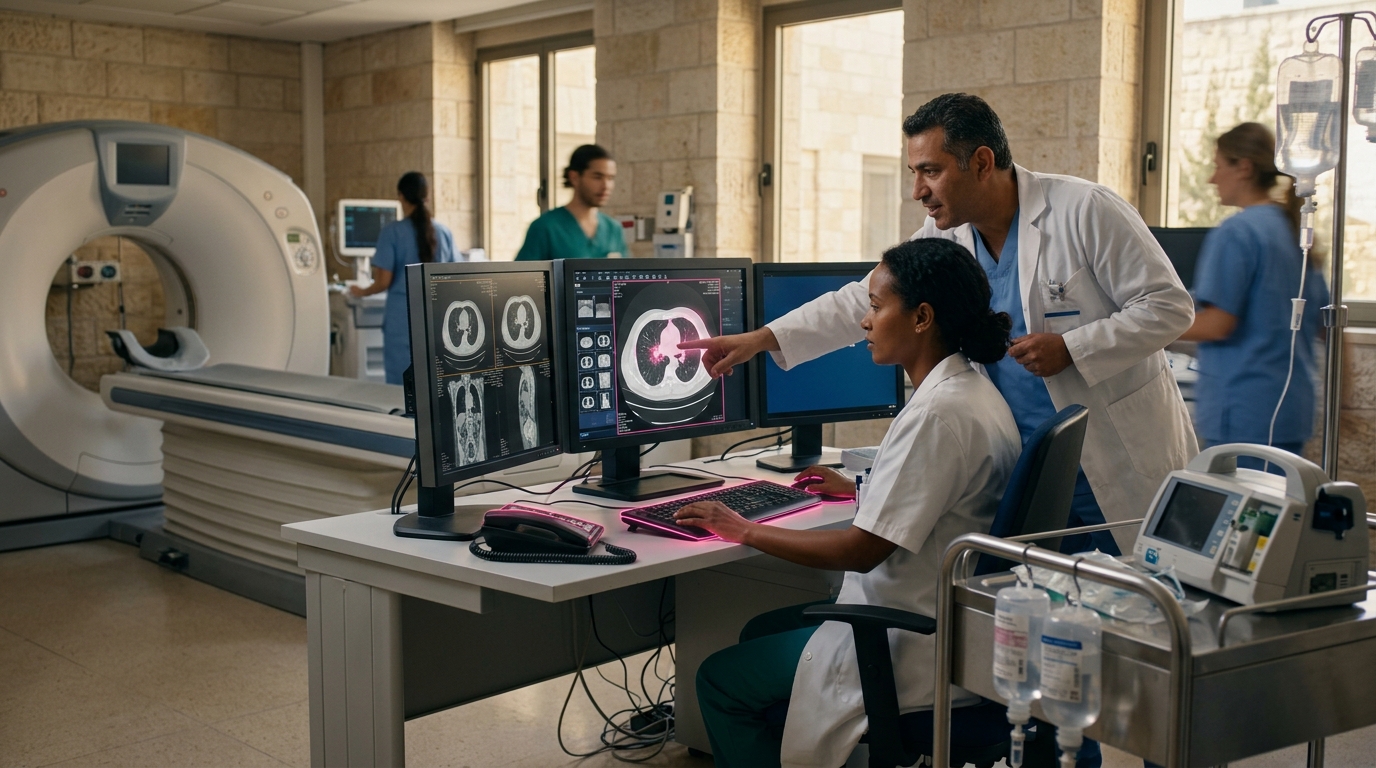
Israeli companies like Aidoc and Zebra Medical have FDA-cleared AI systems that detect strokes, cancers, and fractures from CT/MRI scans in real-time clinical workflows.
Recursion Pharmaceuticals, Insilico Medicine, and Isomorphic Labs (DeepMind) are using AI to design novel drug molecules, with multiple AI-discovered compounds now in human clinical trials.
Fujitsu and Japanese pharma companies are deploying AI to accelerate clinical research and address Japan's 'drug loss' crisis — domestic drug approvals lagging global standards.
Canadian institutes are combining world-class AI research with biomedical data to build drug discovery platforms, including CIFAR-funded work on spatial genomics for brain tumors and molecular modeling.
Isomorphic Labs (UK, $600M) using DeepMind's AlphaFold to predict protein structures and design drugs computationally — preparing first clinical trials
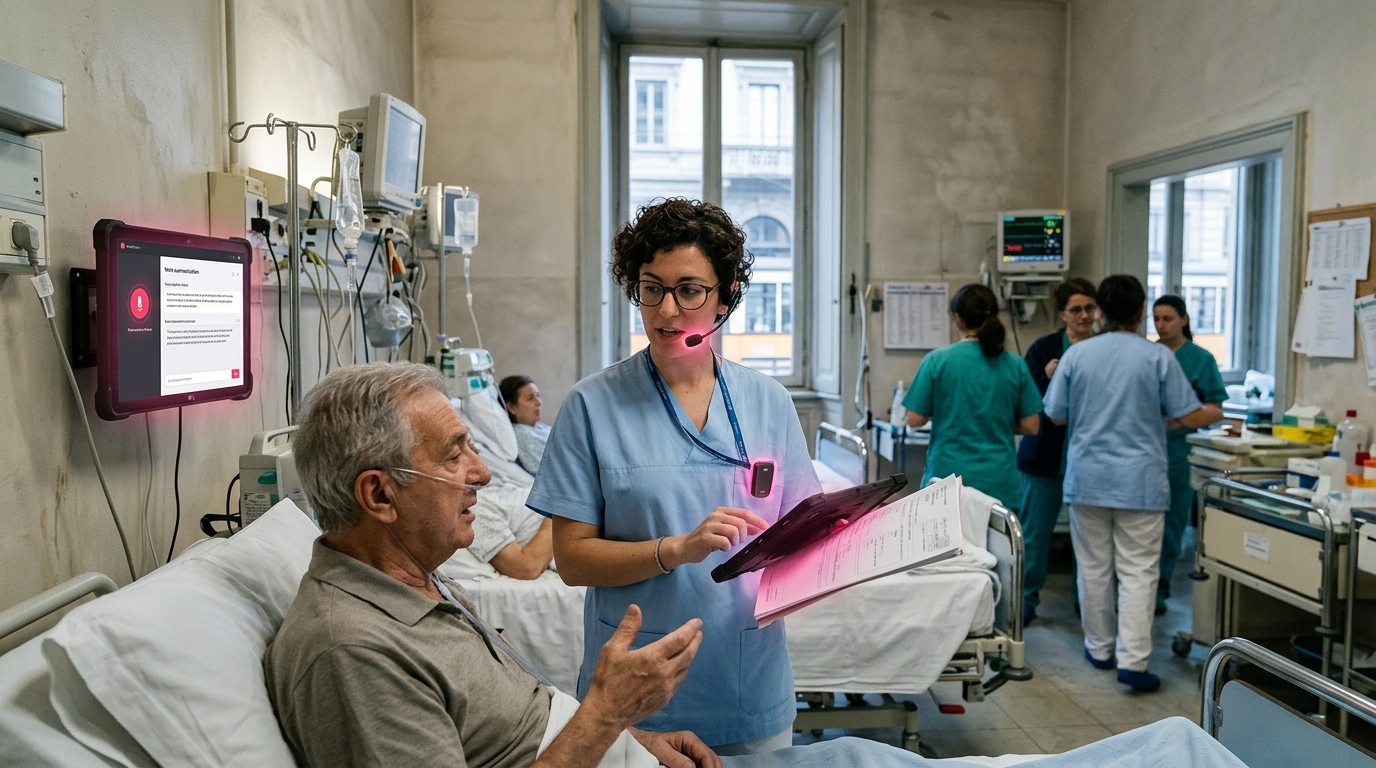
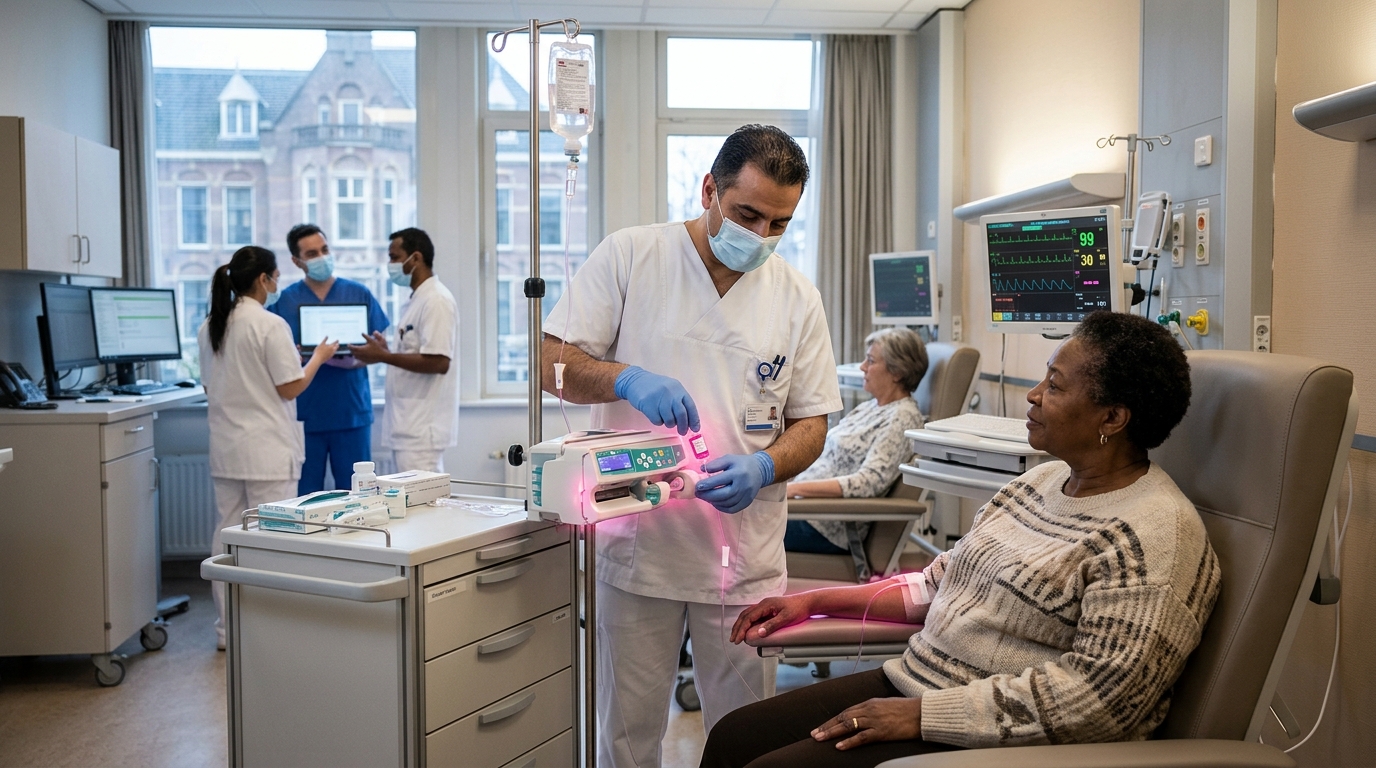
Voice AI that automatically documents patient care in nursing and clinical settings — reducing administrative burden on healthcare workers by 40%+
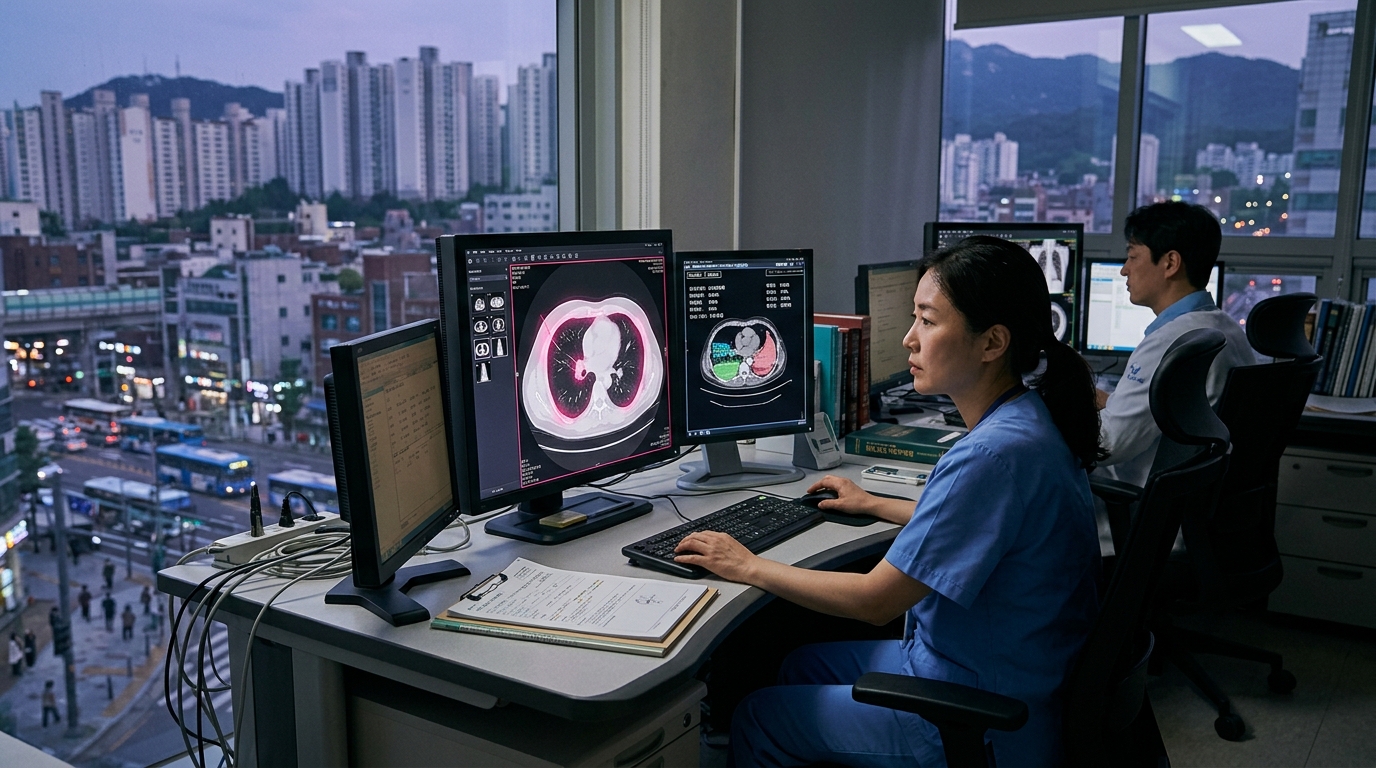
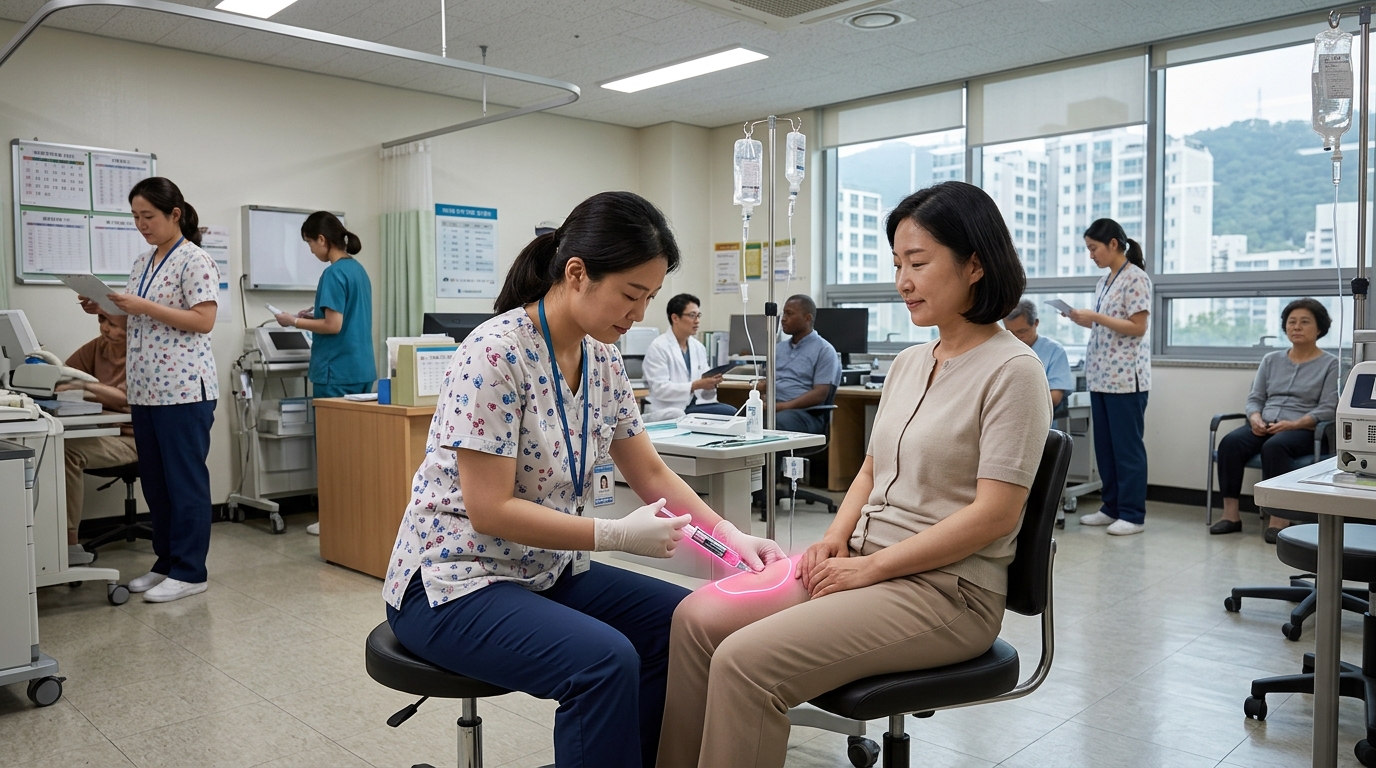
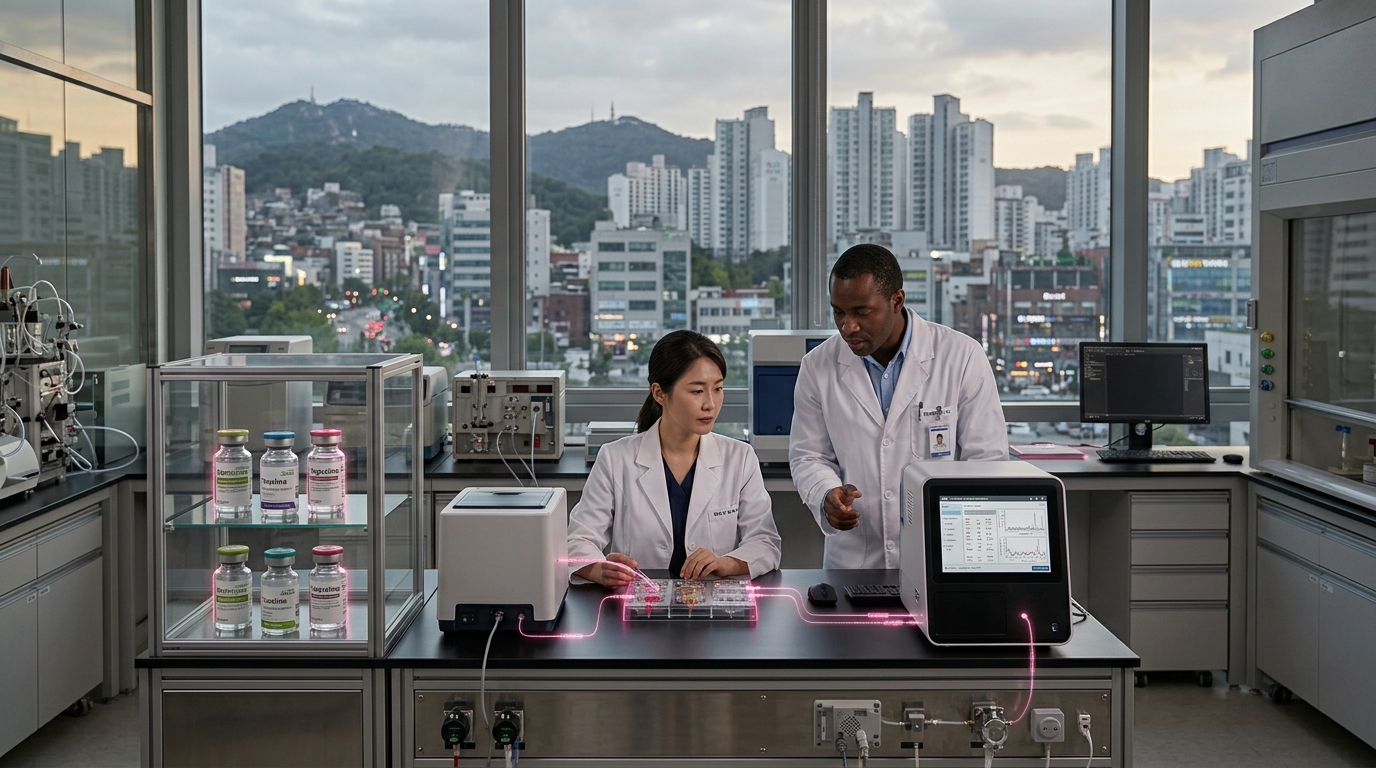
Korean companies Lunit, Vuno, and Coreline Soft lead in AI-powered medical imaging diagnostics, with FDA-cleared products deployed in 4,000+ hospitals across 50 countries.
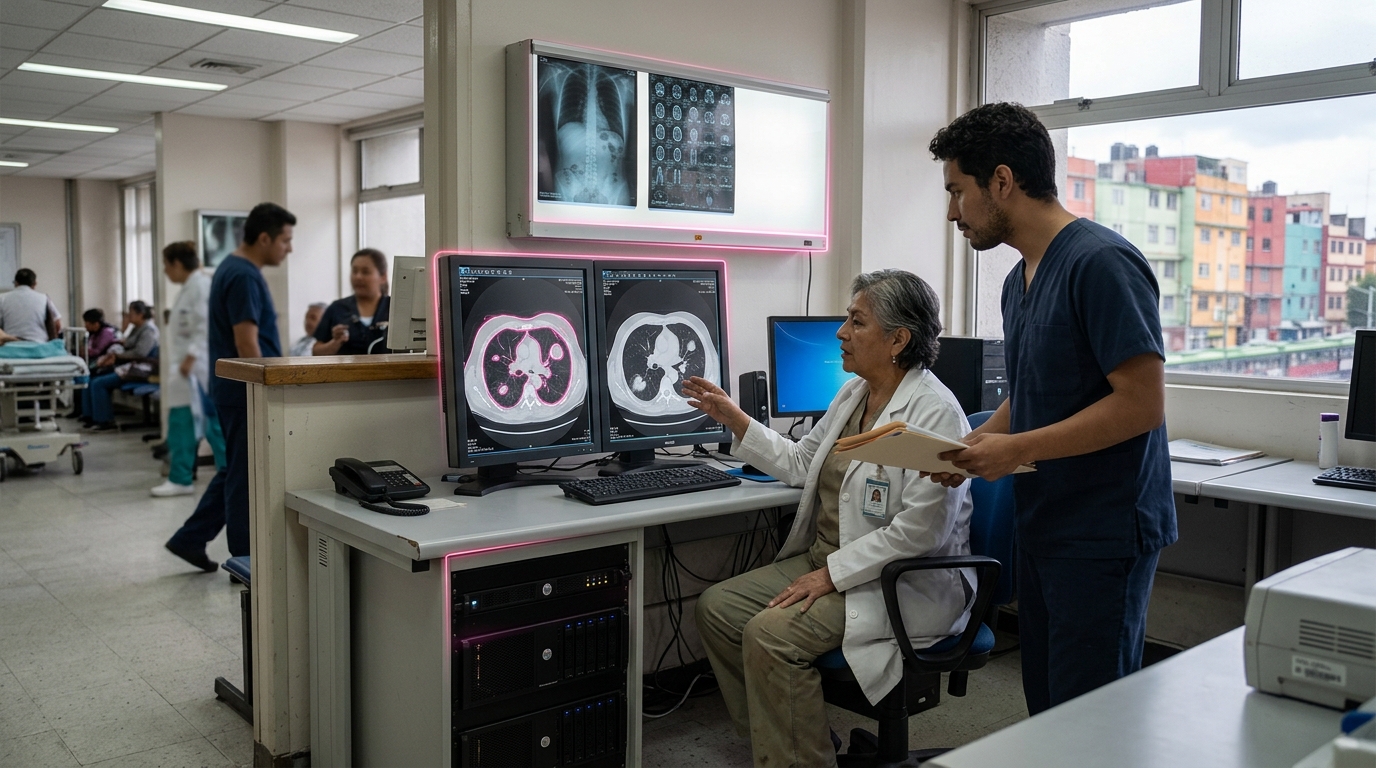
Mexican healthtech startups deploy ML models for medical imaging analysis, patient outcome prediction, and treatment optimization in hospitals serving underserved populations.
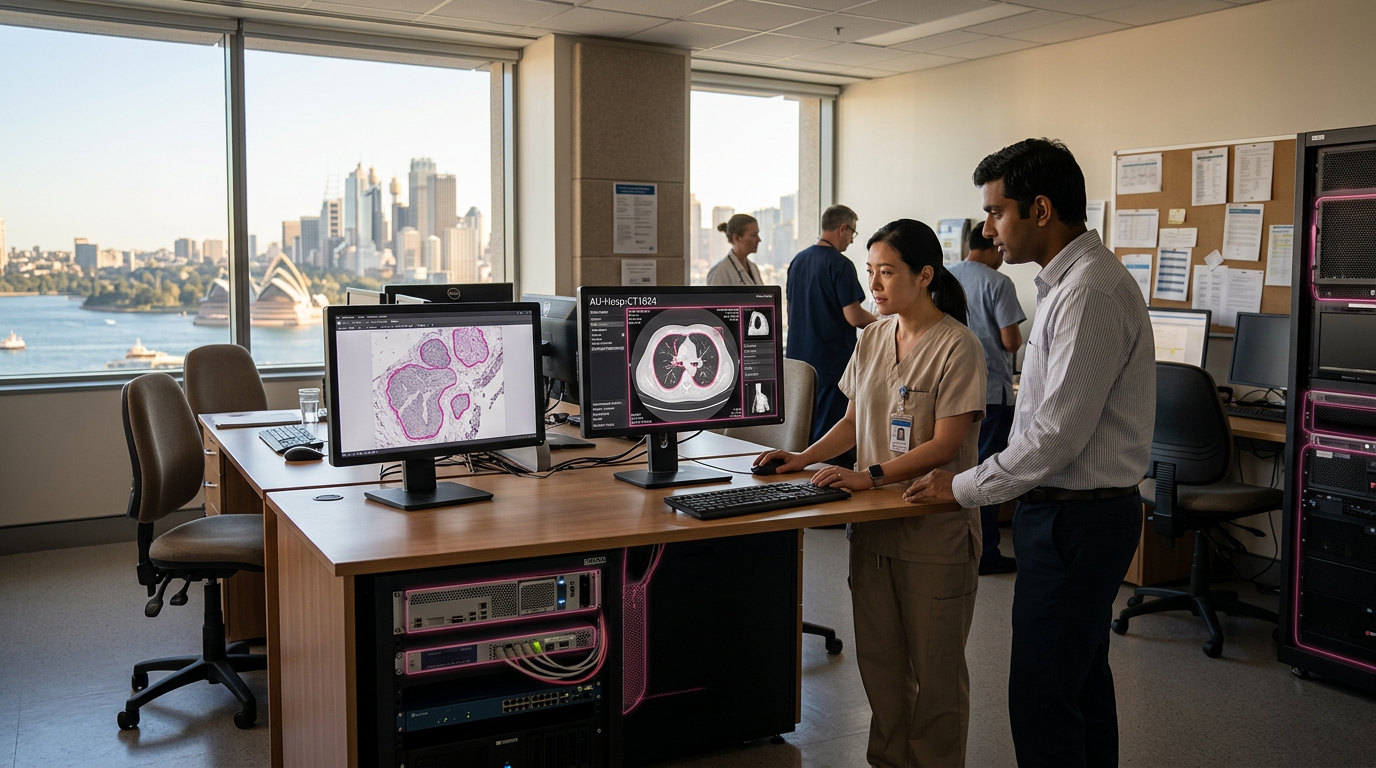
Harrison.AI develops clinical-grade AI models for radiology and pathology that match specialist accuracy — deployed across Australian hospitals and highlighted in the National AI Plan as a sovereign capability.
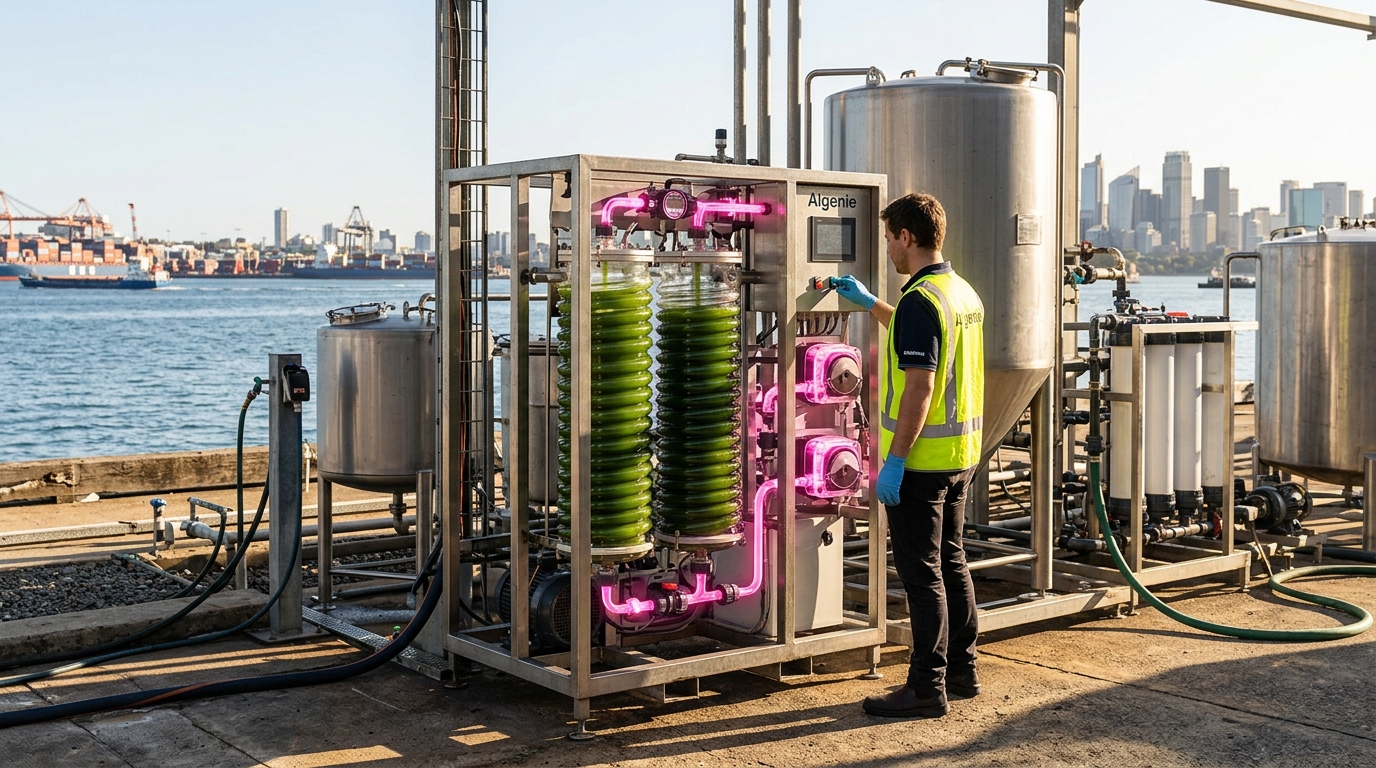
Australian deep tech company Algenie is engineering algae as production platforms for high-value compounds — from pharmaceuticals to bioplastics — using Australia's abundant sunlight as the primary energy input.
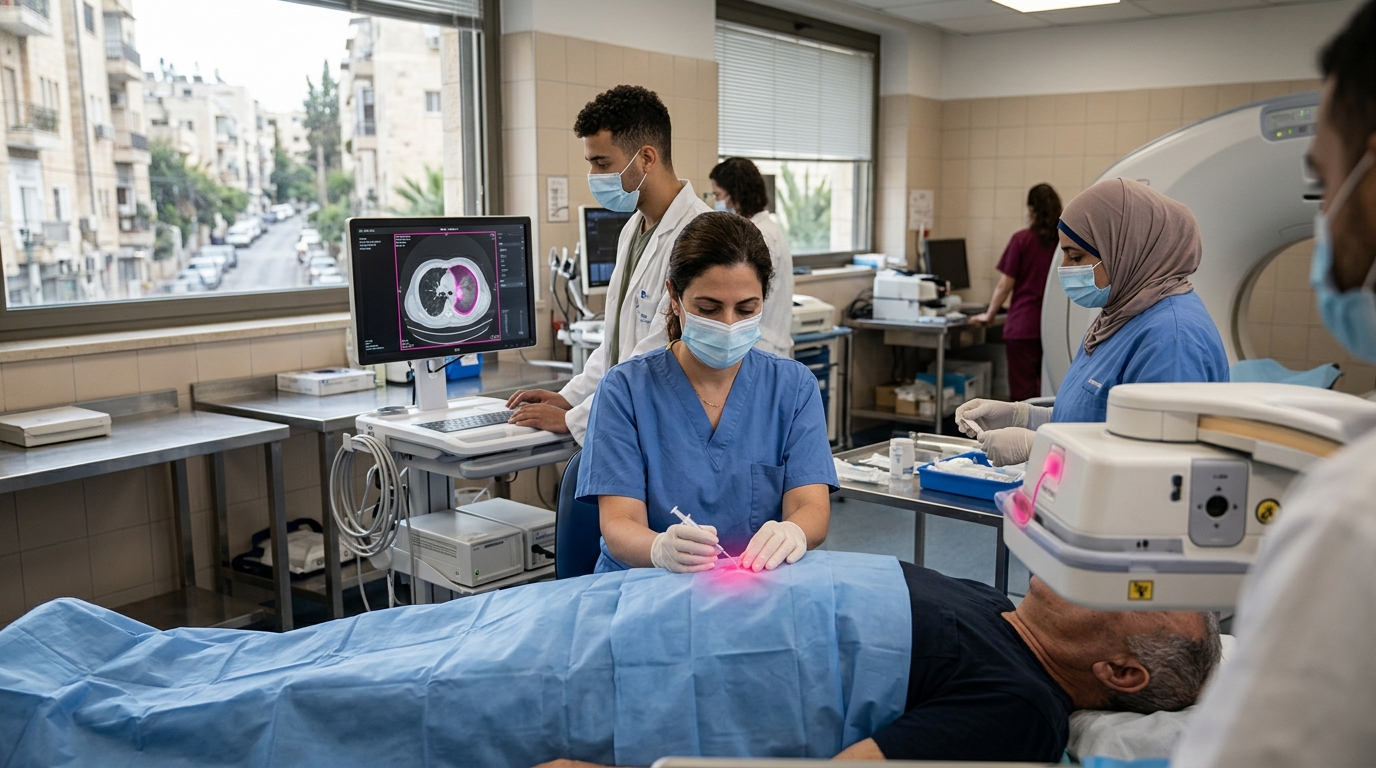
Alpha Tau Medical's Alpha DaRT technology uses controlled alpha-radiation diffusion to destroy solid tumors while sparing surrounding tissue, in clinical trials globally.
Korean biotech companies LigaChem, AimedBio, and others are developing next-generation ADC platforms, with Boehringer Ingelheim licensing AimedBio's technology in a deal worth up to $991M.
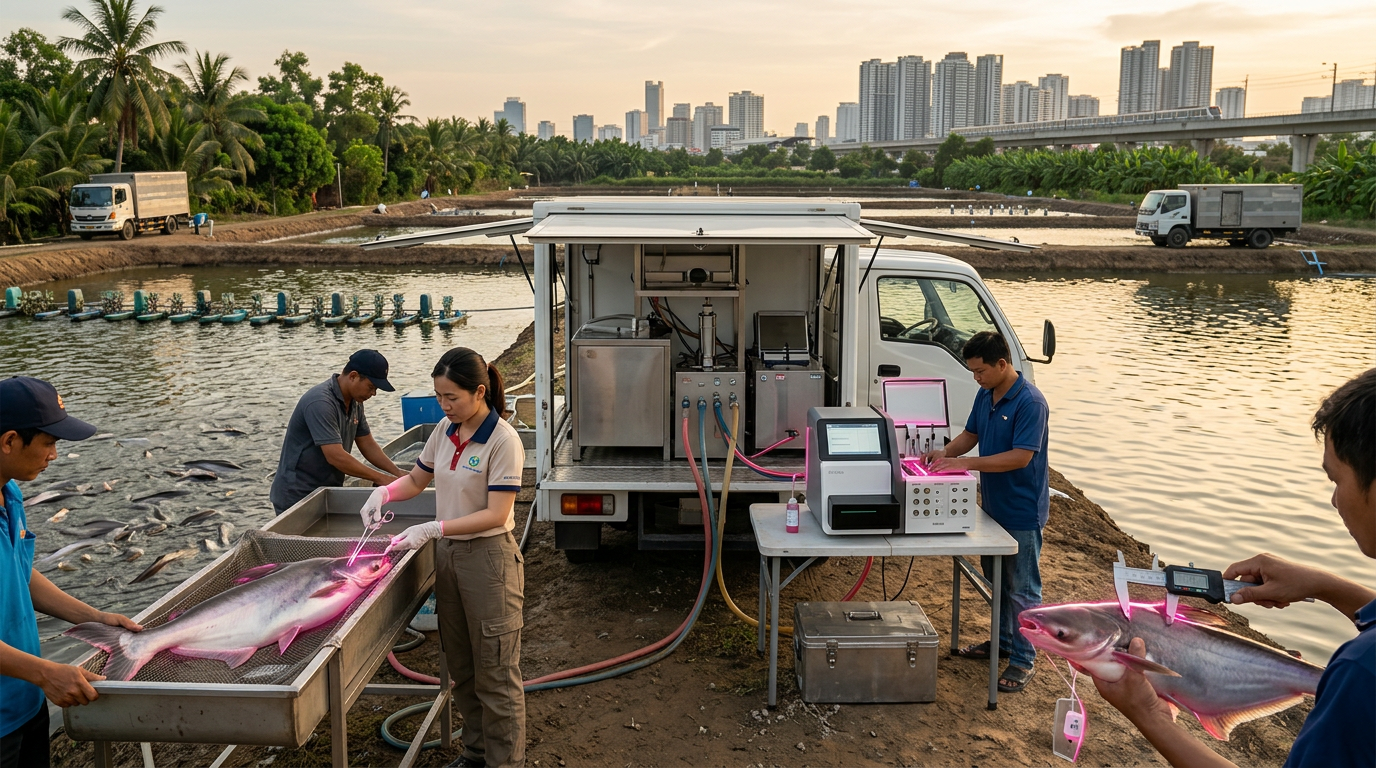
Vietnam's national aquaculture genetics programs develop disease-resistant, fast-growing strains of pangasius and shrimp using selective breeding and genomic selection technology.
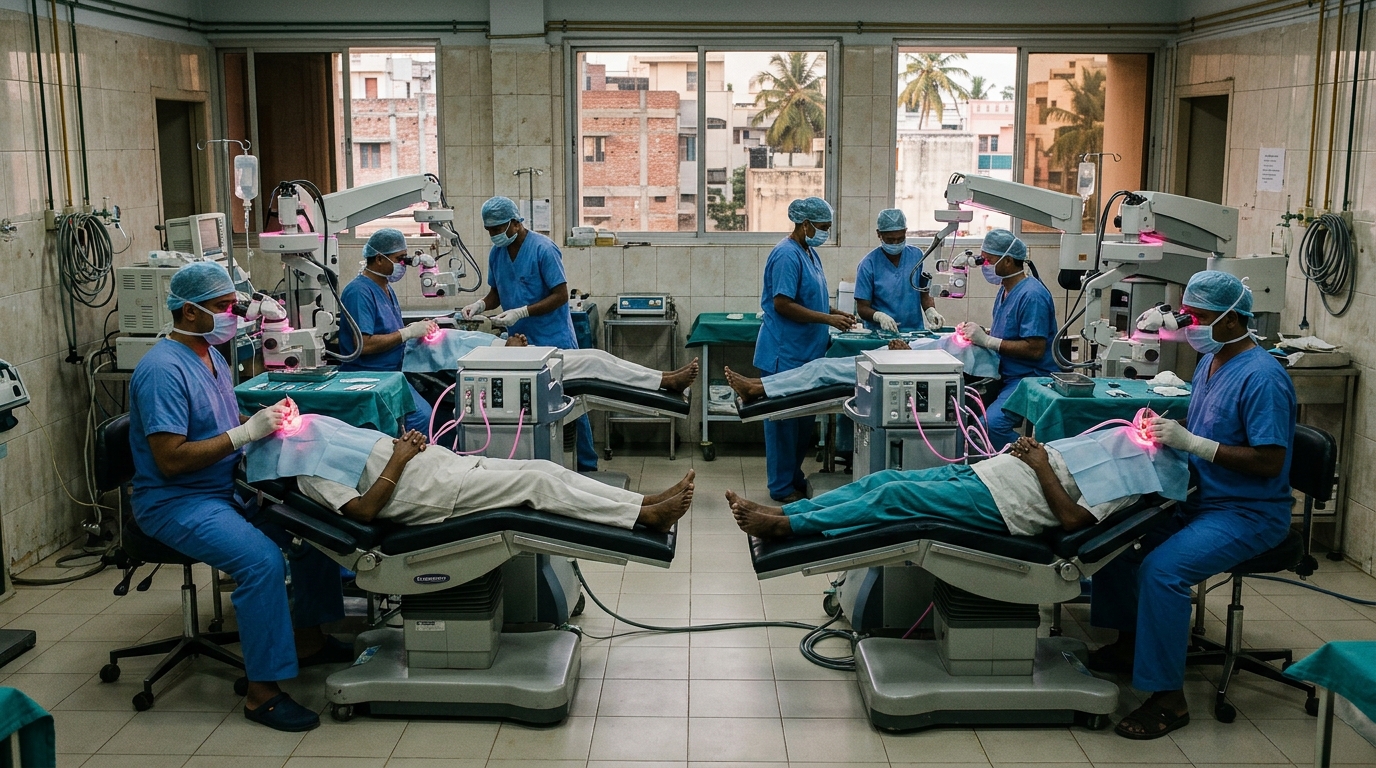
Aravind Eye Hospital performs 500,000+ eye surgeries annually at costs from $12-$100 — using a McDonald's-inspired assembly-line model that achieves clinical outcomes matching the best Western hospitals at 1/100th the cost.
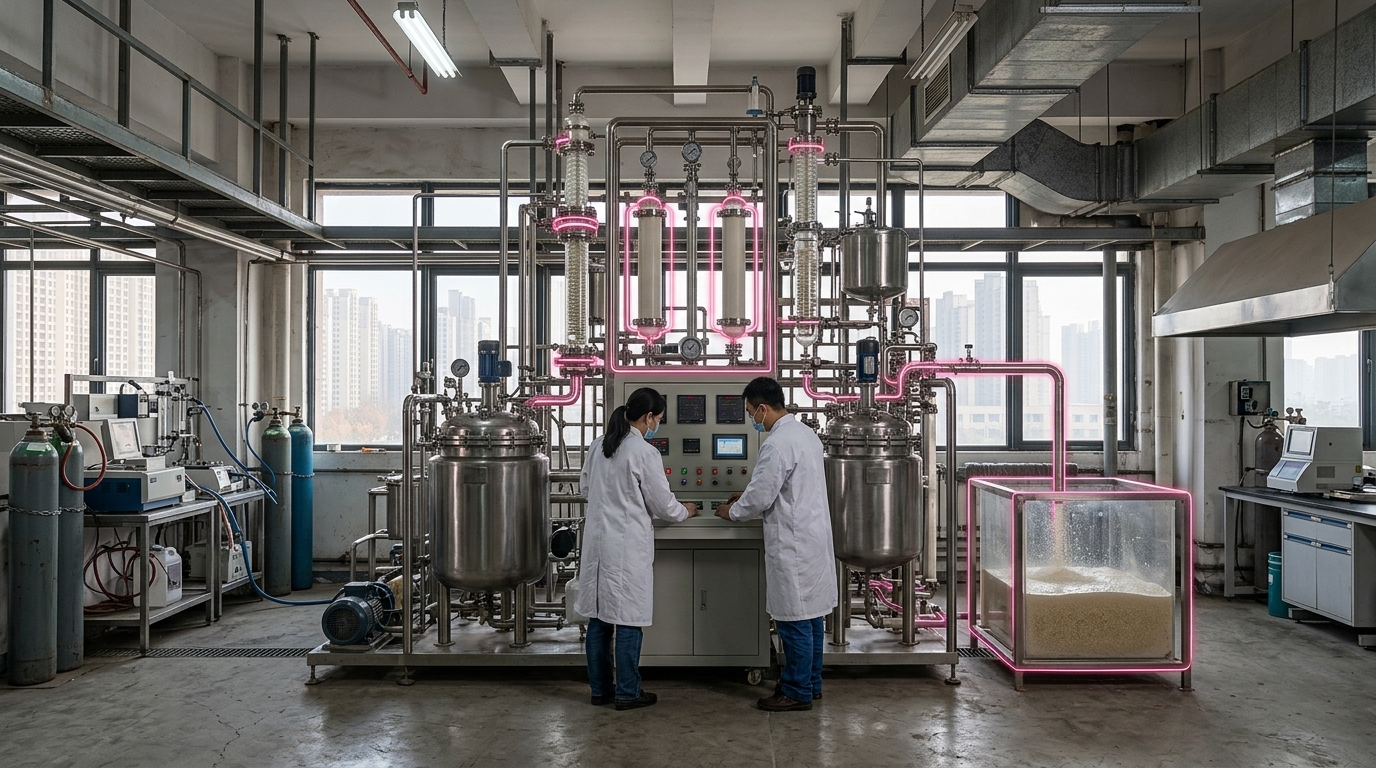
Chinese scientists synthesized starch from CO2 using an 11-step chemoenzymatic process 8.5x more efficient than photosynthesis — a potential paradigm shift for food production without farmland.
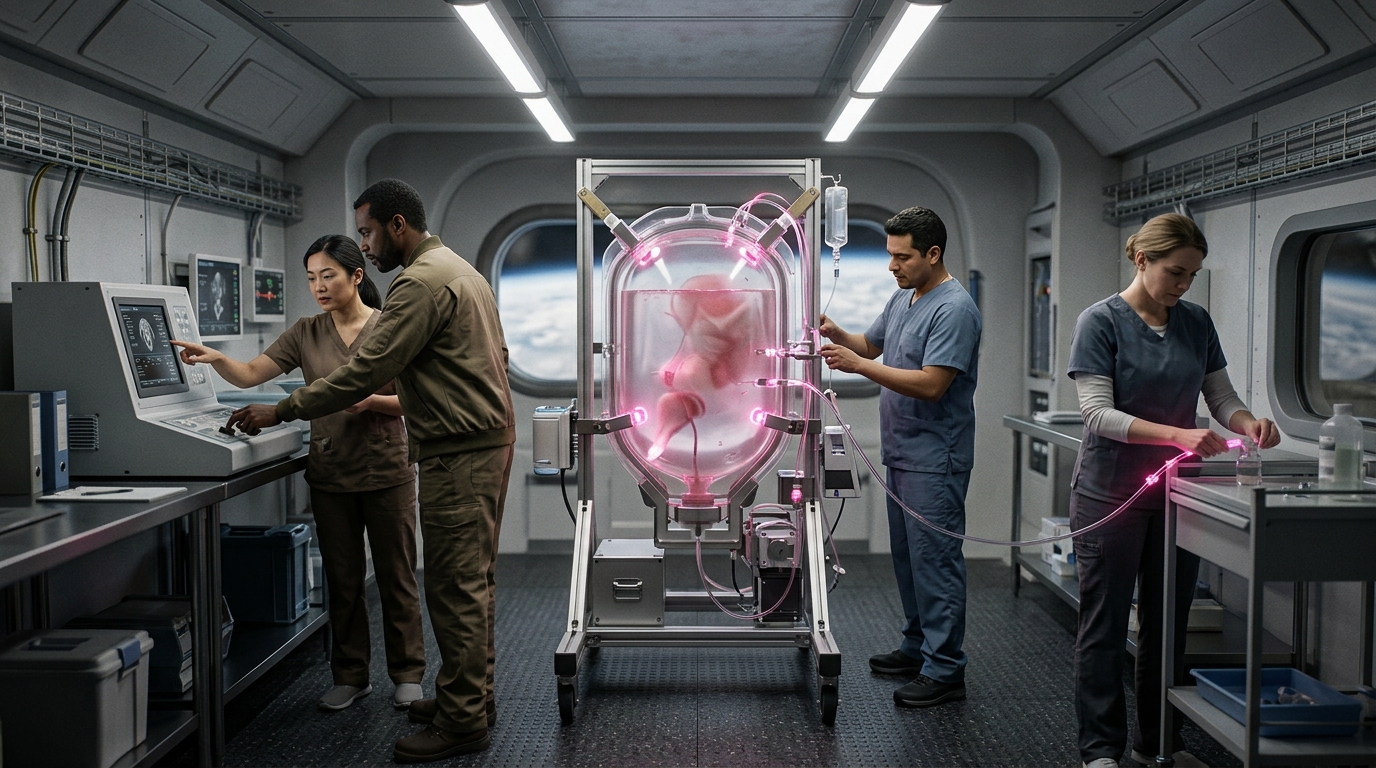
Extracorporeal gestation for space travel, reprogenetics, and medical support.
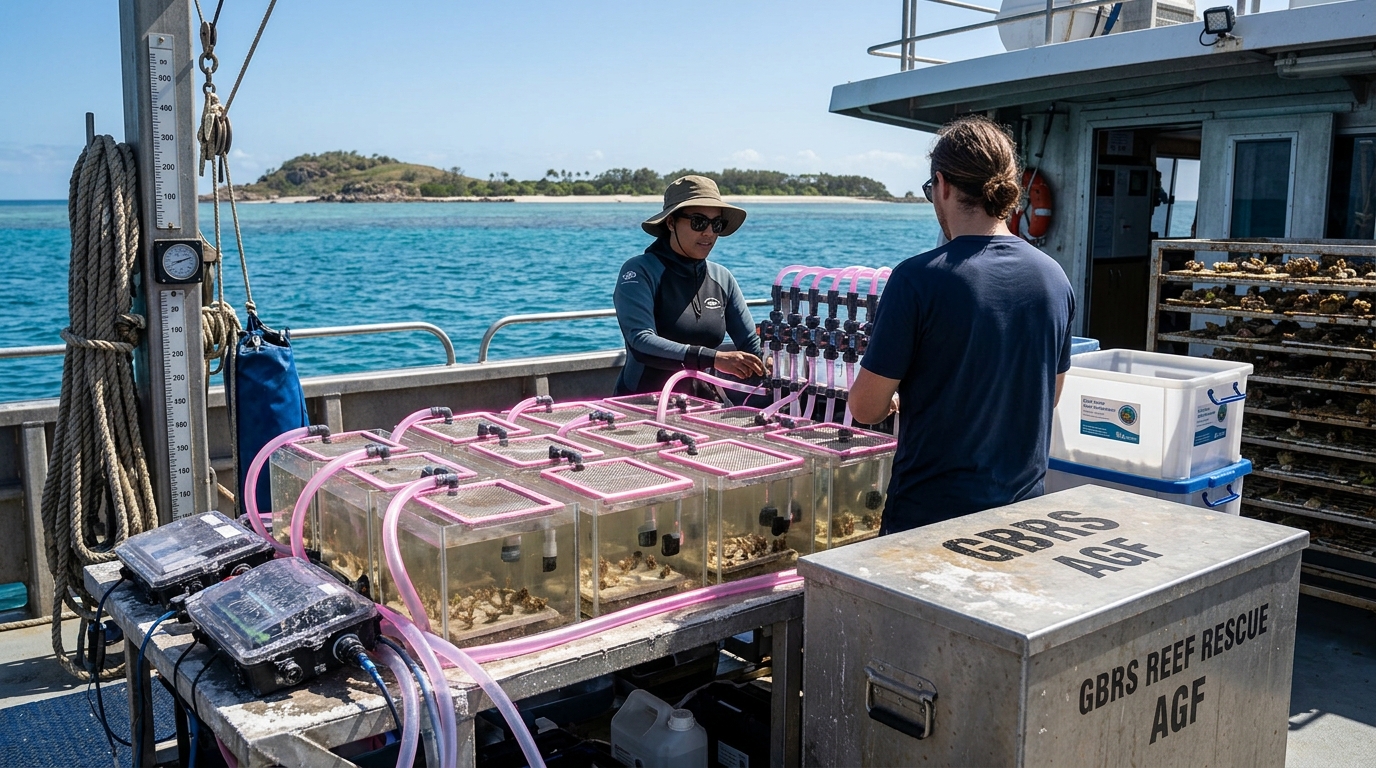
RRAP's coral biobanking and selective breeding program aims to plant 1.2M heat-tolerant corals/year by 2031 — 30x current rates — using assisted gene flow to future-proof reefs against warming.
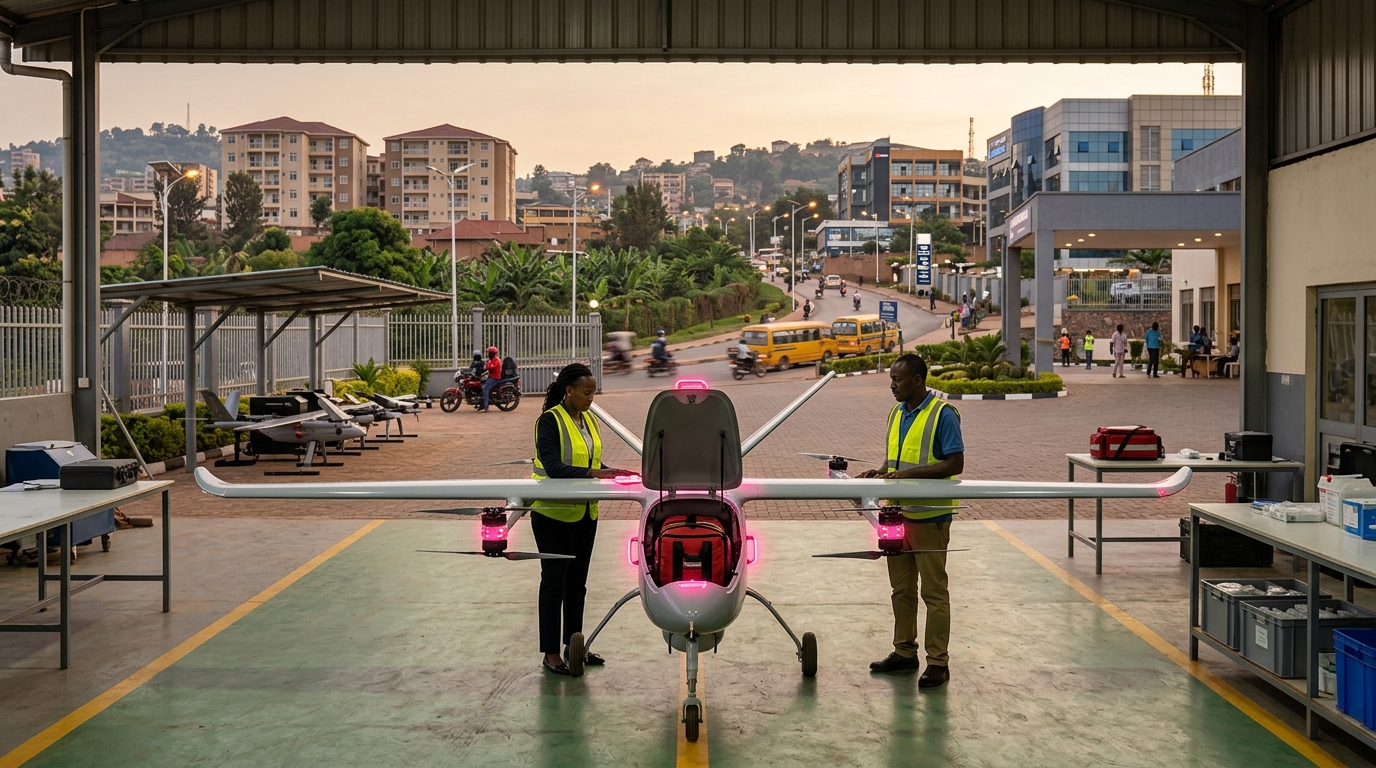
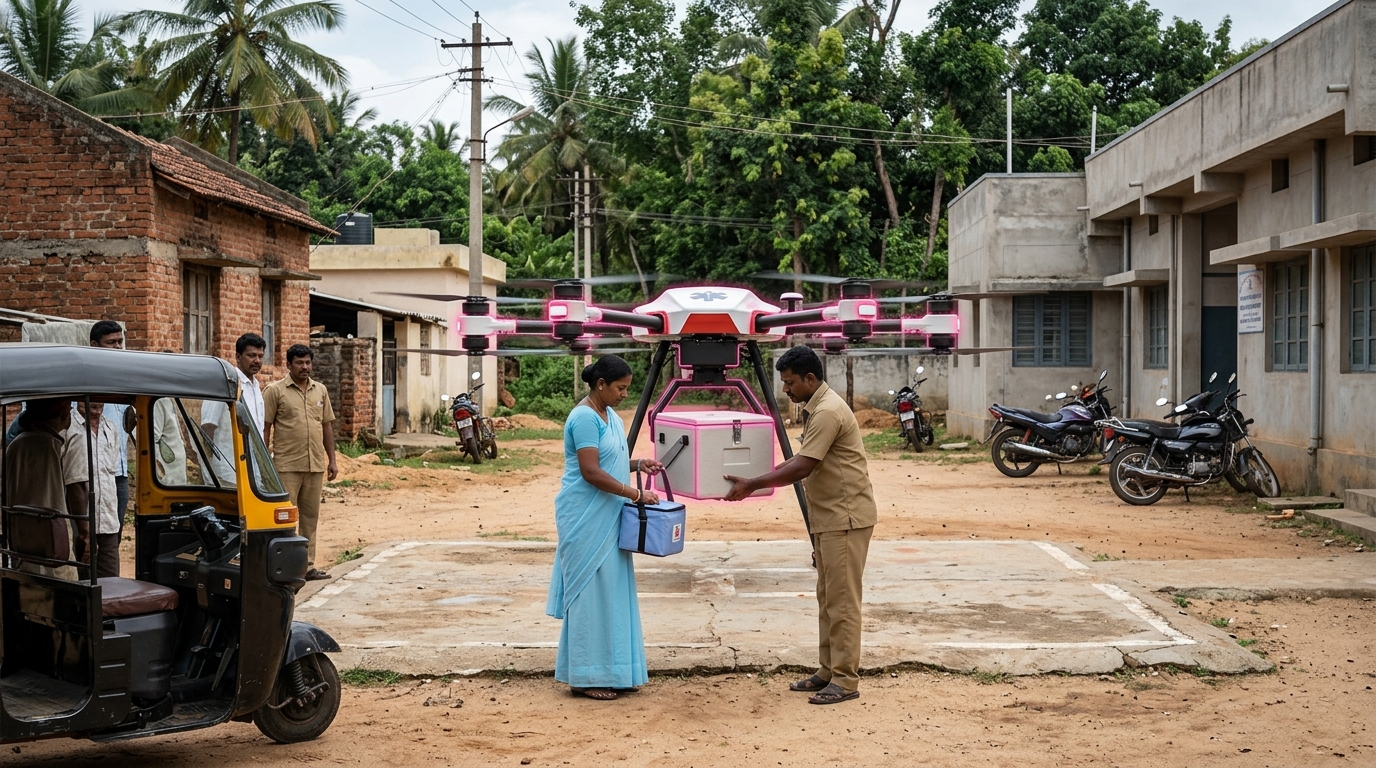
Rwanda became the world's first country to deploy a national drone delivery network for blood and medical supplies in 2016 — now handling 75%+ of blood deliveries outside Kigali.
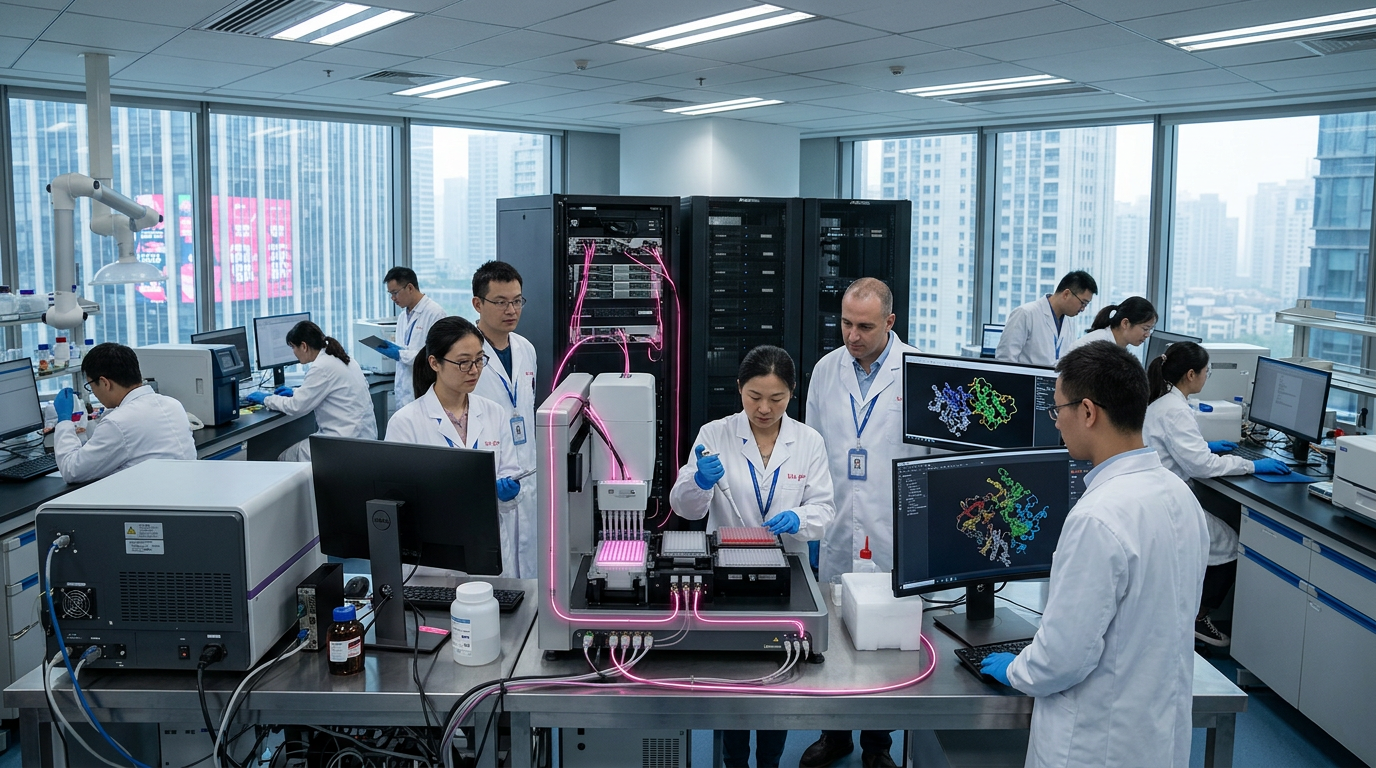
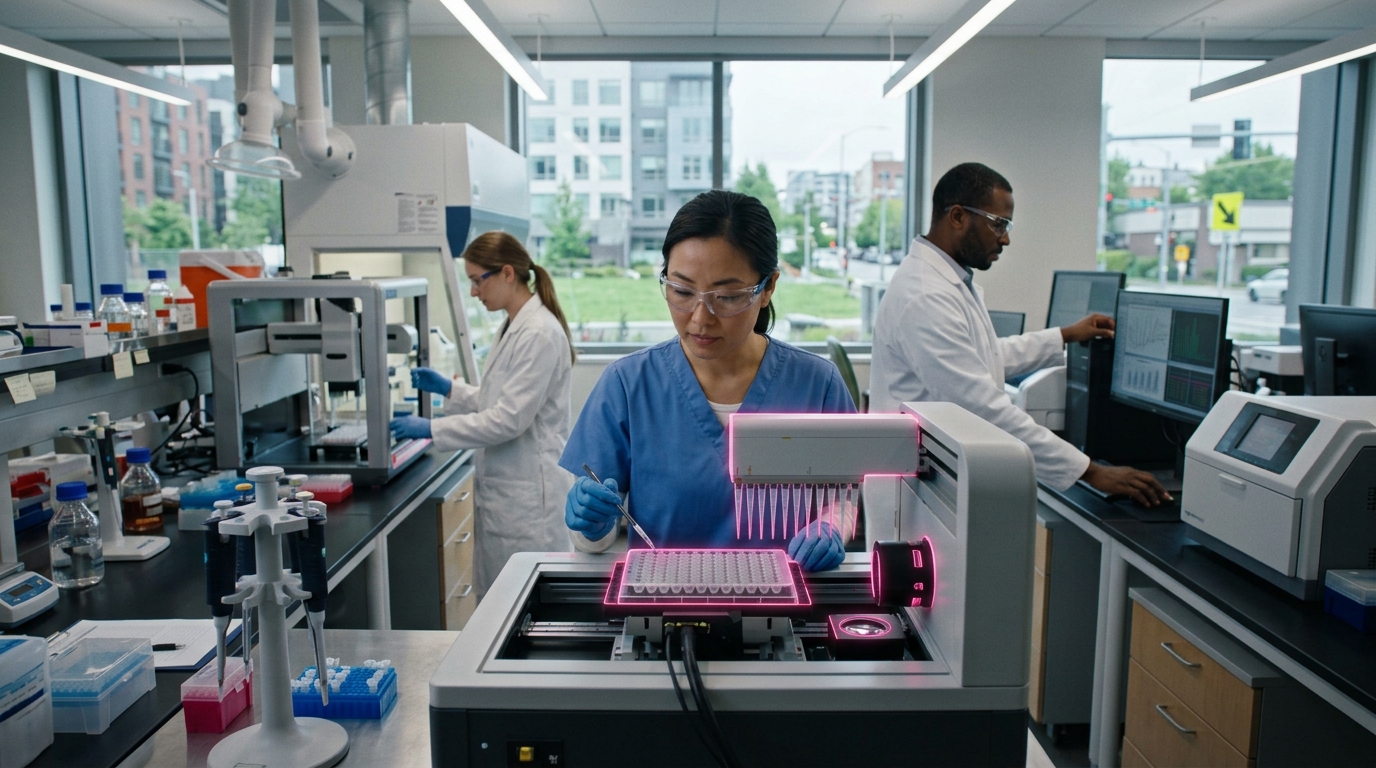
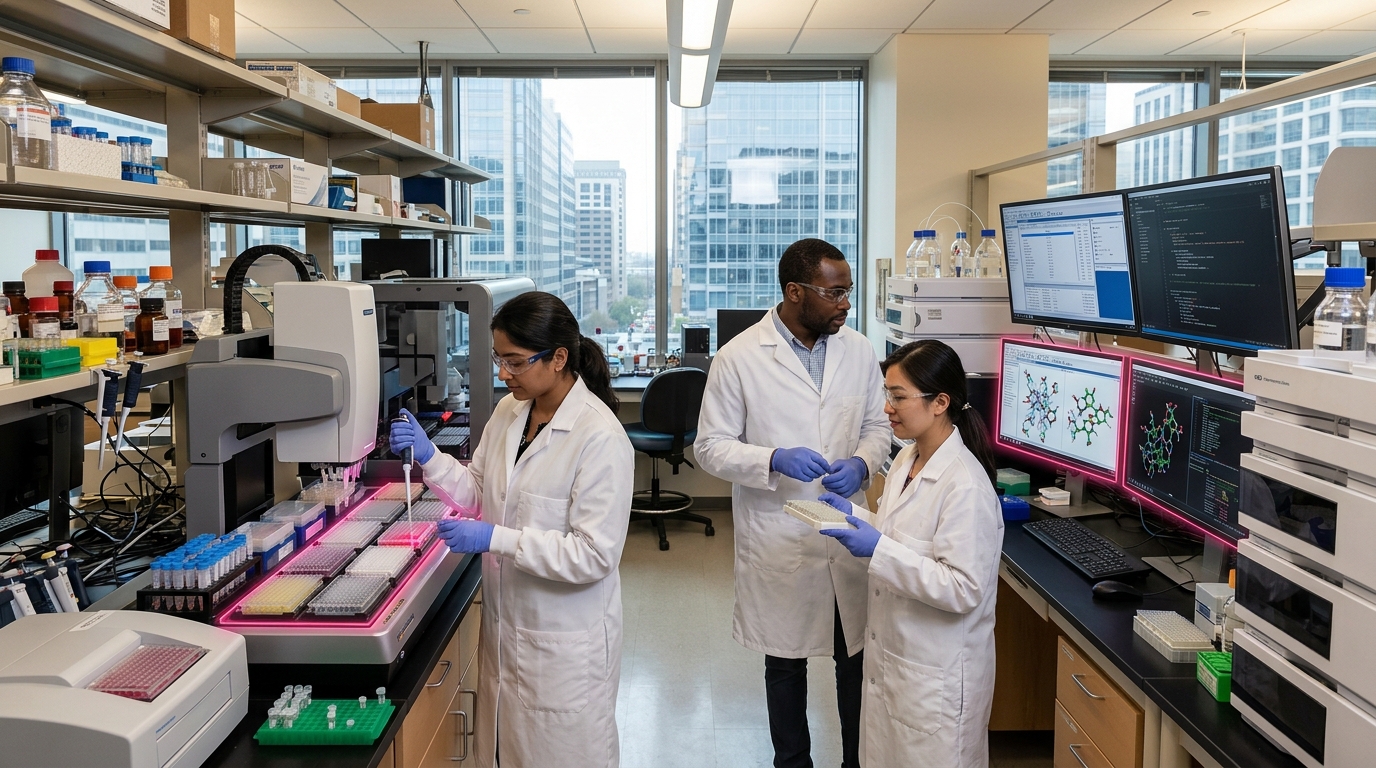
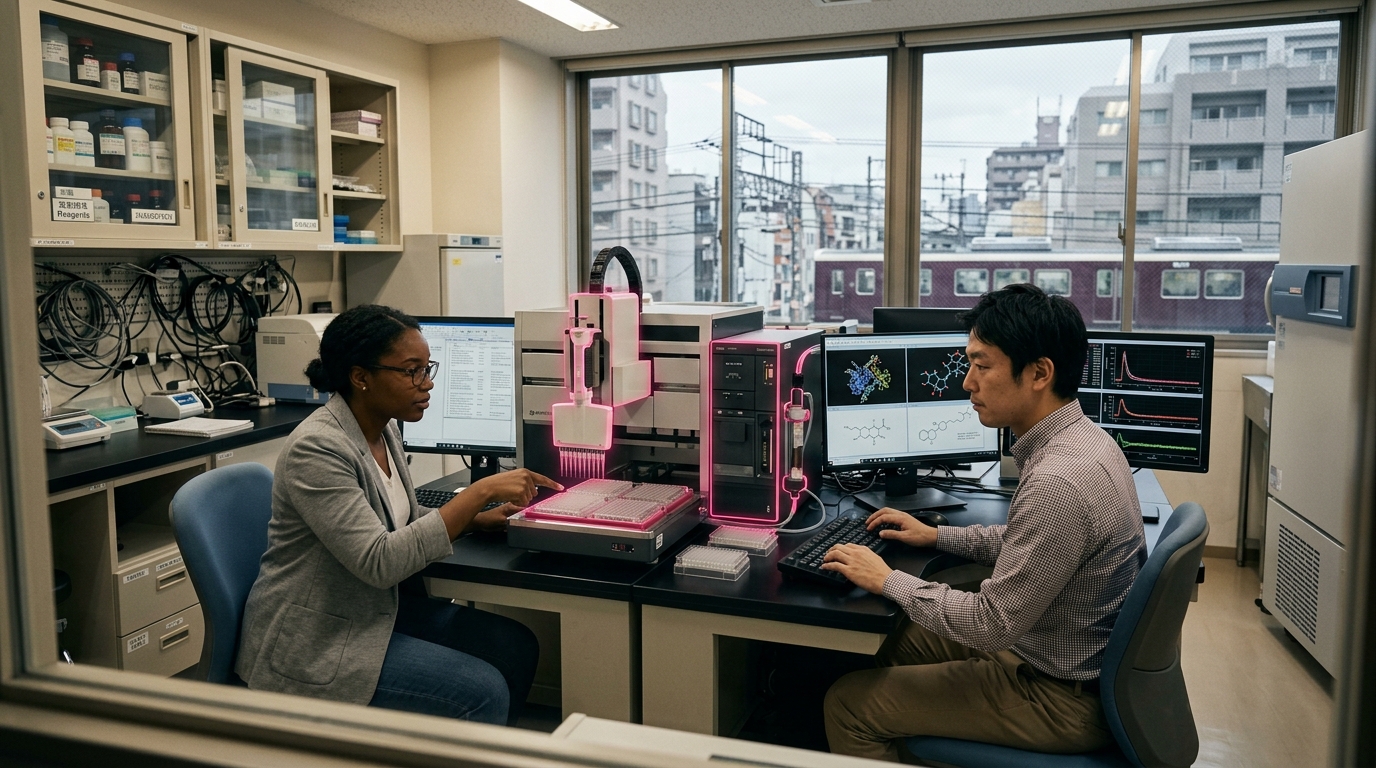
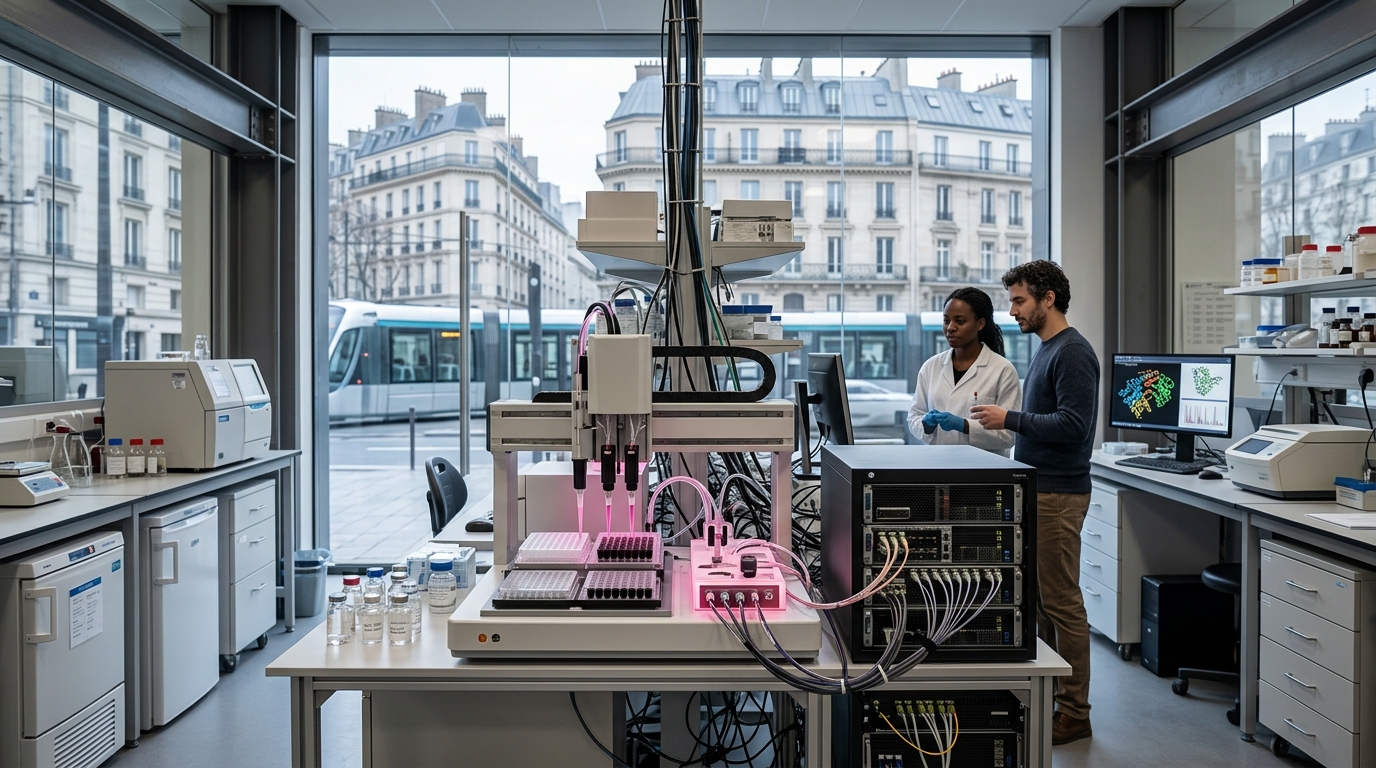
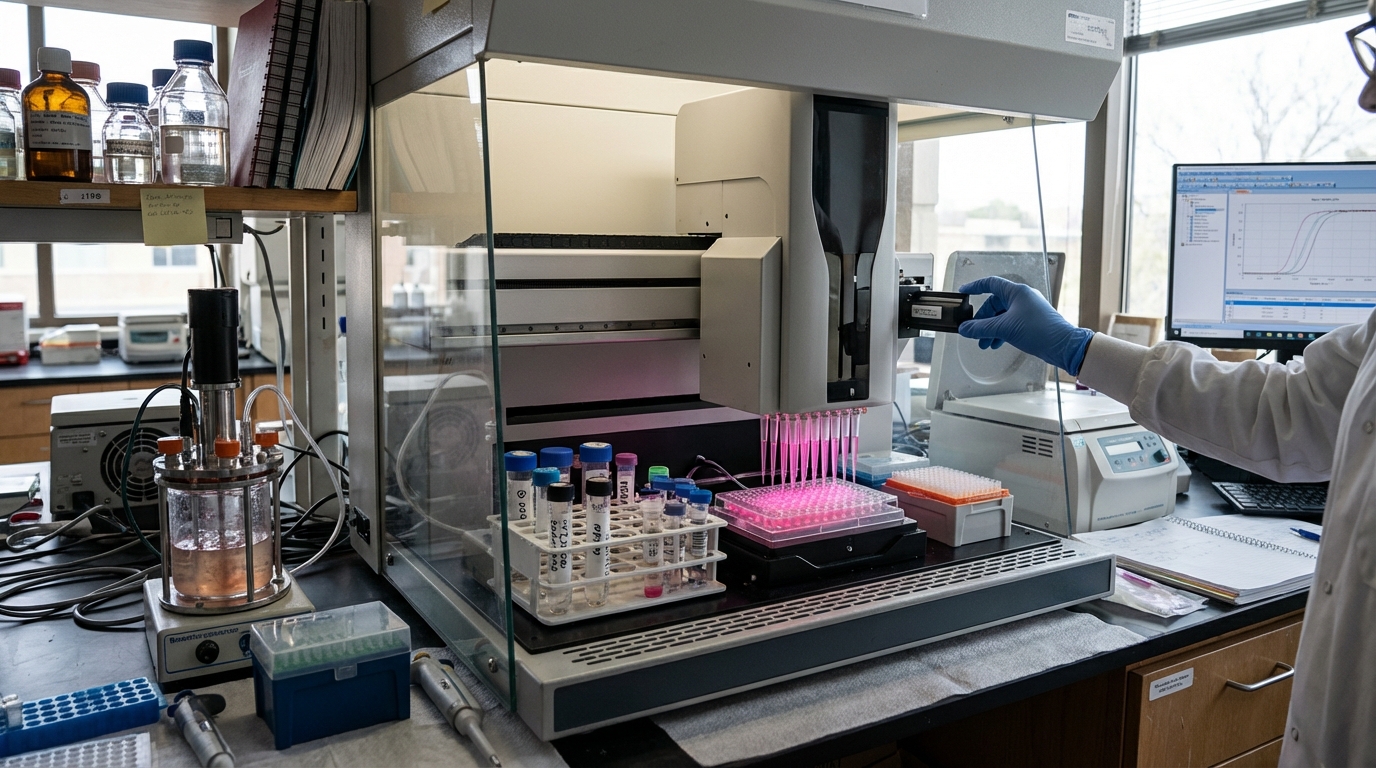
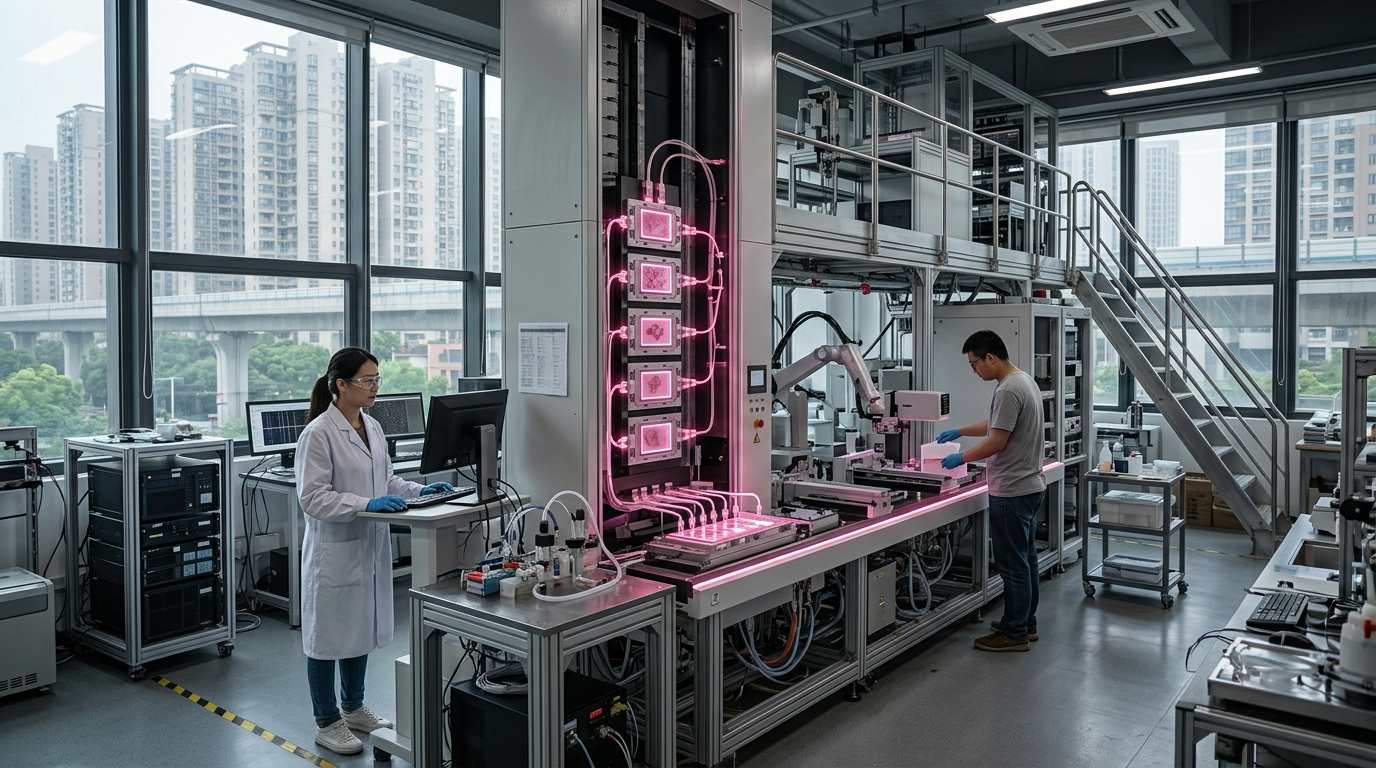
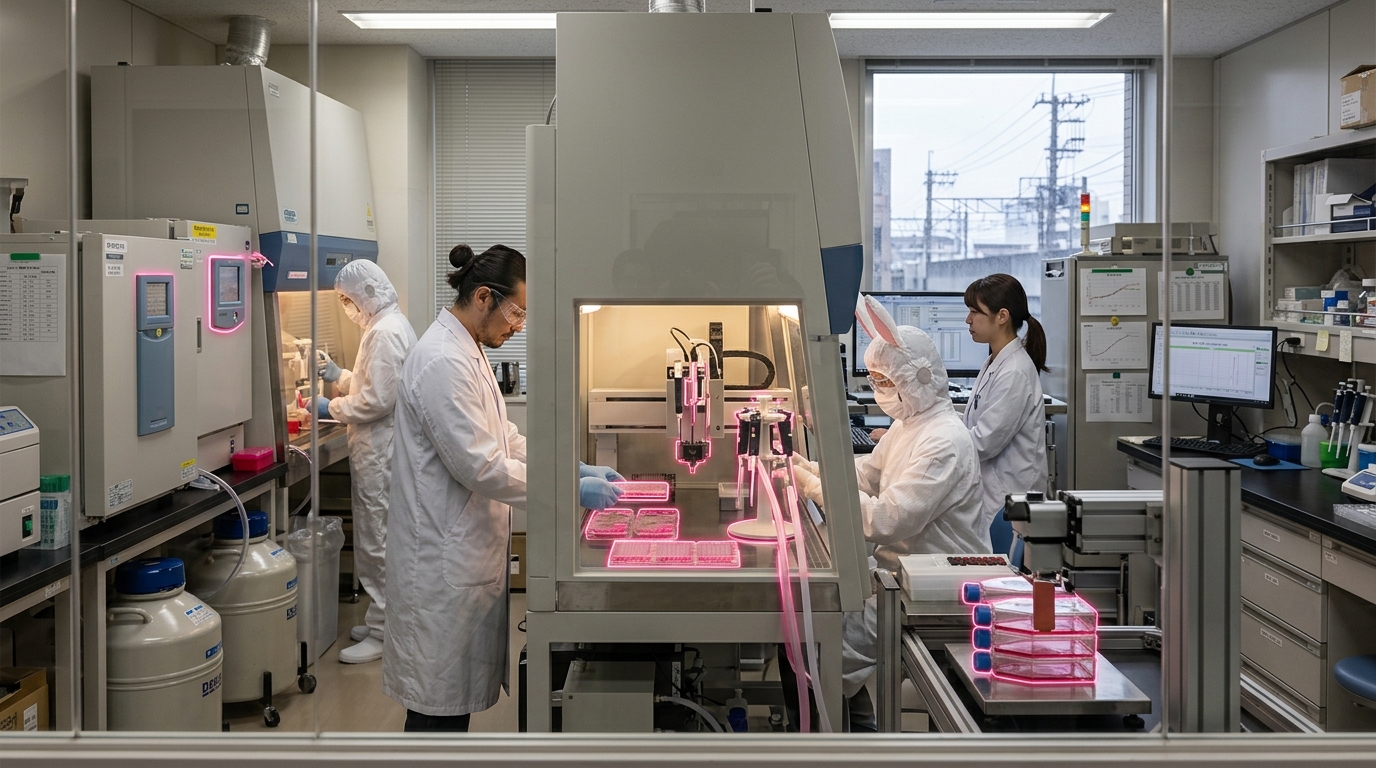
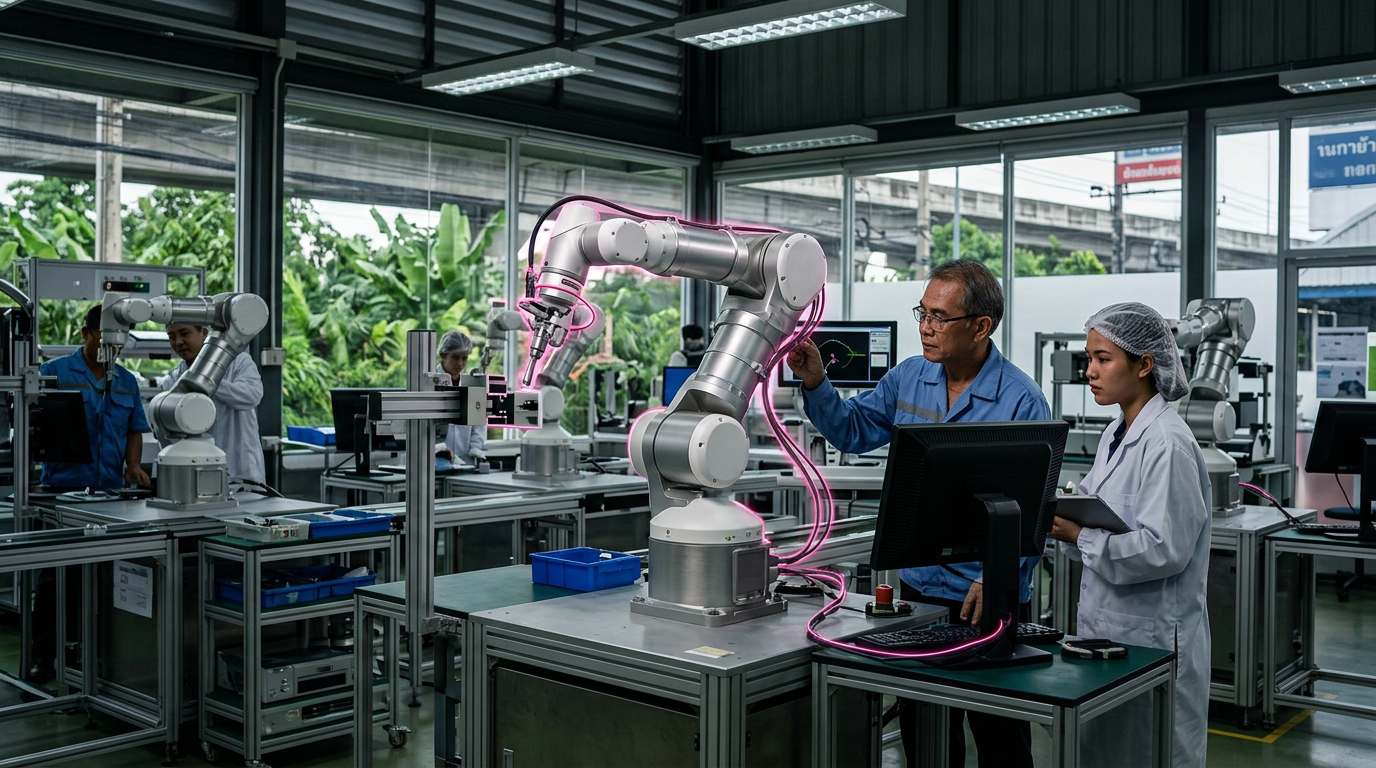
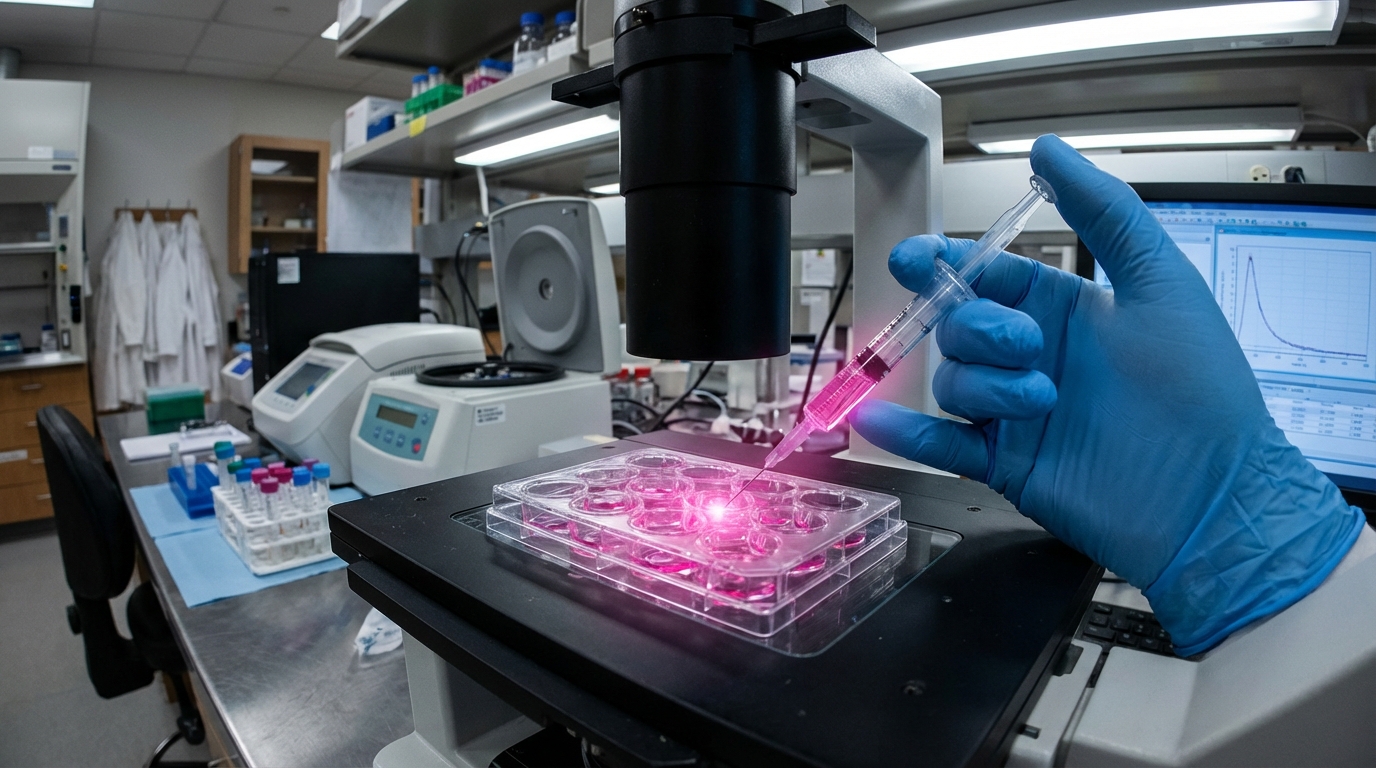
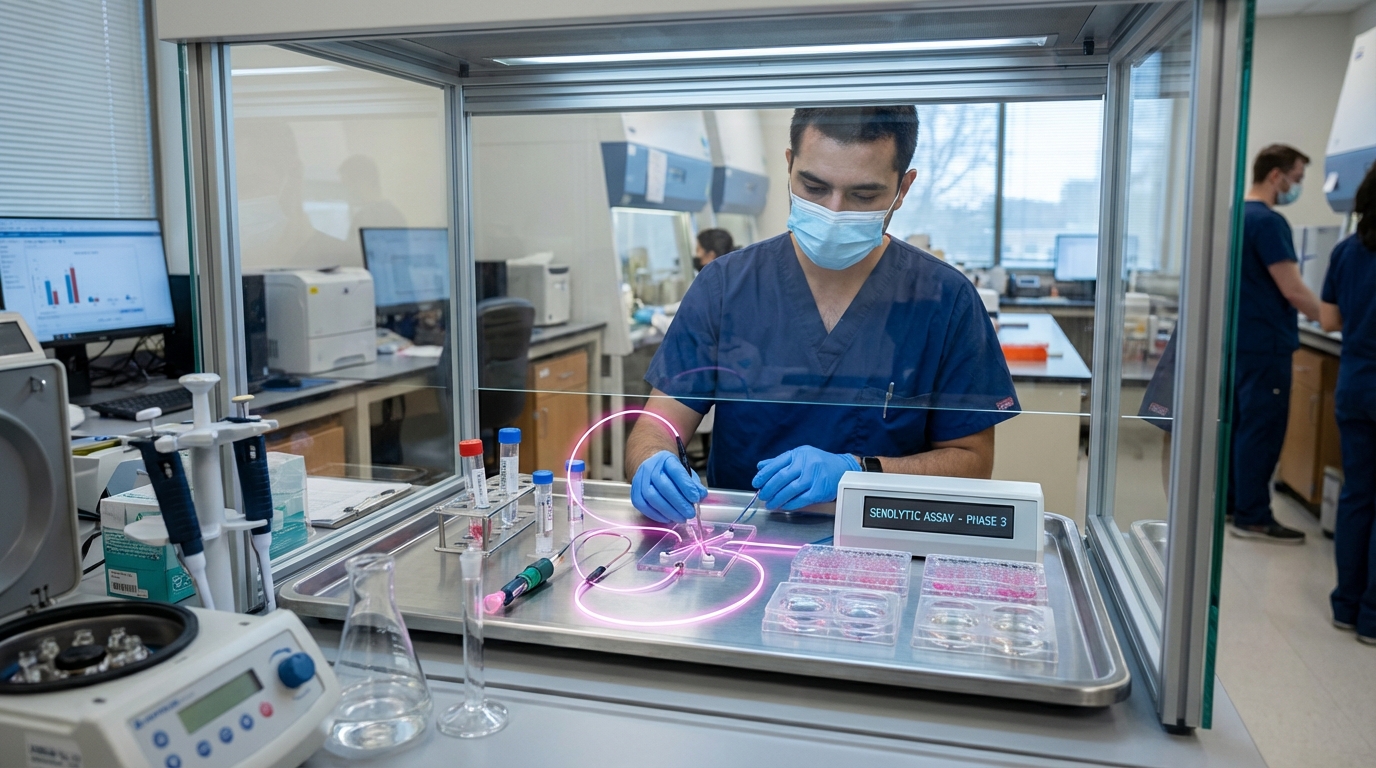
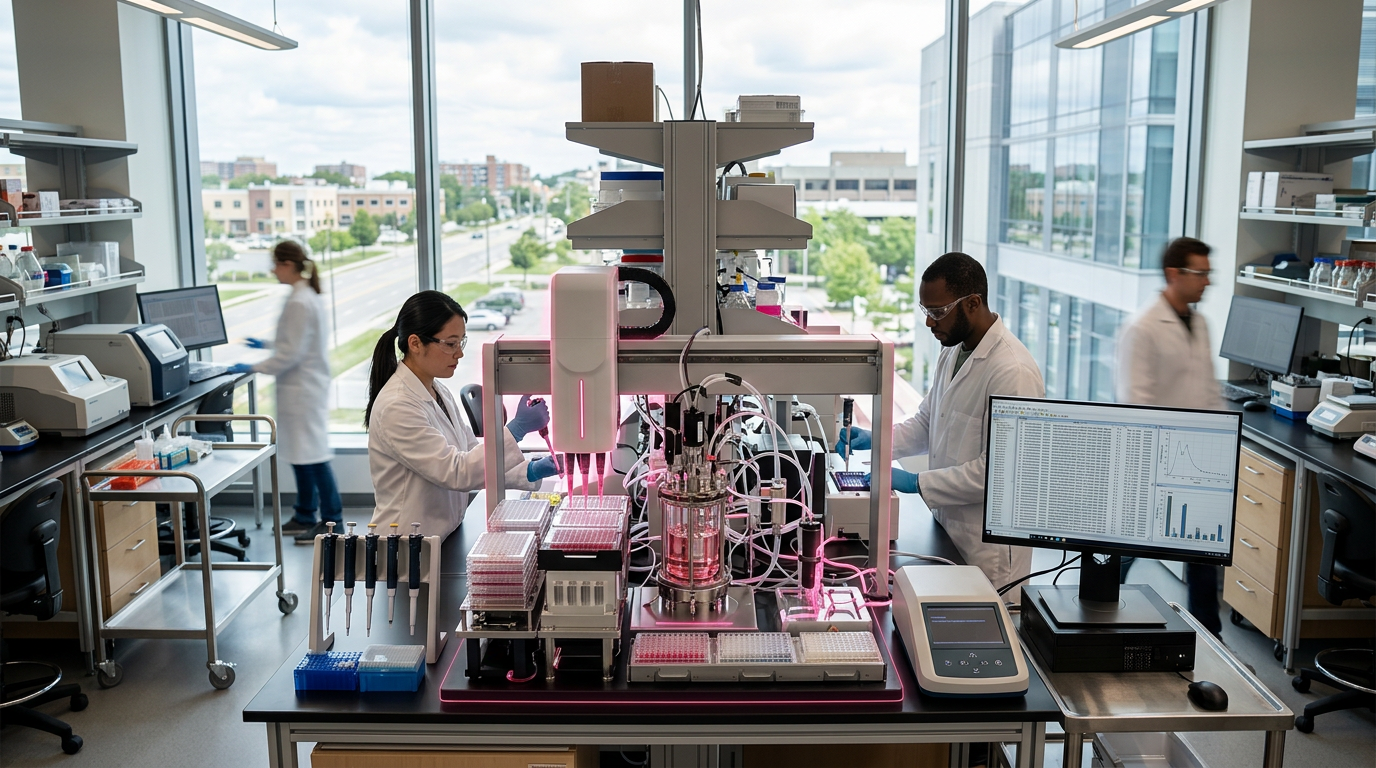
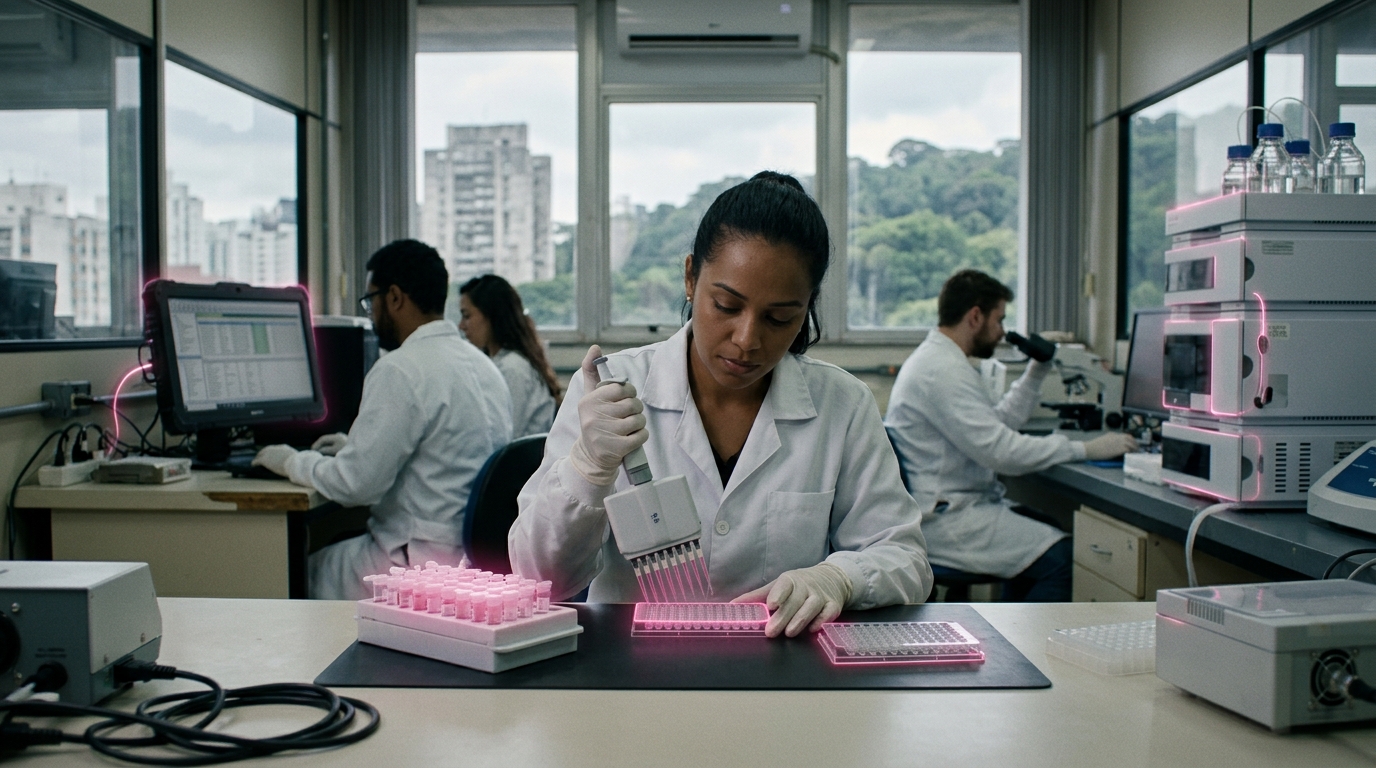
Robotic wet labs integrated with LLM-based experiment planners.
Developer of Covaxin — the world's first whole-virion inactivated COVID vaccine — and over 16 other vaccines, demonstrating India's ability to develop vaccines from scratch, not just manufacture licensed ones.
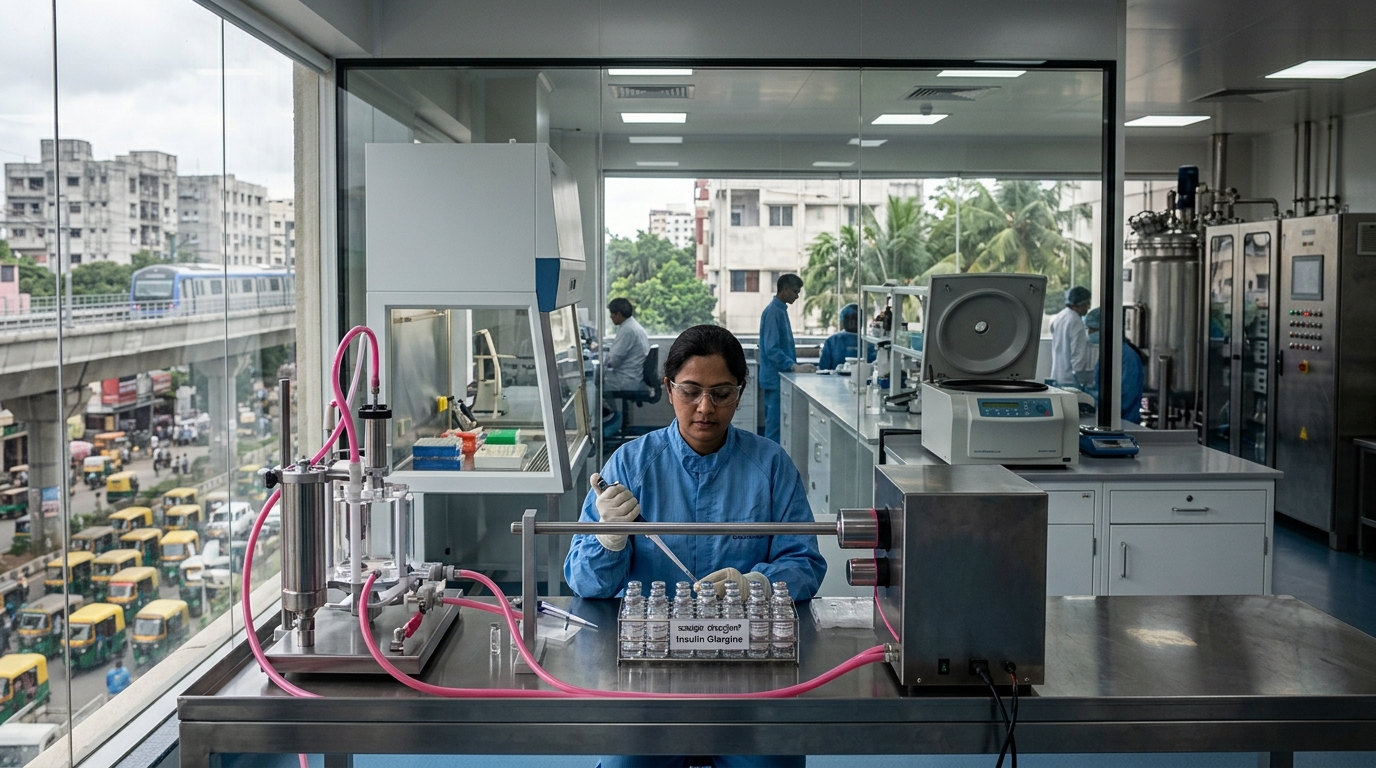
India's largest biopharmaceutical company and global biosimilar leader — Biocon Biologics supplies affordable versions of insulin, cancer drugs, and immunology treatments in 120+ countries.
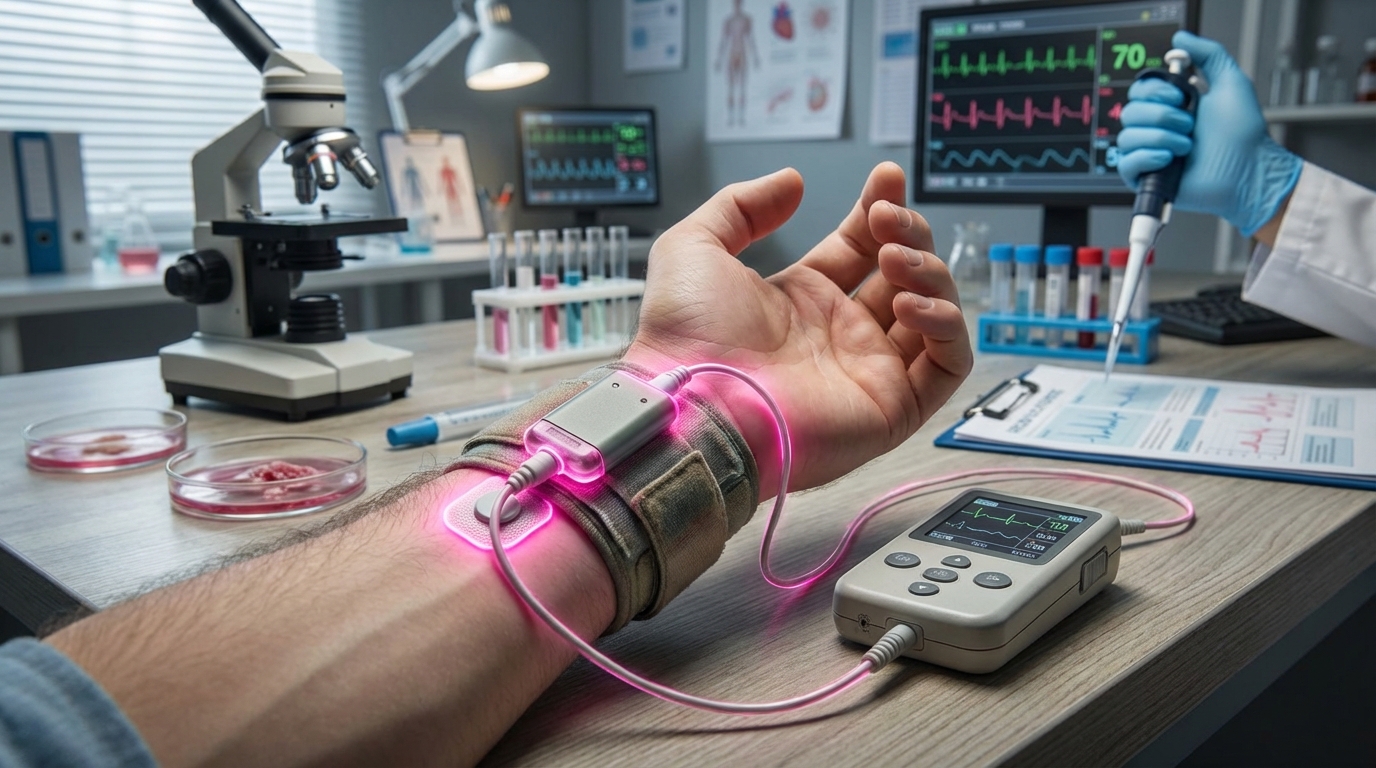
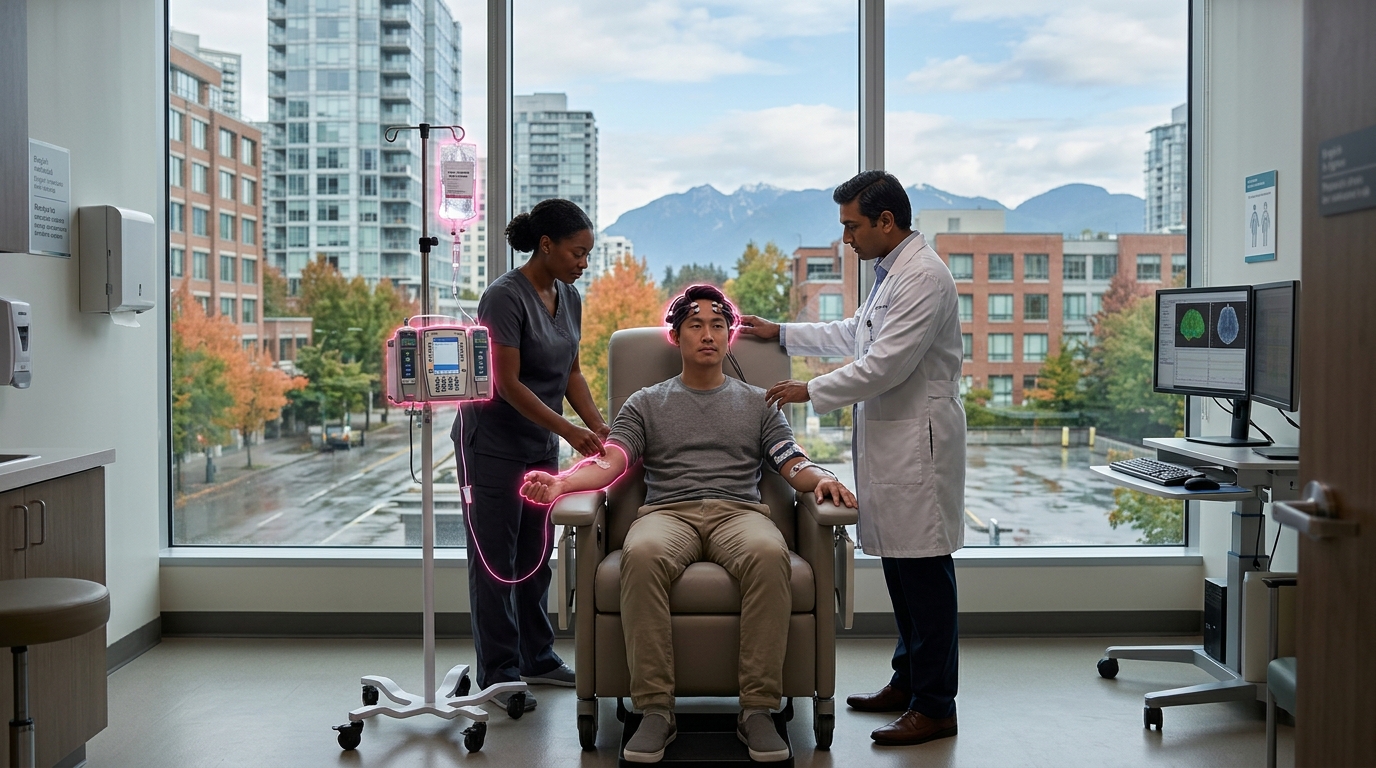
Peripheral nerve stimulators treating chronic inflammation and autoimmune disease.
Bioptimus (France, $35M seed) building a 'Universal Biology Model' — training AI on DNA, proteins, and cell images rather than text to accelerate drug discovery
Humble Bee Bio reverse-engineers native Australian bee silk to produce sustainable biomaterials — potential applications in medical sutures, packaging, and textiles without petroleum inputs.
Turkey operates 109 pharma facilities with 820+ companies, building biosimilar, vaccine, and gene therapy production capability — Sinovac opened its first overseas vaccine plant here.
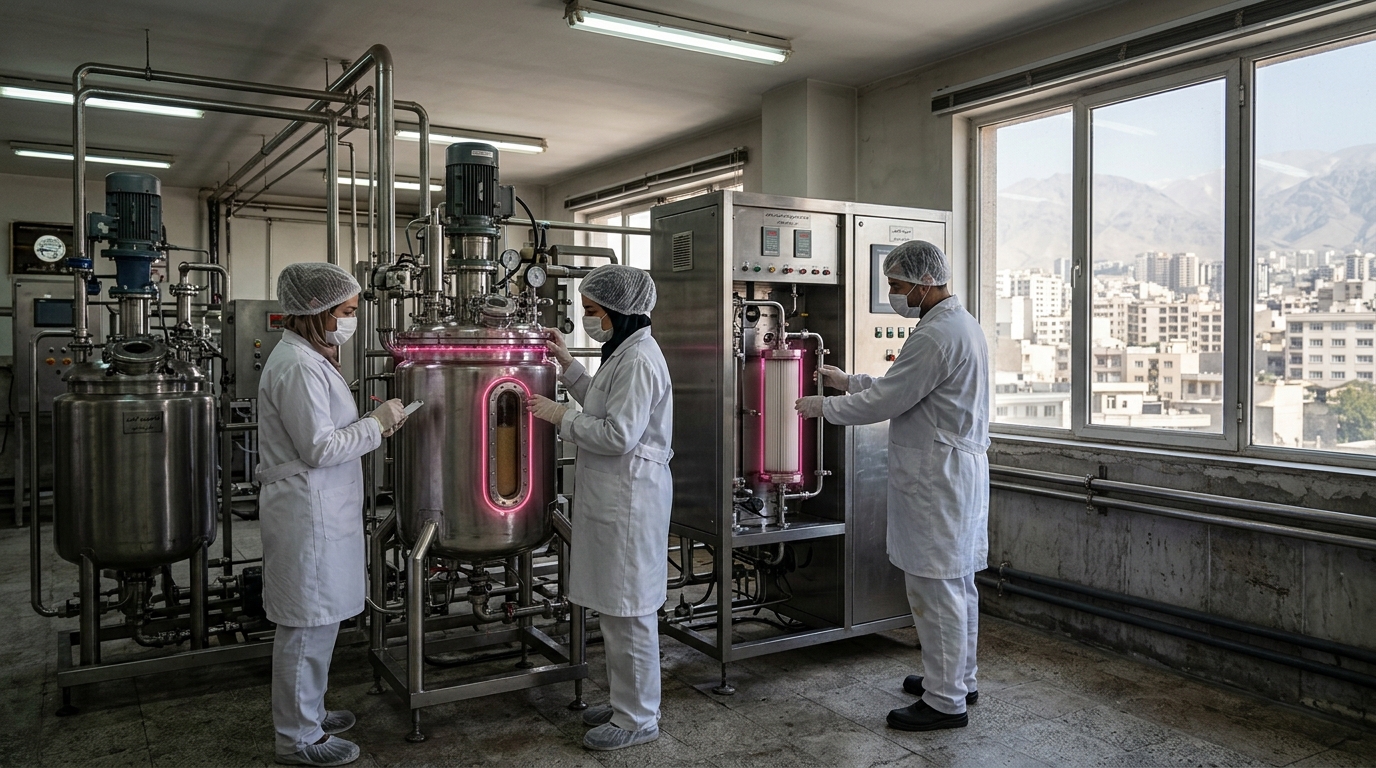
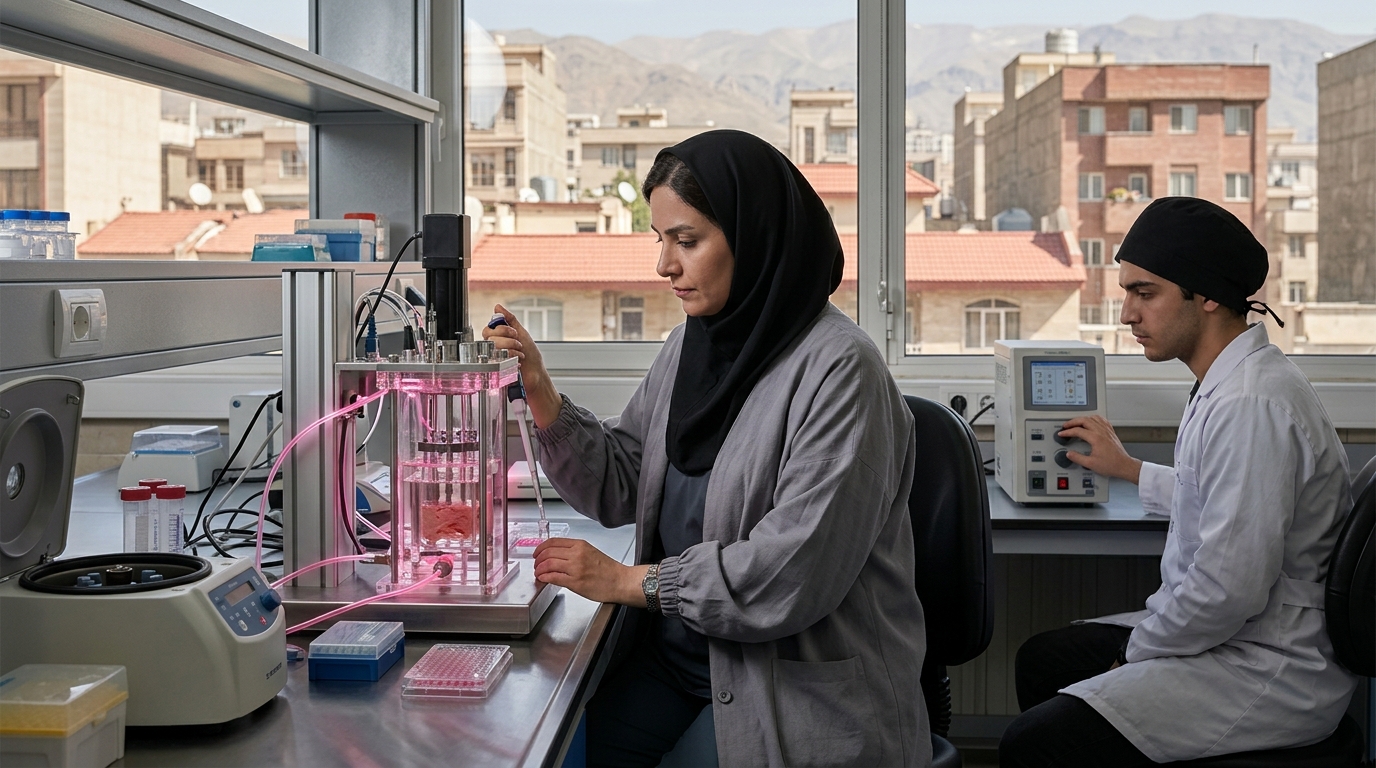
Iran produces biosimilars of major biologics including rituximab, trastuzumab, and interferon — achieving near-total pharmaceutical self-sufficiency with a $7.9B domestic market.
Celltrion is a global leader in biosimilar biologics with Remsima (infliximab), Truxima (rituximab), and Vegzelma (bevacizumab) approved in 100+ countries, dramatically reducing costs of biologic drugs.
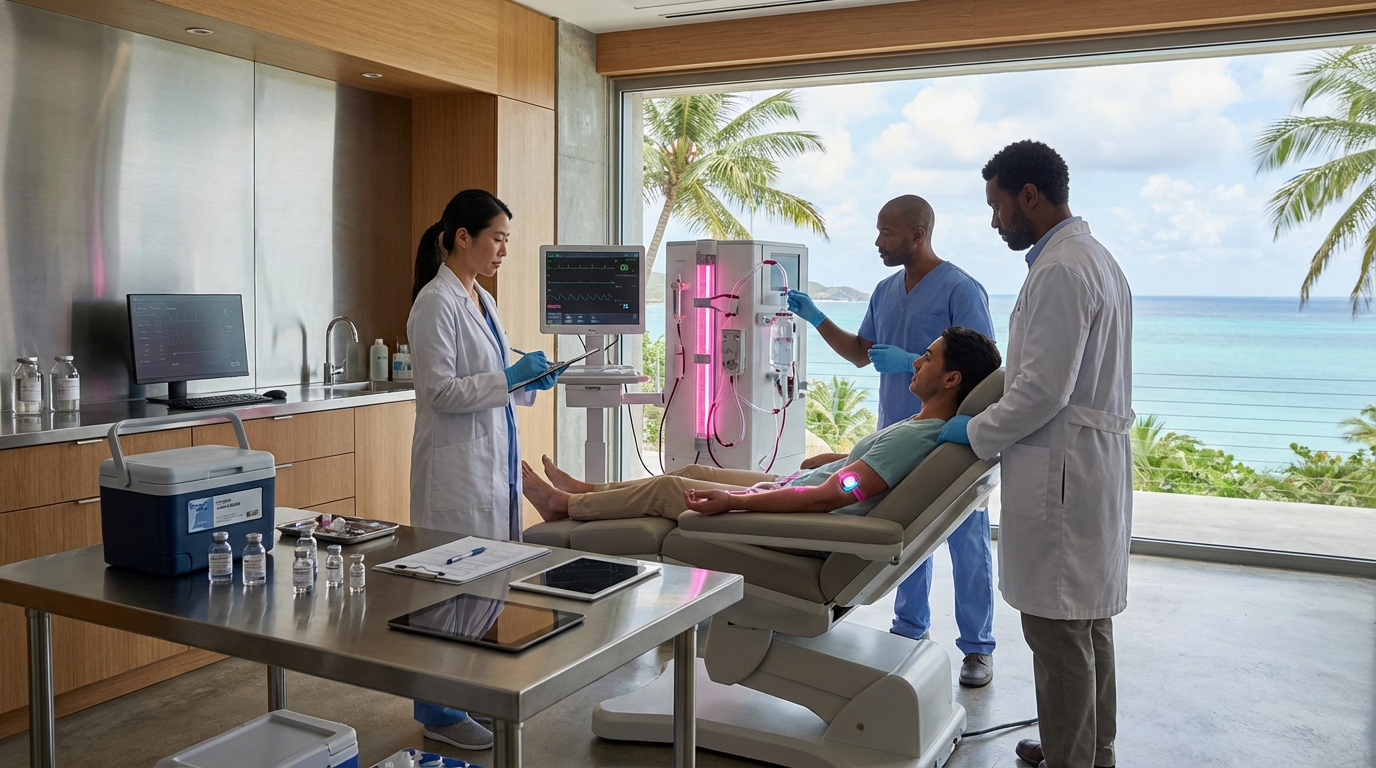
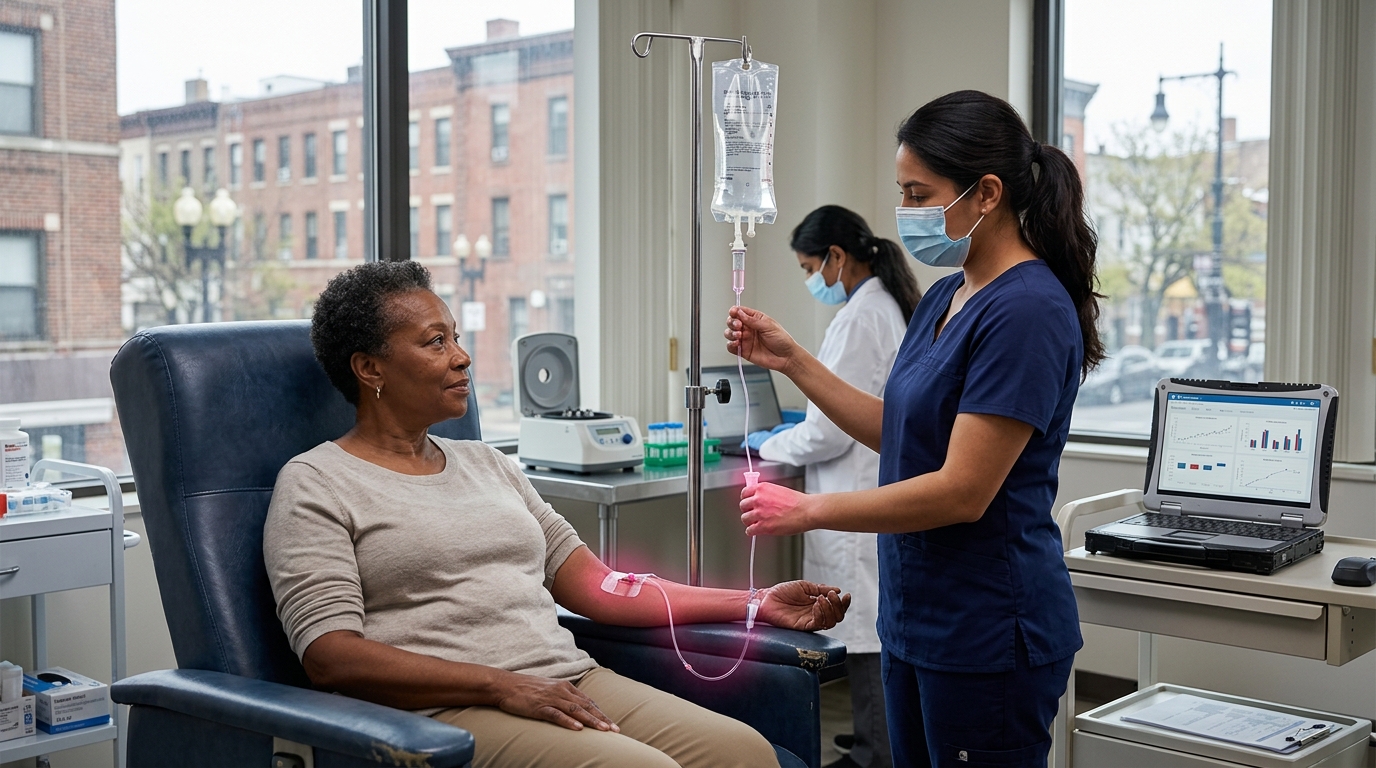
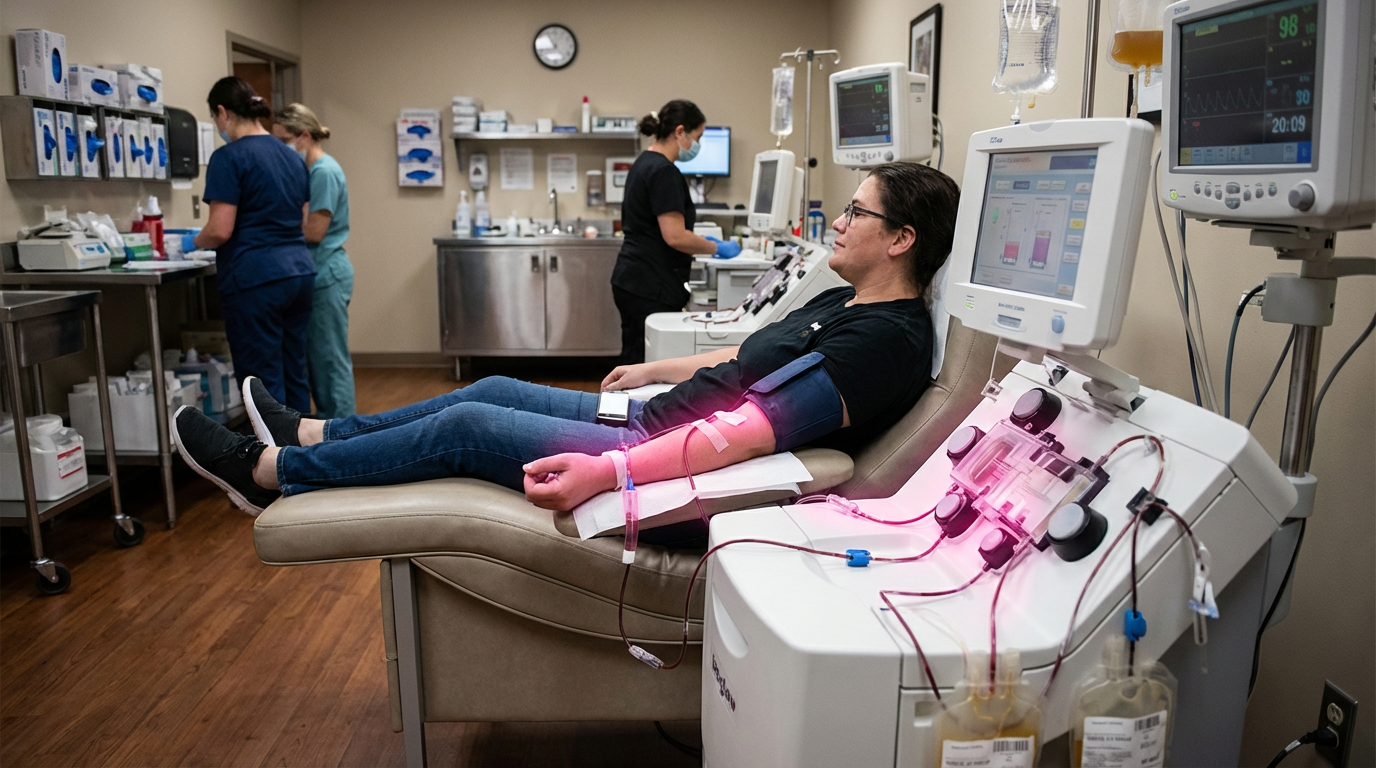
Regional clinics offering therapeutic plasma exchange for aging biomarkers.
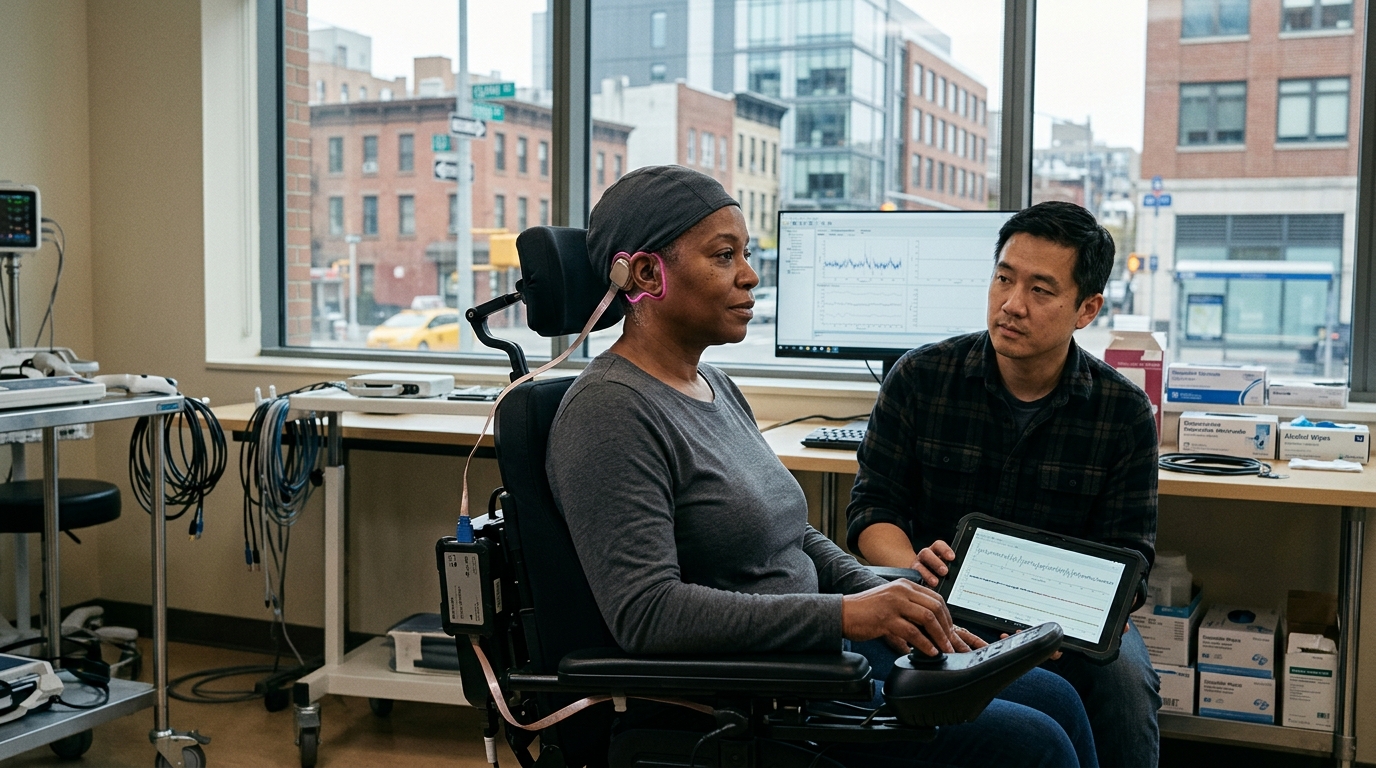
Israeli startups are investigating mind-machine interfaces for both military applications (pilot augmentation) and medical use (paralysis rehabilitation), building on neuroscience expertise.
China approved its first clinical brain chip implant for paralyzed patients in 2025, with StairMed Technology raising $48M to scale the technology
Genome Canada's new R&D wave tackles national challenges across health, agriculture, and environment with large-scale genomics projects addressing antimicrobial resistance, crop resilience, and precision medicine.
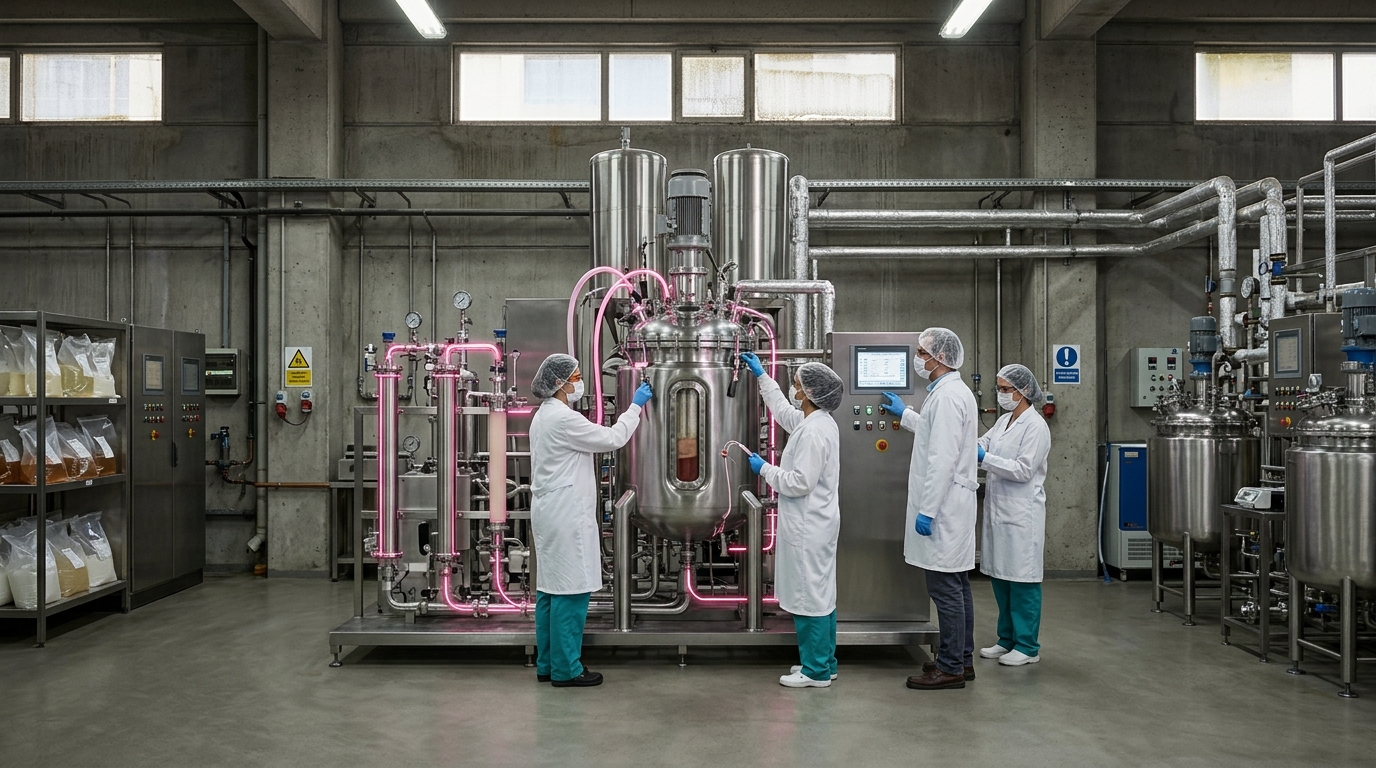
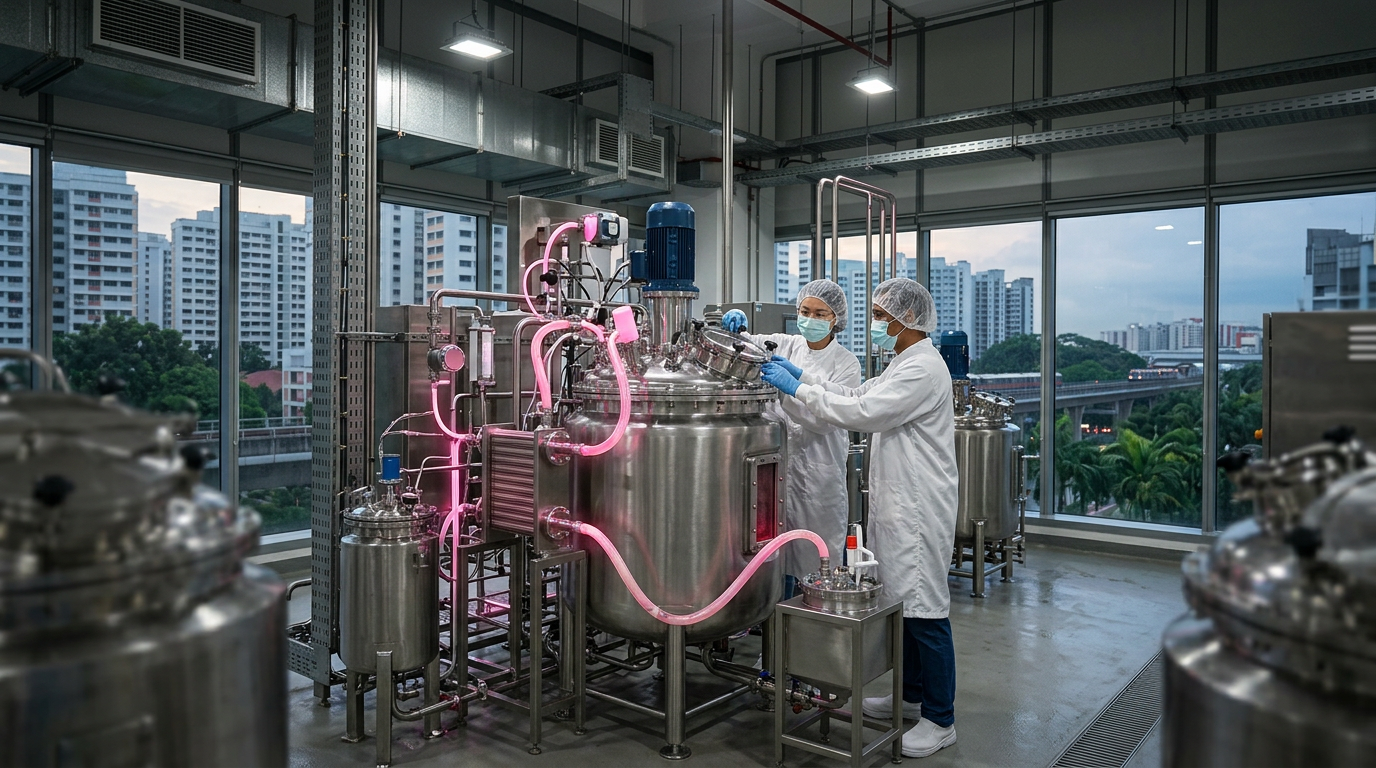
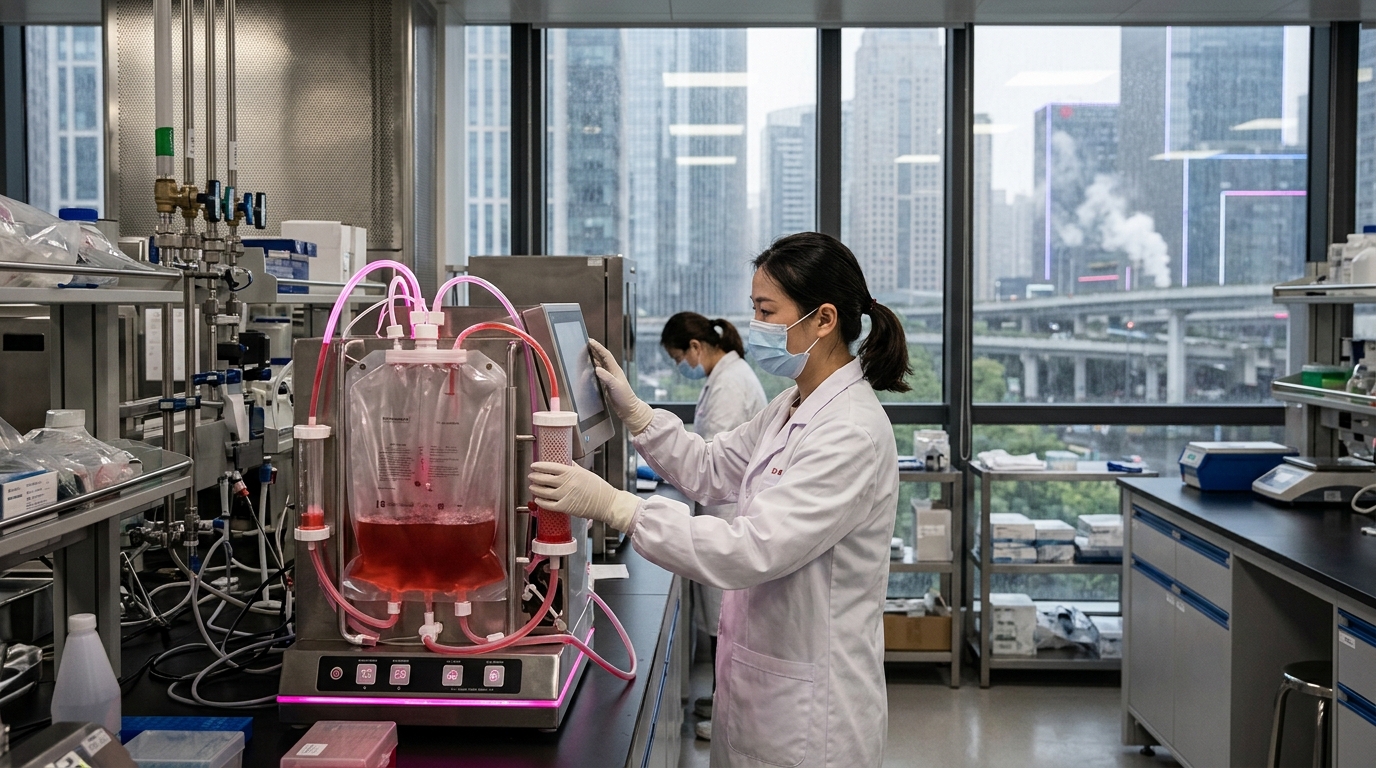
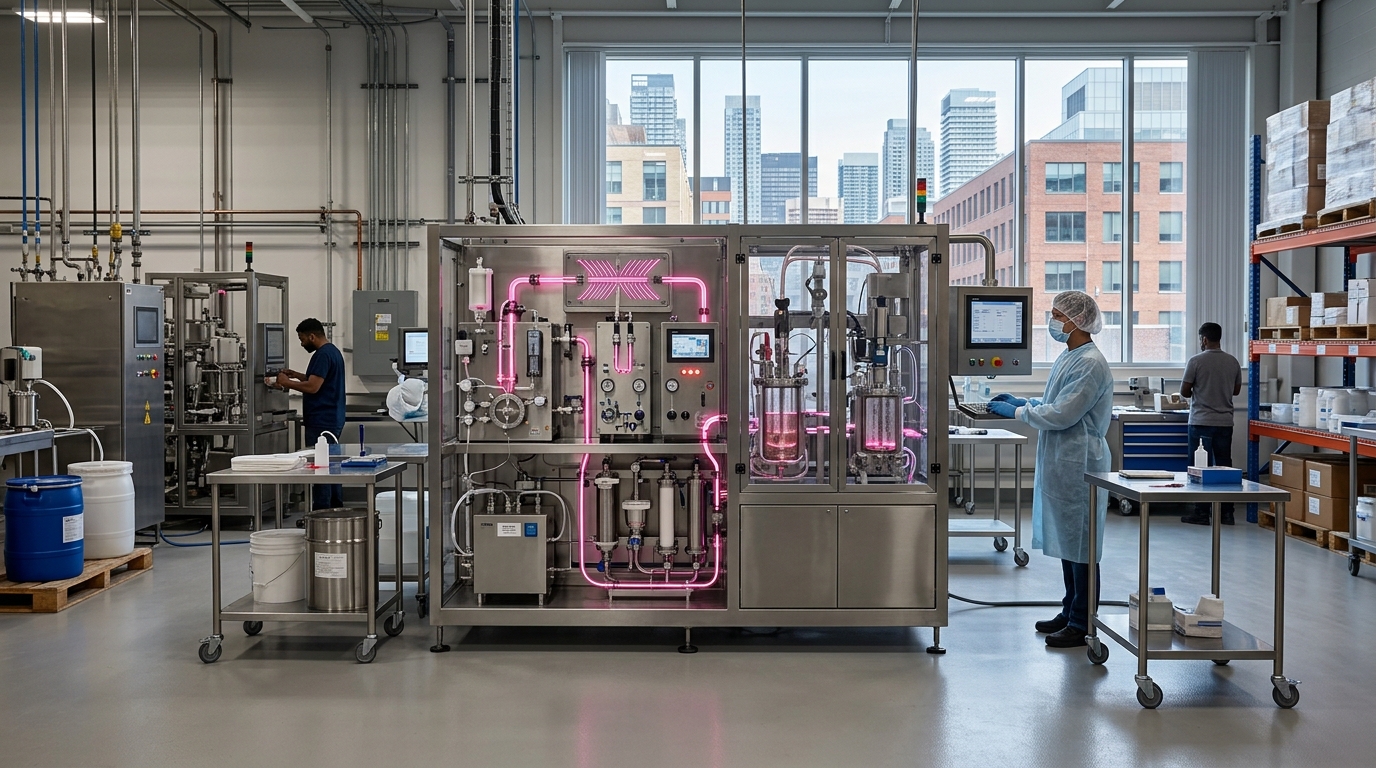
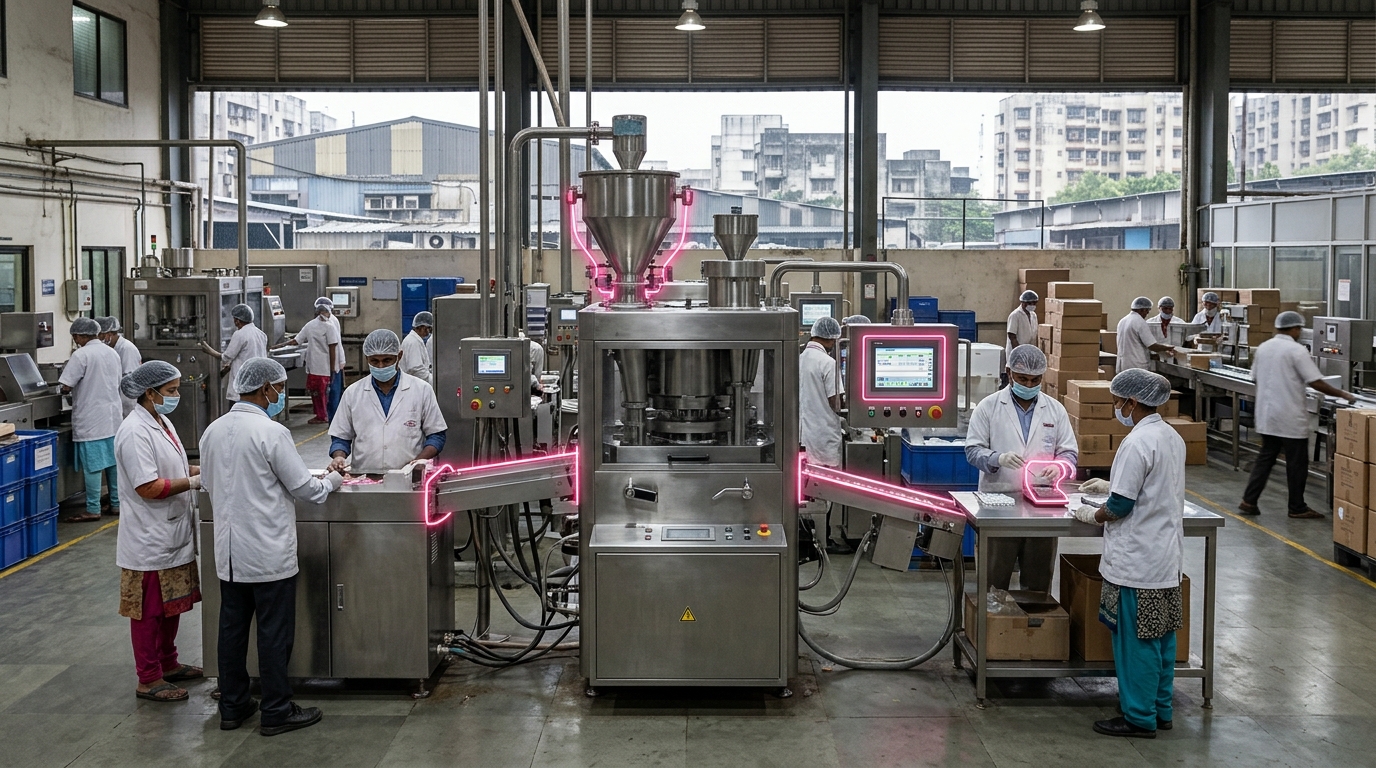
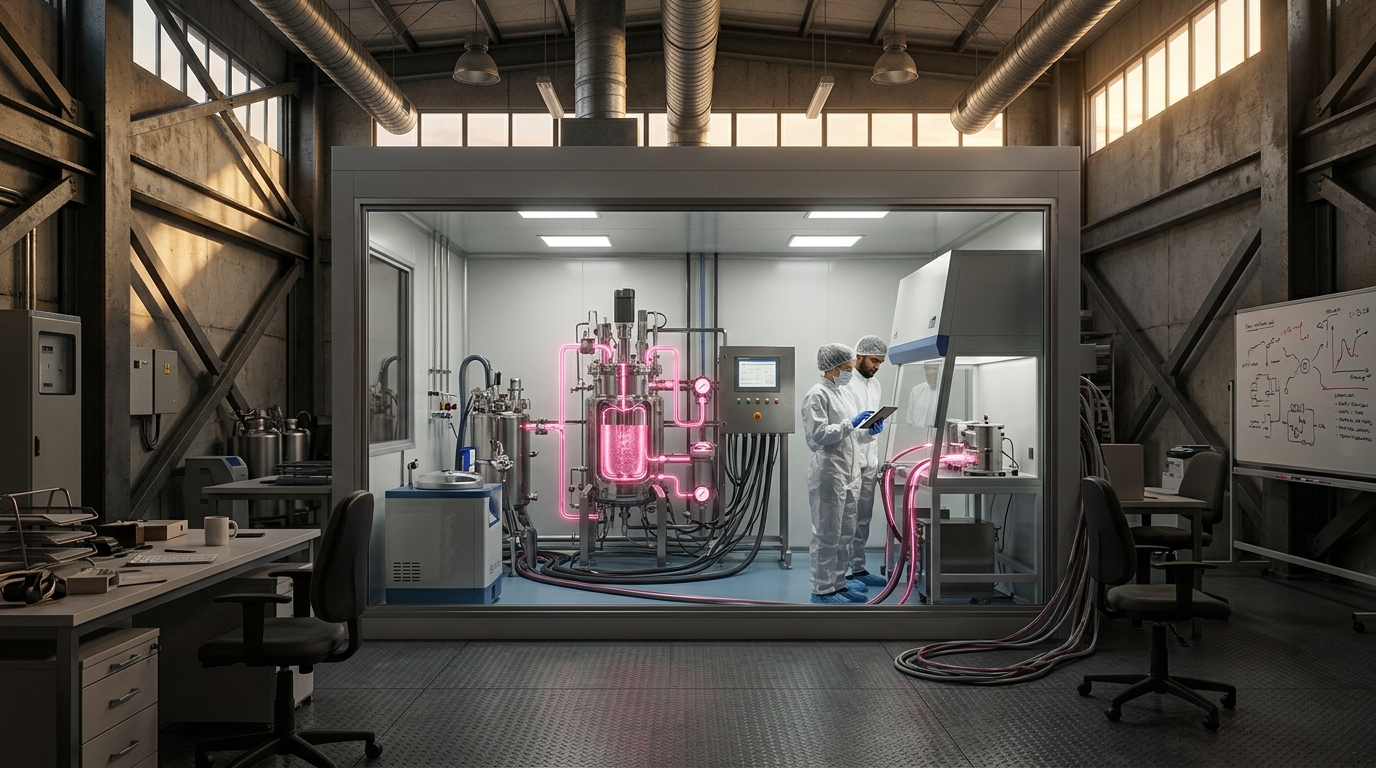
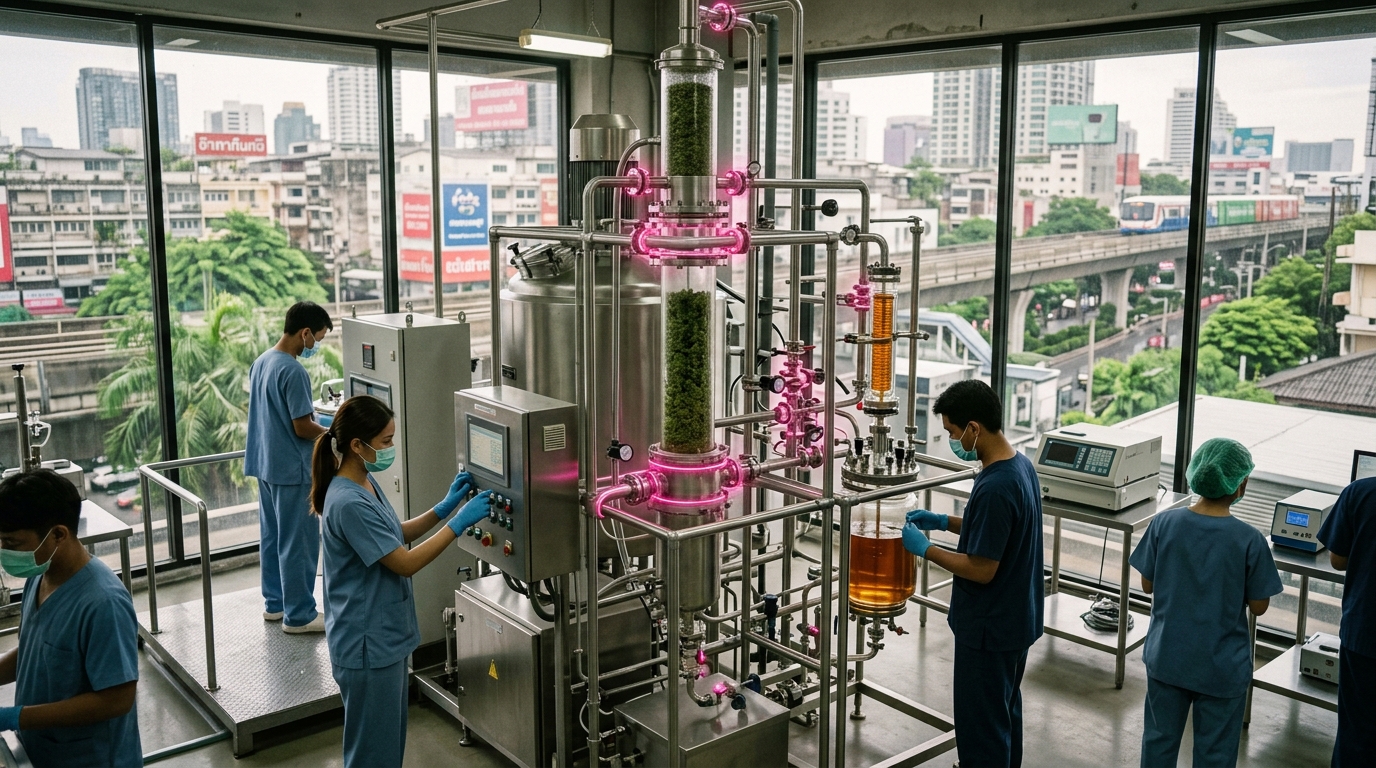
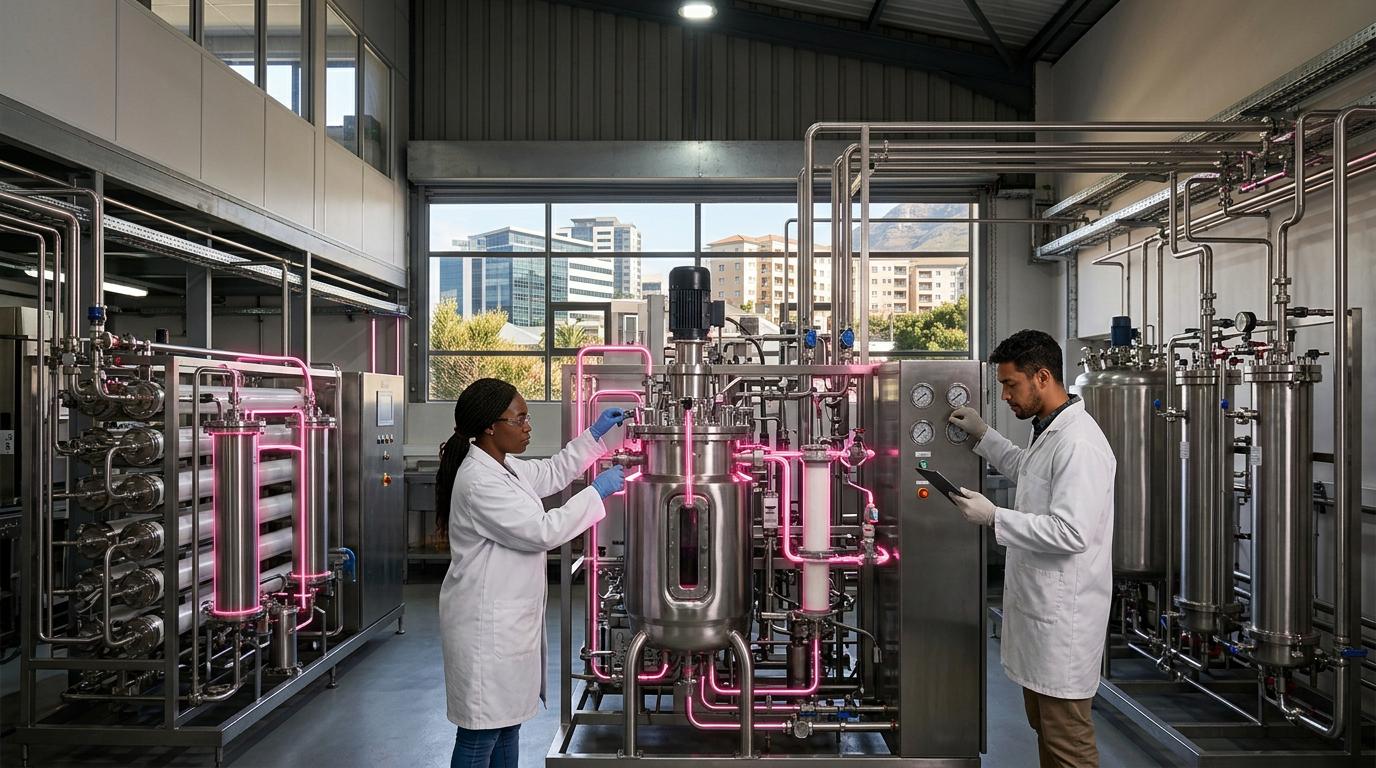
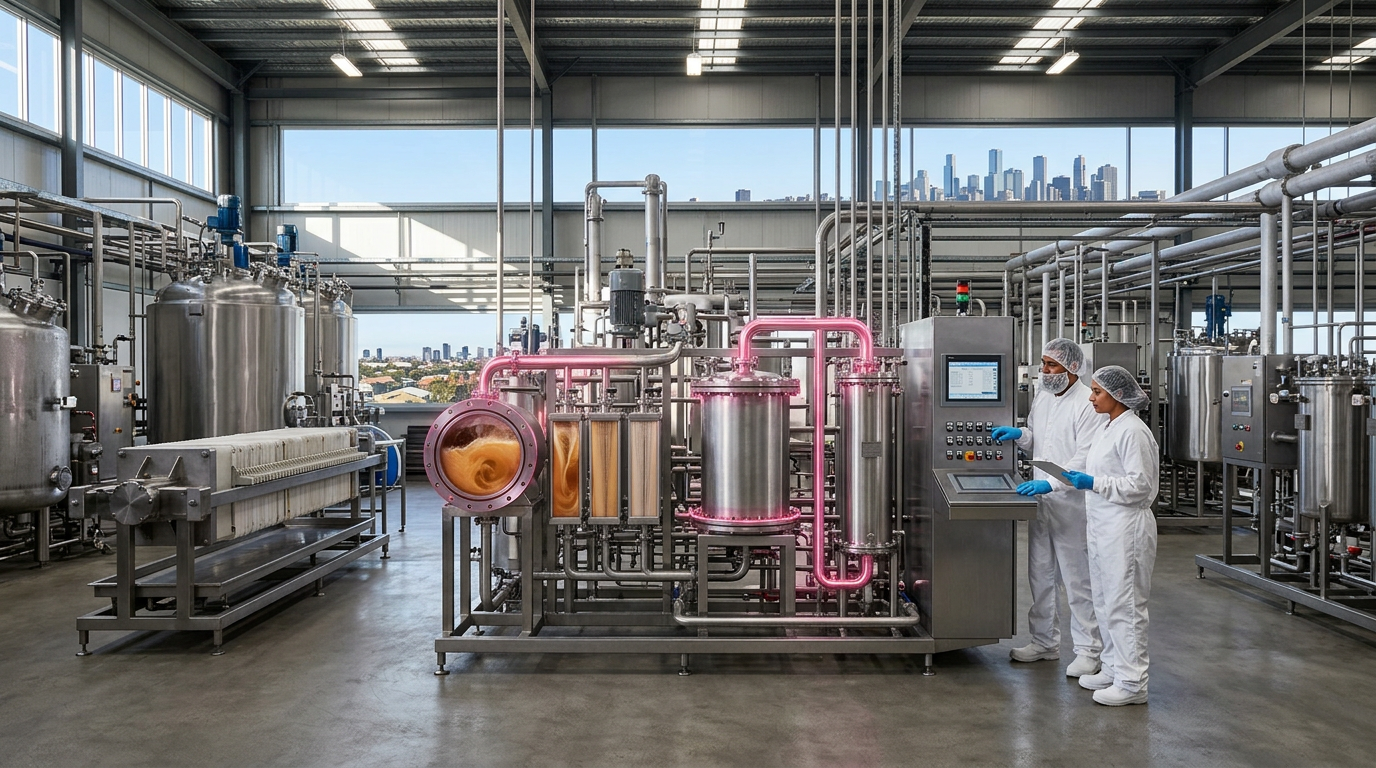
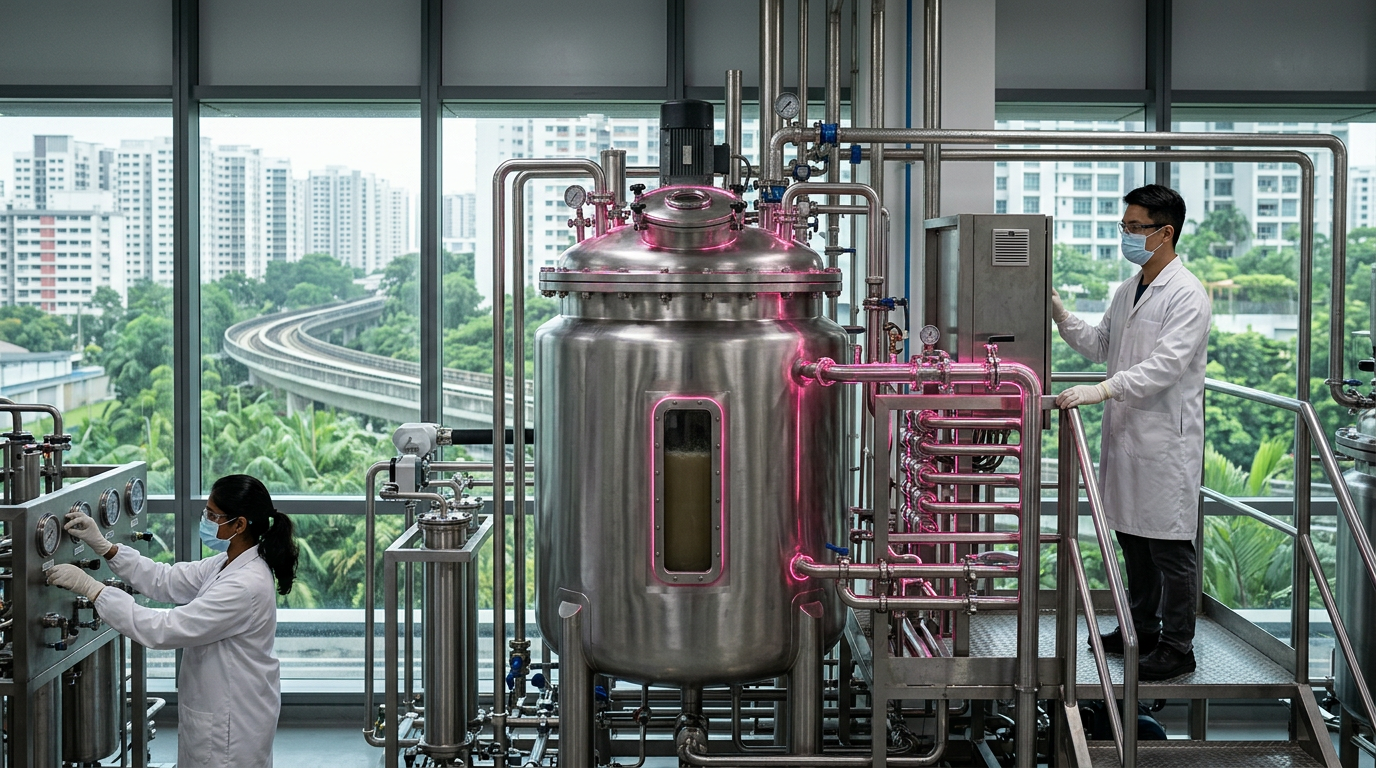
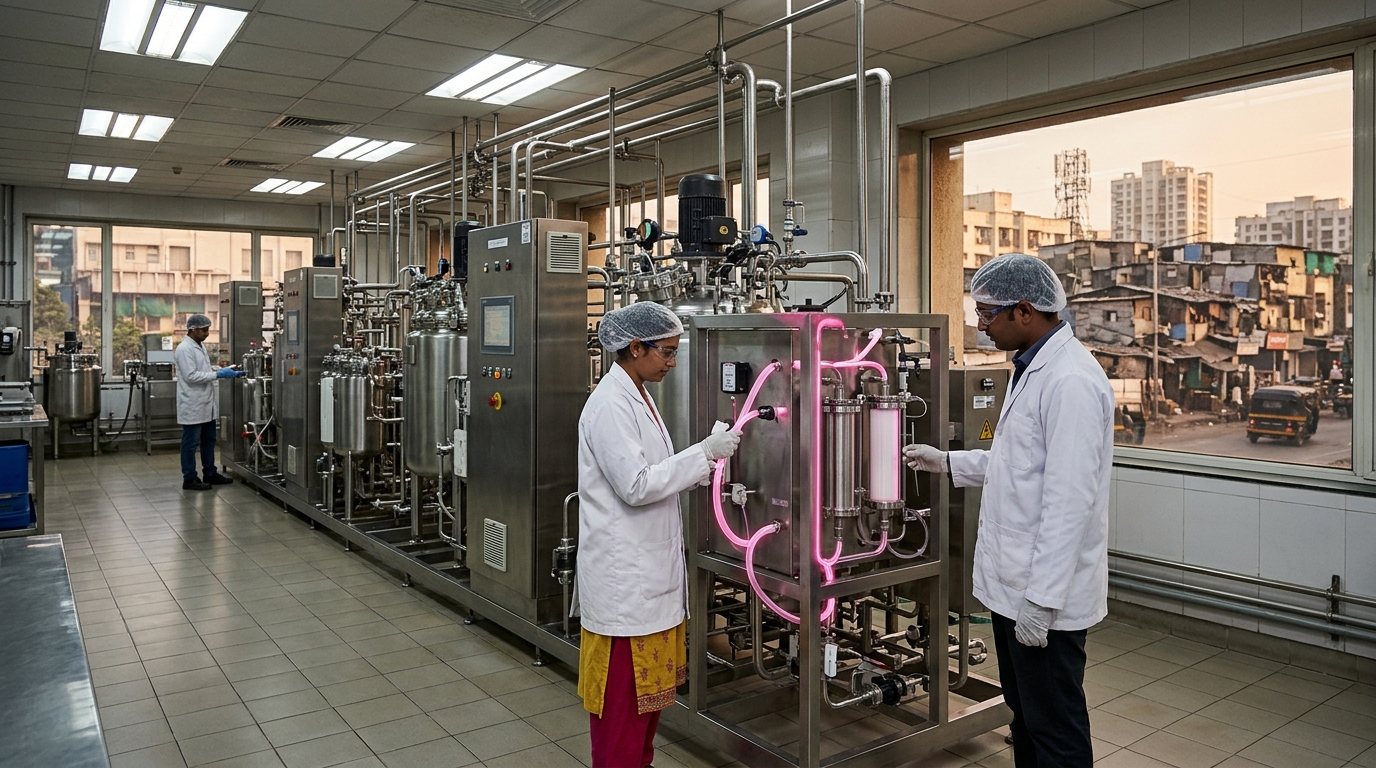
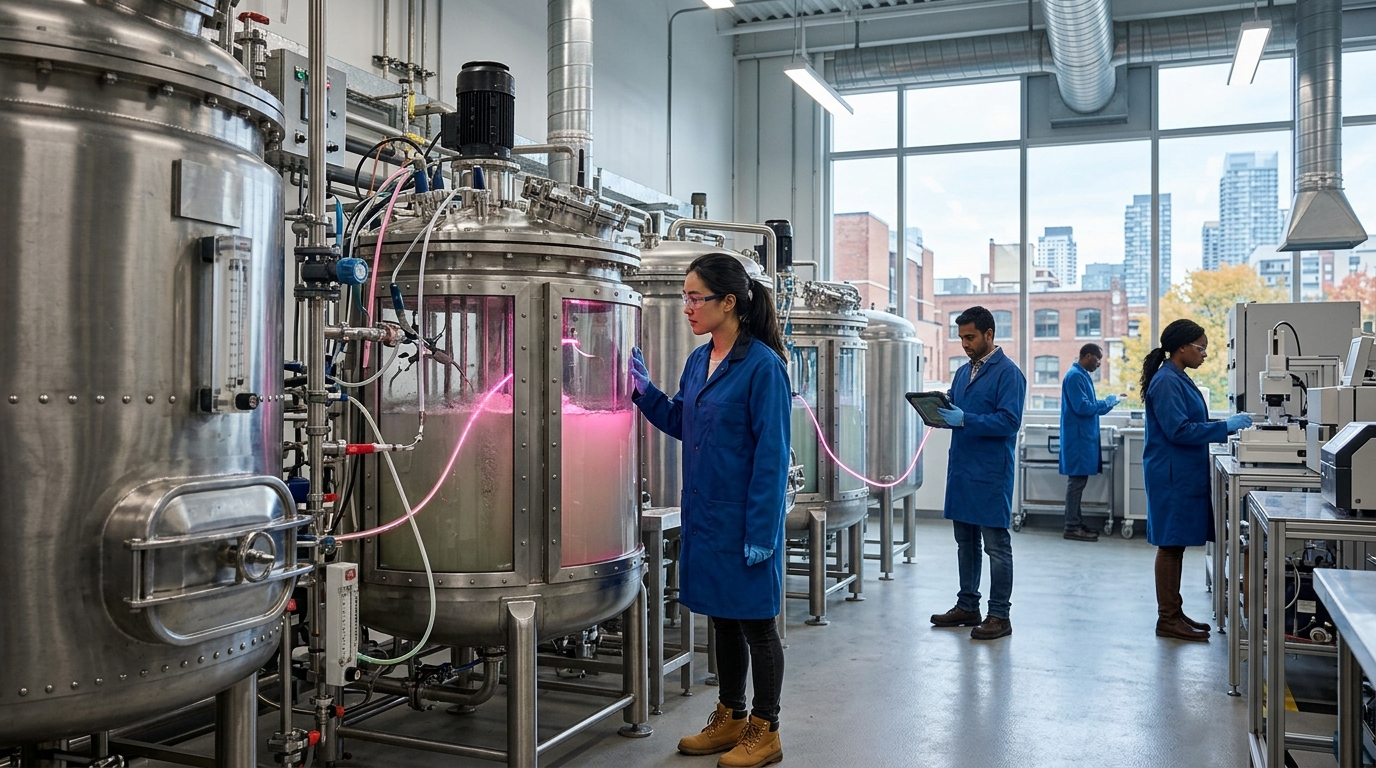
Closed, automated production suites for autologous cell therapies.
Singapore was the first country to approve lab-grown meat (2020), with Esco Aster's 80,000 sq ft Changi plant producing 400-500 tonnes of cultured chicken annually.
Targeted editors restoring youthful epigenetic patterns.
Altos Labs ($3B funded by Bezos), Retro Biosciences (backed by Sam Altman), and Life Biosciences are racing to translate partial epigenetic reprogramming — resetting cells to younger states — into human anti-aging therapies.
BeiGene's Brukinsa became the first Chinese cancer therapy approved by the FDA, now in 65+ countries with $2B+ annual sales — while Akeso's ivonescimab challenges Keytruda, the world's...
Semaglutide (Ozempic/Wegovy) loses patent protection in China on March 20, 2026 — years before the US — with multiple Chinese firms racing to launch cheaper alternatives
Offshore clinics offering experimental regenerative therapies to global clients.
Defining the line between therapy and competitive advantage.
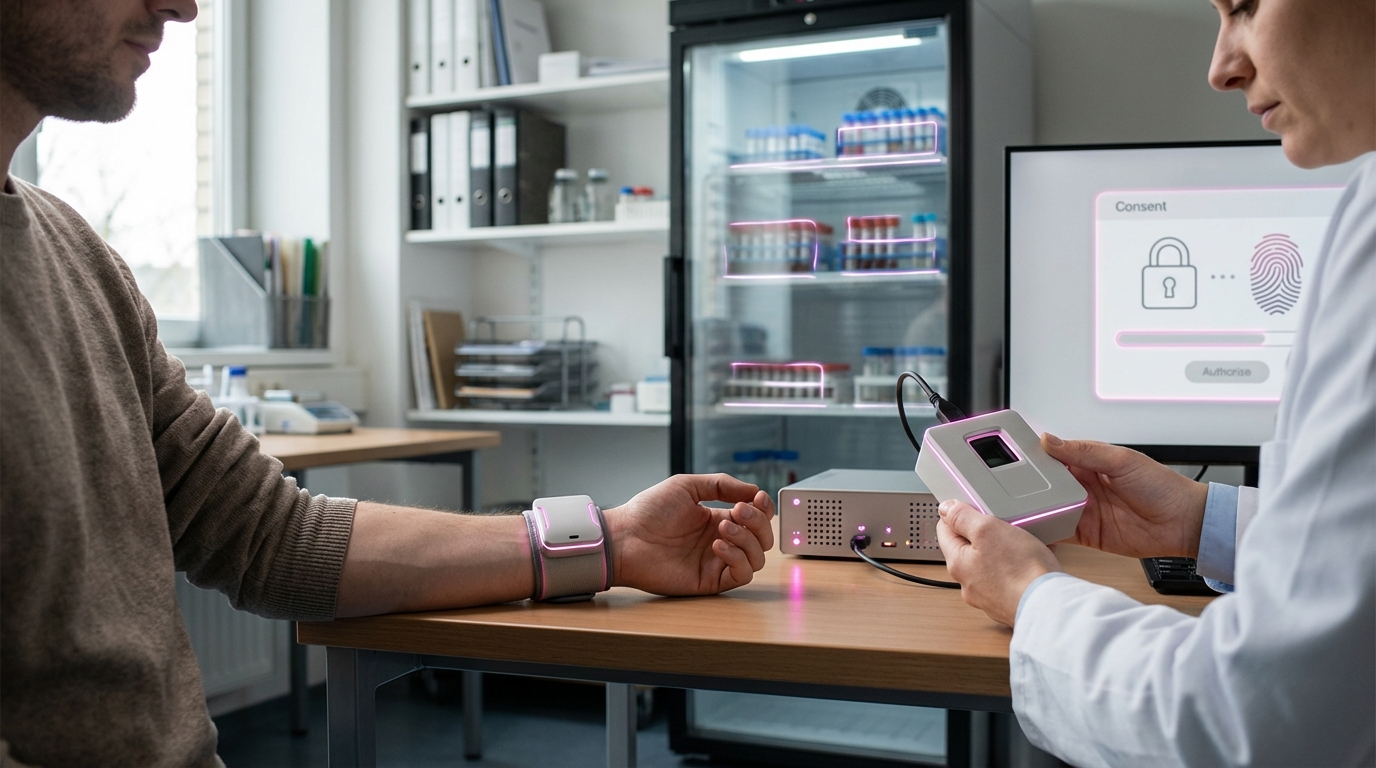
Protecting user rights across genomic and physiological data streams.
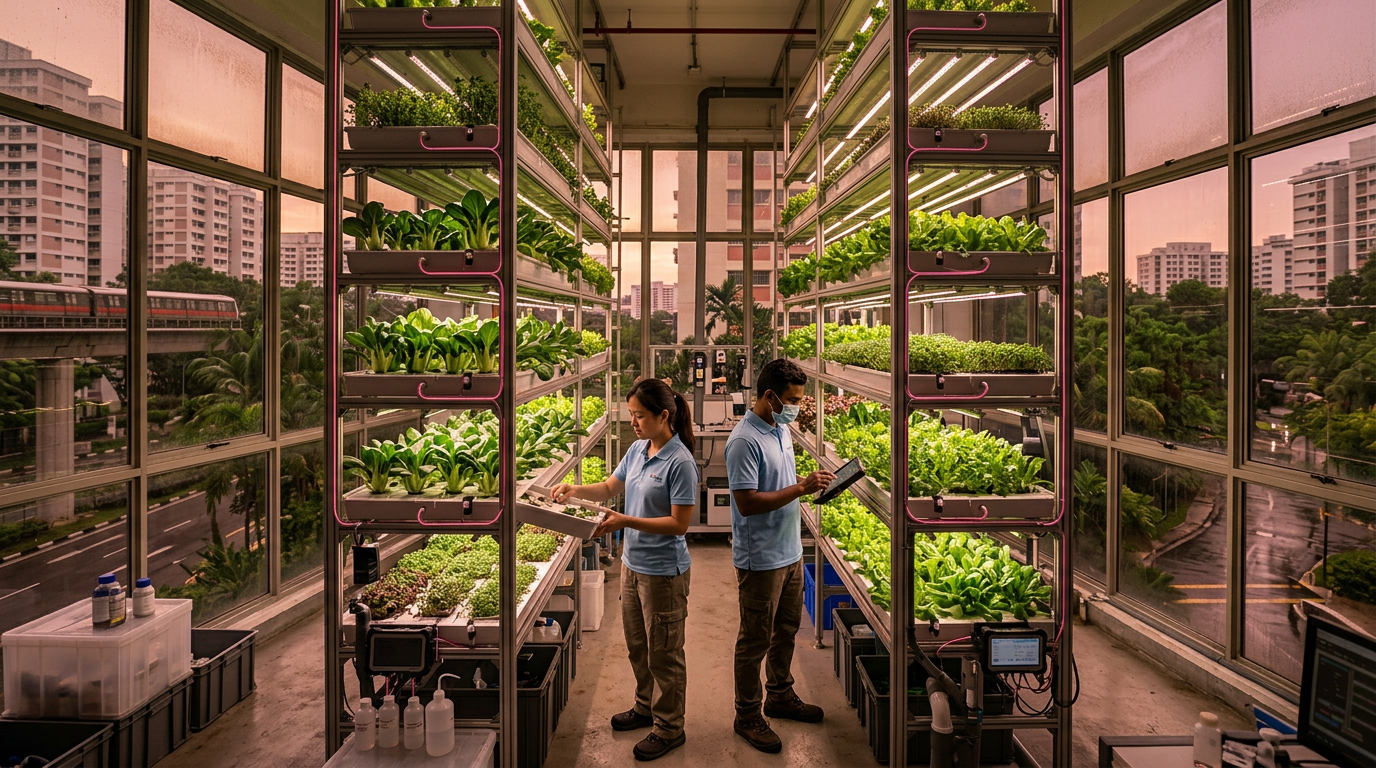
Singapore's '30 by 30' food security vision drives vertical farming innovation, with companies like Sustenir, Archisen, and ComCrop using AI-optimized indoor systems to grow vegetables locally.
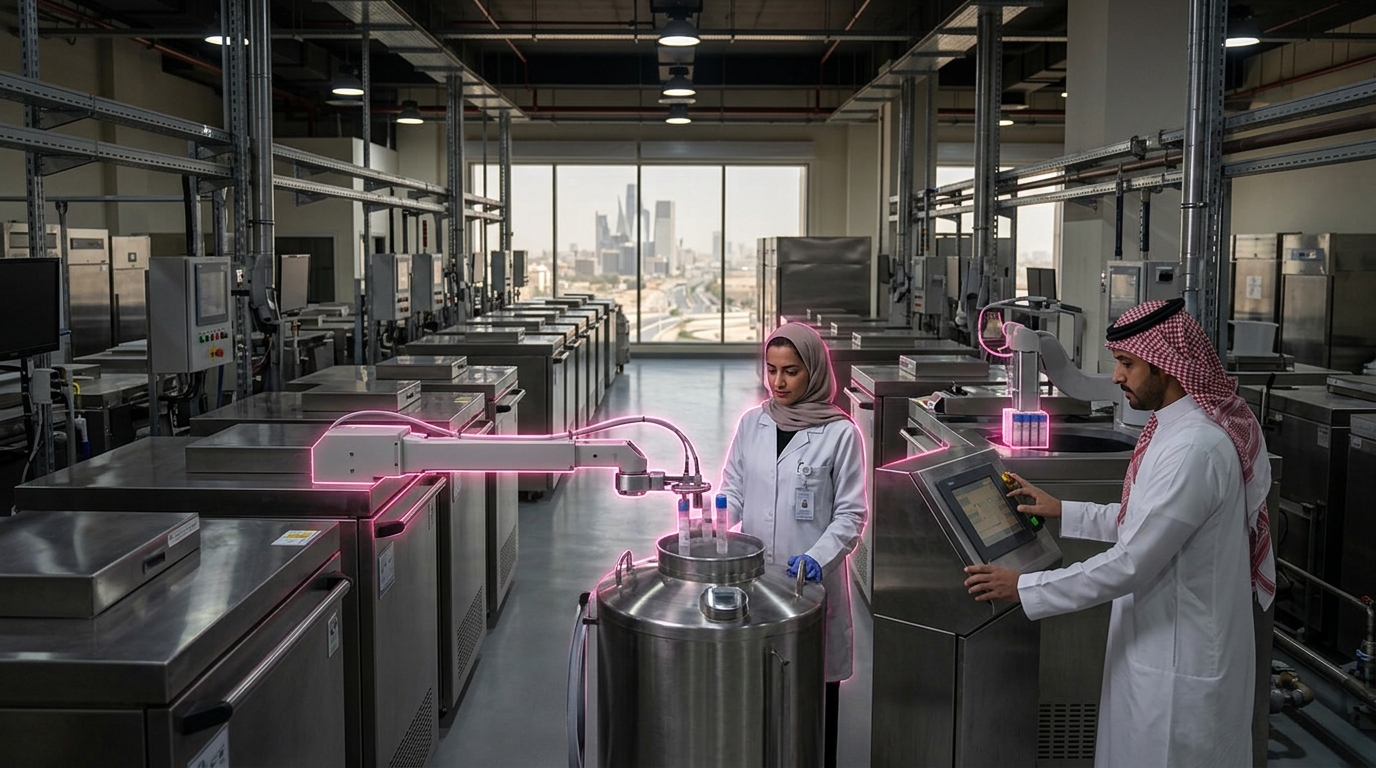
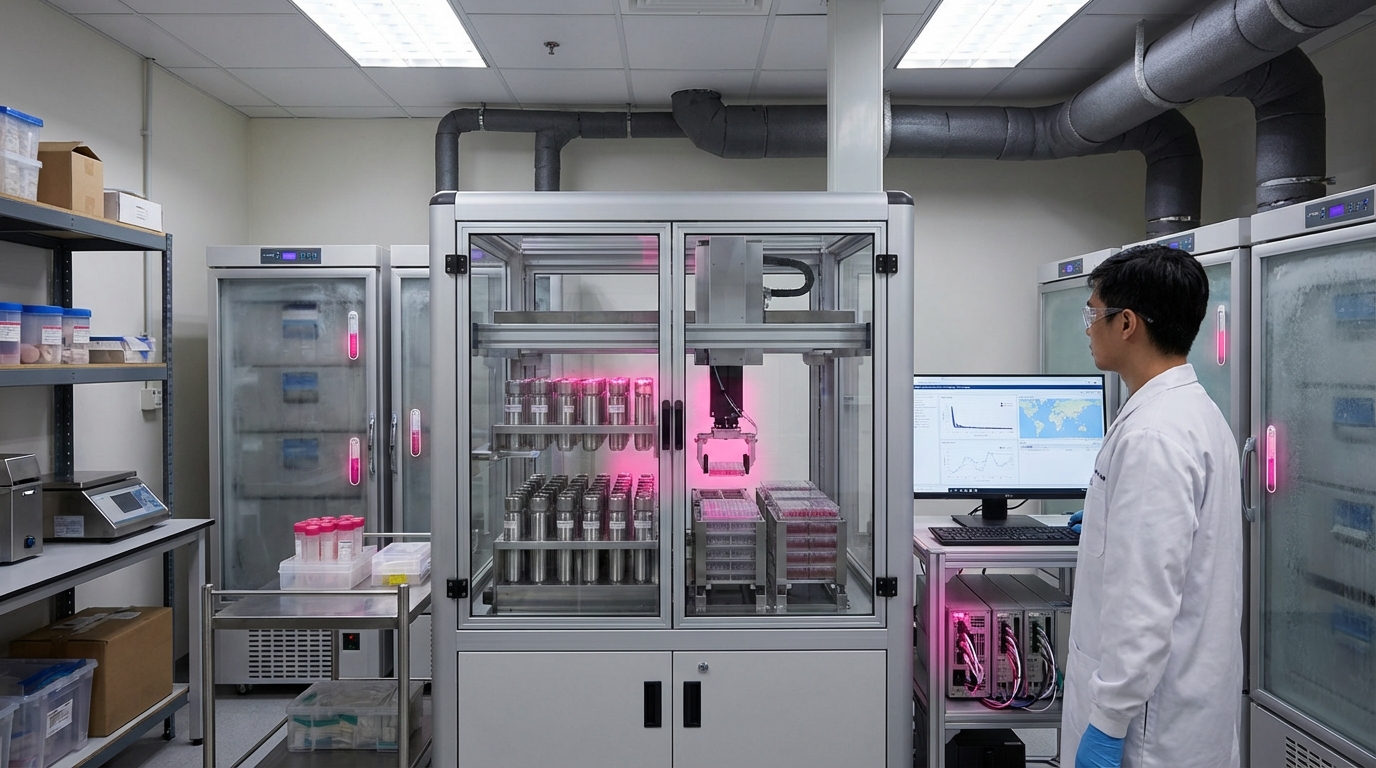
Robotic vitrification systems standardizing cell and tissue banking.
Homomorphic encryption enabling genomic analysis without exposing raw data.
Revival of extinct species via genetic engineering and cloning.
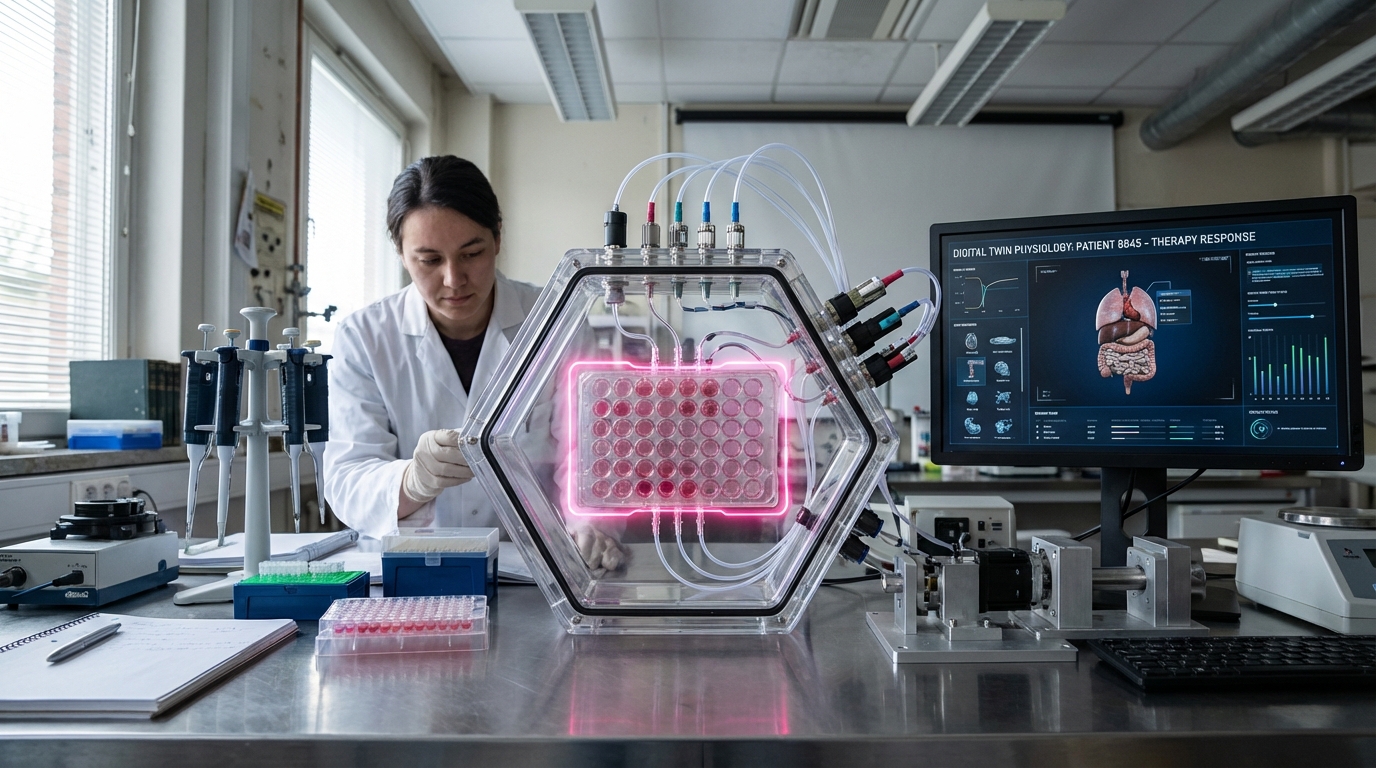
Multiscale simulations forecasting intervention impacts.
Thailand's $4.7B medical tourism industry is deploying digital health platforms, AI-assisted diagnostics, and telemedicine integration serving 3.5M+ international patients annually.
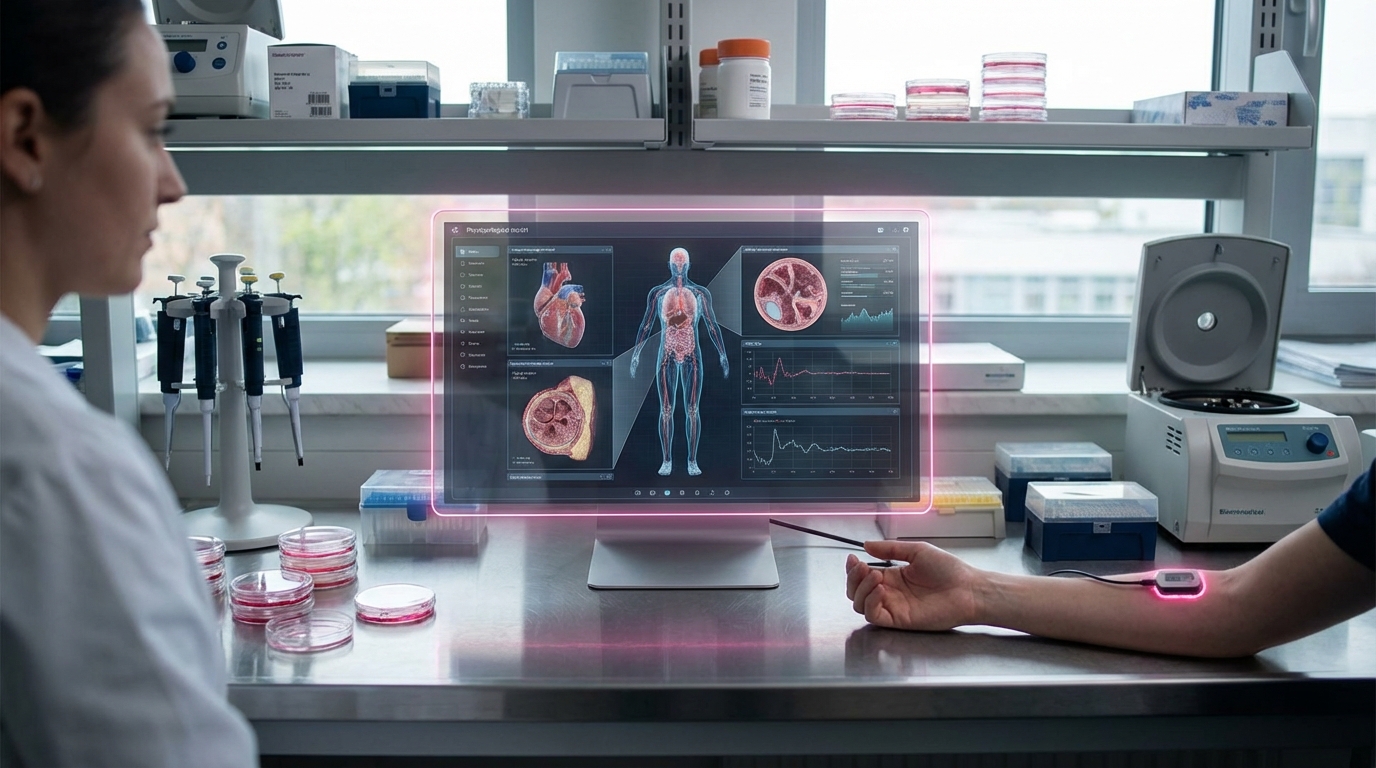
Patient-specific simulation stacks predicting therapy response.
Oversight for AI-designed biological agents and automated labs.
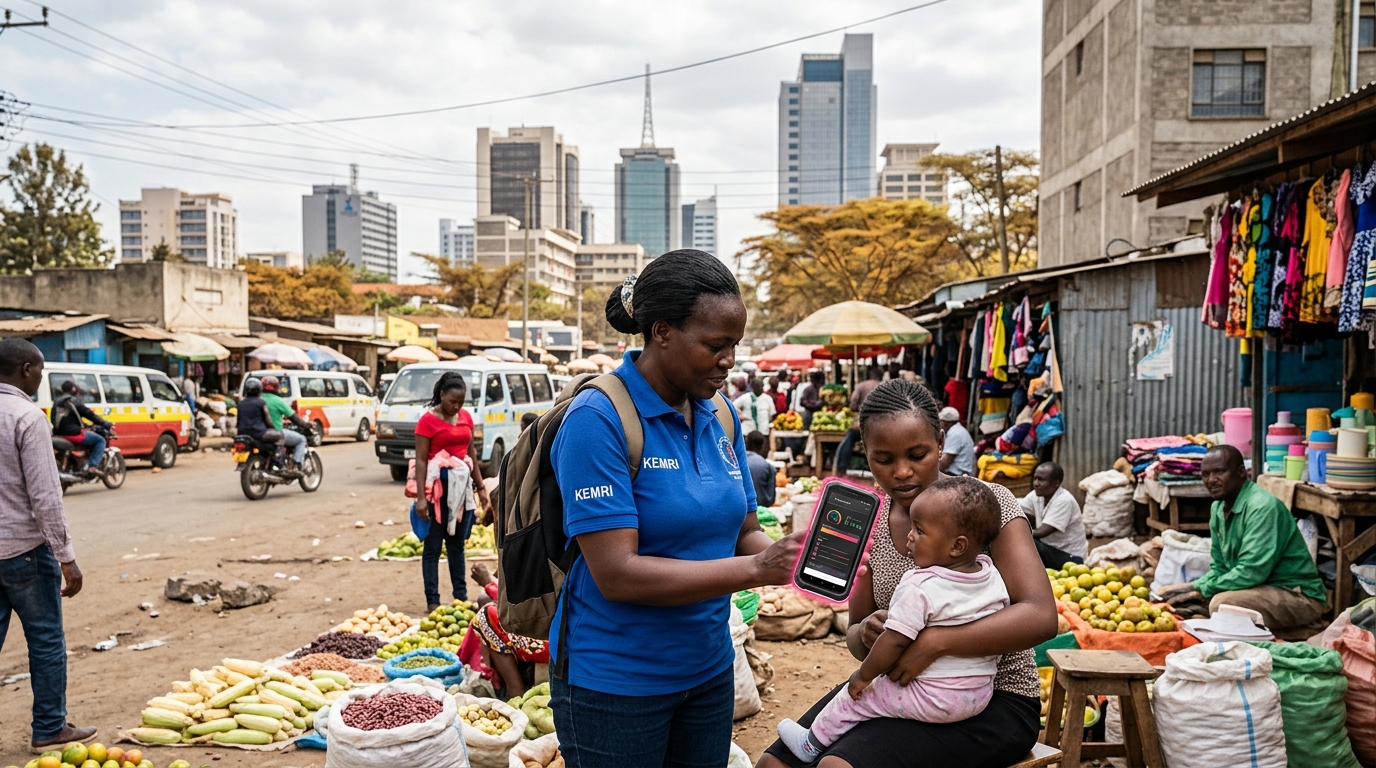
Mobile-enabled platforms equip Africa's 1M+ community health workers with AI-assisted diagnostic tools, real-time patient tracking, and supply chain visibility via basic smartphones.
Canada has invested heavily in building domestic mRNA vaccine manufacturing capacity post-pandemic, with Moderna's Montreal facility and Resilience's Ontario operations ensuring pandemic preparedness.
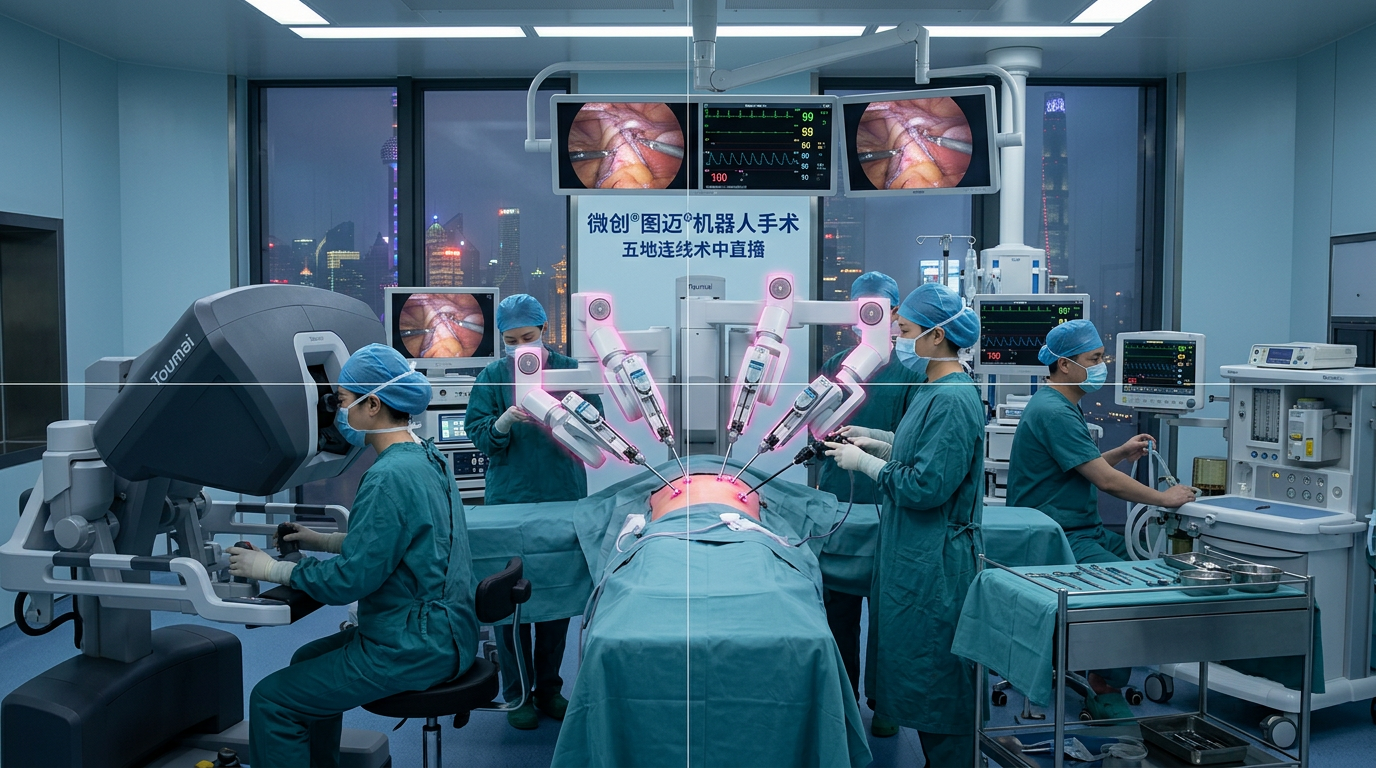
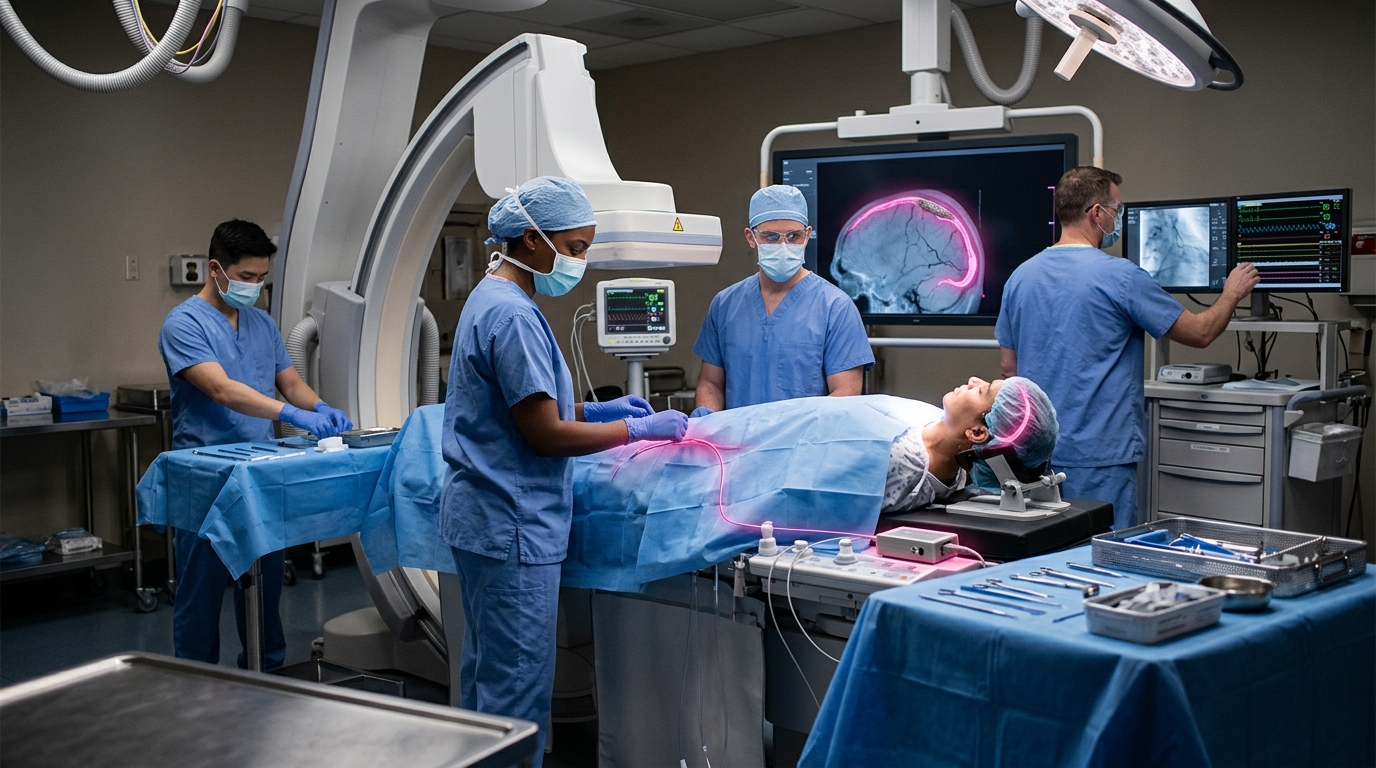
MicroPort's Toumai robot surpassed 200 global orders across 50 countries, becoming the first surgical robot to perform five-center simultaneous telesurgery
Developed 5+ COVID-19 vaccines domestically (COVIran Barekat, PastoCovac, Razi Cov Pars) — demonstrating rapid vaccine development capability under sanctions-constrained conditions.
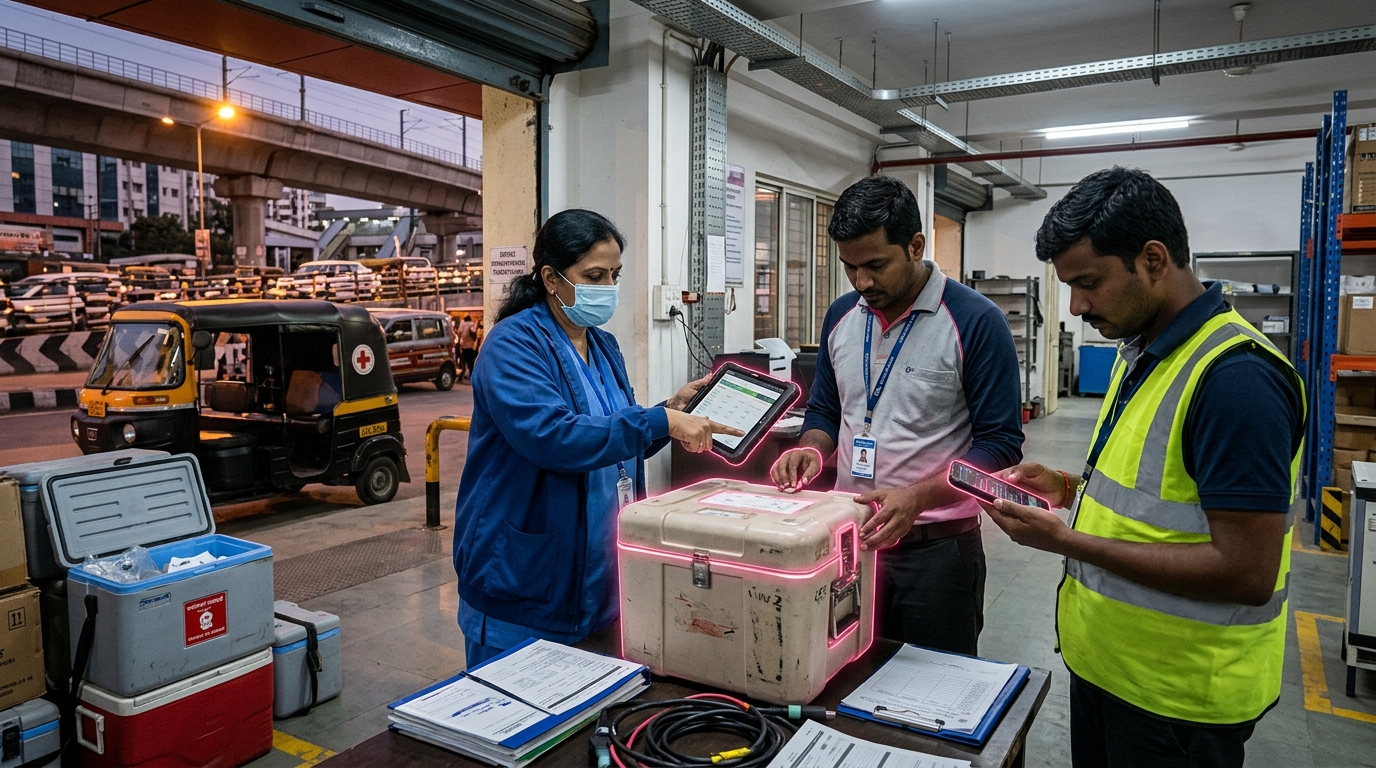
India's 'Medicine from the Sky' program and state initiatives are deploying drones to deliver vaccines, blood units, and emergency medicines to tribal and mountainous areas where roads take hours but drones take minutes.
Automatic biosafety scanning for DNA synthesis and protocols.
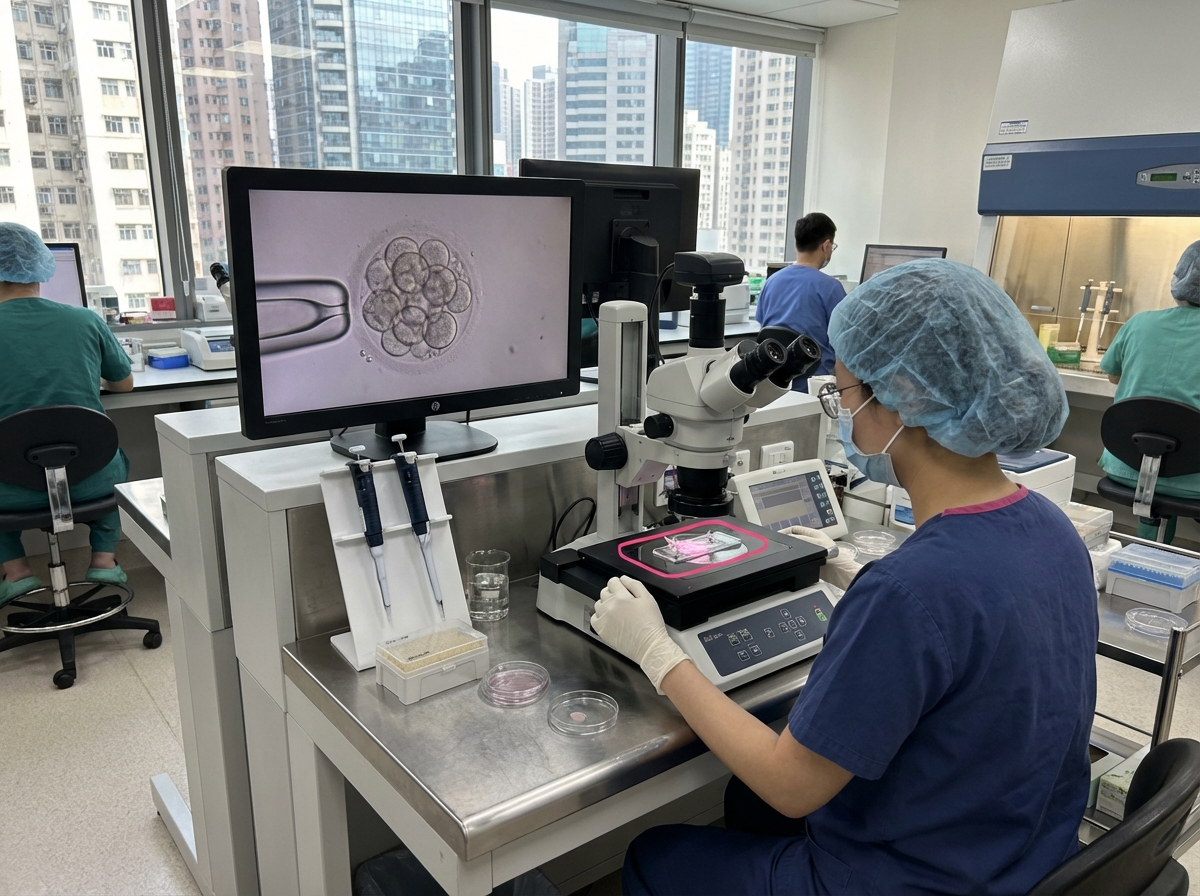
PGT-A workflows widely adopted across IVF clinics in Asia.
Living microbes or cells engineered to produce therapeutics inside the body, reducing cost and enabling sustained delivery.
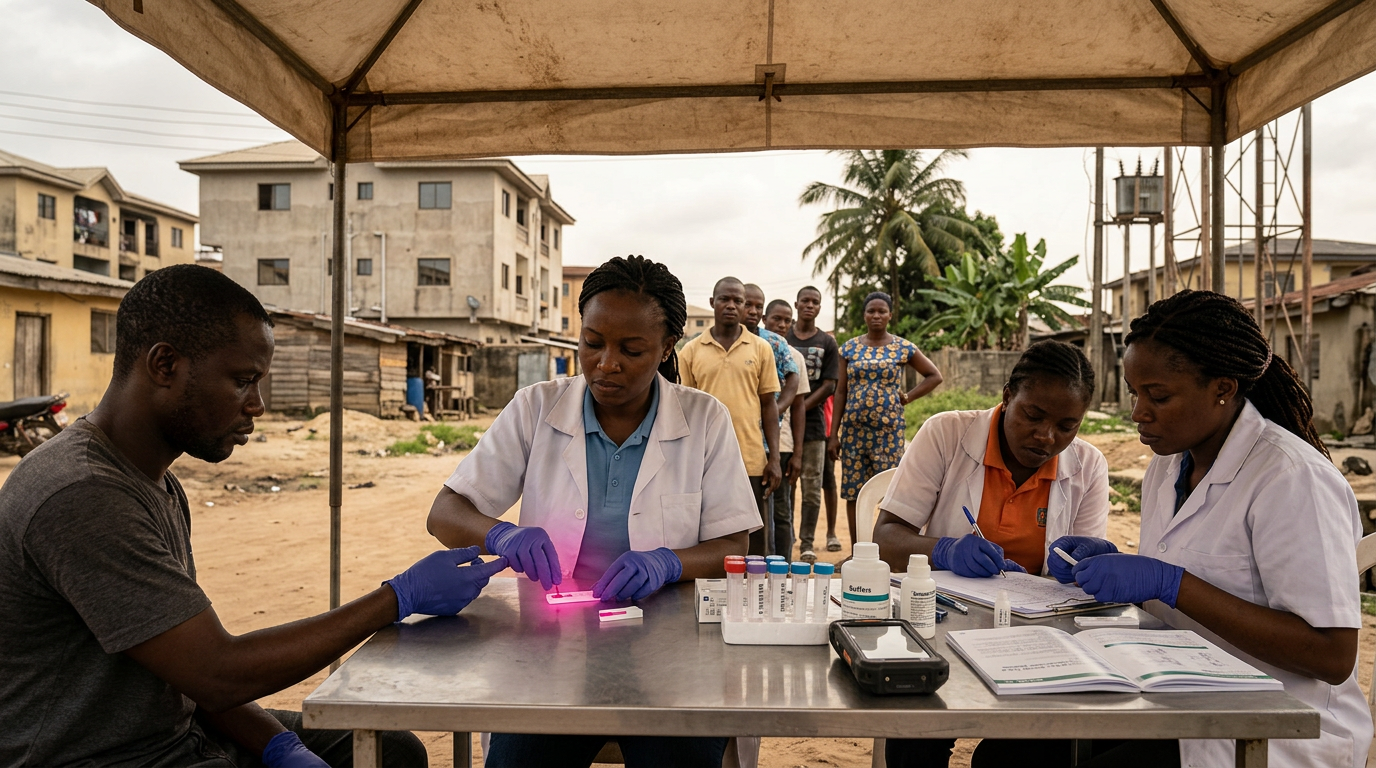
African researchers are developing next-generation malaria rapid diagnostic tests that detect drug-resistant strains and asymptomatic carriers in field conditions.
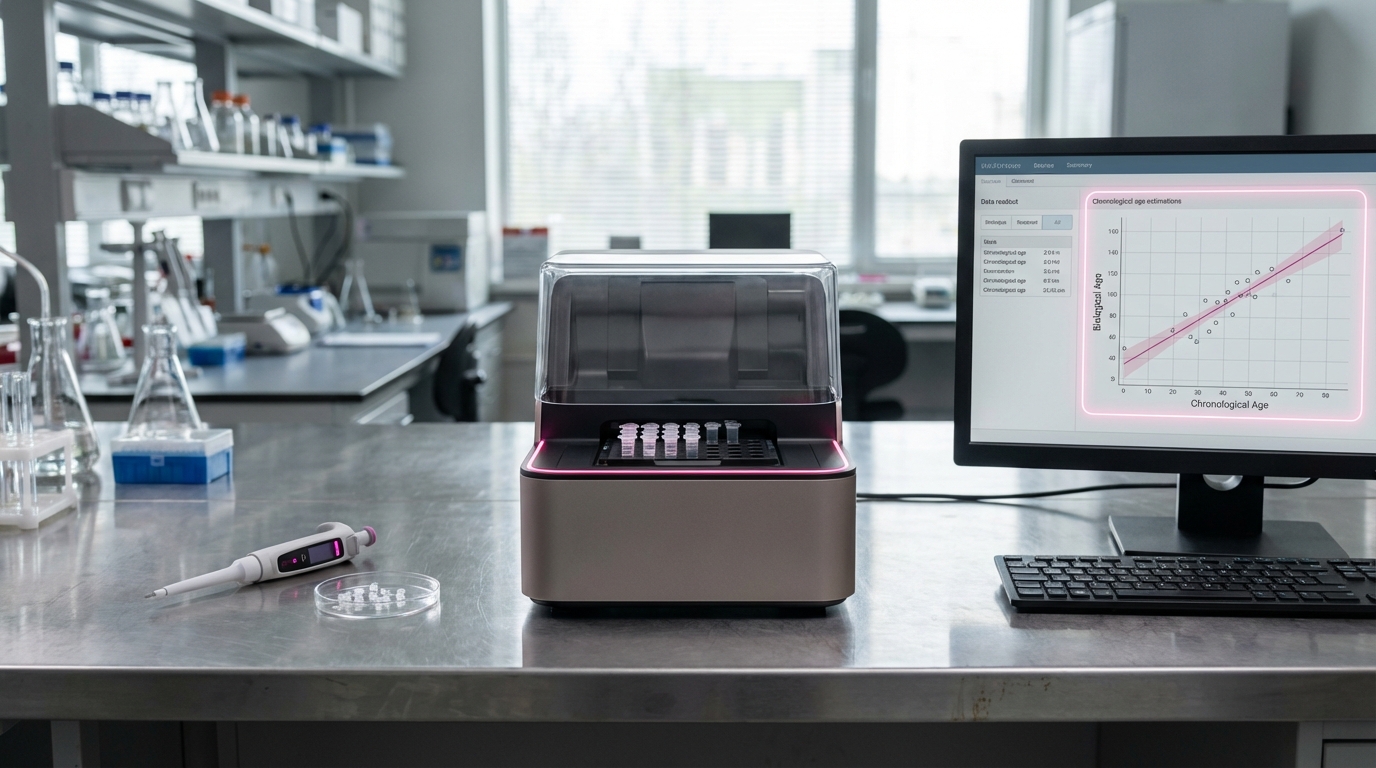
Machine learning models estimating biological age from methylation signatures.
Standardized donor screening and cryobanking for microbiome therapies.
Privacy-preserving AI training across hospitals and biobanks for aging research.
Ovarian reserve preservation and regeneration for extended healthspan.
Europe's first femtech unicorn uses AI algorithms with 3D visualization to predict menstrual cycles and monitor symptoms for 380M+ users
The UAE Biobank, Saudi National Biobank, and Qatar Biobank are building centralized biological sample repositories integrated with genomic and clinical data, creating the most comprehensive health data infrastructure for Arab populations globally.
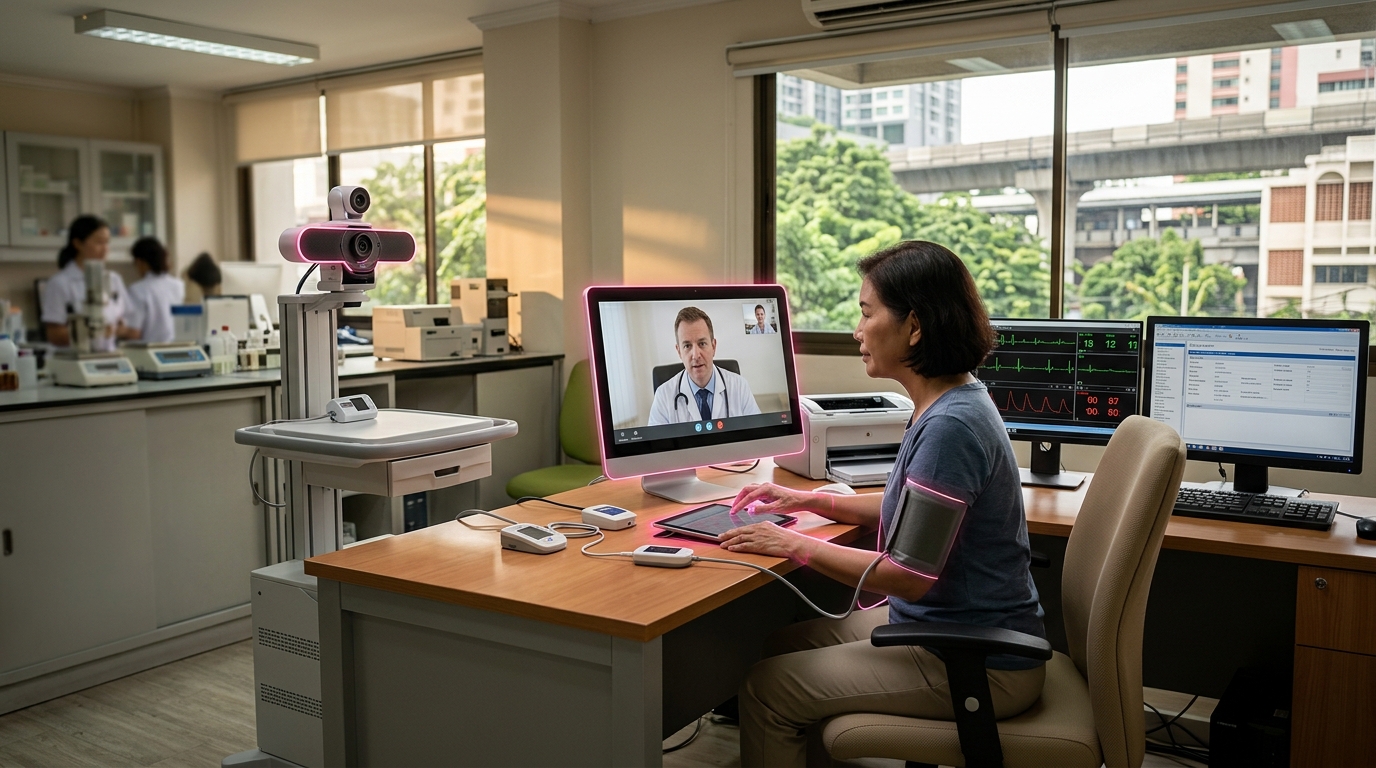
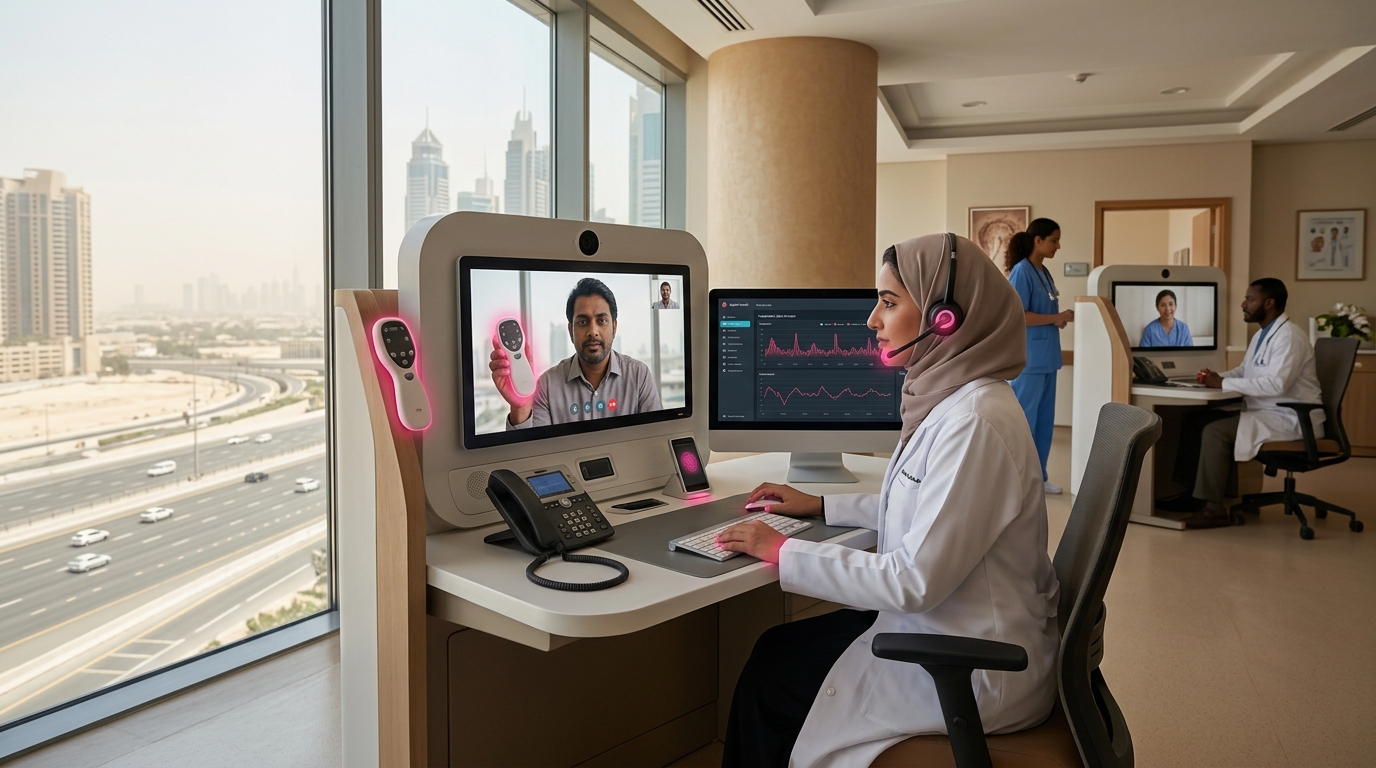
Gulf states accelerated telemedicine adoption post-COVID, with UAE and Saudi Arabia deploying AI-assisted remote diagnostics and digital health platforms across national healthcare systems.
AAV and LNP pipelines delivering repeatable dosing for chronic diseases.
India is the 'Pharmacy of the World' — supplying 20% of global generic medicines and 60% of the world's vaccines, with the largest number of FDA-approved facilities outside the US.
Debates around multigenerational risk and global enforcement.
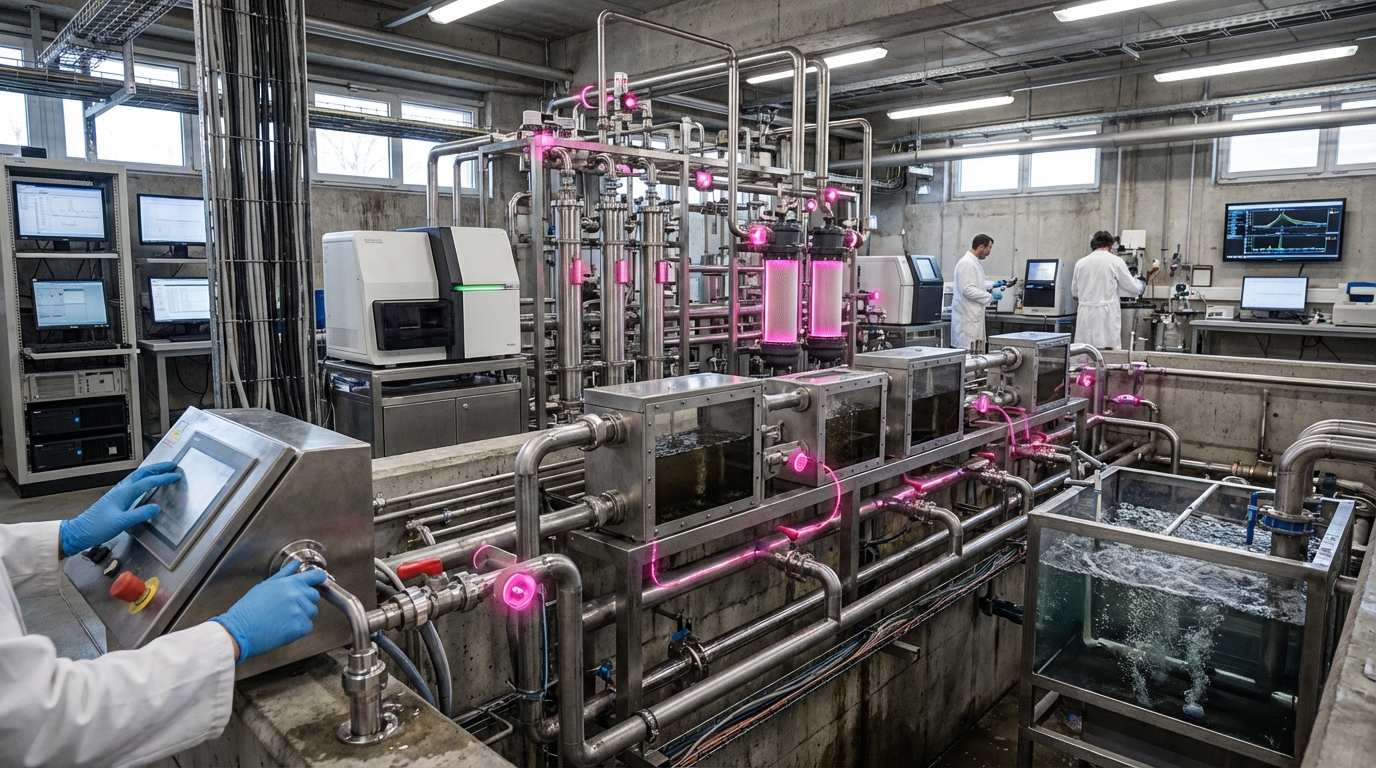
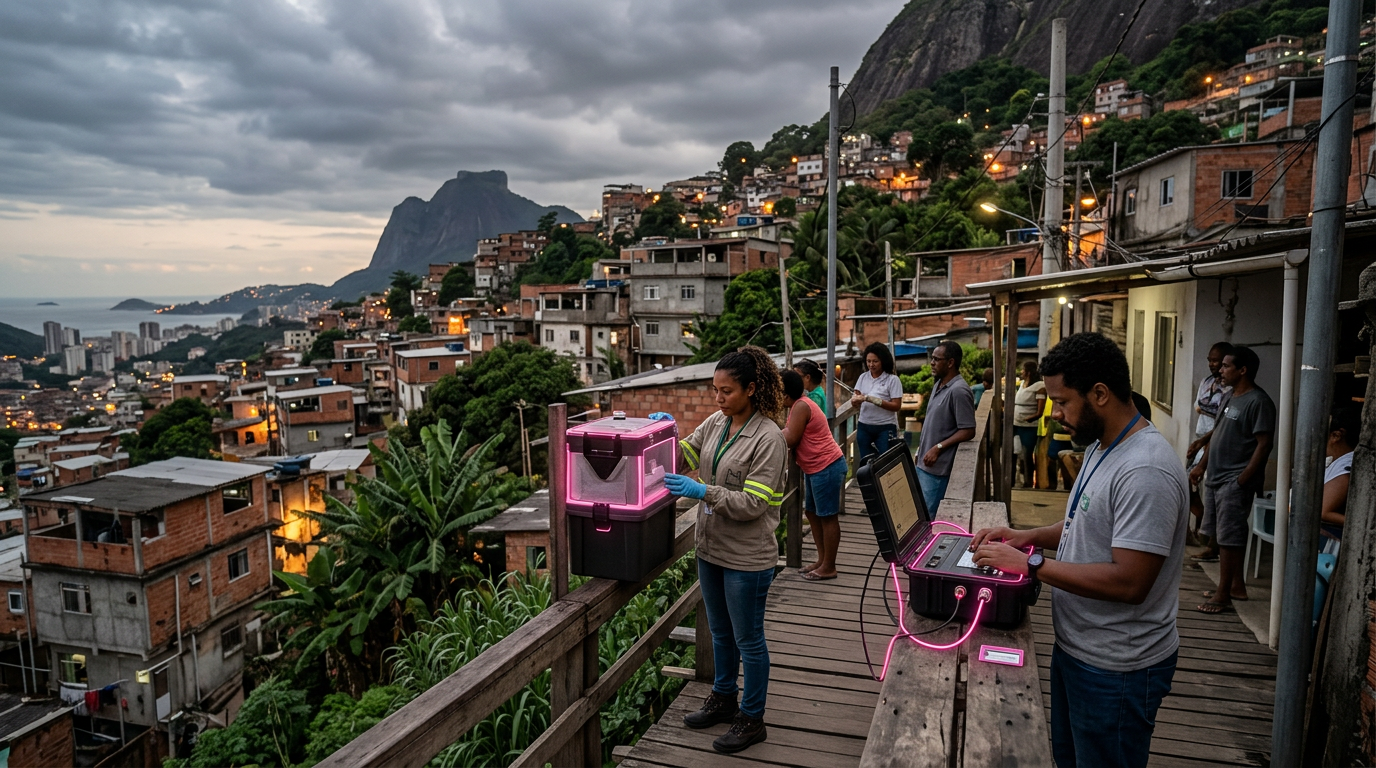
Wastewater and environmental sequencing networks for early pathogen and bio-risk detection.
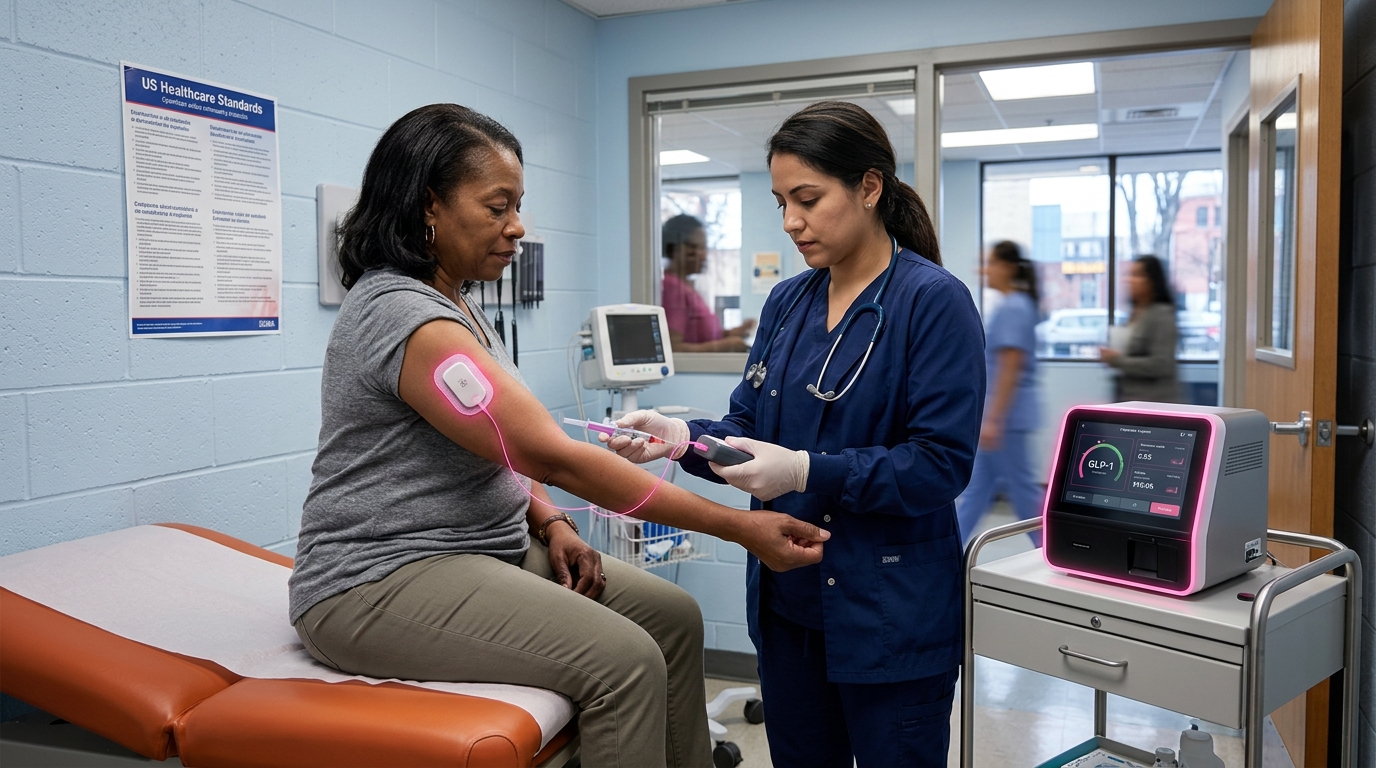
Repurposing GLP-1 receptor agonists from diabetes and obesity to treat Alzheimer's, Parkinson's, and related conditions.
Malaysia's JAKIM halal certification is the global gold standard, with emerging blockchain-based supply chain traceability and AI-powered ingredient screening for the $2.3T global halal market.
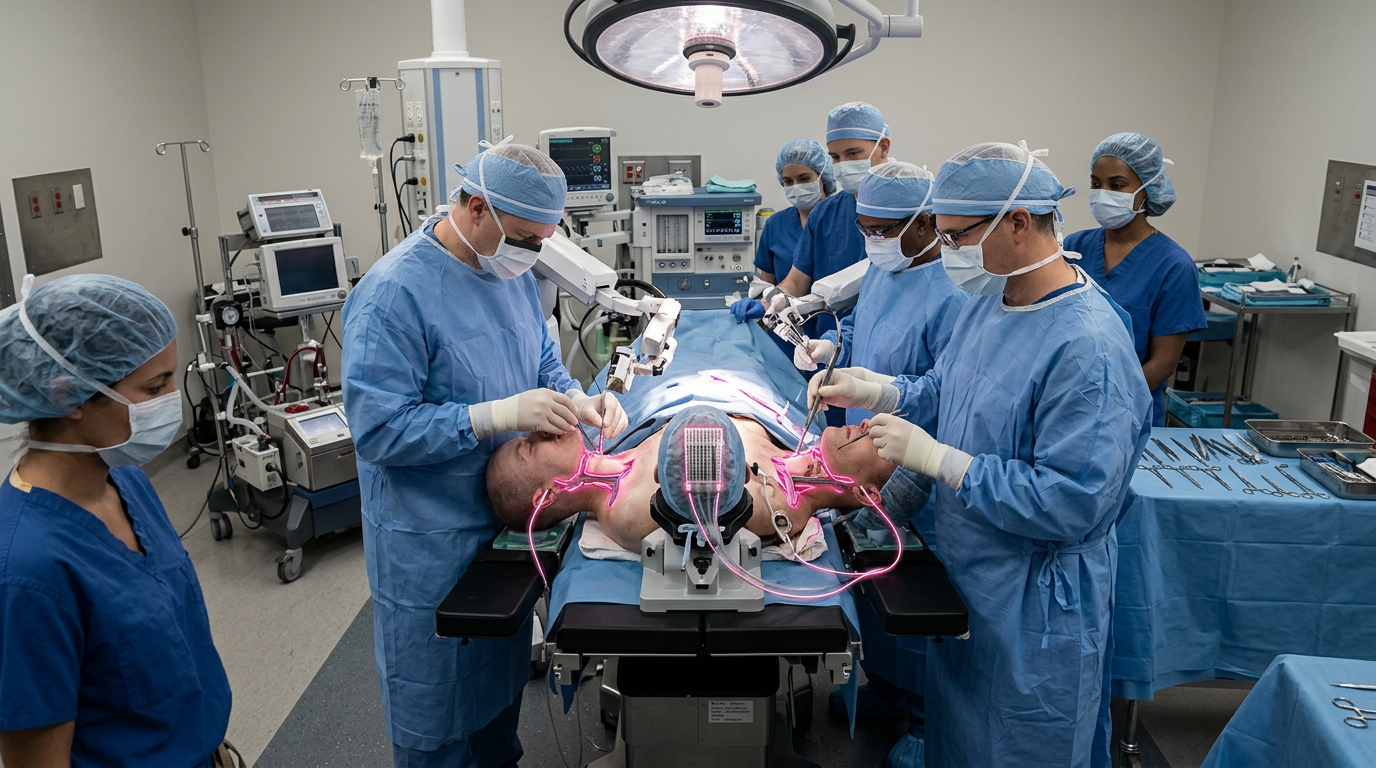
Surgical transfer of head onto donor body; animal experiments including 2-headed result.
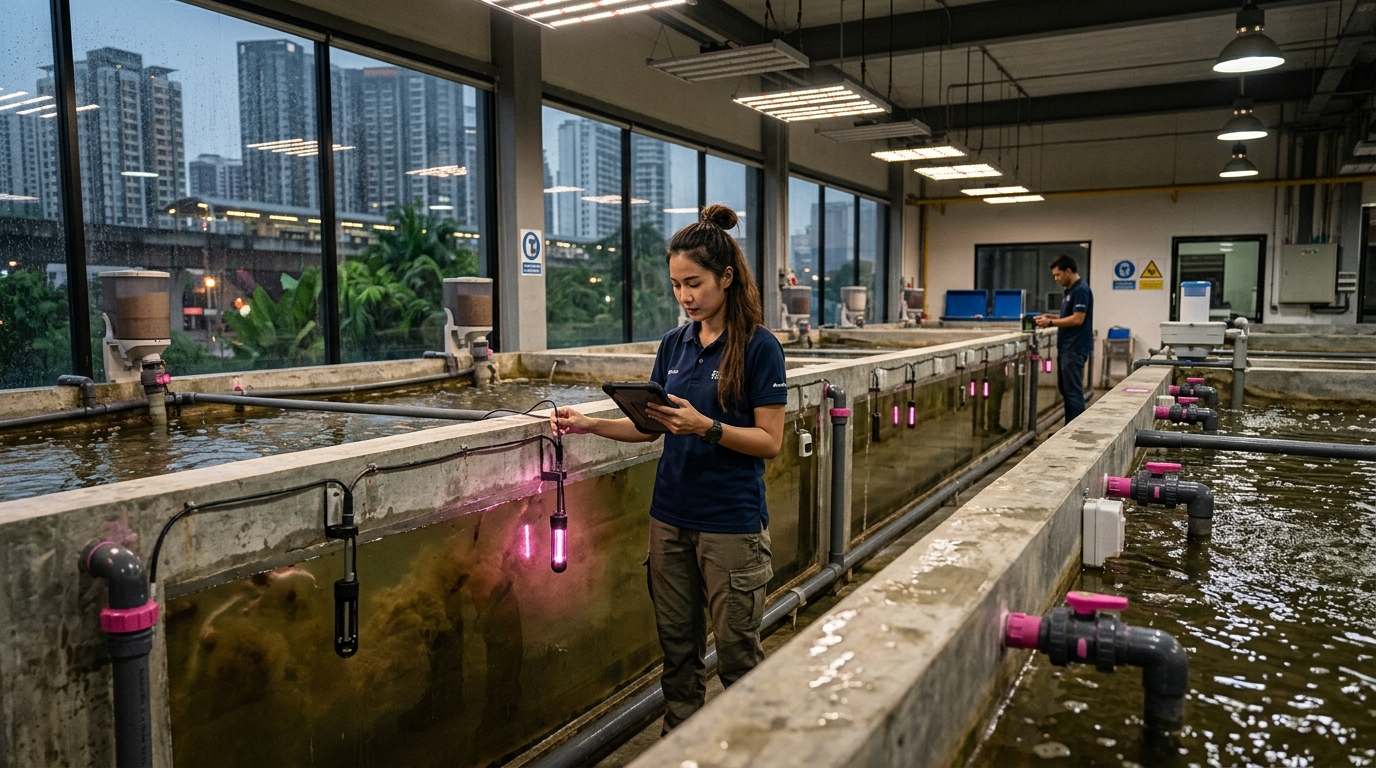
Vietnam is the world's #3 shrimp exporter ($4B+/year), deploying IoT water quality monitoring, AI-powered disease detection, and biofloc recirculating systems to intensify production.
World's highest per-capita rhinoplasty rate with 40,700+ nose surgeries/year; 1.2M medical tourists from 164 countries in 2022 — costs 70% below US equivalents.
China is building a facility to map complete human cell lineages — creating 'digital twins' of human biology that could transform drug development
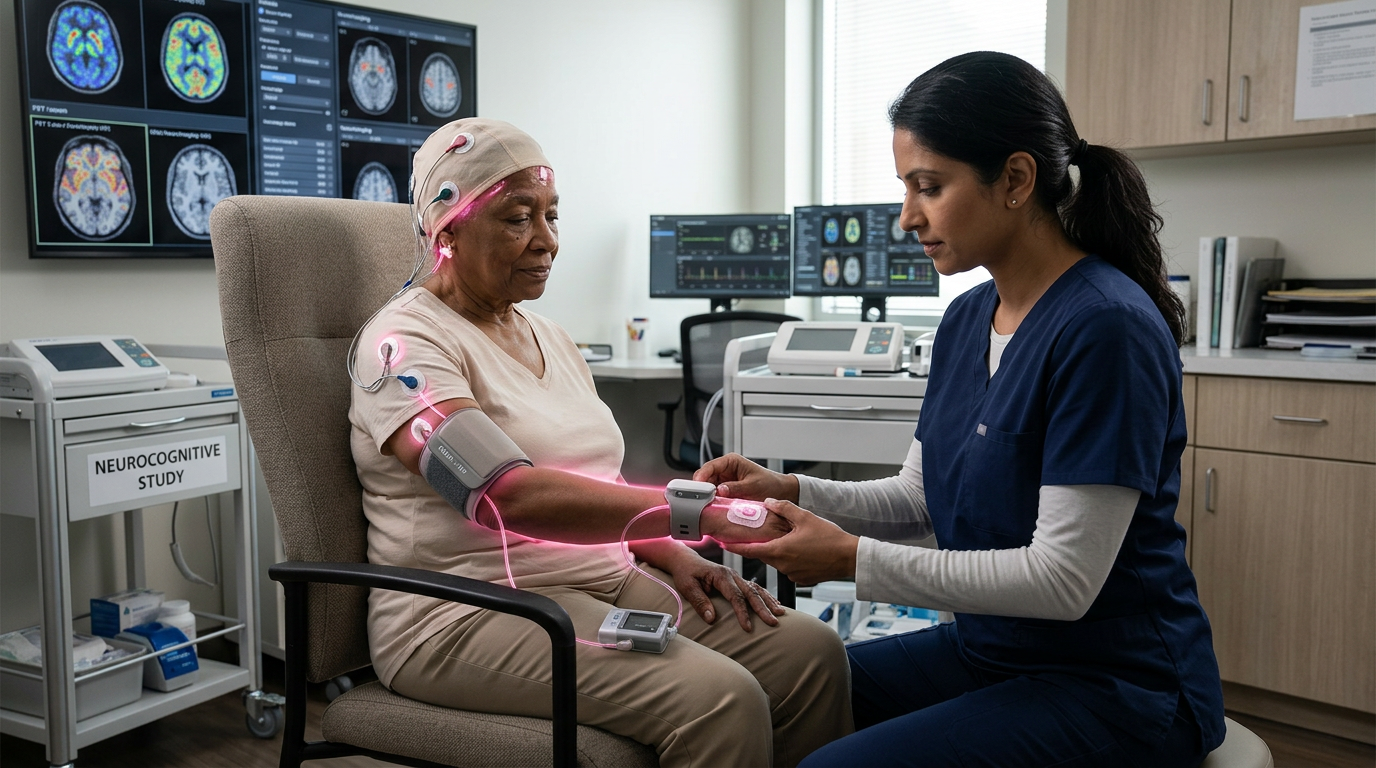
Closed-loop metabolic wearables and neurostimulation techniques.
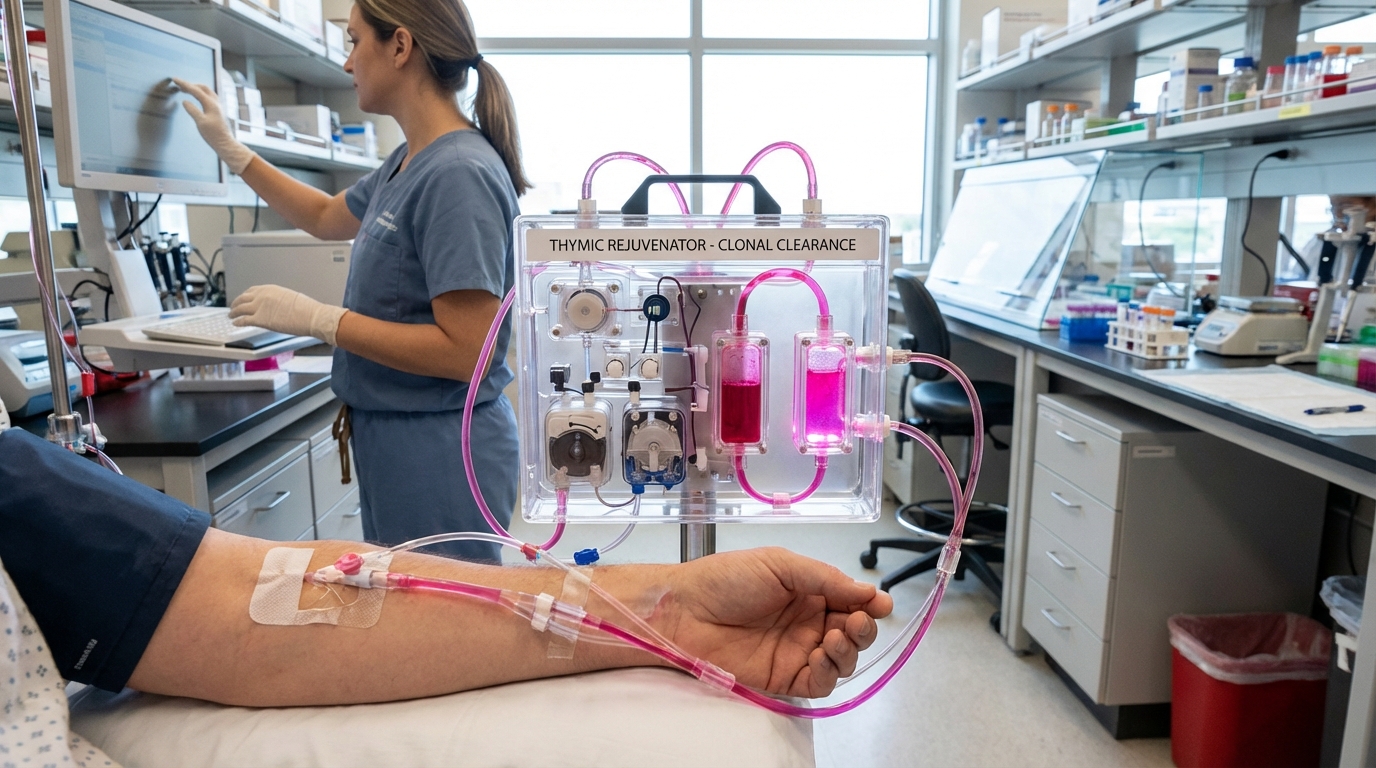
Interventions targeting thymic involution and clonal hematopoiesis in aging.
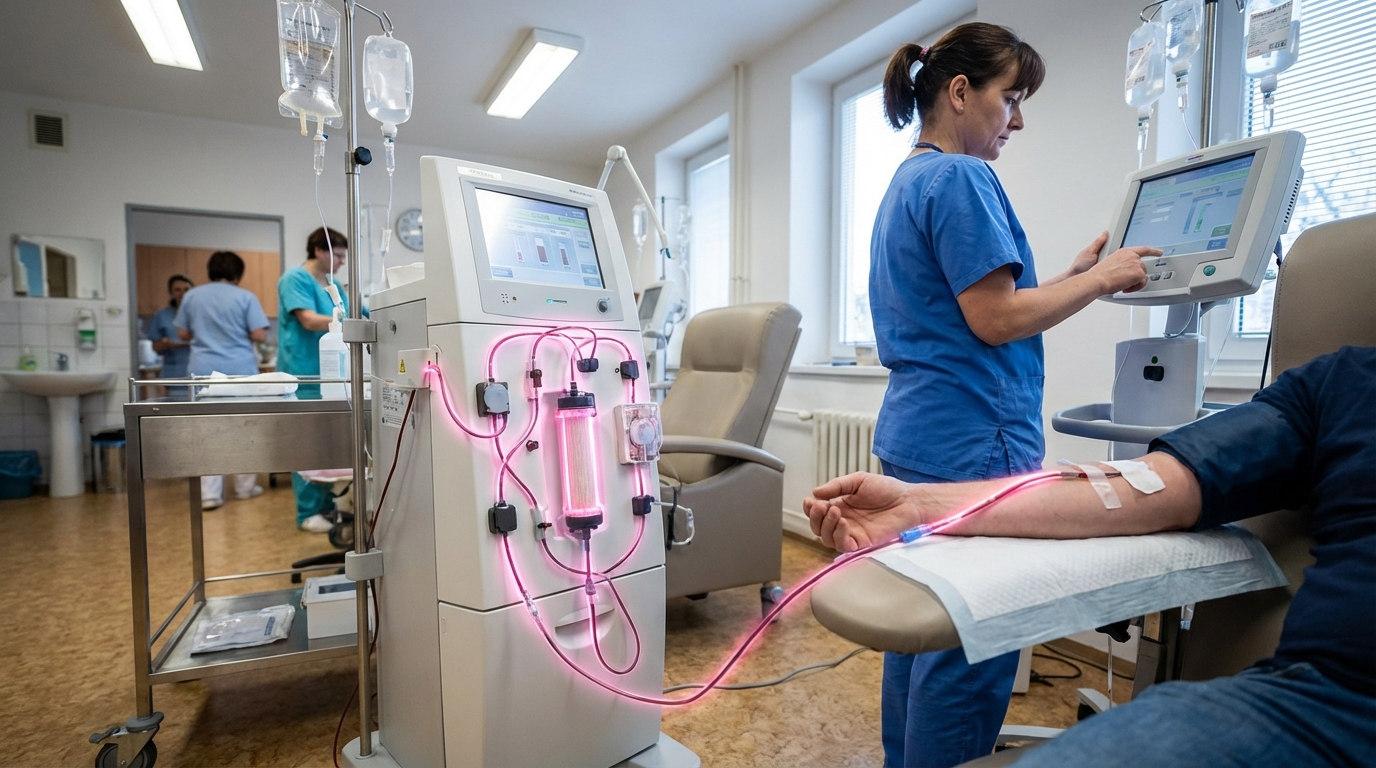
Australian medtech ventures are developing miniaturized, implantable artificial kidney devices to replace dialysis — identified in Tech23 2025 as a breakthrough healthcare technology.
Closed-loop neuromodulation implants monitoring inflammatory or metabolic markers.
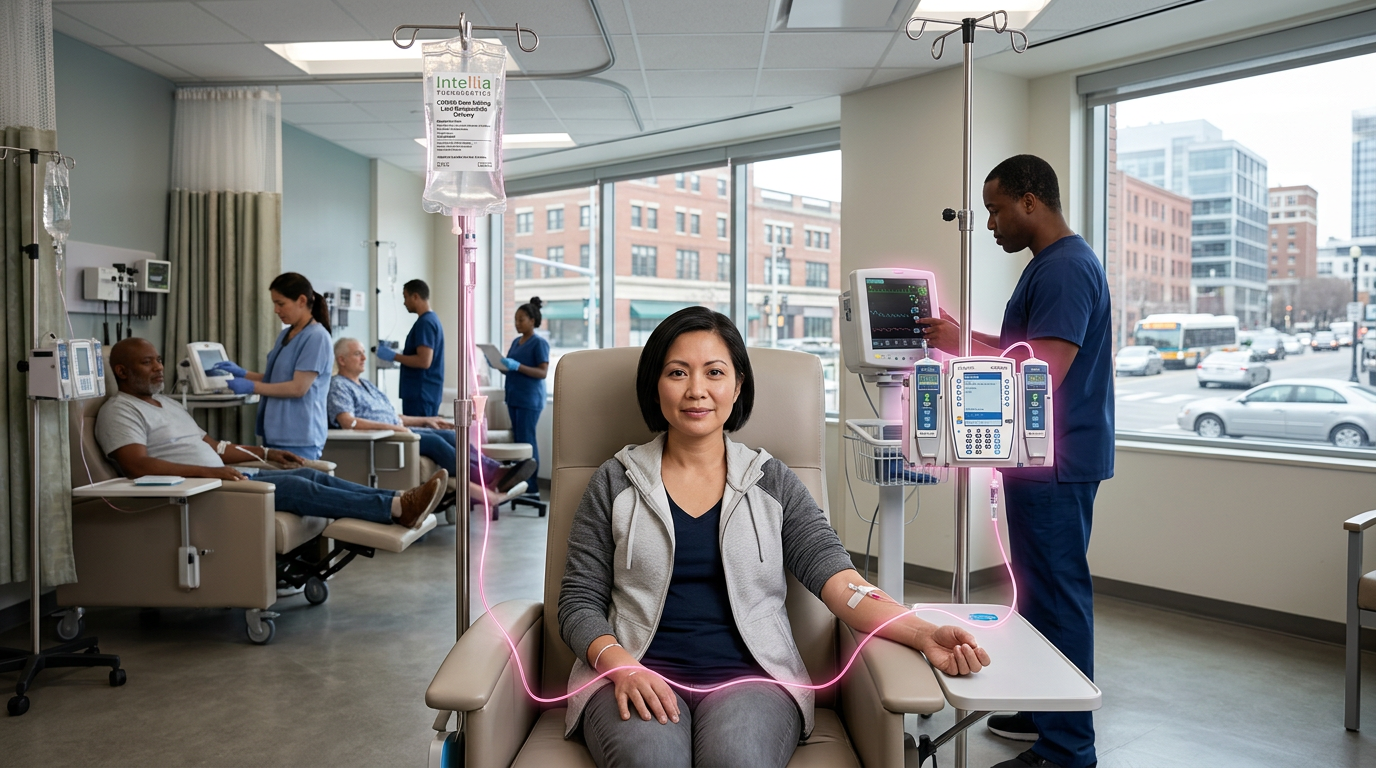
Intellia Therapeutics demonstrated the first systemic in vivo CRISPR gene editing in humans using lipid nanoparticles, with clinical data showing single-dose treatments that durably silence disease-causing genes — a potential one-and-done cure for genetic diseases.
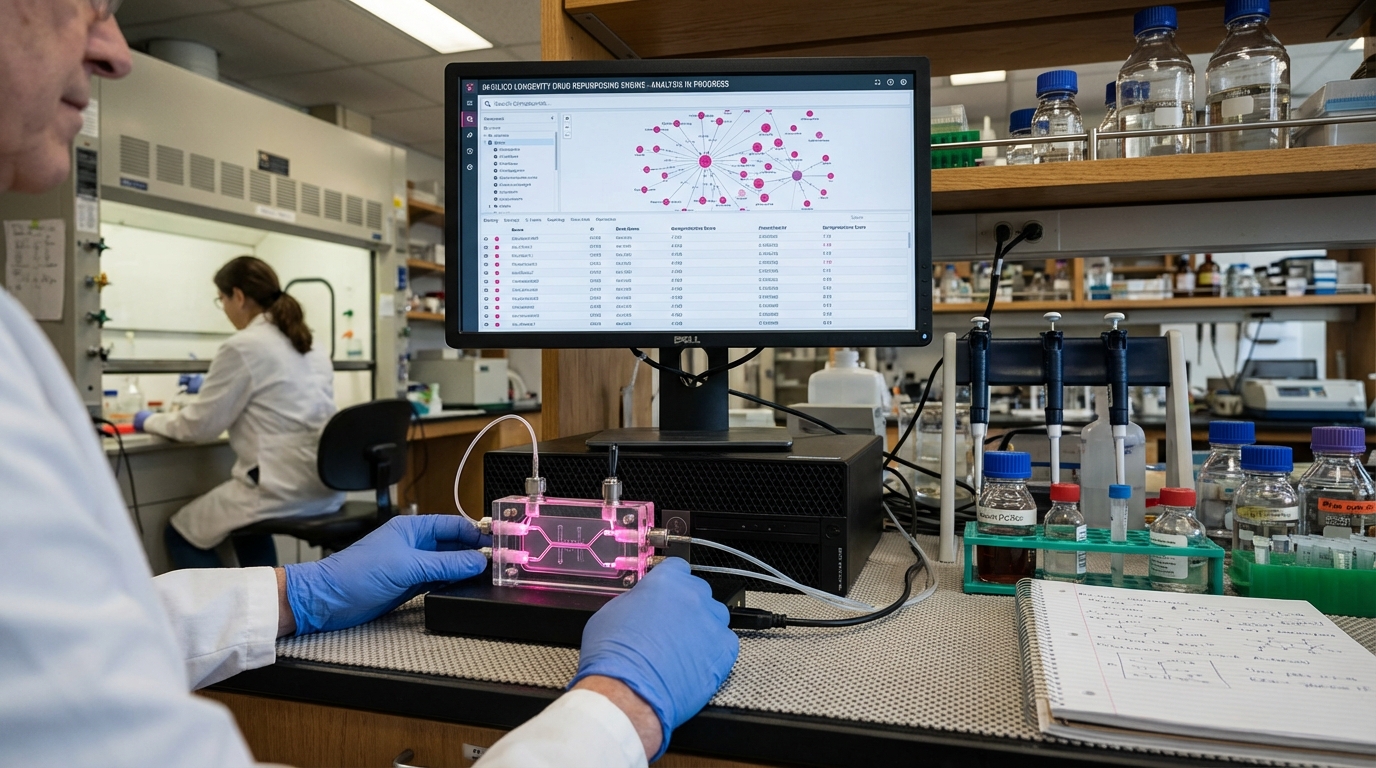
AI platforms identifying geroprotective properties in existing non-longevity drugs.
TURKOVAC inactivated COVID vaccine platform demonstrated 8-month durable immune response, establishing Turkey's first sovereign vaccine development and production capability.
India's push to develop domestic mRNA vaccine capability through Gennova Biopharmaceuticals and other firms, reducing dependence on Western mRNA technology platforms.
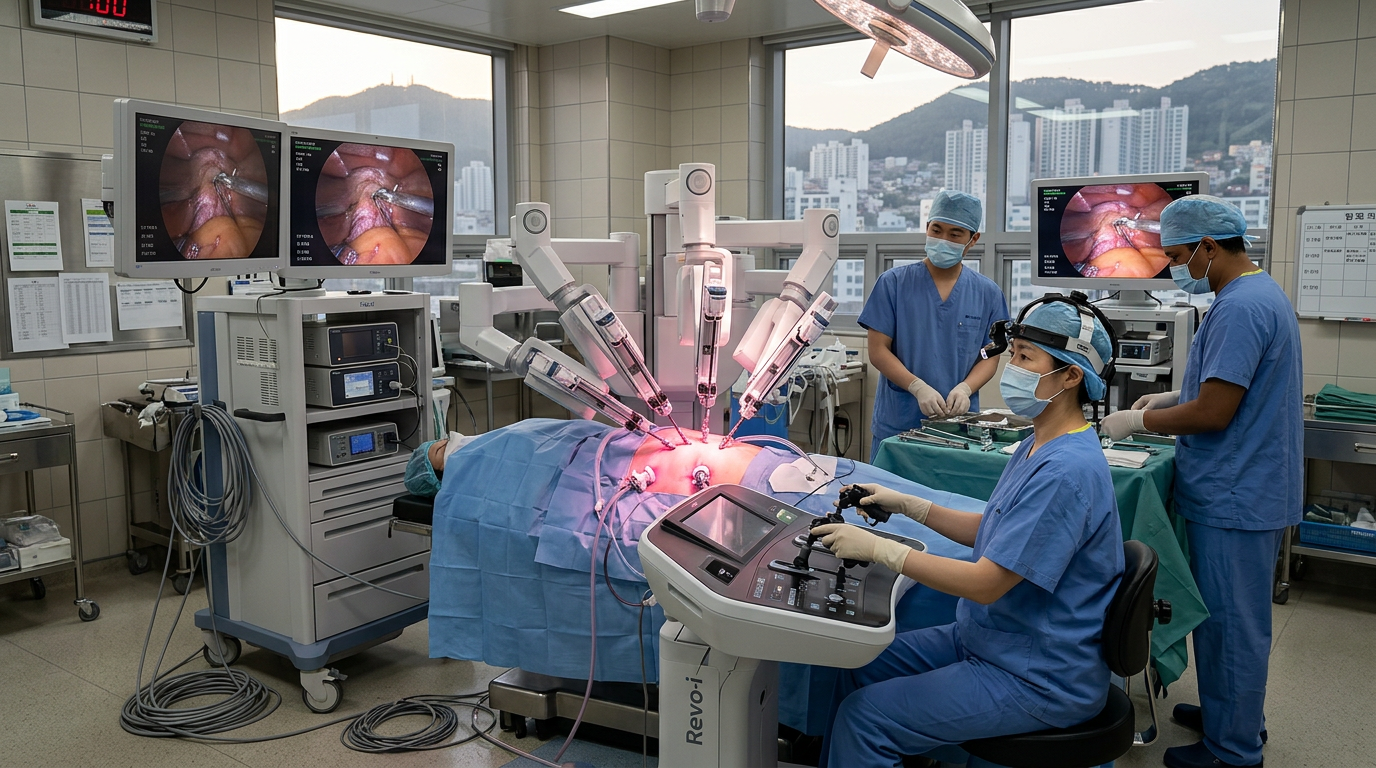
Korea's Revo-i is the world's second regulatory-approved robotic surgery system after da Vinci, offering comparable performance at significantly lower cost and challenging Intuitive Surgical's global monopoly.
CSIRO's BioFoundry enables rapid design-build-test of engineered organisms; Australia's Synthetic Biology Roadmap targets $30B economic contribution and 50,000 jobs by 2040.
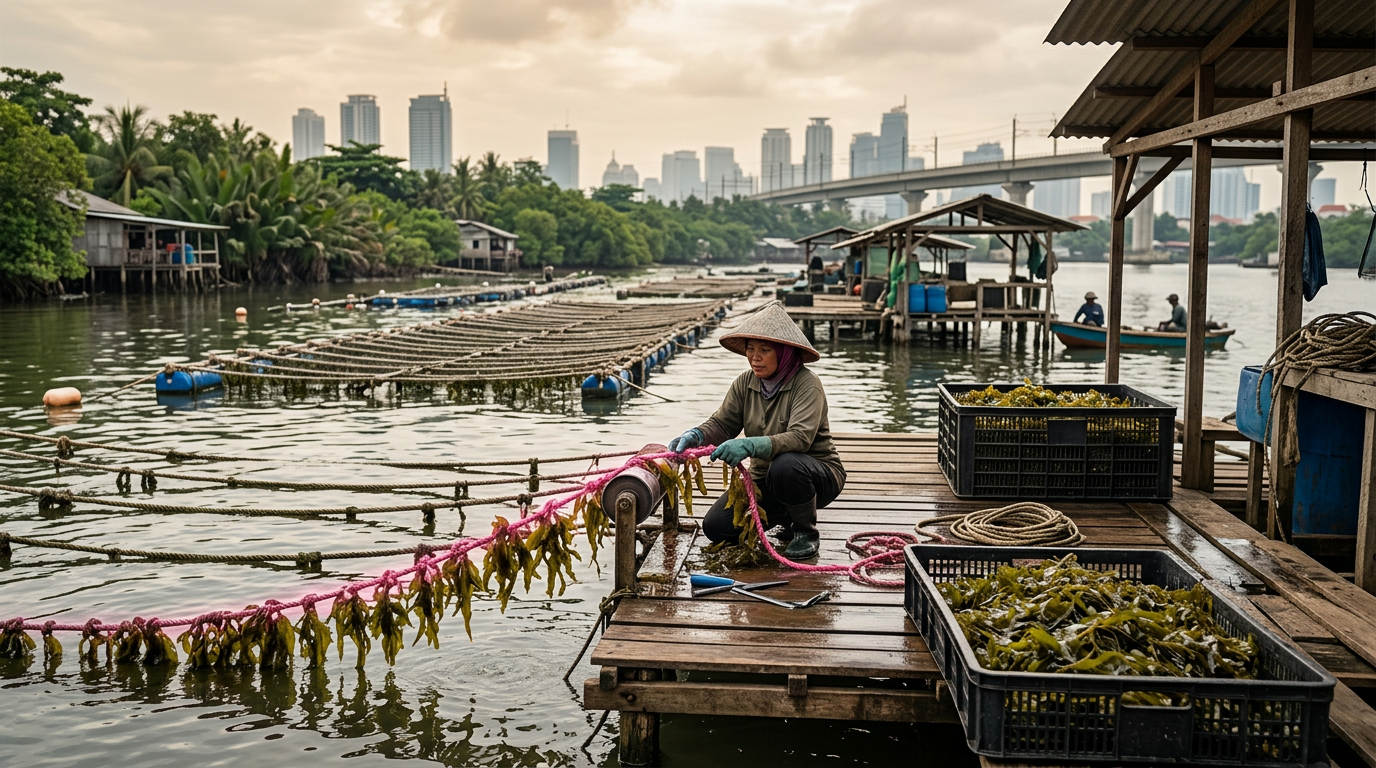
Indonesia produces 35% of the world's seaweed (10M+ tonnes annually), with emerging applications in bioplastics, carbon sequestration, and alternative protein beyond traditional carrageenan extraction.
Paradromics completed its first human BCI implant in 2025 and received FDA approval for speech restoration trials, while Neuralink has multiple patients using its device — Morgan Stanley values the BCI market at $400 billion.
Japan filed the world's first regulatory submission for an iPS cell-based therapy in 2025 — a decade after Yamanaka's Nobel Prize, clinical applications are arriving.
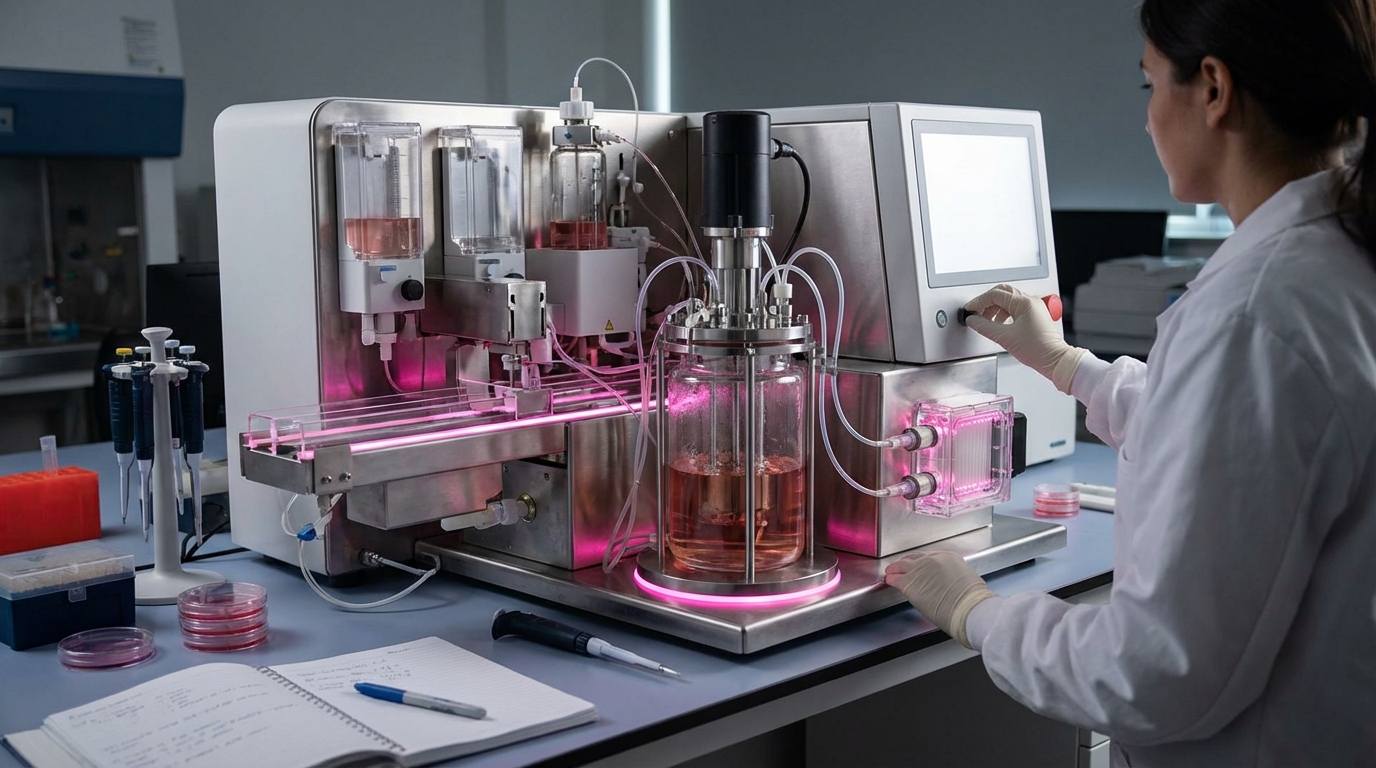
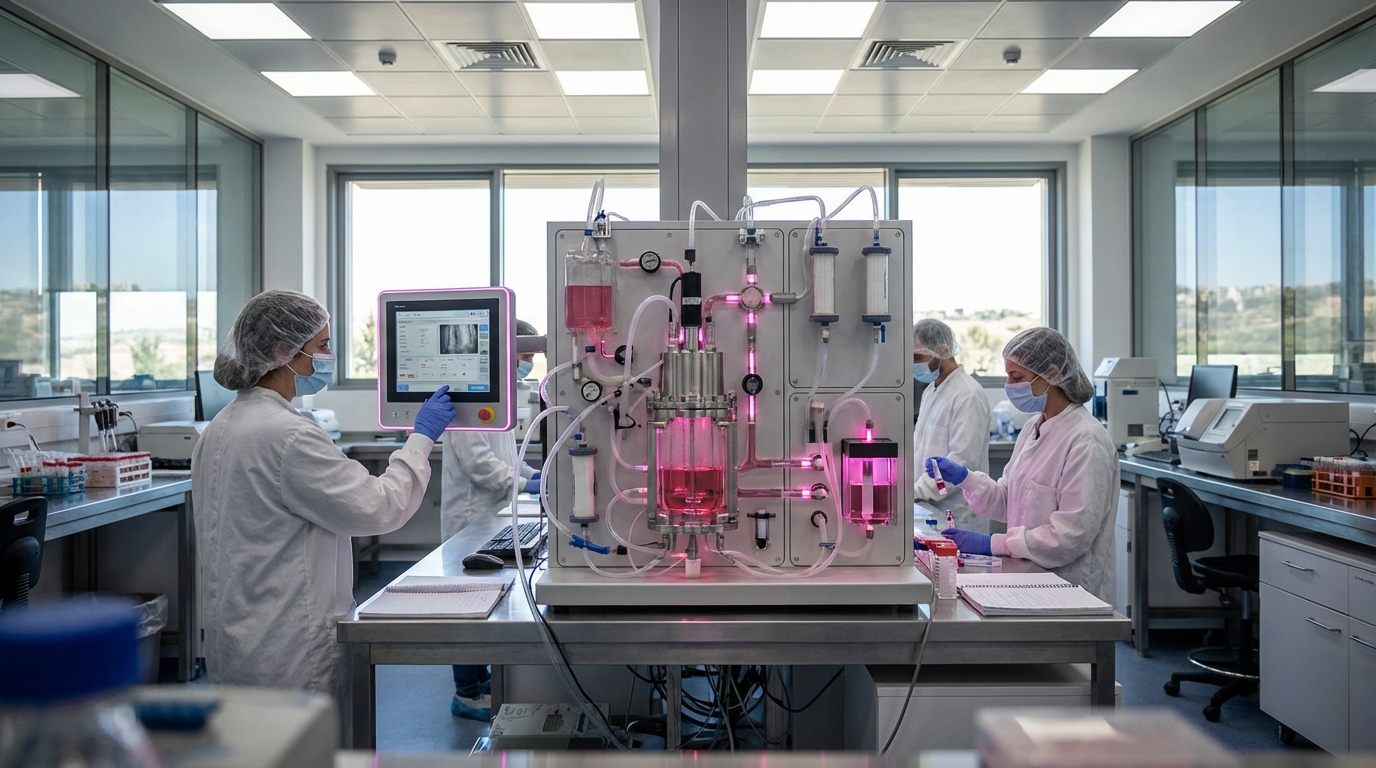
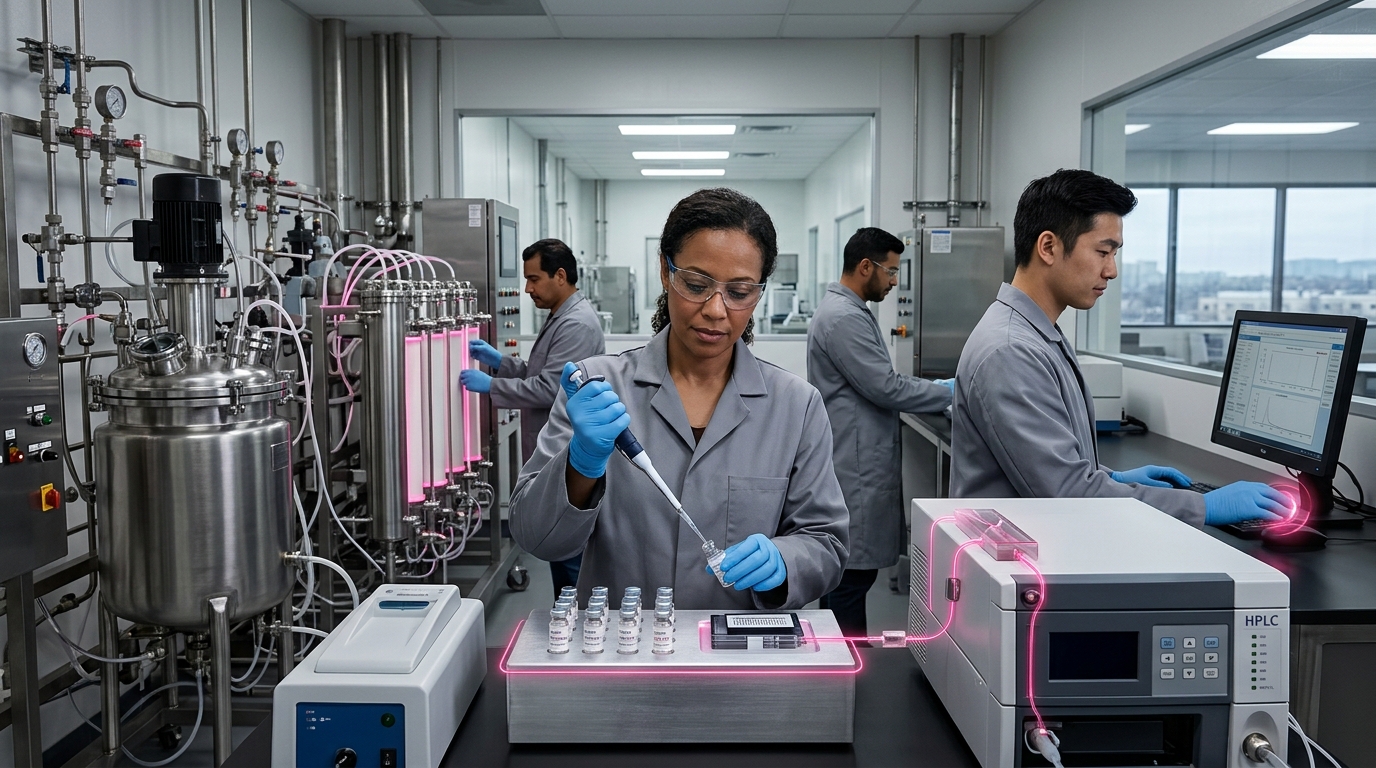
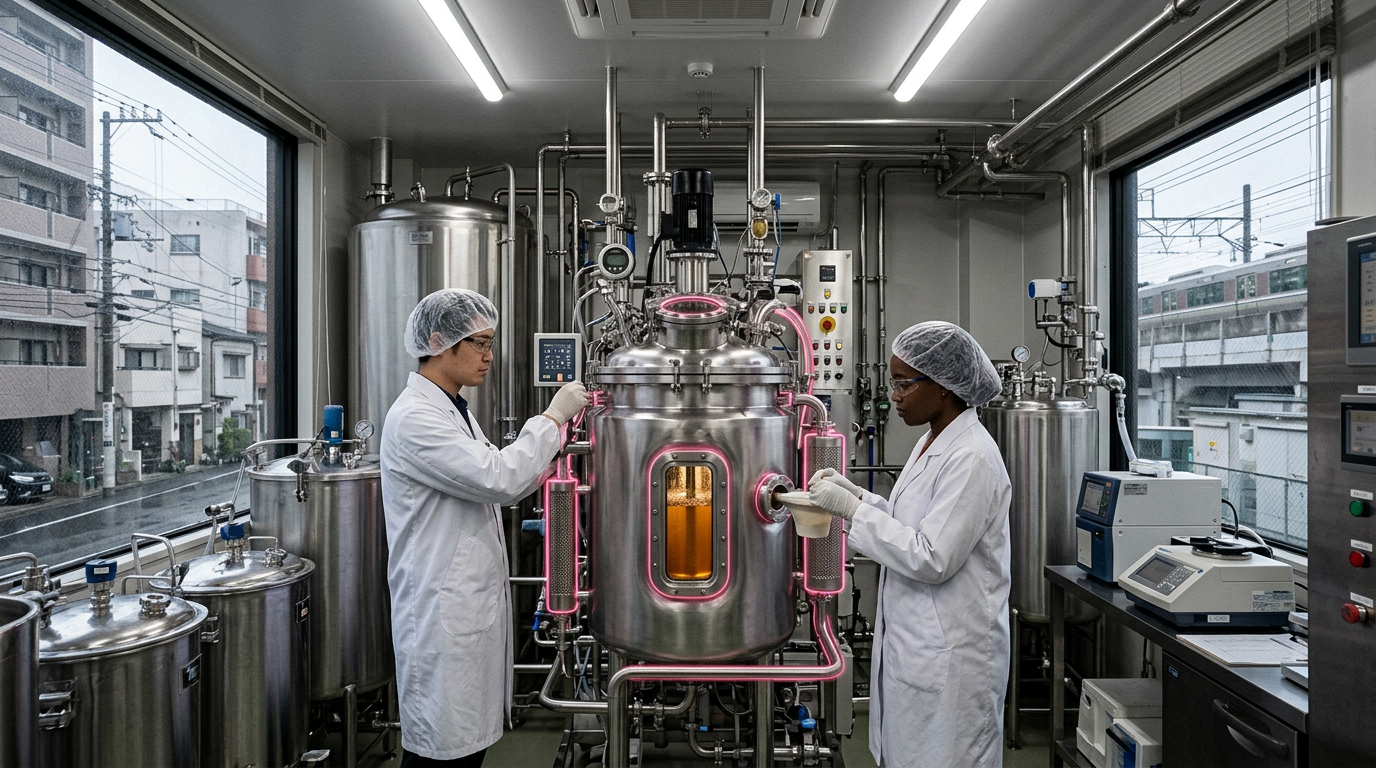
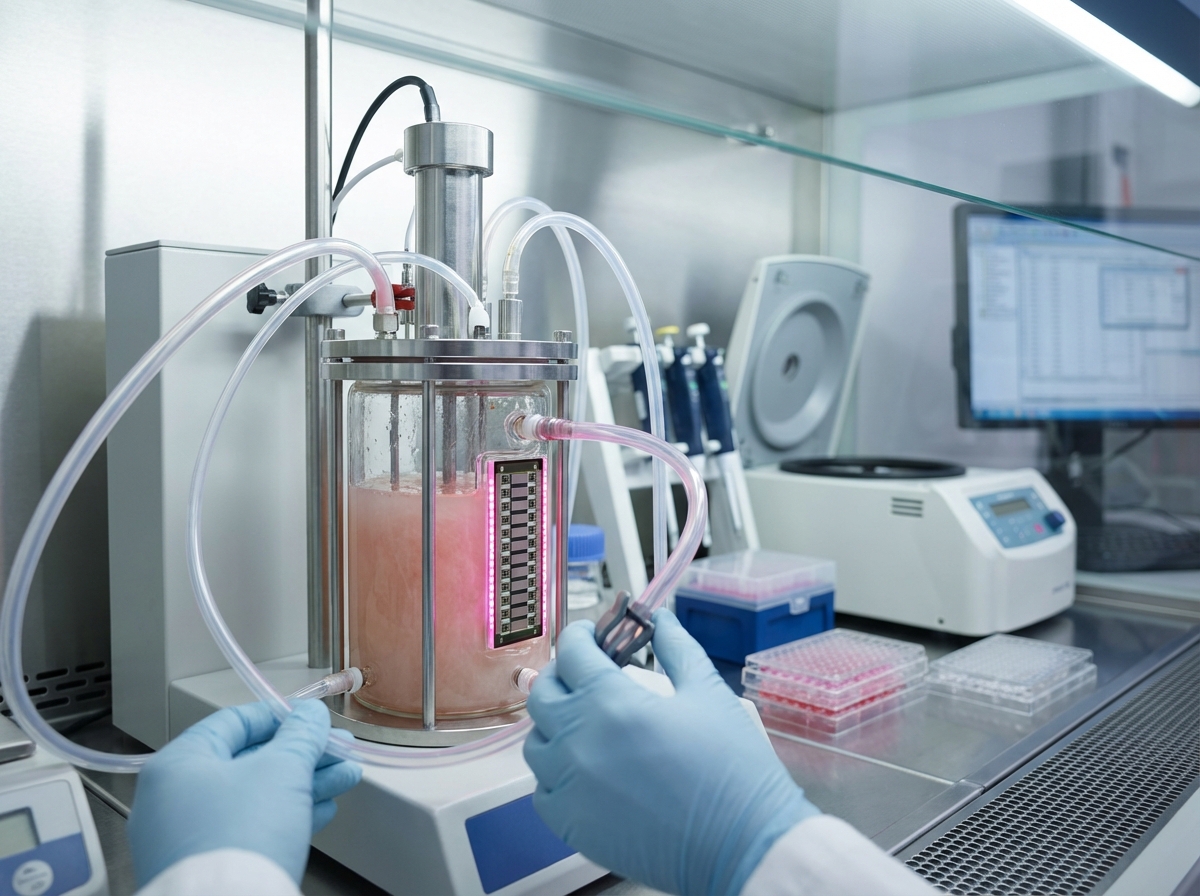
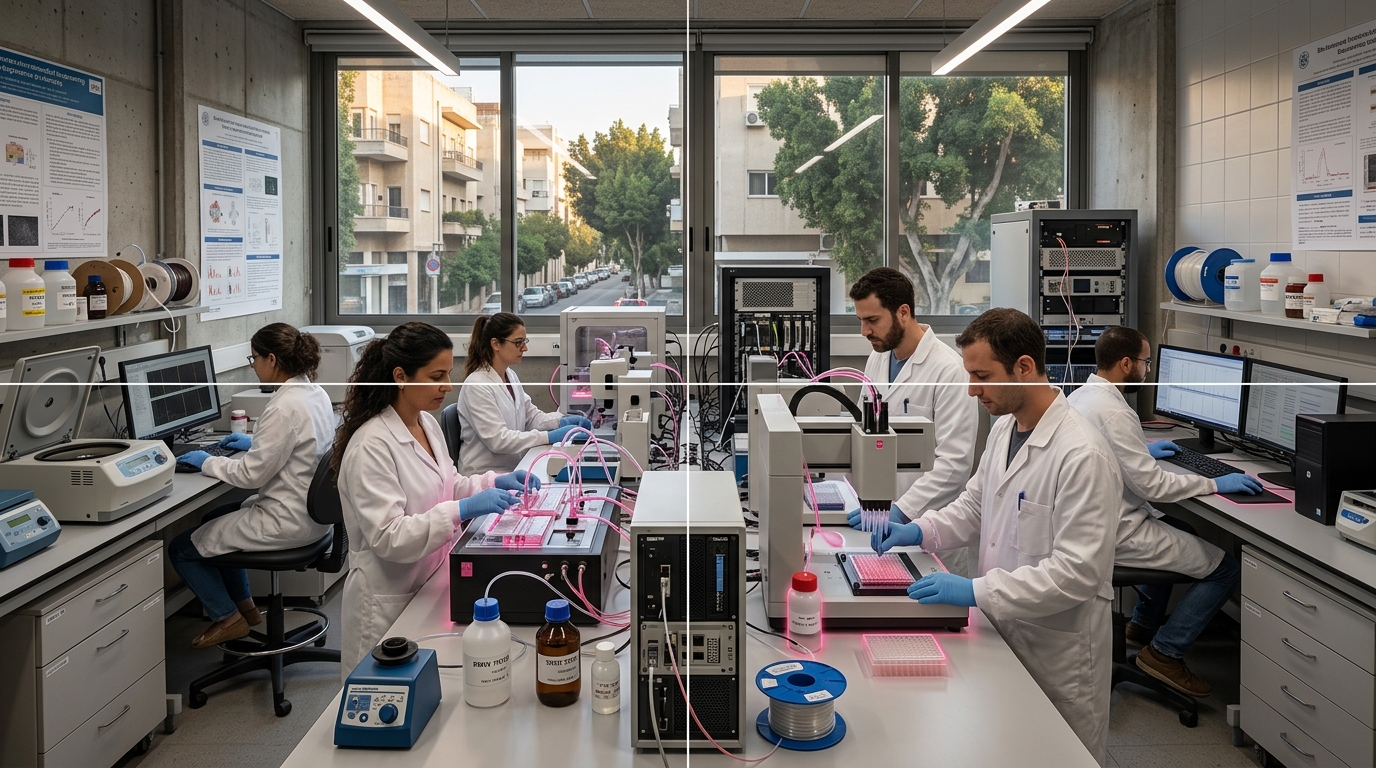
Automated bioreactors and analytics powering Israel's cell therapy exports.
Korea's cosmetics industry files 40%+ of global beauty ingredient patents, pioneered product formats adopted worldwide (sheet masks, cushion compacts, essences), and uses AI skin analysis, microbiome research, and 3D-printed face masks to stay 2-3 years ahead of global beauty trends.
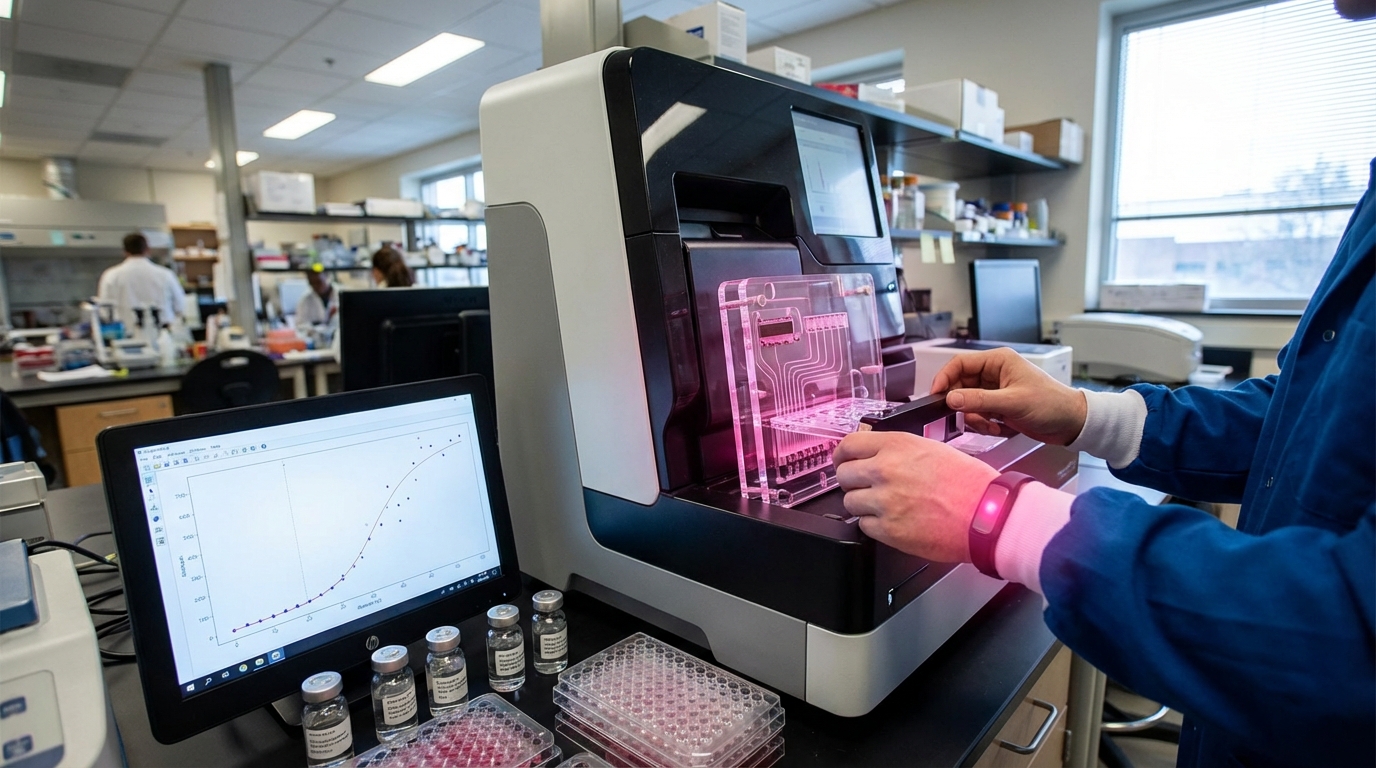
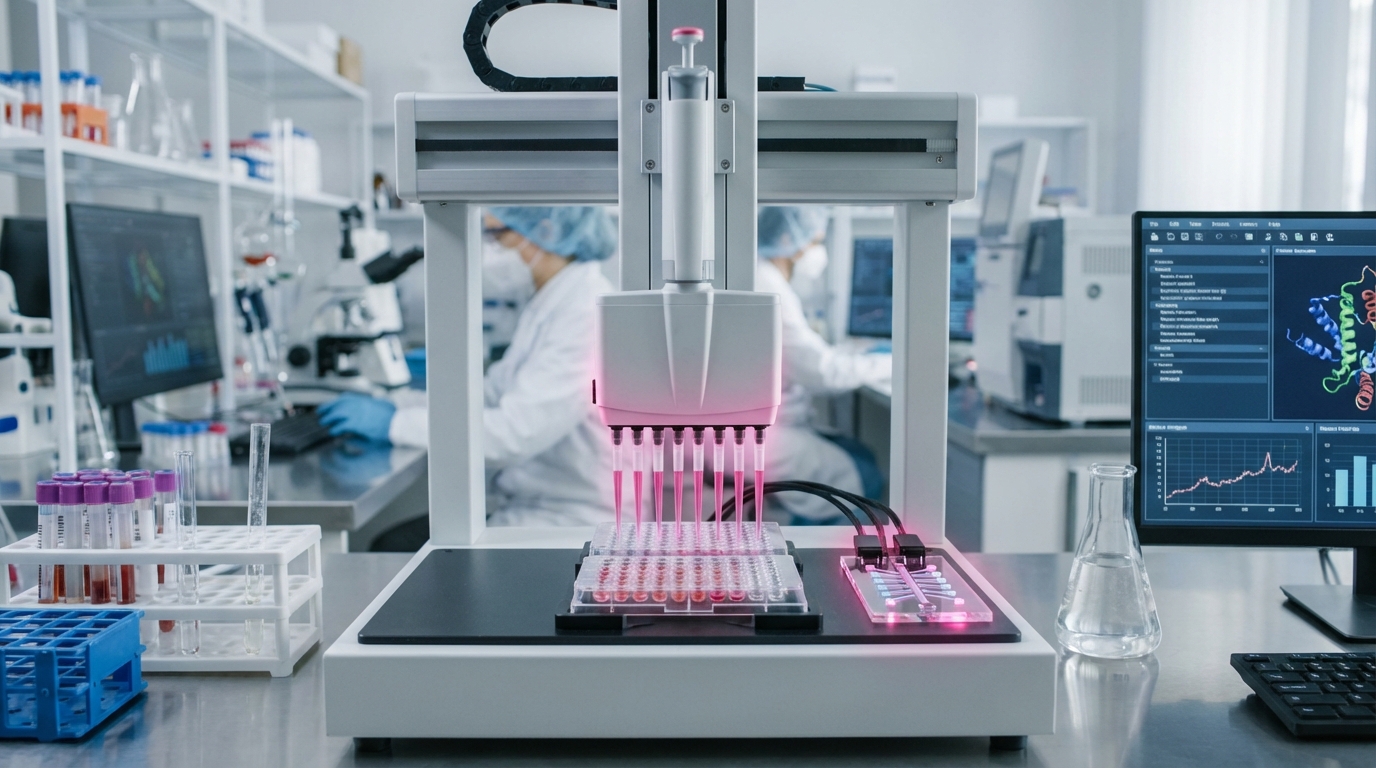
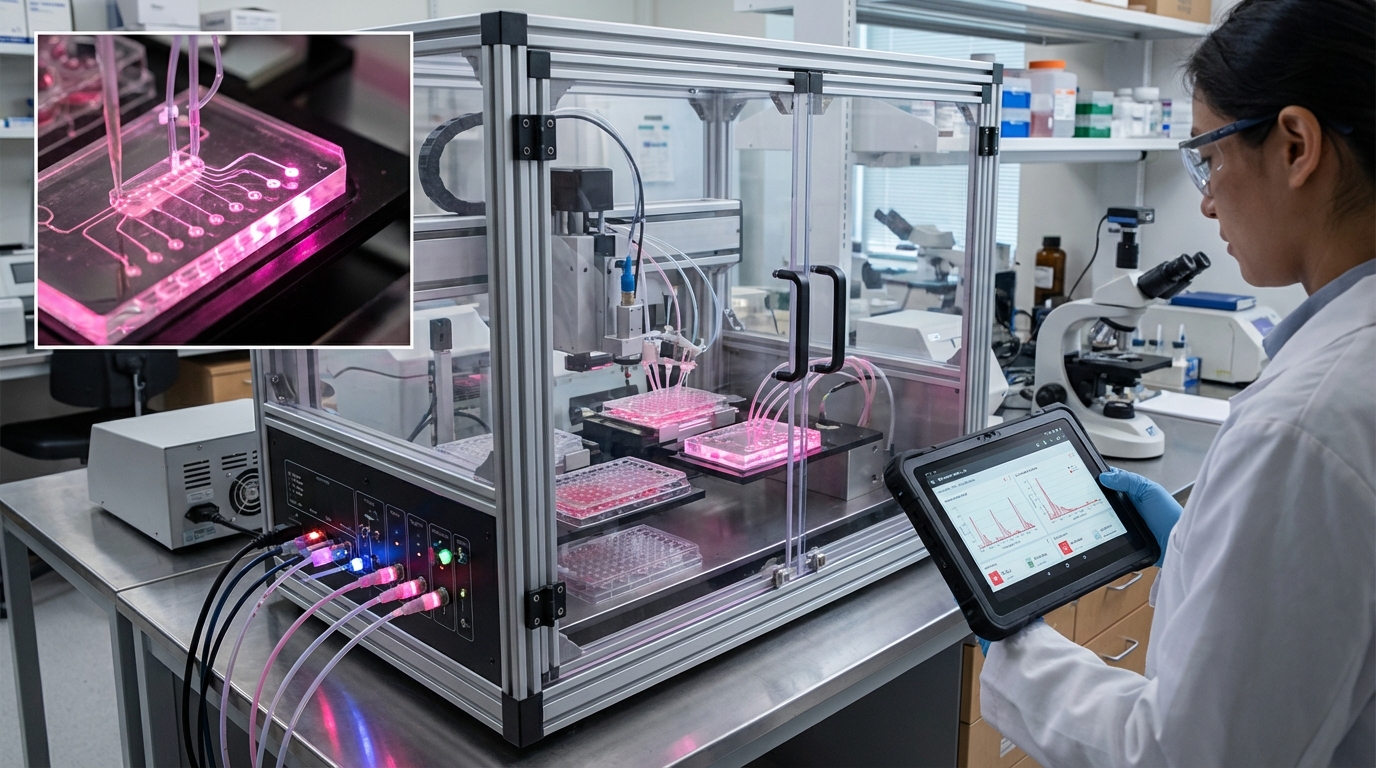
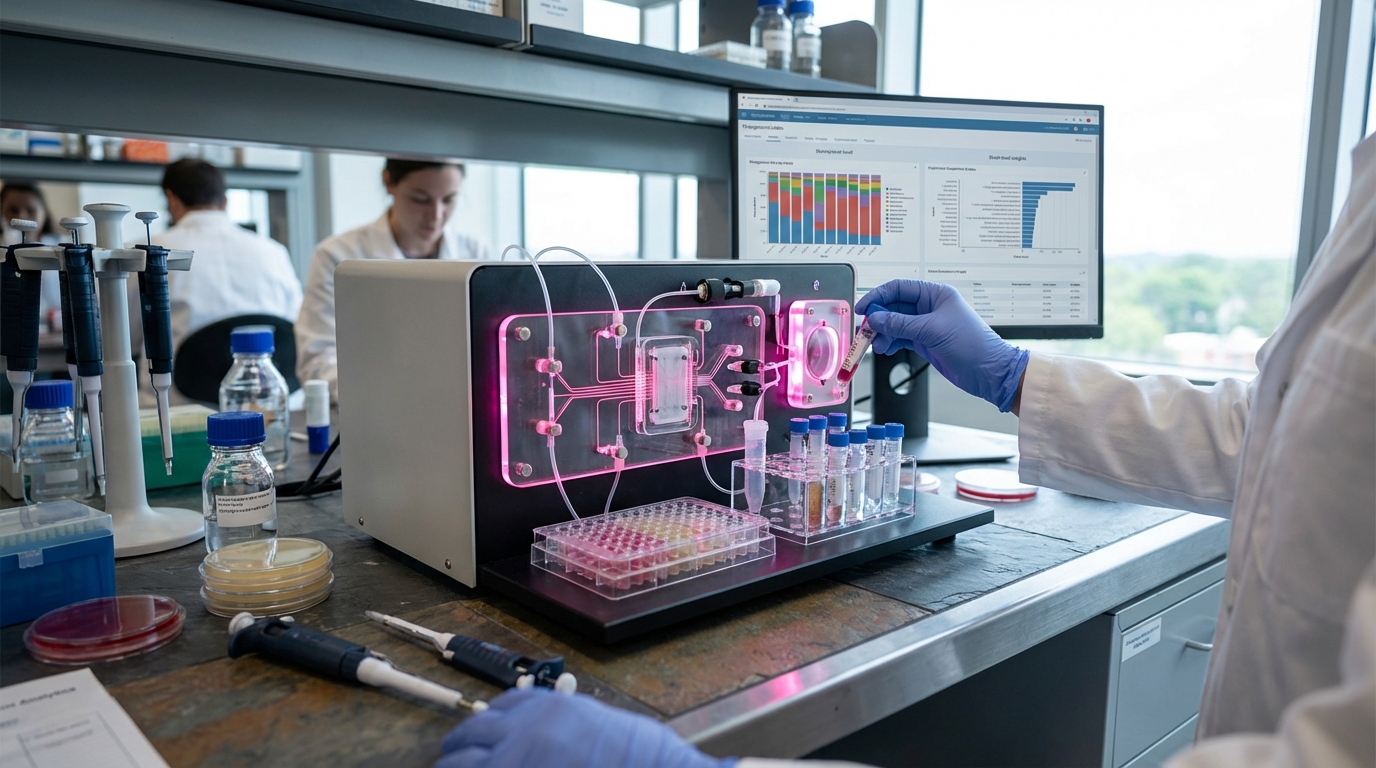
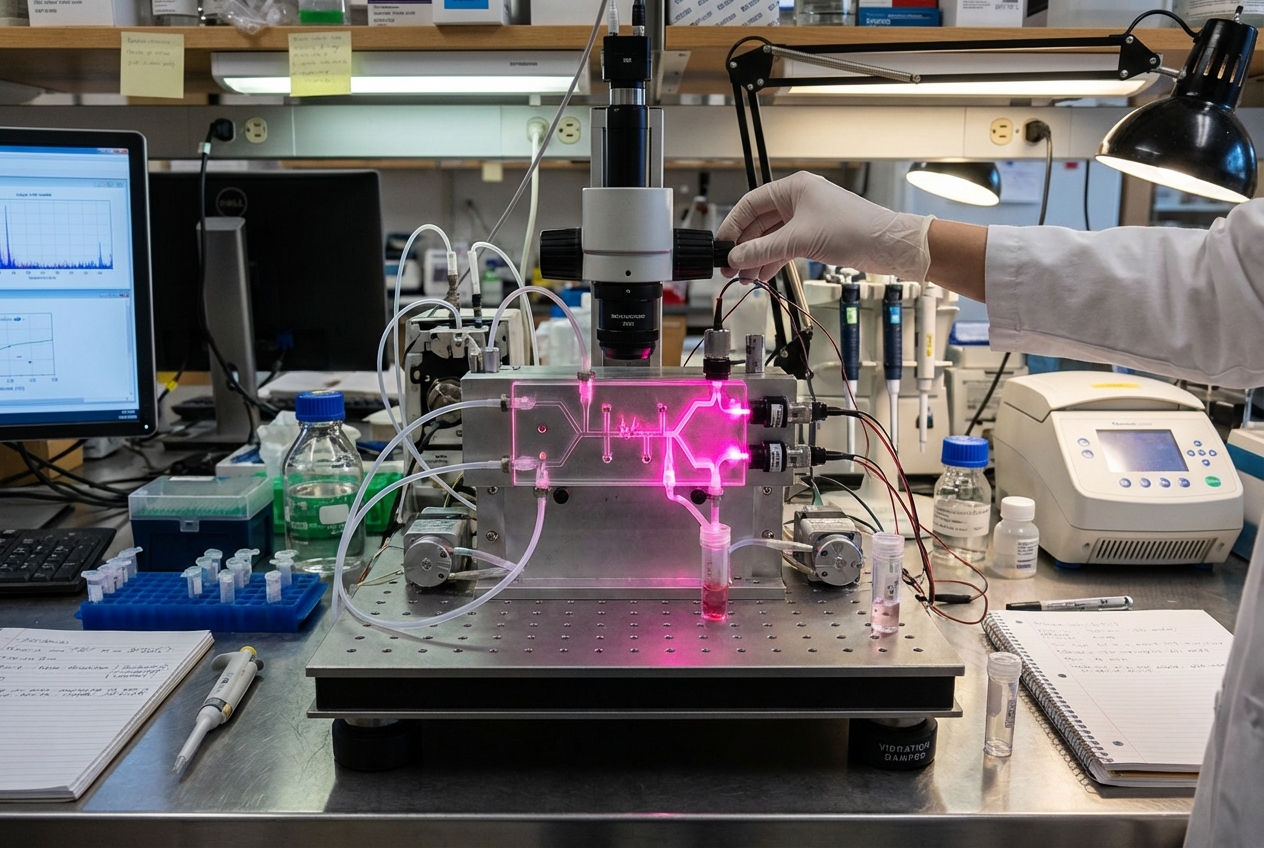
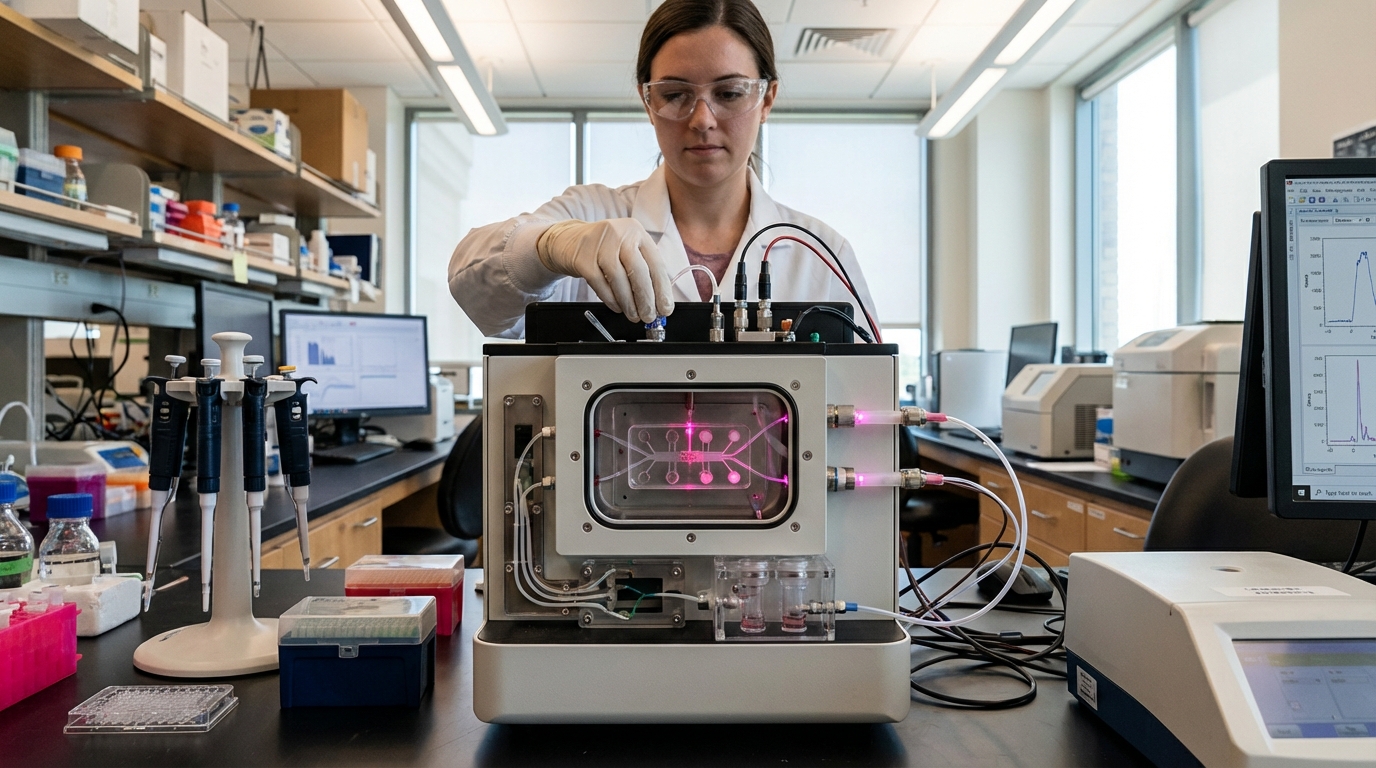
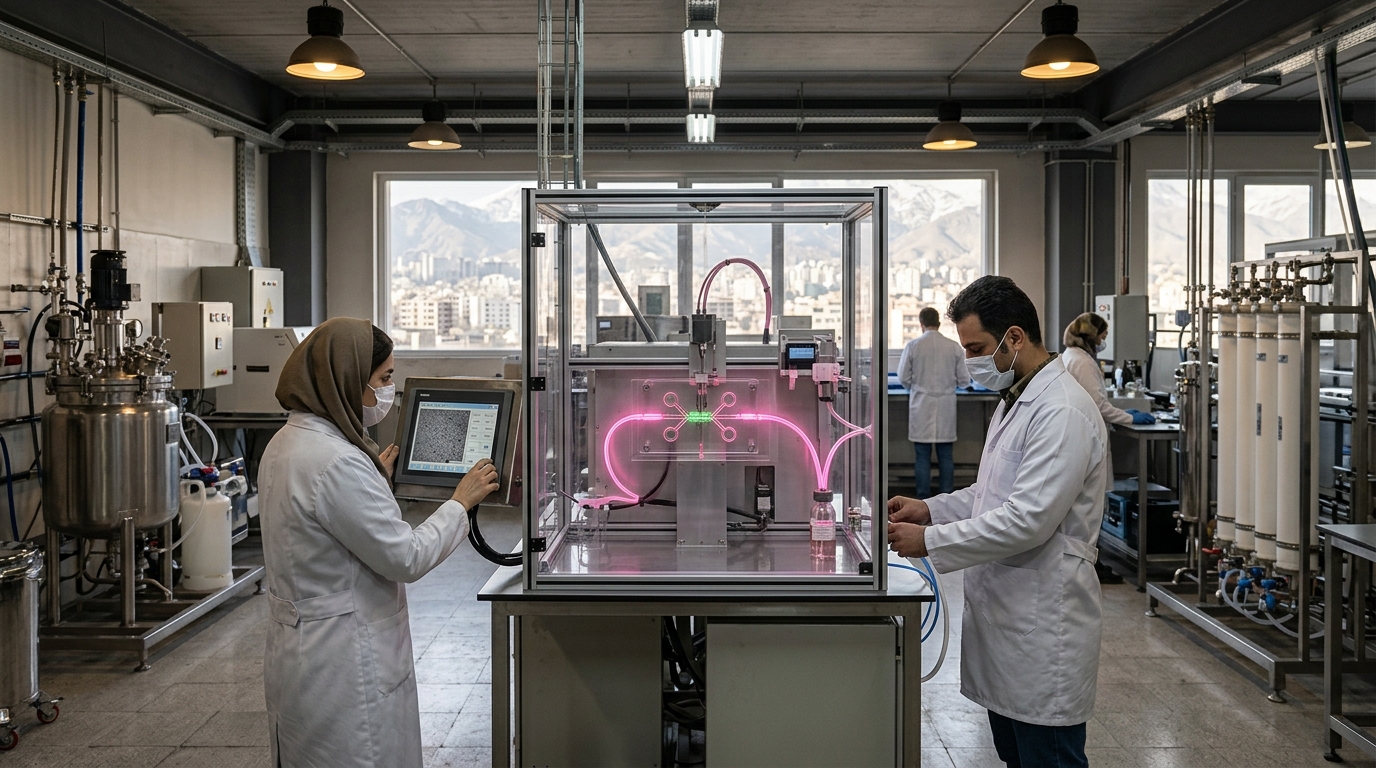
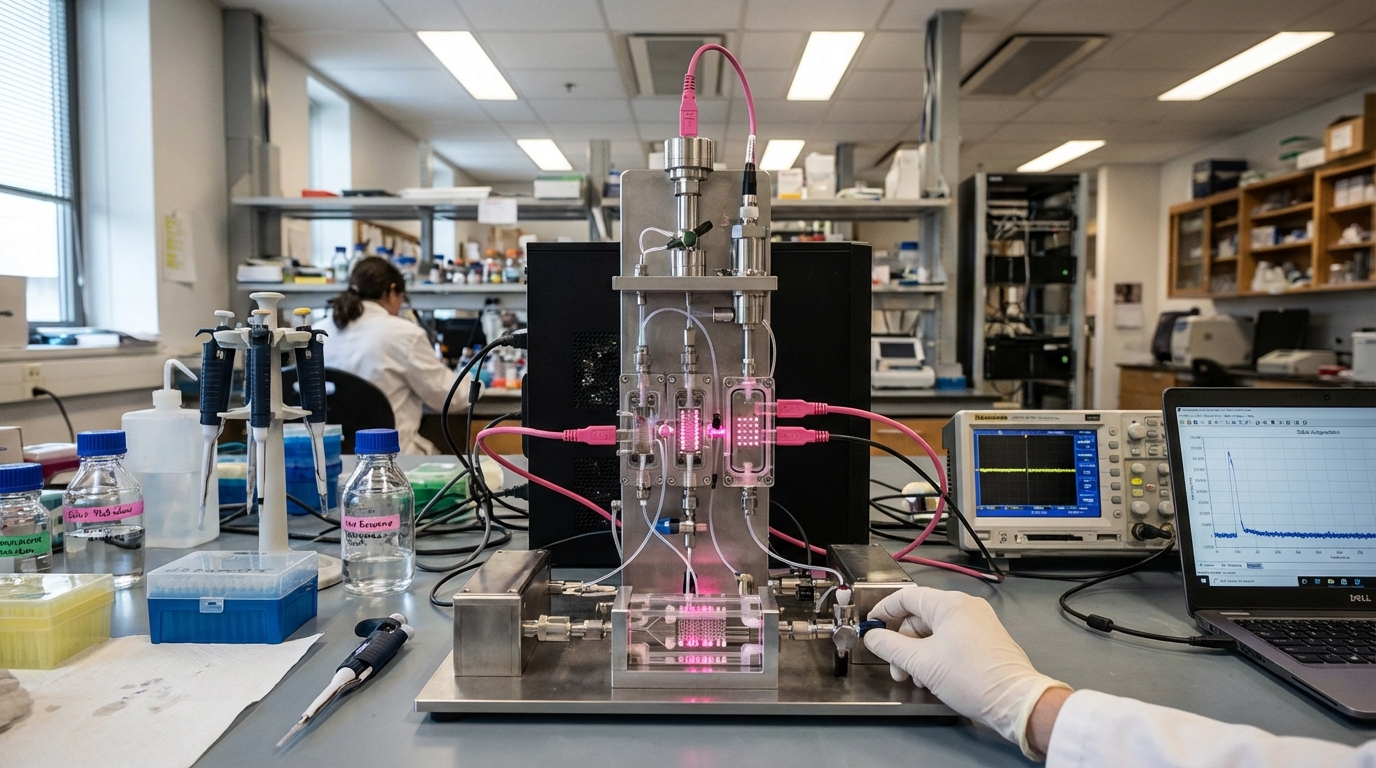
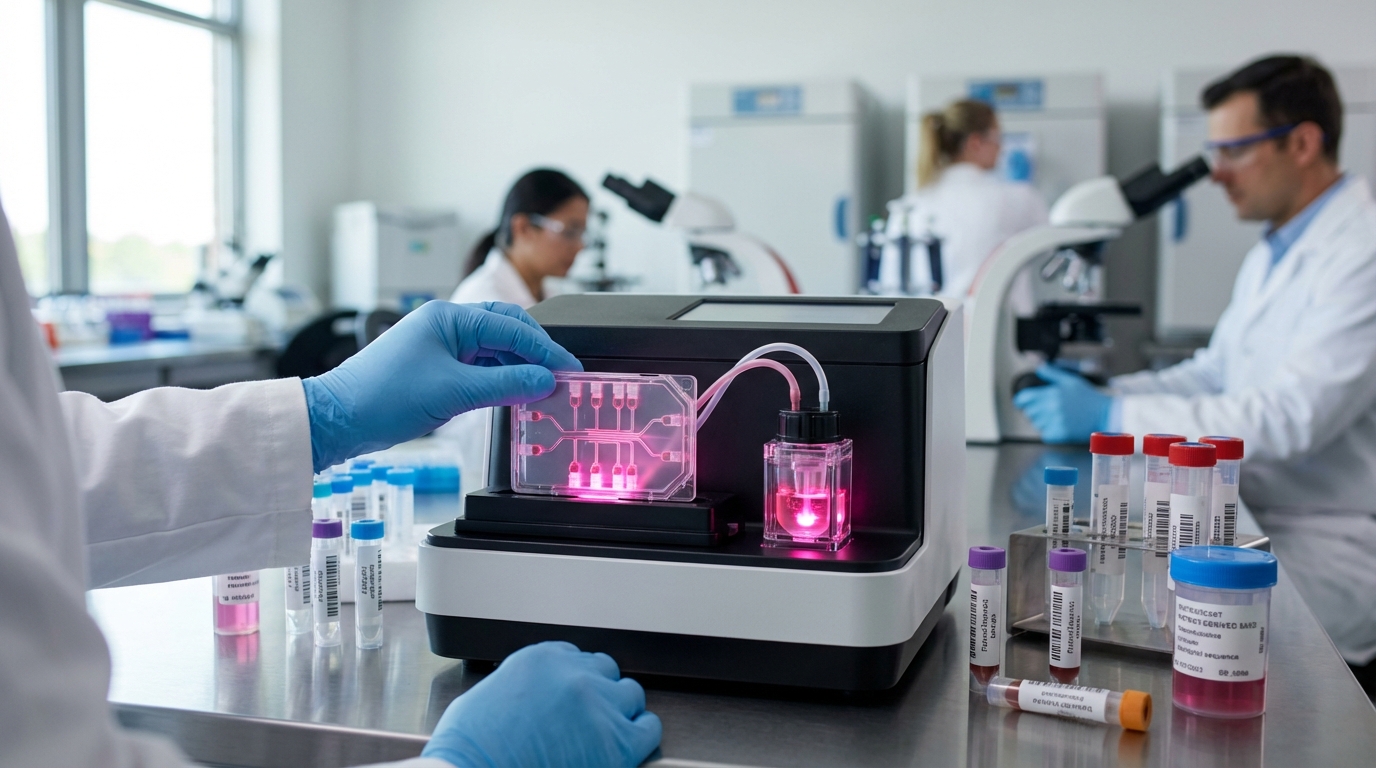
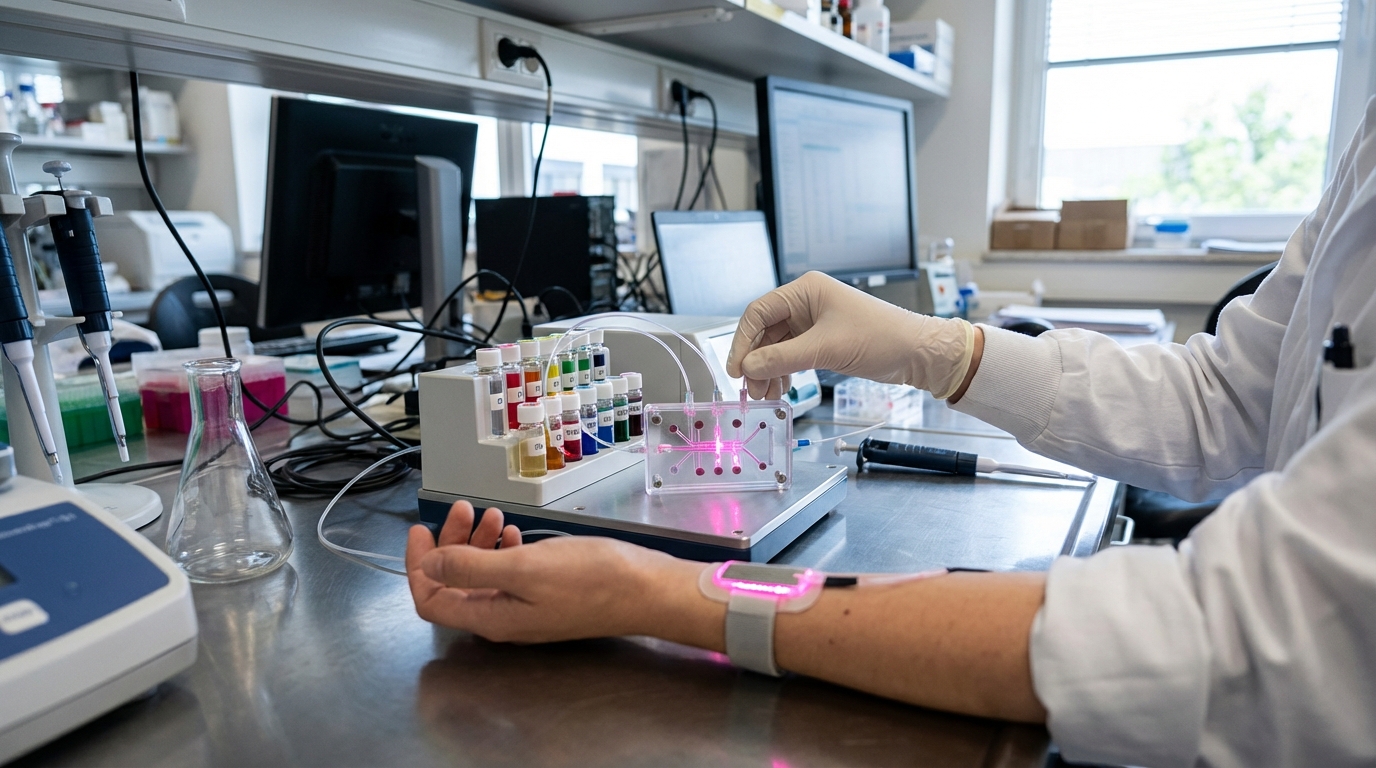
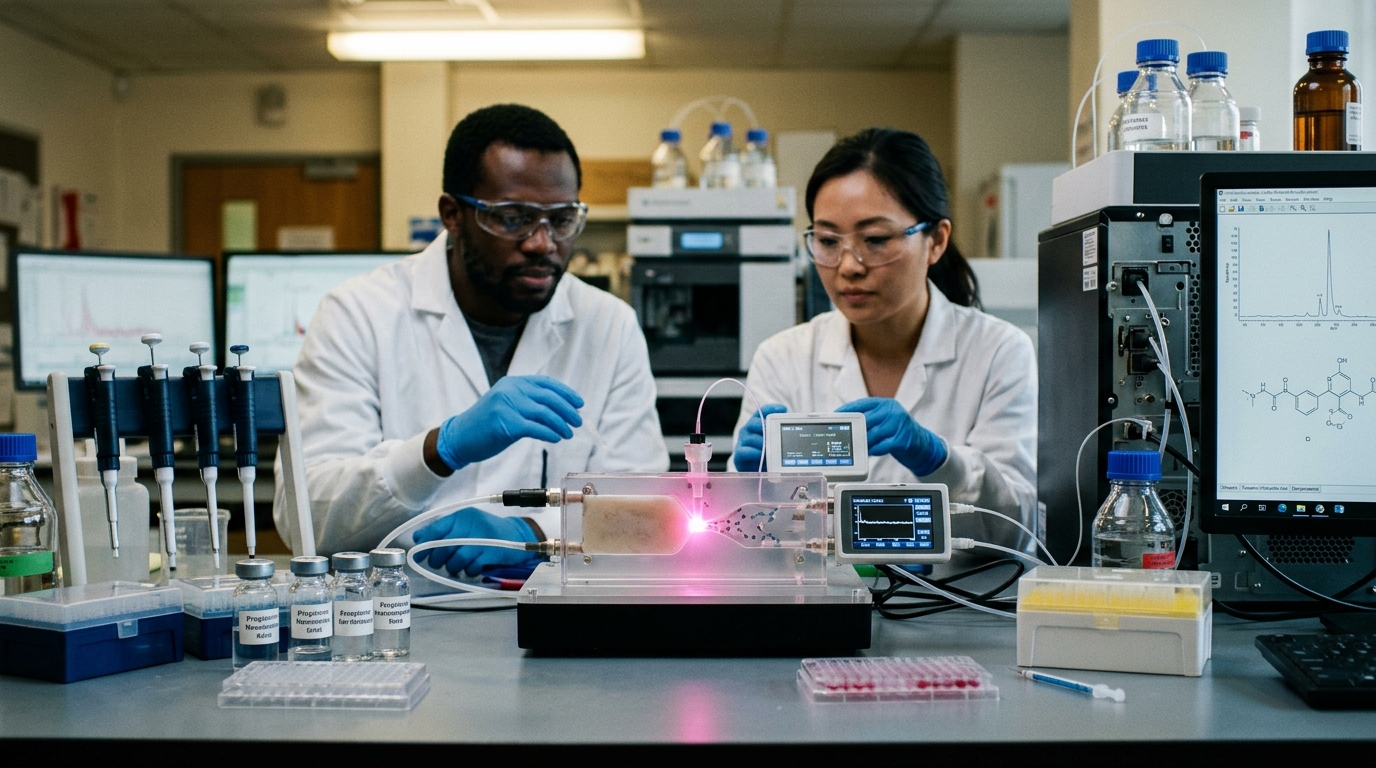
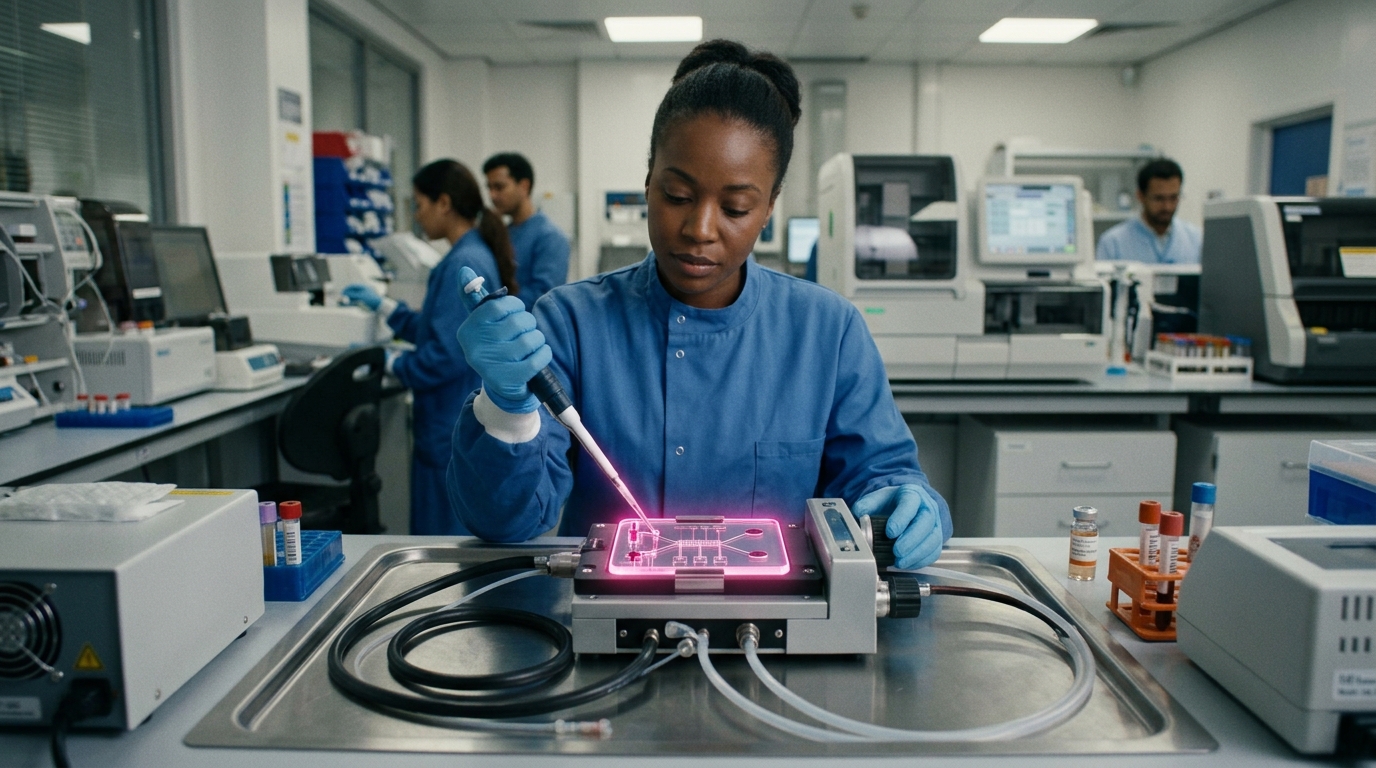
Microfluidic devices for miniaturized chemical and biological analysis.
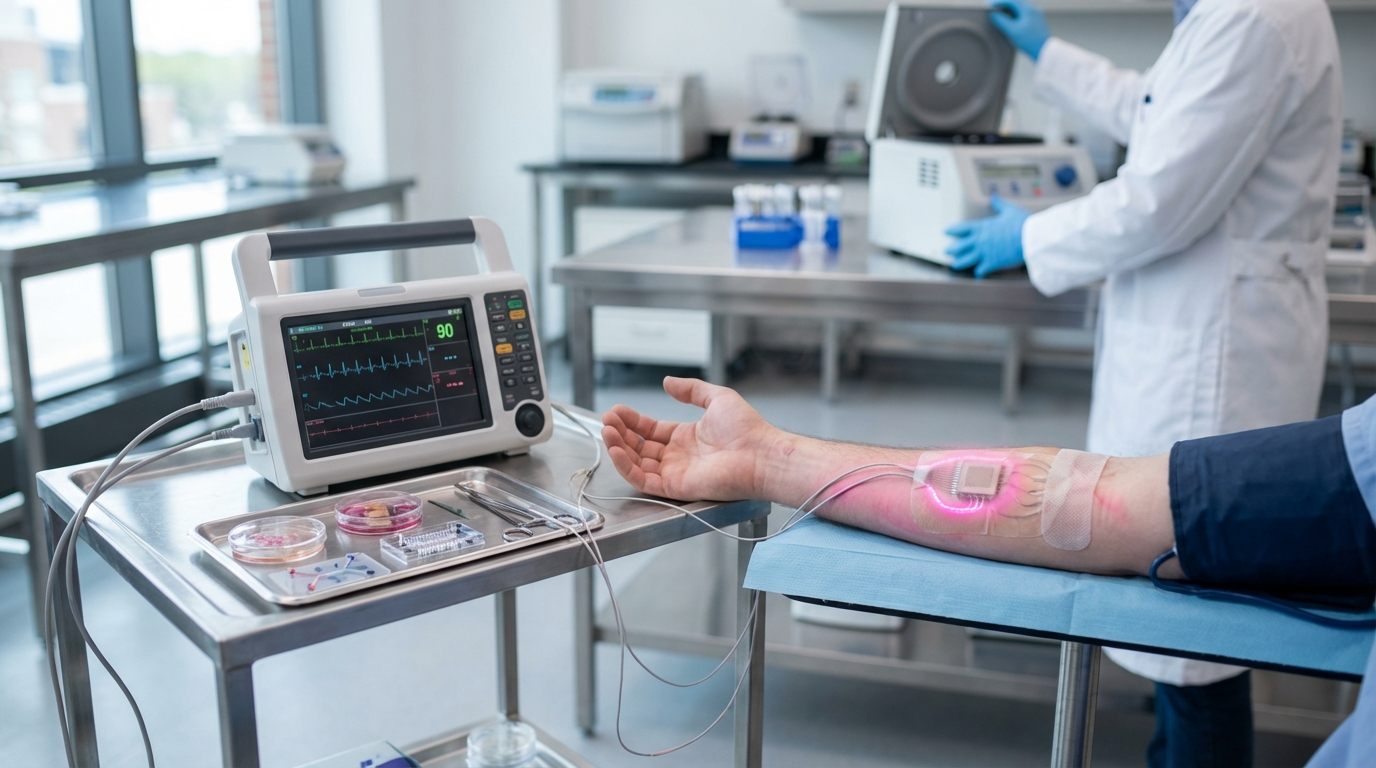
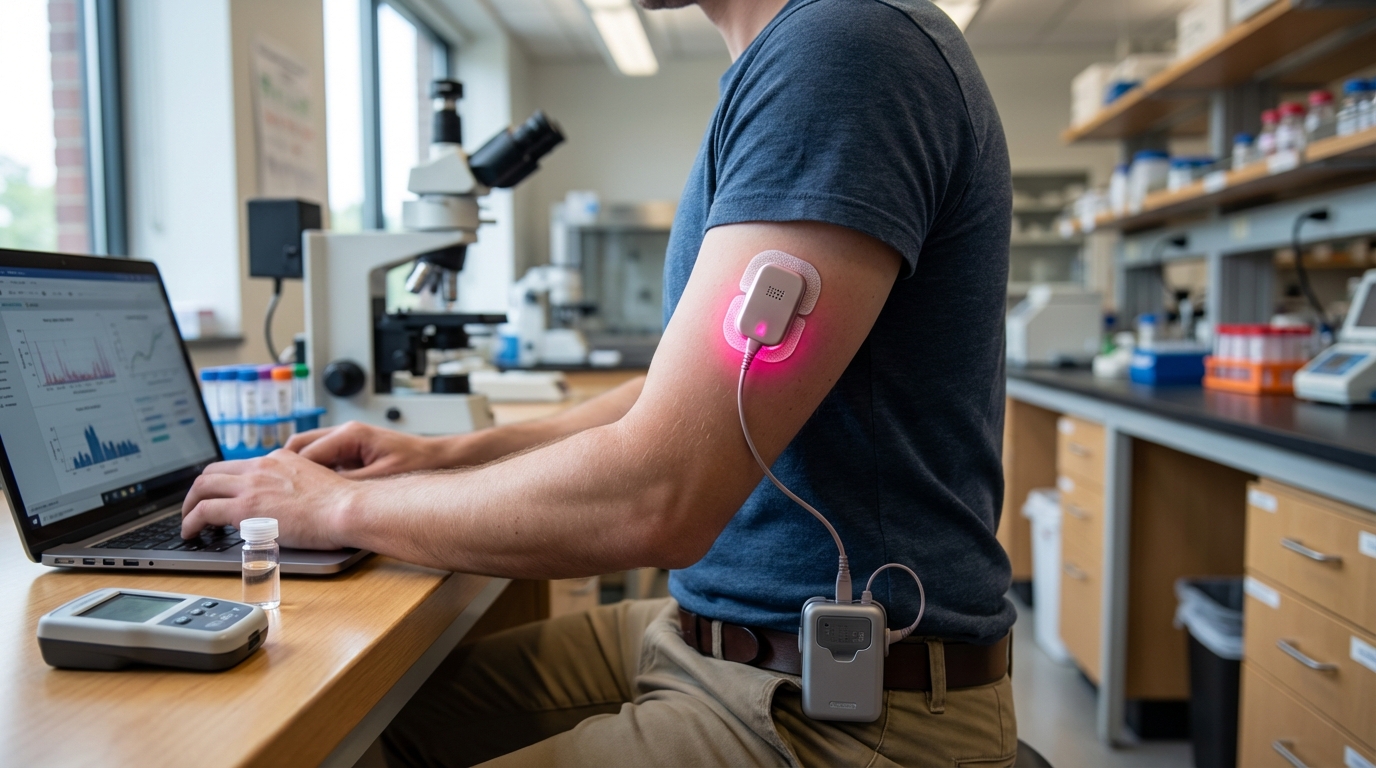
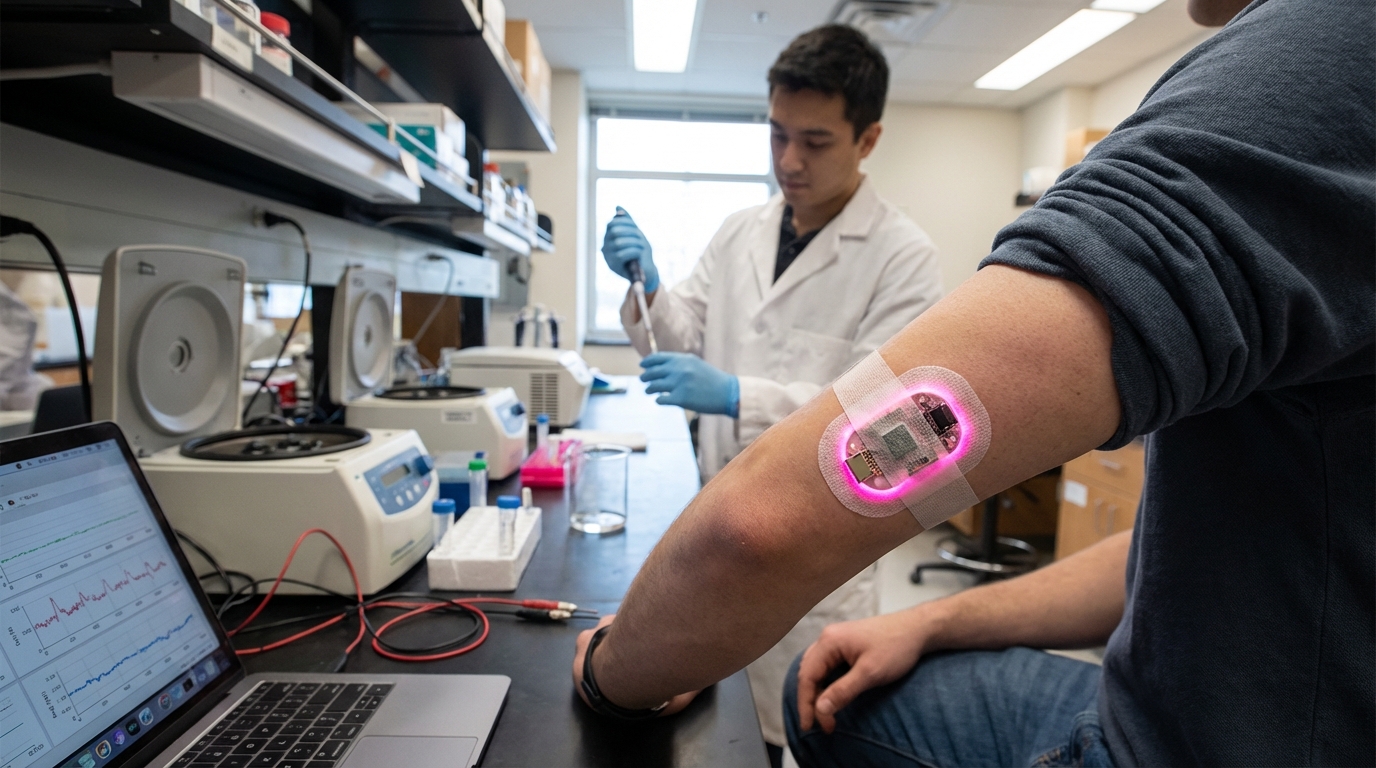
Australian medtech startups are developing wearable diagnostic patches that continuously monitor biomarkers through interstitial fluid — enabling real-time disease detection without blood draws.
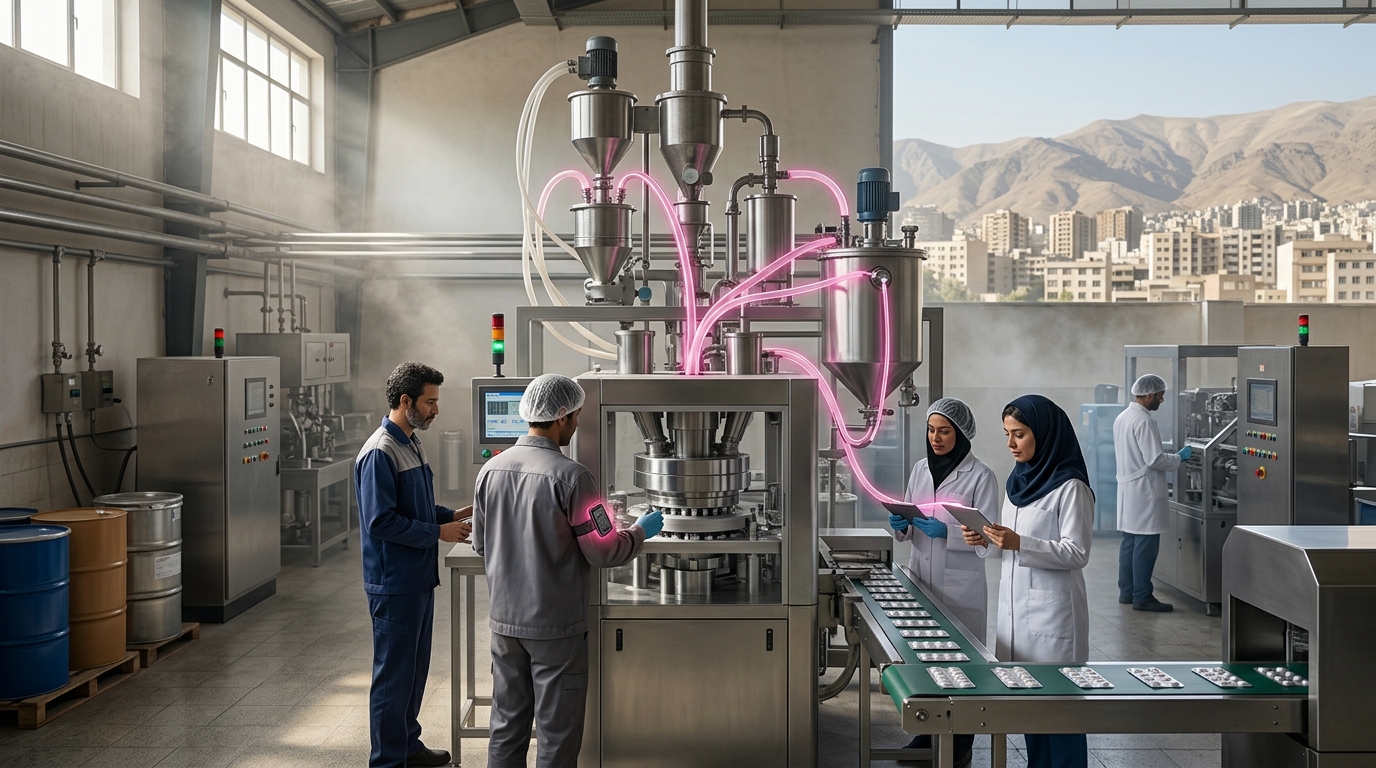
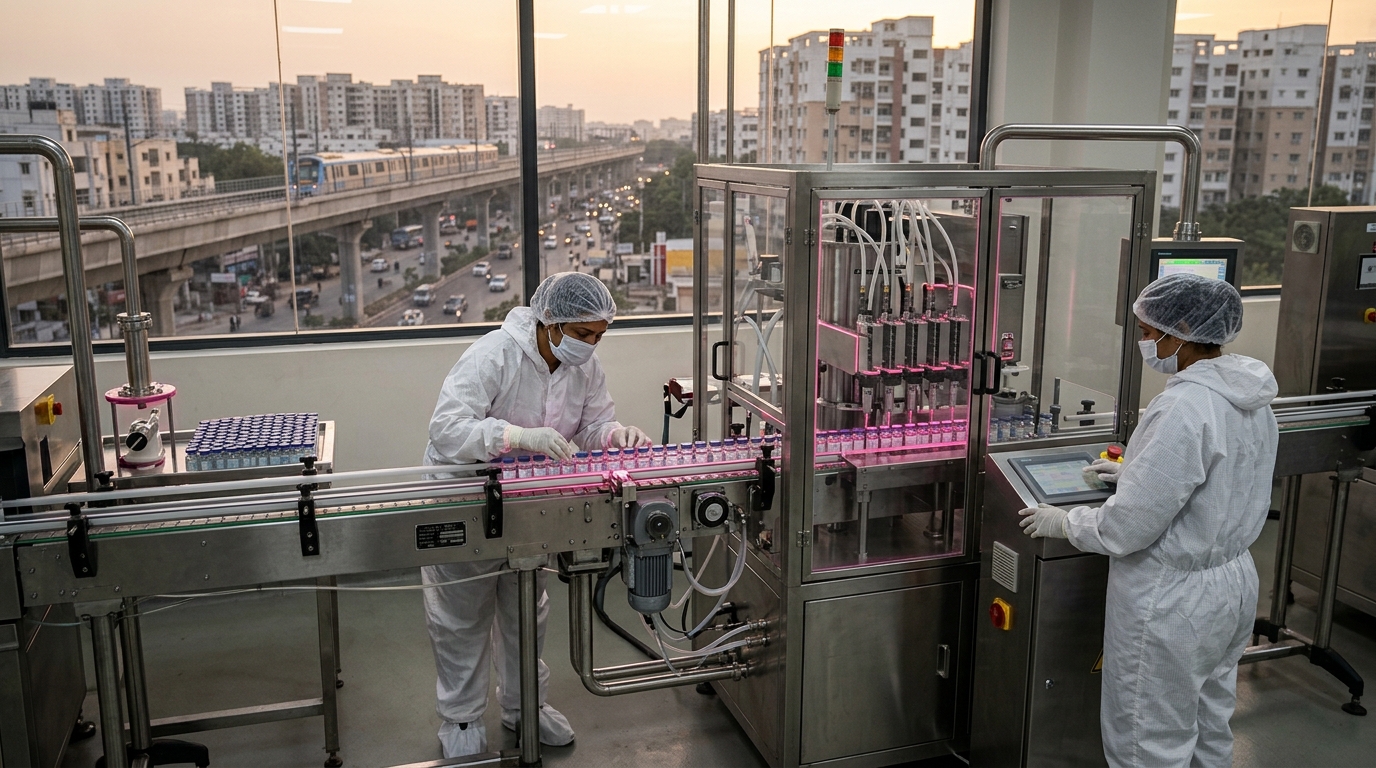
Over 60 domestic pharma companies producing 95%+ of medicine needs — from APIs to finished dosage forms, serving 88M people with near-complete import independence.
DARPA's Generative Optogenetics program aims to use precisely timed beams of light to direct the synthesis of DNA and RNA directly within living cells — potentially enabling on-demand genetic medicine without external manufacturing.
Ethical allocation of longevity therapies to avoid societal stratification.
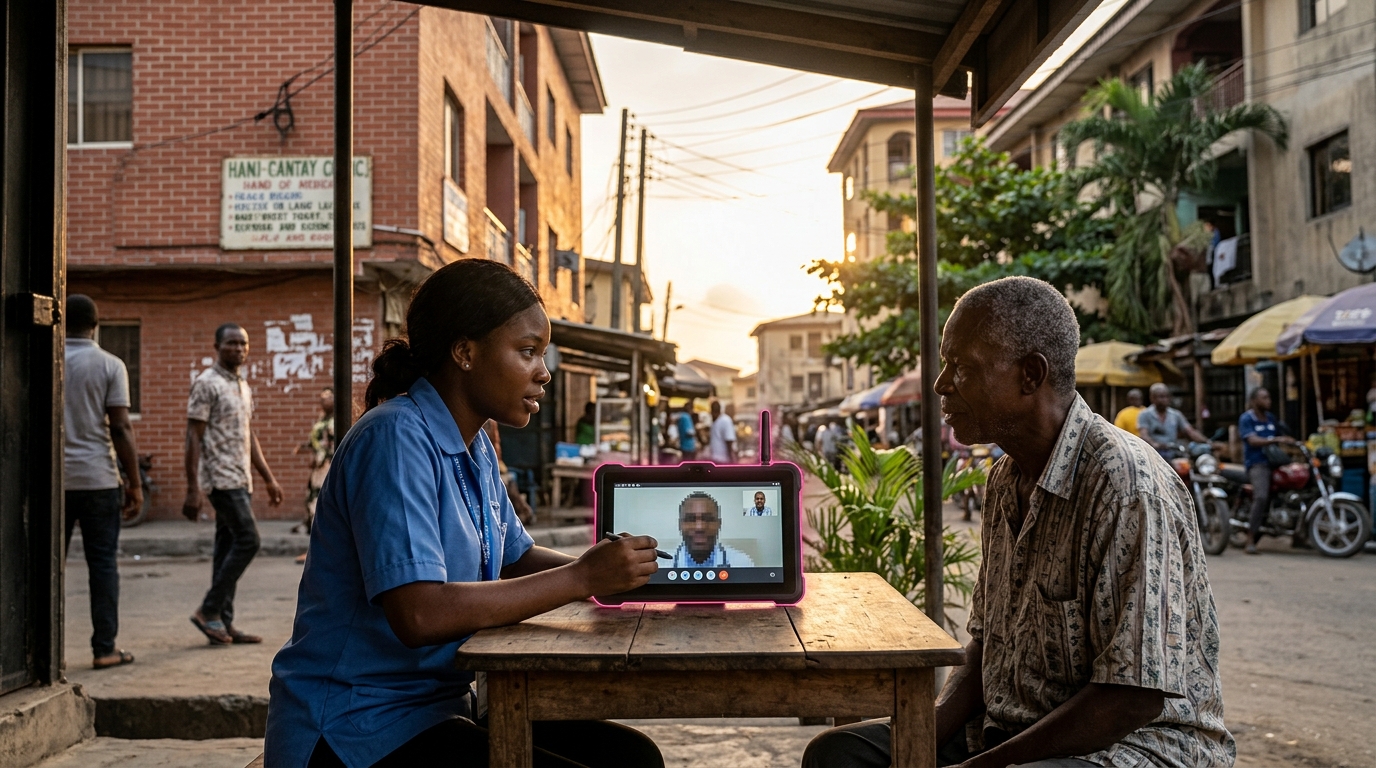
African telemedicine platforms provide doctor consultations via USSD, WhatsApp, and low-bandwidth video — reaching patients in areas with 1 doctor per 10,000 people.
Nanoscale magnetic materials for cancer treatment, wastewater, and sensing.
Thailand formalized Asia's first regulated medical cannabis framework in 2025, with licensed extraction and research under Ministry of Public Health oversight.
Thailand's medical device industry has grown to $6B+ annually, leveraging the medical tourism ecosystem to develop and export devices from surgical robots to diagnostic equipment.
Metagenomic analytics delivering strain-level insights for therapeutics.
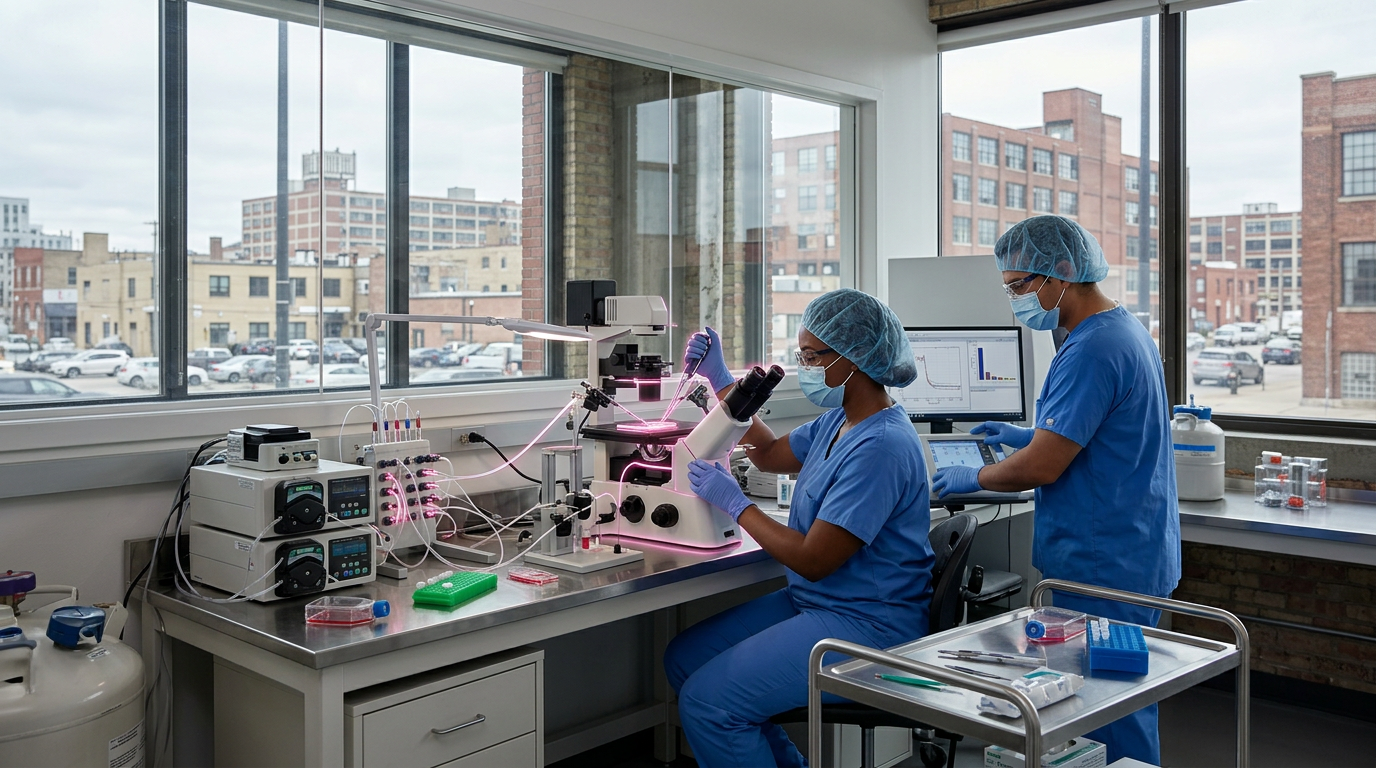
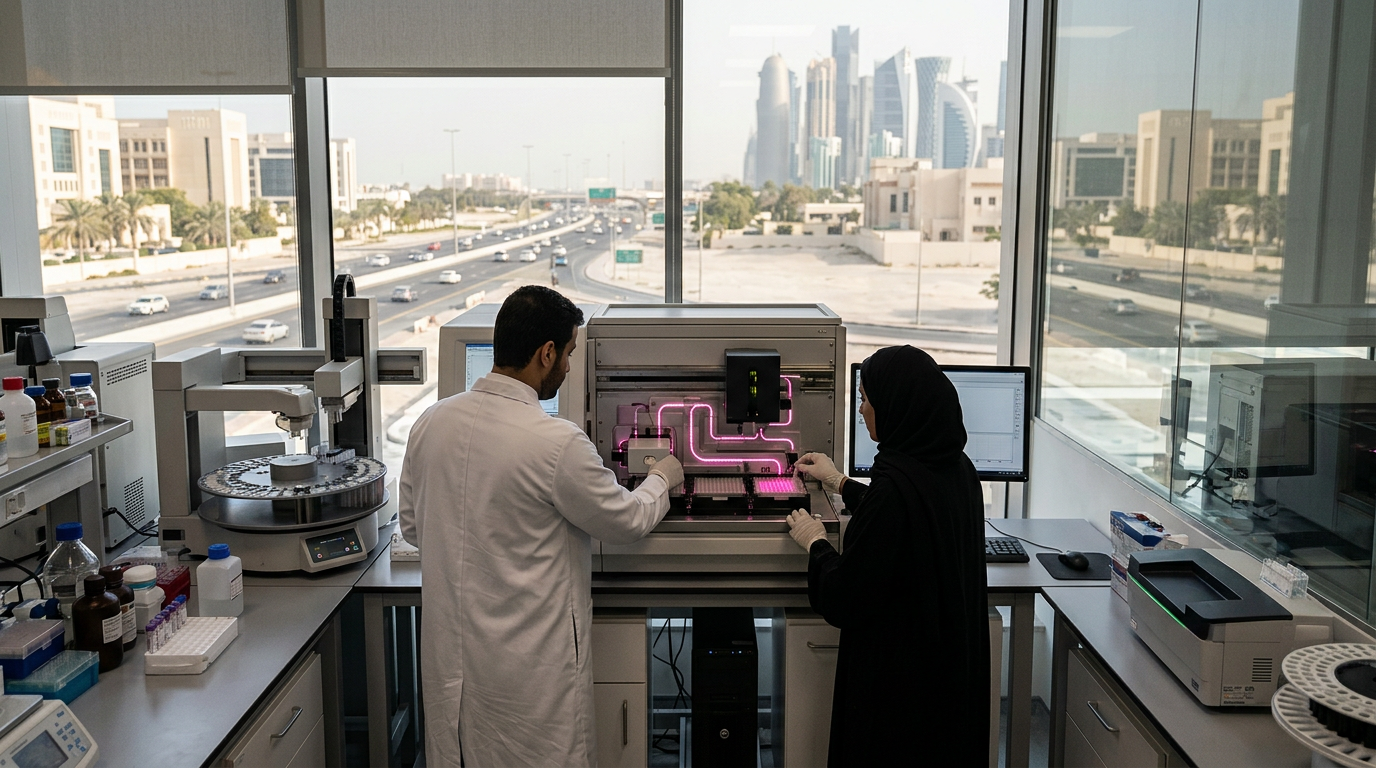
Lab-on-chip systems isolating single cells for diagnostics and therapy manufacturing.
Synchron's Stentrode BCI is implanted via blood vessels without open-brain surgery, while Precision Neuroscience's ultra-thin electrode array slips between skull and brain — offering safer paths to neural interface adoption.
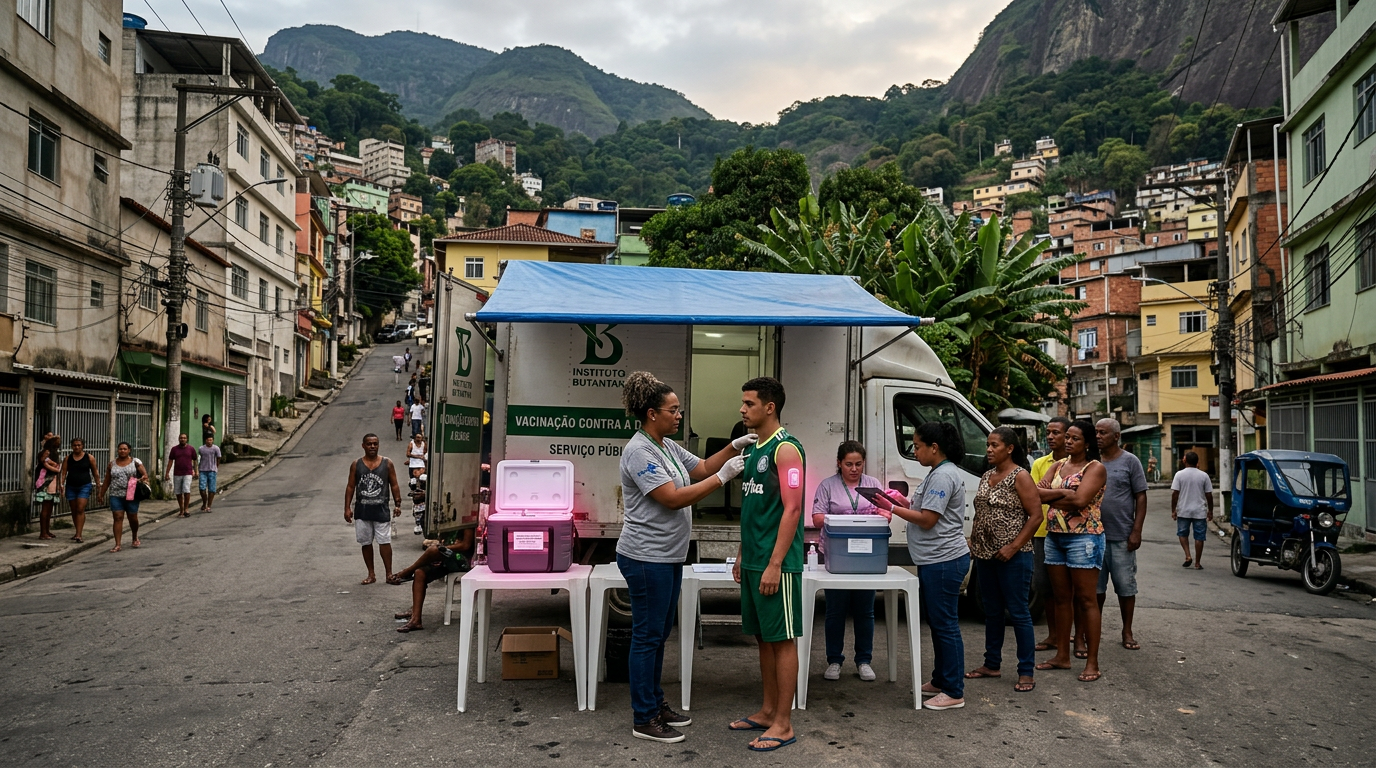
Fiocruz and Butantan are building domestic mRNA and self-replicating RNA vaccine manufacturing — aiming to end Latin America's dependence on imported pandemic vaccines
Moderna and BioNTech are expanding mRNA technology beyond COVID vaccines to cancer immunotherapy, rare genetic diseases, autoimmune disorders, and combination flu-COVID vaccines entering market in 2026.
BioNTech's mRNA platform expanding from COVID vaccines to personalized cancer treatment — melanoma immunotherapy showing significant results in Phase 2
Afrigen Biologics in Cape Town is the WHO-backed hub for mRNA vaccine technology transfer to Africa — reverse-engineering mRNA platform technology and sharing it with 15 countries.
Large models integrating methylome, proteome, and metabolome to estimate biological age.
High-precision CRISPR variants with miniaturized architectures for in-vivo delivery.
Domestically developed nano-liposomal, nano-polymeric, and nano-particulate drug delivery platforms for cancer treatment and targeted therapy, several in clinical use.
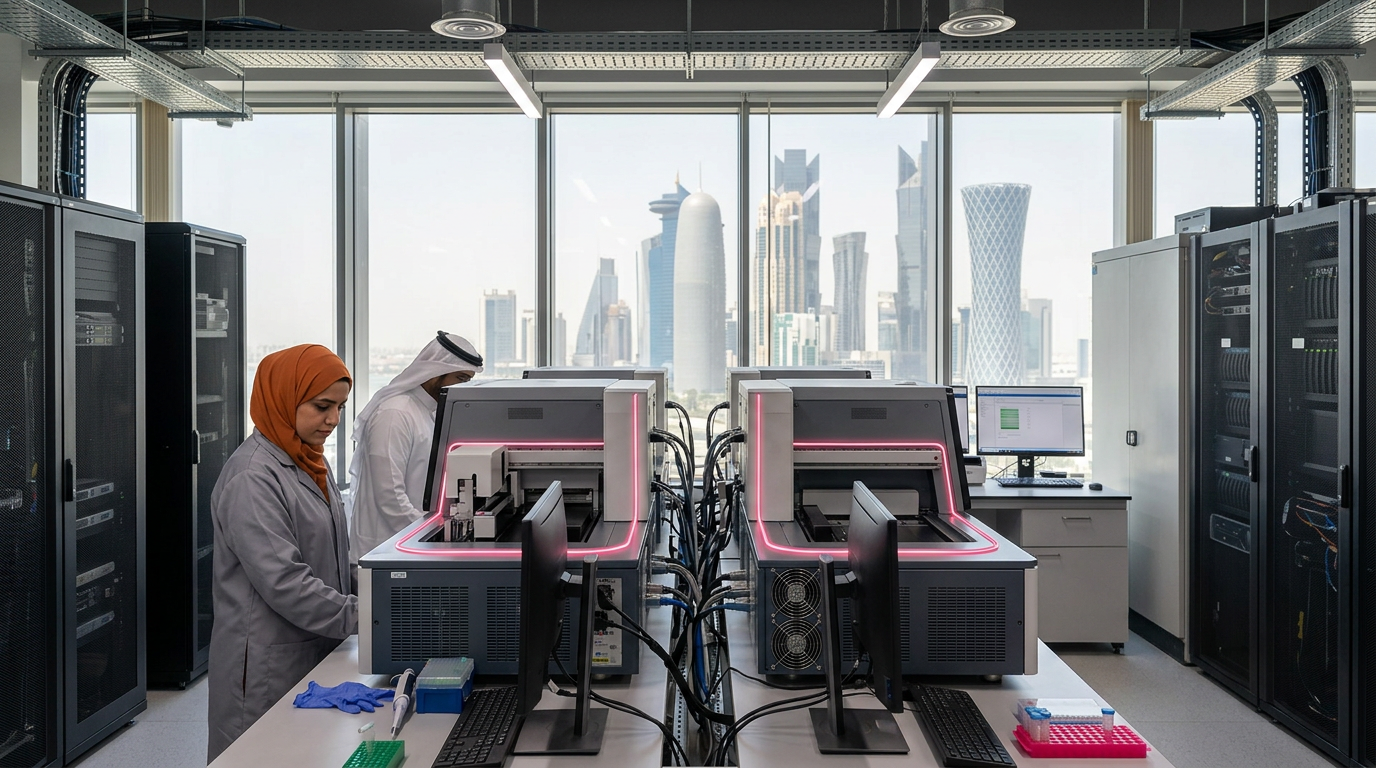
Enzymatic synthesis devices for high-density biological data archiving.
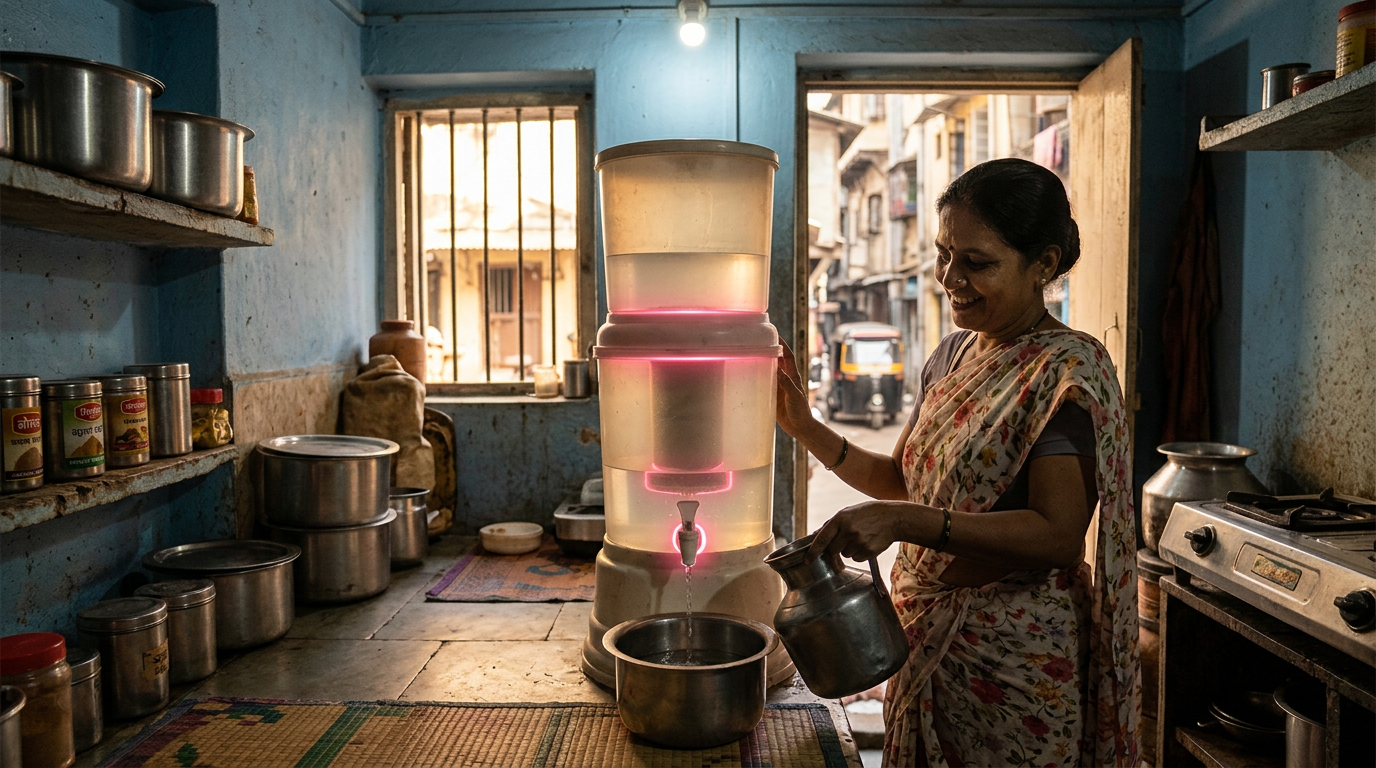
Nano-silver and ferrihydrite-based water purifiers remove arsenic and fluoride at $0.002/litre — deployed as $20 gravity-fed filters for 126 million affected rural Indians.
India's organ transplants rose fourfold to nearly 20,000 in 2025, driven by NOTTO's real-time digital matching and allocation system coordinating across states — a technological triumph across extreme distances and time pressures.
Israel's Psifas genome project aims to sequence 100,000+ citizens and link genomic data to the world's longest-running digitized health records (Clalit, 4.7M patients).
Organ-targeted viral capsids and lipid nanoparticles enabling safer repeat dosing.
Beyond Wegovy and Mounjaro, next-gen GLP-1 drugs including oral formulations, triple-agonists, and muscle-sparing variants are entering clinical trials, targeting a market projected to exceed $150 billion by 2030.
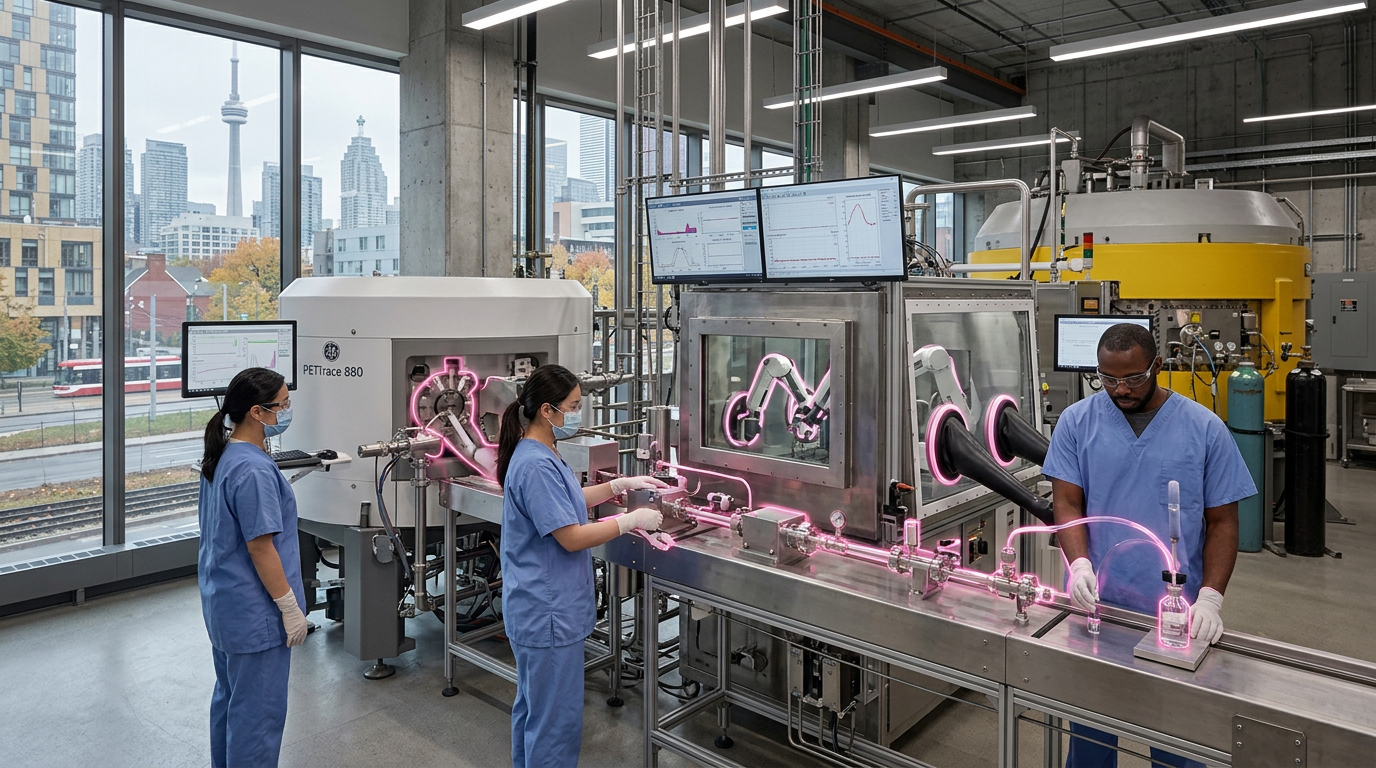
Canada is developing cyclotron and reactor-based methods to produce medical isotopes (Tc-99m, Lu-177, Ac-225) domestically, maintaining its role as a global leader in nuclear medicine supply.
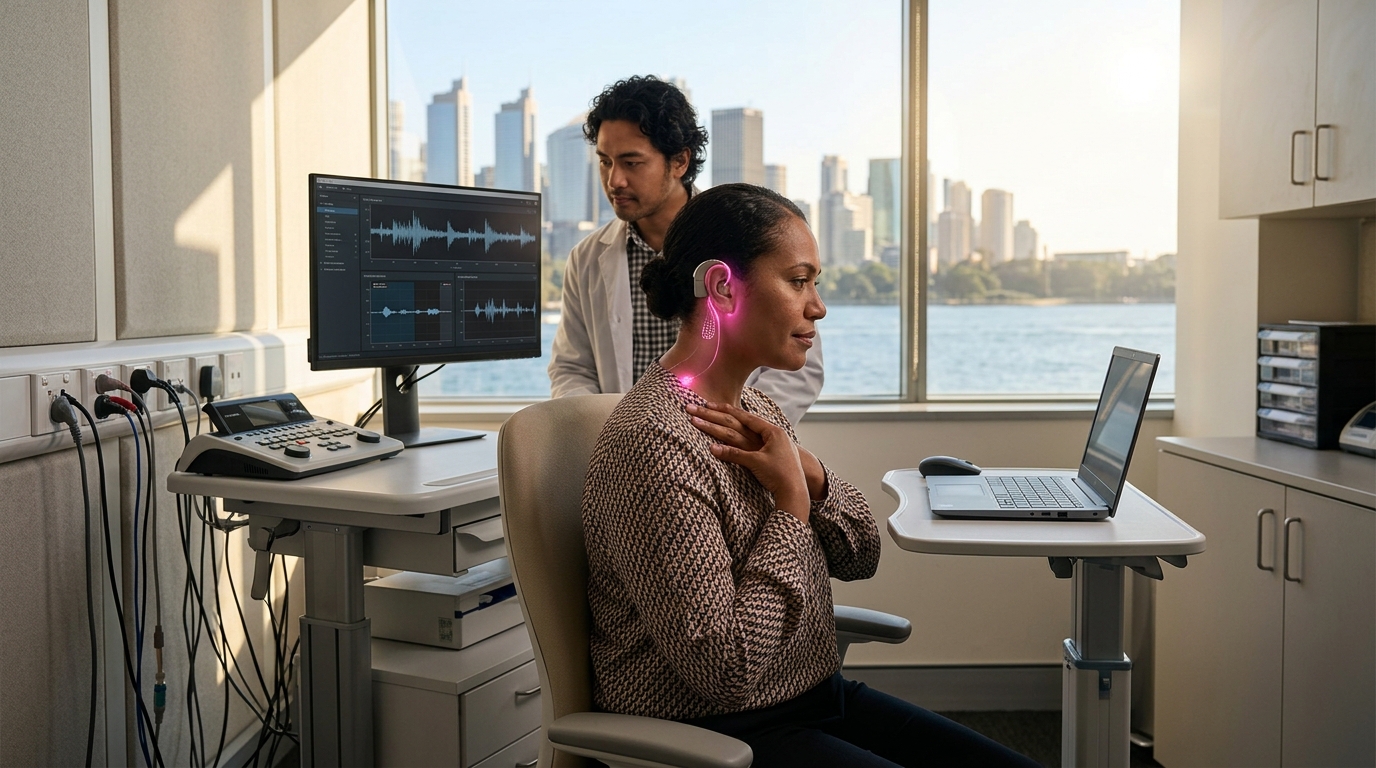
Australia's Cochlear Limited continues advancing bionic hearing — current research includes fully implantable devices, AI-enhanced speech processing, and optogenetic stimulation of auditory neurons.
Canadian biotech companies are developing non-hallucinogenic neuroplastogens derived from psychedelic compounds, targeting depression, PTSD, and addiction with therapeutics that retain efficacy without the trip.
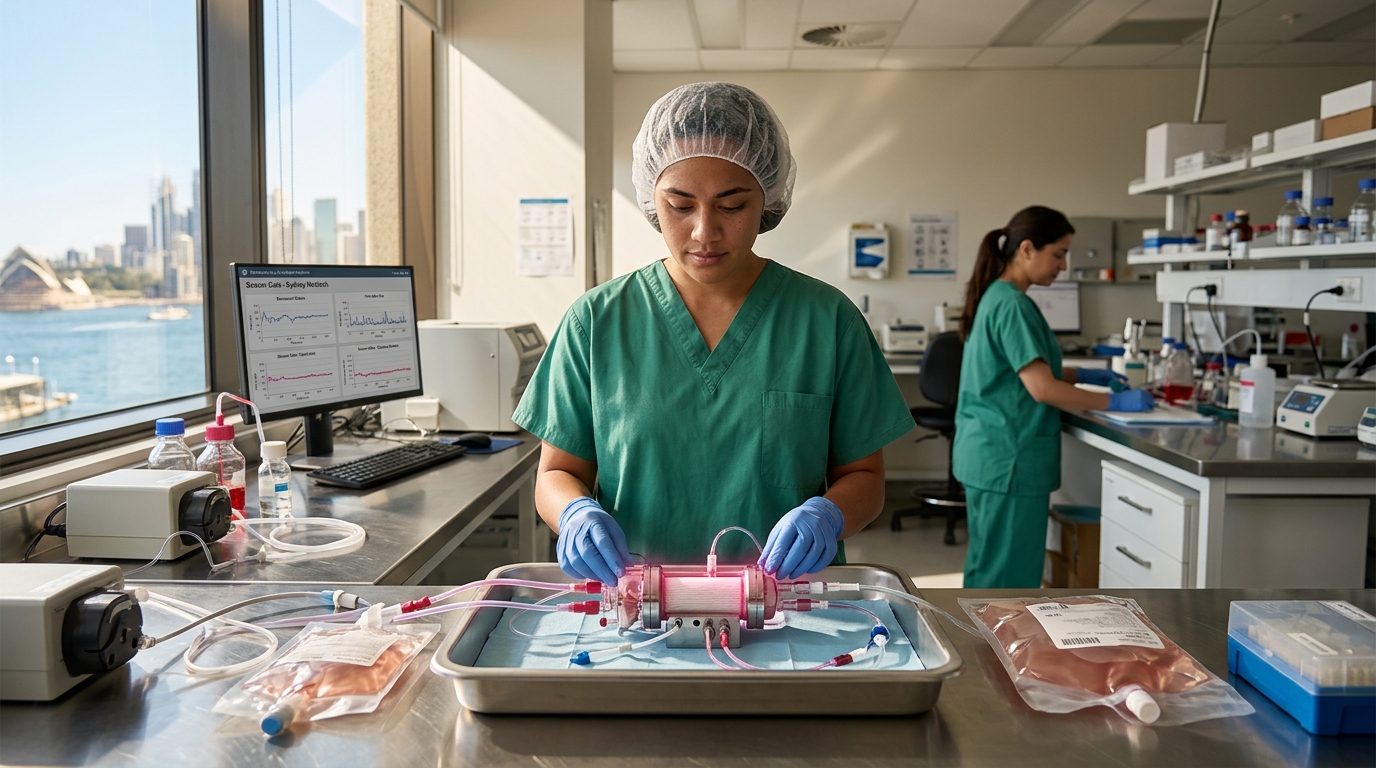
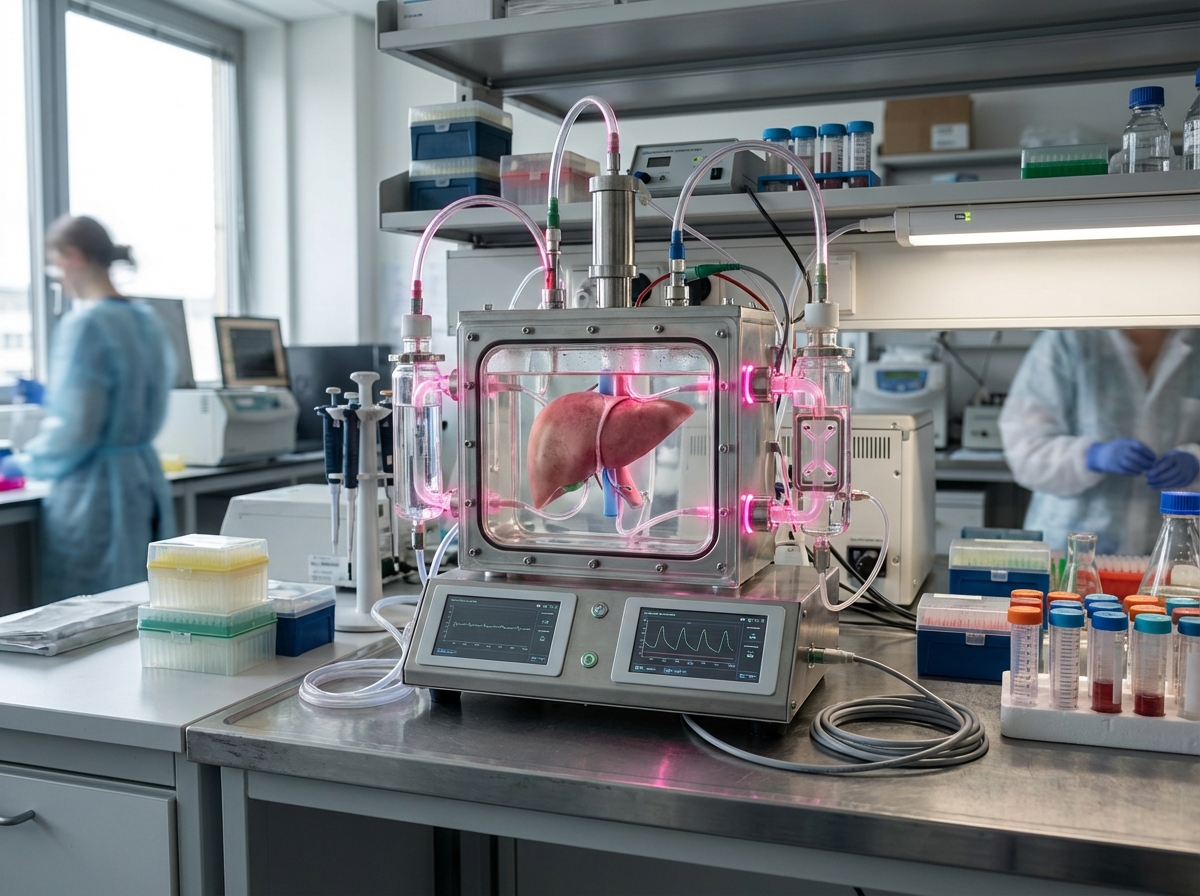
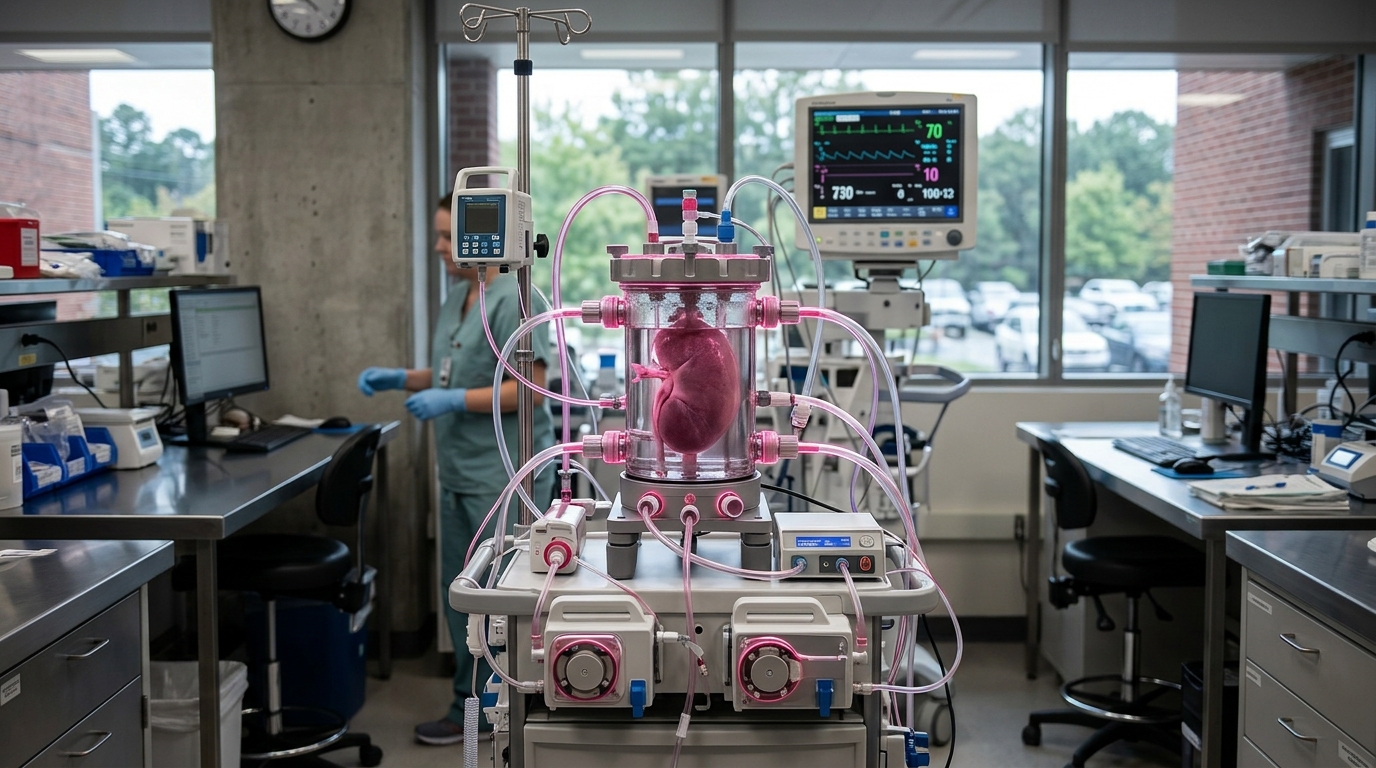
Ex vivo life-support systems that repair and rejuvenate organs before transplantation.
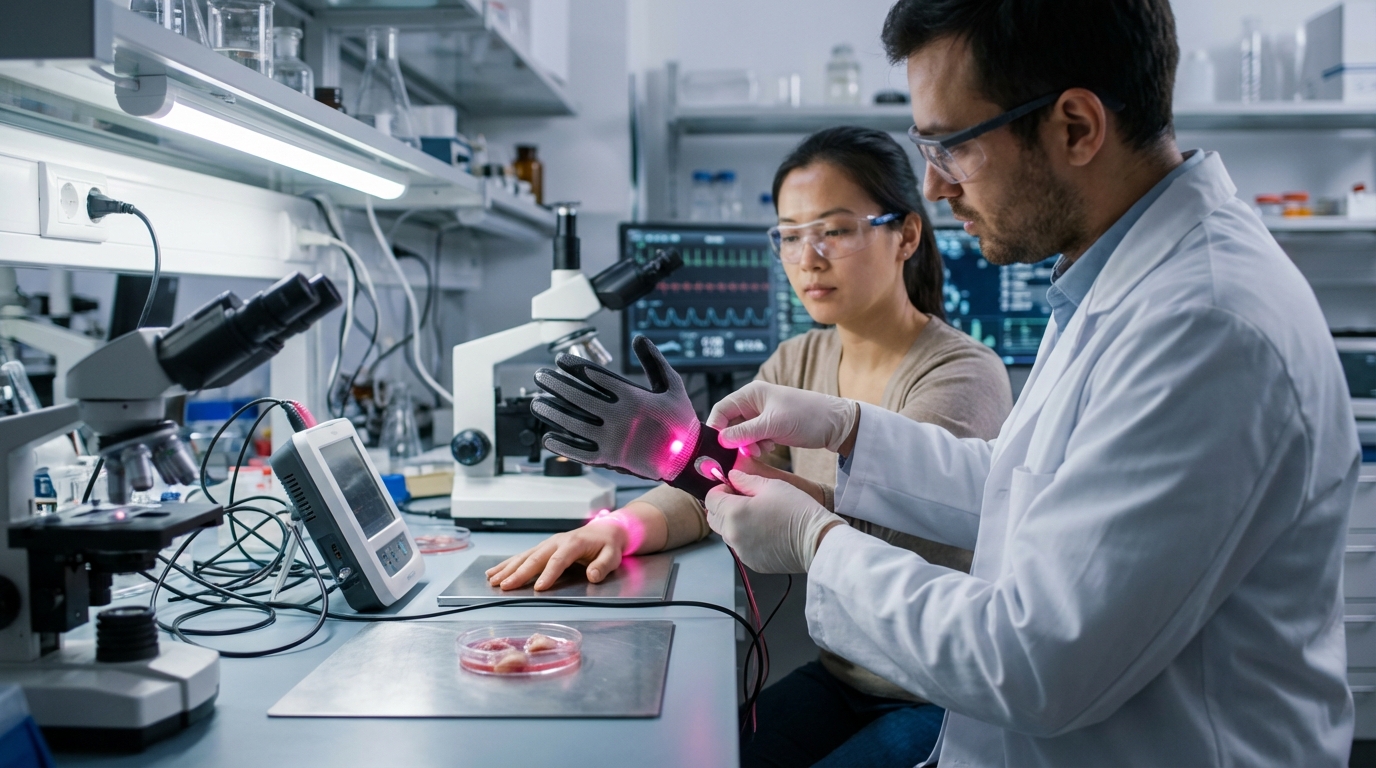
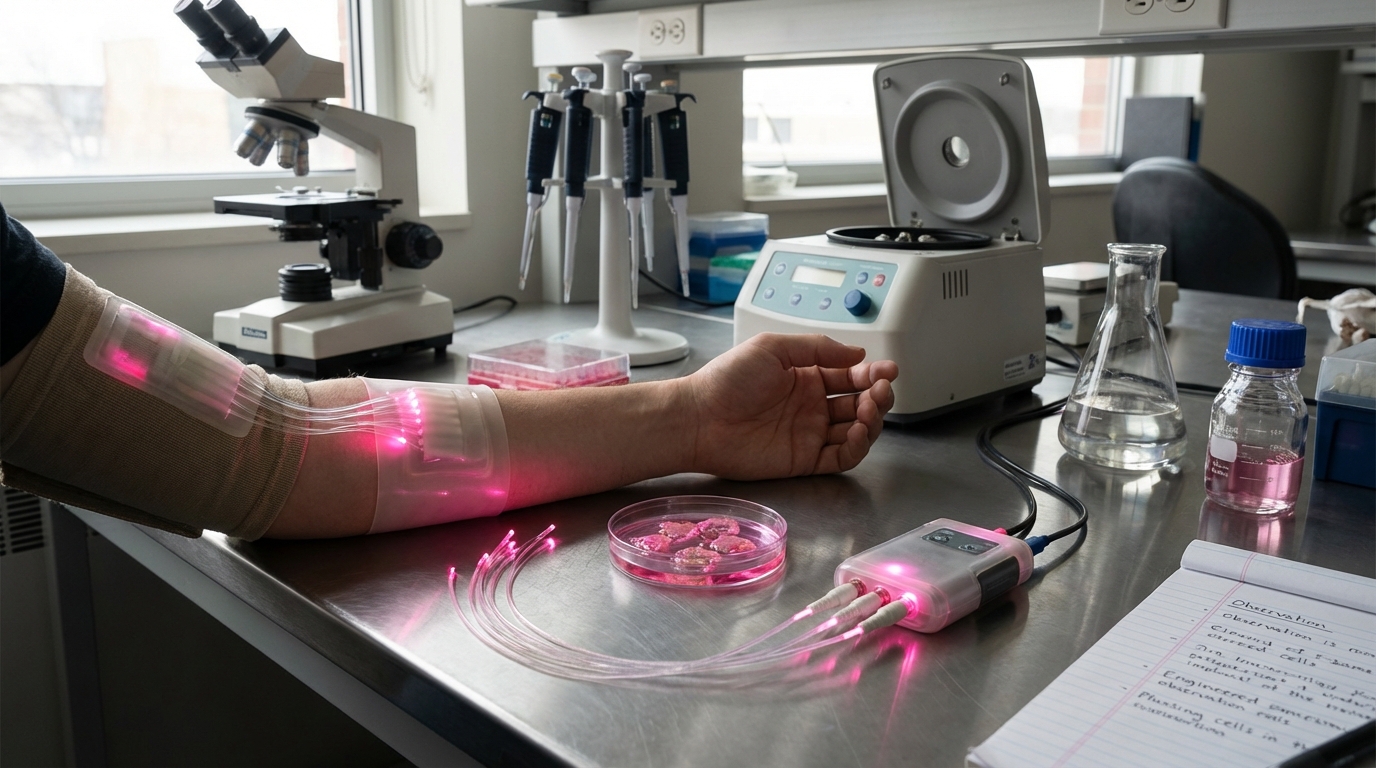
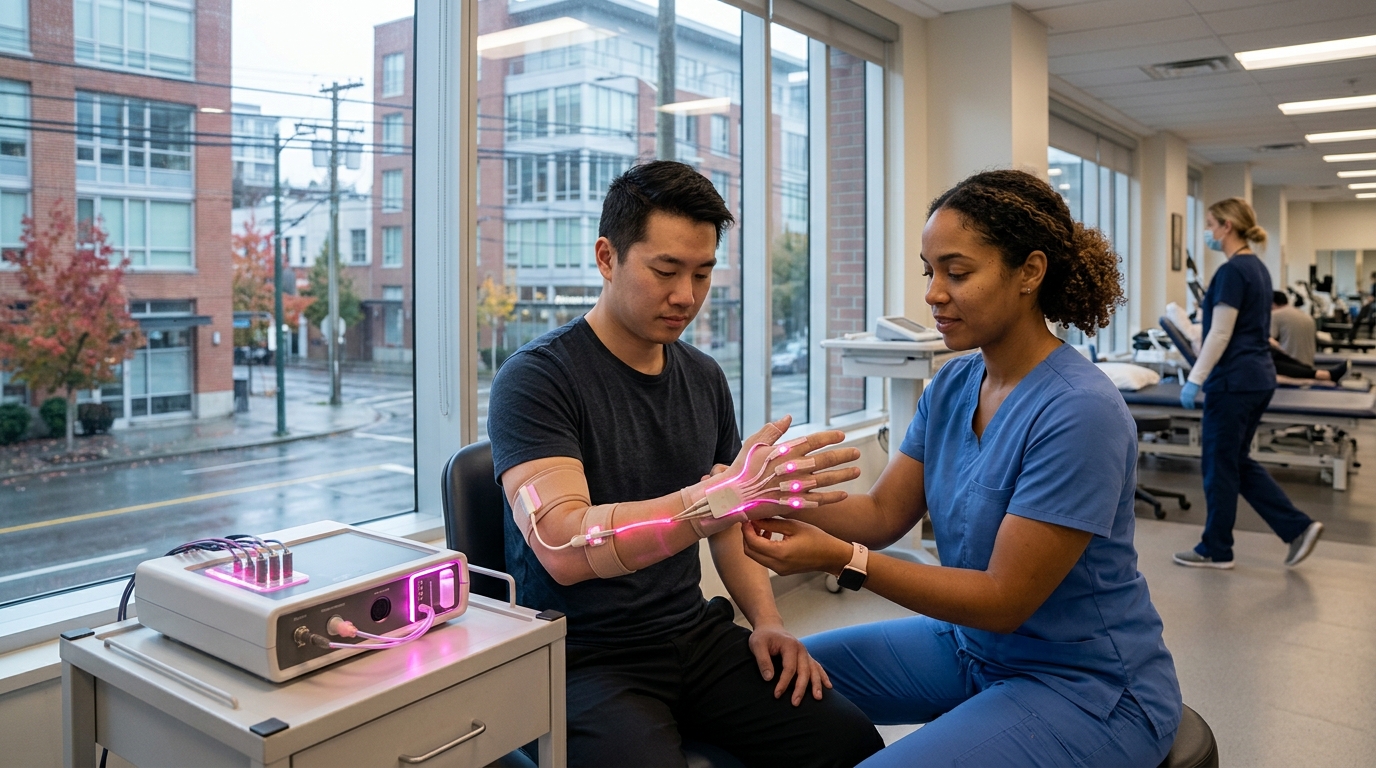
Light-delivery implants and wearables triggering engineered cells on demand.
Large-format bioprinters fabricating perfusable organ scaffolds.
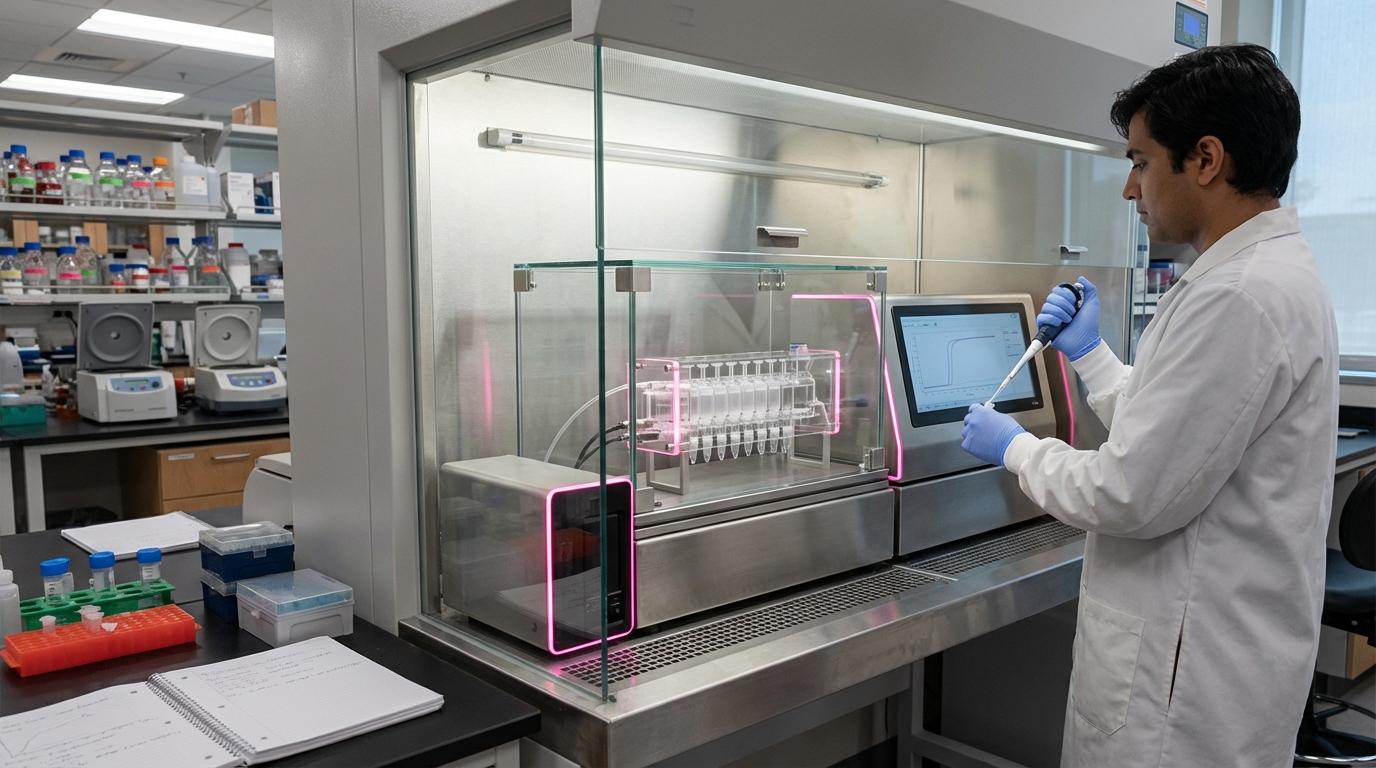
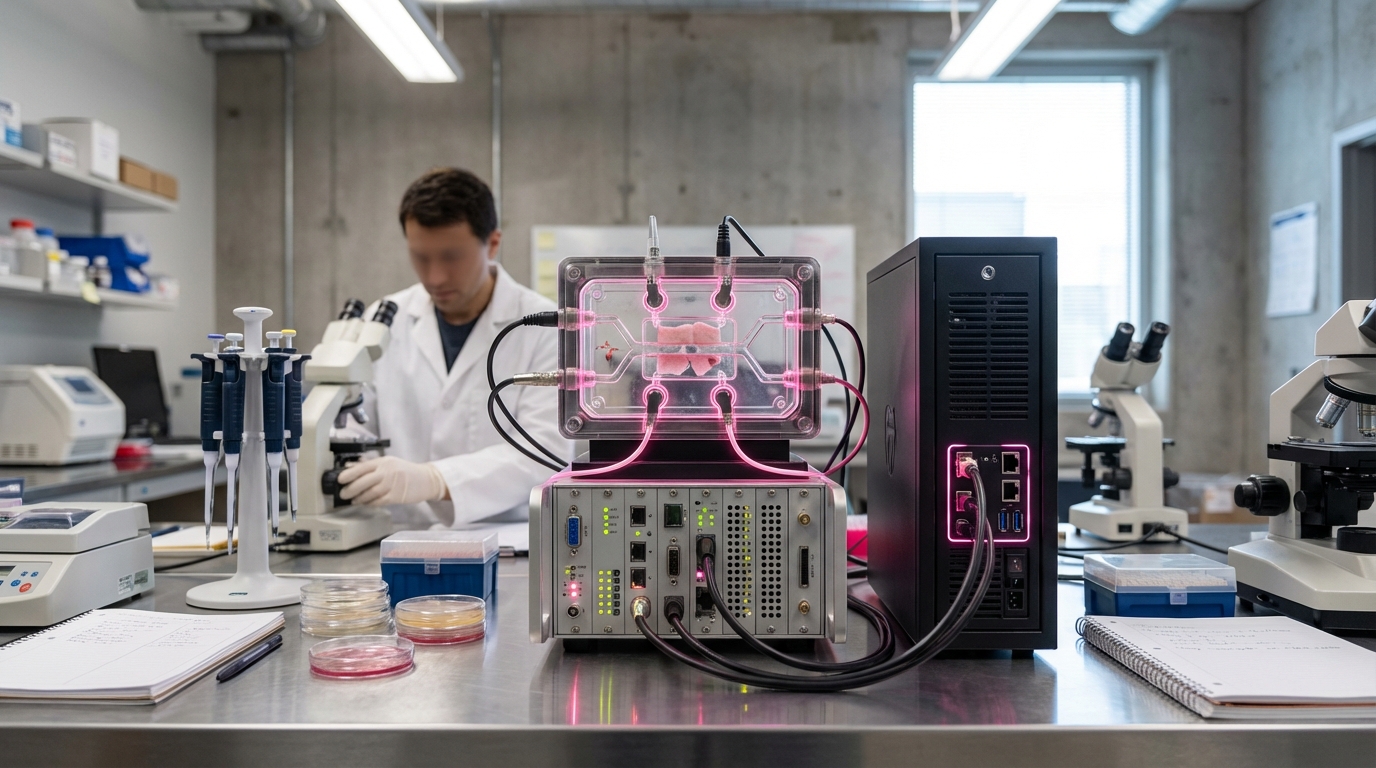
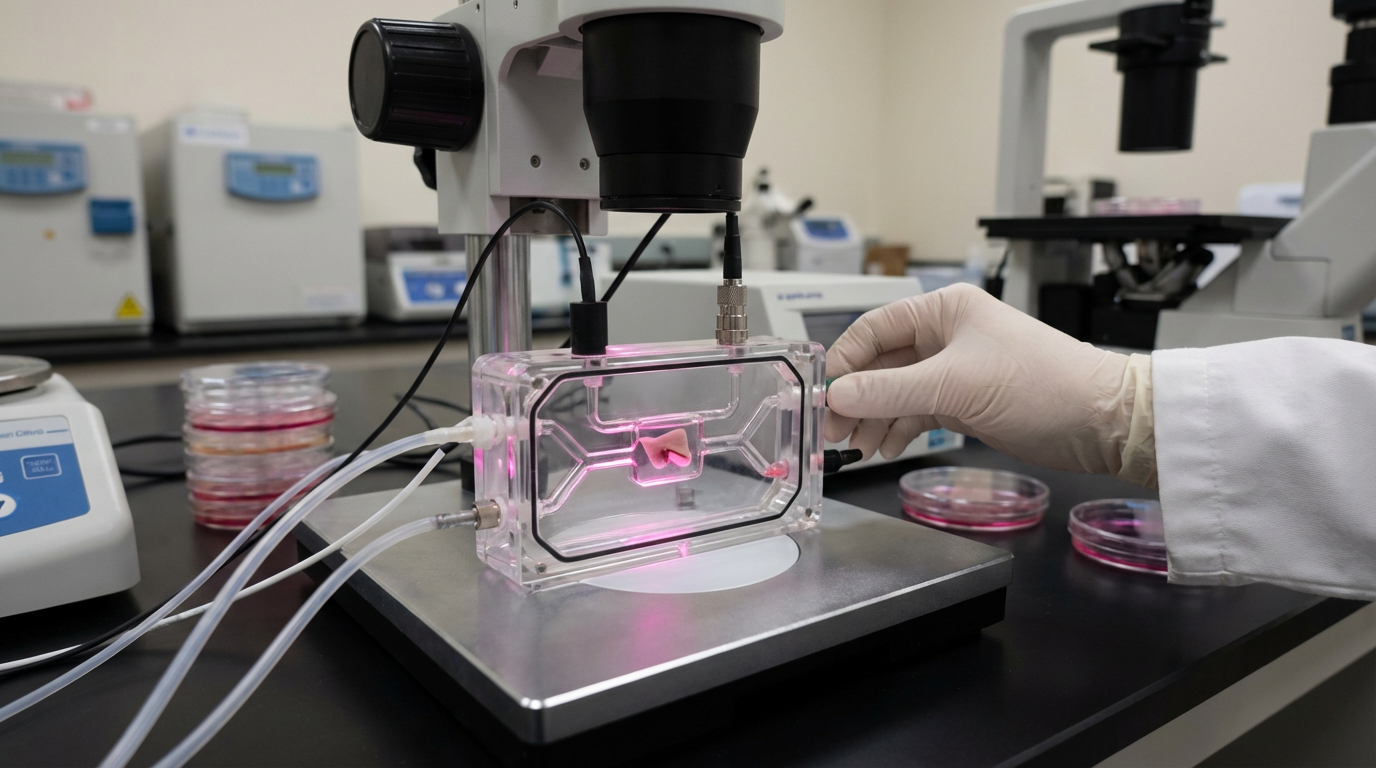
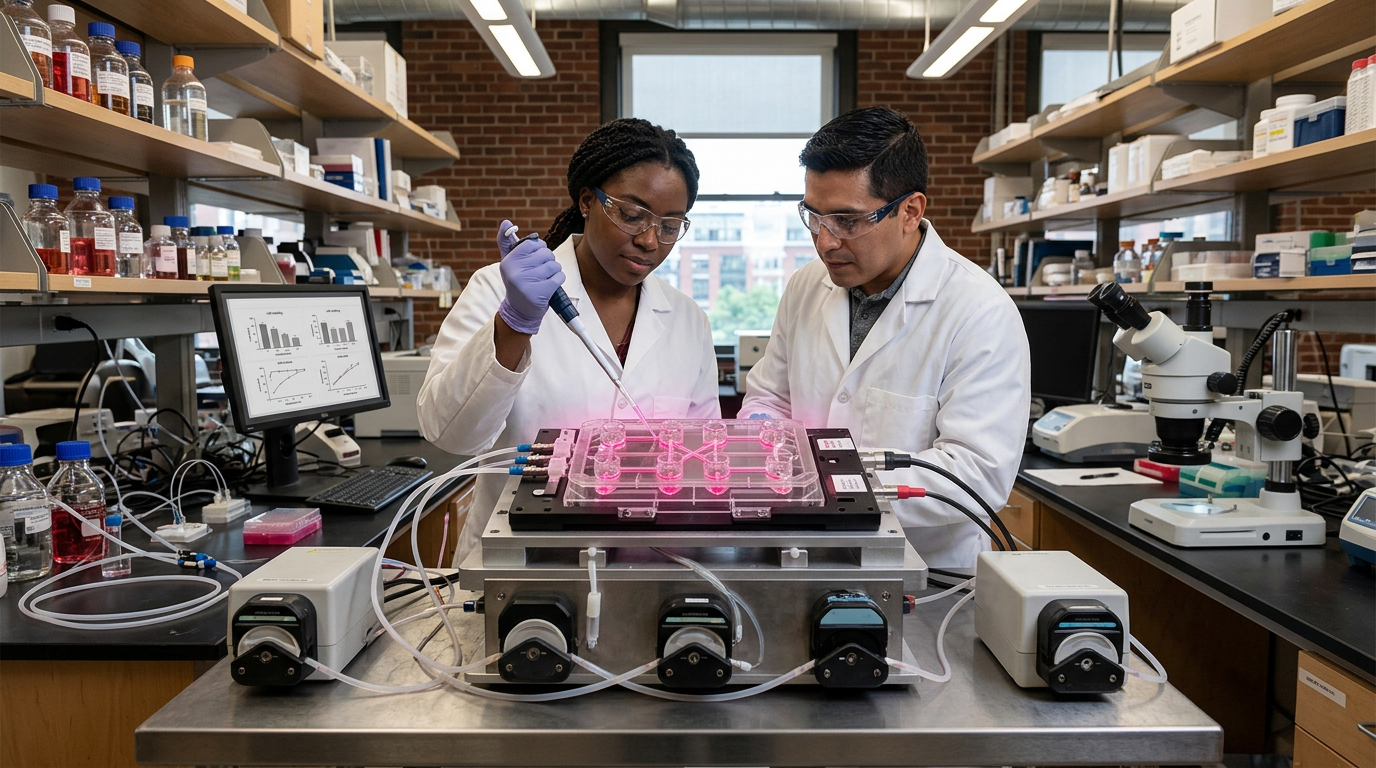
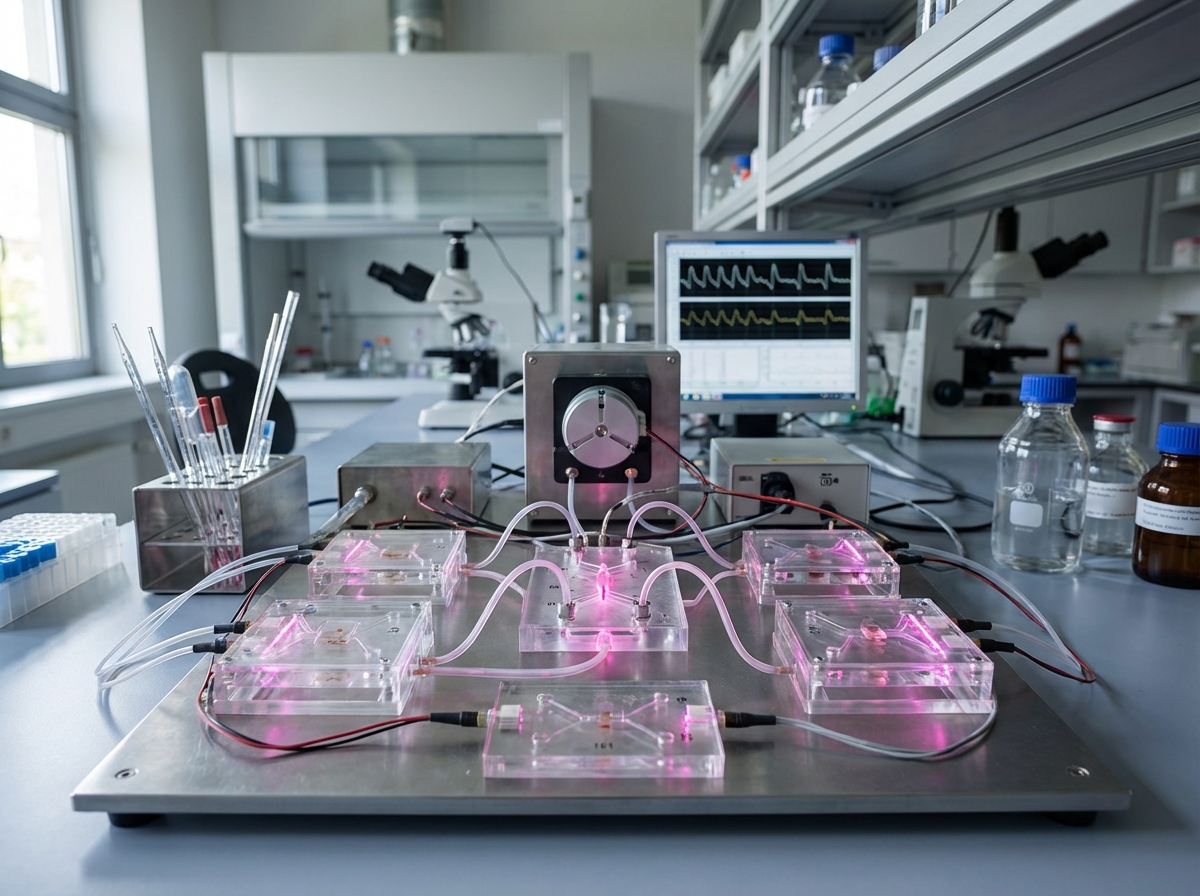
Microfluidic chips containing living human tissue replicate organ function for drug testing, and the 2022 FDA Modernization Act eliminated the requirement for animal testing — creating regulatory pull for Emulate, Hesperos, and CN Bio's organ-chip platforms.
Microfluidic platforms simulating aging and rejuvenation pathways.
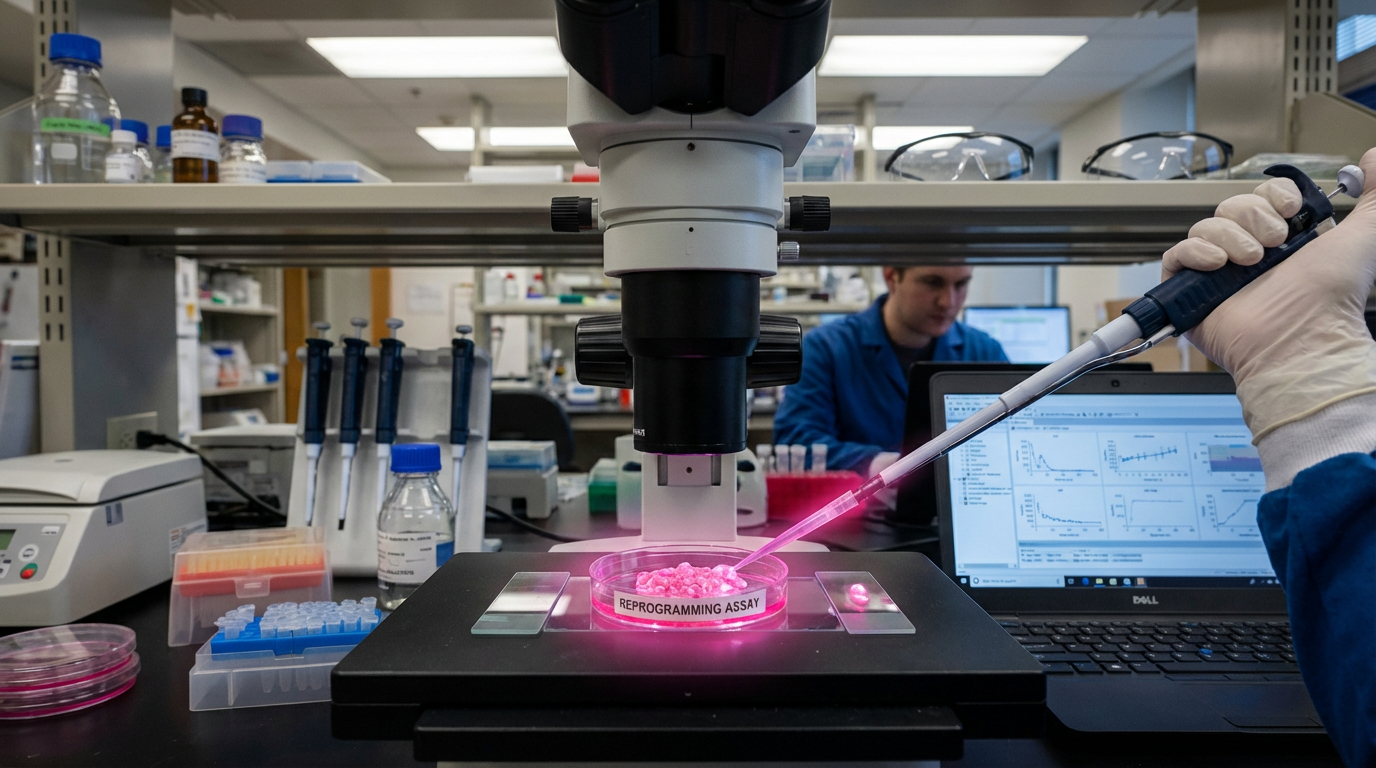
Transient expression of Yamanaka factors targeting aging phenotypes.
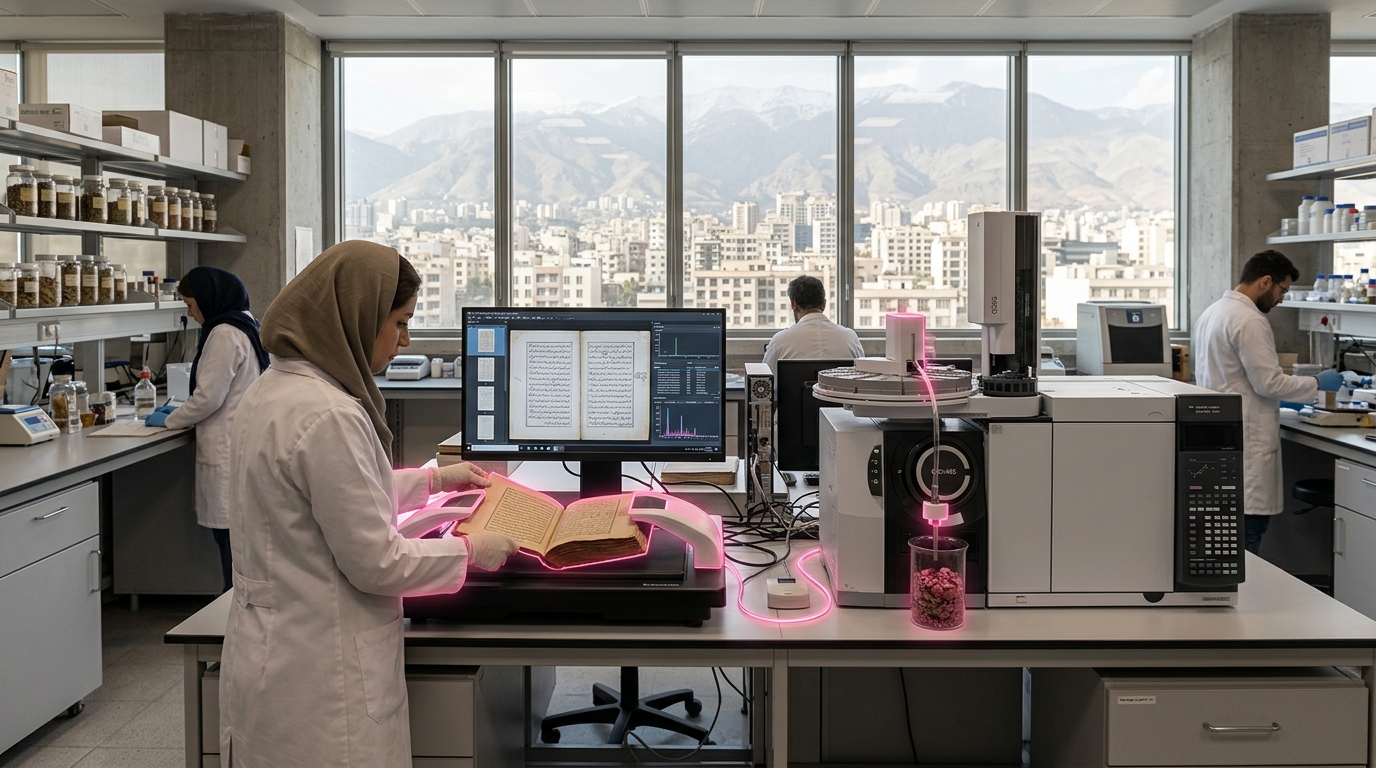
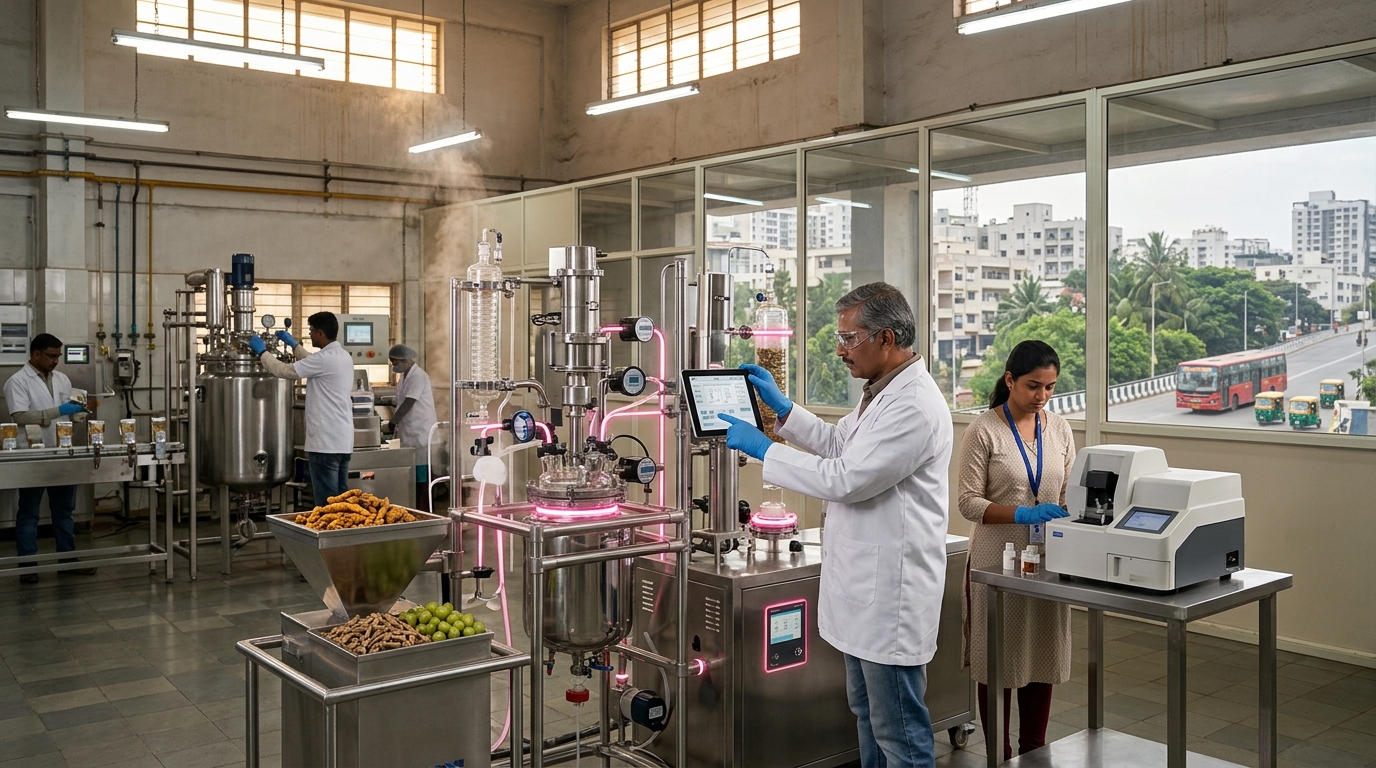
Systematic digitization of 1,000+ year Persian medical canon into ontologies (IrGO) and databases (UNaProd) — bridging traditional herbal medicine with modern drug discovery pipelines.
Neoantigen-specific immunotherapies tailored to individual tumor profiles.
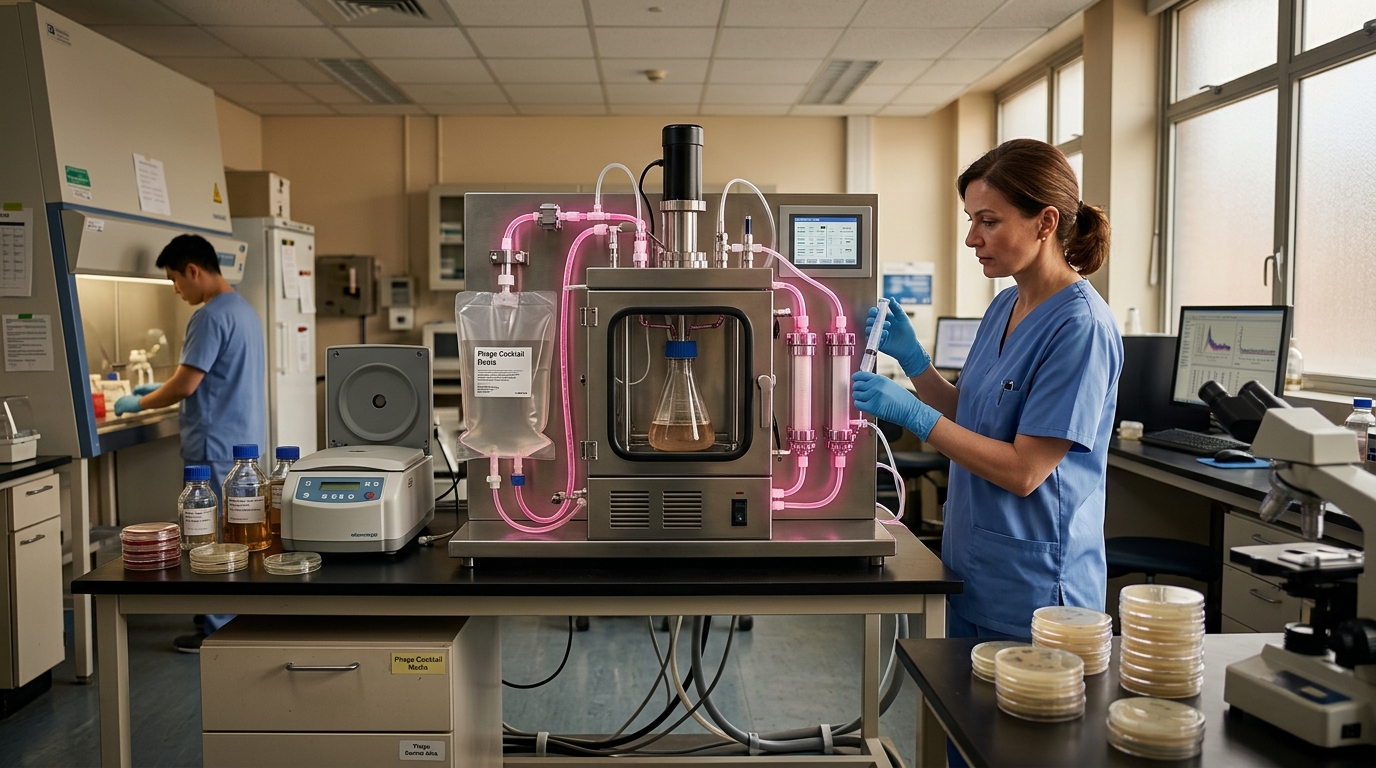
Bacteriophages for targeted bacterial infection treatment.
India created a unique regulatory class for standardized plant-based drugs validated through modern clinical trials — bridging 3,000 years of Ayurvedic knowledge with evidence-based pharmacology.
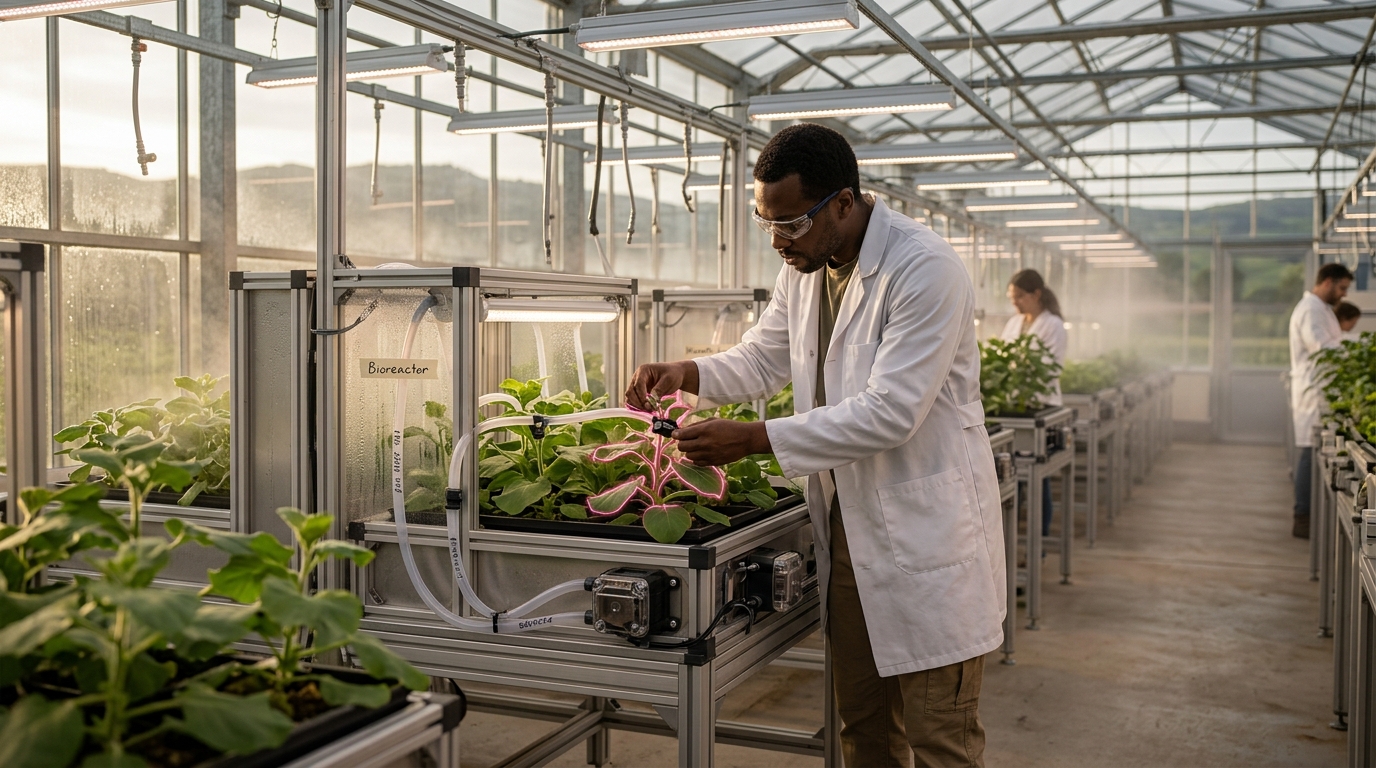
Antibodies produced in plants for therapeutics and diagnostics.
CSL Behring is the world's largest producer of plasma-derived therapies — processing millions of litres of blood plasma annually into immunoglobulins, clotting factors, and albumin used in 100+ countries.
Qatar's Genome Programme and UAE-Saudi national sequencing initiatives are building the world's largest Arab population genomic databases — sequencing hundreds of thousands of genomes from underrepresented MENA populations to enable precision medicine for 400+ million people.
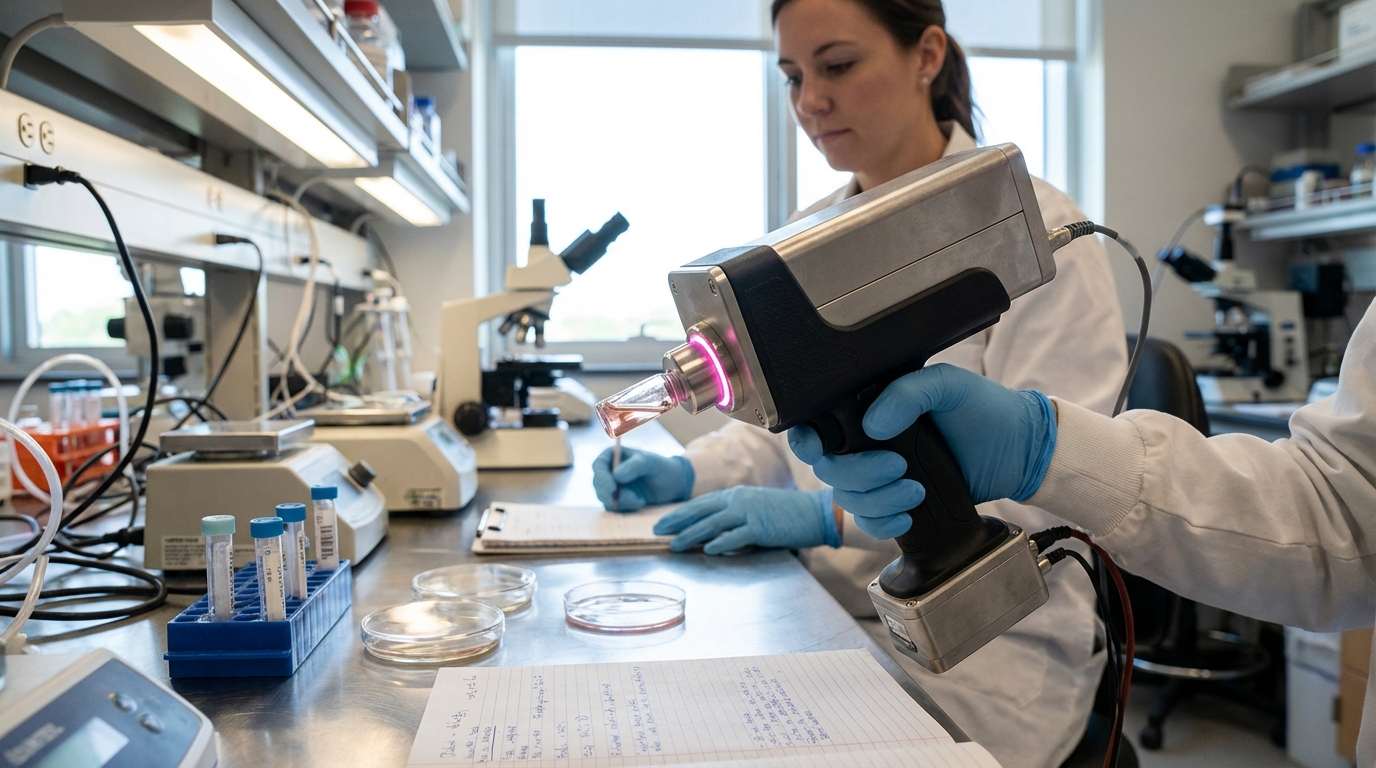
Handheld metabolomics or proteomics mass-spec devices.
Direct delivery of beneficial gut metabolites to bypass microbiome dysbiosis.
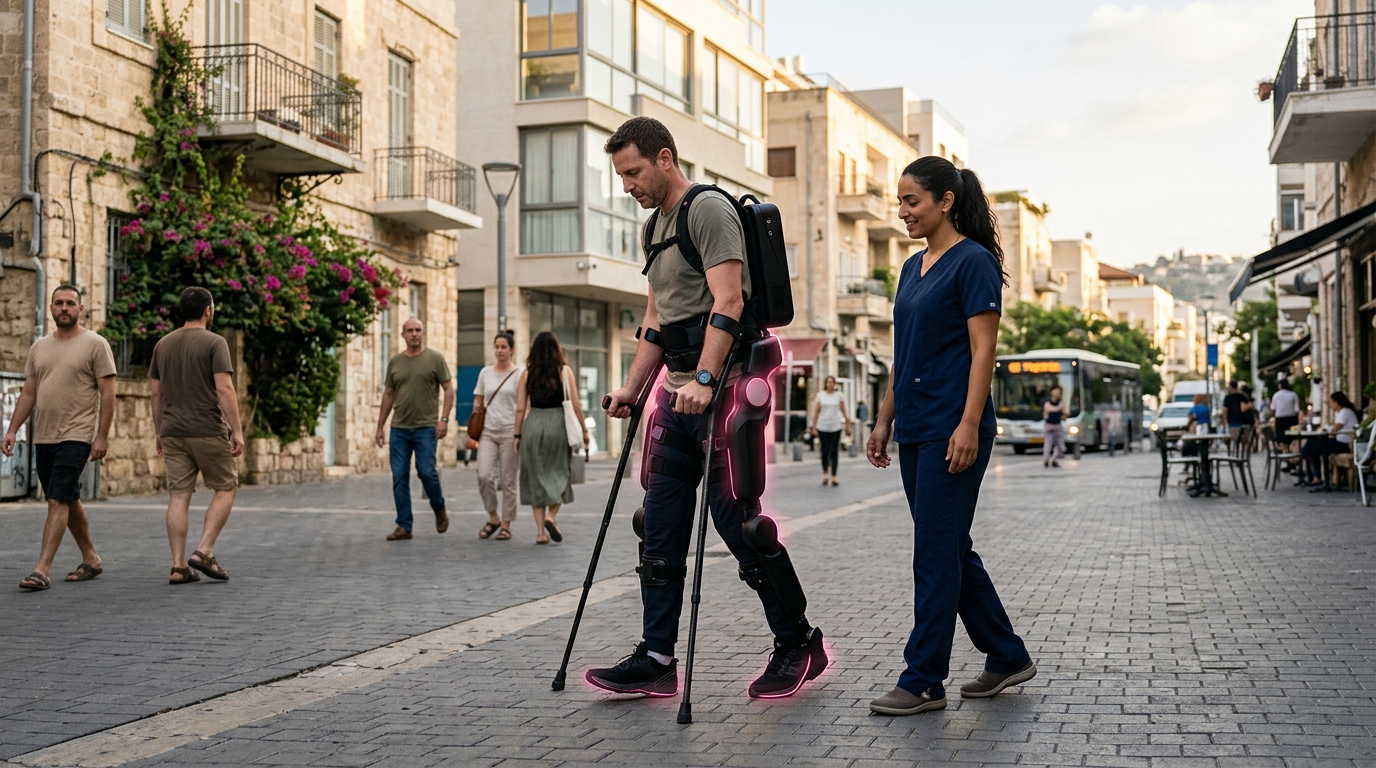
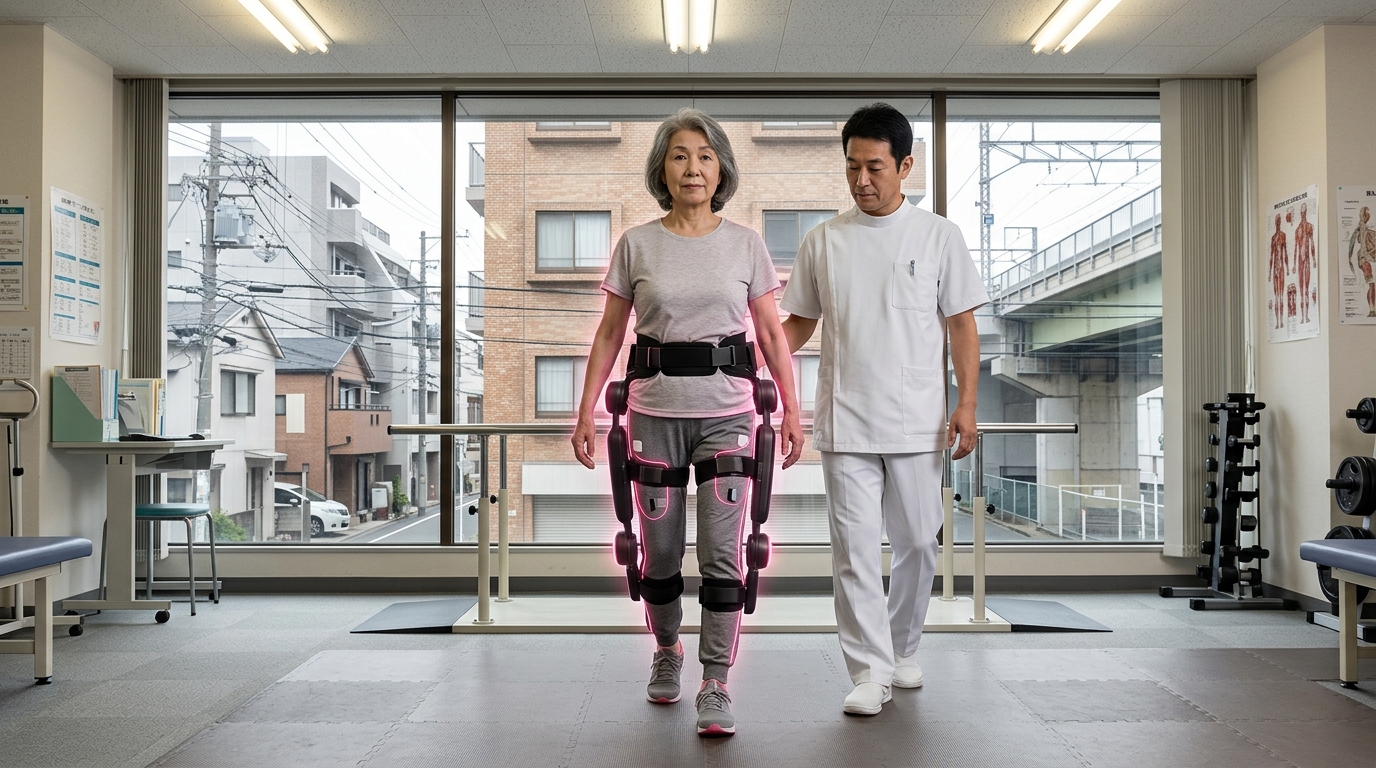
ReWalk Robotics' $218M-funded FDA-cleared wearable exoskeletons enable paralyzed individuals to walk, pioneering a new category of robotic medical devices.
Japan invented umami as a concept, dominates global amino acid production through Ajinomoto, and has leveraged fermentation science into semiconductor materials — ABF substrate holds ~100% of the CPU insulation market.
Singapore leads global precision fermentation regulation — TurtleTree's cow-free lactoferrin received FDA GRAS approval in 2025, the world's first for this bioactive protein.
Base editing and prime editing technologies from Beam Therapeutics and Prime Medicine enable single-letter DNA changes without double-strand breaks, with multiple programs in clinical trials for sickle cell disease, liver disorders, and cancer.
Personalized stacks of therapeutics and lifestyle modifications.
Singapore's National Precision Medicine program sequences Asian genomes to build population-specific drug response databases, filling a critical gap in global genomics research.
Circular RNA, self-amplifying RNA, and RNA interference platforms from Alnylam, Arrowhead, and startups like Orna Therapeutics are expanding the RNA toolkit beyond vaccines to treat genetic diseases, cancer, and chronic conditions.
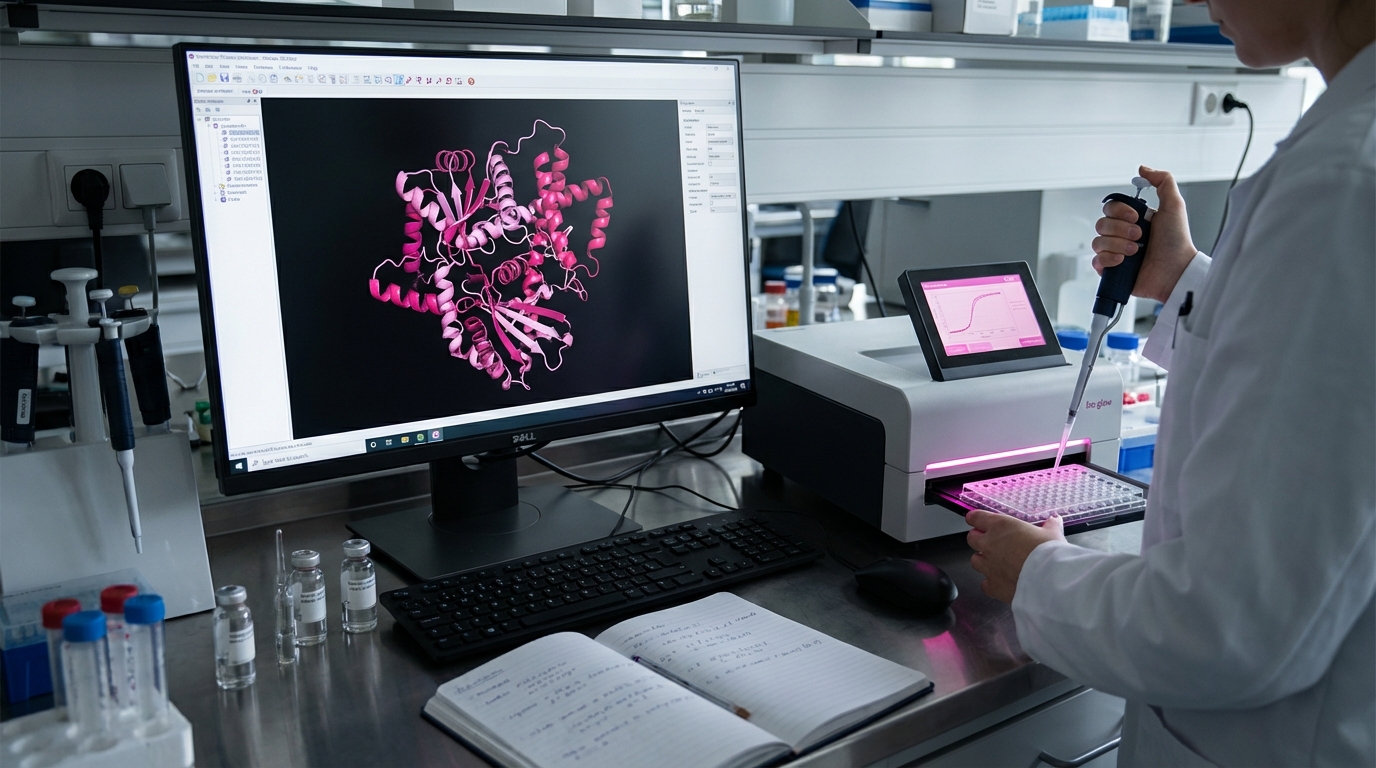
AlphaFold-class models using multimodal data to predict folding and stability.
Qatar's national genome programme is building one of the world's most comprehensive population-scale genomic databases, enabling precision medicine for Arab populations historically underrepresented in genetic research.
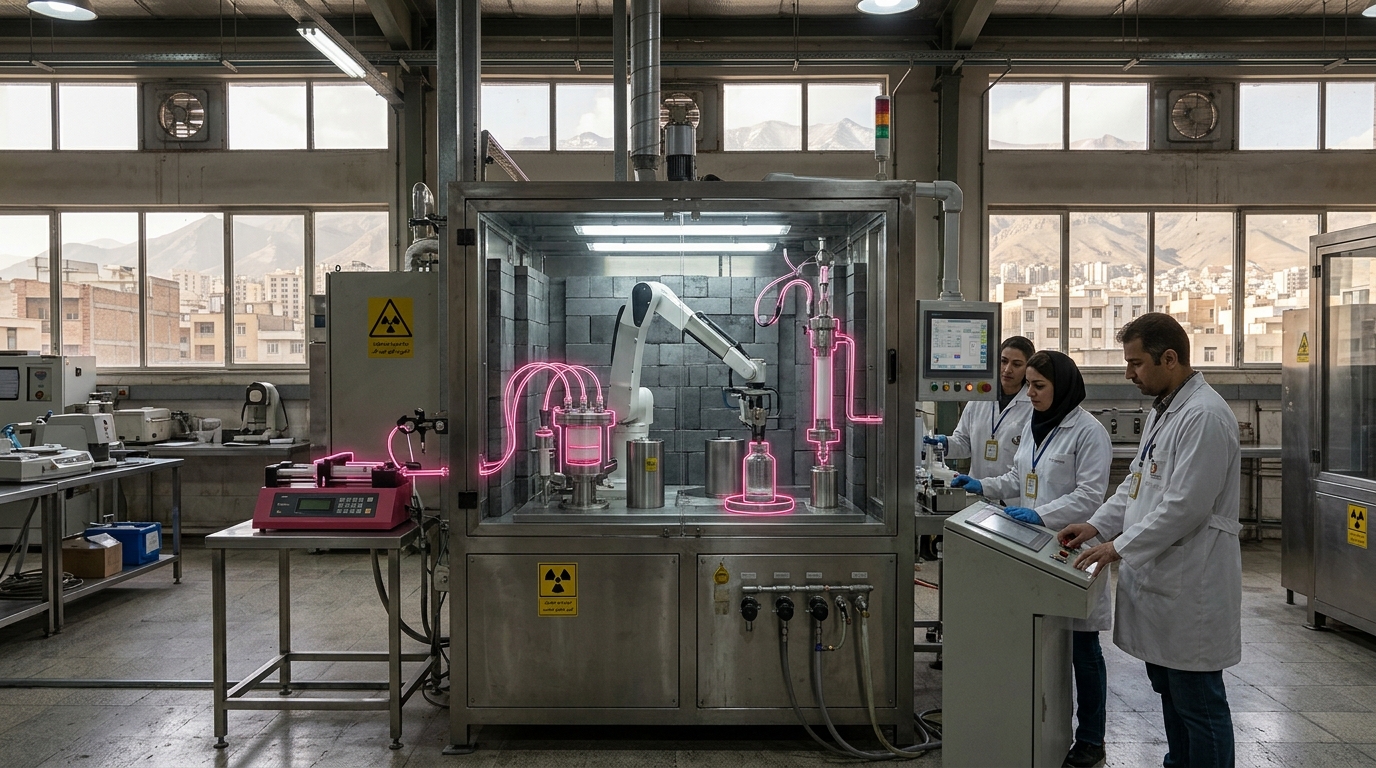
Top-3 global radiopharmaceutical producer, manufacturing diagnostic and therapeutic isotopes domestically and exporting to 15 countries via Pars Isotope.
Canadian biotech NervGen Pharma is developing peptide-based therapeutics that promote nerve regeneration in spinal cord injury and neurodegenerative diseases by overcoming natural regeneration inhibitors.
Dynamic, self-healing scaffolds seeded with autologous stem cells.
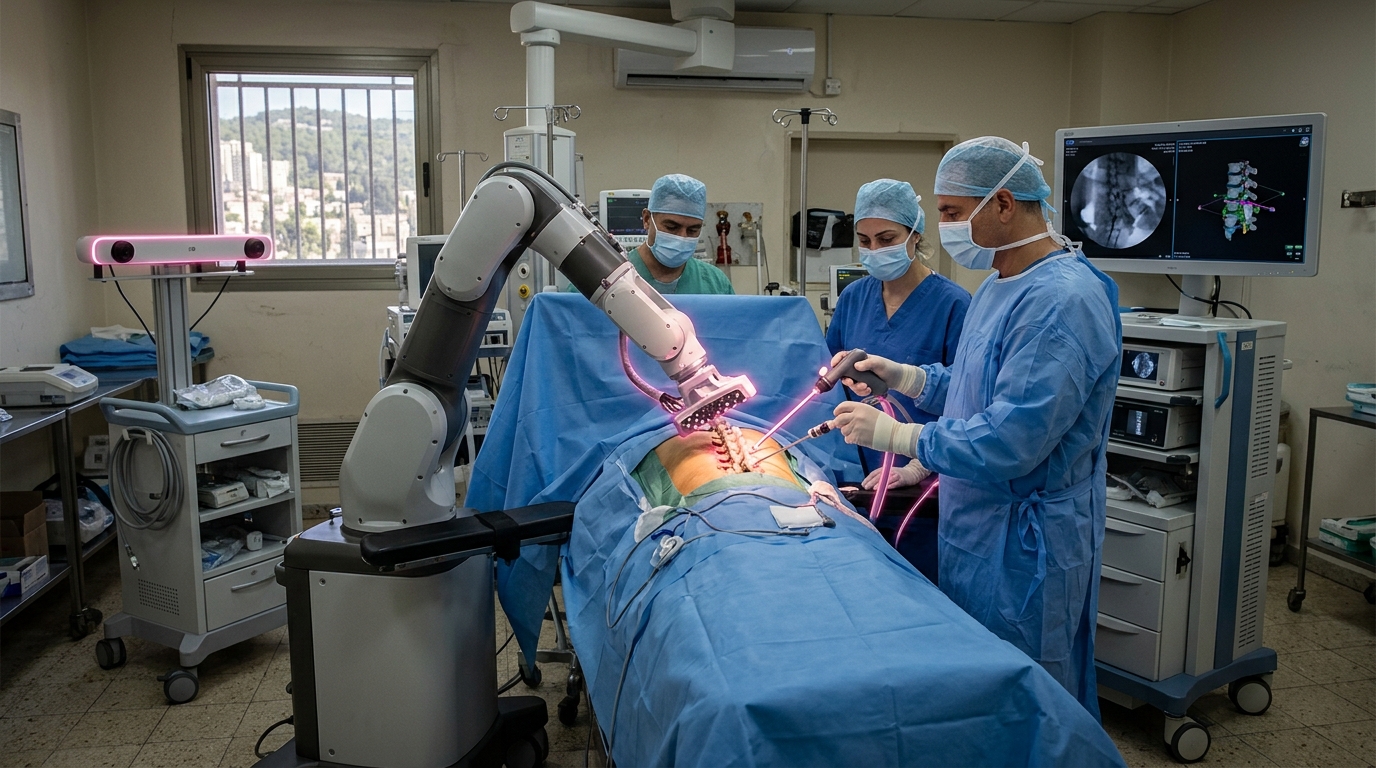
Israeli surgical robotics spans spine navigation (Mazor/Medtronic), orthopedics, and minimally invasive procedures, with 148 medical device startups in Tel Aviv alone.
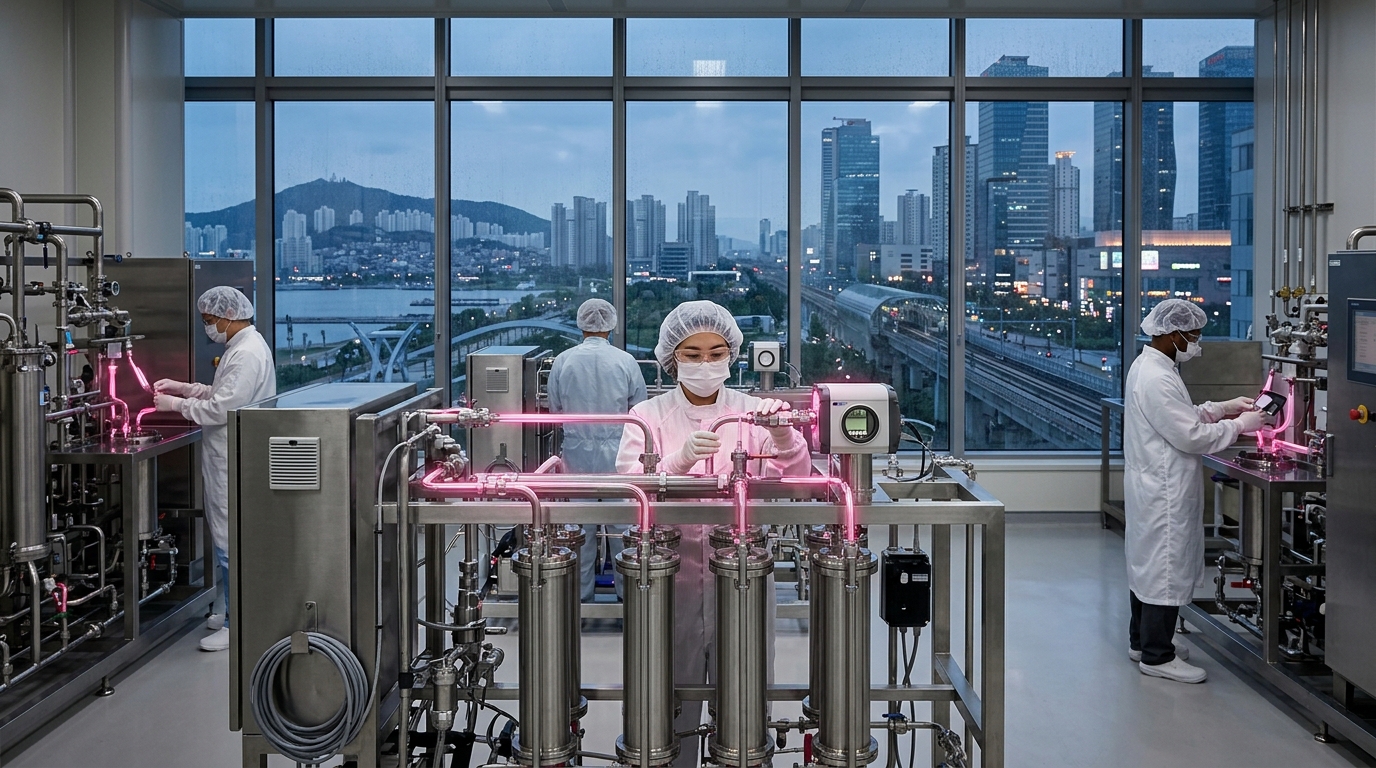
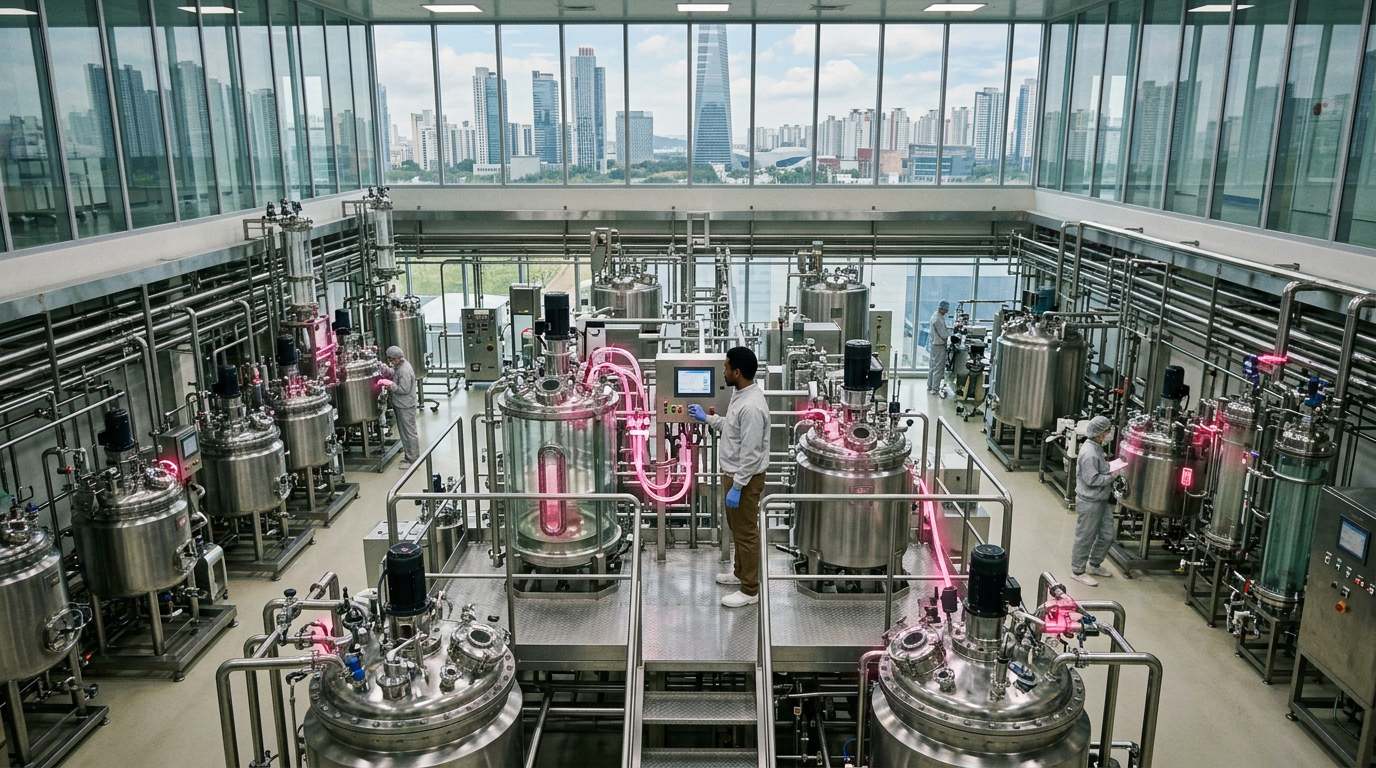
Samsung Biologics is the world's largest contract biopharmaceutical manufacturer (CDMO) with 604,000L total capacity, $1.88B revenue in H1 2025, and a $897M deal with Pfizer.
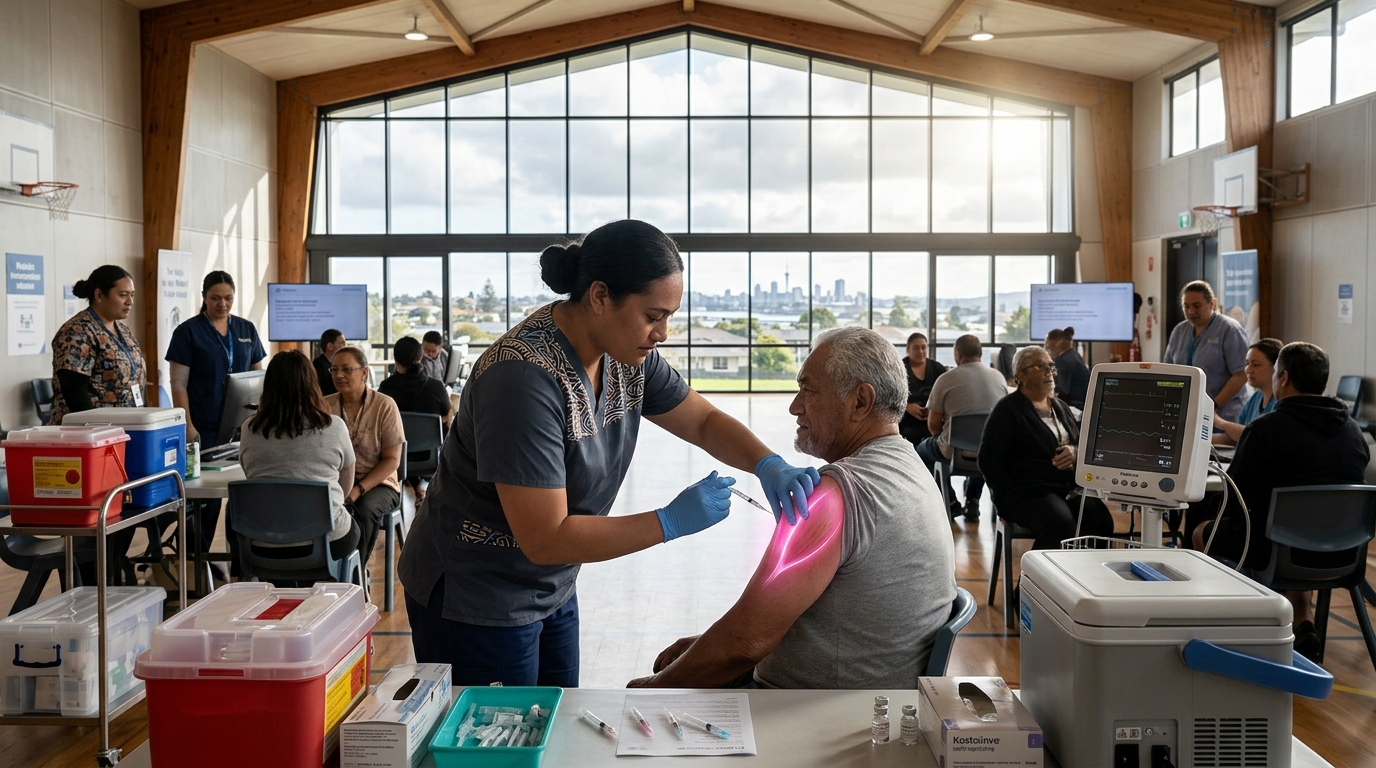
CSL's self-amplifying mRNA platform (with Arcturus Therapeutics) achieved EMA approval for COVID-19 vaccine Kostaive — using lower mRNA doses that self-replicate in cells for stronger, longer-lasting immunity.
Engineered immune cells programmed to eliminate senescent 'zombie' cells.
Drugs from Unity Biotechnology and Oisín Biotechnologies selectively kill senescent 'zombie' cells that drive aging, with clinical trials showing reduced inflammation and tissue dysfunction.
Drug programs clearing senescent cells to delay multi-system decline.
The world's largest vaccine manufacturer by volume — producing 1.5+ billion doses annually, including the majority of the world's measles and COVID vaccines for developing nations.
Nationwide precision-medicine biobanks linking genomic, clinical, and lifestyle data.
The world's first single-dose dengue vaccine — developed by Butantan, approved by ANVISA in Nov 2025, showing 80.5% efficacy against severe dengue over 5 years across all serotypes.
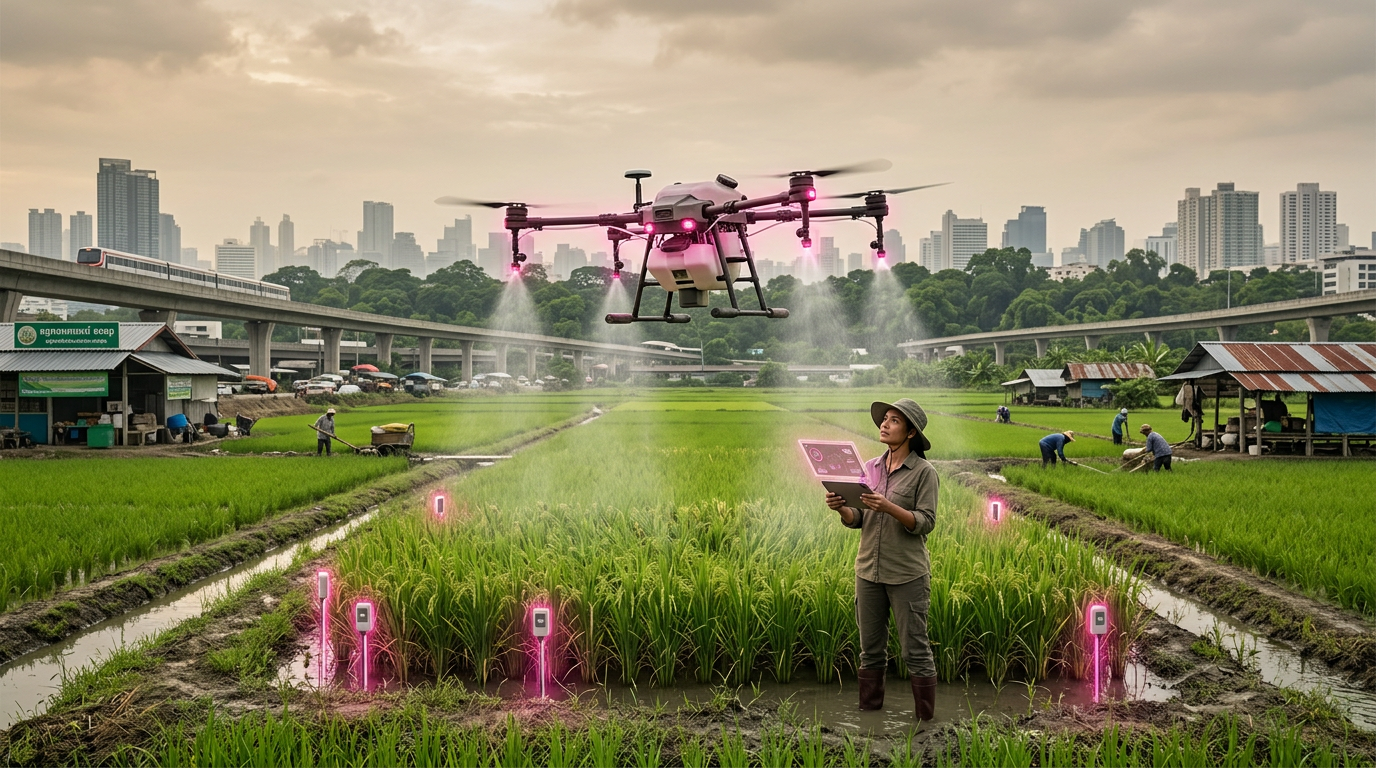
Thailand deploys drone-based crop monitoring, IoT soil sensors, and AI yield prediction across rice paddies and sugarcane plantations, targeting 15% productivity improvement.
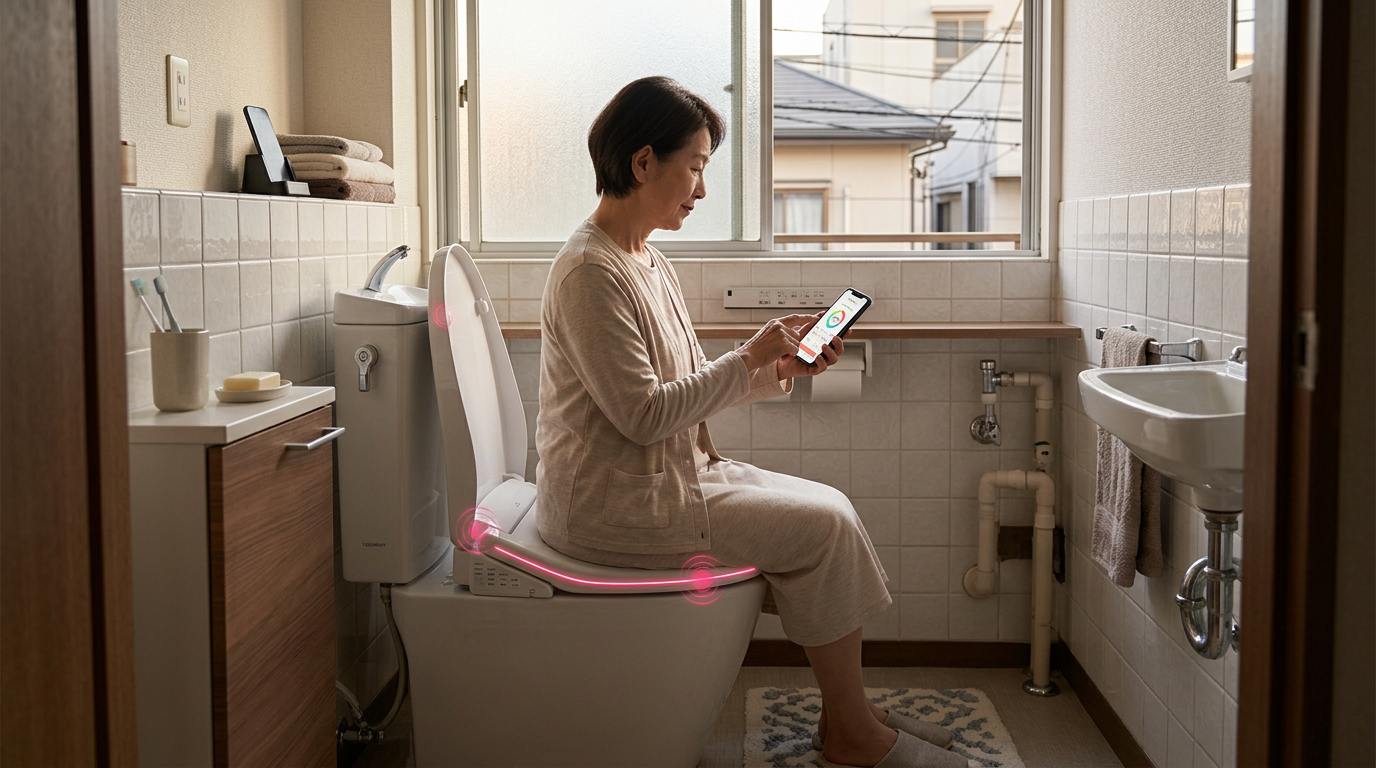
TOTO's Washlet — installed in 80%+ of Japanese homes — is evolving from hygiene innovation to health monitoring platform, with the 2025 Neorest 'Stool Scan' analyzing stool shape, color, and volume via app.
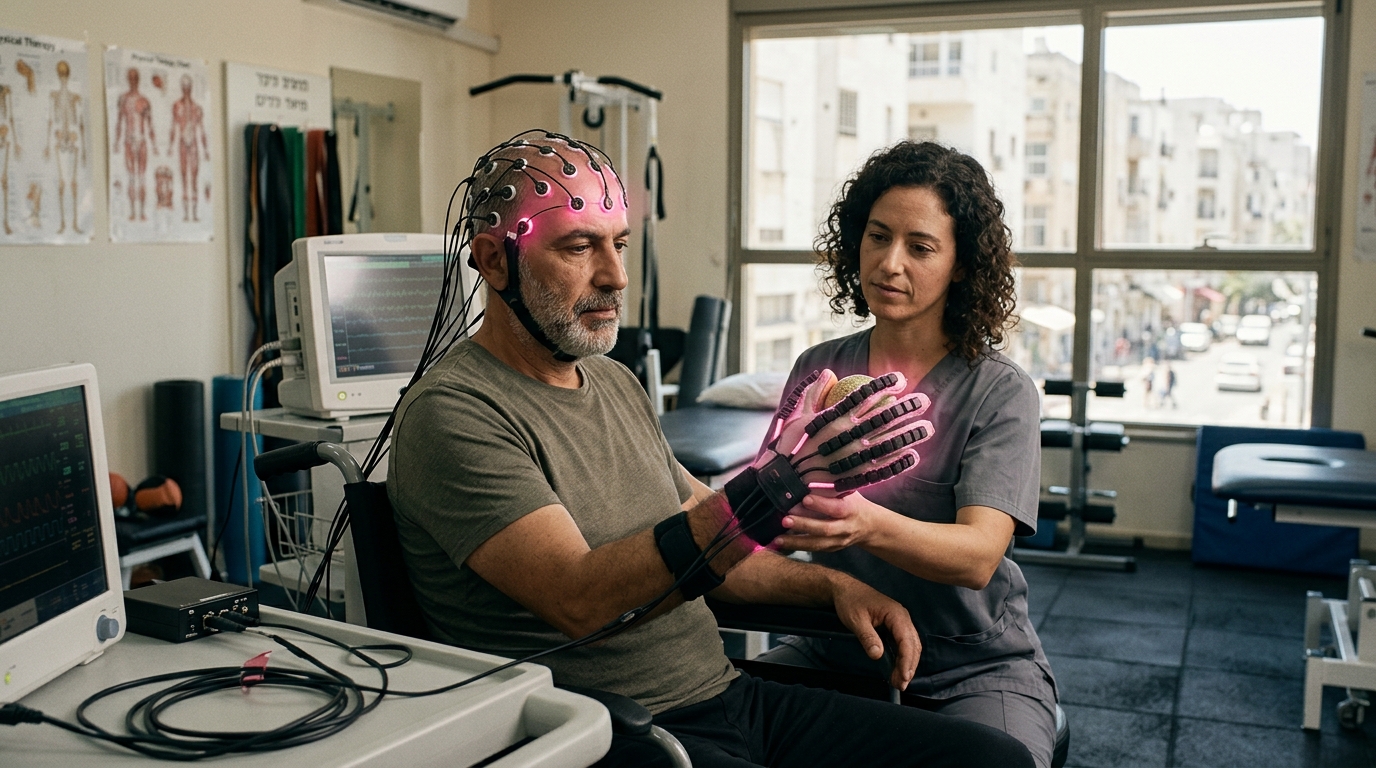
Incheon's Songdo district has become Asia's largest biopharmaceutical manufacturing hub, hosting Samsung Biologics, Celltrion, and growing clusters of global biotech companies.
Algorithms reconstructing 3D gene expression maps from tissue sections.
World-class stem cell research centered on Royan Institute — first Iranian human ESC (2003) and iPSC (2008) lines, with clinical trials in cell therapy for spinal cord injury and cardiac disease.
Alteogen's Hybrozyme hyaluronidase platform converts IV-only biologic drugs to simple subcutaneous injections — licensed by Merck for Keytruda (FDA-approved September 2025), with deals worth billions across multiple pharma partners.
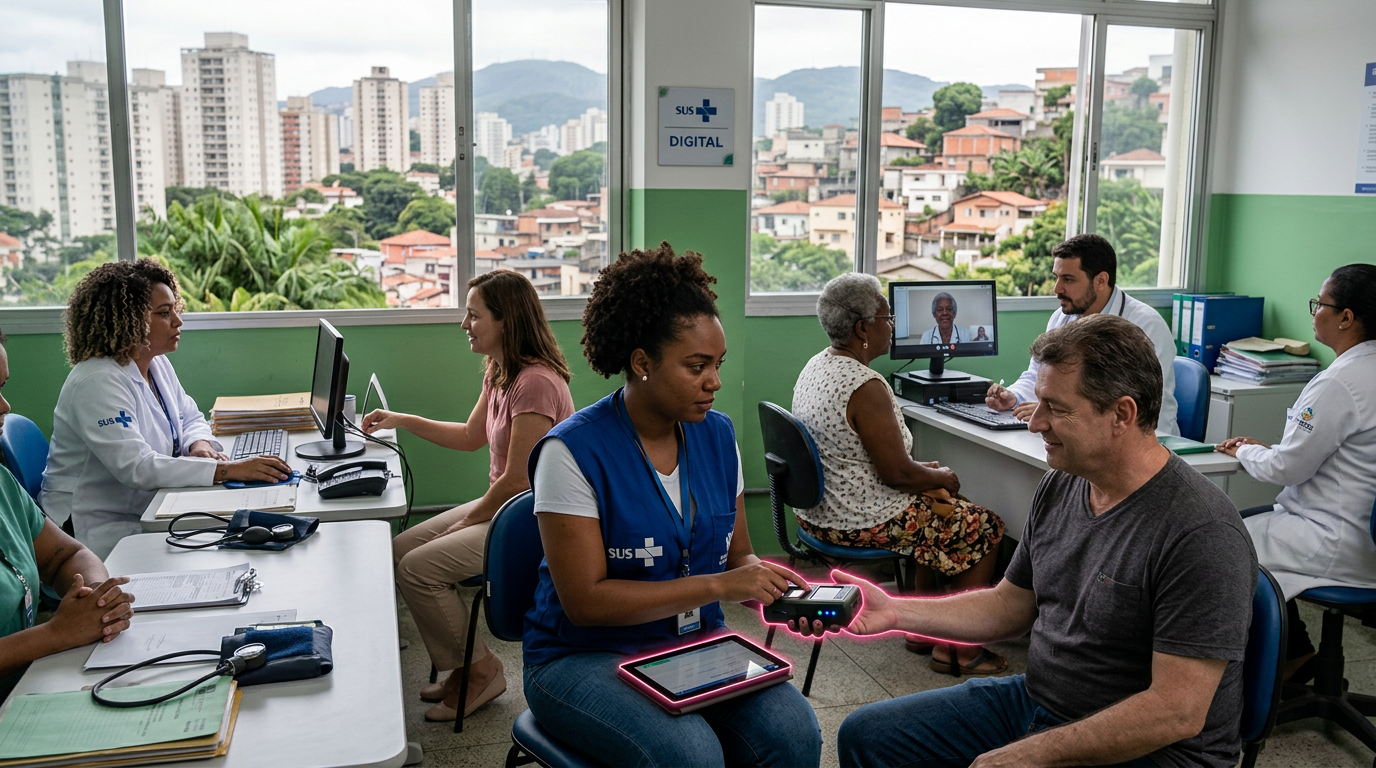
The world's largest unified public health system (serving 220M people) is going digital — telemedicine, AI diagnostics, and smart health networks to reach remote communities
Integrated programs combining biomarker labs, imaging, and concierge care.
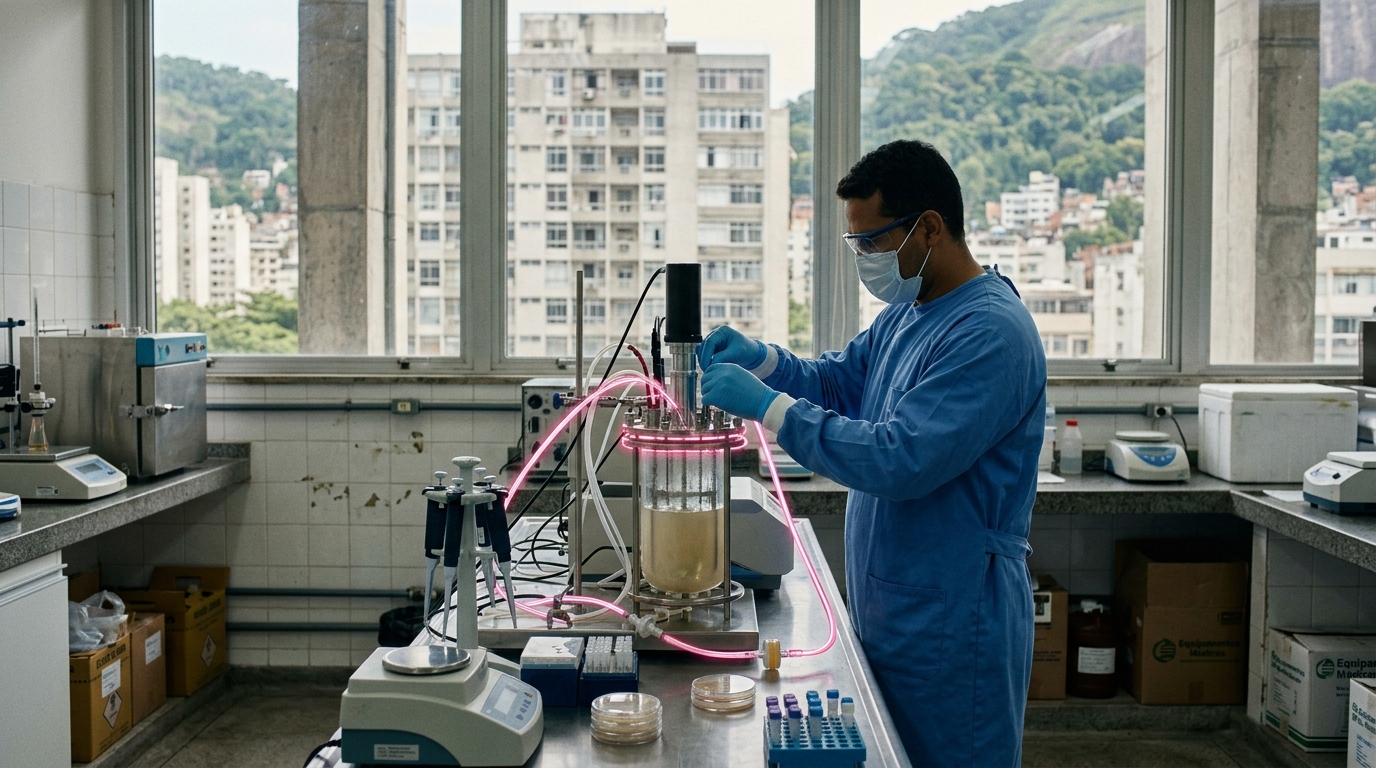
Ginkgo Bioworks operates the world's largest cell programming foundry, offering biology-as-a-service via public APIs, while AI integration is shrinking design-build-test cycles from months to weeks.

Israel's CRISPRIL consortium and bioconvergence startups are advancing CRISPR tools, computational biology, and bio-digital integration for precision medicine and sustainable materials.
Named a 'future industry' in the 15th Five-Year Plan, China's biomanufacturing sector aims to produce materials, chemicals, and fuels from engineered organisms instead of oil
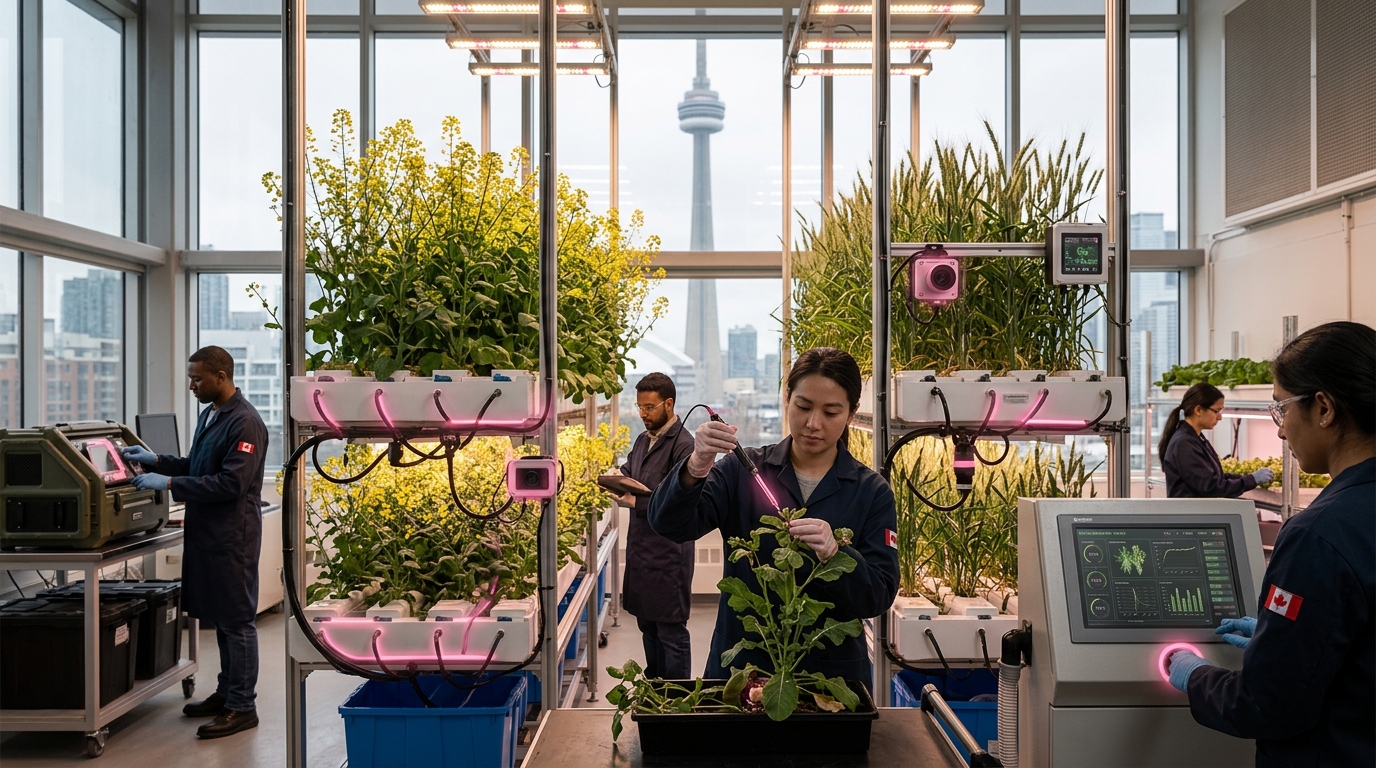
Canada's SynBio ecosystem — spanning Toronto's Genecis (microbe-engineered biodegradable plastics from waste) to UofT's biomanufacturing labs — is building capacity for bio-based chemicals, materials, and therapeutics production.
Plasmapheresis and plasma-mimetic therapies to rebalance pro- and anti-aging factors.
Using molecules to eliminate disease-causing proteins, including previously undruggable targets in oncology and neurodegeneration.
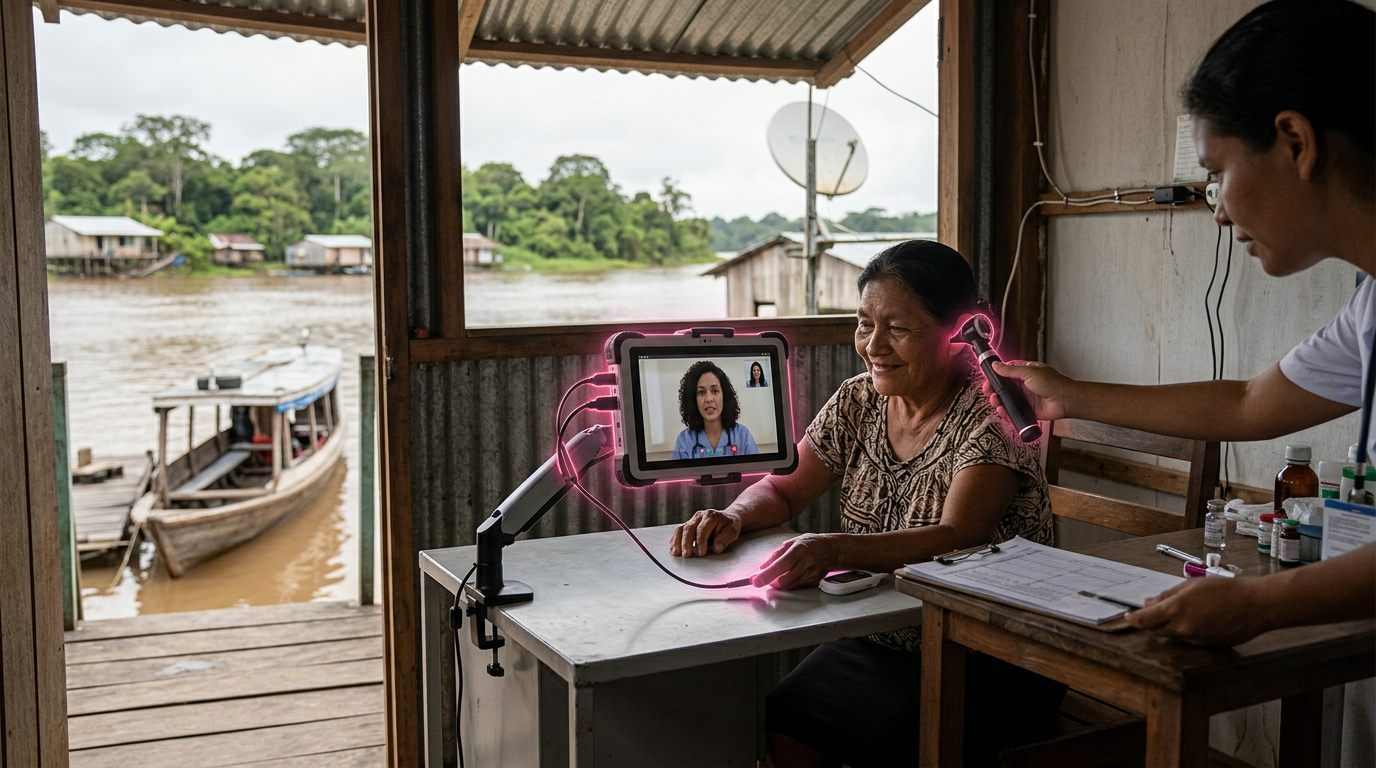
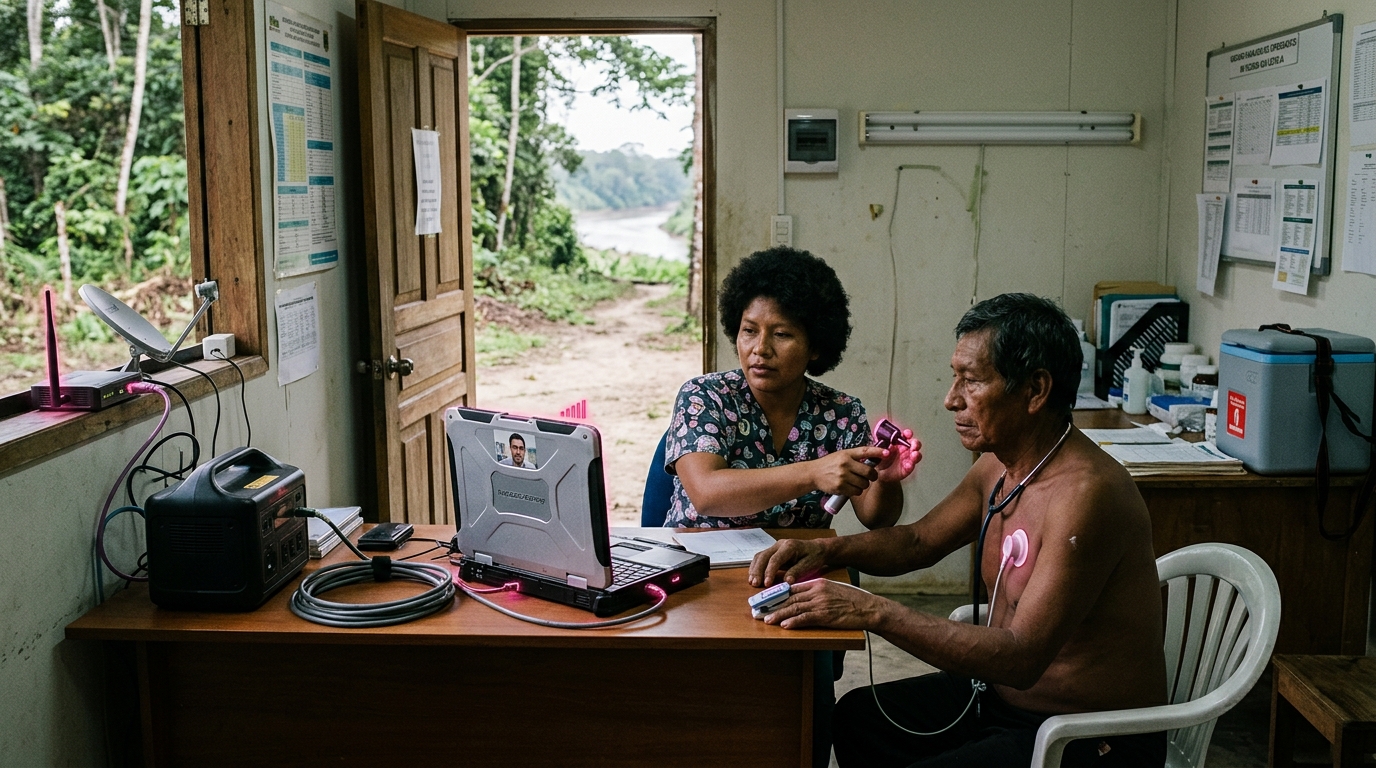
Telehealth networks extending specialist medical care to Amazon riverine communities and rural interior — where the nearest hospital may be days away by boat
Colombian health-tech deploys telemedicine connecting remote Amazon and Pacific communities to Bogotá specialists, using satellite connectivity and AI triage in areas with no roads.
Fiocruz and partner institutions maintain one of the world's deepest research pipelines for dengue, Zika, Chagas, and other tropical diseases that affect 1+ billion people globally
Brazilian viper venom led to captopril — the first venom-derived FDA-approved drug — and Butantan maintains the world's largest venom library for next-generation antihypertensives and anticoagulants.
Microneedle sensors tracking real-time metabolic flexibility and ketosis.
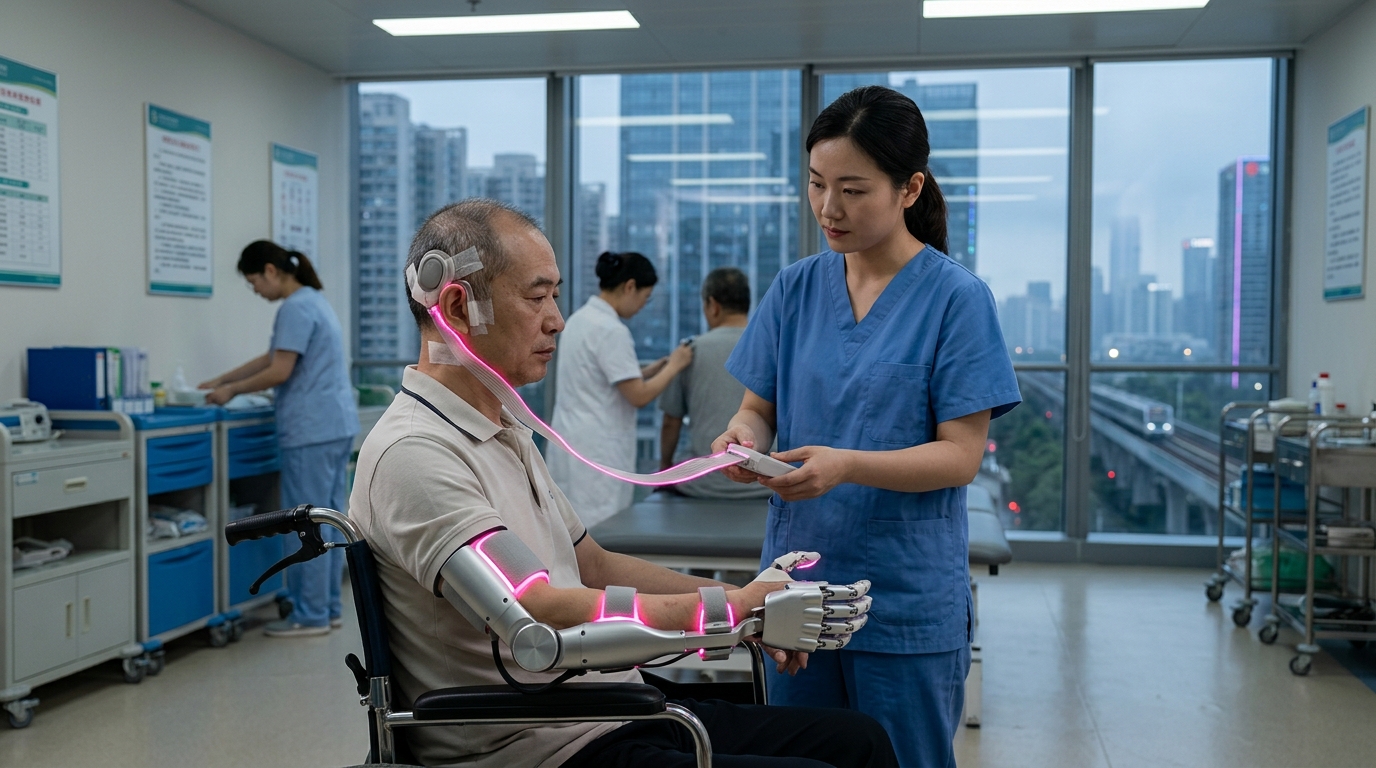
Cyberdyne's HAL exoskeleton — the world's first medical-certified wearable robot — reads neural signals to assist paralyzed patients in walking, with clinical evidence of inducing neuroplasticity published in 2025.
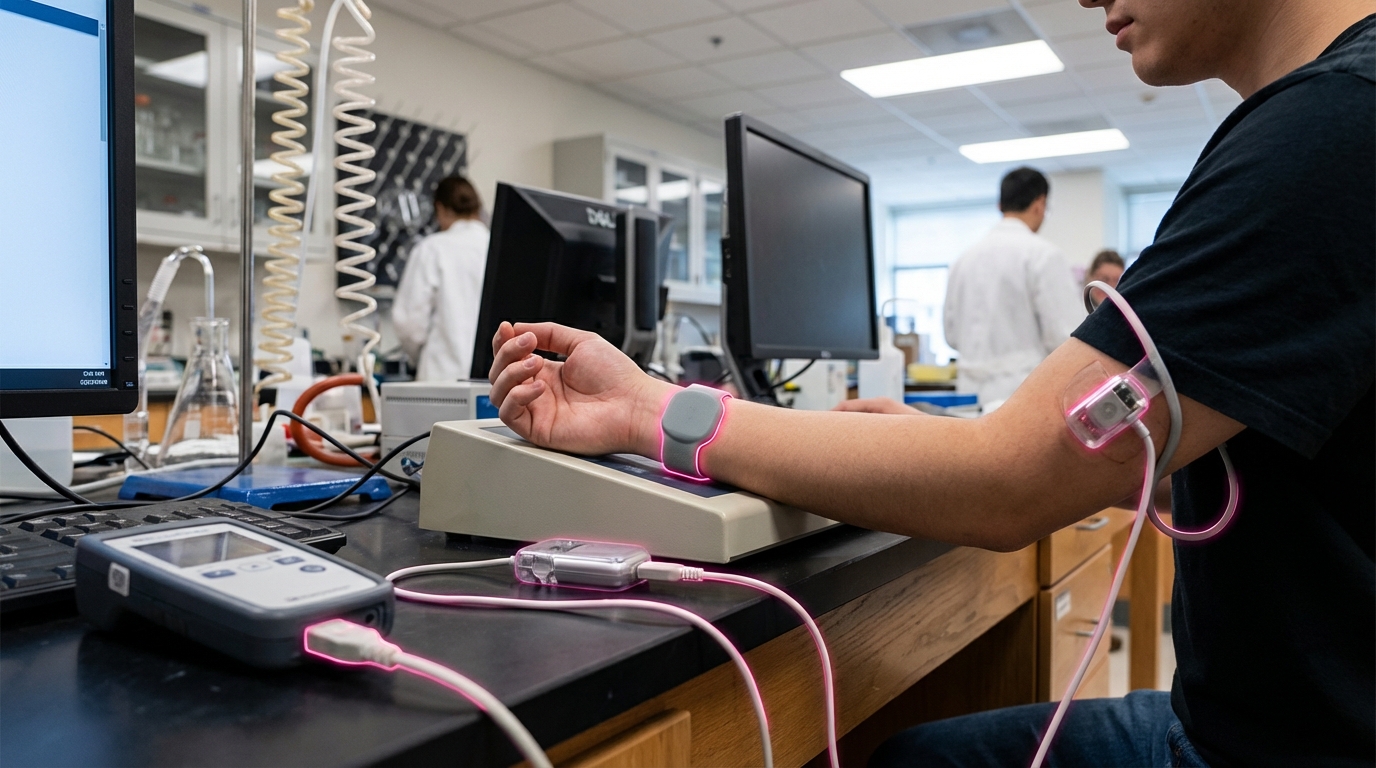
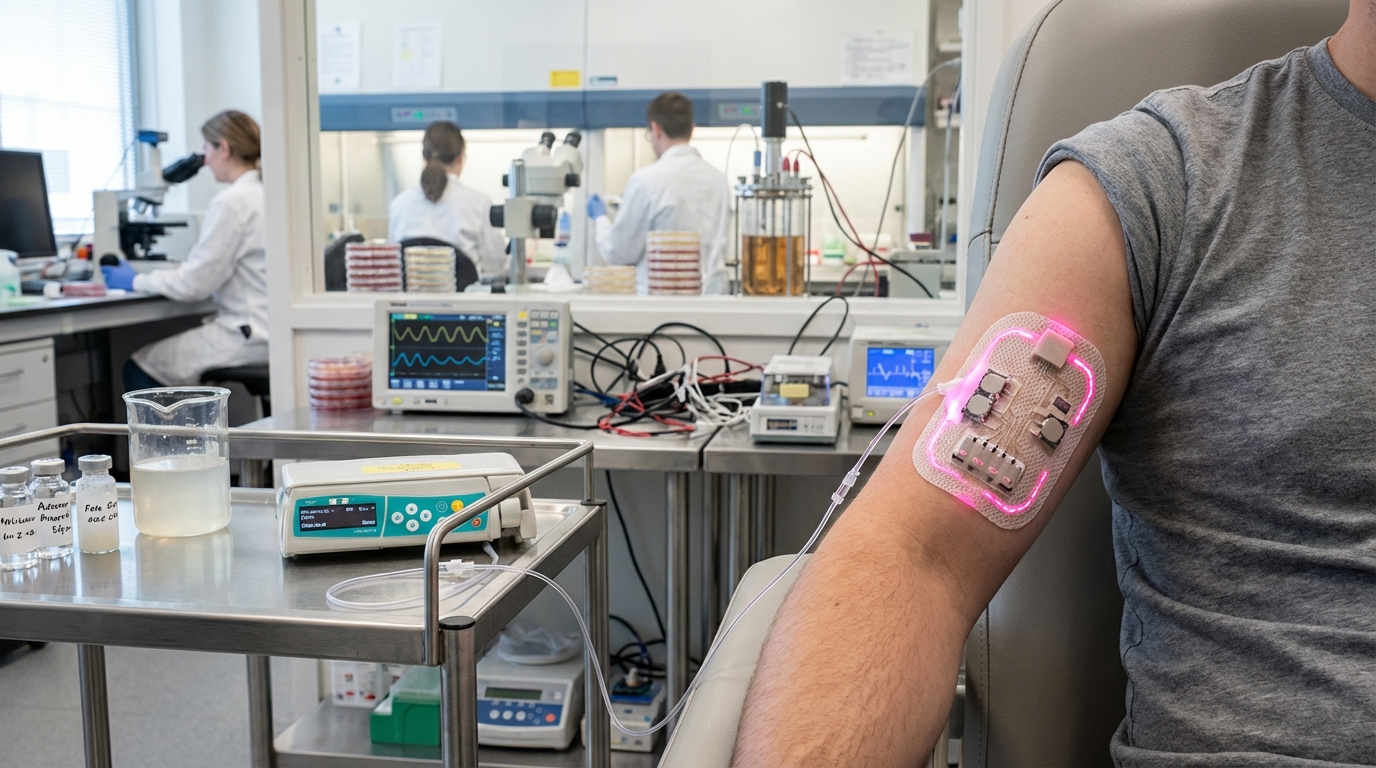
Continuous analyte sensors tracking glucose, lactate, and hydration.
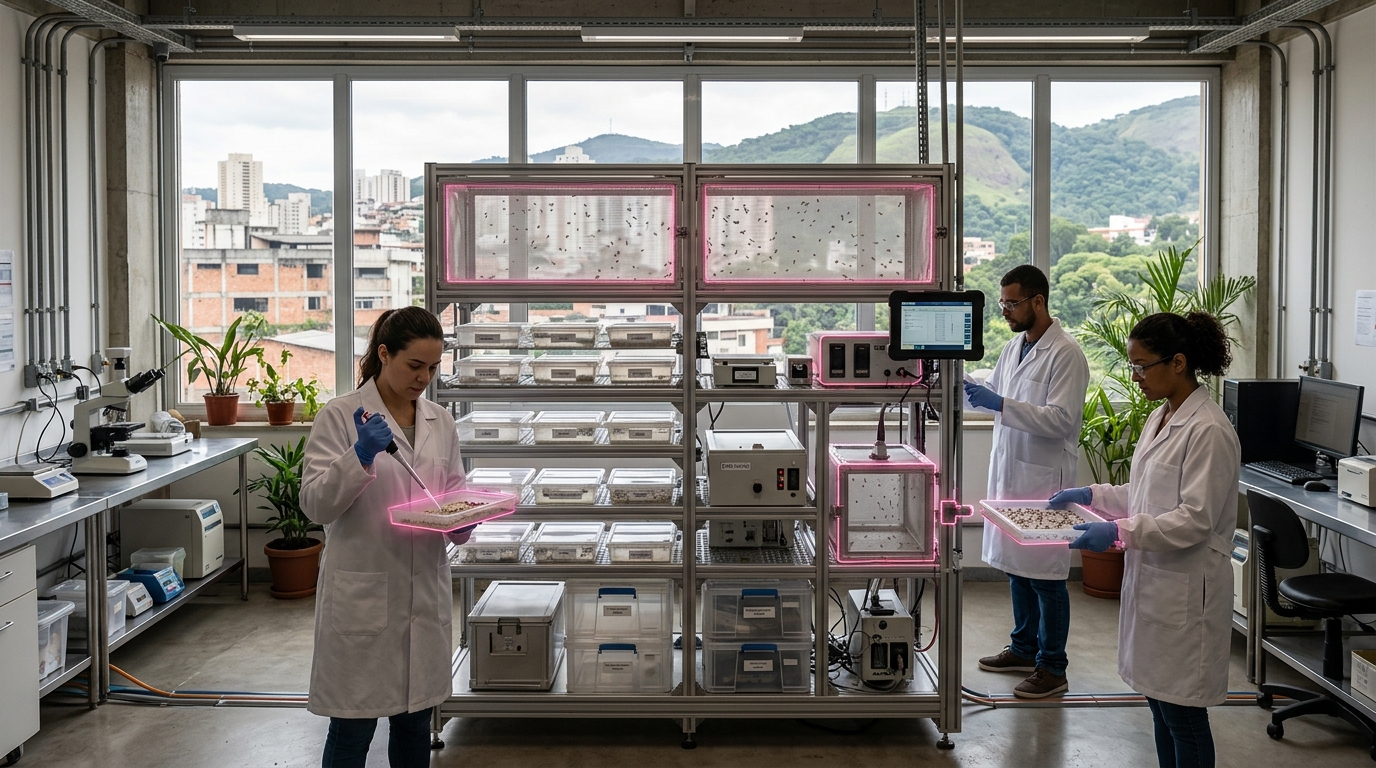
Oxitec broke ground in April 2025 on the world's largest Wolbachia mosquito production facility in Campinas — releasing bacteria-infected mosquitoes to suppress dengue transmission at urban scale.
Gene-edited pig organs from eGenesis and United Therapeutics have sustained human patients for months in clinical studies, with 10 genetic edits eliminating rejection markers — addressing the 100,000+ organ transplant waiting list.
Follow us for weekly foresight in your inbox.