Where technologies cluster around the world
Regions
77 technologies in Canada
NRC's Quantum and Nanotechnologies Research Centre develops graphene quantum dots, carbon nanotubes, and inorganic quantum dots for applications spanning bio-imaging, photovoltaics, high-performance electronics, and quantum computing.
Canada CIFAR AI Chairs are developing robust AI evaluation tools that are shaping the global standard for AI safety auditing and red-teaming.
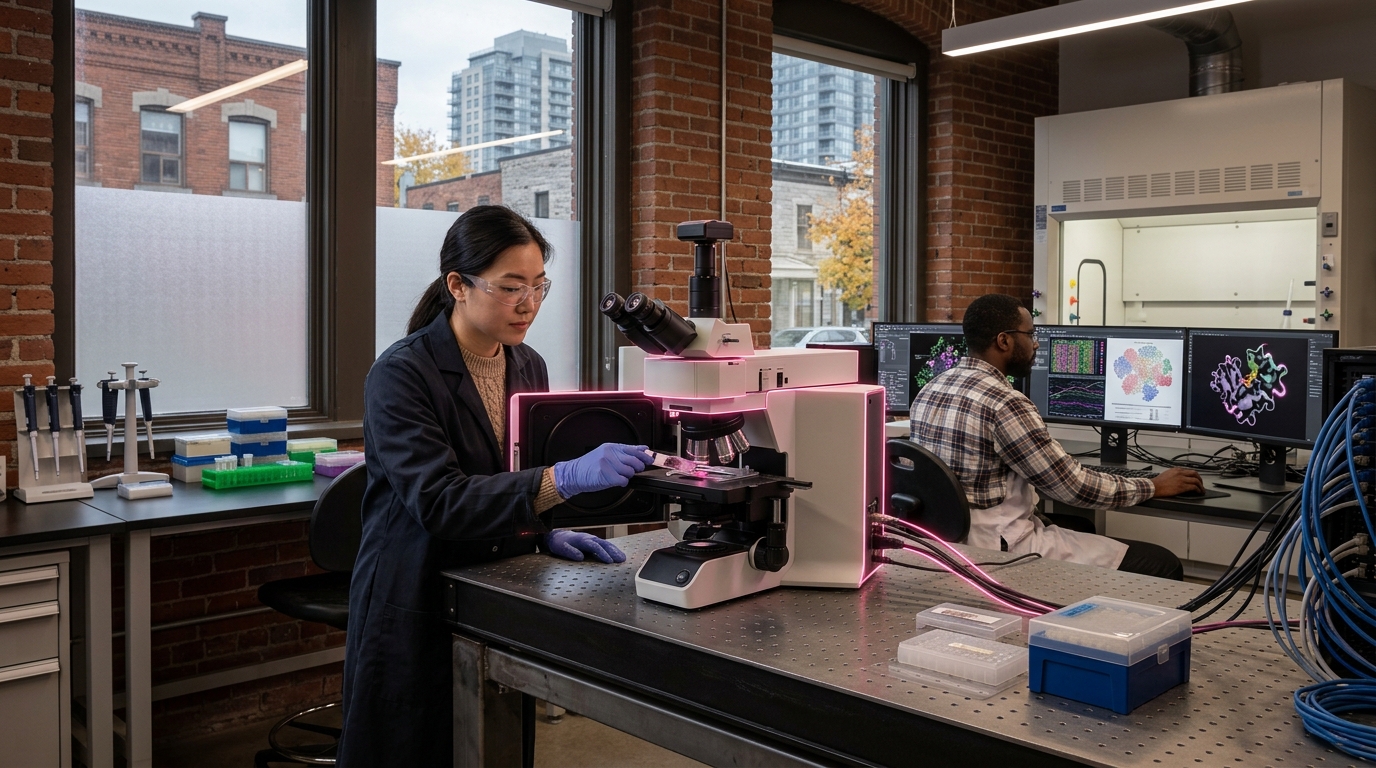
Canadian institutes are combining world-class AI research with biomedical data to build drug discovery platforms, including CIFAR-funded work on spatial genomics for brain tumors and molecular modeling.
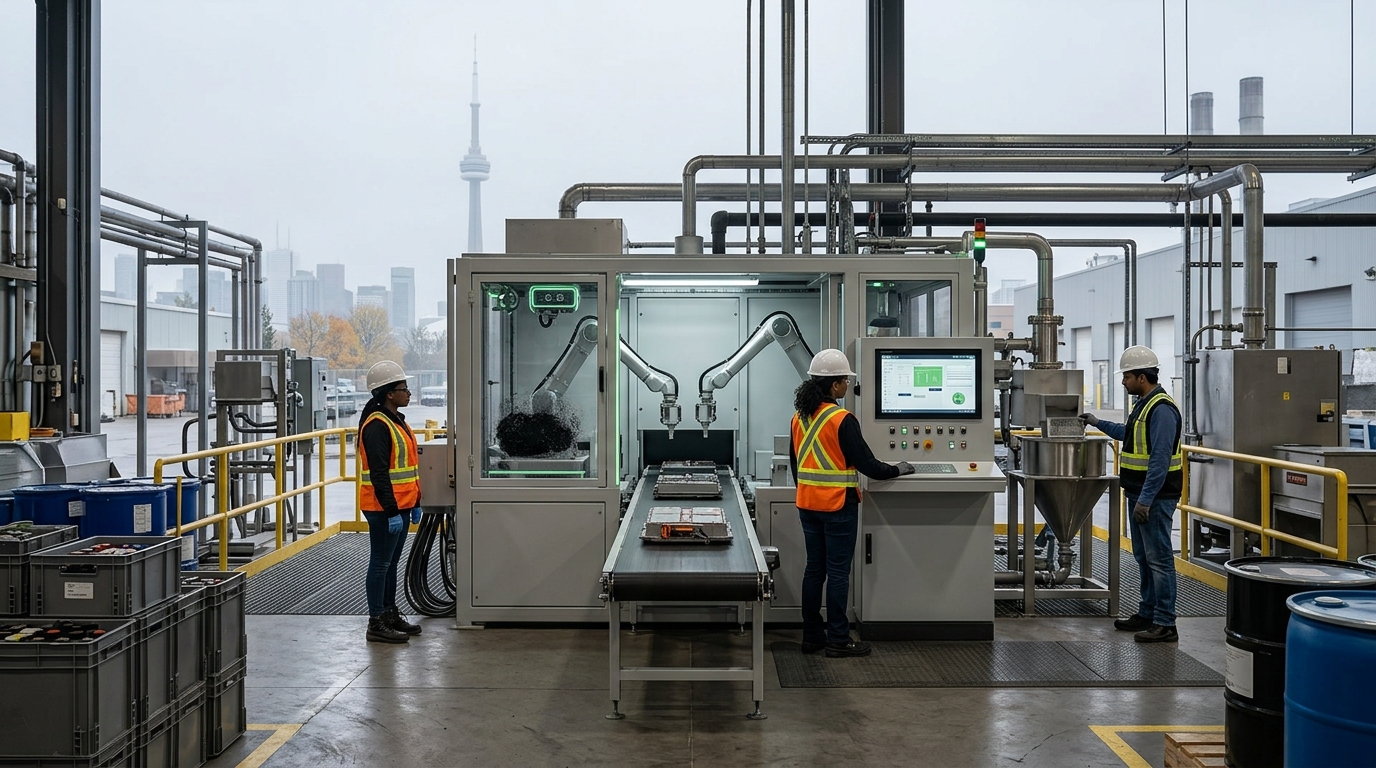
NRC's AI-PAP project combines artificial intelligence with advanced recycling techniques to recover valuable materials from end-of-life lithium-ion batteries, launched September 2025 as a 3-year initiative.
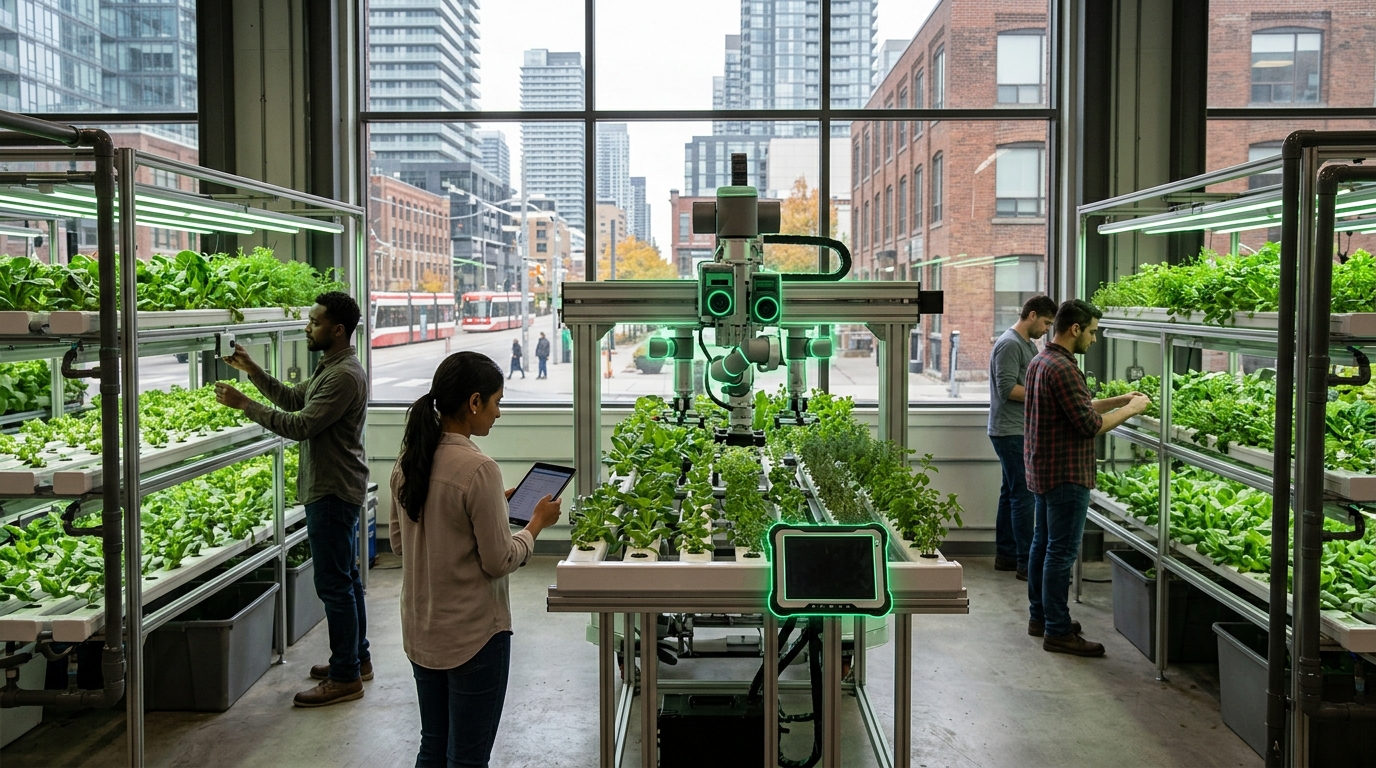
Canadian ag-tech companies are deploying AI, satellite imagery, and IoT sensors for precision farming across the country's vast agricultural lands, optimizing inputs and reducing environmental impact.
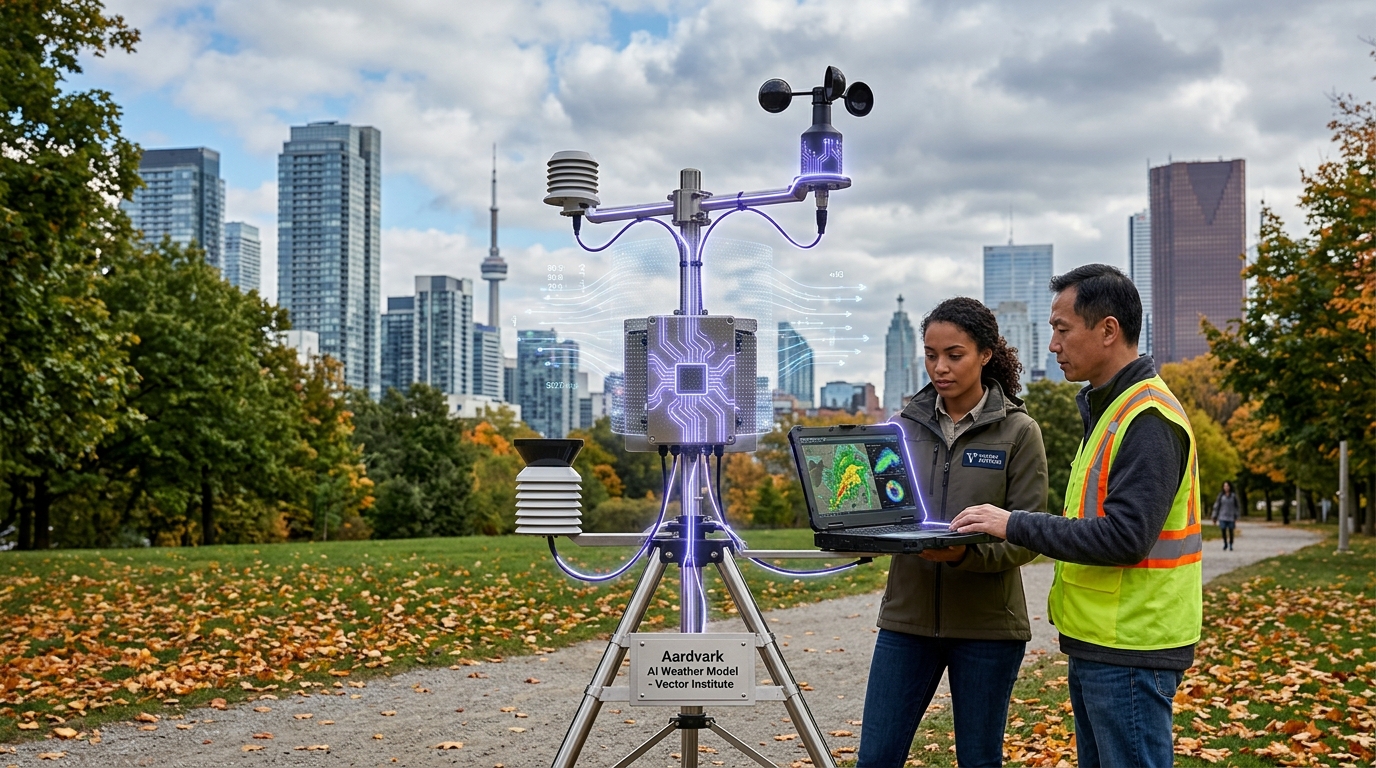
The Vector Institute's Aardvark Weather model delivers high-accuracy local forecasts using a fraction of the compute required by traditional numerical weather prediction.
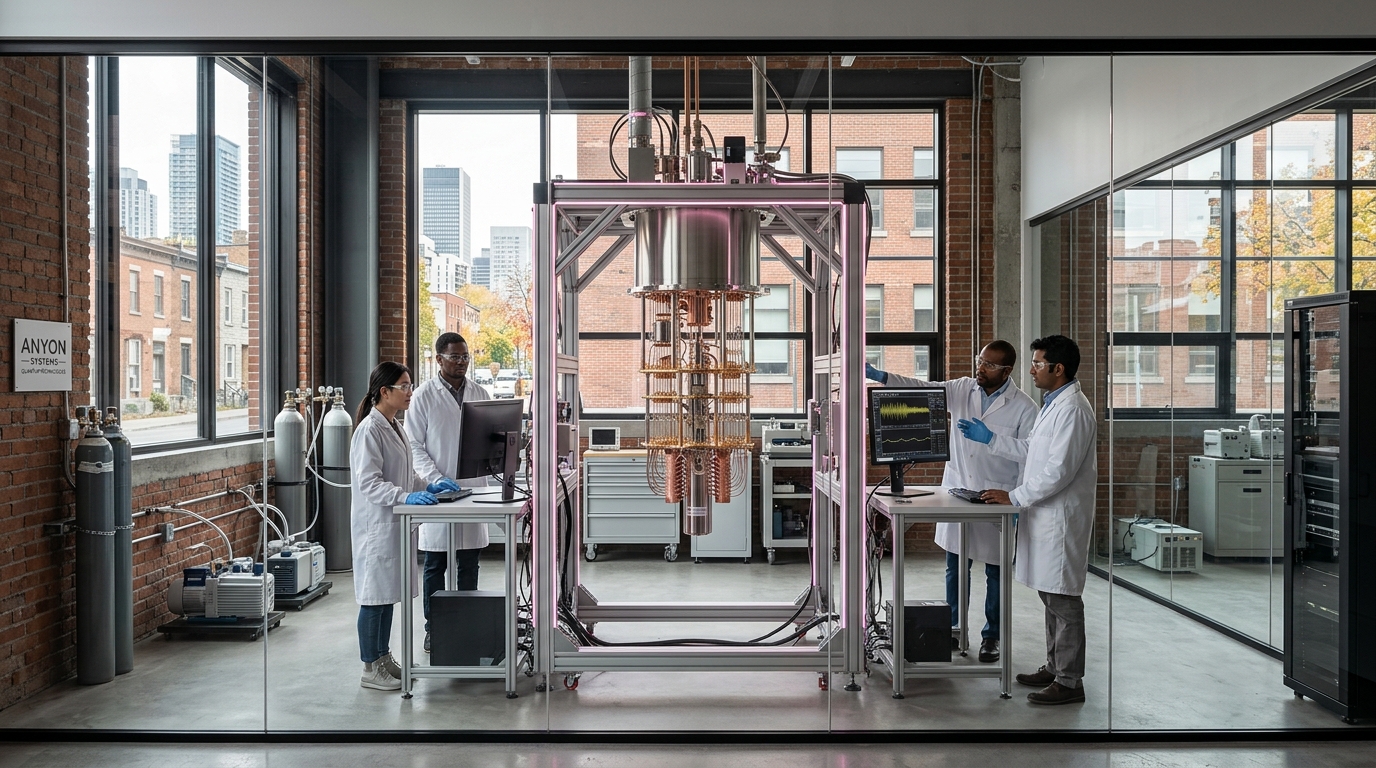
Montreal-based Anyon Systems builds superconducting quantum processors and is the fourth company in Canada's CA$92M federal quantum initiative, focusing on Canadian-made quantum hardware supply chains.
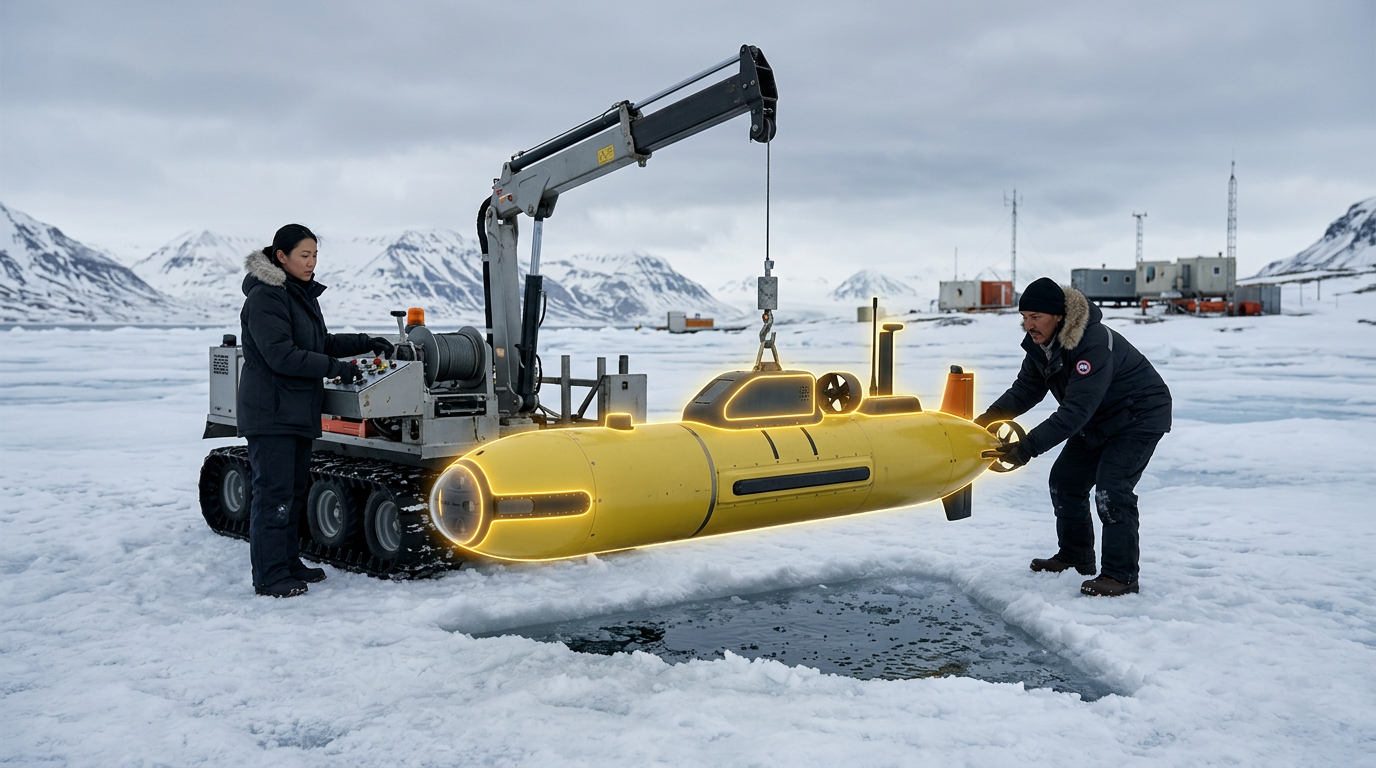
Canadian universities and defense contractors are developing AUVs capable of under-ice operations for Arctic surveillance, scientific research, and subsea infrastructure monitoring in extreme polar conditions.
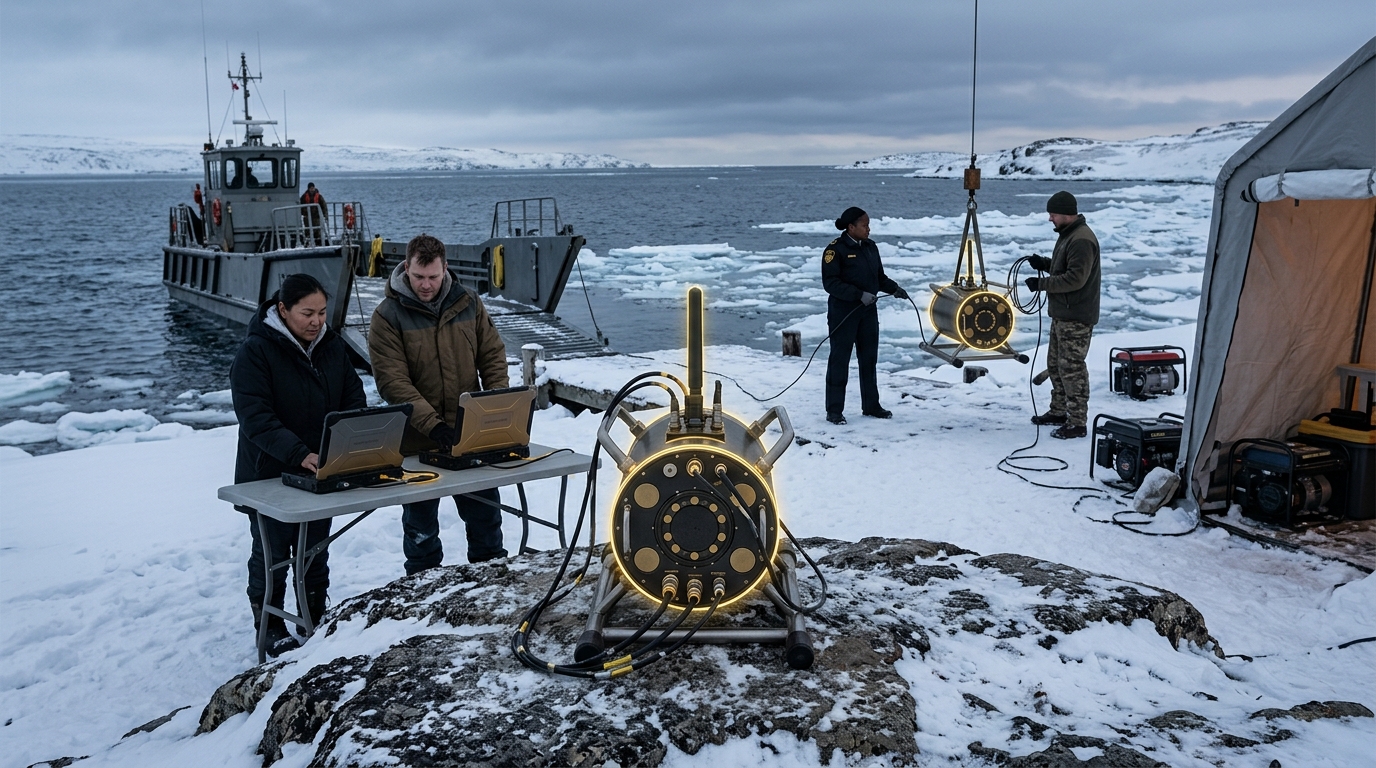
Seabed sensor networks and acoustic monitoring systems for the Northwest Passage and Arctic approaches, critical for asserting sovereignty over newly navigable waters.
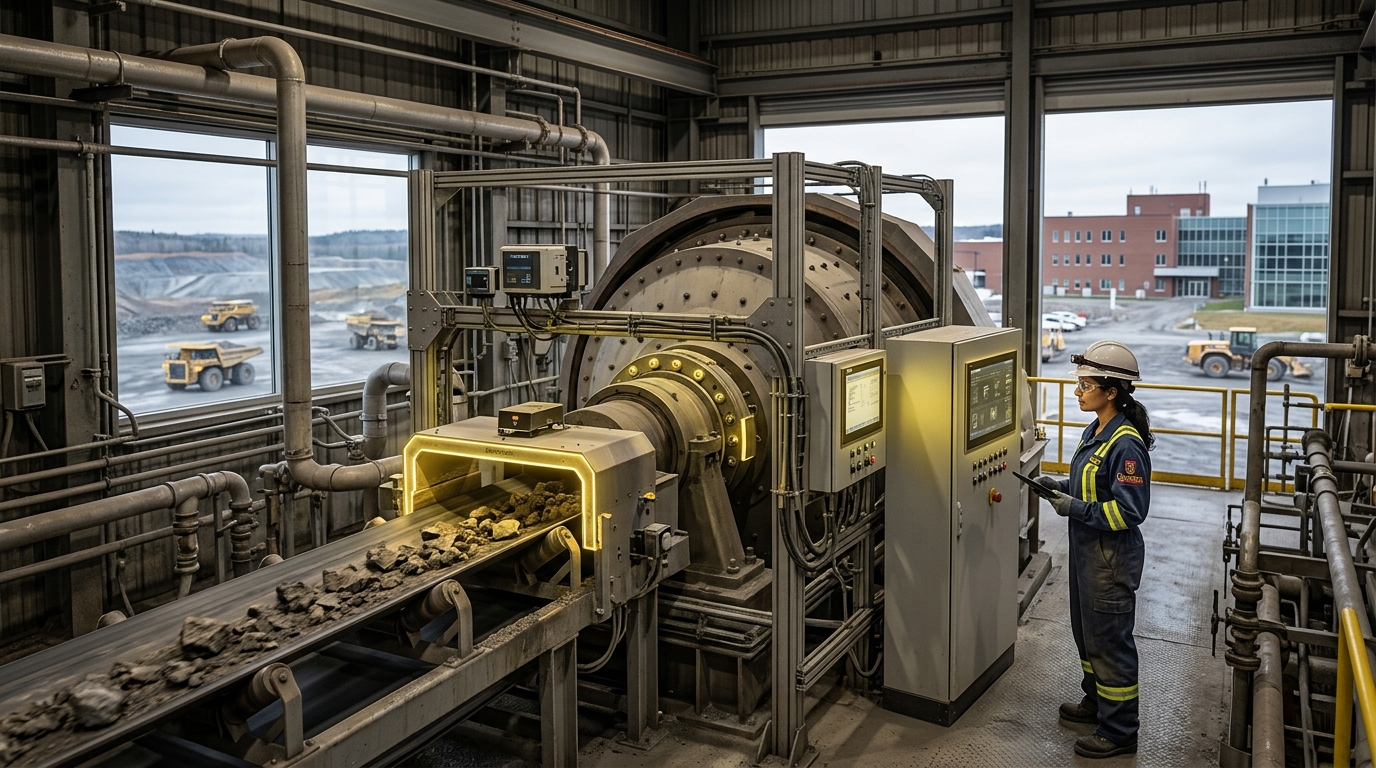
Canadian mines are rapidly deploying autonomous haul trucks, drilling systems, and semi-autonomous equipment, with Queen's University and industry partners developing AI-driven processing optimization.

Canada's harsh winter conditions and regulatory framework have made it a global hub for autonomous vehicle cold-weather testing, with dedicated facilities in Ontario and strategic partnerships with OEMs.
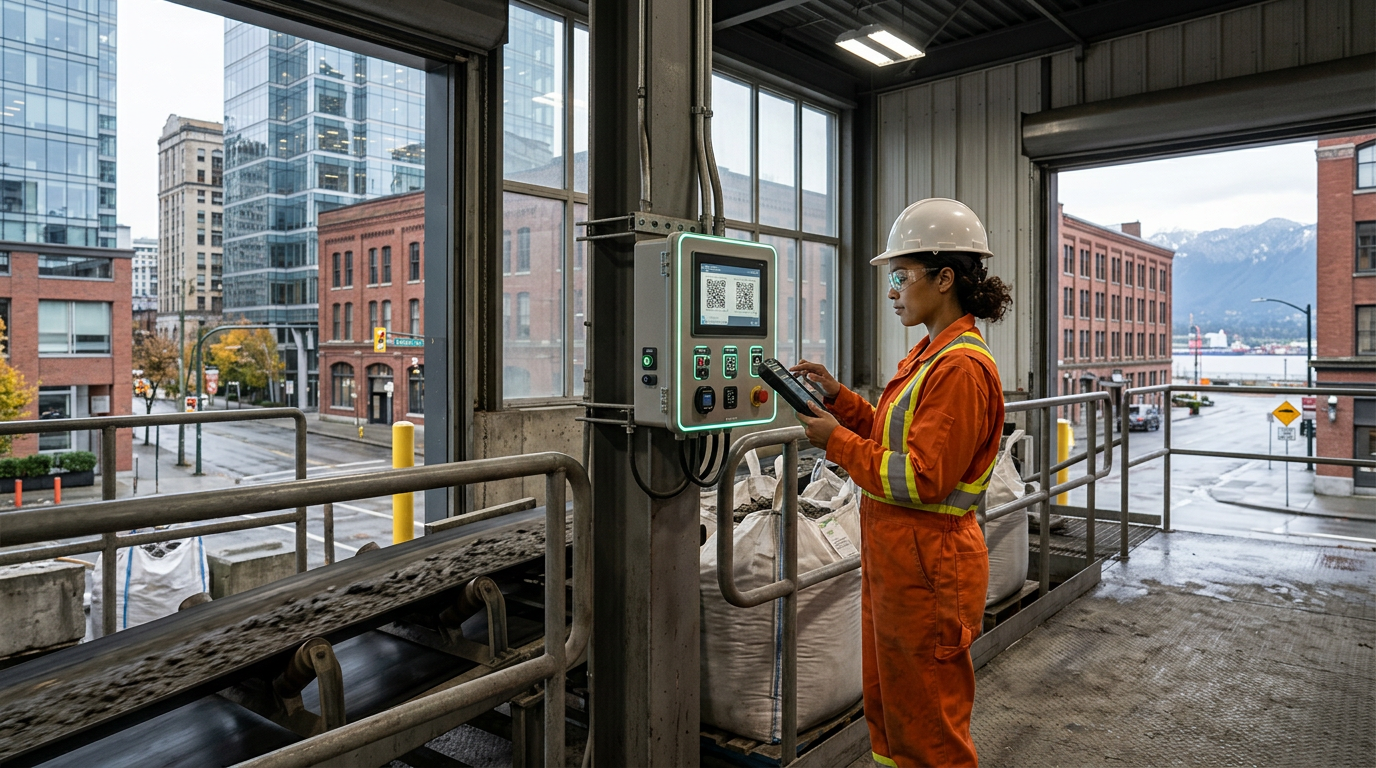
Canadian mining companies are deploying blockchain systems to track the origin and ethical provenance of metals from mine to manufacturer, meeting growing ESG and regulatory requirements.
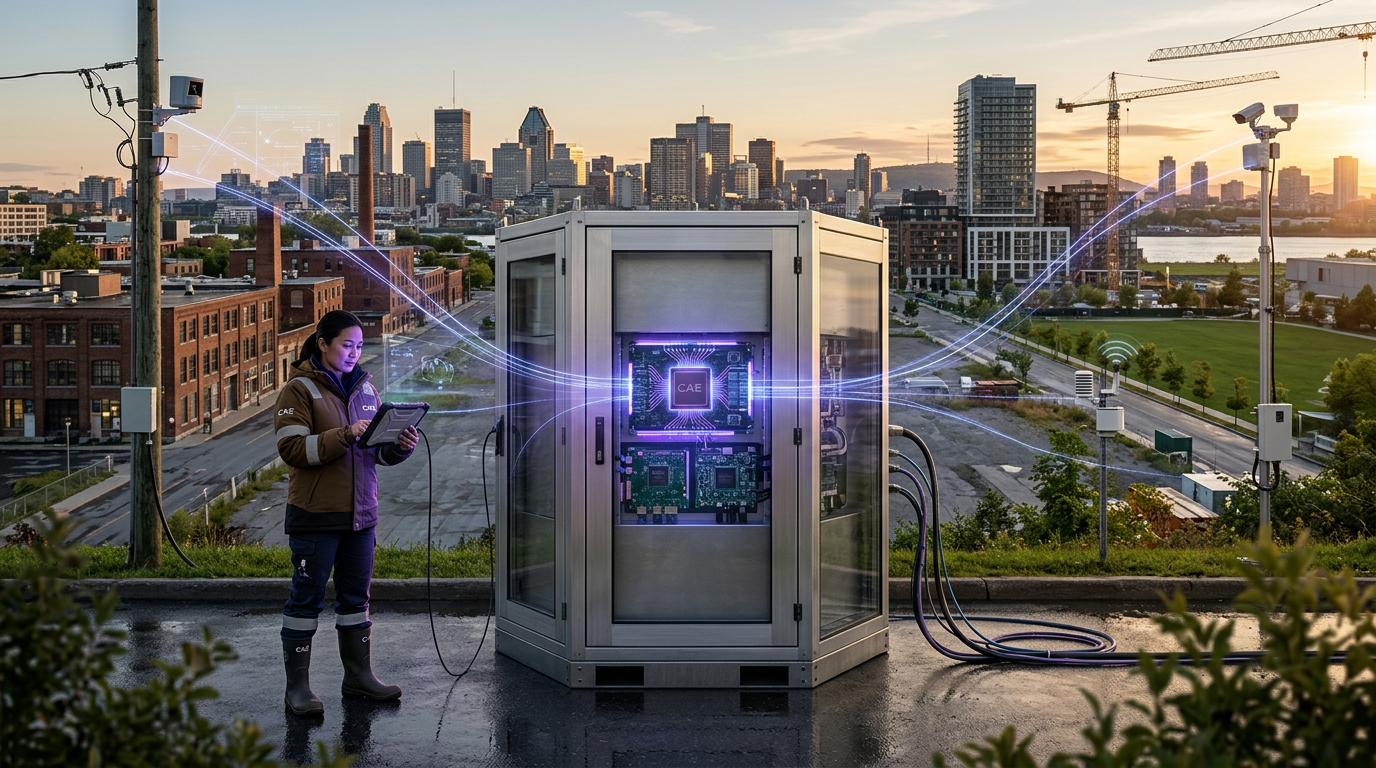
Montreal-based CAE is the world's leading provider of flight simulation and training technology, expanding into healthcare simulation and defense digital twins with operations in 40+ countries.
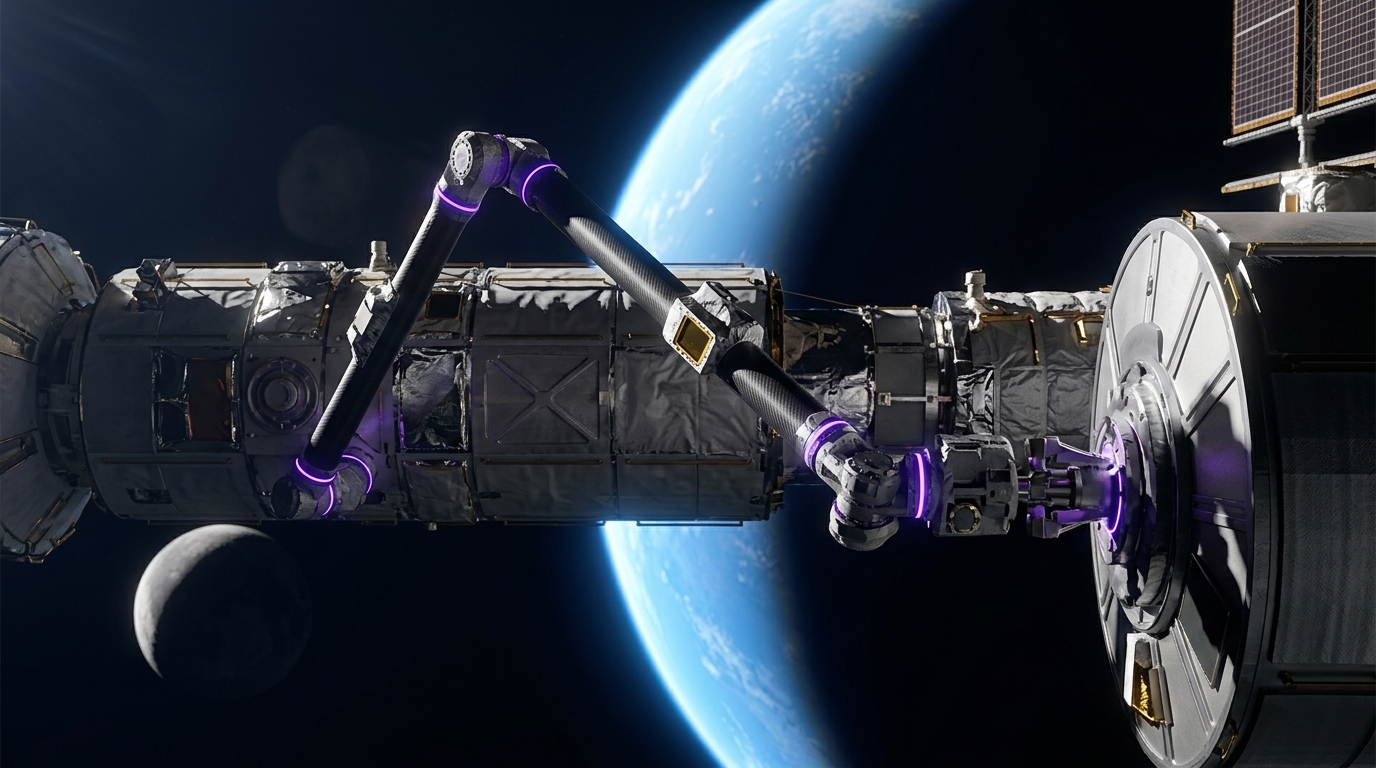
MDA Space is building Canadarm3 for NASA's Lunar Gateway station with CA$172M+ in new 2025-26 investment — an AI-enabled robotic system capable of autonomous operations around the Moon.
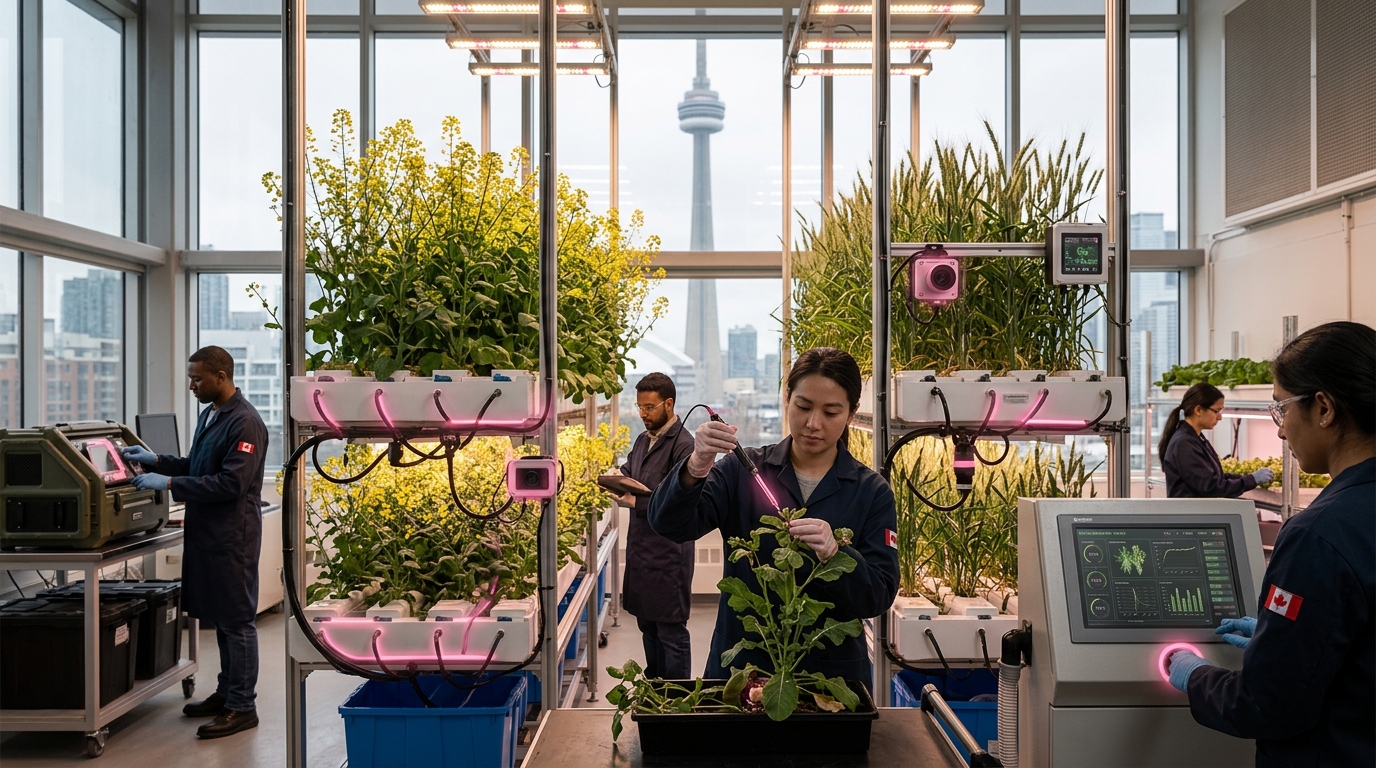
Genome Canada's new R&D wave tackles national challenges across health, agriculture, and environment with large-scale genomics projects addressing antimicrobial resistance, crop resilience, and precision medicine.
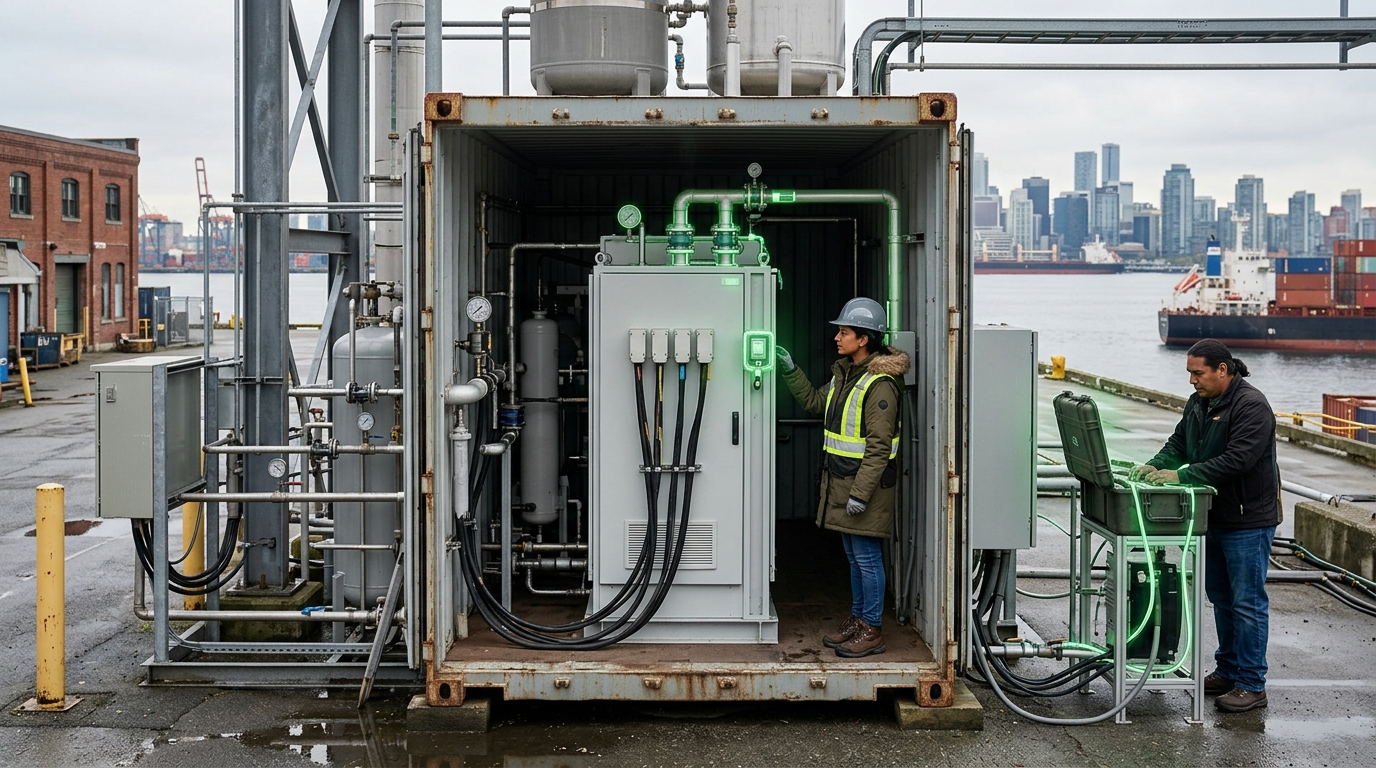
Canada's Hydrogen Strategy targets 30% of delivered energy from hydrogen by 2050, leveraging the country's abundant natural gas, hydroelectric, and nuclear resources for blue and green hydrogen production.
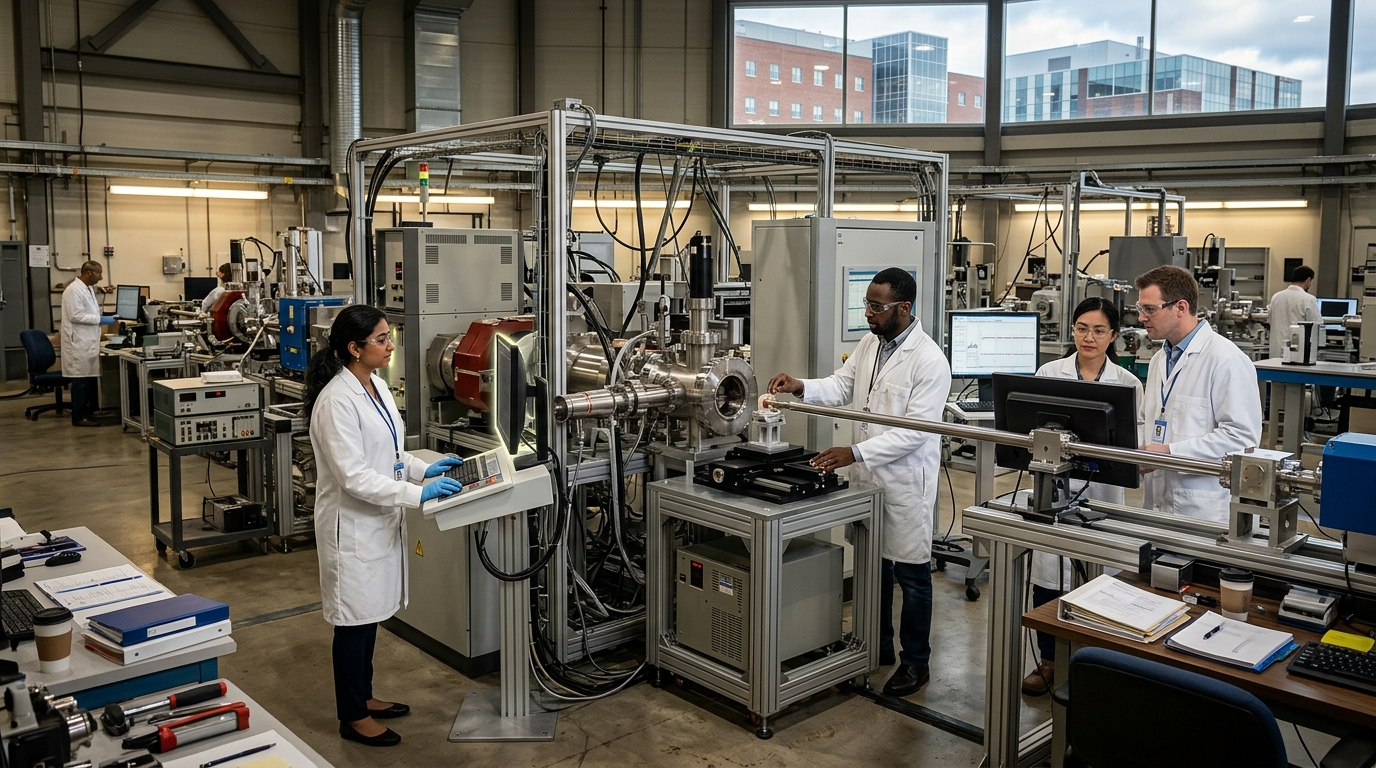
Canada's national synchrotron facility in Saskatoon provides ultra-bright X-ray light for research spanning drug design, mineral characterization, environmental science, and advanced materials.
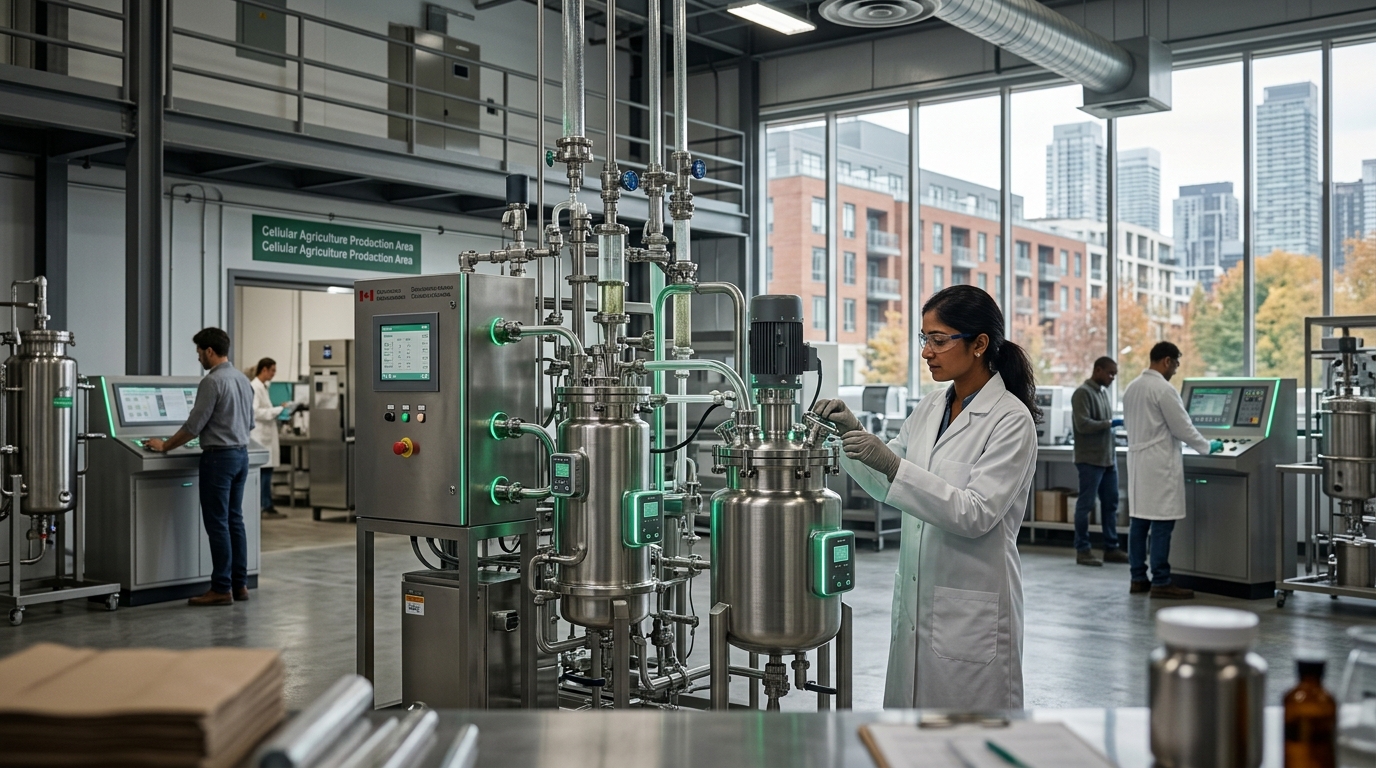
Canada's cellular agriculture sector, centered in Ottawa and Ontario, is developing cultivated meat, precision fermentation dairy, and cell-based materials with growing government and academic support.
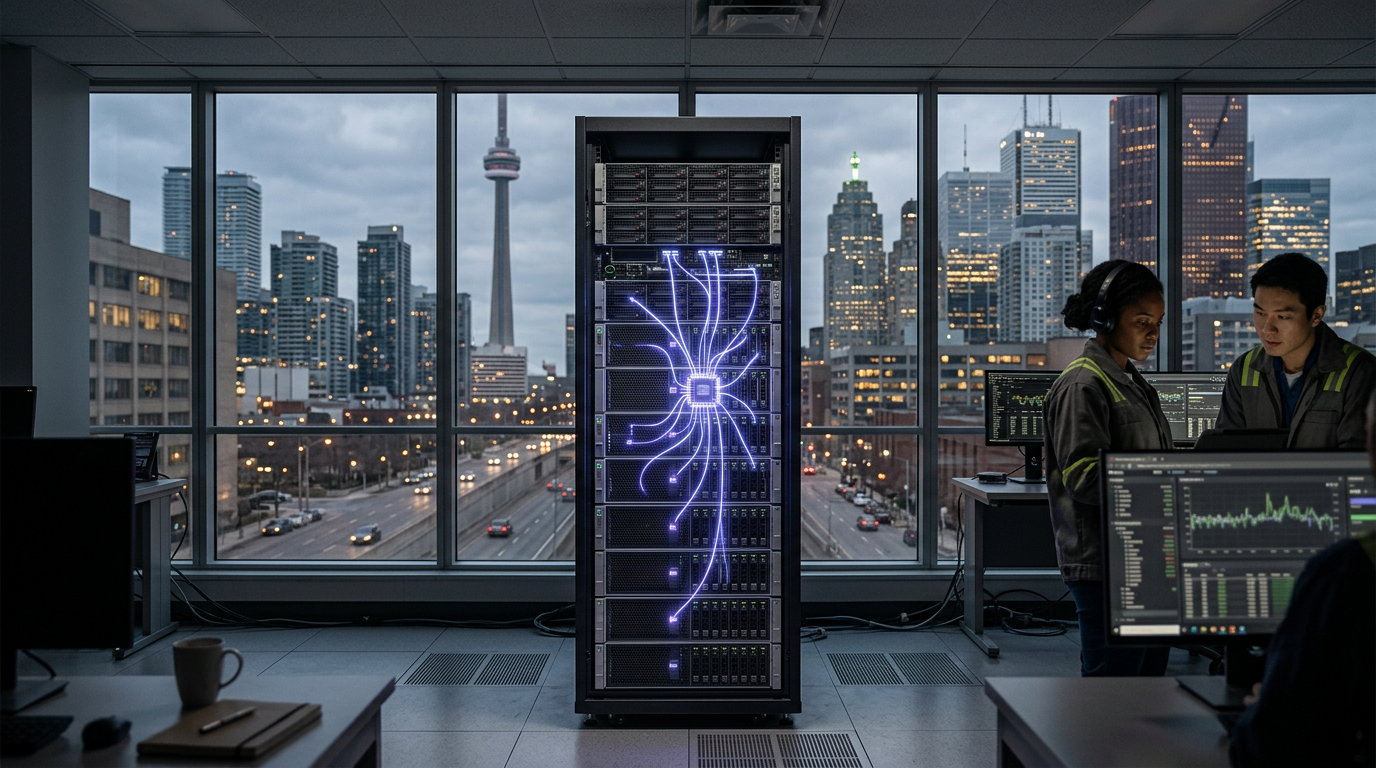
Canada's flagship LLM company Cohere, founded by Transformer co-inventor Aidan Gomez, has emerged as the leading enterprise-focused AI model provider outside the US and China.
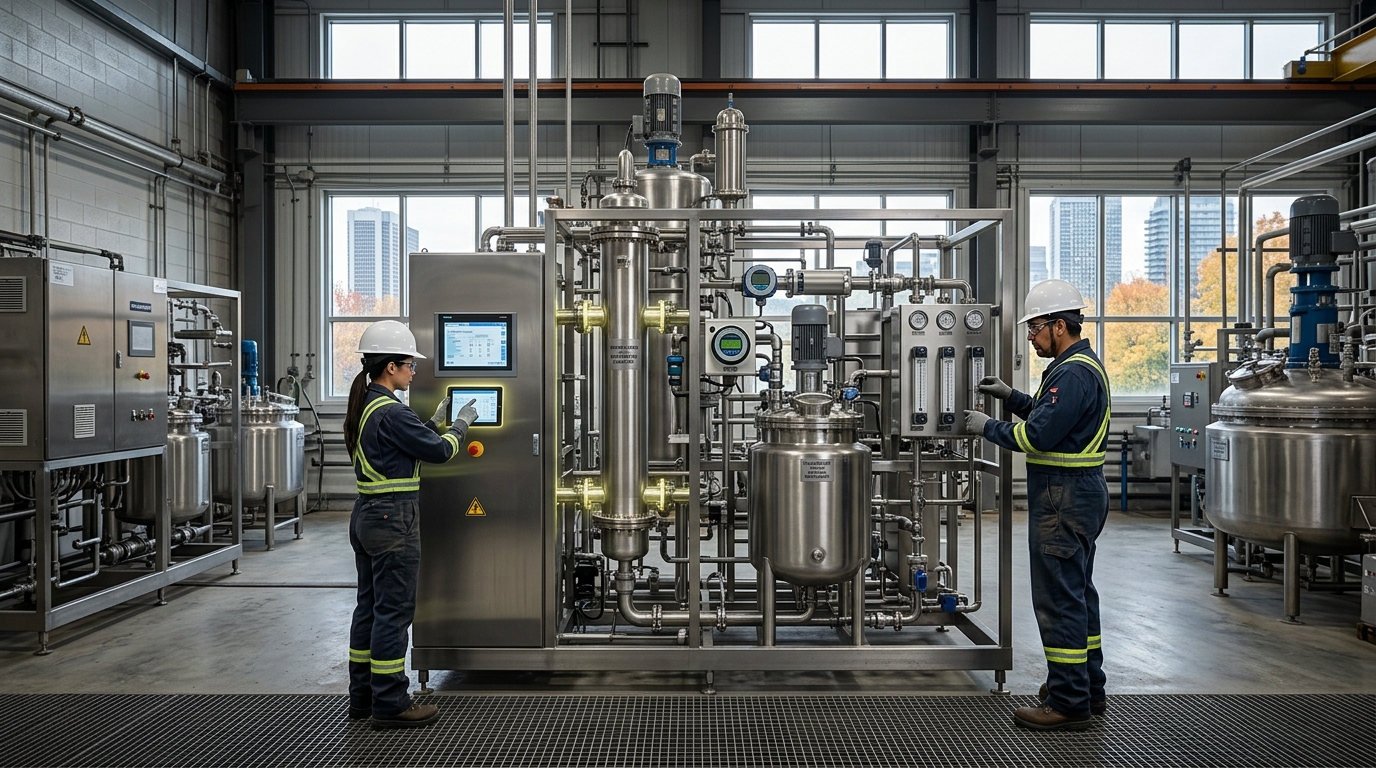
Canada's Critical Minerals Strategy positions the country as the democratic world's primary alternative to Chinese mineral supply chains, with 31 minerals designated as critical including lithium, cobalt, nickel, and rare earths.
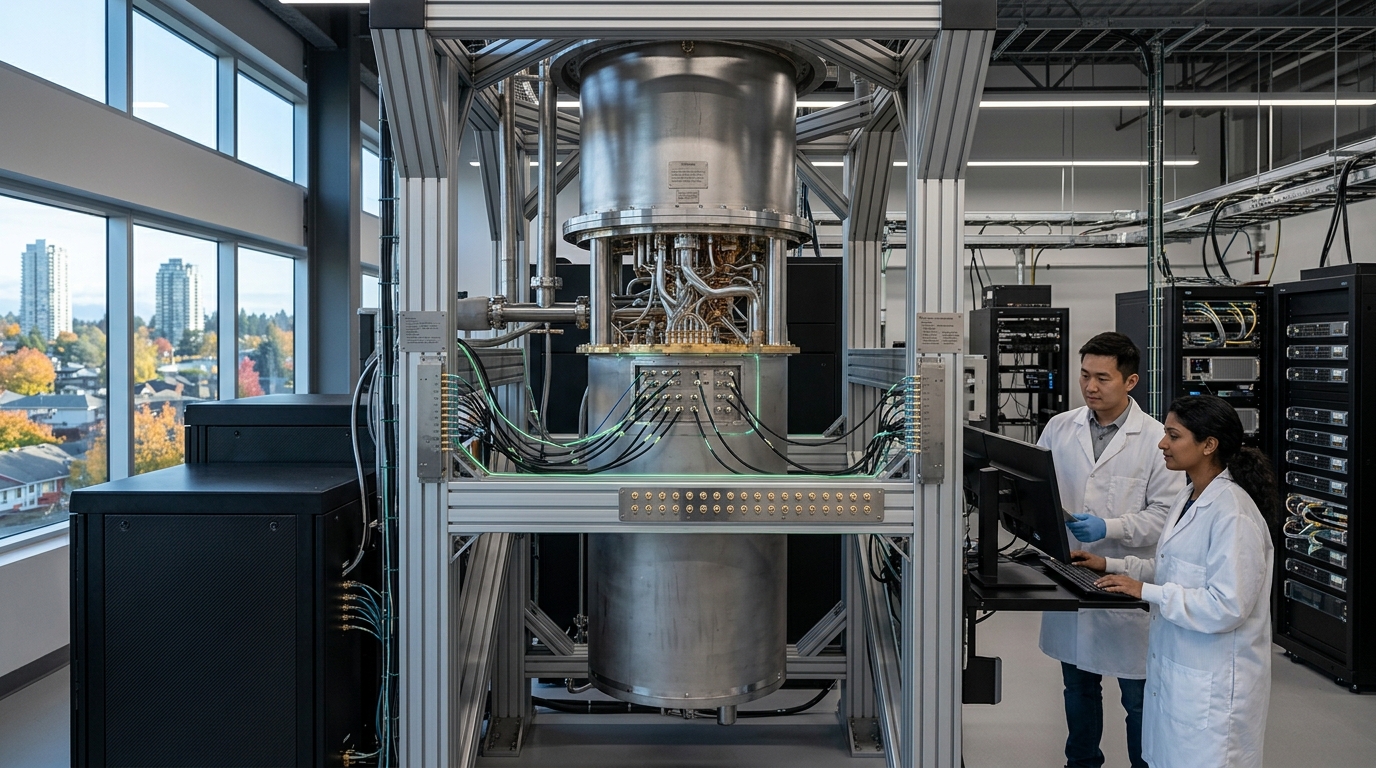
Burnaby-based D-Wave operates the world's only commercially available quantum annealing systems with 5,000+ qubits, targeting optimization problems in logistics, finance, and materials science.
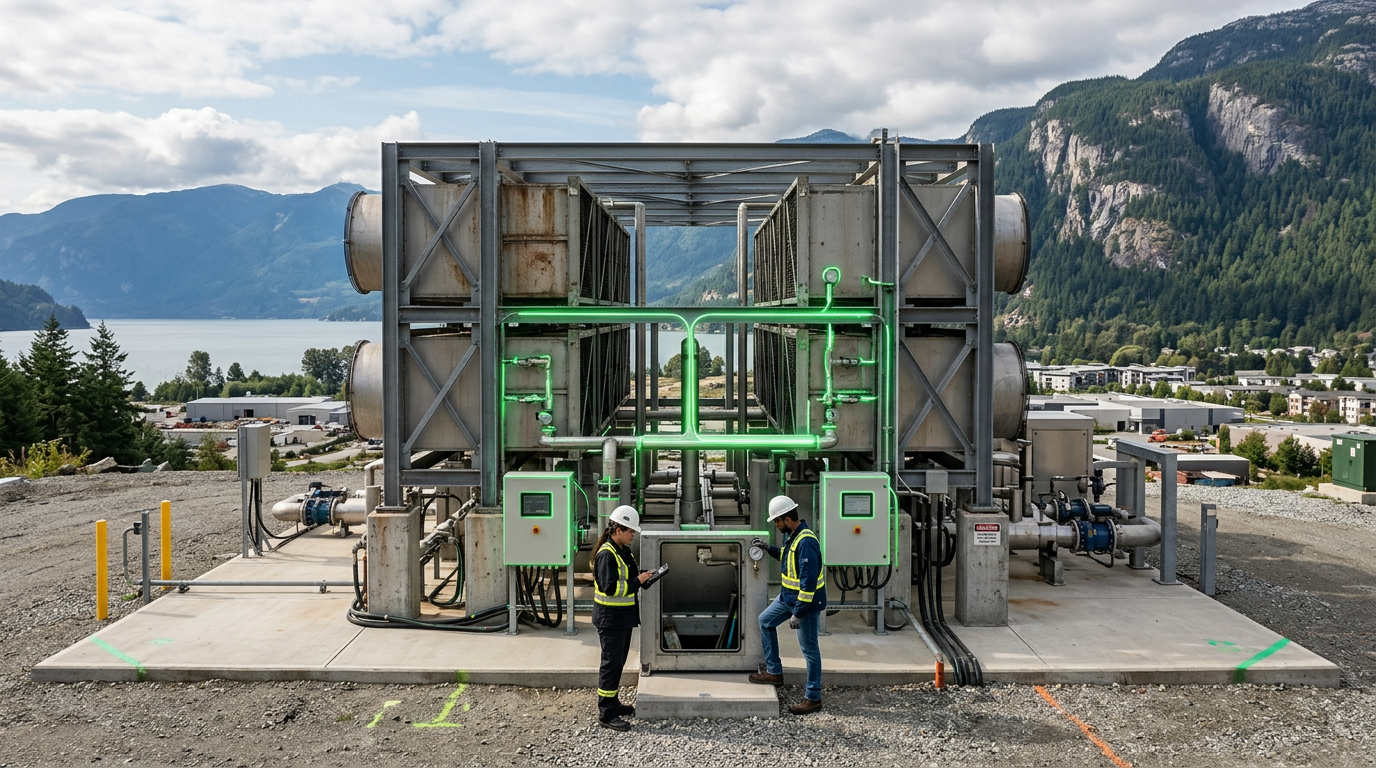
Canada leads globally in DAC technology, with Svante developing advanced sorbent materials for atmospheric CO₂ concentrations and Carbon Engineering's commercial-scale facility operating in Squamish, BC.
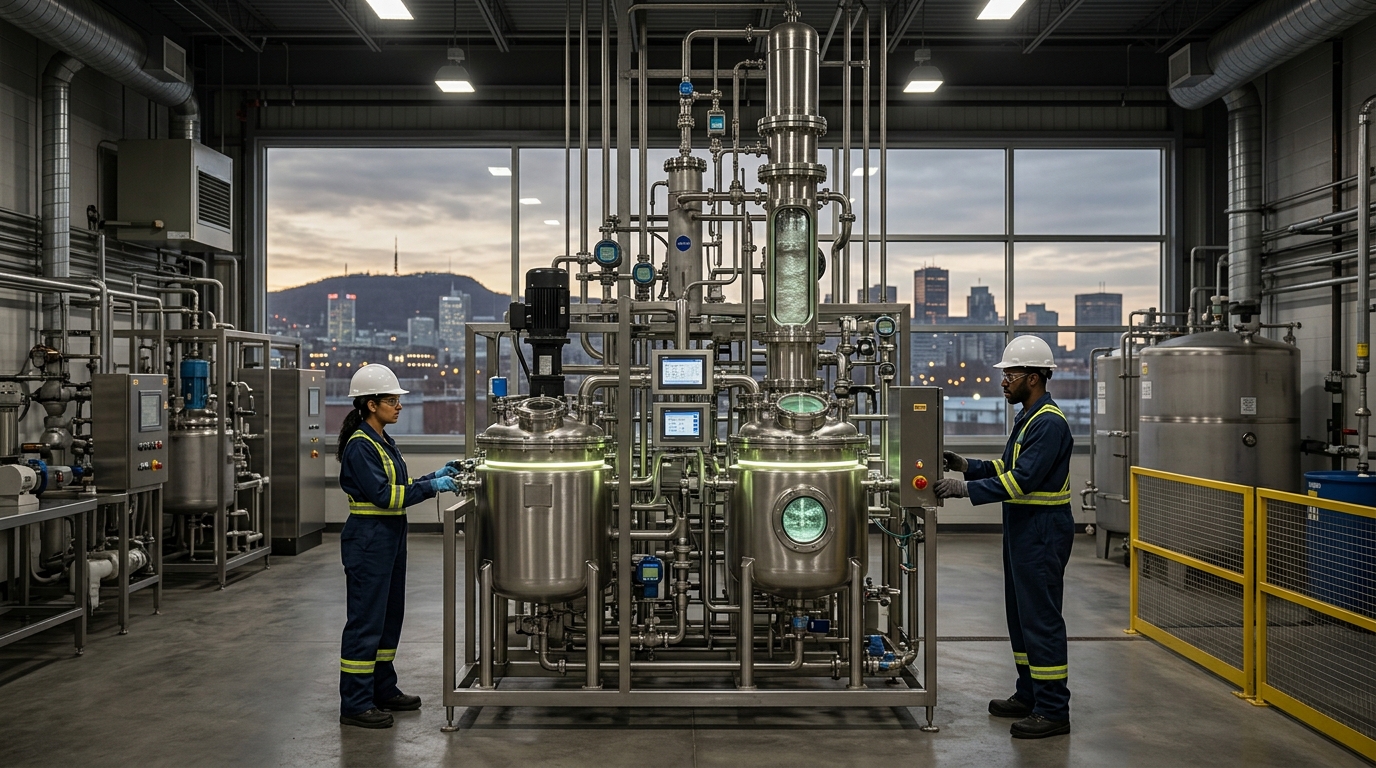
Canada is building a domestic lithium hydroxide supply chain projected to contribute up to 20% of global EV battery-grade lithium by 2025-2026, reducing North American dependence on overseas processing.
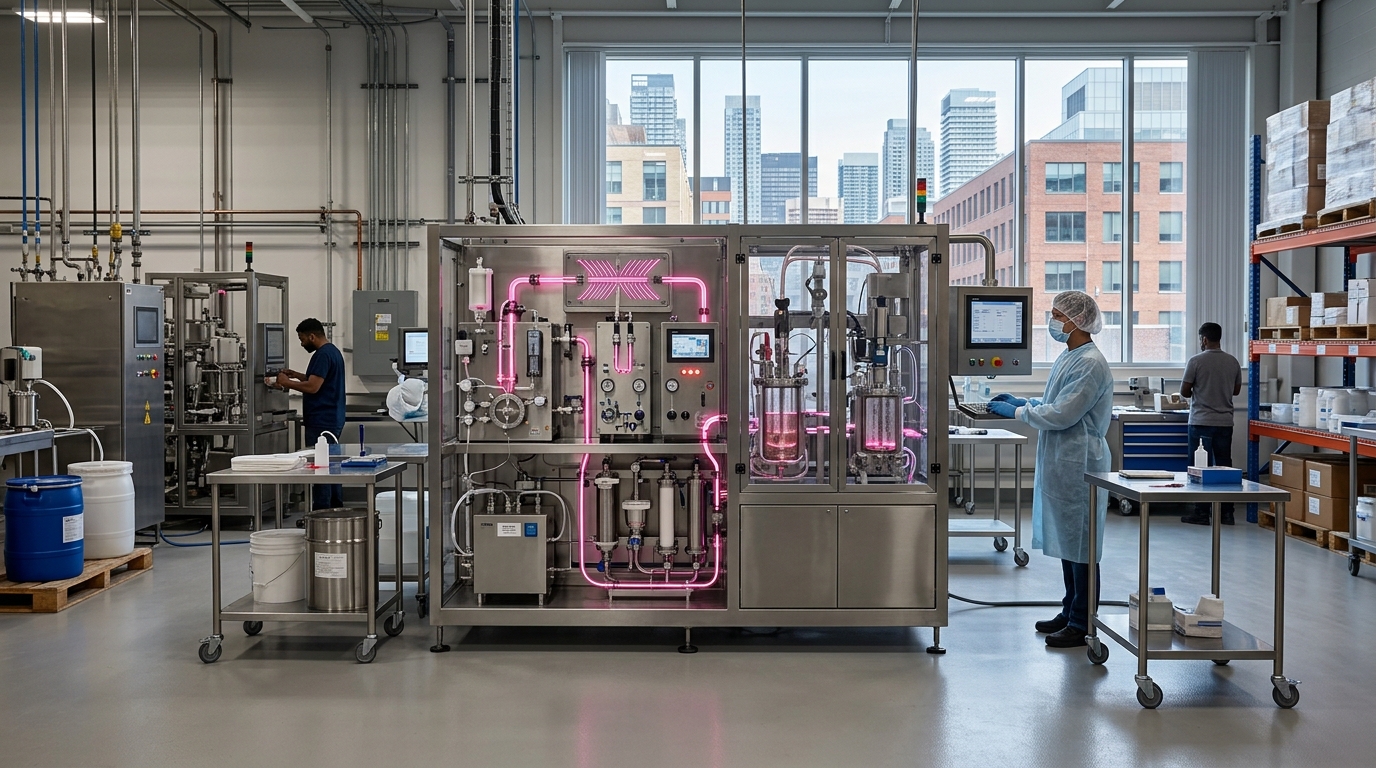
Canada has invested heavily in building domestic mRNA vaccine manufacturing capacity post-pandemic, with Moderna's Montreal facility and Resilience's Ontario operations ensuring pandemic preparedness.
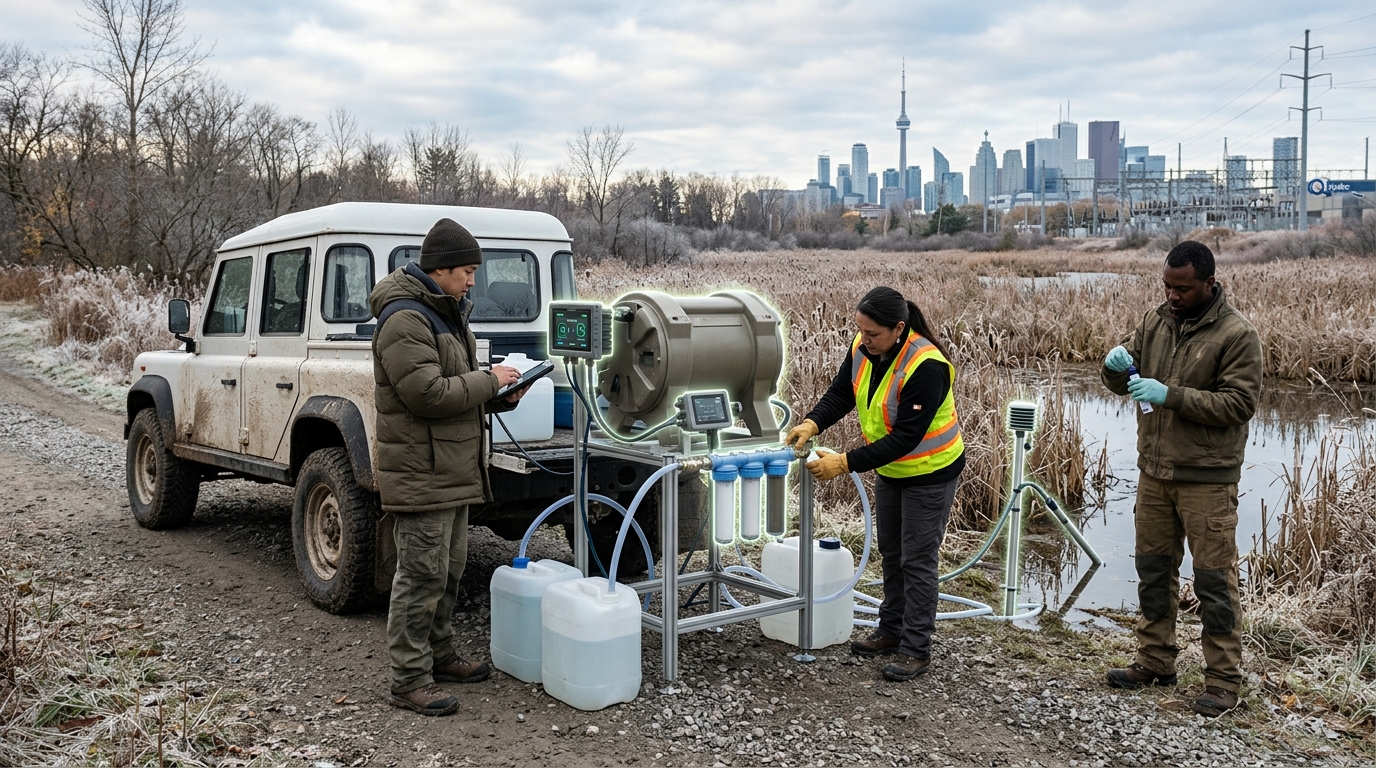
Canadian researchers are pioneering environmental DNA techniques that detect species presence from water and soil samples, enabling rapid biodiversity assessment across Canada's vast wilderness and Arctic ecosystems.
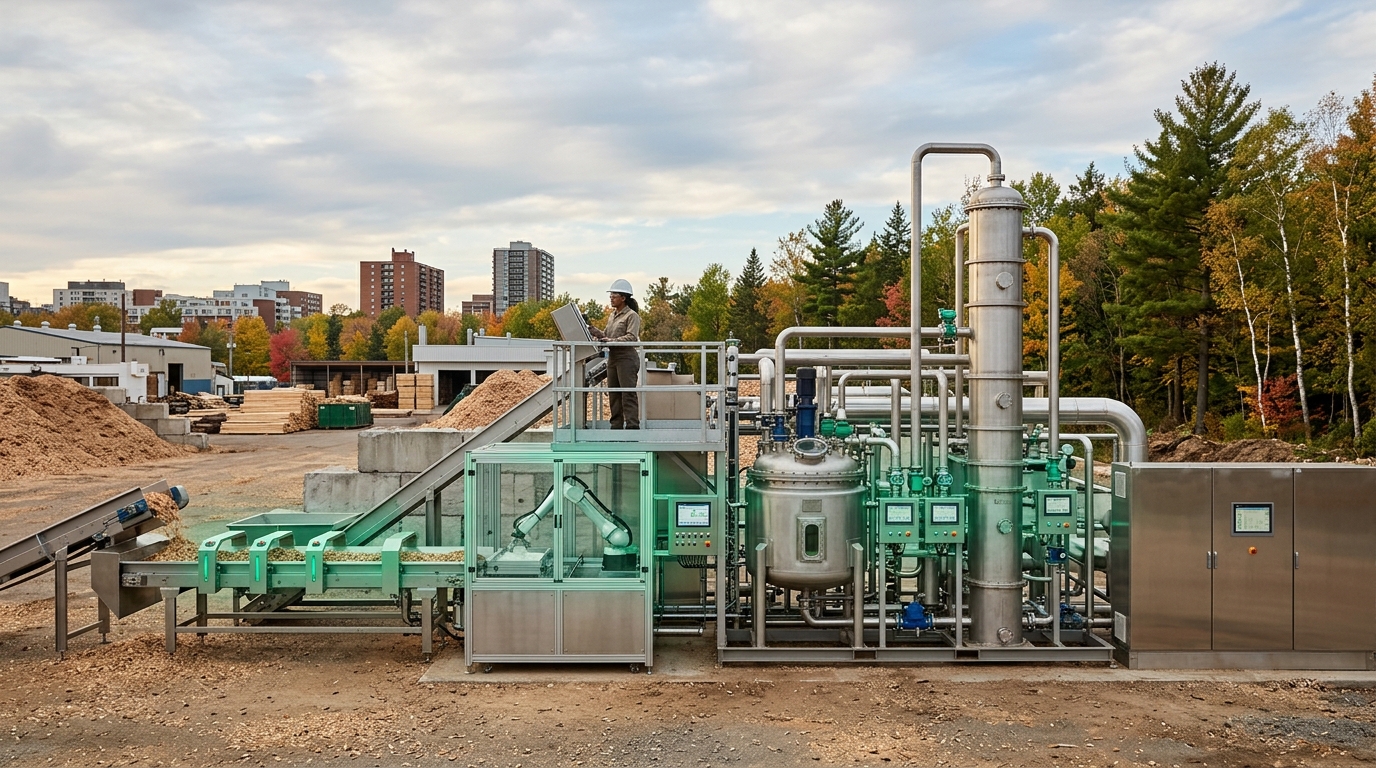
Canada's 347 million hectares of forest support an emerging bioeconomy converting wood residues into bioplastics, nanocellulose, biochemicals, and advanced biofuels through FPInnovations and NRCan-backed research.
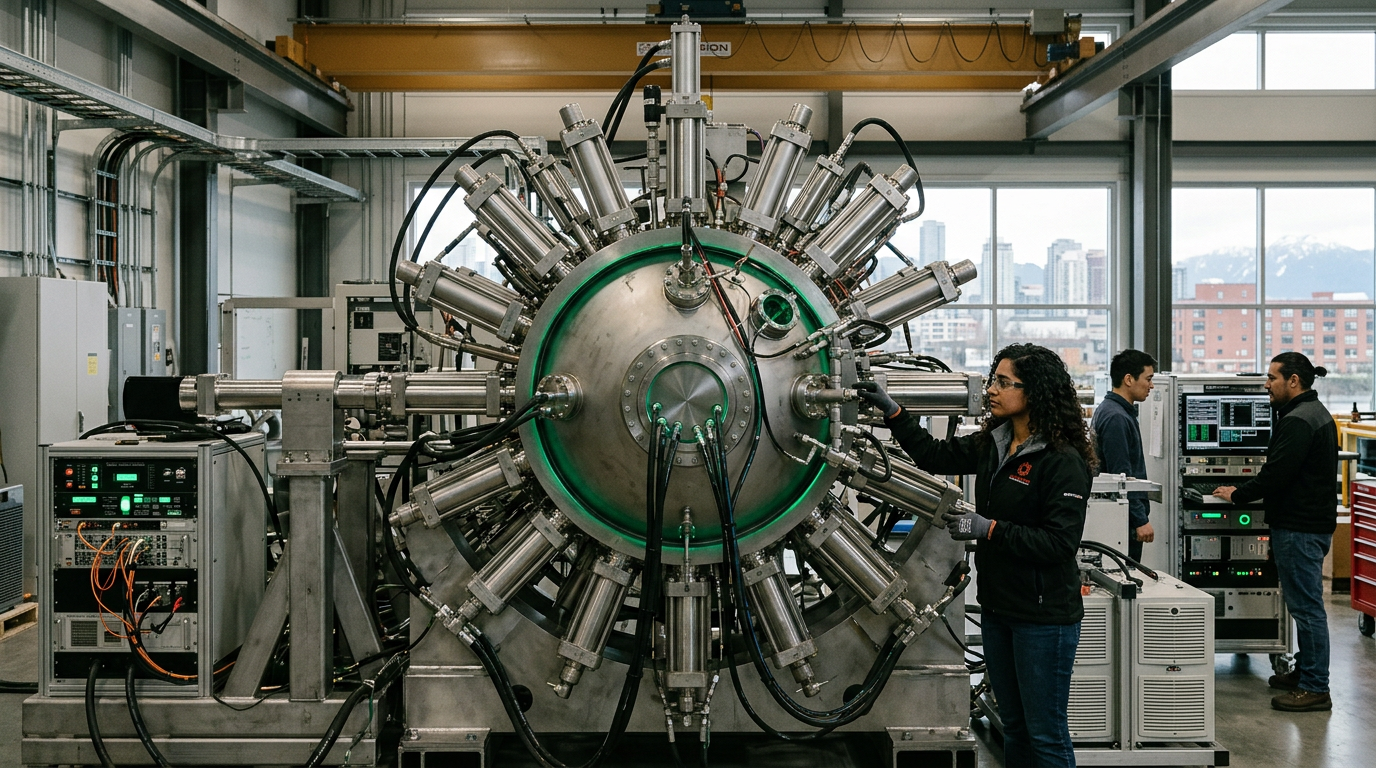
Richmond-based General Fusion achieved first plasma in its LM26 demonstration machine in March 2025 and targets scientific breakeven by 2026, pursuing a unique magnetized target approach to commercial fusion power.
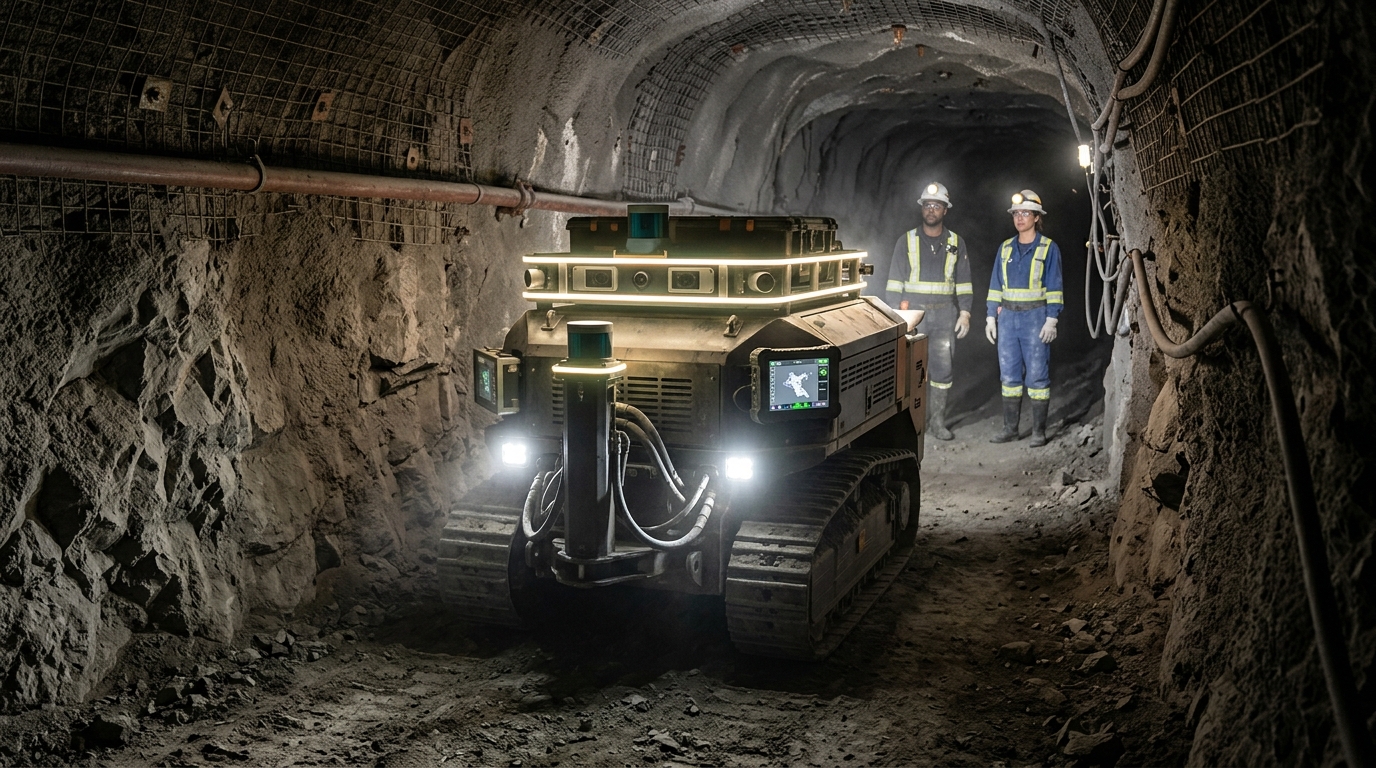
Canadian companies have developed autonomous drilling, haulage, and collision avoidance systems that operate in GPS-denied underground environments using LiDAR-SLAM navigation and AI perception — validated at depths exceeding 3 km in active mines.
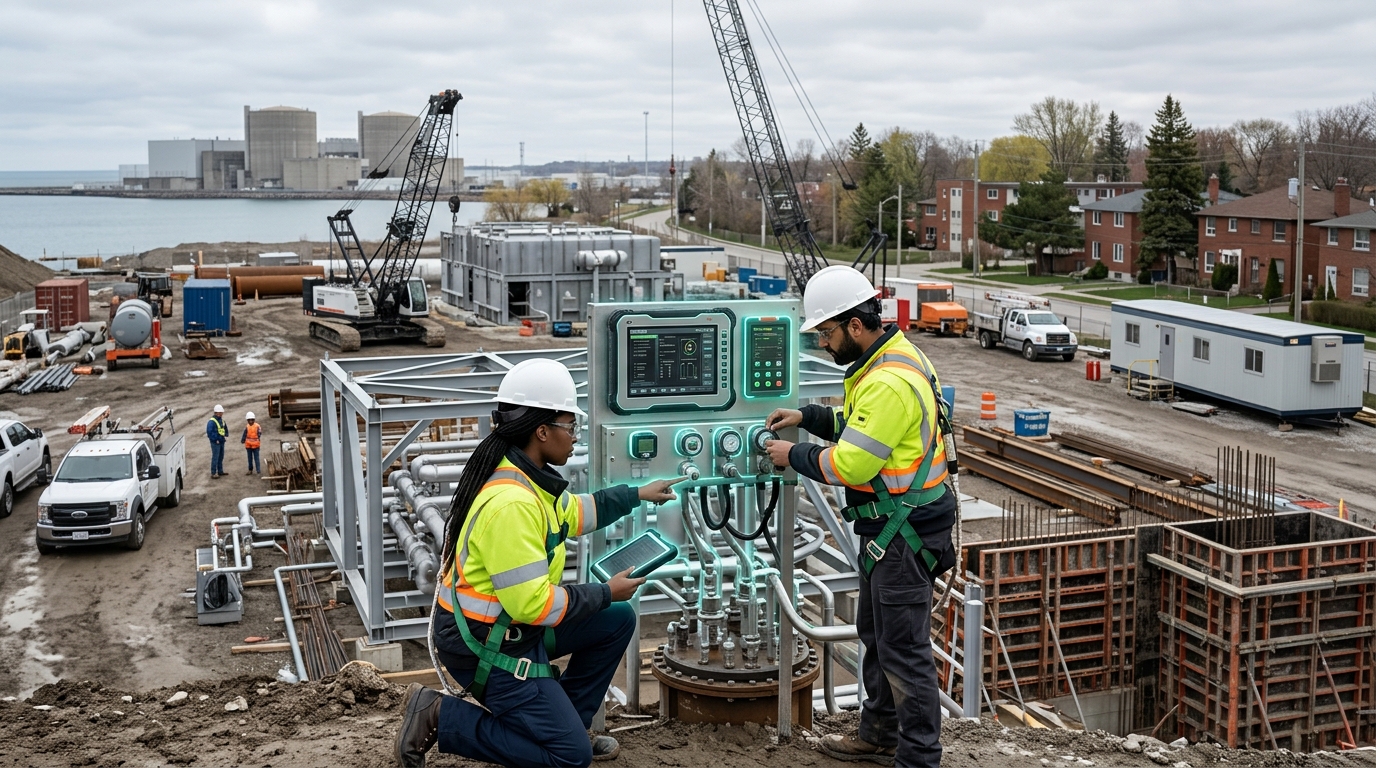
Ontario Power Generation received its construction licence in April 2025 to build North America's first small modular reactor at Darlington — a 300 MW BWRX-300 unit on track for operation by 2030, with GE Vernova establishing a Canadian engineering centre nearby.
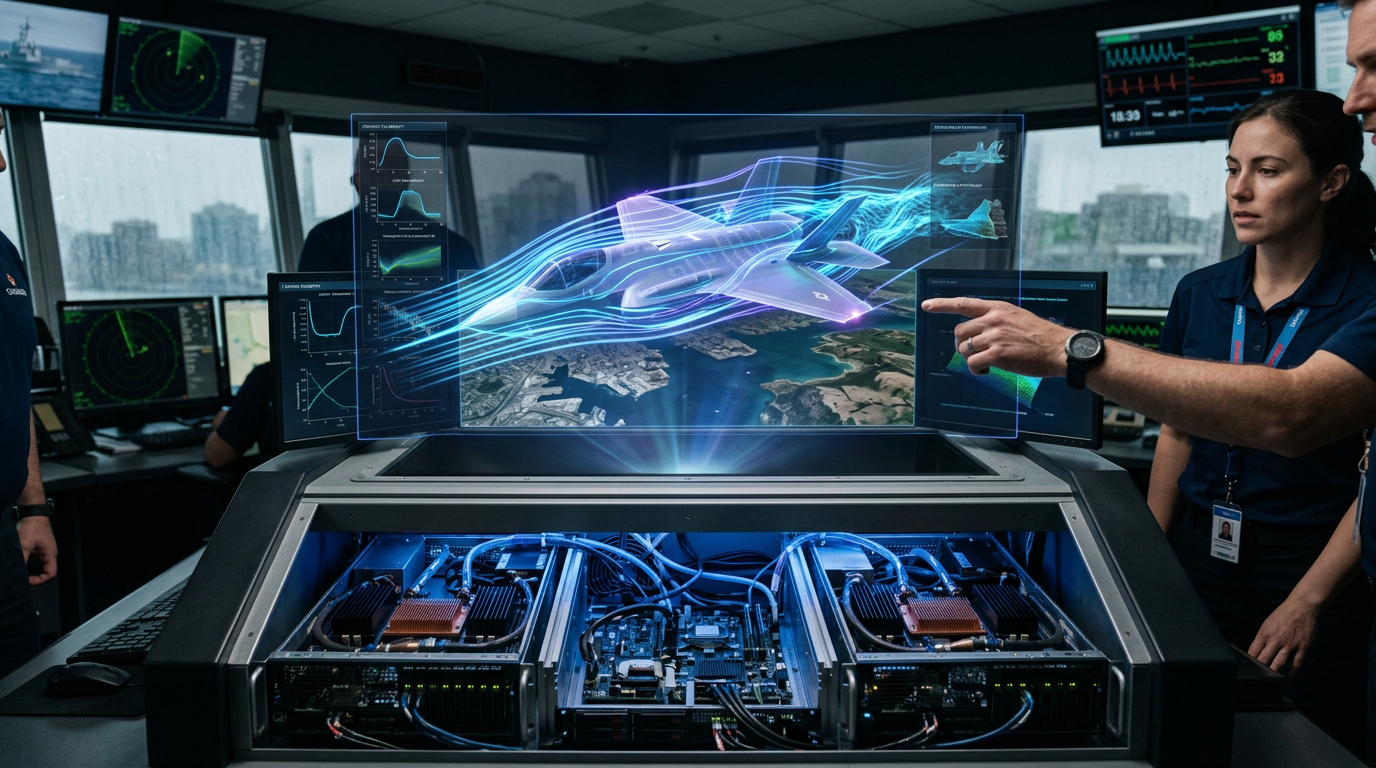
Canadian-developed real-time physics simulation engines power the majority of the world's full-flight simulators, and are now expanding into healthcare patient models, defense multi-domain digital twins, and autonomous systems validation — running complex aerodynamic and physiological models at real-time speeds.
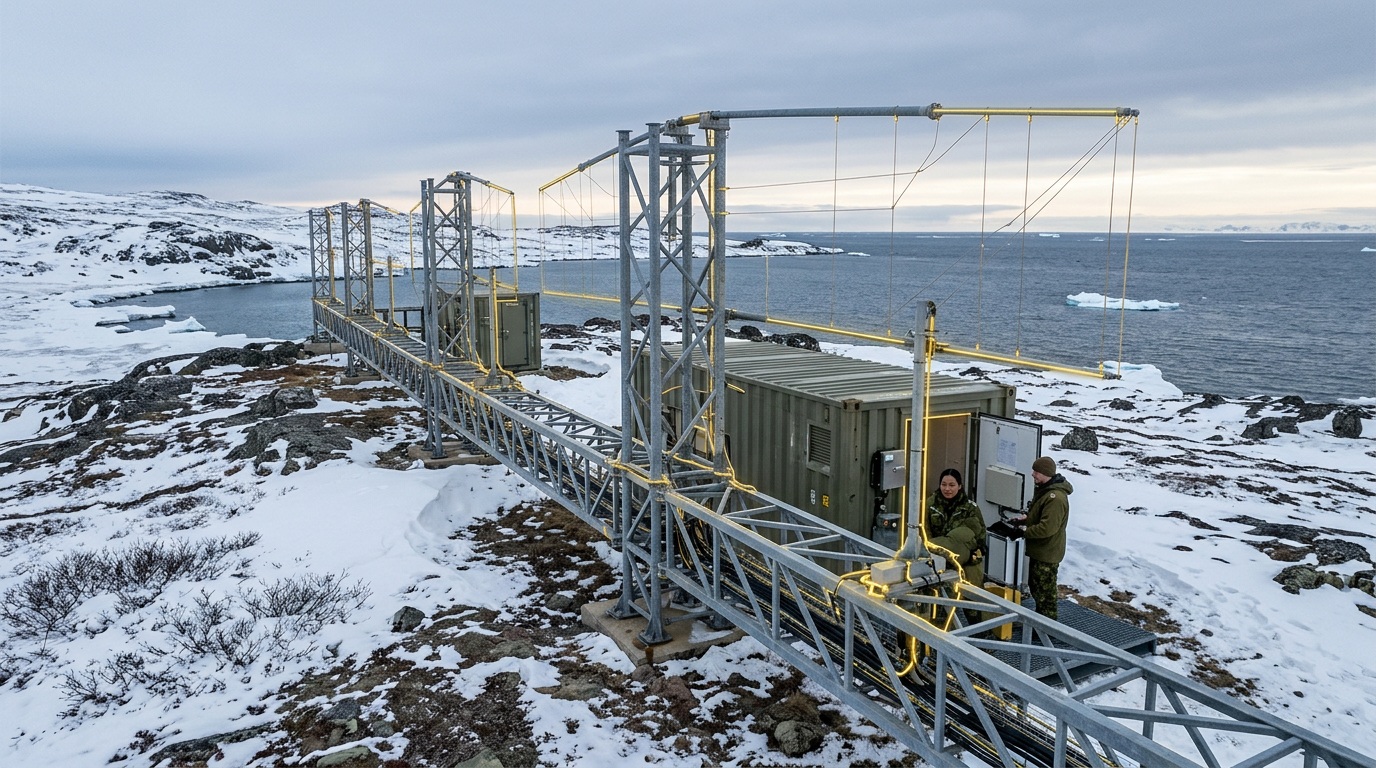
Canada has developed world-leading HFSWR technology over 35 years that detects ships up to 200 nautical miles offshore in all weather — a turnkey Arctic surveillance solution deployable in weeks to months.
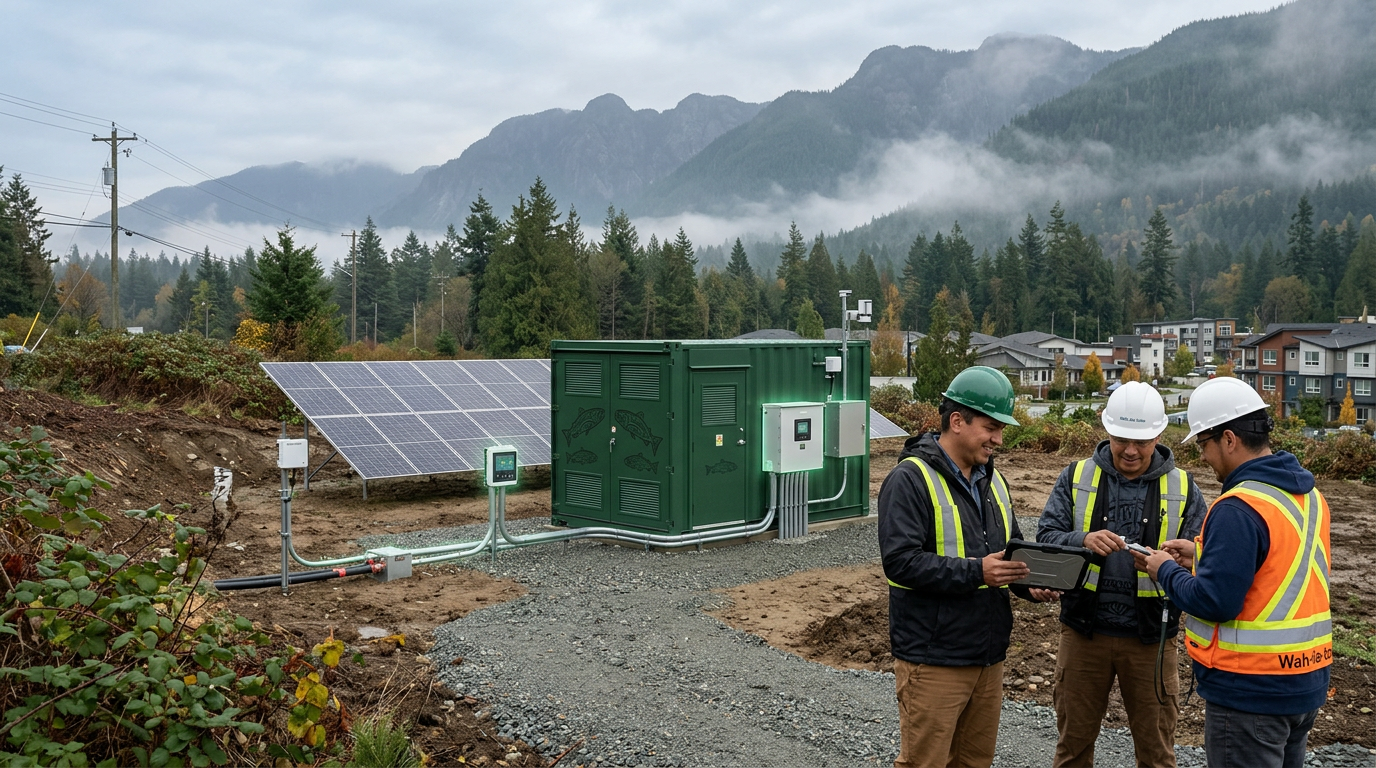
118 Indigenous-owned wind, solar, and energy storage projects are now operational across Canada, backed by federal programs like Wah-ila-toos to displace diesel in 200+ remote communities and establish energy sovereignty.
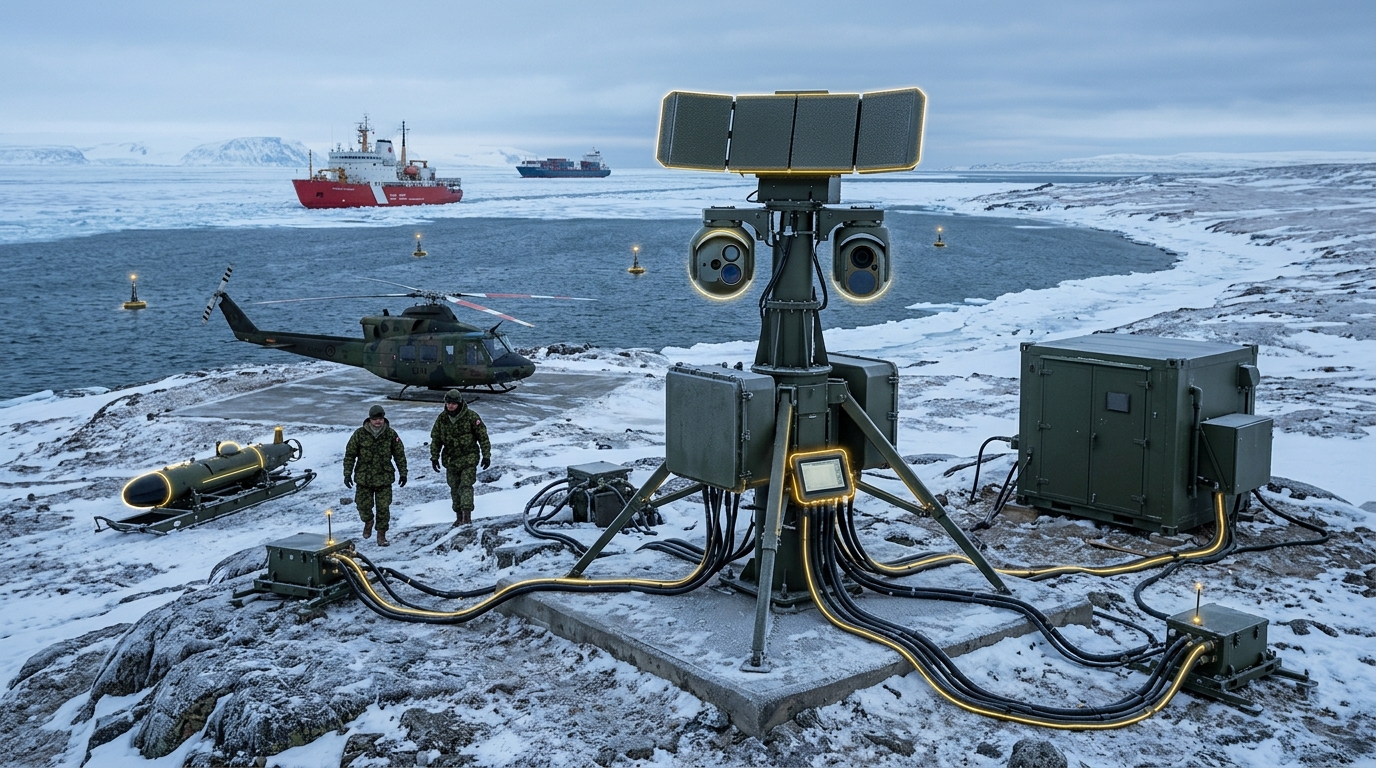
Canada is building multi-layered Arctic surveillance combining RADARSAT satellites, underwater sensors, and autonomous systems to monitor the Northwest Passage as climate change opens Arctic shipping routes.
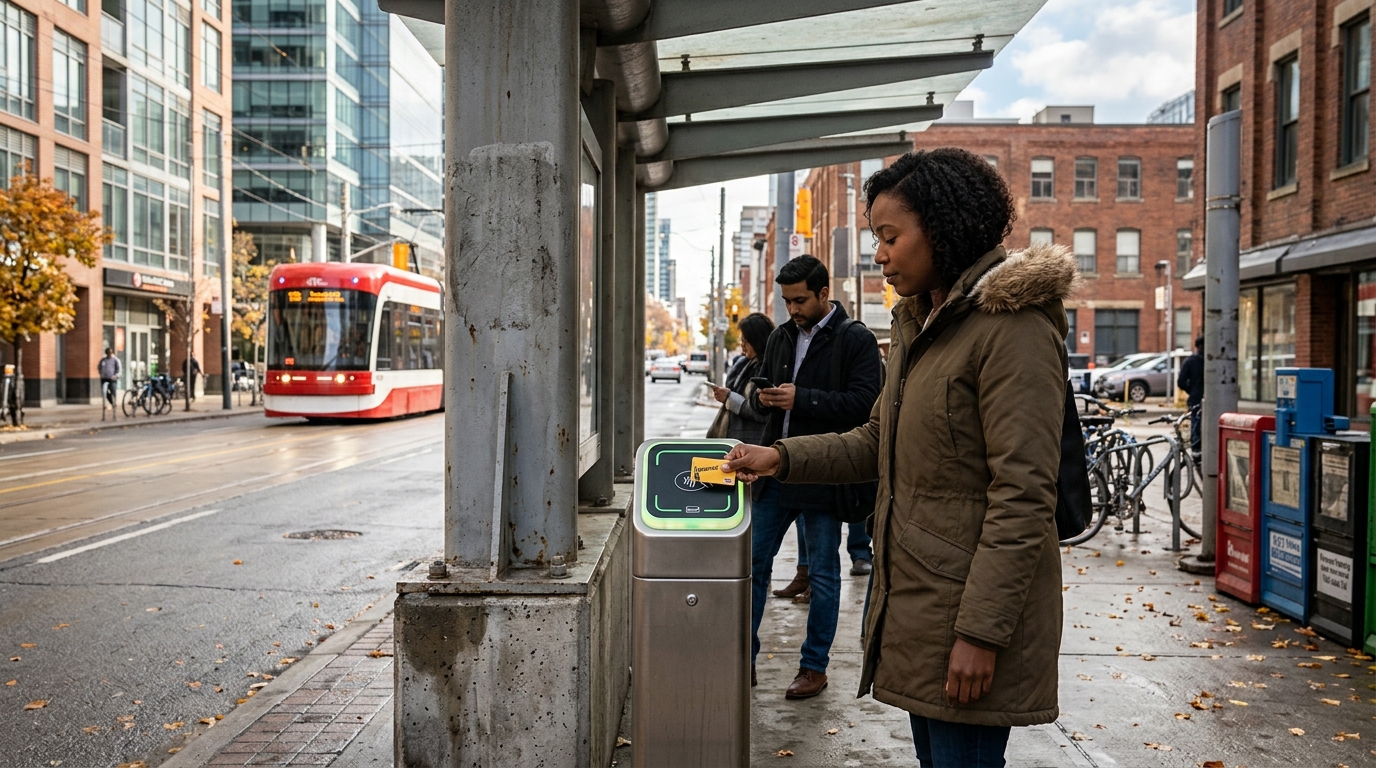
Canada's domestically owned payment network processes billions of debit and e-Transfer transactions annually, providing financial sovereignty against Visa/Mastercard dependence.
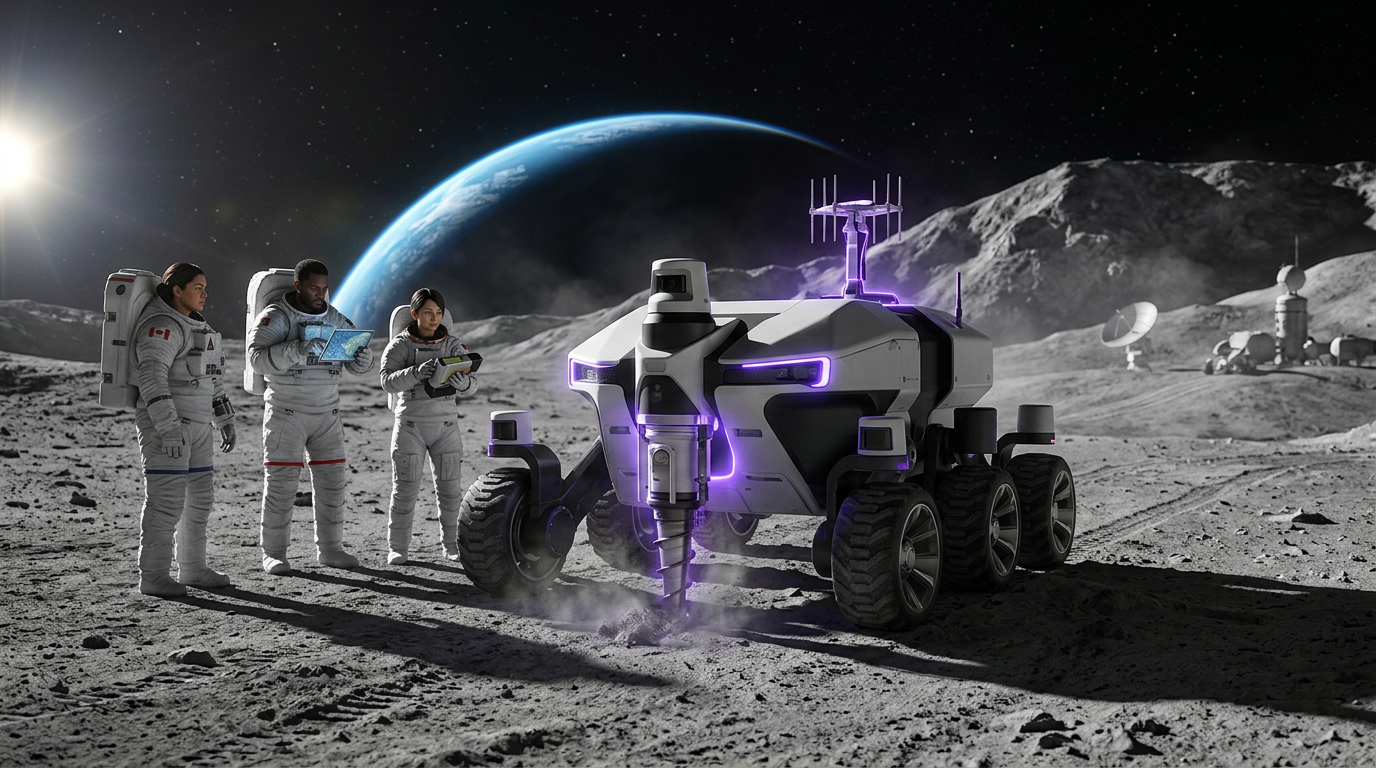
CSA's LEAP program funds Canadian companies developing lunar surface technologies including rovers, science instruments, and AI-powered exploration systems for the Artemis era.
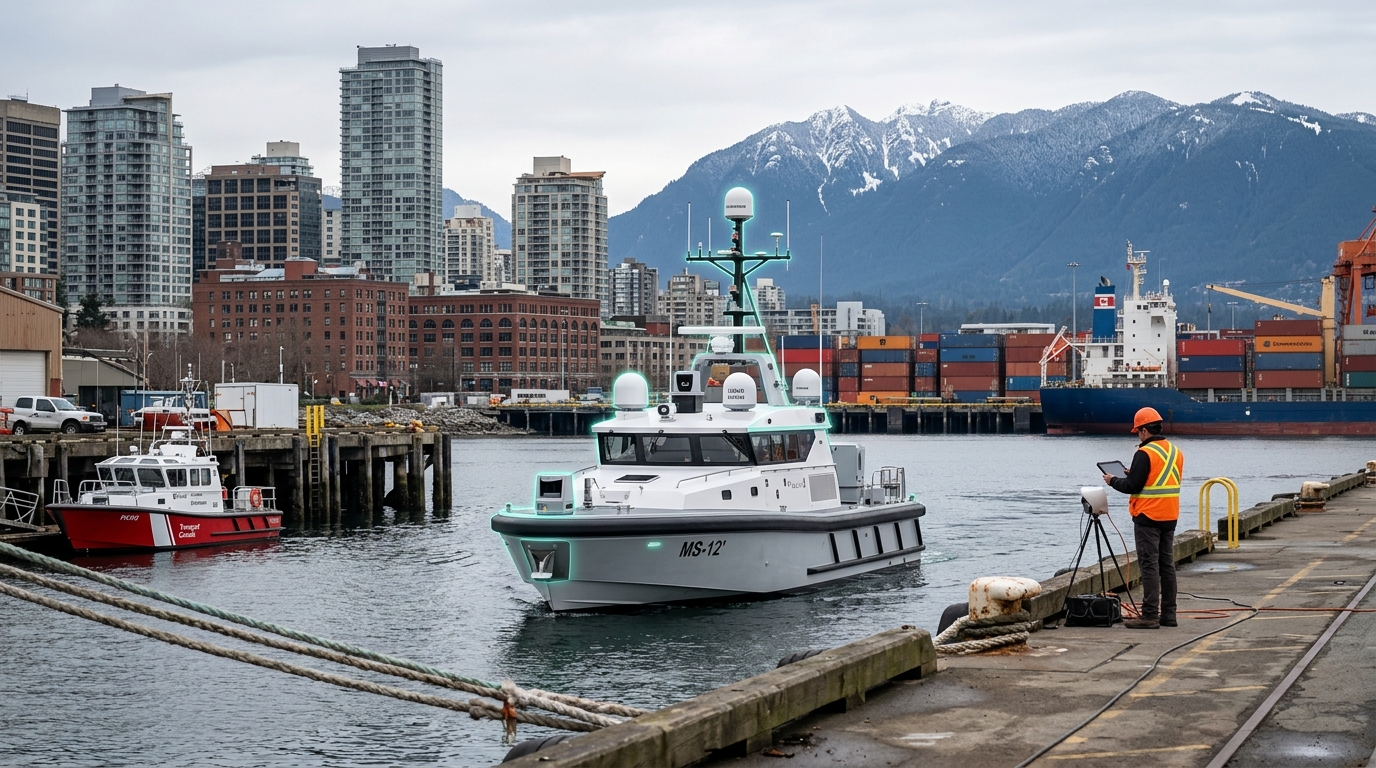
NRC and Transport Canada are developing a national MASS framework to make Canada a global designer and manufacturer of autonomous ships, leveraging AI, three ocean coastlines, and a US$12 billion global market by 2029.
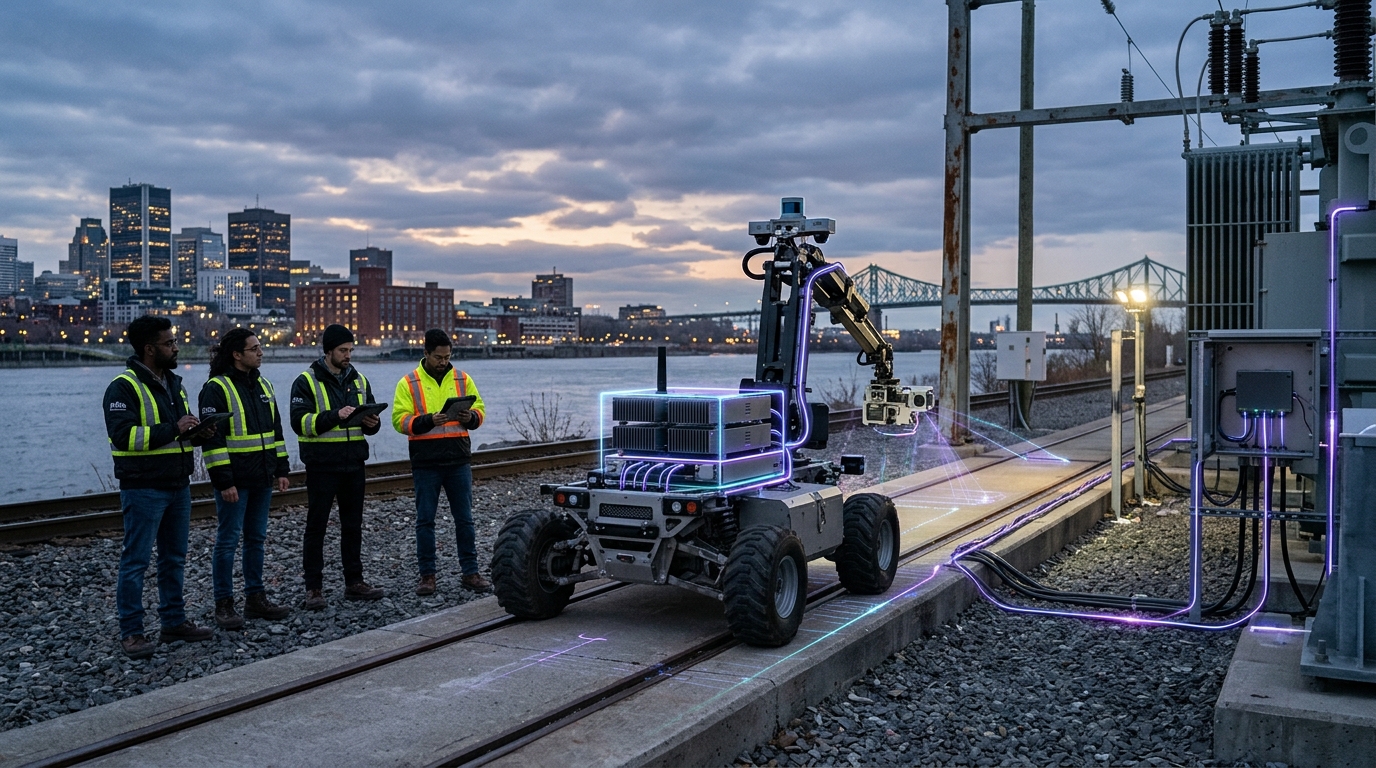
Montreal's Mila, founded by Yoshua Bengio, is the world's largest academic deep learning lab with 1,200+ researchers and a focus on AI safety and drug discovery.
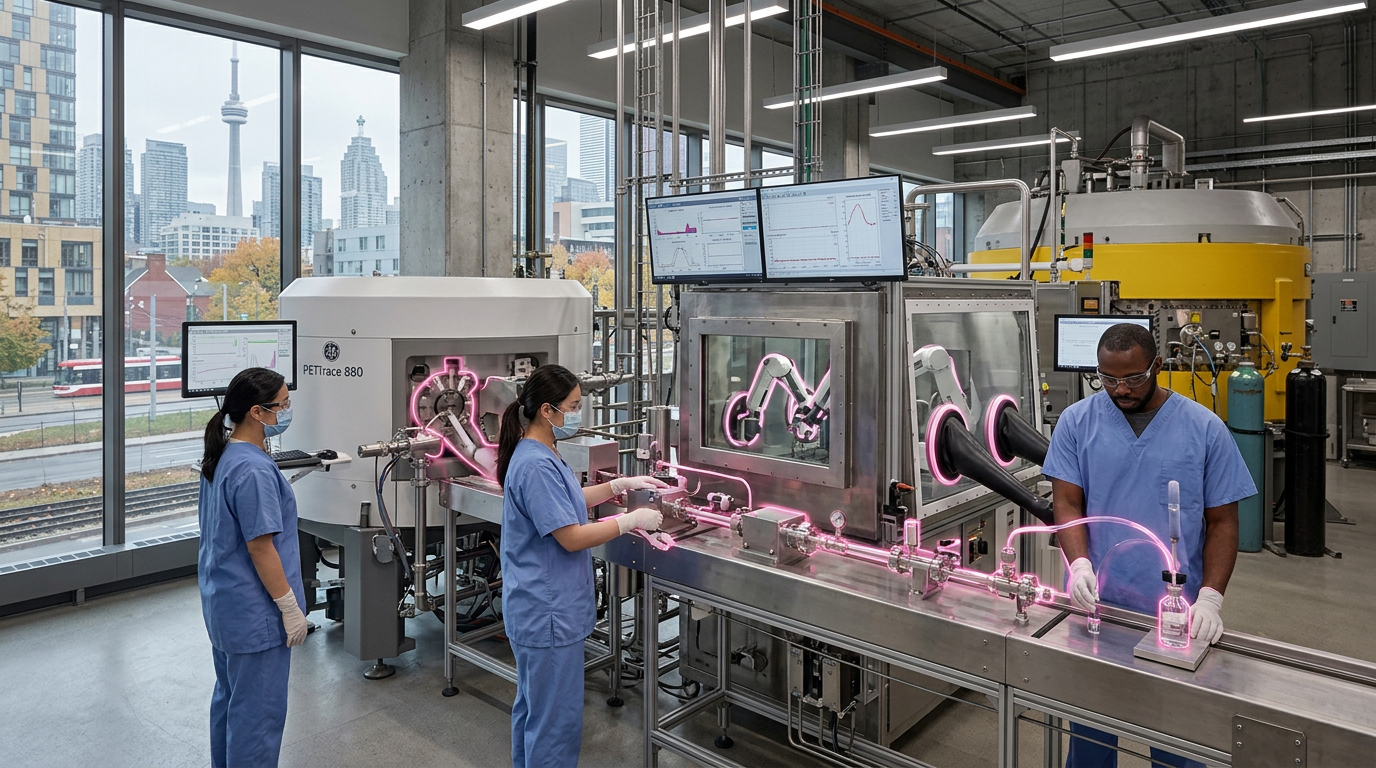
Canada is developing cyclotron and reactor-based methods to produce medical isotopes (Tc-99m, Lu-177, Ac-225) domestically, maintaining its role as a global leader in nuclear medicine supply.
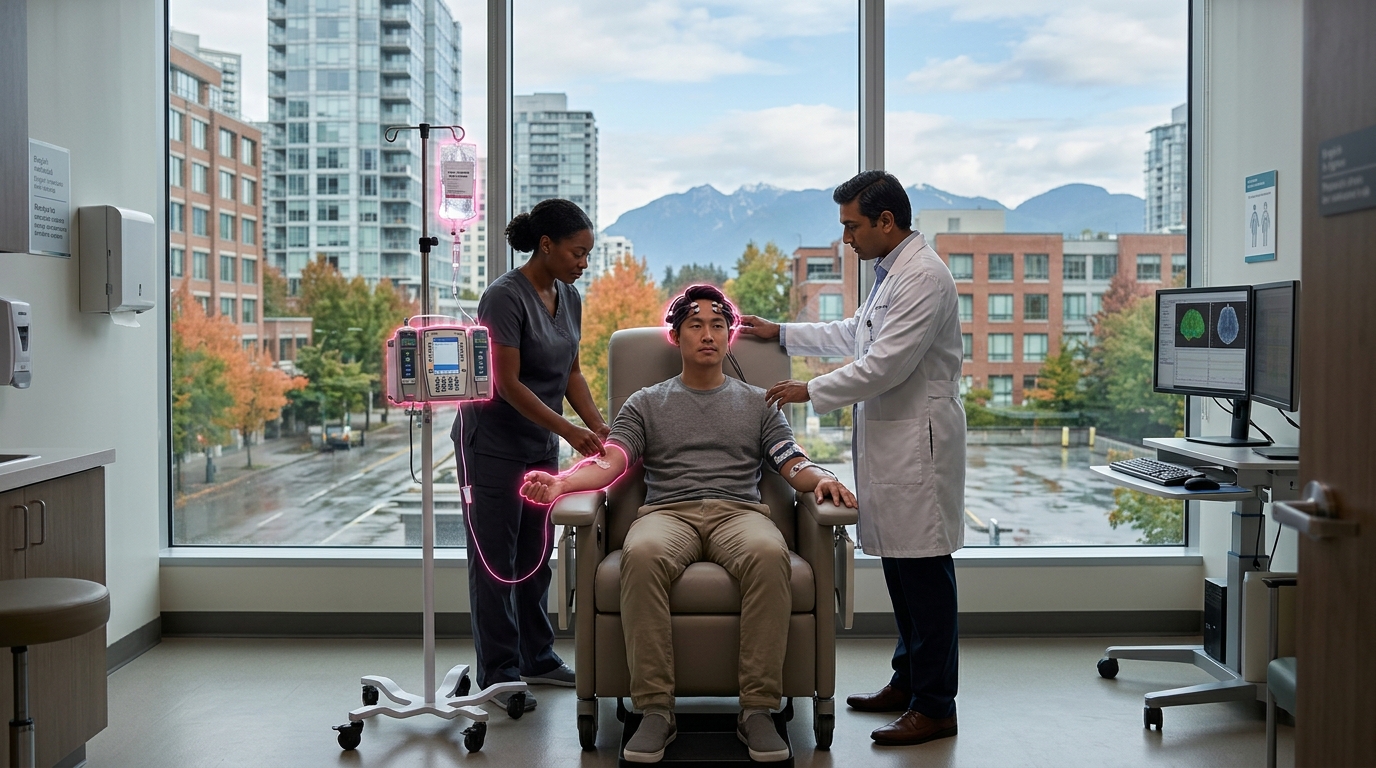
Canadian biotech companies are developing non-hallucinogenic neuroplastogens derived from psychedelic compounds, targeting depression, PTSD, and addiction with therapeutics that retain efficacy without the trip.
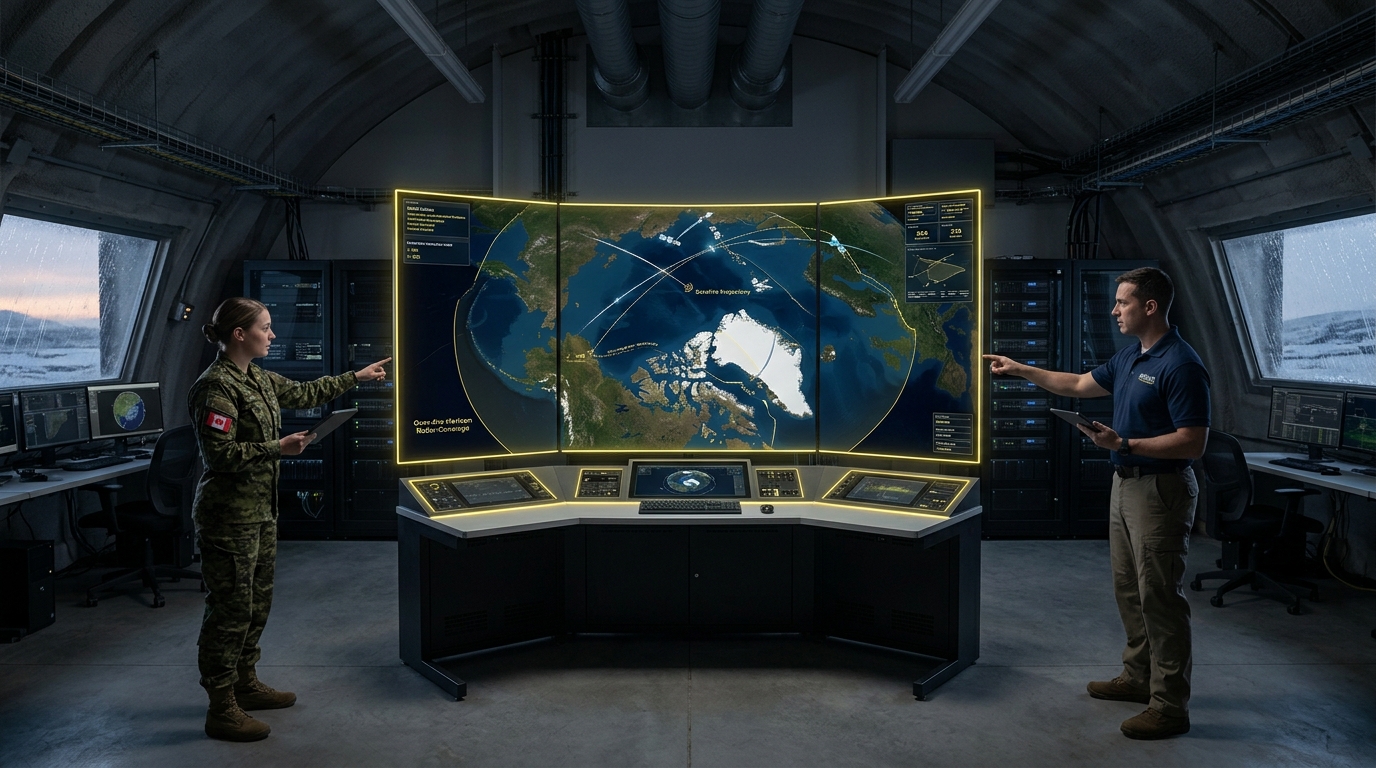
Canada is investing CA$38.6 billion over 20 years to modernize NORAD, including new over-the-horizon radar, space-based sensors, and command systems to detect hypersonic and cruise missile threats through the Arctic.
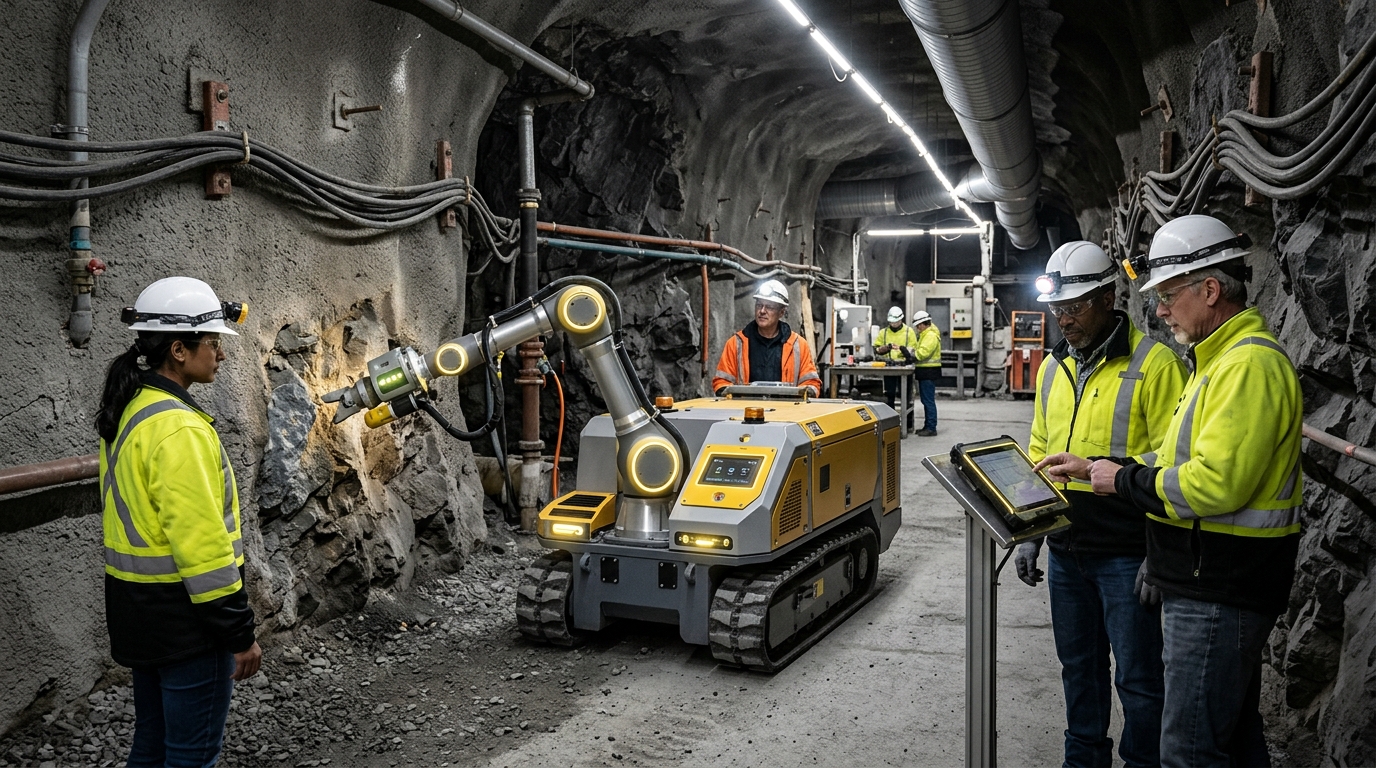
Sudbury's NORCAT operates the world's only technology exhibition and testing facility in an active underground mine, enabling Canadian and global companies to validate mining robotics, AI safety, and automation at depth.
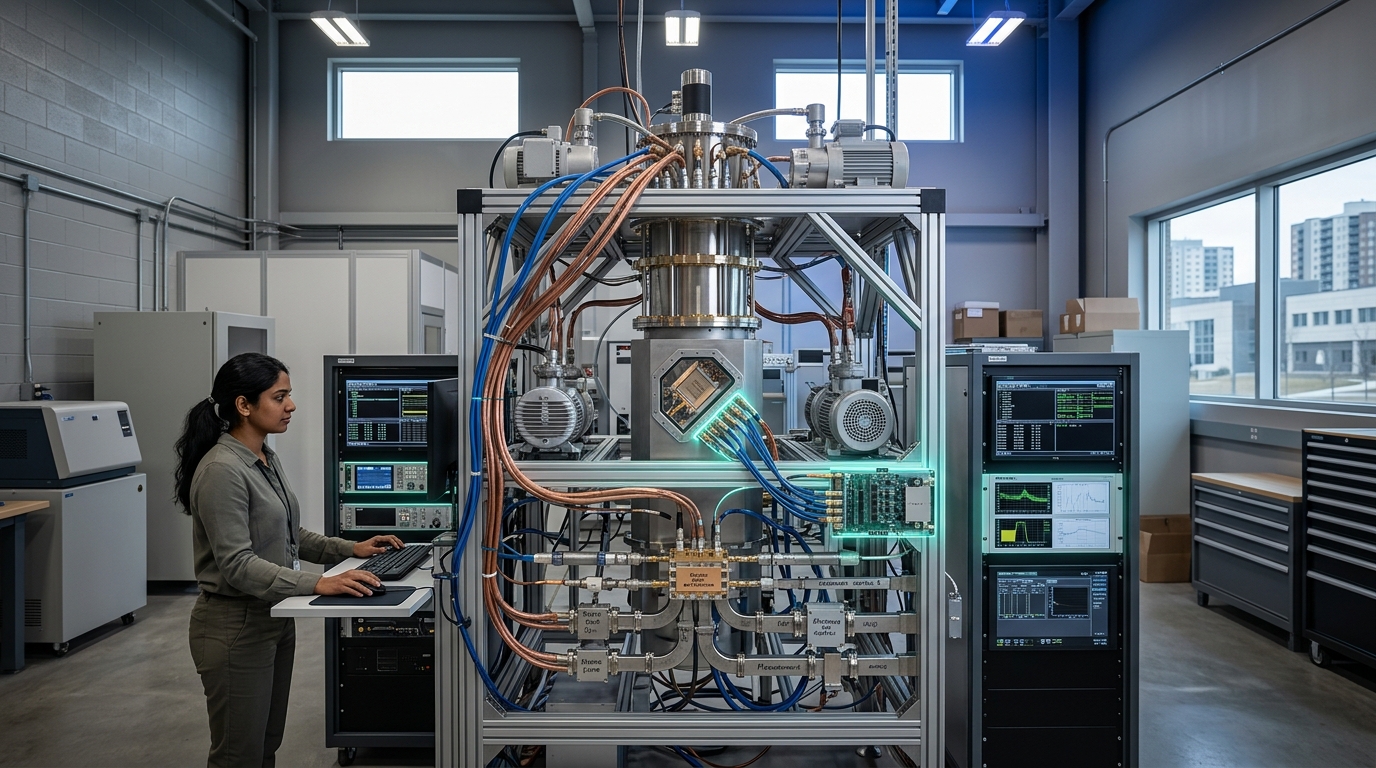
Sherbrooke-based Nord Quantique uses bosonic codes to achieve quantum error correction with fewer physical qubits, potentially shortcutting the path to fault-tolerant quantum computing.
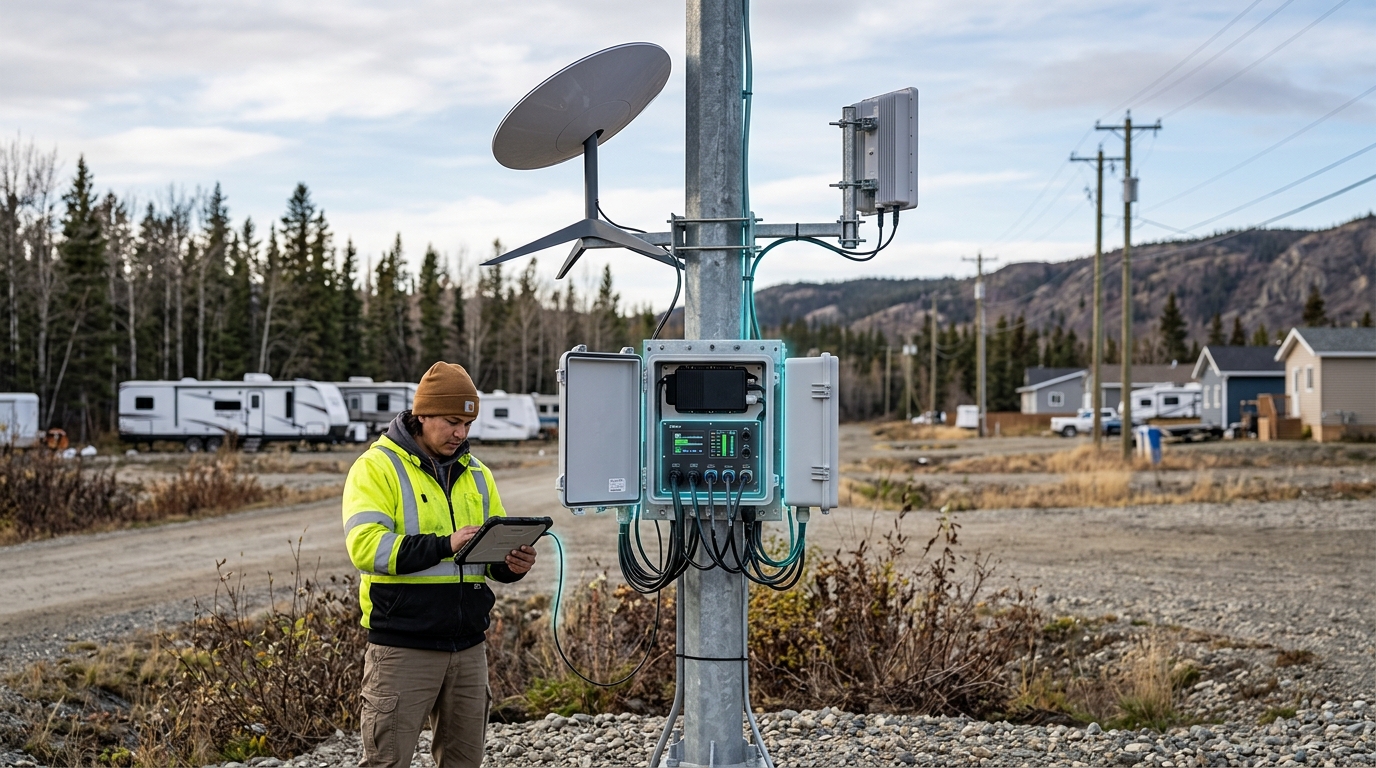
Canada is expanding broadband coverage to remote and Northern communities through low-earth orbit satellite constellations and hybrid fiber-satellite networks, addressing the digital divide across its vast territory.
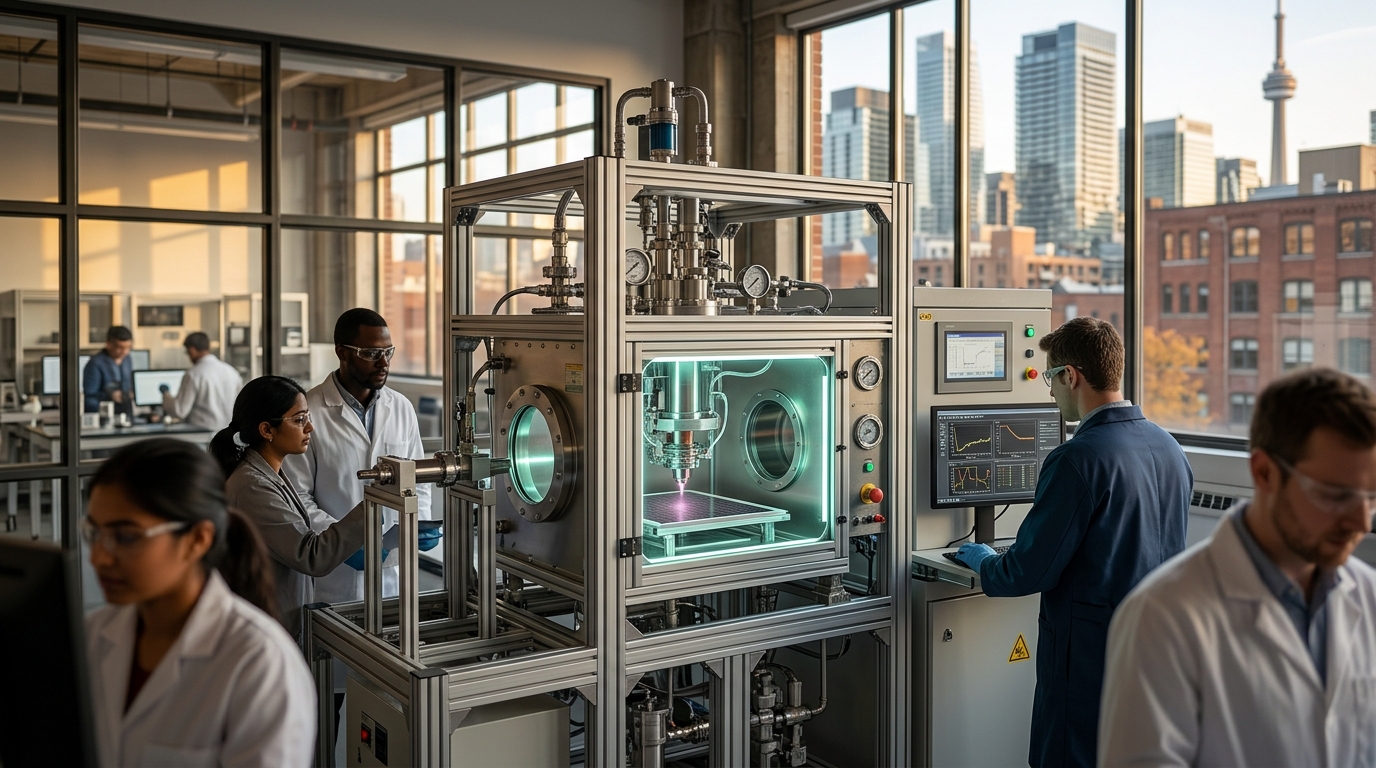
NRC's Quantum and Nanotechnologies Research Centre develops graphene quantum dots, carbon nanotubes, and inorganic quantum dots for applications spanning bio-imaging, photovoltaics, high-performance electronics, and quantum computing.
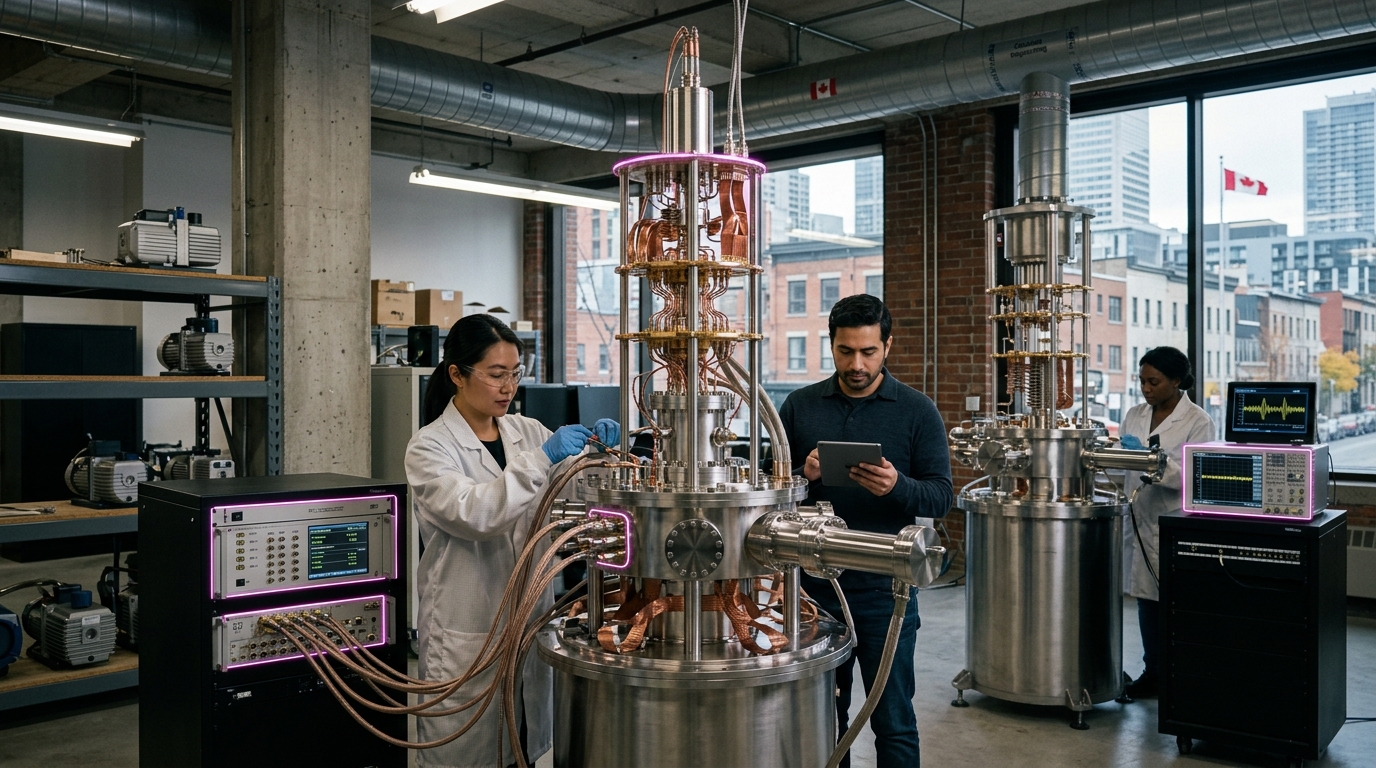
The National Research Council's Benchmarking Quantum Platforms initiative provides independent technical assessment of quantum hardware, enabling milestone-based funding and cross-platform comparison.
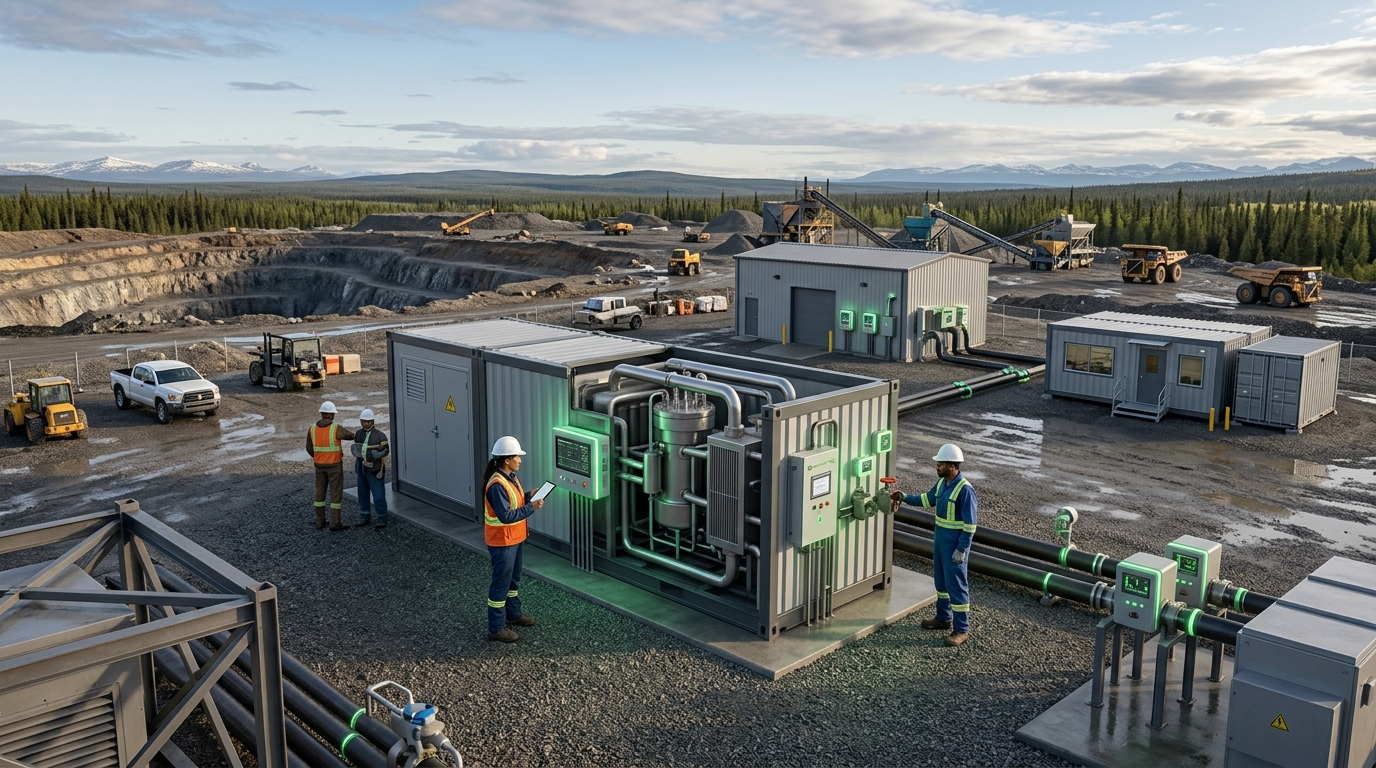
Canada is developing SMR applications for remote mining operations, replacing diesel generators with clean nuclear power while enabling critical mineral extraction in Northern regions.
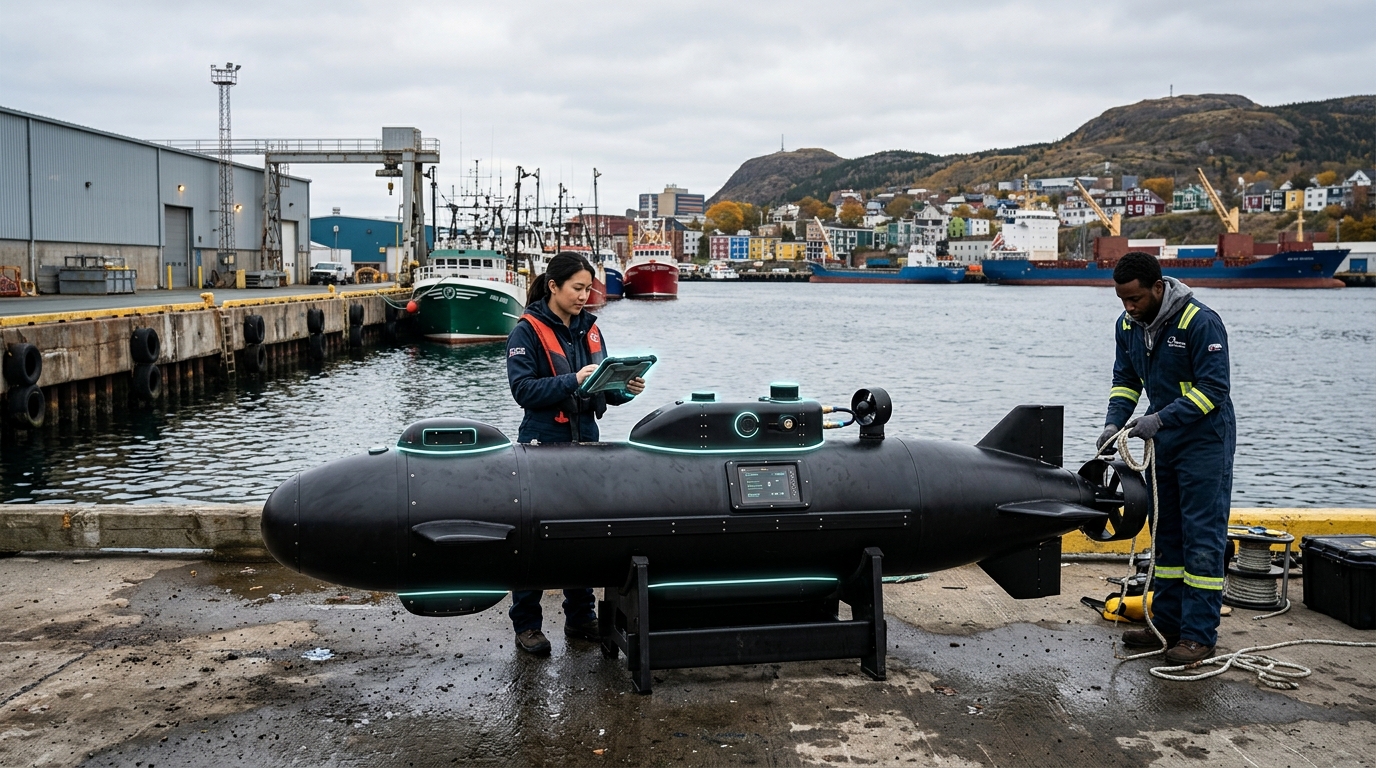
Canada's Ocean Supercluster in Atlantic Canada is accelerating ocean technology innovation across aquaculture, marine renewable energy, ocean sensing, and underwater autonomous systems.

Canada's Consumer-Driven Banking Framework is rolling out regulated data sharing between financial institutions and fintechs, following the UK and EU models while adding Canadian privacy safeguards.
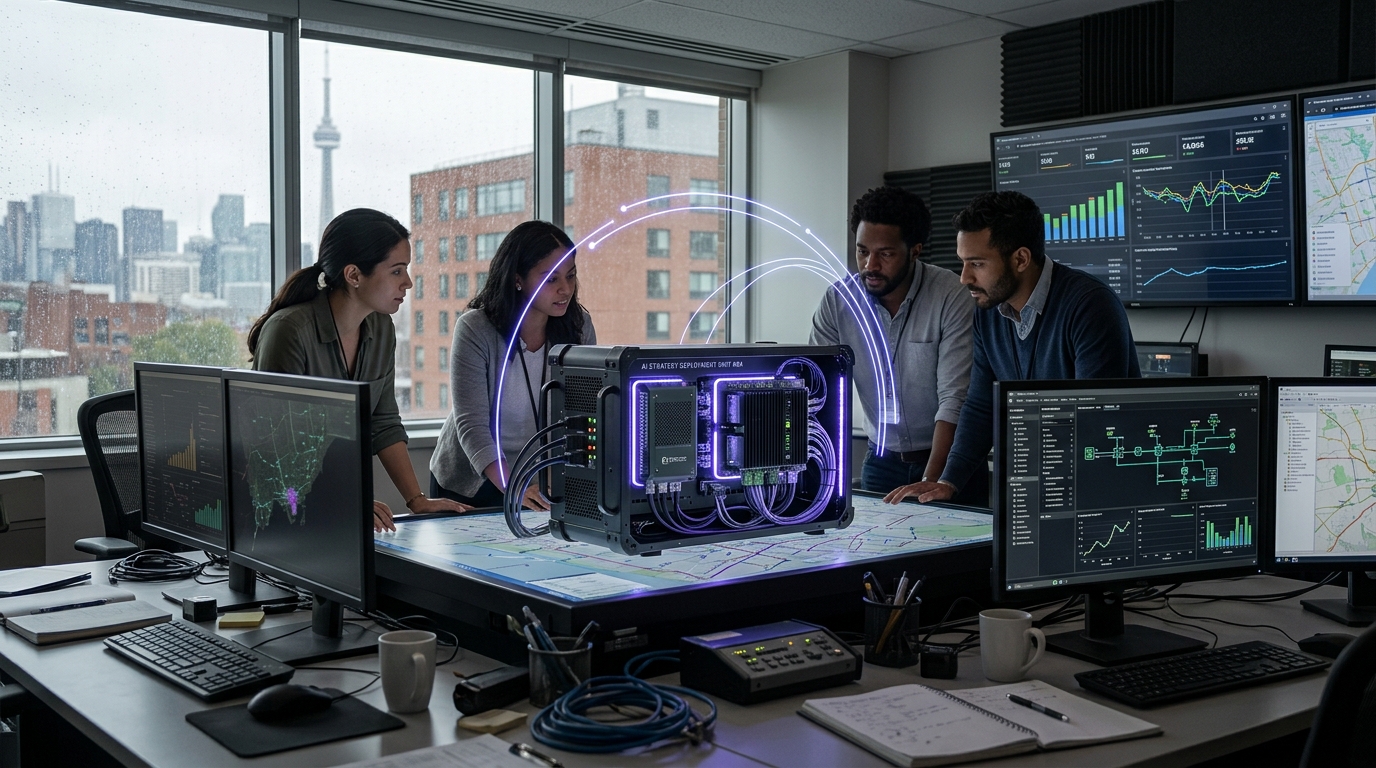
The world's first national AI strategy, now in its second phase with over CA$443 million committed across three national institutes — Mila, Vector Institute, and Amii.
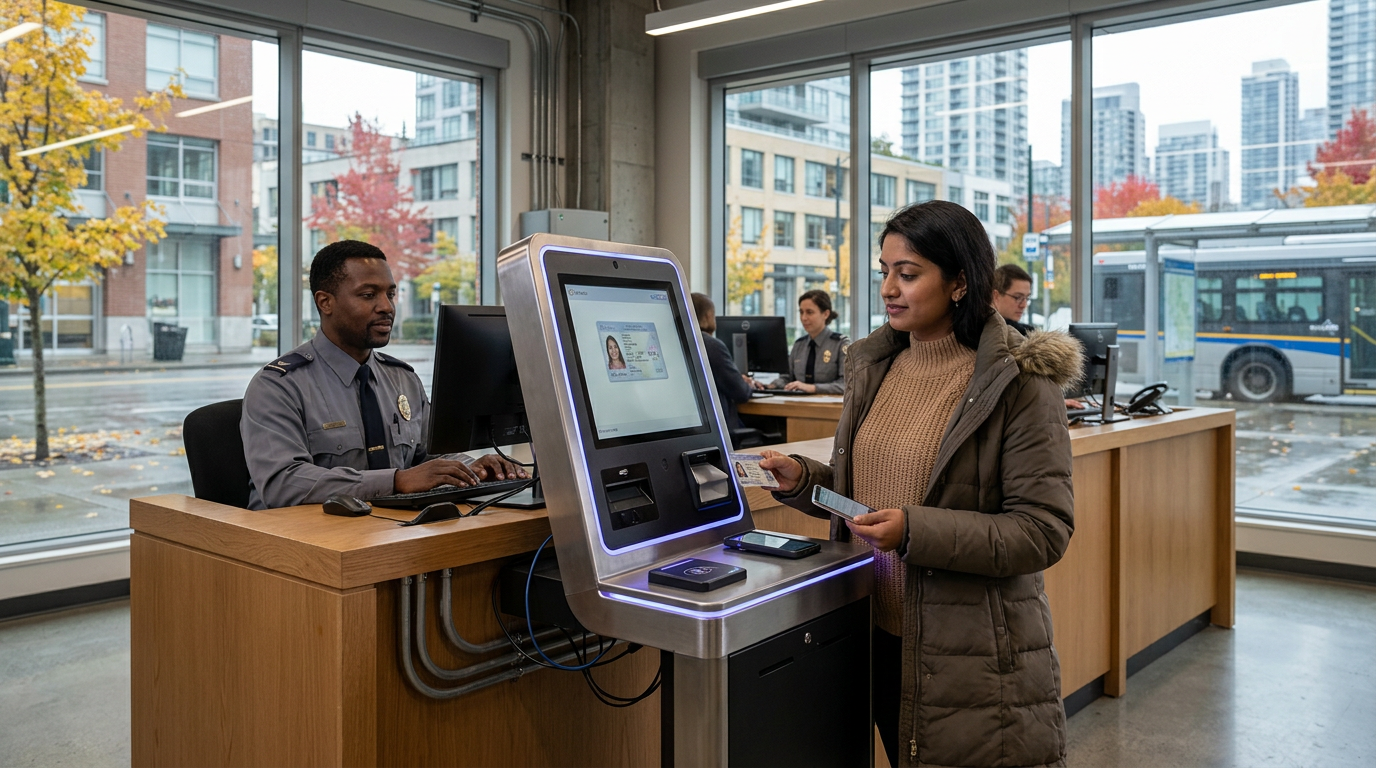
Canada is developing a federated digital identity system enabling citizens to use provincially issued digital IDs for federal services, based on the Pan-Canadian Trust Framework.
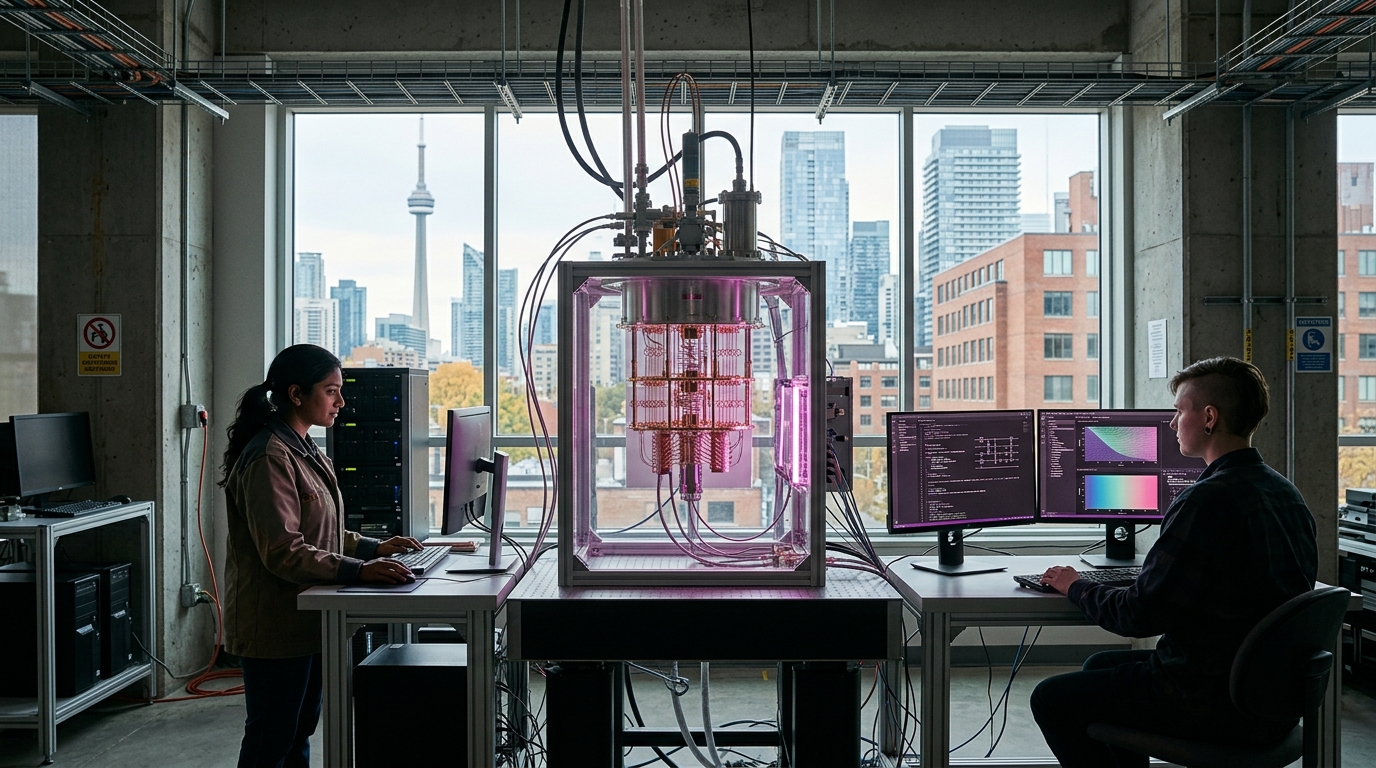
Xanadu's open-source PennyLane framework has become the leading platform for quantum machine learning, enabling researchers worldwide to build quantum-classical hybrid algorithms using Python.
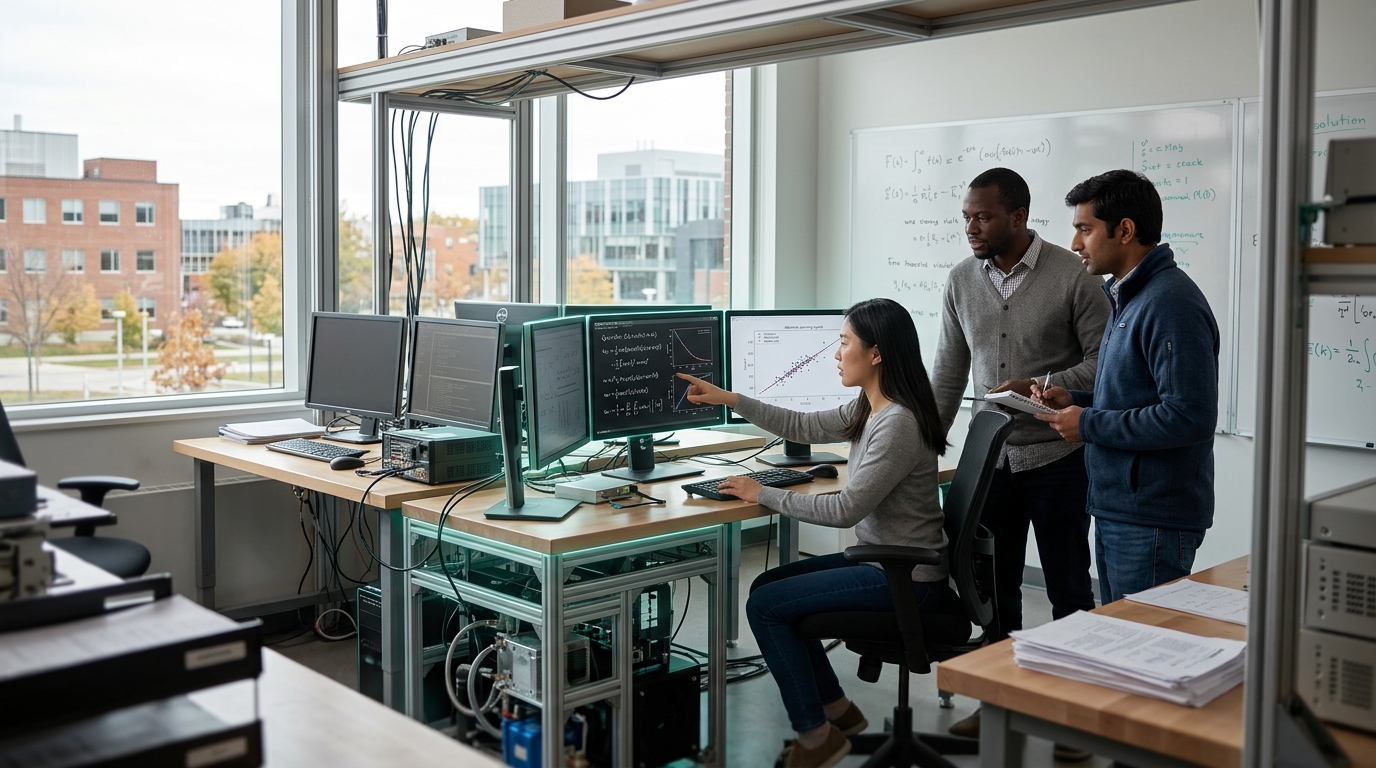
Waterloo's Perimeter Institute, the world's leading independent theoretical physics center, is expanding into AI-physics intersection research with a new joint faculty position bridging quantum foundations and machine learning.
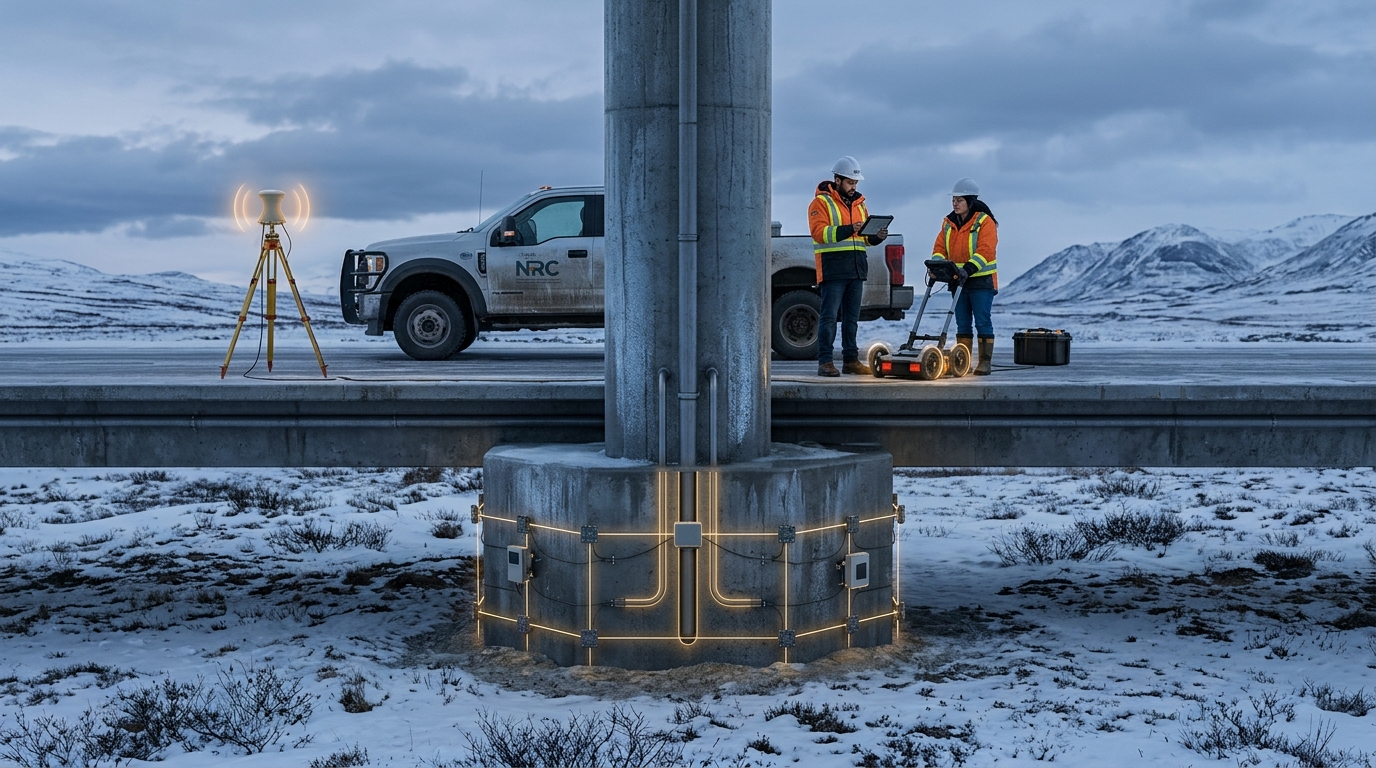
NRC and Canadian universities are developing thermosyphon cooling, InSAR satellite monitoring, and AI-LiDAR permafrost stabilization systems to protect Northern infrastructure from CA$50+ billion in projected thaw damage.
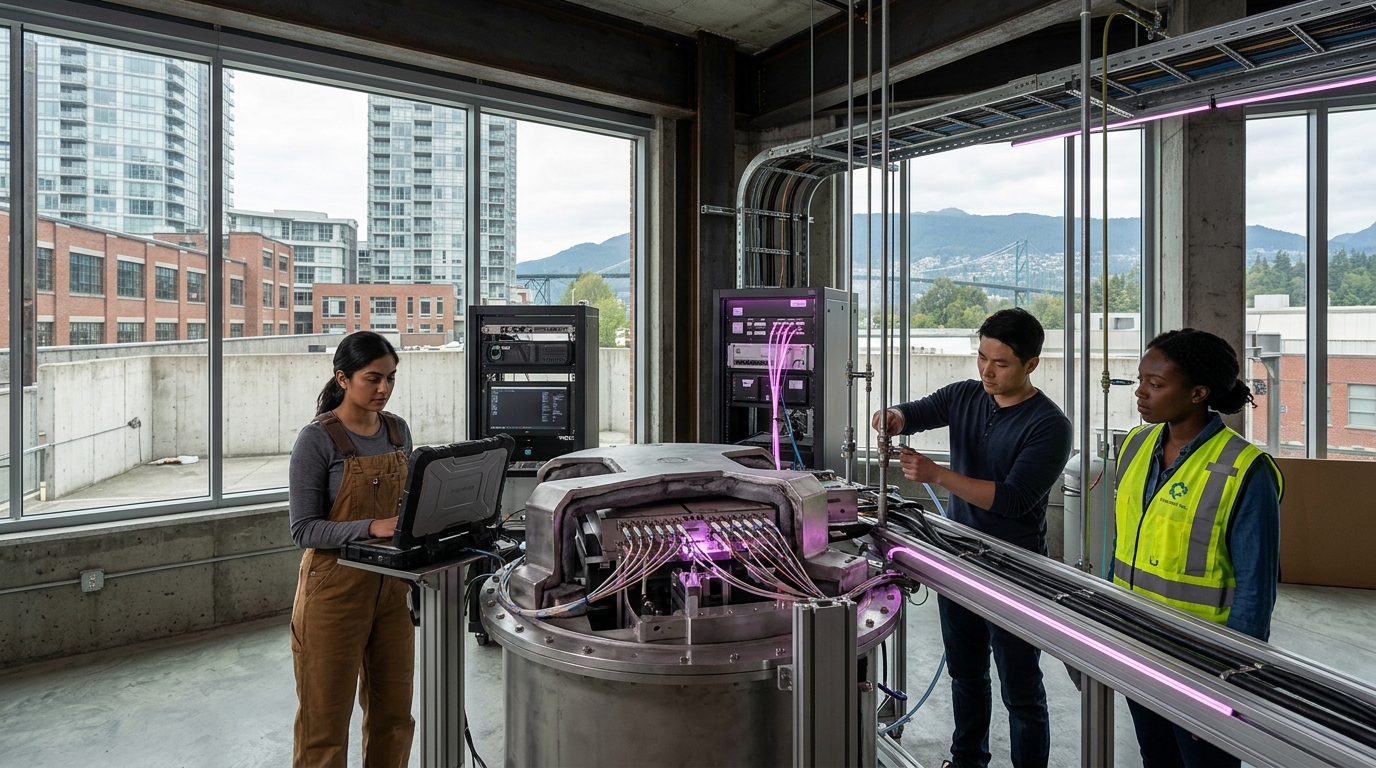
Vancouver-based Photonic Inc. is developing quantum computers using silicon photonics — combining spin qubits in silicon with photonic interconnects — and is one of four companies in Canada's CA$92M quantum program.
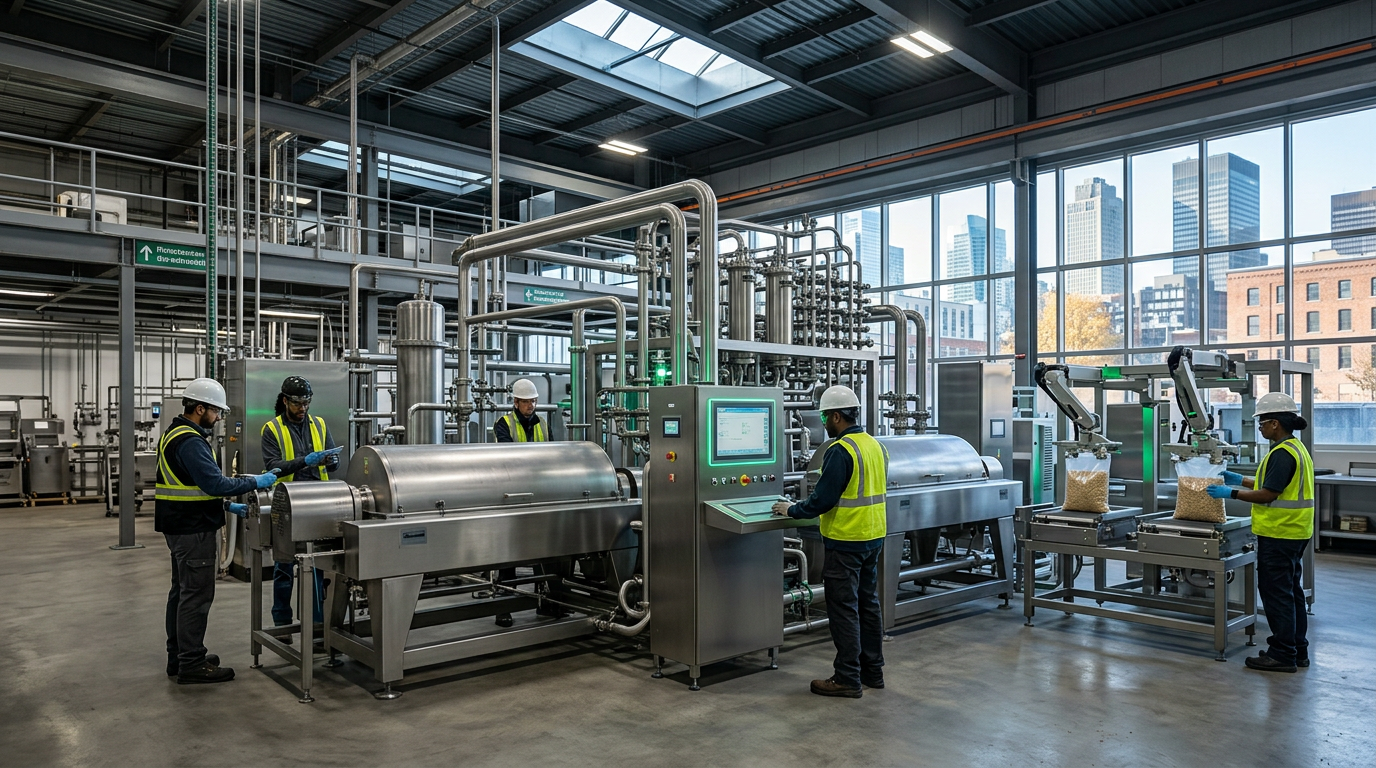
Saskatchewan's Protein Industries Canada supercluster has invested over CA$600M in plant-based protein processing, leveraging the Prairies' vast pulse crop production to build a global protein ingredient industry.
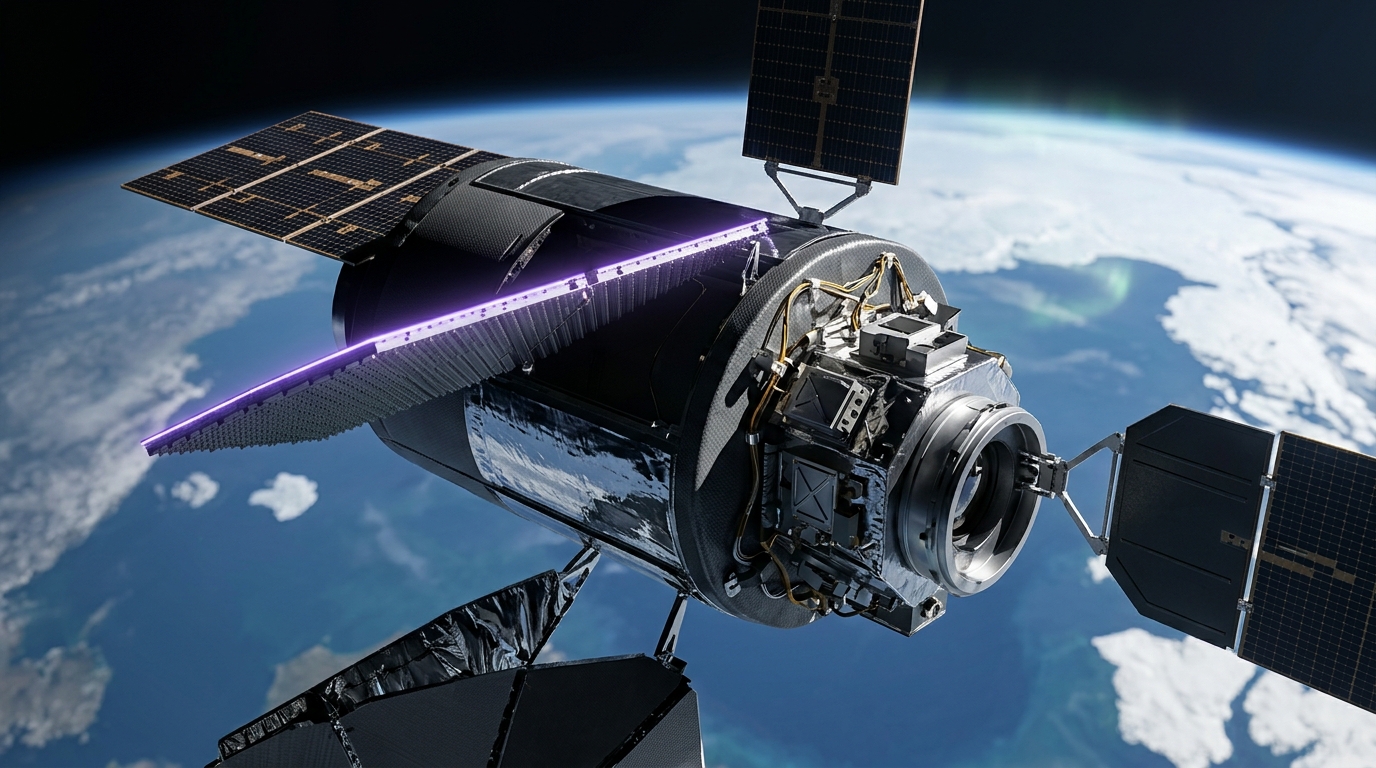
Space-based wide-area surveillance program using RADARSAT data and dedicated Arctic monitoring for maritime domain awareness and sovereignty assertion.
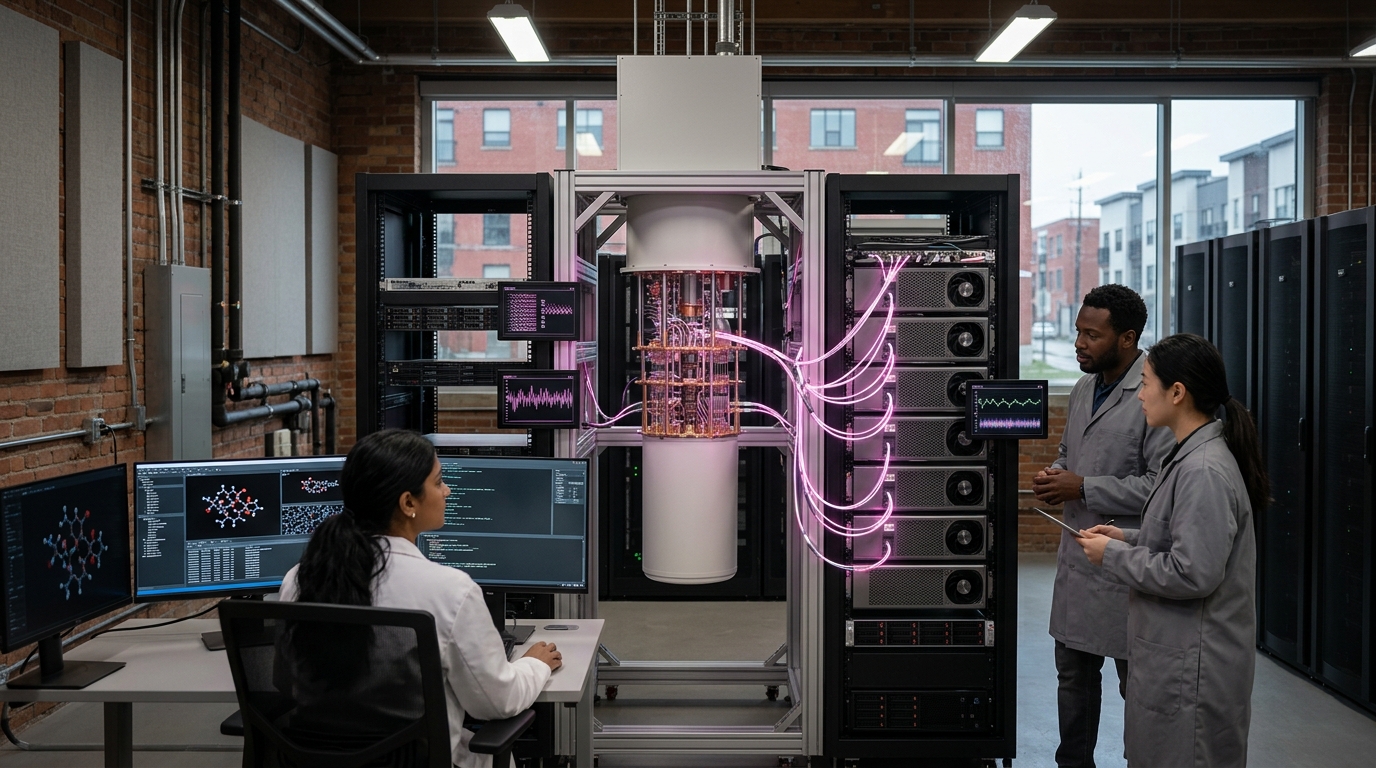
Canadian scientists in Waterloo have pioneered the first approach to merge quantum computing techniques with advanced AI for complex simulations, achieving both speed and accuracy with reduced energy use.
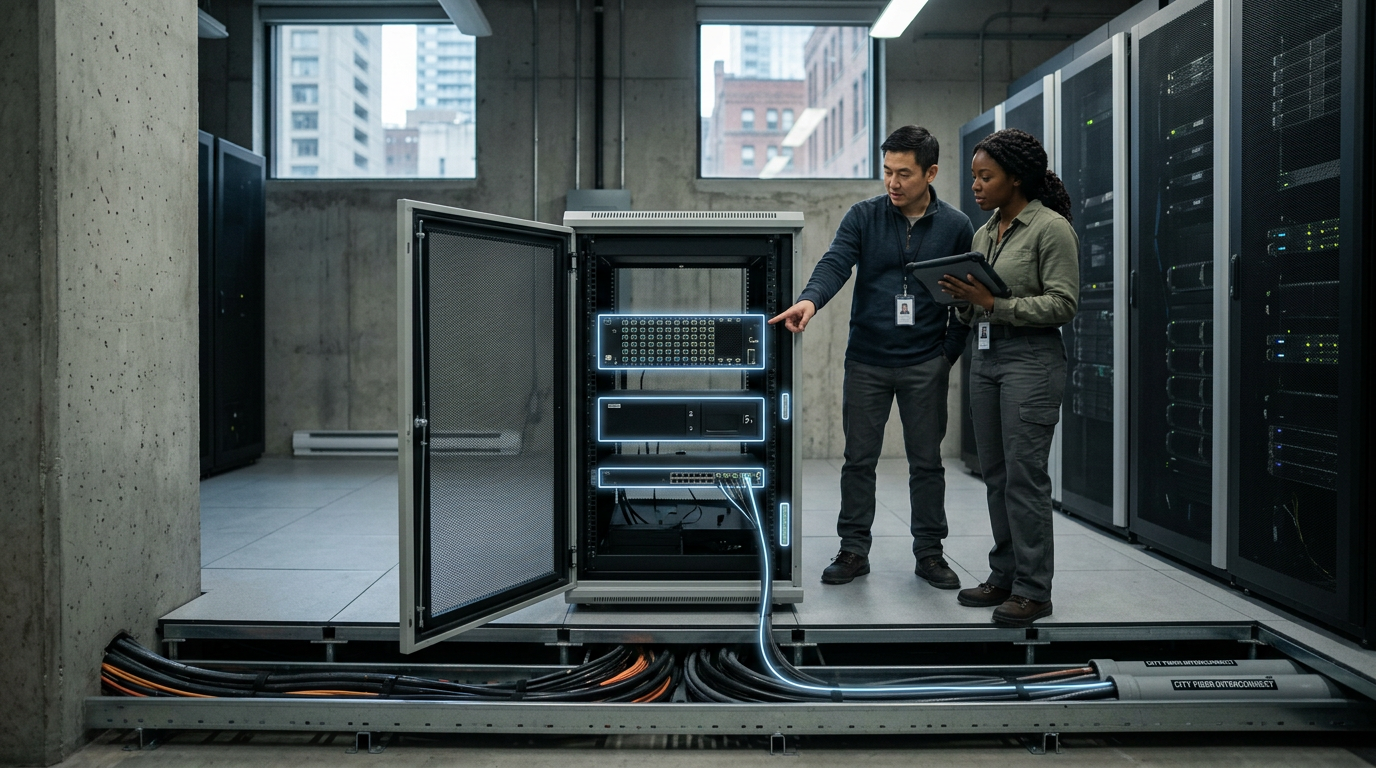
Canada's quantum computing ecosystem is driving parallel development of quantum-safe cryptographic systems, with Waterloo's Institute for Quantum Computing and industry partners preparing critical infrastructure for the post-quantum era.
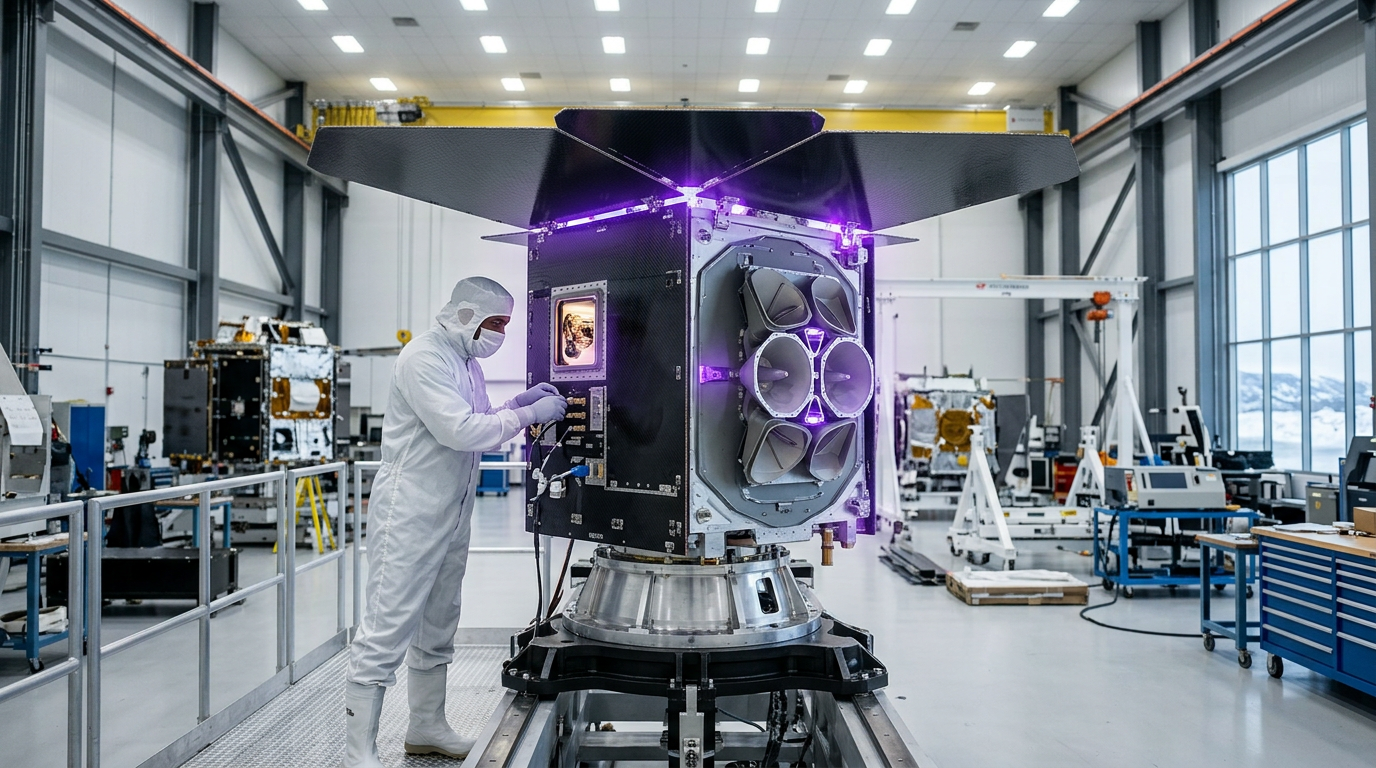
Canada invested $47M in December 2025 to expand its RADARSAT constellation with a fourth satellite, securing sovereign Earth observation capability for Arctic surveillance, disaster management, and maritime monitoring.
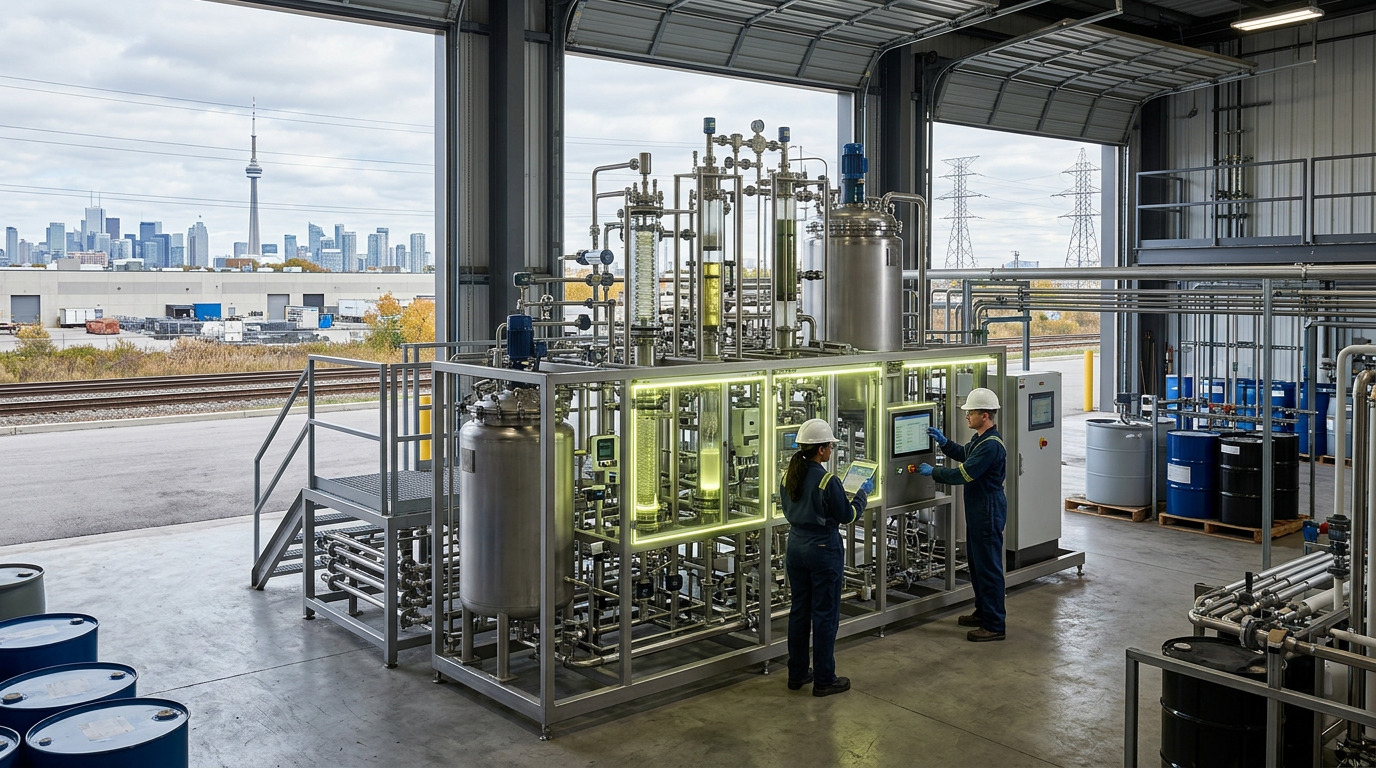
Canada is developing domestic rare earth processing capacity to challenge China's 90%+ global dominance, with applications spanning EV motors, wind turbines, defense systems, and precision agriculture.
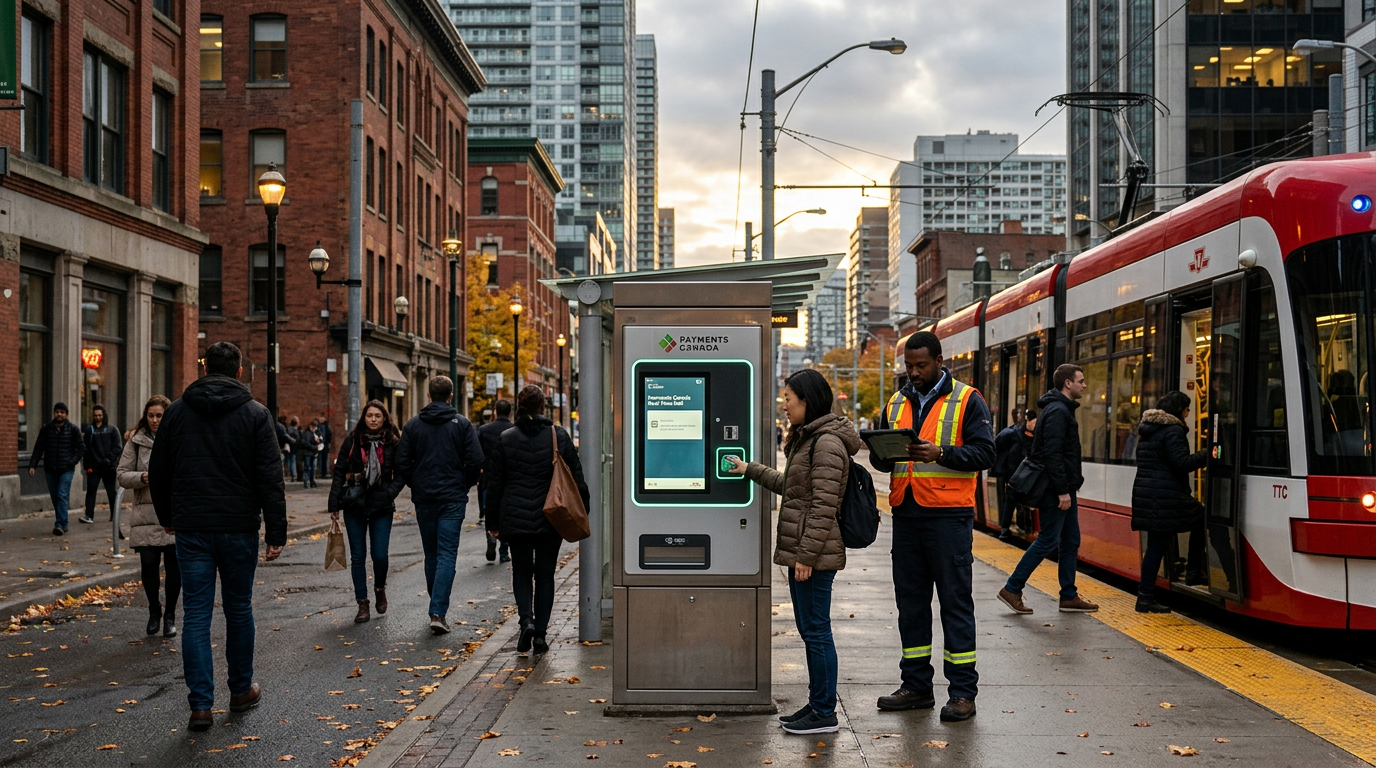
Payments Canada's Real-Time Rail will enable instant, irrevocable domestic payments 24/7, modernizing the national clearing and settlement infrastructure.
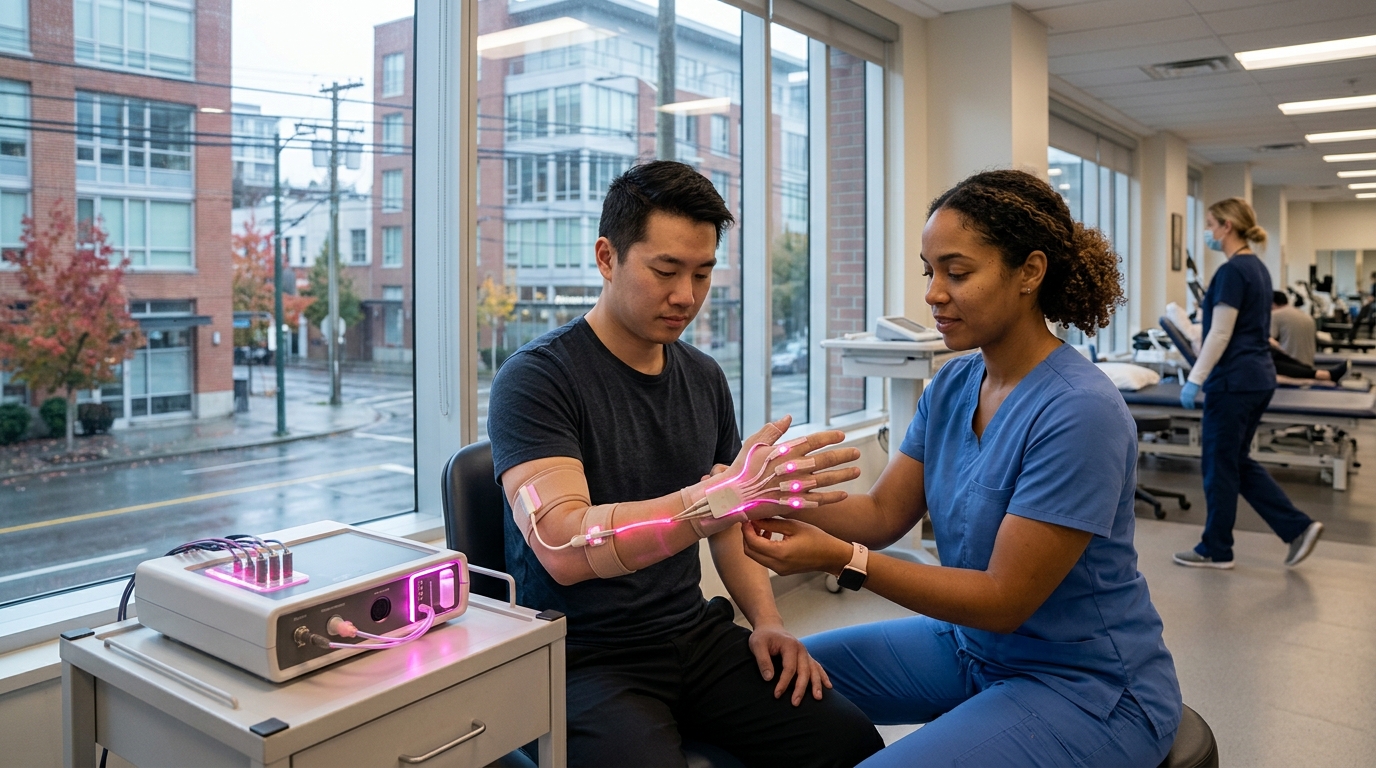
Canadian biotech NervGen Pharma is developing peptide-based therapeutics that promote nerve regeneration in spinal cord injury and neurodegenerative diseases by overcoming natural regeneration inhibitors.

Ottawa-based Shopify powers over 4 million merchants globally, providing commerce infrastructure that democratizes e-commerce and represents Canada's most successful tech platform company.
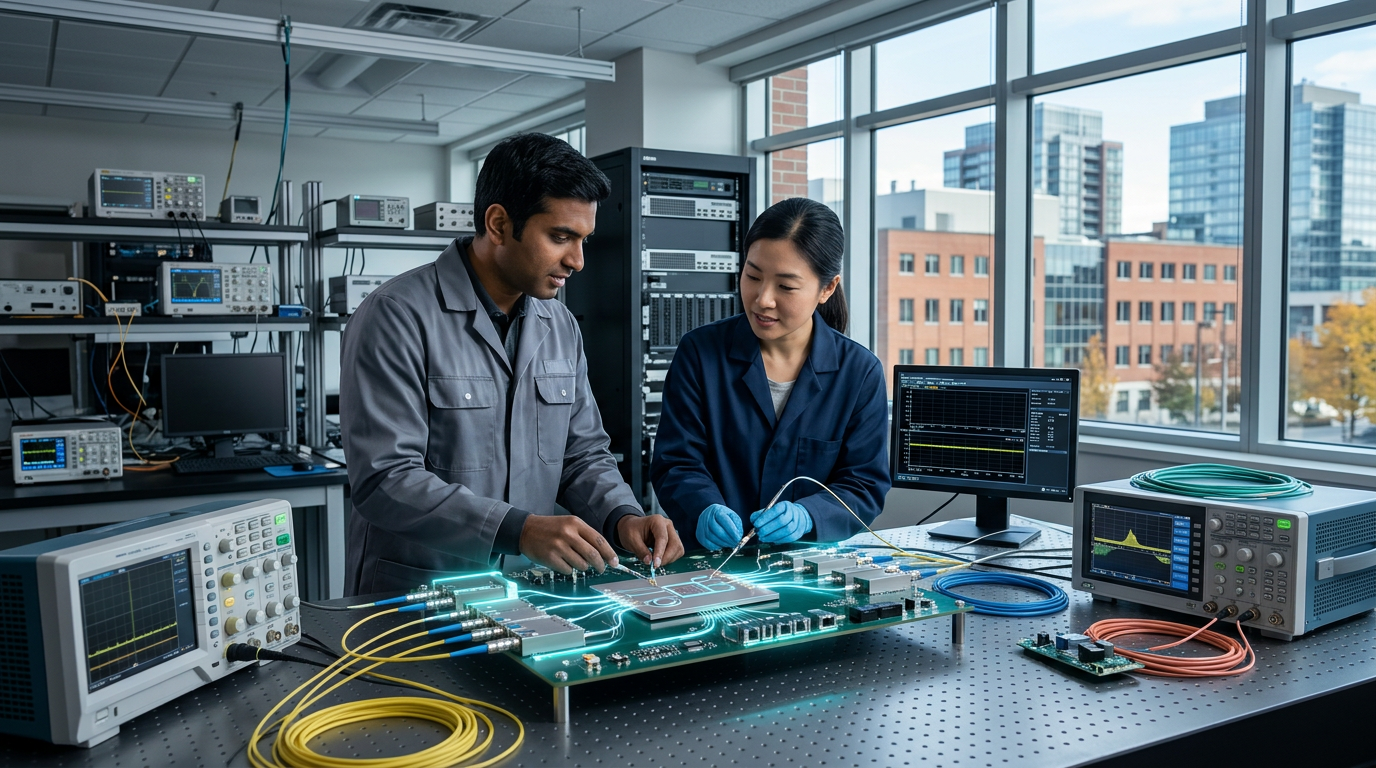
Canada's photonics research community, centered in Ottawa and Waterloo, is developing silicon photonic chips for AI data centers, telecommunications, and quantum networking — leveraging the legacy of Nortel and JDS Uniphase.
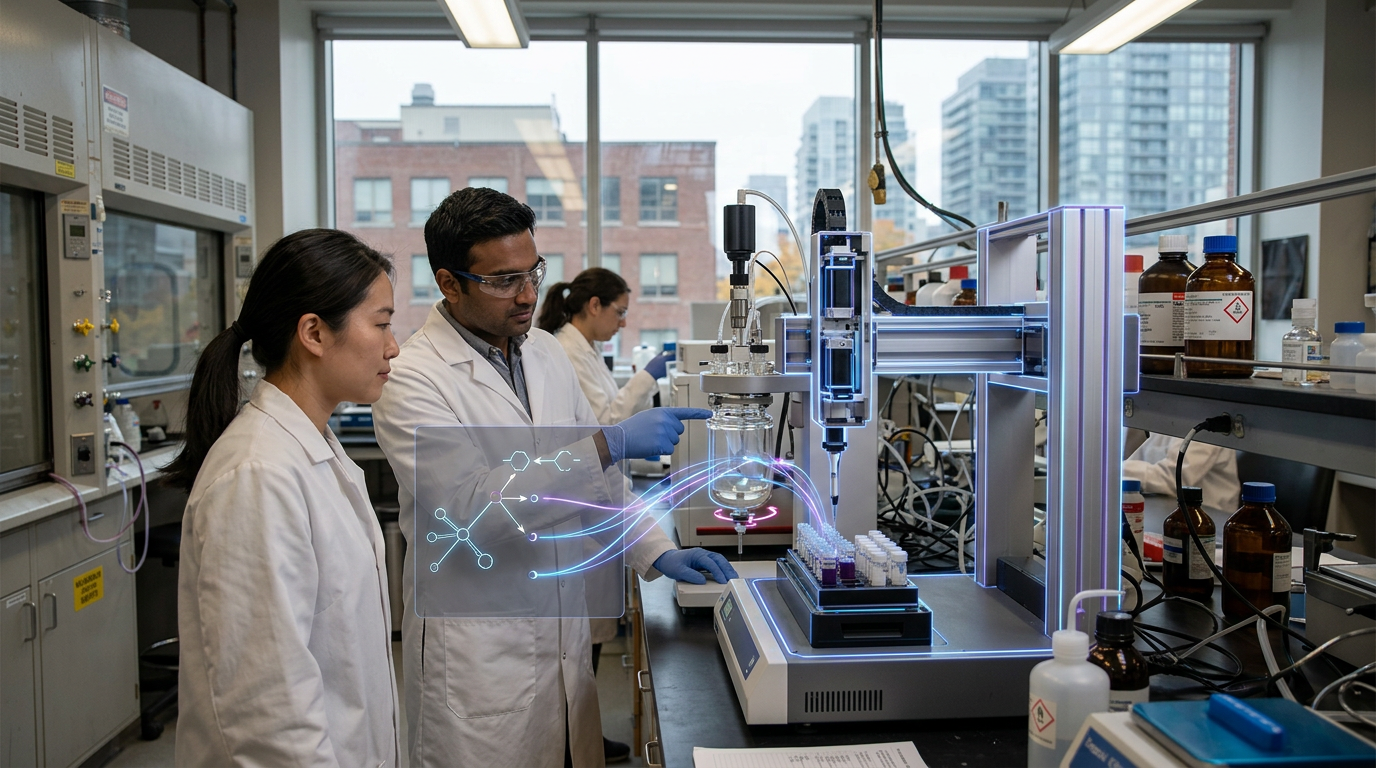
CIFAR-funded research at Mila and UBC is developing novel AI approaches to retrosynthesis — breaking down target drug molecules into simpler reactants — using topological data analysis.
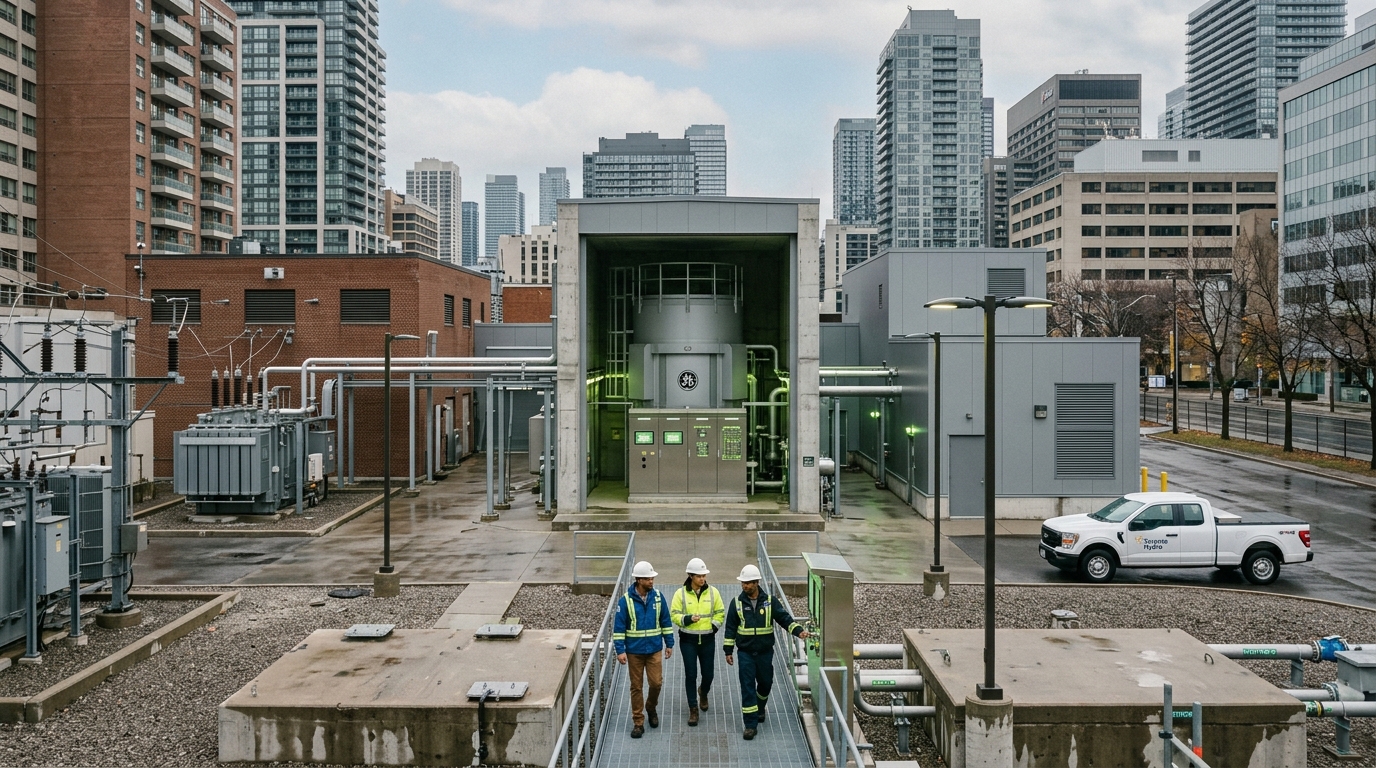
Canada is on track to become the first G7 country with an operational SMR, with a CA$5.3B domestic market projected through 2040 and applications spanning grid power, remote communities, and mining.
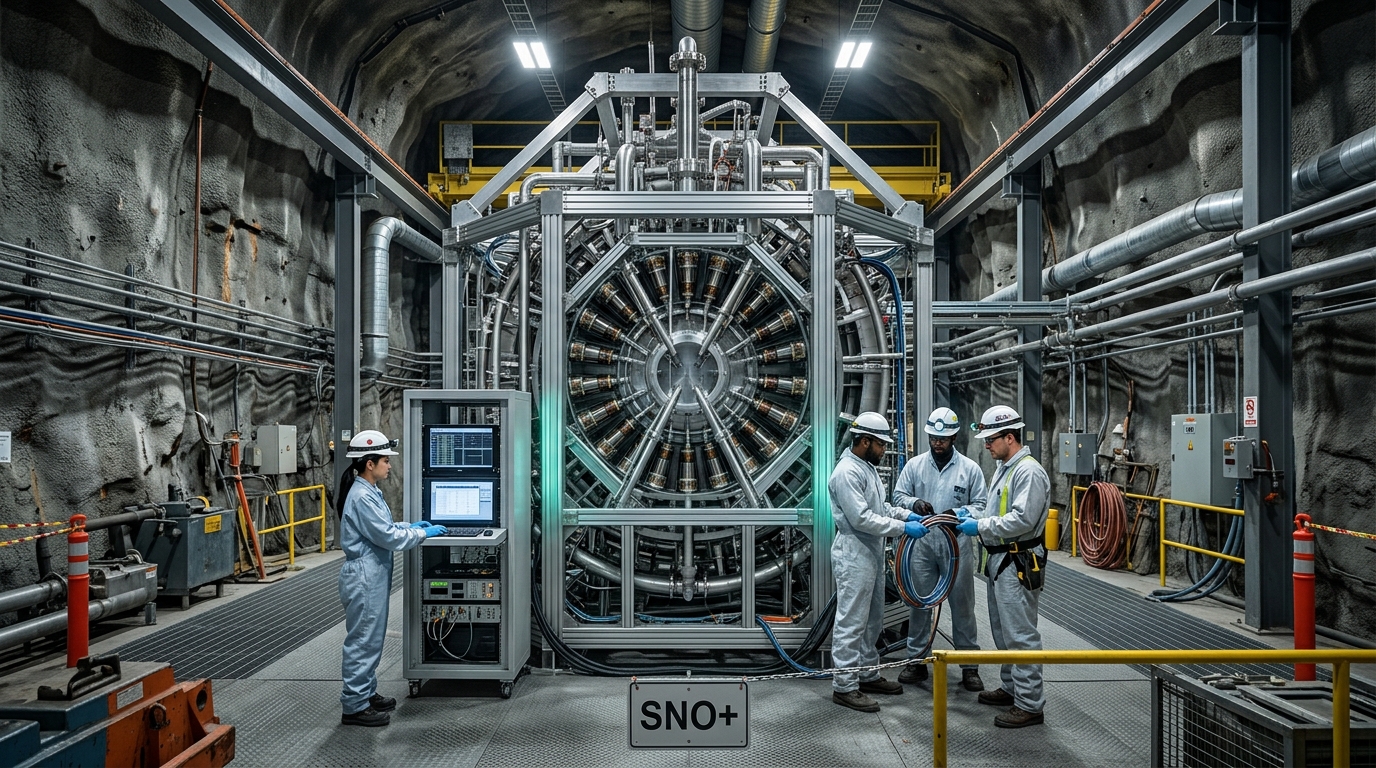
Located 2 km underground in Sudbury's Creighton Mine, SNOLAB is the world's deepest clean laboratory — home to dark matter searches and neutrino experiments that have already produced one Nobel Prize.
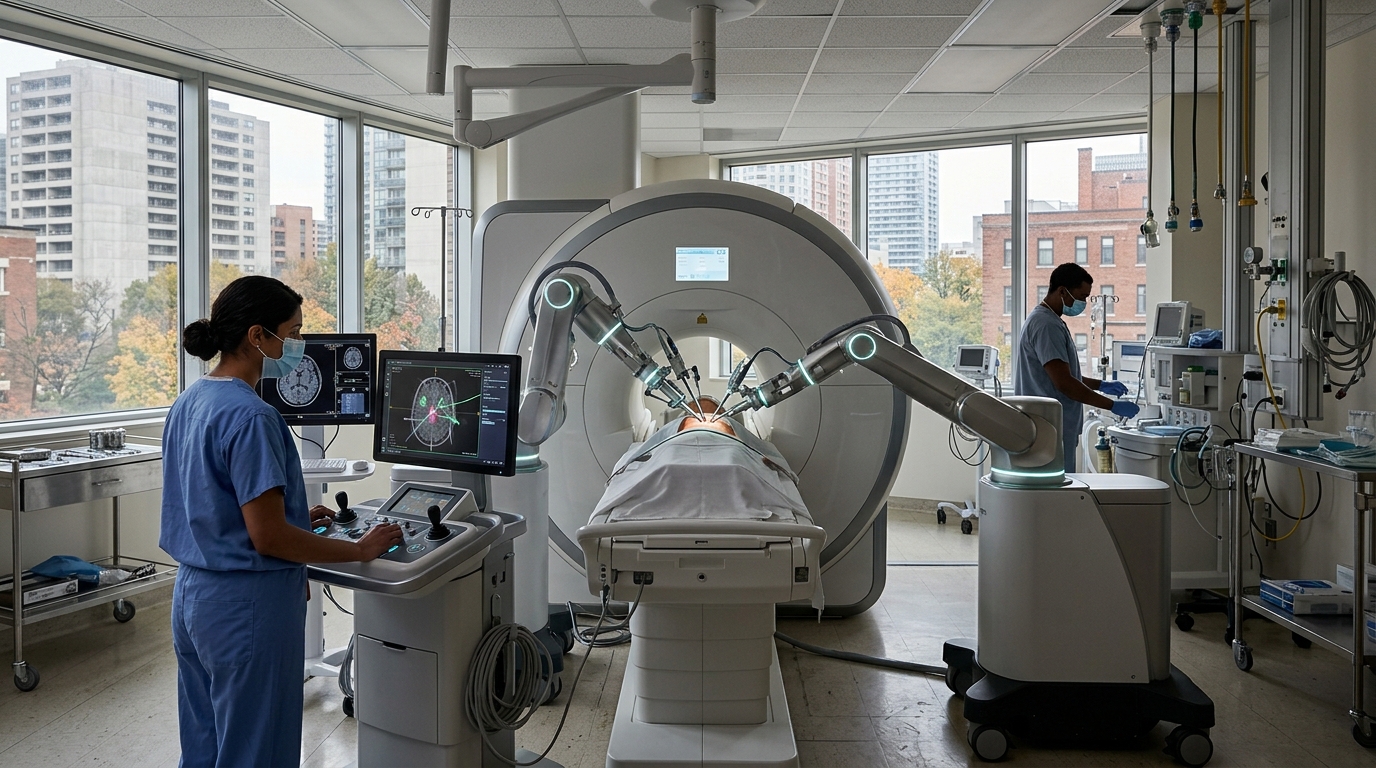
Canadian robotics expertise from the Canadarm program has spawned neuroArm and other surgical robotic systems capable of performing brain surgery inside MRI machines with sub-millimeter precision.
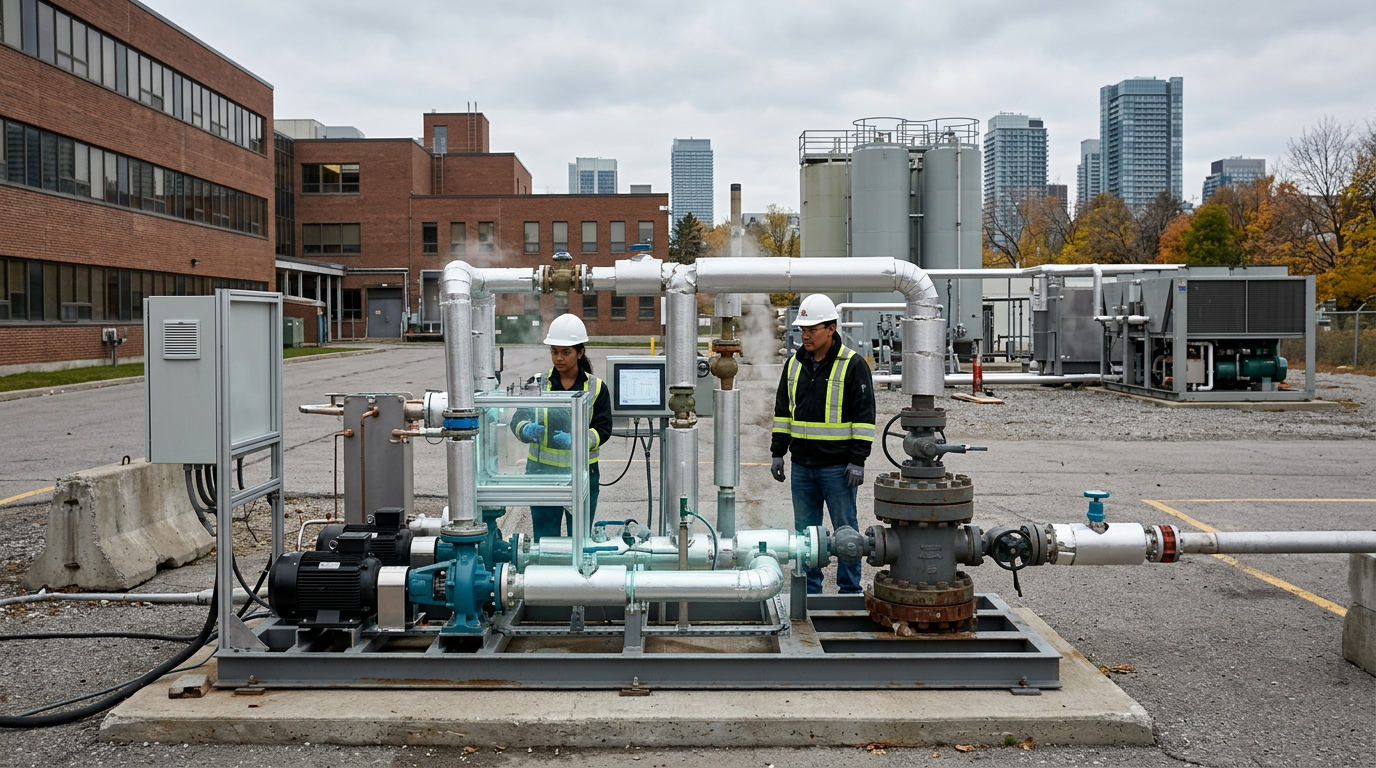
Canadian researchers are developing enhanced geothermal systems using supercritical CO₂ as the working fluid, potentially enabling geothermal power from Canada's sedimentary basins while permanently sequestering carbon.
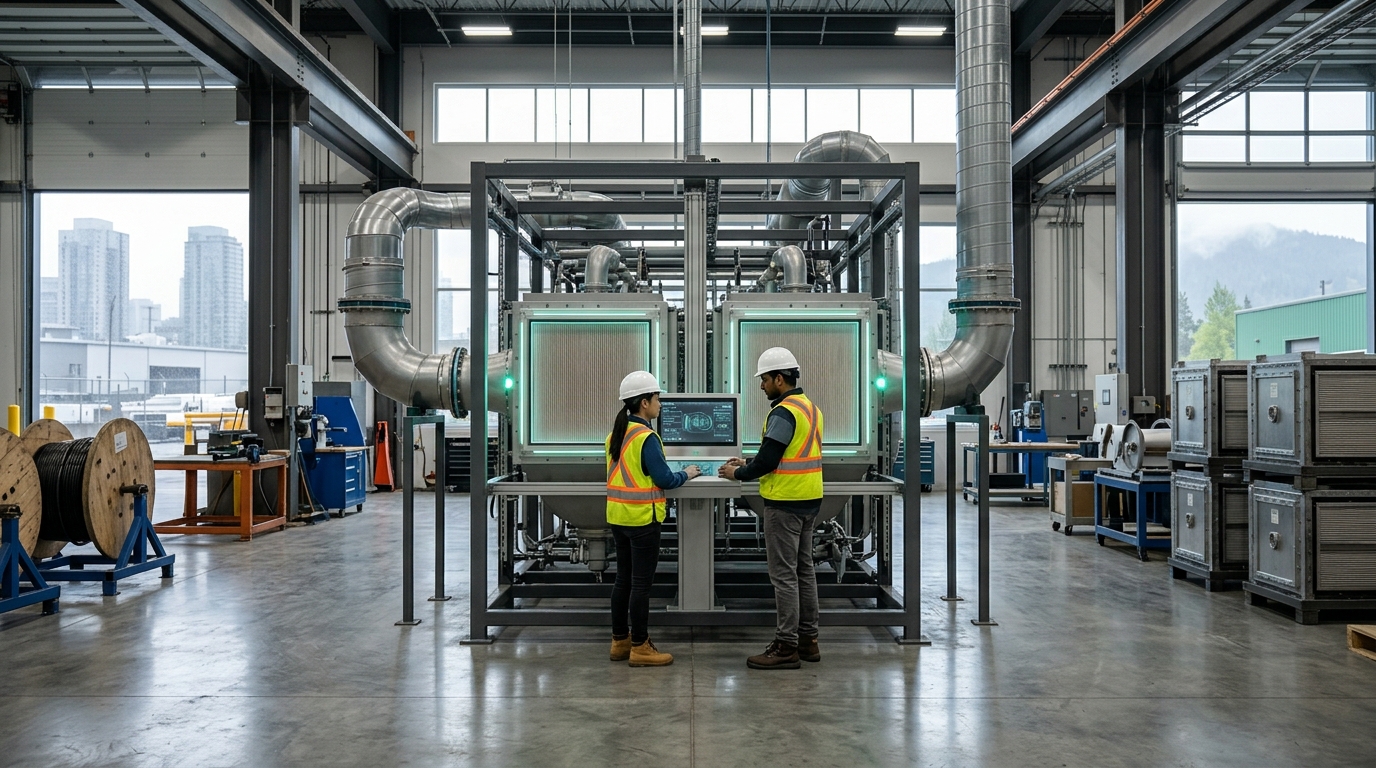
Vancouver-based Svante opened the world's first carbon capture gigafactory in British Columbia, manufacturing nanoengineered filters capable of capturing up to 10 million tonnes of CO₂ annually.
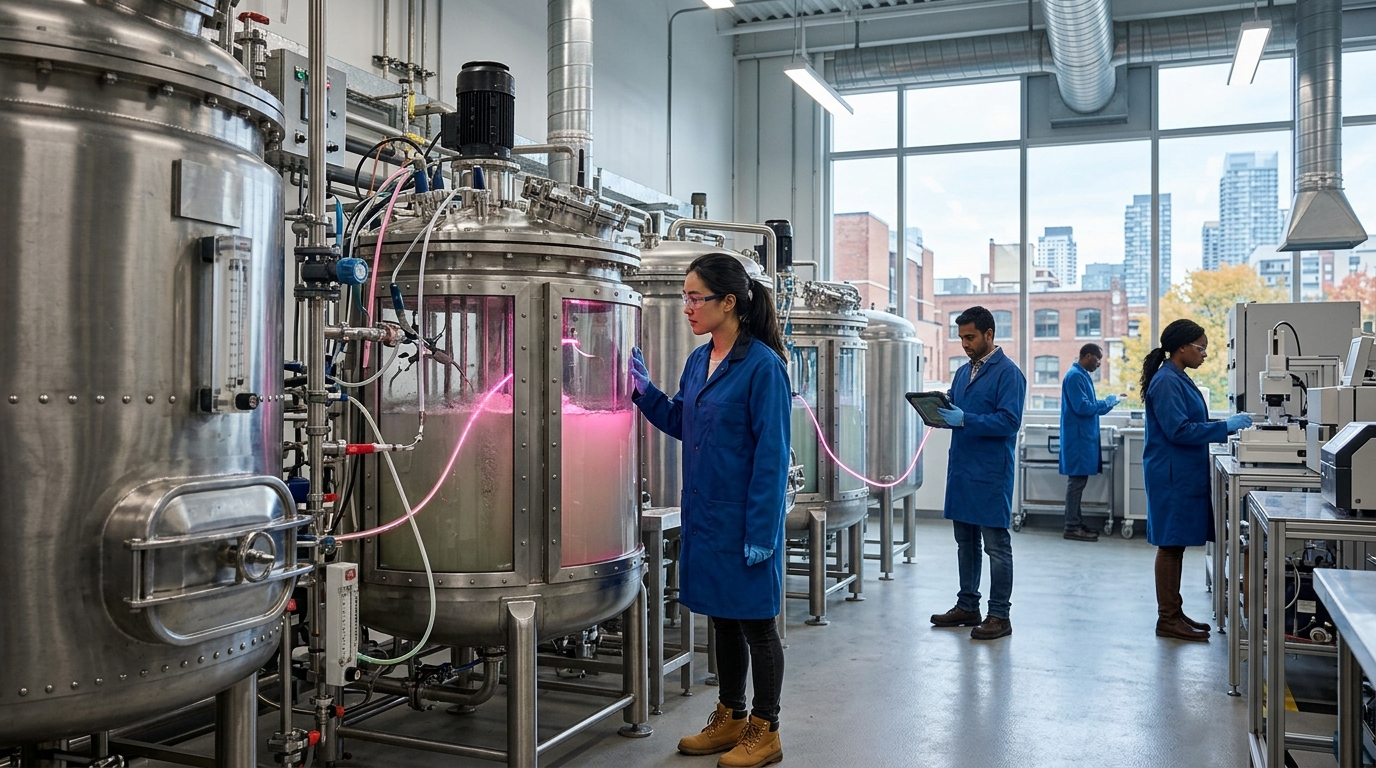
Canada's SynBio ecosystem — spanning Toronto's Genecis (microbe-engineered biodegradable plastics from waste) to UofT's biomanufacturing labs — is building capacity for bio-based chemicals, materials, and therapeutics production.
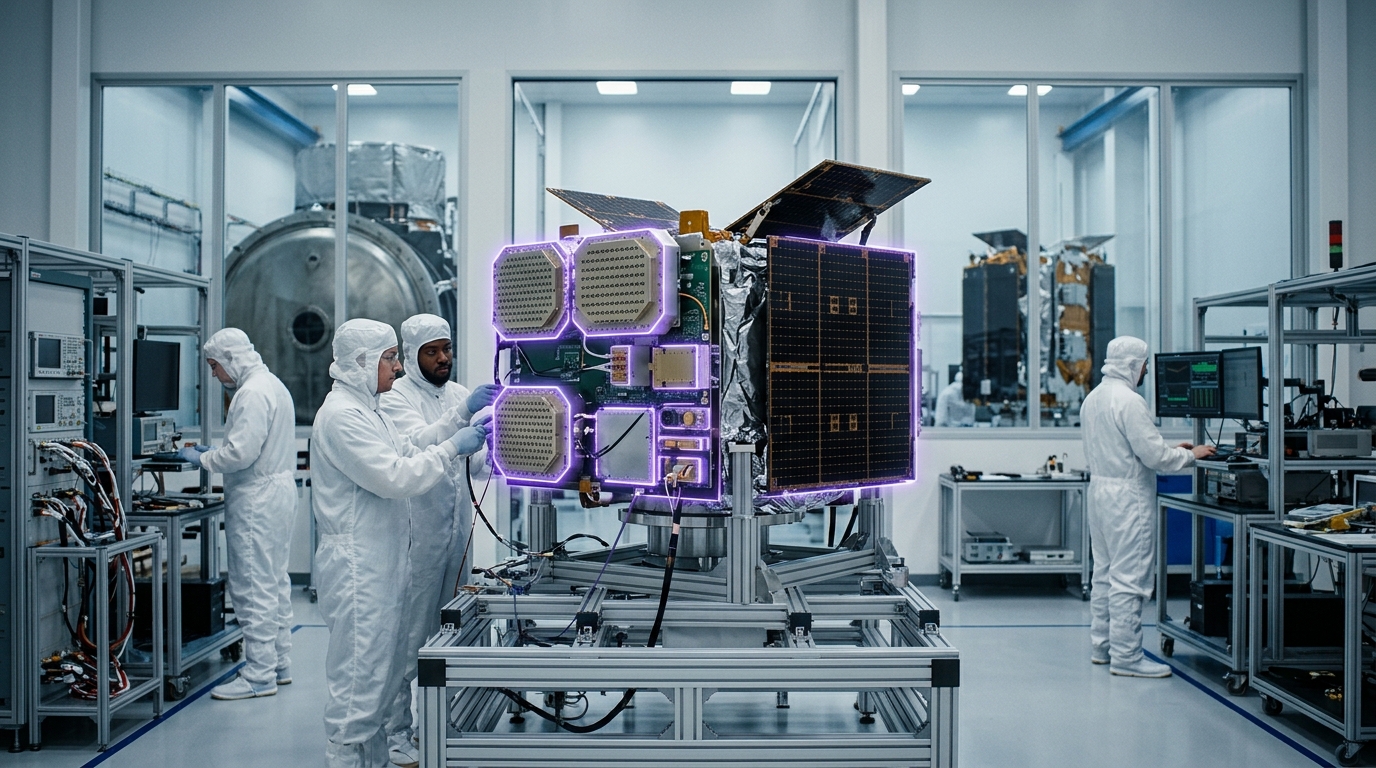
Canada's Telesat is building a 198-satellite LEO constellation backed by CA$2.54 billion in government funding, with military Ka-band added in March 2026 and first launches scheduled for mid-2026.
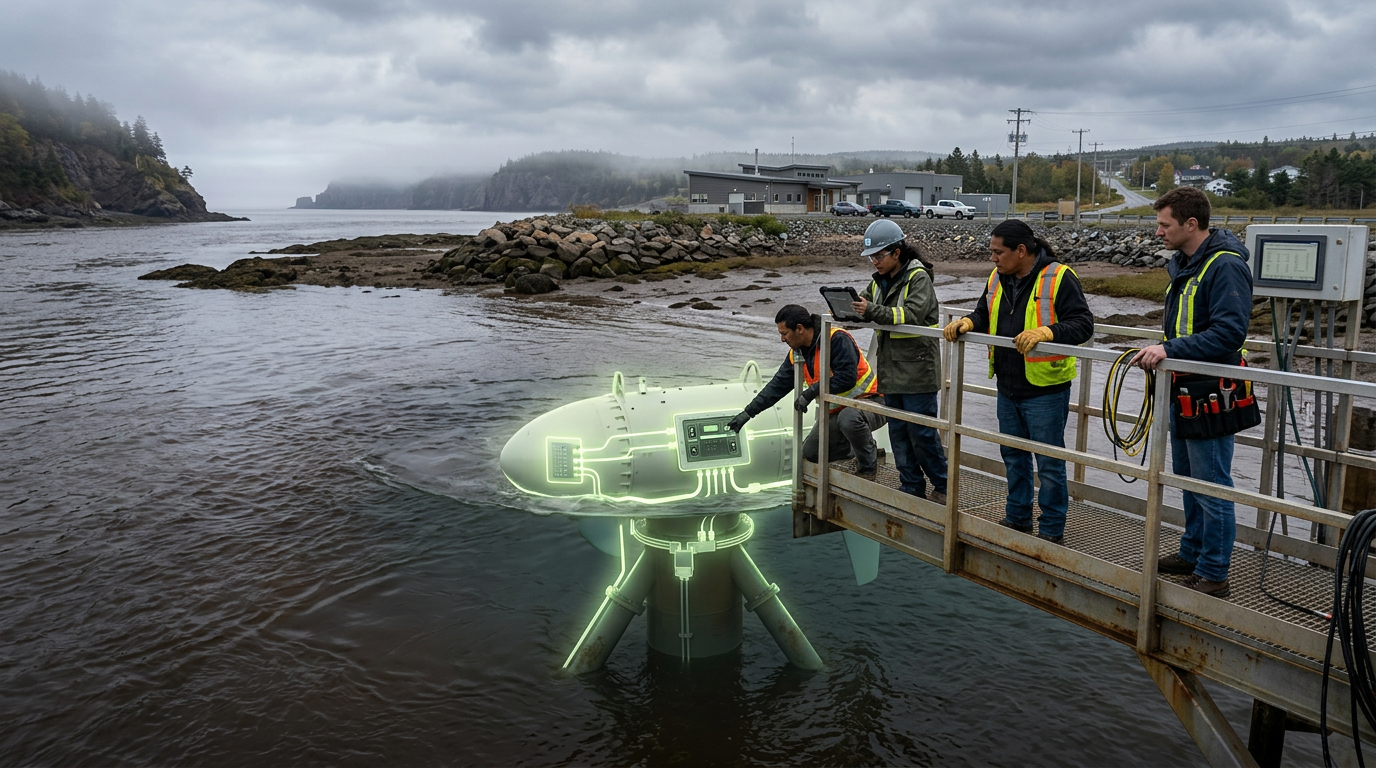
Nova Scotia's Bay of Fundy hosts the world's most advanced tidal energy test site, with turbines harnessing the highest tides on Earth (16.3 meters) to generate predictable renewable electricity.
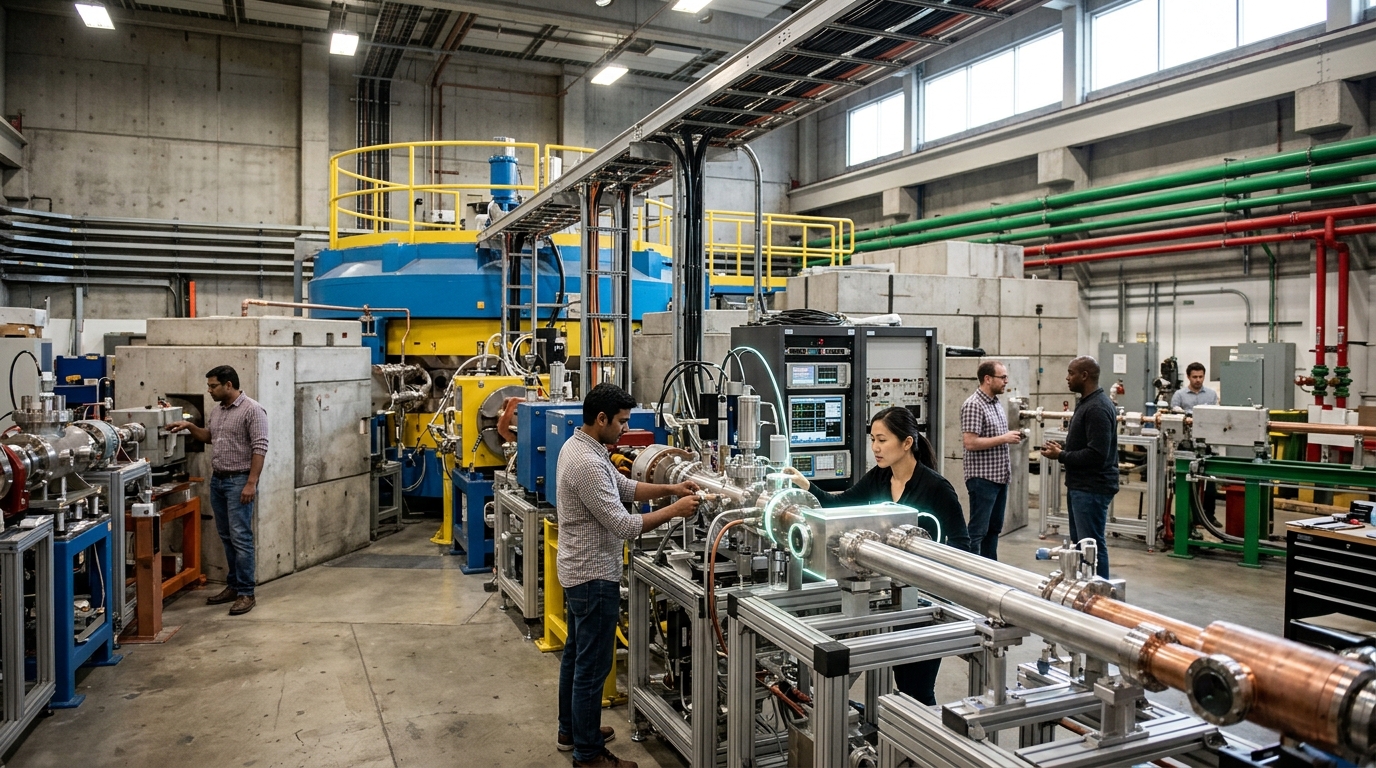
TRIUMF in Vancouver operates Canada's national particle accelerator center and the world's largest cyclotron, producing medical isotopes, advancing nuclear physics, and developing particle therapy for cancer.
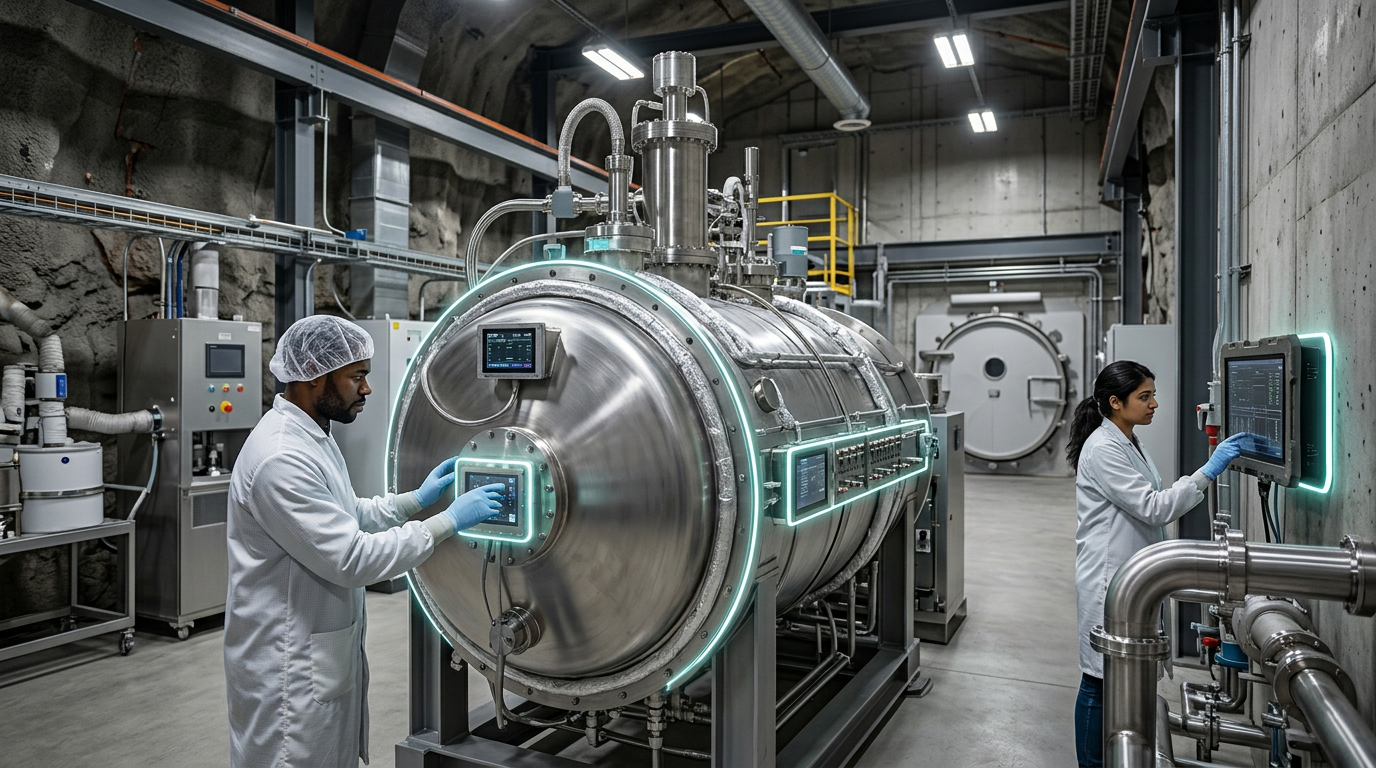
SNOLAB's experiments have produced the world's most sensitive radiation detectors — liquid argon time projection chambers, spherical proportional counters, and ultra-radiopure material assay techniques capable of detecting single particle interactions amid cosmic silence.