Quantum-AI Hybrid Simulation
Geography: Americas · North America · Canada
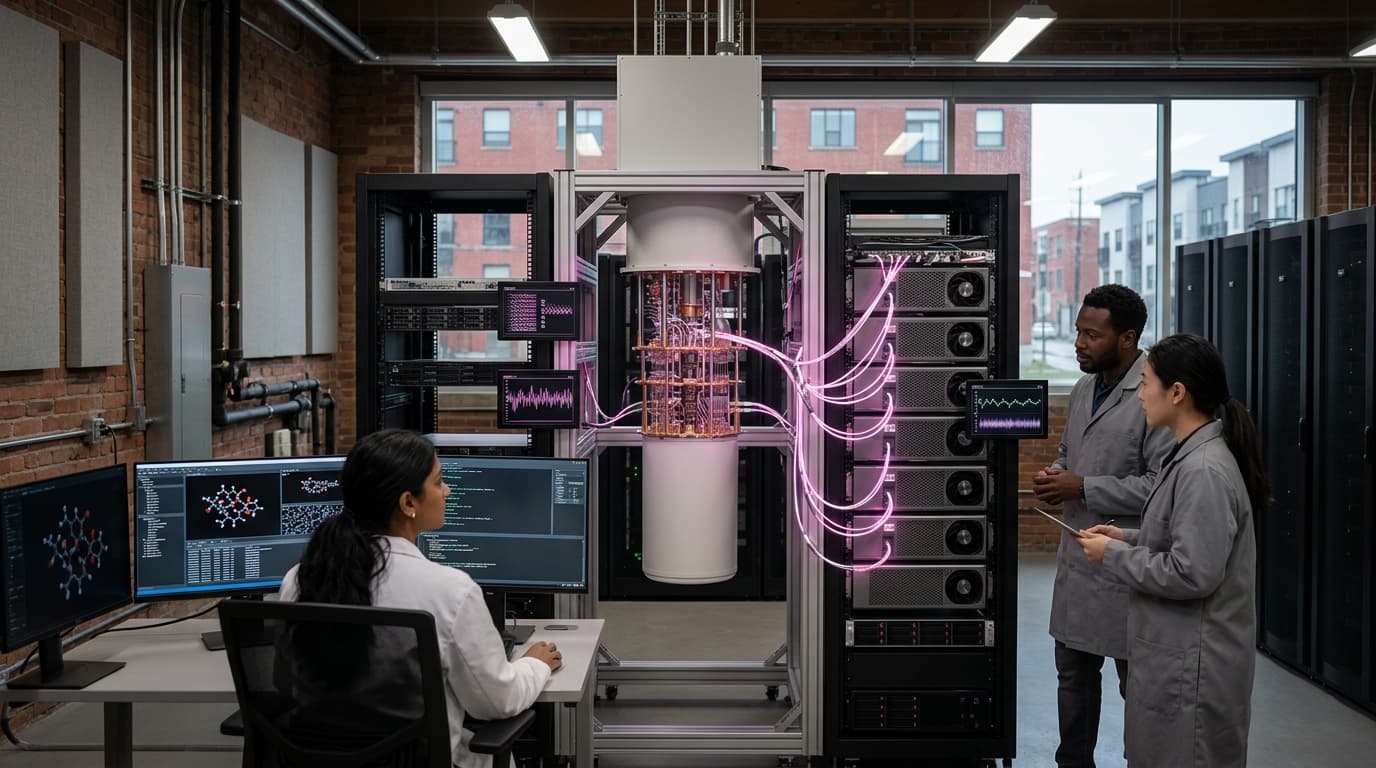
Researchers in Waterloo have developed what they describe as the first approach that merges quantum computing techniques with advanced AI to model complex simulations in a fast, accurate, and energy-efficient way. This quantum-AI hybrid method combines quantum-inspired algorithms with machine learning to tackle problems in physics, chemistry, and materials science that are intractable for either approach alone.
This matters because the near-term quantum computing landscape is likely to be dominated by hybrid approaches that combine quantum and classical resources. Canada's strength in both quantum hardware (Waterloo ecosystem) and AI (national institutes) makes it uniquely positioned to develop these hybrid methods. The energy efficiency angle is also significant given the growing concern about AI's power consumption.
The strategic context is that quantum-AI convergence is emerging as a distinct research frontier, and Canada has intellectual density in both contributing fields within a small geographic area. The Perimeter Institute's new joint faculty position at the intersection of AI and theoretical physics signals institutional commitment to this convergence.
Research this in Signals
Signals turns a topic into a sourced research record you can inspect and rerun. Your first scan is free, and this one starts with Quantum-AI Hybrid Simulation already loaded, so edit it or scan as is.