Indigenous-Led Clean Energy Infrastructure
Geography: Americas · North America · Canada
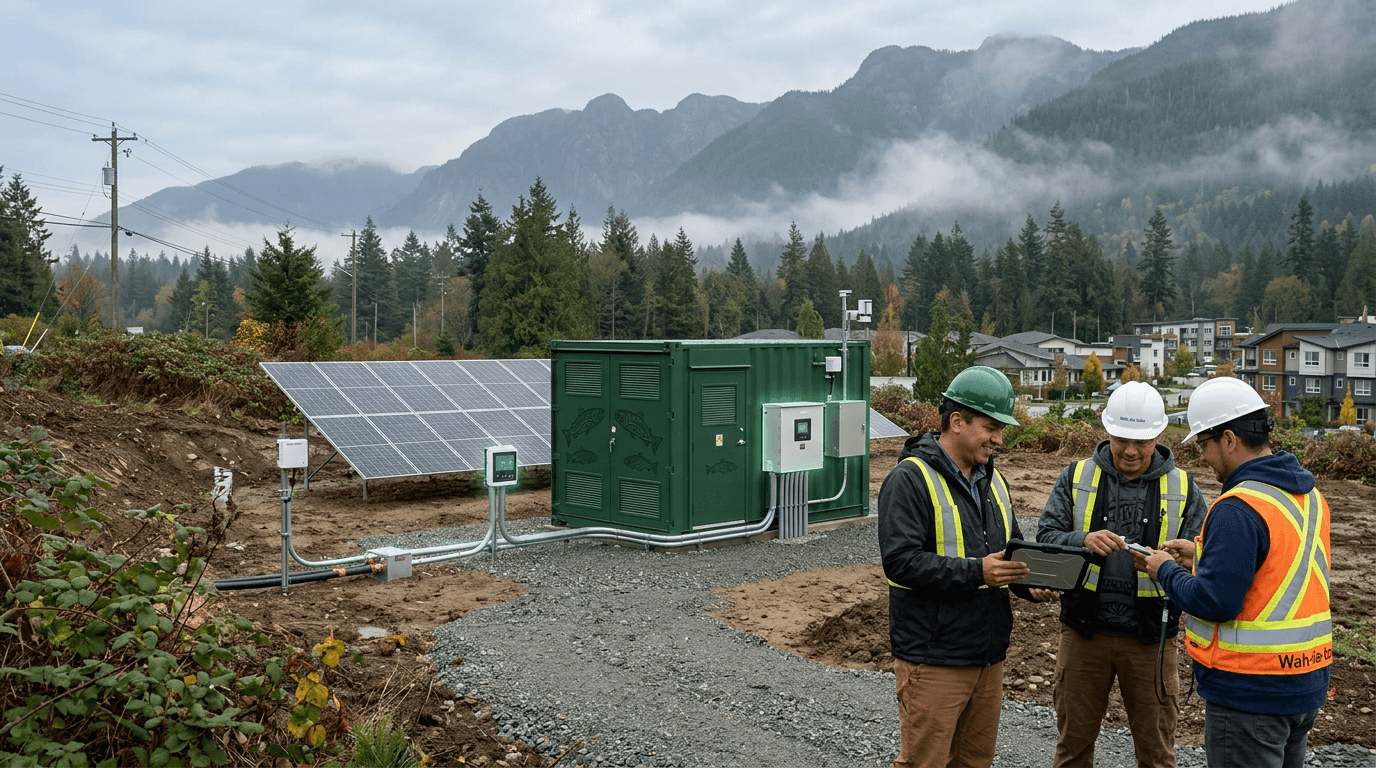
First Nations, Métis, and Inuit communities across Canada are rapidly building Indigenous-owned clean energy infrastructure. According to the Indigenous Energy Monitor, 118 Indigenous-owned wind, solar, and energy storage projects are now operational as of 2025, with the federal government's Low Carbon Economy Fund supporting 13 additional Indigenous-led projects and the Wah-ila-toos initiative targeting diesel displacement in over 200 remote communities. Projects range from solar PV installations to microgrids, wind farms, and biomass systems, including Saskatchewan's largest planned solar farm, developed in partnership with First Nations.
This matters because approximately 200 Indigenous and remote communities across Canada still depend on diesel generators for electricity — an expensive, polluting, and logistically difficult energy source requiring fuel transport over ice roads or by air. Indigenous-led clean energy addresses energy poverty, reduces diesel dependence, generates community revenue, and demonstrates a model of energy sovereignty where communities own and control their power systems. British Columbia's new regulatory framework under the Renewable Energy Projects Act specifically engages First Nations in wind and solar development.
The strategic significance extends beyond emissions reduction. Indigenous energy sovereignty creates a new economic model where communities transition from energy consumers to energy producers and owners. With Canada's reconciliation agenda requiring substantive economic partnership with Indigenous peoples, community-owned clean energy represents one of the most tangible and scalable pathways. The projects also function as distributed Arctic and remote infrastructure — connected communities with reliable power are more resilient, more economically active, and more capable of supporting sovereignty functions in remote regions.
Research this in Signals
Signals turns a topic into a sourced research record you can inspect and rerun. Your first scan is free, and this one starts with Indigenous-Led Clean Energy Infrastructure already loaded, so edit it or scan as is.