Supercritical CO₂ Geothermal Systems
Geography: Americas · North America · Canada
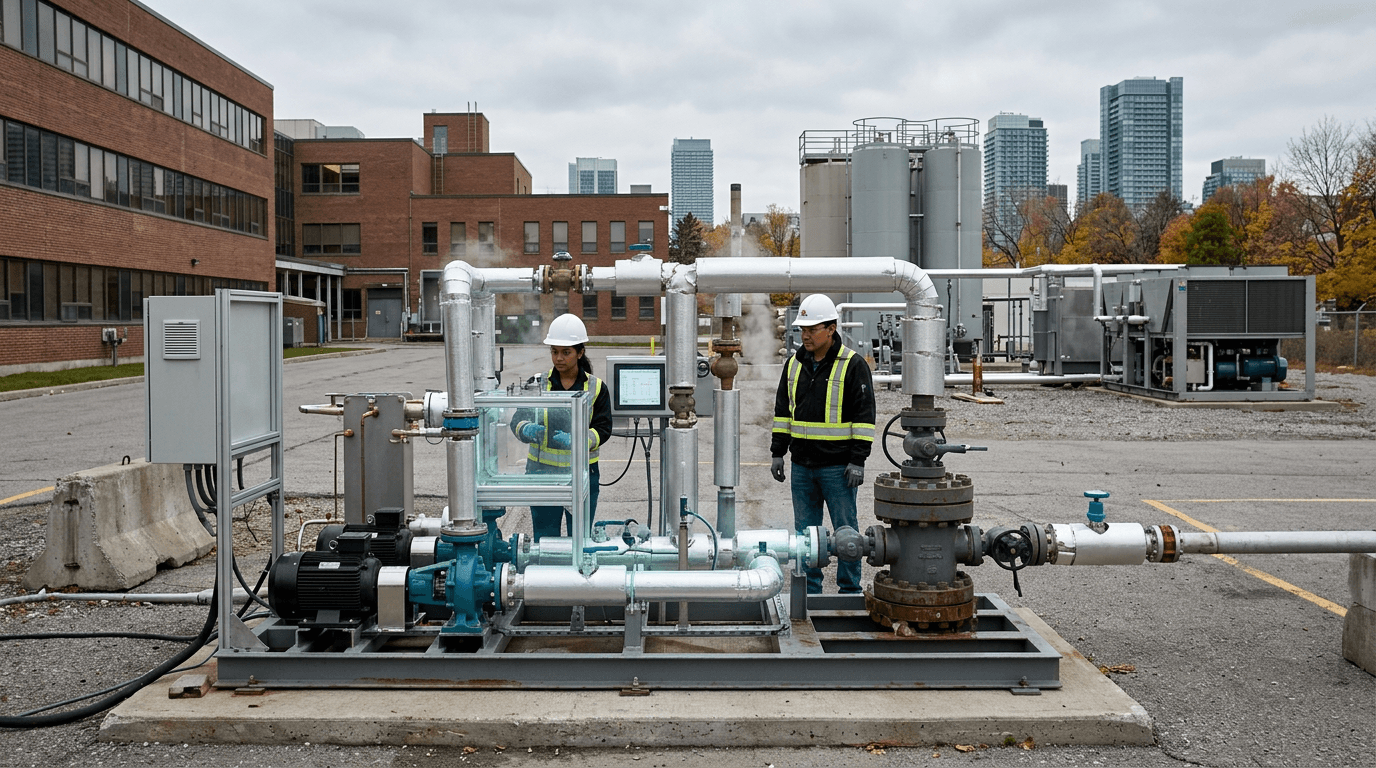
Canadian researchers and companies are exploring enhanced geothermal systems (EGS) that use supercritical CO₂ instead of water as the heat transfer fluid. In this approach, CO₂ is injected into hot deep rock formations, heated by geological energy, and returned to the surface to drive turbines. A portion of the CO₂ is permanently sequestered in the rock formation, making the system carbon-negative. Western Canada's sedimentary basins, well-characterized from decades of oil and gas drilling, provide ideal geology.
This technology matters because it could transform Alberta's oil and gas infrastructure and workforce into clean energy assets. The deep drilling expertise, geological data, and pipeline infrastructure built for fossil fuel extraction are directly transferable to geothermal development. Using CO₂ as the working fluid adds carbon sequestration as a co-benefit, addressing climate goals while generating clean baseload power.
The strategic opportunity is profound: turning Canada's oil and gas sector into a clean energy sector using the same skills, infrastructure, and geological resources. This addresses the political challenge of energy transition by offering fossil fuel workers and communities a pathway to clean energy careers without abandoning their expertise. If supercritical CO₂ geothermal proves viable, Western Canada could become a major clean energy exporter.
Research this in Signals
Signals turns a topic into a sourced research record you can inspect and rerun. Your first scan is free, and this one starts with Supercritical CO₂ Geothermal Systems already loaded, so edit it or scan as is.