Autonomous Mining Systems
Geography: Americas · North America · Canada
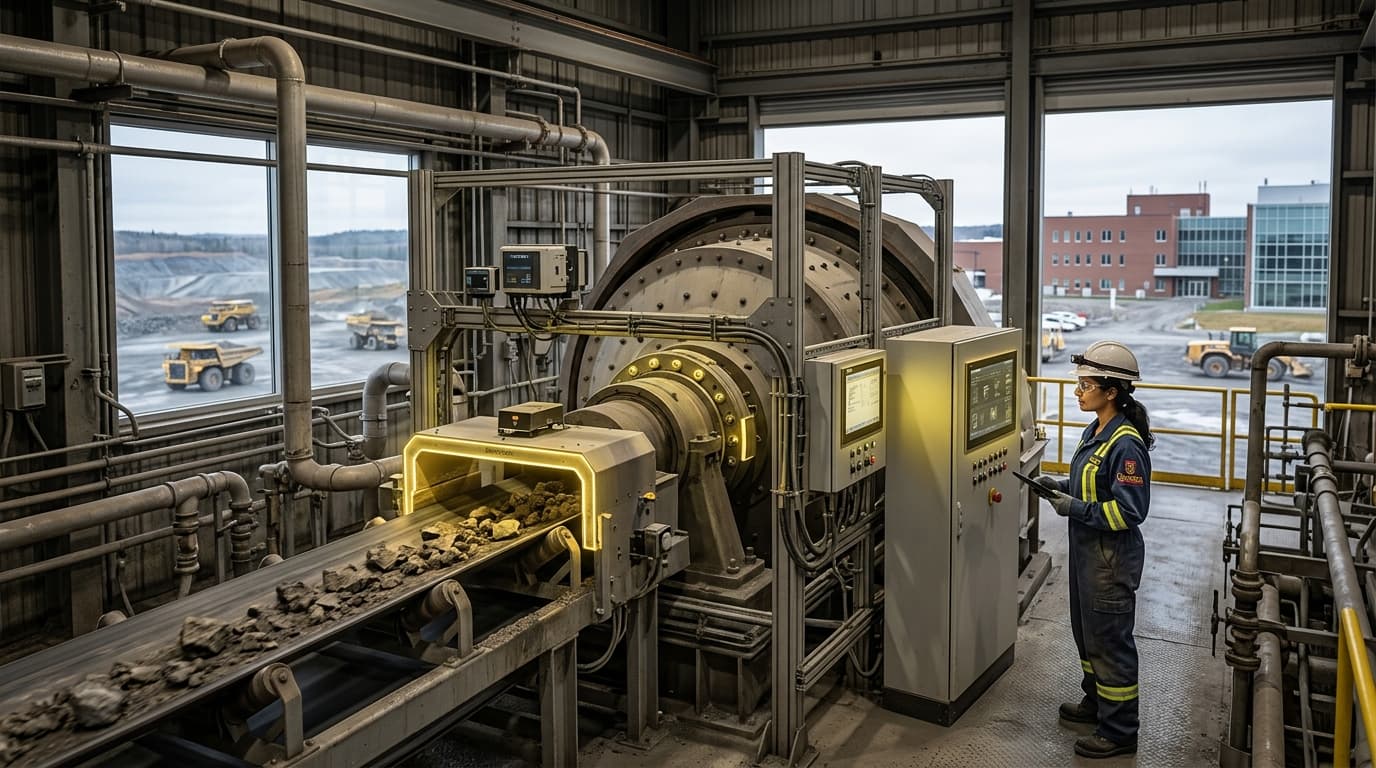
Canada's mining industry is at the forefront of autonomous operations, with major mines deploying autonomous haul trucks, semi-autonomous drilling systems, and AI-driven ore processing optimization. Queen's University's Critical Minerals Processing Lab, led by Charlotte Gibson, is developing machine learning approaches to improve mineral separation and recovery. Industry deployments include fully autonomous hauling at multiple open-pit and underground operations across the country.
Autonomous mining matters for Canada because it addresses three critical challenges simultaneously: safety (reducing human exposure to dangerous underground environments), cost (enabling economic extraction from remote and marginal deposits), and labor (addressing chronic skilled worker shortages in remote locations). The technology also enables year-round operations in Arctic conditions that would be difficult or dangerous for human workers.
The strategic context is that Canada's mining industry is one of the most technologically sophisticated in the world, and autonomous systems are a key enabler of the critical minerals strategy. By combining autonomous operations with clean energy (SMRs) and AI-optimized processing, Canada can potentially extract and process minerals at globally competitive costs despite higher labor costs and stringent environmental regulations.
Research this in Signals
Signals turns a topic into a sourced research record you can inspect and rerun. Your first scan is free, and this one starts with Autonomous Mining Systems already loaded, so edit it or scan as is.