Tracking signals shaping the future of geopolitics and systemic stability — compute infrastructure, telecom networks, space and cyber capabilities, and global coordination systems.

NRC's Quantum and Nanotechnologies Research Centre develops graphene quantum dots, carbon nanotubes, and inorganic quantum dots for applications spanning bio-imaging, photovoltaics, high-performance electronics, and quantum computing.

AI-driven safeguards that detect and prevent unintended military escalation between autonomous systems

Decision support systems that analyze precedents and language to guide treaty negotiations

Frameworks and audits ensuring government AI systems operate fairly and transparently

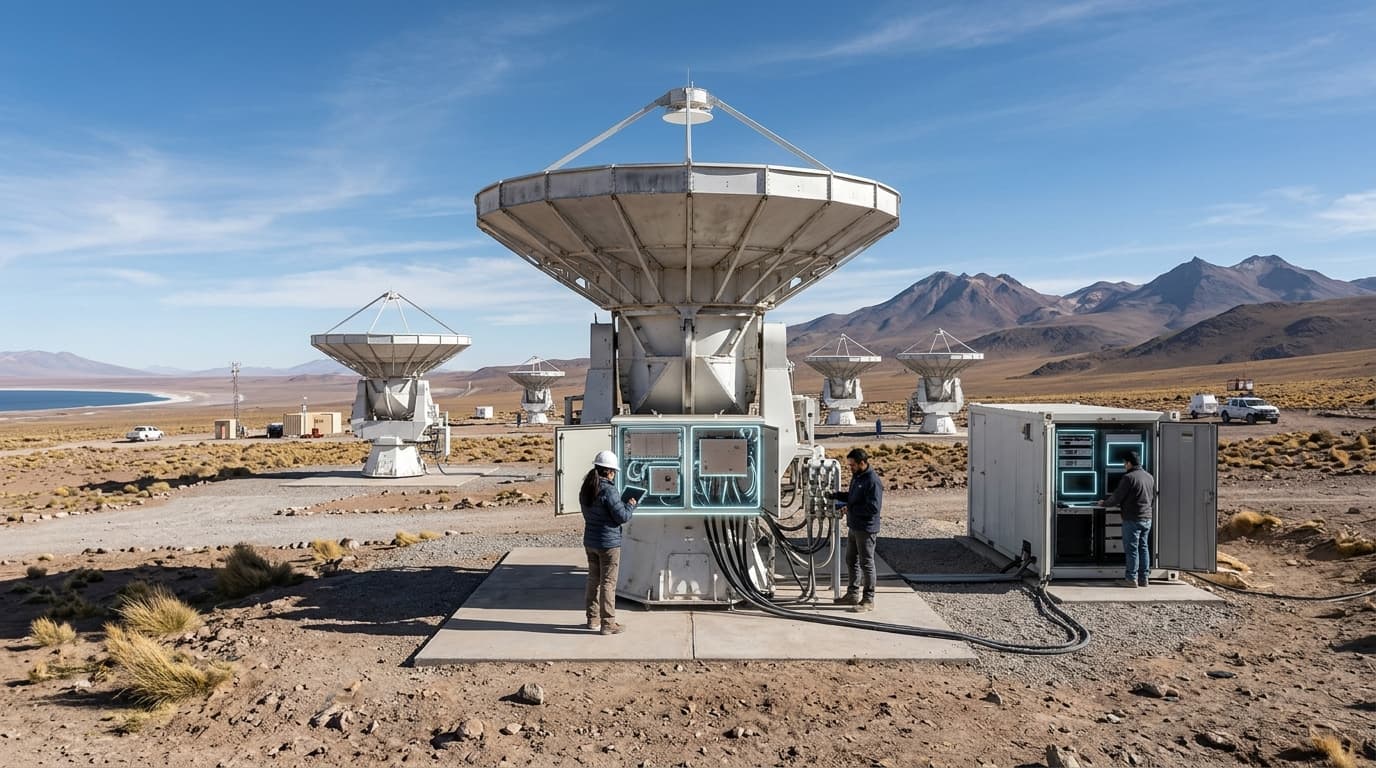
ALMA's 66-antenna array at 5,000m altitude in the Atacama is the world's most powerful submillimeter telescope, resolving protoplanetary disks and distant galaxy formation.

Redesigned internet infrastructure with independent routing, DNS, and governance outside global systems

Cross-border payment systems that bypass dollar-based settlement infrastructure

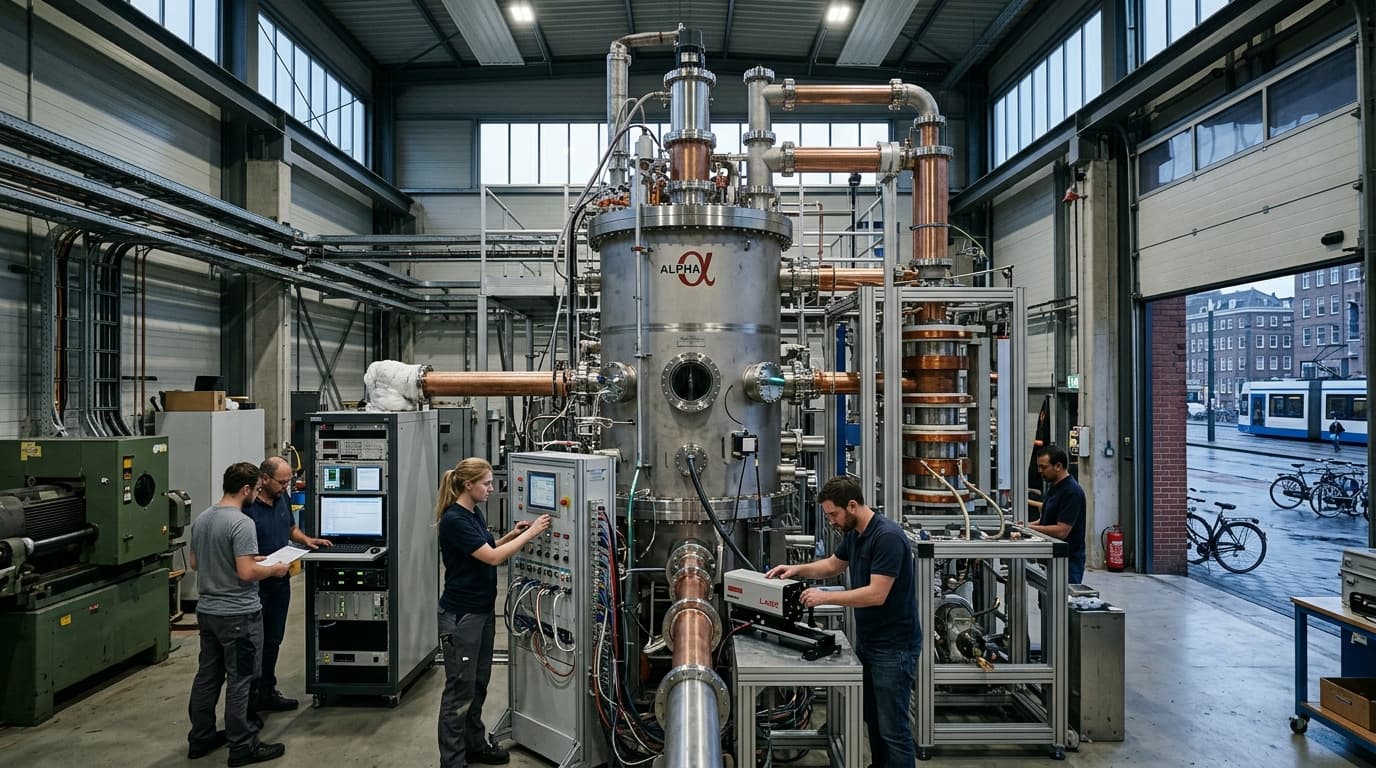
CERN's ALPHA-g experiment measured gravity's effect on antimatter for the first time in history — confirming antihydrogen falls downward and opening precision tests of fundamental physics.

AI-driven systems that detect and neutralize cyber threats without human intervention

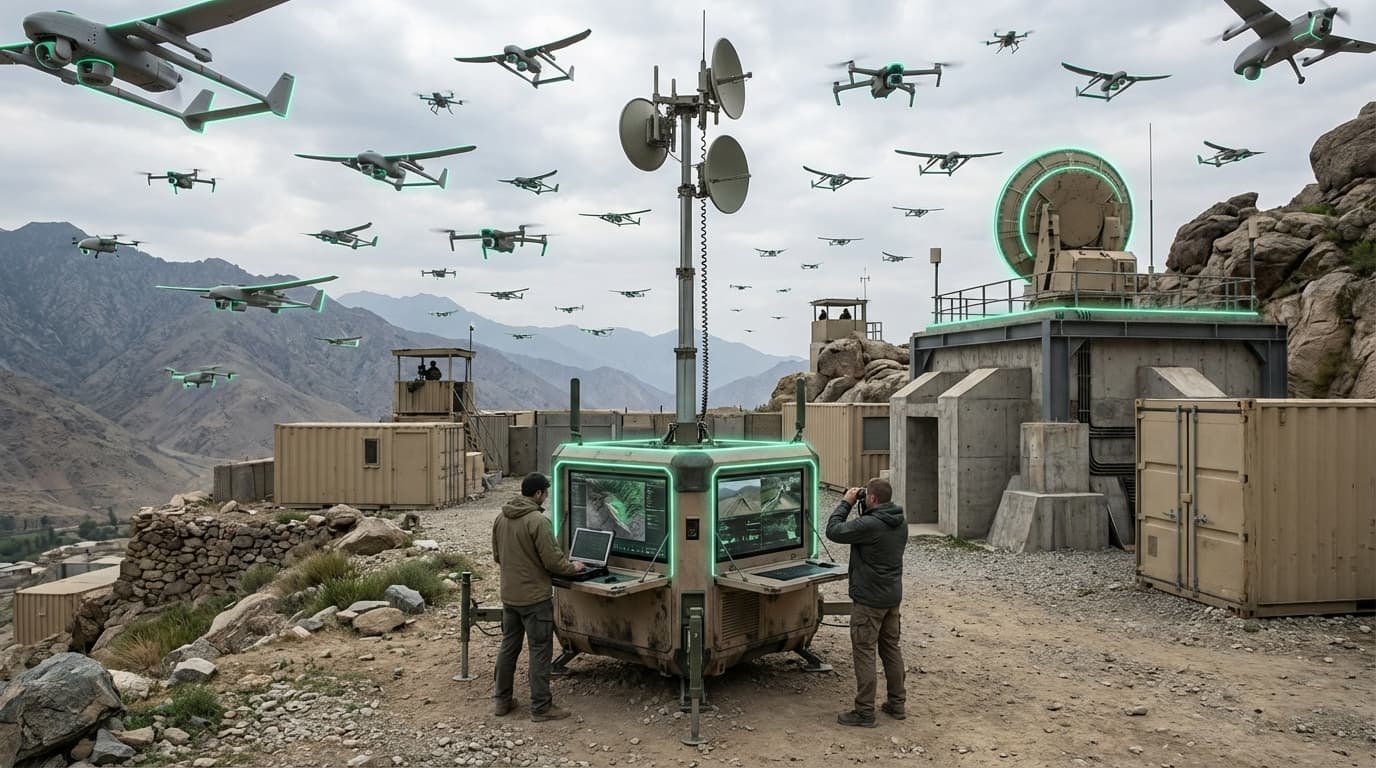
Coordinated networks of autonomous drones that share intelligence and adapt collectively to mission conditions

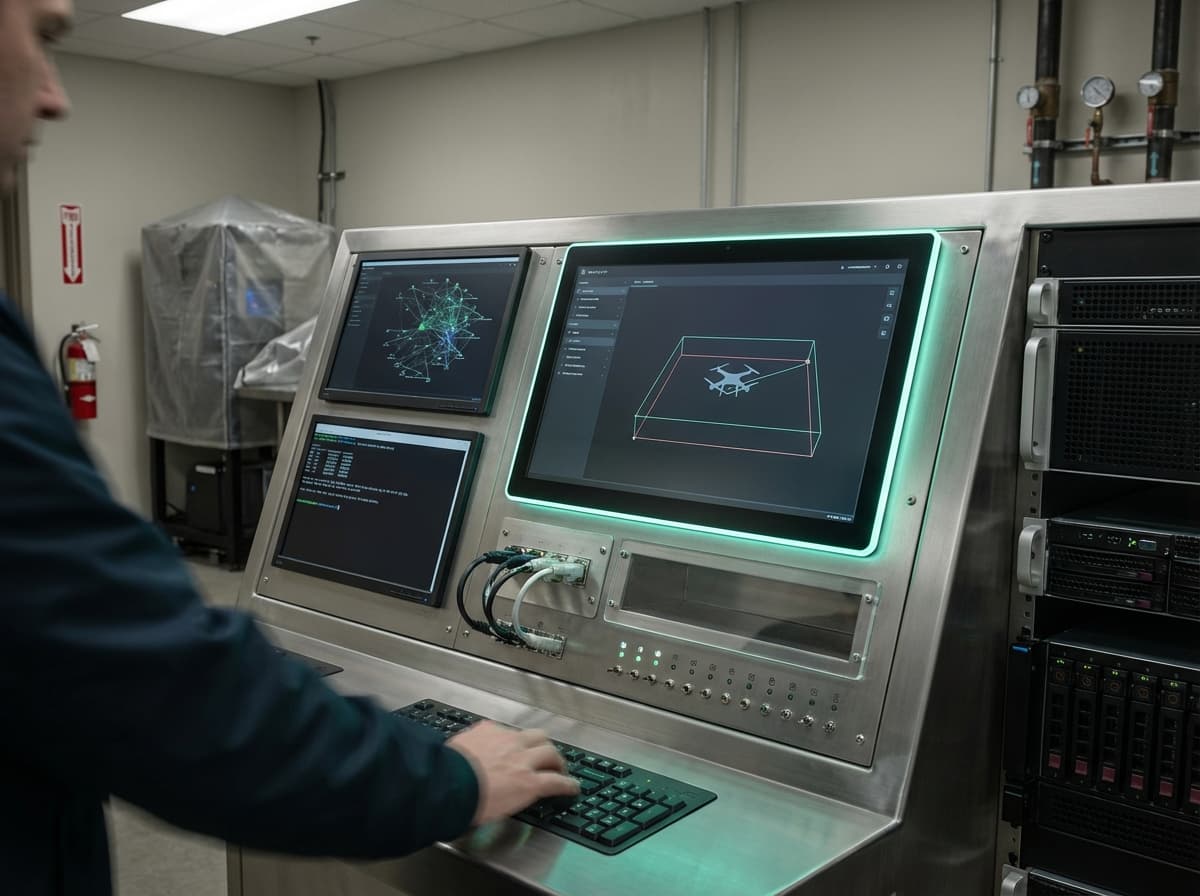
Technical systems that enforce accountability and legal compliance in autonomous military platforms

Canada's national synchrotron facility in Saskatoon provides ultra-bright X-ray light for research spanning drug design, mineral characterization, environmental science, and advanced materials.

State-issued digital currencies operating through central bank infrastructure

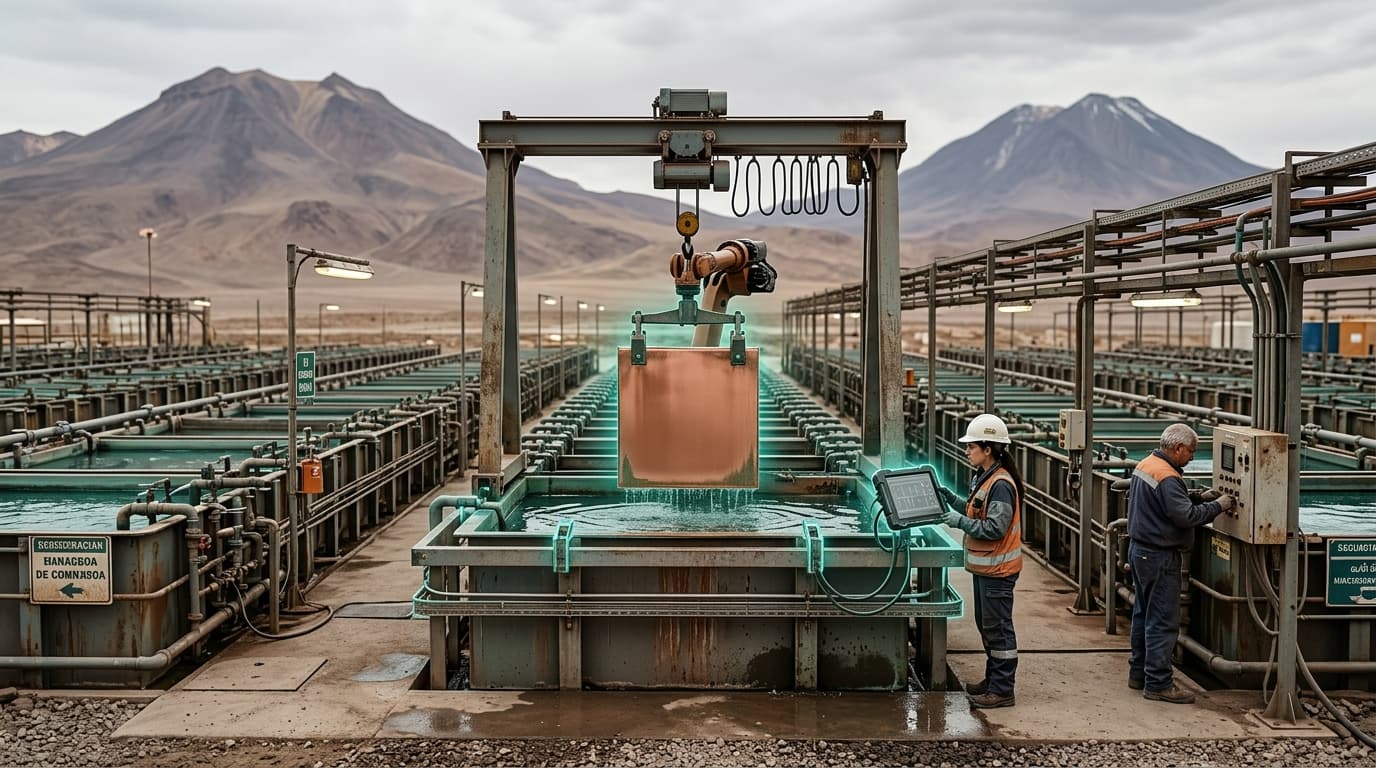
Chile is the global leader in solvent extraction-electrowinning (SX-EW) copper processing, producing ~1.8 million tonnes annually from oxide ores without smelting.

Infrastructure engineered to withstand shifting climate conditions and extreme weather patterns

Frameworks detecting and countering influence operations that exploit cognitive vulnerabilities

Layered control systems that prevent single failures from cascading across essential infrastructure networks

Secure systems enabling real-time coordination between nations during cross-border emergencies

Legal and technical frameworks ensuring national control over data, infrastructure, and digital services

Laser and microwave systems that neutralize threats at the speed of light for defense applications

Blockchain-based records for verifying treaties, supply chains, and cross-border transactions

Canadian researchers are pioneering environmental DNA techniques that detect species presence from water and soil samples, enabling rapid biodiversity assessment across Canada's vast wilderness and Arctic ecosystems.

The world's largest X-ray laser generating 27,000 flashes per second — imaging molecular processes in real-time at the atomic level

ESO's ELT in the Atacama will be the world's largest optical telescope (39m mirror) with revolutionary adaptive optics correcting atmospheric distortion to exceed Hubble's resolution 16x.

RIKEN, Fujitsu, and NVIDIA are co-designing FugakuNEXT — a zettascale supercomputer targeting operation by 2030 with a ¥110 billion ($750M) budget.

CERN's proposed 91km particle accelerator — the largest scientific instrument ever conceived, endorsed as technically feasible by the CERN Council in 2025

ESA's Gaia mapped 2 billion stars with unprecedented precision over 11 years, creating the definitive 3D catalog of the Milky Way — a uniquely European scientific asset.

National control over population genetic data through secure biobanks and localized storage

International rules and monitoring systems for large-scale climate intervention technologies

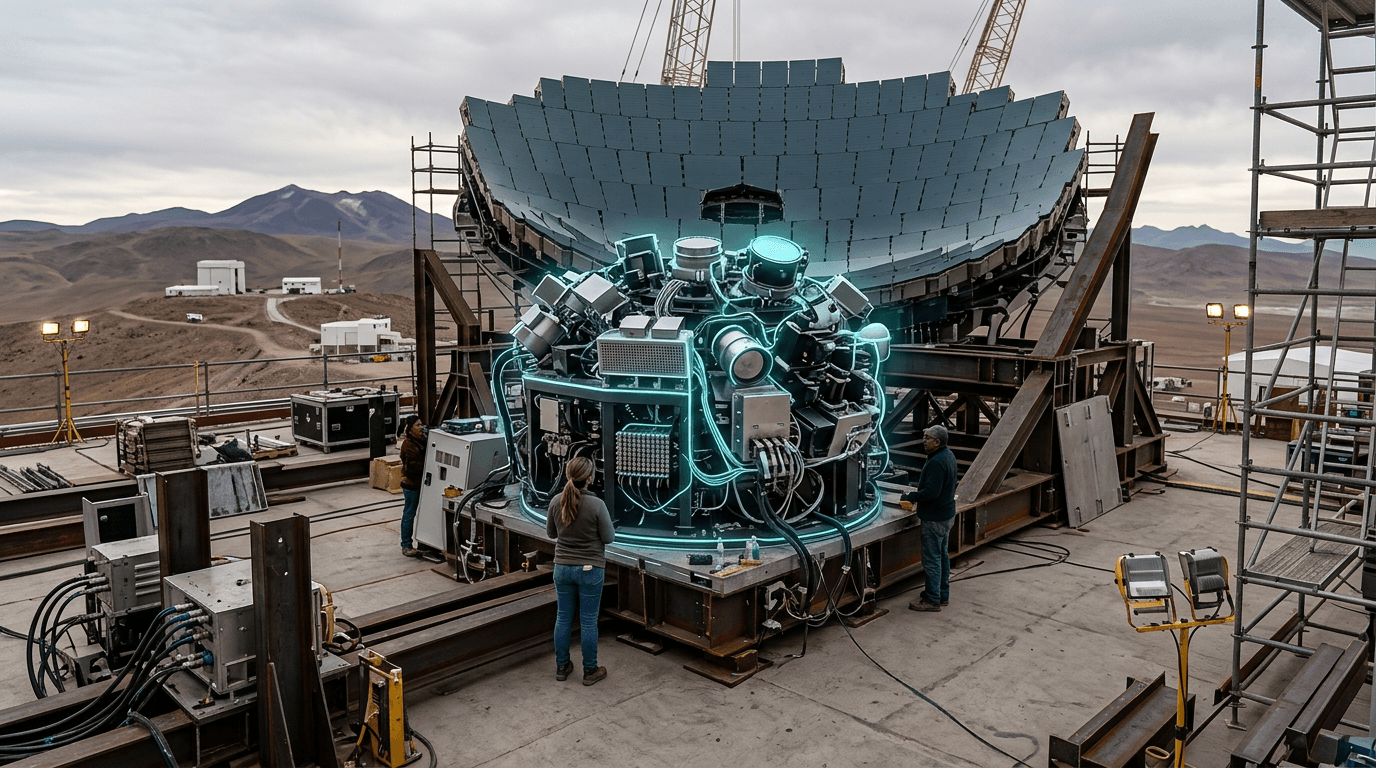
The GMT at Las Campanas uses seven 8.4m monolithic mirrors as a 25.4m composite — a unique optical design giving wide field of view for exoplanet atmosphere characterization.

Analytical platforms that map dependencies and vulnerabilities across global trade networks

Stratospheric platforms providing persistent telecom and surveillance coverage between aircraft and satellites

Sensor networks tracking weapons traveling faster than Mach 5

C-DAC and DIAT developed QSim, India's quantum simulator toolkit, while the Rs 6,003 crore National Quantum Mission targets 50-1000 qubits by 2031.

Argentina's state-owned INVAP has exported turnkey nuclear research reactors to Australia, Algeria, Egypt, and Saudi Arabia — a rare Southern Hemisphere nuclear technology exporter.

India has turned frugal improvisation into a replicable engineering discipline — producing a $74M Mars mission, $12 cataract surgeries, $2,000 cars, and $45 prosthetic feet that outperform $12,000 Western equivalents.

King Abdullah University of Science and Technology has become the Gulf's premier research university, producing world-class output in materials science, catalysis, desalination, and computational biology.

Korea's 'artificial sun' KSTAR sustained plasma at 100 million degrees Celsius for 48 seconds in 2024, setting a world record and positioning Korea as a tier-one fusion research nation.

Integrated surveillance systems tracking vessel movements and activities across strategic waters

India's indigenous manned submersible designed to carry three people to 6,000 meters depth — part of the Deep Ocean Mission targeting polymetallic nodule exploration in the Central Indian Ocean Basin.

South Africa's 64-dish MeerKAT radio telescope is currently the most sensitive radio telescope in the Southern Hemisphere, producing breakthrough astronomical discoveries since 2018.

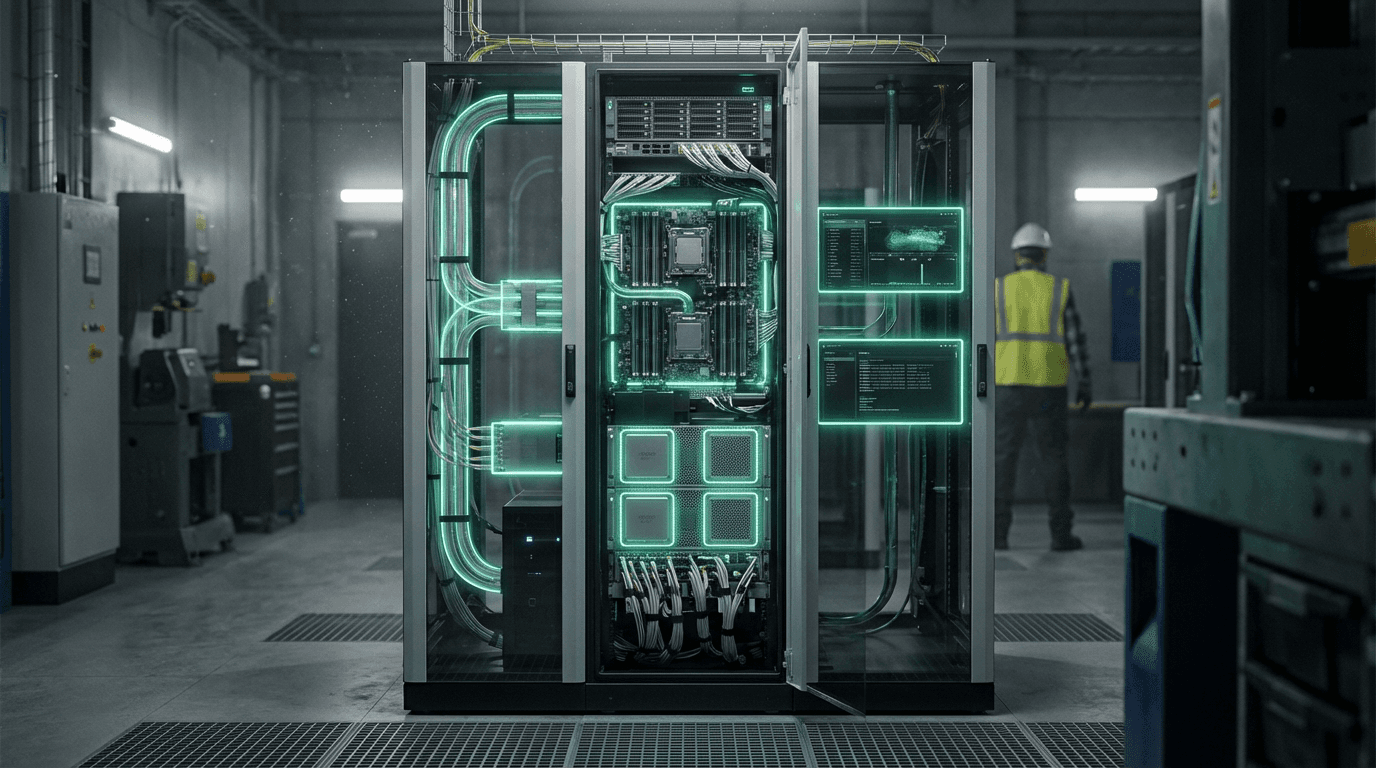
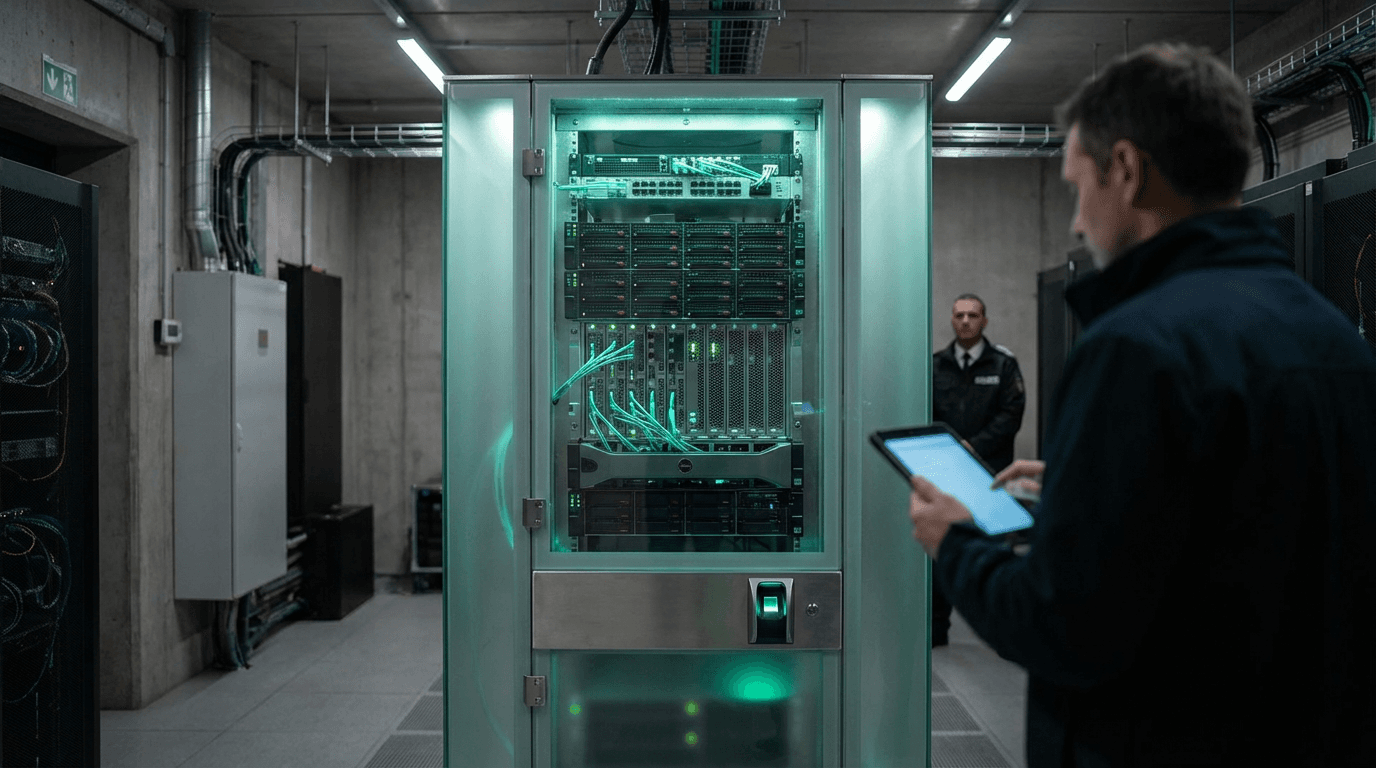
Ruggedized, containerized compute infrastructure for austere or contested environments

Language models trained on hundreds of languages for intelligence analysis and cross-cultural communication

Japanese scientists pioneered using cosmic ray muons to see inside pyramids, volcanoes, and nuclear reactors — now commercializing the technology for infrastructure inspection of bridges, tunnels, and dams.

Nationwide systems linking biometric databases for identity verification and border control

A Rs 6,003 crore ($730M) national program to build quantum computers, quantum communication networks, and quantum sensors — with five IITs, IISc, and TIFR as hub institutions and an indigenous 50-qubit target by 2030.

Brain-inspired chips that process information like biological neural networks for efficient real-time analysis

Regulatory frameworks and ethical oversight for brain-computer interfaces and neural technologies

NRC's Quantum and Nanotechnologies Research Centre develops graphene quantum dots, carbon nanotubes, and inorganic quantum dots for applications spanning bio-imaging, photovoltaics, high-performance electronics, and quantum computing.

Canada's Ocean Supercluster in Atlantic Canada is accelerating ocean technology innovation across aquaculture, marine renewable energy, ocean sensing, and underwater autonomous systems.

Orbital service stations that refuel, repair, and reposition satellites in space

Latin America's first BSL-4 lab — and the world's first connected to a synchrotron light source — enabling research on the deadliest viruses (Ebola, Marburg, Nipah) at atomic resolution

Waterloo's Perimeter Institute, the world's leading independent theoretical physics center, is expanding into AI-physics intersection research with a new joint faculty position bridging quantum foundations and machine learning.

Hamamatsu Photonics controls 90% of the global photomultiplier tube market and achieved a world-leading 200J laser output at 10Hz in 2025 — powering everything from PET scanners to particle physics.

Computational systems that forecast regime collapse and political upheaval using economic, social, and network data

Encryption algorithms designed to withstand attacks from quantum computers

Qatar Free Zones Authority and Education City host branch campuses of 8 major universities and 40+ international research institutions, building a knowledge economy hub.

Encryption key exchange using quantum mechanics to detect eavesdropping attempts

Detection systems using quantum mechanics to identify stealth vehicles and underground structures

Substitute materials for rare earth elements to reduce supply chain dependencies

Self-organizing networks that route data peer-to-peer when centralized infrastructure fails

RIKEN operates Japan's premier research infrastructure — from the SPring-8 synchrotron to quantum computing labs — underpinning breakthroughs across physics, biology, and computing.

Saudi Arabia is applying advanced geological surveying, autonomous mining equipment, and AI-driven mineral processing to develop its $1.3 trillion untapped mineral reserves.

Collaborative data analysis across organizations without exposing underlying datasets

One of the world's first and brightest 4th-generation synchrotron light sources — the largest scientific infrastructure ever built in Brazil, open to researchers globally

South Africa hosts the mid-frequency component of the world's largest radio telescope — SKA-Mid achieved 'first fringes' in 2025, deploying 197 dishes across the Karoo.

Factory-built nuclear reactors designed for flexible, distributed power generation

Located 2 km underground in Sudbury's Creighton Mine, SNOLAB is the world's deepest clean laboratory — home to dark matter searches and neutrino experiments that have already produced one Nobel Prize.

AI chips designed and manufactured domestically to reduce foreign technology dependence

Coordination systems preventing satellite collisions and tracking debris in Earth's orbit

The European Spallation Source in Lund will be the world's most powerful neutron source — 100x brighter than existing facilities, with first instruments commissioning in 2025-2026.

Modeling how economic, military, cyber, and information systems interact during crises

Monitoring and protection systems for undersea fiber-optic cables carrying global internet traffic

Engineering microorganisms to manufacture critical compounds traditionally sourced through mining or extraction

Forensic tools that identify AI-generated images, video, and audio to verify content authenticity

TRIUMF in Vancouver operates Canada's national particle accelerator center and the world's largest cyclotron, producing medical isotopes, advancing nuclear physics, and developing particle therapy for cancer.

Cryptographic frameworks enabling cross-border data sharing while preserving sovereignty and compliance

TII's Quantum Research Center is building the Arab world's first quantum computer, developing the open-source Qibo software platform, and partnering with Quantinuum and IonQ for access to industry-leading quantum hardware.

CJPL-II at 2,400m below Jinping Mountain is the world's deepest and largest underground physics laboratory — hosting dark matter detectors shielded from cosmic rays by 6,720m water-equivalent rock.

SNOLAB's experiments have produced the world's most sensitive radiation detectors — liquid argon time projection chambers, spherical proportional counters, and ultra-radiopure material assay techniques capable of detecting single particle interactions amid cosmic silence.
Follow us for weekly foresight in your inbox.