Climate Adaptation Infrastructure
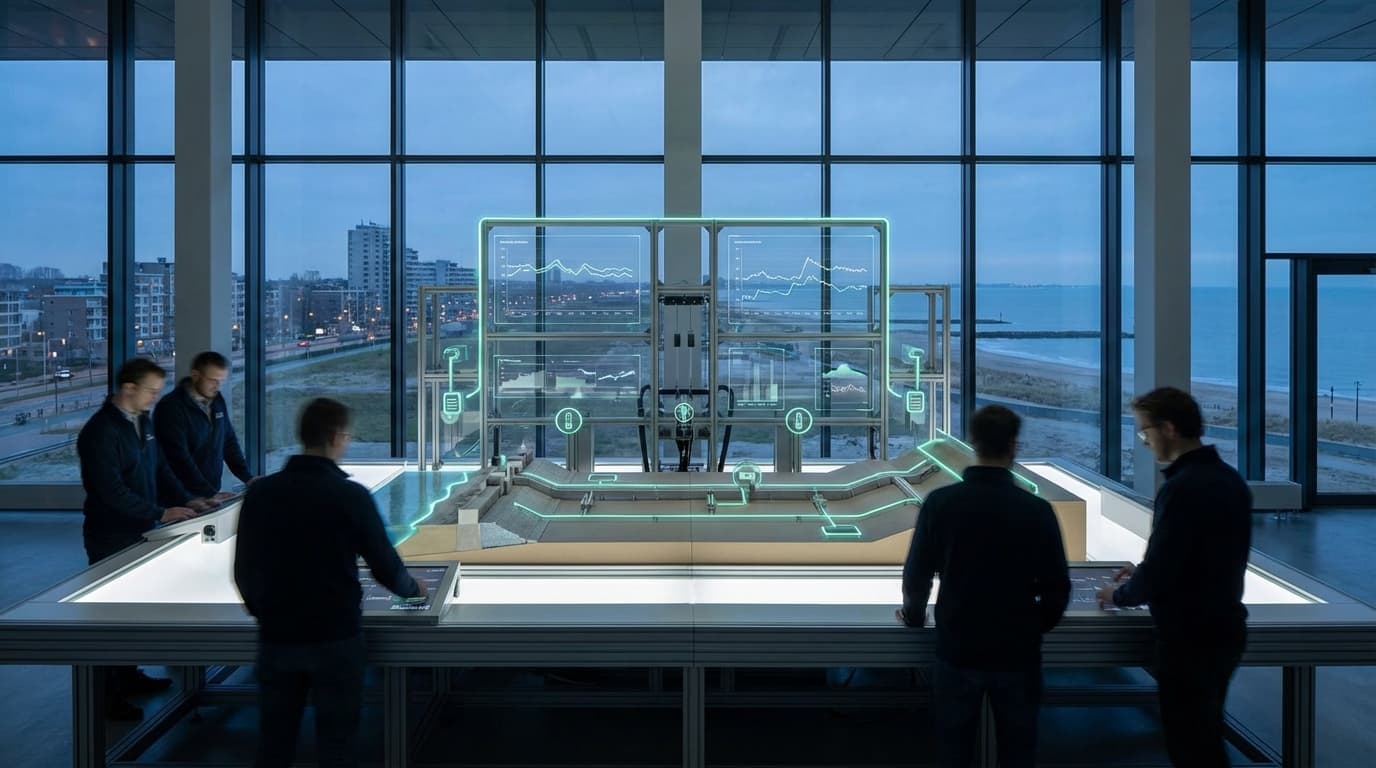
Climate adaptation infrastructure represents a fundamental shift in how nations design and maintain critical systems in the face of accelerating environmental change. Unlike traditional infrastructure built to historical climate norms, these solutions are engineered to accommodate dynamic and often unpredictable shifts in temperature, precipitation patterns, sea levels, and extreme weather frequency. The technical approach involves incorporating flexibility and redundancy into core systems—coastal defenses that can be raised or reconfigured as water levels rise, agricultural networks designed around drought-resistant crop varieties and precision irrigation, energy grids with distributed generation and storage to withstand both physical damage and demand spikes. These systems rely on advanced materials such as permeable concrete for flood management, corrosion-resistant alloys for saltwater exposure, and modular construction techniques that allow infrastructure to evolve rather than require complete replacement. Climate modeling and real-time sensor networks inform design parameters, ensuring that infrastructure can respond to conditions that may not yet exist but are projected within the asset's operational lifetime.
The strategic imperative for climate adaptation infrastructure stems from the recognition that environmental disruption directly threatens state capacity and geopolitical stability. Coastal cities housing critical ports, financial centers, and population concentrations face existential risks from sea-level rise and storm surge, while agricultural regions experiencing shifting rainfall patterns confront food security challenges that can trigger mass migration and regional instability. Energy systems designed for historical temperature ranges struggle with both extreme heat reducing transmission efficiency and extreme cold overwhelming demand, creating cascading failures that undermine economic activity and public confidence. By investing in adaptive infrastructure, nations can maintain territorial integrity, preserve economic productivity, and avoid the destabilizing effects of climate-driven displacement. This approach also reduces dependency on emergency response and disaster recovery, which are both more costly and less effective than proactive adaptation. Countries that successfully deploy these systems gain strategic advantages in maintaining functional governance and economic continuity while others face mounting crisis management burdens.
Current deployment of climate adaptation infrastructure varies significantly across regions, with the Netherlands leading in adaptive coastal barriers through projects like the Maeslantkering storm surge barrier and room-for-the-river initiatives that accommodate flooding rather than simply resisting it. Singapore has implemented comprehensive water management systems combining desalination, rainwater capture, and advanced treatment to ensure supply security despite limited natural freshwater resources. In agriculture, Israel's drip irrigation networks and salt-tolerant crop research demonstrate how infrastructure can sustain food production under water scarcity. Energy sector adaptations include grid hardening programs in hurricane-prone regions and the integration of microgrids that can island during extreme events, maintaining power to critical facilities when centralized systems fail. Looking forward, the integration of climate adaptation into infrastructure planning is becoming standard practice in forward-looking jurisdictions, with multilateral development banks increasingly conditioning financing on climate resilience criteria. As environmental baselines continue to shift and the costs of inaction become more apparent through repeated disasters, investment in adaptive infrastructure is transitioning from optional enhancement to essential component of national security and economic competitiveness, fundamentally reshaping how states approach long-term planning and resource allocation.
Research this in Signals
Signals turns a topic into a sourced research record you can inspect and rerun. Your first scan is free, and this one starts with Climate Adaptation Infrastructure already loaded, so edit it or scan as is.