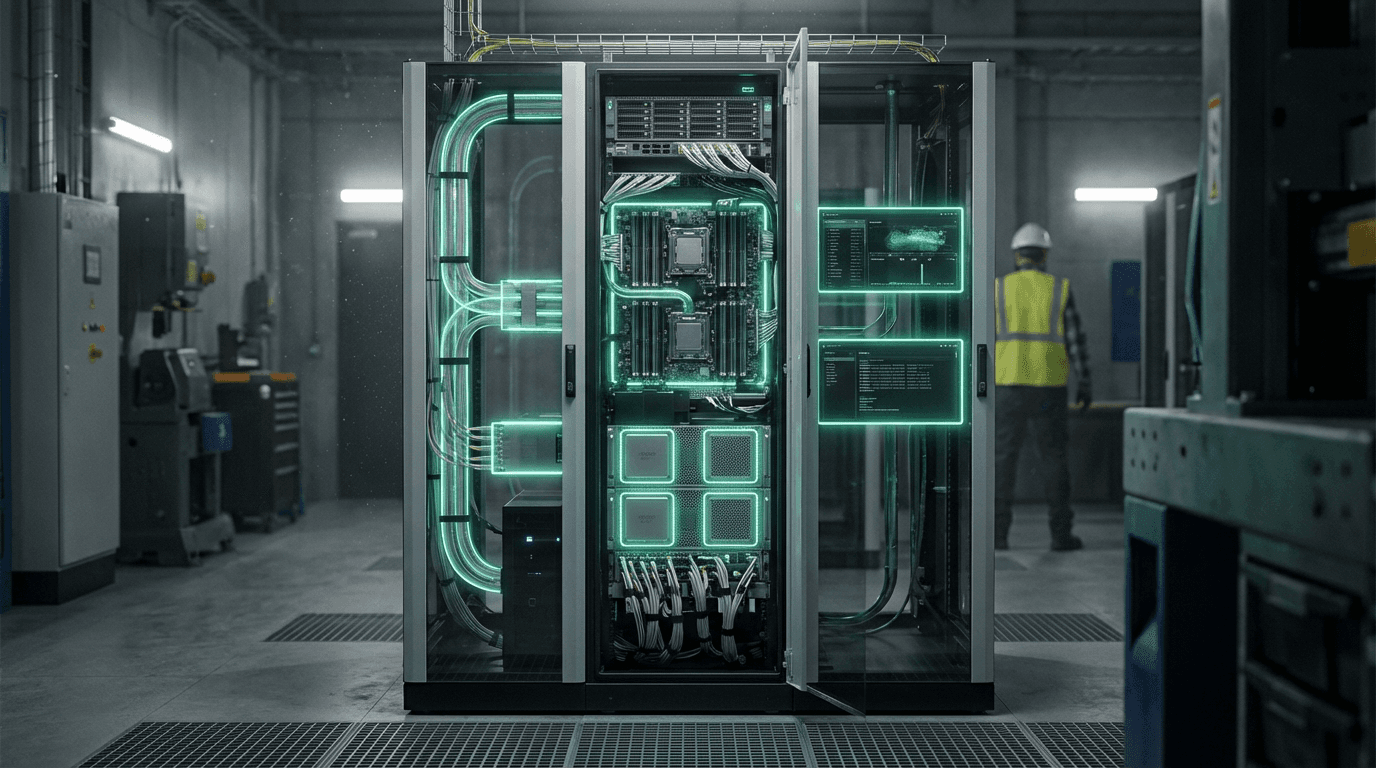
Autonomous Cyber Defense
Autonomous Cyber Defense represents a paradigm shift in how critical infrastructure protects itself from increasingly sophisticated cyber threats. Unlike traditional security systems that rely on predefined rules and human oversight, these AI-powered systems employ machine learning algorithms and neural networks to continuously monitor network traffic, system behaviors, and potential vulnerabilities across complex infrastructure environments. The technology operates through a combination of anomaly detection, behavioral analysis, and predictive modeling, enabling it to identify threats that may not match known attack signatures. At its core, autonomous cyber defense leverages reinforcement learning techniques that allow the system to improve its defensive capabilities through experience, adapting to new attack vectors as they emerge. These systems process vast quantities of data from multiple sensors and network points simultaneously, correlating patterns and identifying subtle indicators of compromise that would be impossible for human analysts to detect in real-time.
The critical infrastructure sectors—including power grids, telecommunications networks, water systems, and transportation networks—face an escalating challenge as cyberattacks grow in frequency, sophistication, and potential impact. Traditional security approaches struggle with the speed and complexity of modern threats, particularly advanced persistent threats and zero-day exploits that can penetrate defenses before human security teams can respond. Autonomous cyber defense addresses this fundamental timing problem by operating at machine speed, capable of detecting and neutralizing threats in milliseconds rather than the hours or days typical of human-led responses. This capability is particularly crucial for systems where even brief disruptions can cascade into widespread failures affecting millions of people. The technology also solves the persistent cybersecurity talent shortage, as organizations struggle to recruit and retain enough skilled analysts to monitor their expanding attack surfaces around the clock. By automating the detection and initial response phases, these systems allow human experts to focus on strategic security planning and handling only the most complex incidents that require human judgment.
Research institutions and critical infrastructure operators are actively piloting autonomous defense systems, with early deployments indicating significant improvements in threat detection rates and response times. Energy sector organizations have begun integrating these capabilities into their operational technology environments, where the convergence of IT and industrial control systems creates unique security challenges. Telecommunications providers are exploring autonomous defense to protect the increasingly complex 5G network infrastructure that underpins modern connectivity. The technology aligns with broader trends toward zero-trust architectures and defense-in-depth strategies, where multiple layers of automated protection work in concert to create resilient security postures. As geopolitical tensions increasingly manifest in cyberspace and state-sponsored attacks on critical infrastructure become more common, autonomous cyber defense systems are emerging as essential components of national security strategies. The trajectory points toward increasingly sophisticated AI agents that can not only defend against attacks but also anticipate them, creating proactive security environments that adapt faster than adversaries can evolve their tactics.
Related Organizations

Uses self-learning AI to detect and respond to cyber threats across IT and OT/industrial environments.

Runs the Semantic Forensics (SemaFor) program to develop technologies for automatically detecting, attributing, and characterizing falsified media.

Develops autonomous software security testing tools (Mayhem) to find and patch vulnerabilities.

Provides the Singularity Platform which uses on-device AI to autonomously detect and remediate threats.

Specializes in AI-driven Attack Signal Intelligence to automate threat detection and response across hybrid clouds.

The Falcon platform utilizes AI for automated threat detection and real-time response.

Applies deep learning to cybersecurity to predict and prevent attacks before execution.

Delivers Collective Defense using AI-driven behavioral analytics to share threat intel in real-time.

BlueVoyant
United States · Company
Provides internal and external cyber defense capabilities with automated remediation.
Supporting Evidence
Research this in Signals
Signals turns a topic into a sourced research record you can inspect and rerun. Your first scan is free, and this one starts with Autonomous Cyber Defense already loaded, so edit it or scan as is.