European XFEL X-Ray Laser
Geography: Emea · Europe · Europe
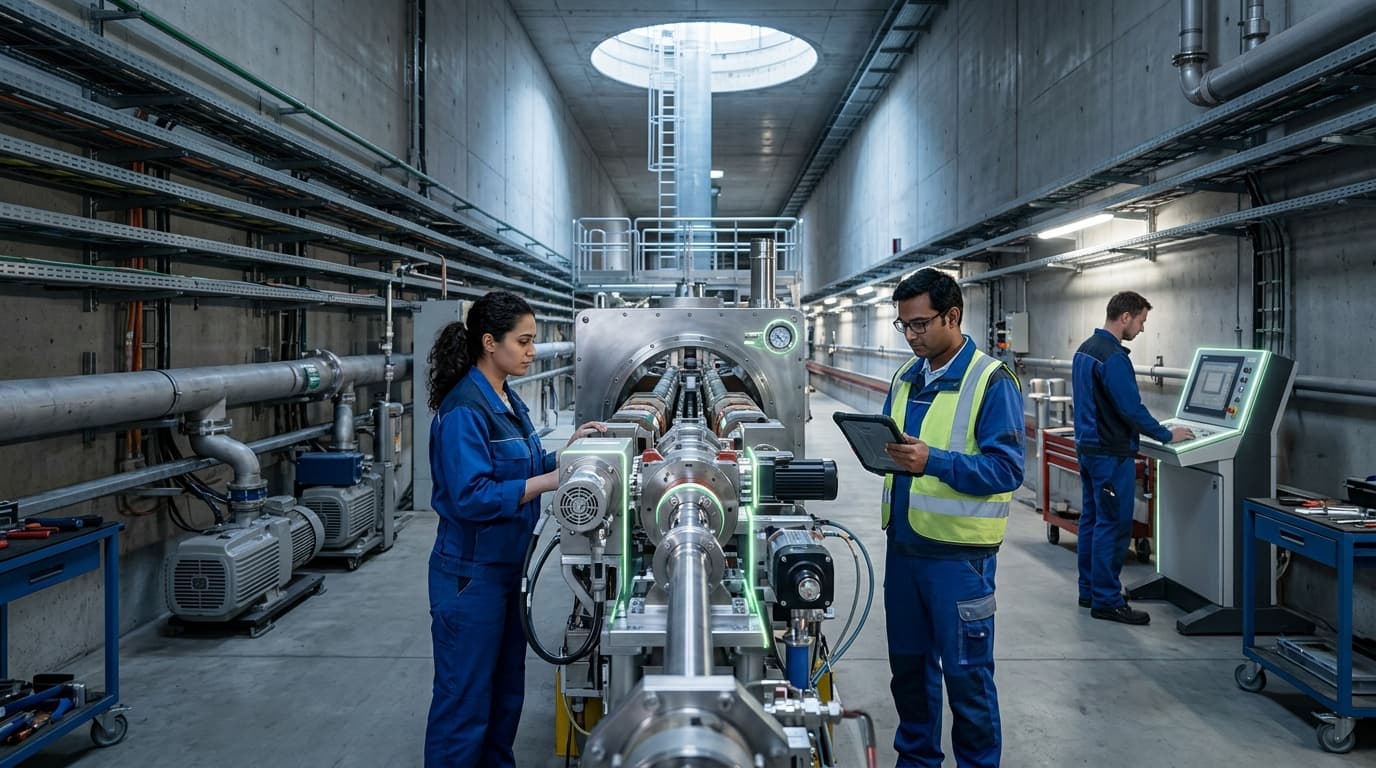
The European XFEL (X-Ray Free-Electron Laser) in Hamburg is the world's largest and most powerful X-ray laser, generating up to 27,000 ultra-short X-ray flashes per second. The 3.4-kilometer facility accelerates electrons to near-light speed, producing X-ray pulses bright enough to image individual molecules and atomic-level processes in real-time.
Applications span drug discovery (imaging how drugs bind to proteins), materials science (watching chemical reactions as they happen), structural biology (determining protein structures without crystallization), and quantum materials research. The facility serves 3,000+ scientists from 30+ countries annually.
The European XFEL exemplifies European 'big science' — large-scale research infrastructure funded collectively by multiple nations (12 countries share the €1.2B cost) and operated as shared facilities. This model — too expensive for any single European nation, but affordable collectively — produces scientific instruments that compete with or exceed US and Asian equivalents. Similar facilities include the European Synchrotron (ESRF) in Grenoble and the neutron source ESS under construction in Lund.
Research this in Signals
Signals turns a topic into a sourced research record you can inspect and rerun. Your first scan is free, and this one starts with European XFEL X-Ray Laser already loaded, so edit it or scan as is.