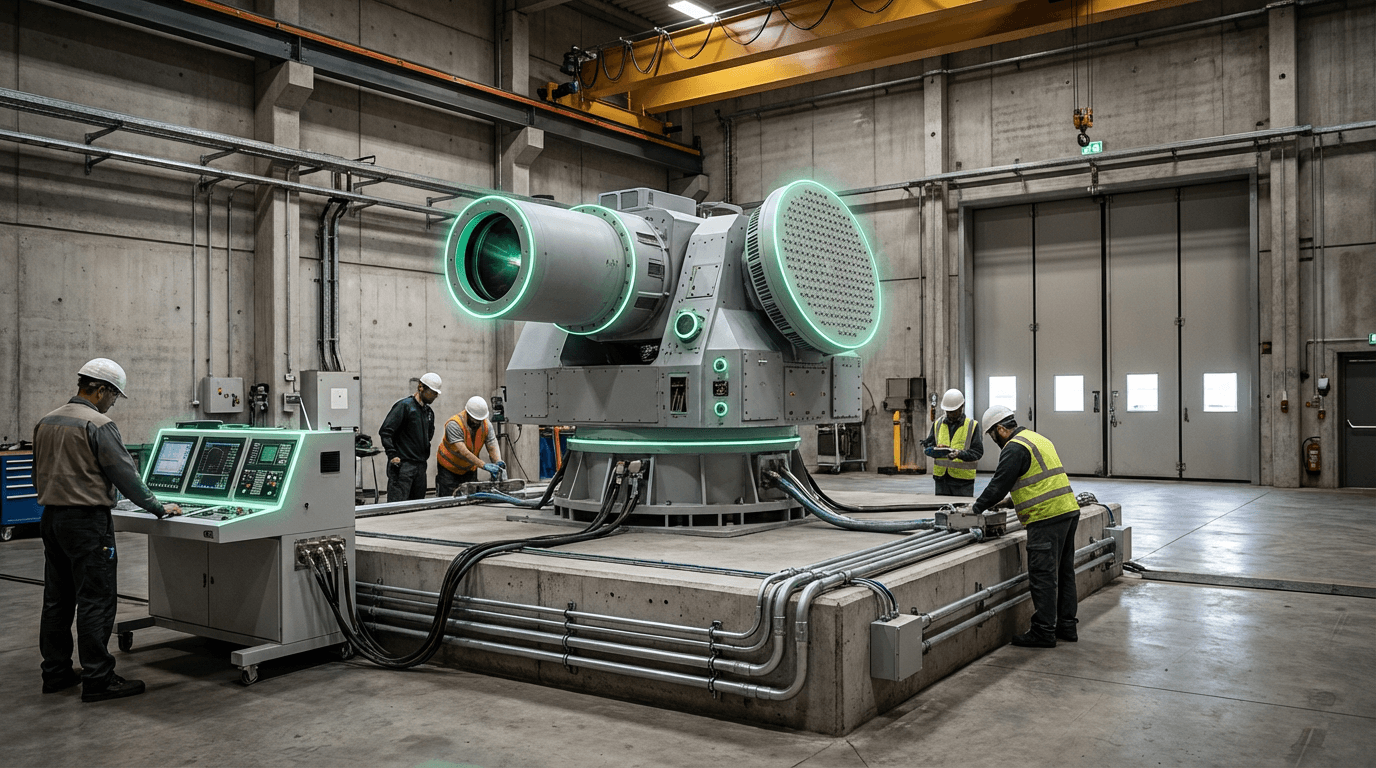
Directed Energy Weapons
Directed energy weapons represent a paradigm shift in defense technology, employing concentrated electromagnetic energy—primarily high-power lasers and high-power microwaves—to neutralize threats at the speed of light. Unlike conventional kinetic weapons that rely on projectiles, these systems generate focused beams of energy capable of damaging or destroying targets through thermal, mechanical, or electronic effects. High-energy laser systems work by concentrating photons into a narrow beam that can heat and structurally compromise materials within seconds, while high-power microwave weapons emit electromagnetic pulses that can disrupt or permanently damage electronic components in missiles, drones, and other systems. The fundamental physics of these weapons—traveling at approximately 300,000 kilometers per second—eliminates the need for complex ballistic calculations and provides near-instantaneous engagement capability against fast-moving threats.
The defense industry faces mounting challenges in countering increasingly sophisticated and cost-effective threats, particularly swarms of low-cost drones and precision-guided munitions that can overwhelm traditional air defense systems. Conventional interceptor missiles often cost hundreds of thousands to millions of dollars per shot, creating an unsustainable economic equation when defending against threats that may cost only thousands of dollars to produce. Directed energy weapons fundamentally alter this calculus by offering a dramatically lower cost per engagement—often measured in dollars rather than hundreds of thousands—limited primarily by the electrical power required to generate each shot. This economic advantage becomes particularly significant in scenarios involving multiple simultaneous threats, where traditional kinetic interceptors would quickly deplete defensive stockpiles. Furthermore, these systems provide effectively unlimited magazines as long as power generation continues, eliminating the logistical burden of ammunition resupply in extended conflicts or remote deployments.
Military forces worldwide are actively transitioning directed energy weapons from experimental concepts to operational systems, with several nations deploying prototype and production units for testing and limited operational use. Naval platforms have emerged as particularly suitable hosts for these weapons, given their abundant power generation capacity and the maritime threat environment dominated by anti-ship missiles and unmanned aerial vehicles. Ground-based systems are being evaluated for forward operating base defense and counter-drone operations, where the ability to engage multiple low-cost threats without depleting expensive missile inventories provides significant tactical advantages. Research continues into increasing power output, improving beam quality in adverse weather conditions, and developing more compact and mobile platforms. As geopolitical tensions drive demand for layered air defense architectures and asymmetric threats proliferate, directed energy weapons are positioned to become integral components of modern defense networks, complementing rather than replacing kinetic systems while fundamentally reshaping the economics and tactics of air and missile defense.
Research this in Signals
Signals turns a topic into a sourced research record you can inspect and rerun. Your first scan is free, and this one starts with Directed Energy Weapons already loaded, so edit it or scan as is.