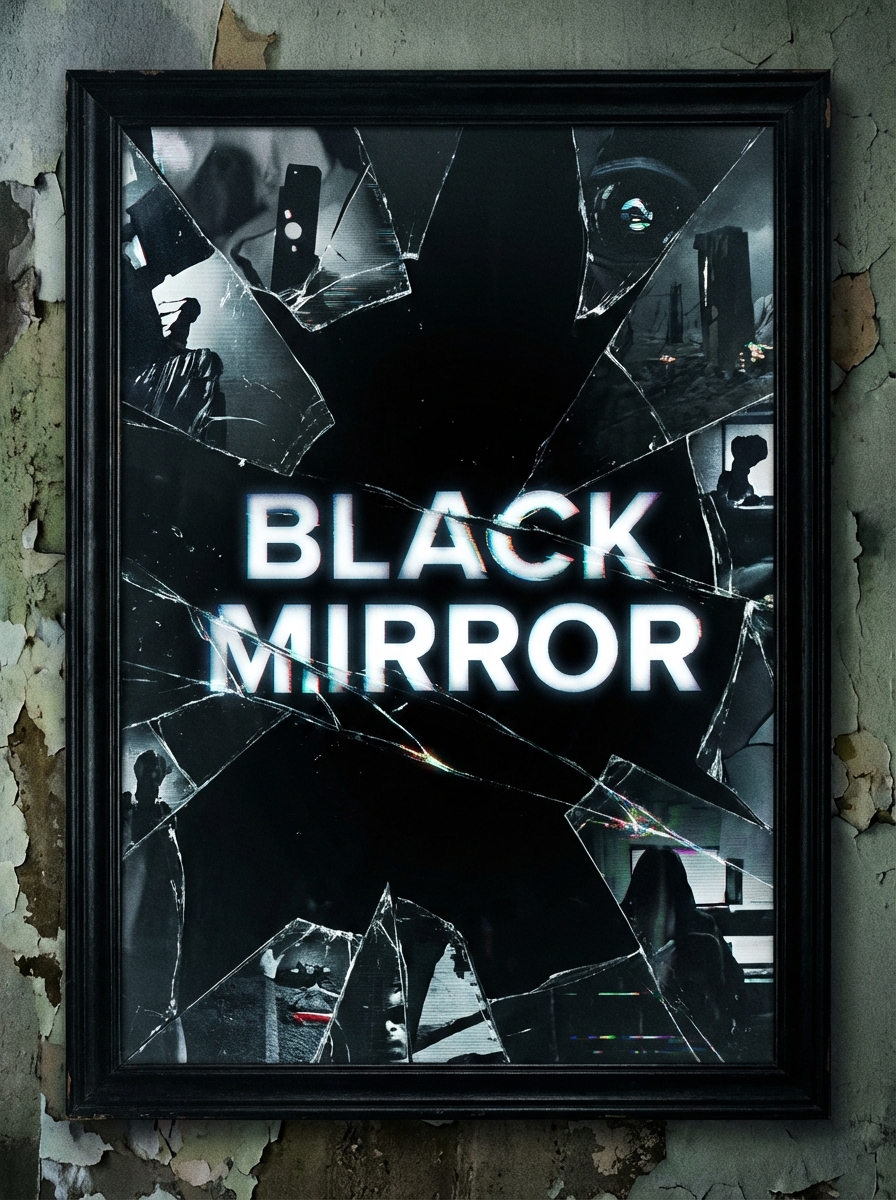
A sci-fi anthology series that covers a range of near-future technologies like neural implants, social rating systems, and more.
The 'Grain' implant records everything a person sees and hears, allowing for perfect memory playback and analysis.
Users can replay and analyze their recorded memories, examining past events in detail through the Grain interface.
An AI service creates a digital copy of a deceased person using their social media data and messages, allowing loved ones to continue interacting with them.
The AI evolves from text-based chat to a physical android replica, blurring the line between artificial and human companionship.
Memory wiping technology is used to repeatedly reset a person's consciousness, forcing them to relive the same traumatic experience.
The episode explores a society where citizens are constantly surveilled and recorded, with their experiences used as public entertainment.
Waldo is an animated AI character that gains political influence, demonstrating how AI can manipulate public opinion and democratic processes.
Cookies are digital copies of human consciousness extracted and used to control smart homes, raising questions about digital rights and personhood.
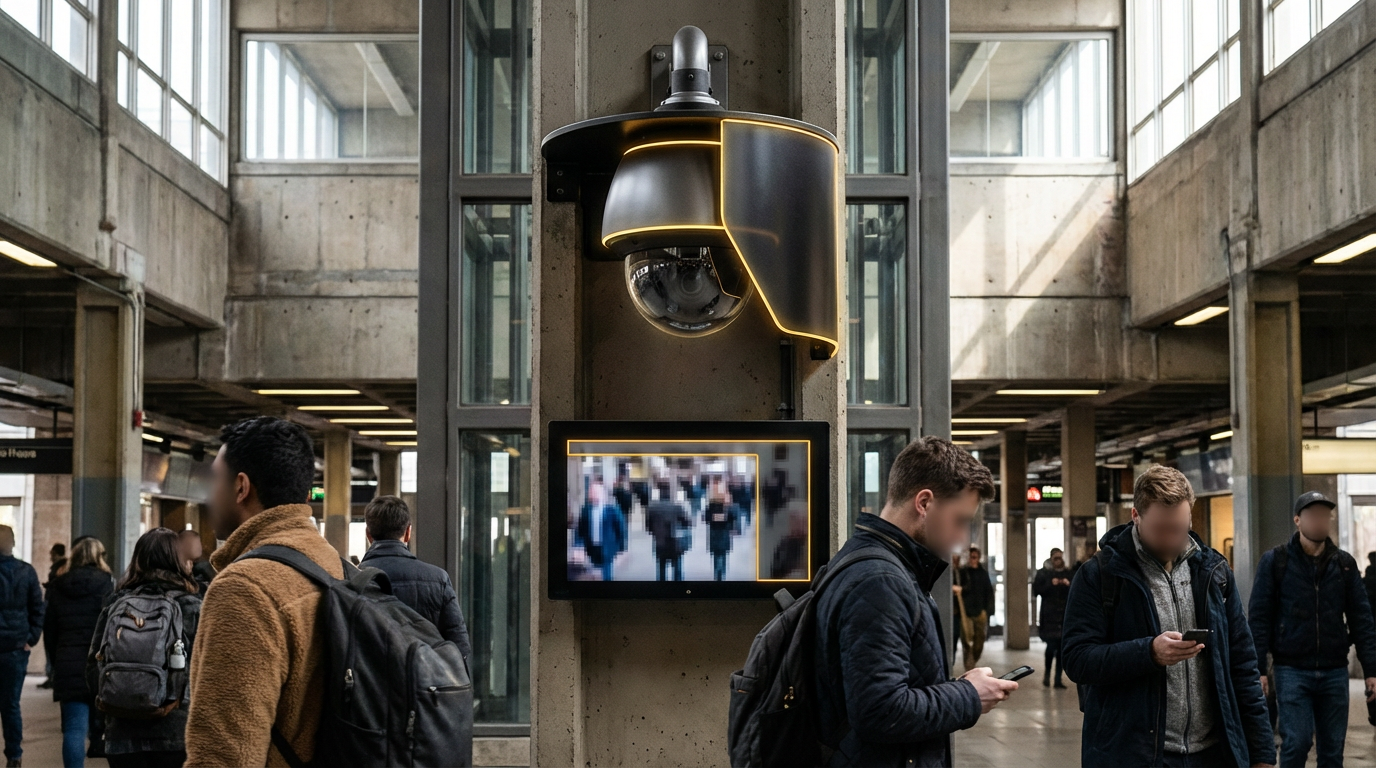
Blocking technology allows people to see others as red silhouettes, while Z-Eyes record everything, creating a surveillance state.
A social rating system determines every aspect of life, from housing to travel, based on algorithmic reputation scores calculated from social interactions.
The system analyzes facial expressions, tone of voice, and social interactions to continuously update personal ratings.
An augmented reality horror game uses brain-computer interfaces to create immersive, personalized virtual experiences that tap into the player's fears.
The game system directly interfaces with the brain to read thoughts and generate personalized horror scenarios in real-time.
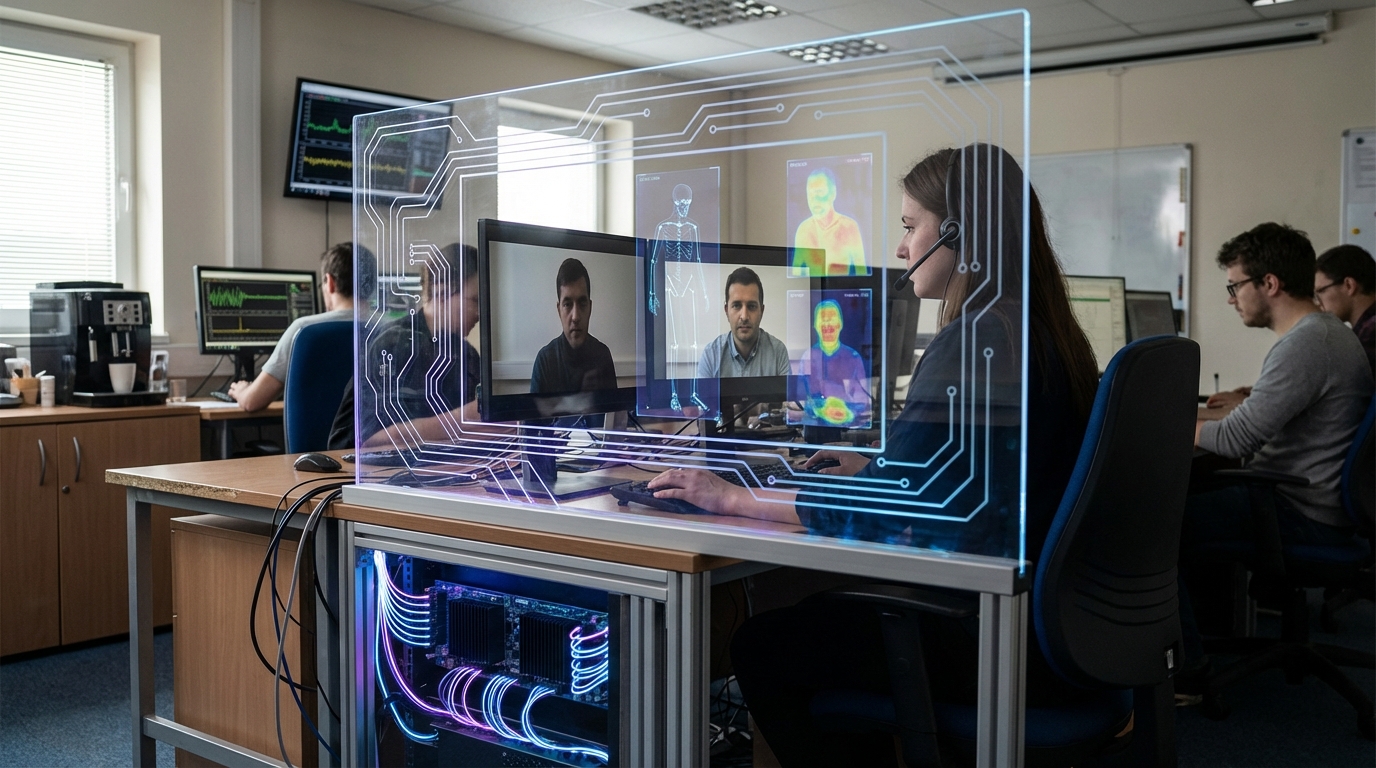
Hackers use webcam surveillance and blackmail to control victims, demonstrating the vulnerability of always-on digital surveillance.
The dying can upload their consciousness to a digital afterlife in San Junipero, a virtual reality world where they can live forever.
San Junipero is a fully immersive virtual reality environment where uploaded consciousnesses can experience any time period and location.
DNA samples are used to create digital copies of people's consciousness, which are then trapped in a virtual reality game.
The episode features an immersive virtual reality space simulation where digital consciousnesses experience a fully realized Star Trek-like universe.
A parental monitoring system allows parents to track their child's location, see through their eyes, and filter distressing content from their perception.
The Arkangel system uses a neural implant to monitor a child's experiences and filter their visual perception of the world.
A memory extraction device allows investigators to view people's memories as video recordings, used to solve crimes by accessing witnesses' recollections.
A dating app uses AI to run thousands of simulations of relationships, predicting compatibility by testing different scenarios in virtual environments.
Autonomous robotic dogs hunt and kill humans in a post-apocalyptic world, demonstrating the dangers of weaponized autonomous systems.
The episode features multiple technologies including digital consciousness transfer, where a person's mind is copied into another's brain, and a device that allows feeling another person's pain.
A neural interface allows one person to experience another's sensations, including pain, creating a form of digital empathy or torture device.
A virtual reality fighting game creates fully immersive experiences where players can feel physical sensations and form emotional connections in the virtual world.
The VR system provides realistic haptic feedback, allowing players to experience touch and physical sensations in the virtual environment.
A social media company tracks users' locations and activities in real-time, demonstrating the extent of digital surveillance and data collection.
A pop star's consciousness is copied into AI-powered dolls, while her real consciousness is suppressed and used to generate new music.
AI-powered companion dolls contain a limited version of the pop star's personality, designed to interact with fans as synthetic companions.
A streaming service uses AI to generate personalized content based on users' lives, creating deepfake versions of real people in dramatized shows.
Astronauts use robotic replicas on Earth controlled by their consciousness, allowing them to experience life back home while on a long space mission.
A neural interface allows astronauts to transfer their consciousness into Earth-based robotic bodies, experiencing remote presence through advanced brain-computer interfaces.
Follow us for weekly foresight in your inbox.