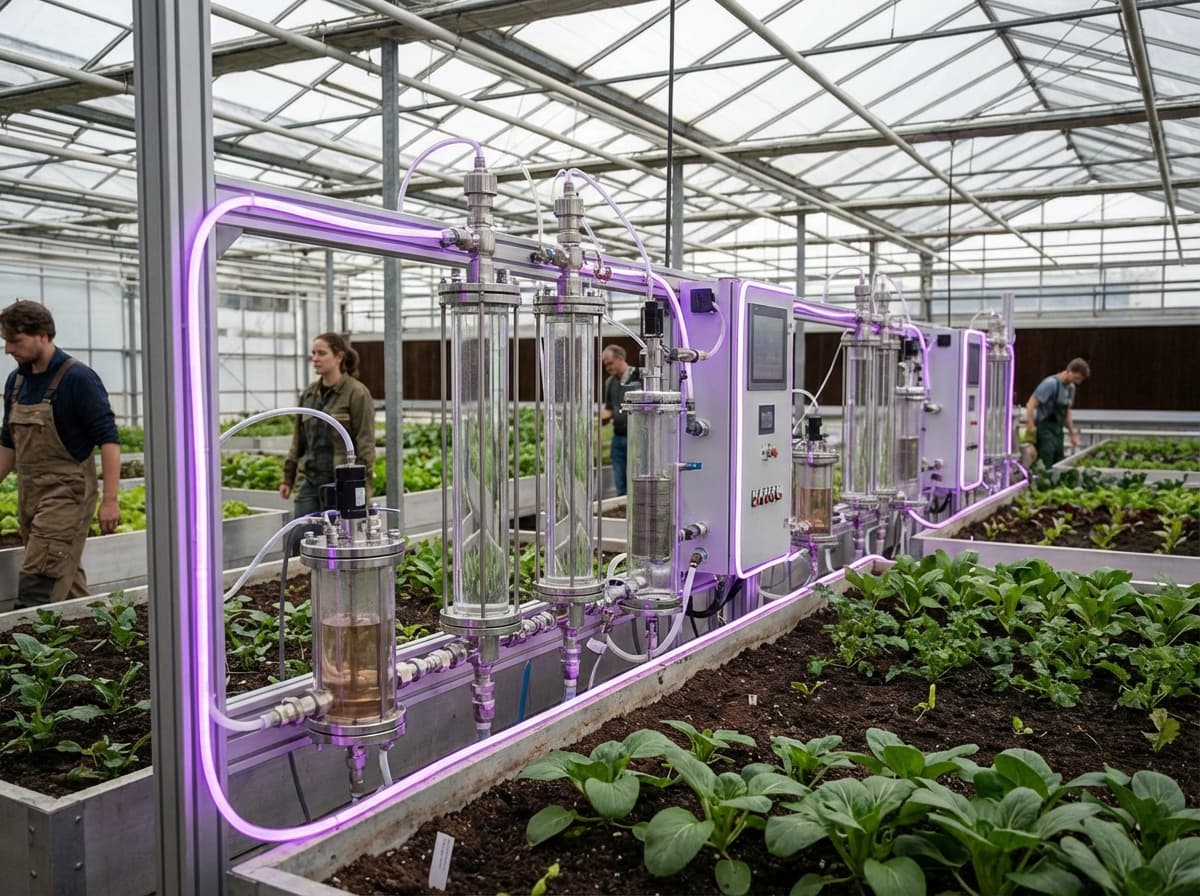
Microbiome Engineering
Microbiome engineering involves designing and manipulating communities of microorganisms—the complex ecosystems of bacteria, fungi, viruses, and other microbes that live in and on organisms or in environments—to achieve desired outcomes. The technology uses various approaches including selecting beneficial microbes, genetically engineering microorganisms, combining specific microbial strains into consortia, and modifying environmental conditions to favor desired microbial communities. The goal is to understand and control these complex ecosystems to improve health, agricultural productivity, environmental remediation, or other outcomes.
The technology addresses the growing understanding that microbiomes play crucial roles in health, agriculture, and ecosystems, and that manipulating these communities could provide powerful interventions. Engineered microbiomes could treat diseases by restoring healthy gut bacteria, improve crop yields by enhancing soil microbiomes, clean up pollution through microbial degradation, and enhance food production through fermentation. Applications include probiotics and microbiome-based therapies for human health, soil microbiome enhancement for agriculture, engineered microbes for bioremediation, and microbial consortia for industrial processes. Companies and research institutions are developing microbiome engineering approaches.
At TRL 5, microbiome engineering is being tested in various applications, though understanding and controlling complex microbial communities remains challenging. The technology faces obstacles including the complexity of microbial ecosystems and their interactions, ensuring engineered communities persist and function as intended, understanding long-term effects, and regulatory approval for engineered microbes. However, as understanding of microbiomes improves and genetic engineering capabilities advance, microbiome engineering becomes more feasible. The technology could transform medicine, agriculture, and environmental management by enabling precise control of microbial communities, potentially treating diseases, improving food production, and cleaning up pollution through engineered microbiomes, though it requires careful consideration of ecological impacts and long-term effects of manipulating these complex systems.
Related Organizations


A horizontal platform for cell programming that enables other companies to develop precision fermentation strains.

An agricultural tech company producing microbial nitrogen fertilizers.

A commercial-stage microbiome therapeutics company.

A clinical-stage microbiome company developing natural and engineered phage therapies.

Improves grower profitability and environmental sustainability using microbiology and digital technologies.

Developing a new class of therapies for immune-mediated diseases based on defined bacterial consortia.
France · Company
Developing Microbiome Ecosystem Therapies (MET) dedicated to improving survival in cancer patients.

Novonesis
Denmark · Company
The merger of Novozymes and Chr. Hansen, a global biosolutions giant supplying enzymes and microbes for fermentation.
United Kingdom · Company
Applies network science to biology to discover data-driven microbiome insights.
Supporting Evidence
Research this in Signals
Signals turns a topic into a sourced research record you can inspect and rerun. Your first scan is free, and this one starts with Microbiome Engineering already loaded, so edit it or scan as is.