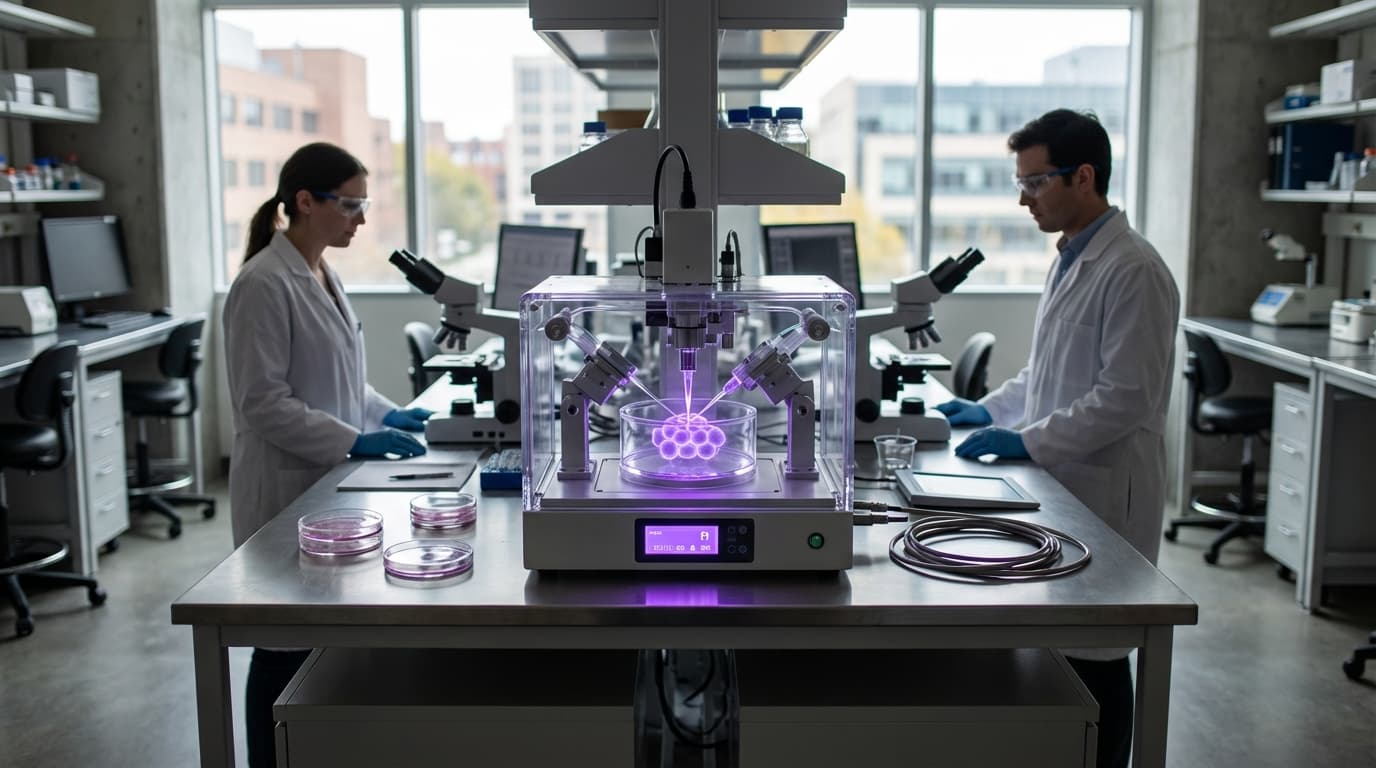
Genetic Reprogramming
Genetic reprogramming encompasses advanced techniques for precisely modifying gene expression and function, enabling targeted changes to how genes are activated, silenced, or altered. This includes technologies like CRISPR-Cas9 for gene editing, RNA interference for gene silencing, epigenetic modifications that change gene expression without altering DNA sequence, and cellular reprogramming that can transform one cell type into another. These tools allow scientists to correct genetic defects, modify gene expression patterns, and potentially enhance biological functions.
The technology is revolutionizing multiple fields: in medicine, genetic reprogramming enables treatments for genetic diseases, cancer therapies that modify immune cells, and regenerative medicine approaches. In agriculture, it allows development of crops with improved traits, disease resistance, or enhanced nutritional content. In biotechnology, it enables engineering of microorganisms for production of pharmaceuticals, biofuels, or materials. Companies like Editas Medicine, Intellia Therapeutics, and various agricultural biotech firms are developing applications of genetic reprogramming.
At TRL 4, genetic reprogramming technologies are being tested in clinical trials and field applications, with some therapies already approved for specific conditions. The technology faces challenges including off-target effects, delivery to target cells, immune responses, ethical concerns about germline editing, and regulatory approval. However, as techniques become more precise and delivery methods improve, genetic reprogramming could enable transformative treatments and applications. The technology has the potential to cure genetic diseases, create personalized therapies, and enable entirely new approaches to medicine and biotechnology, though it also raises important ethical questions about the limits of genetic modification.
Related Organizations
Switzerland · Company
A leading gene-editing company focused on developing transformative gene-based medicines for serious diseases using its proprietary CRISPR/Cas9 platform.
United States · Company
A company pioneering the use of base editing, a new class of genetic medicines that offer precision gene editing.
United States · Company
A biotechnology company developing curative therapeutics using CRISPR/Cas9 gene editing.
United States · Company
Develops 'Prime Editing' technology, which acts like a search-and-replace word processor for the genome.
United States · Startup
Developing epigenetic medicines that can precisely silence or activate genes to treat disease.
United States · Startup
Focuses on 'epigenetic editing'—tuning gene expression levels up or down without altering the underlying DNA sequence.
United States · Company
A clinical-stage genome editing company dedicated to developing a class of genomic medicines using CRISPR technology.
United States · Startup
Pioneering 'Gene Writing' technology, capable of writing therapeutic messages into the genome.
United States · Startup
A biotech company harnessing the diversity of nature to build the next generation of CRISPR products, specifically for diagnostics and ultra-compact editing.
United States · Startup
Engineering custom CRISPR molecules (CasX) for greater efficacy and delivery.
Supporting Evidence
Research this in Signals
Signals turns a topic into a sourced research record you can inspect and rerun. Your first scan is free, and this one starts with Genetic Reprogramming already loaded, so edit it or scan as is.