Early-stage AI Safety Layers for Biotech
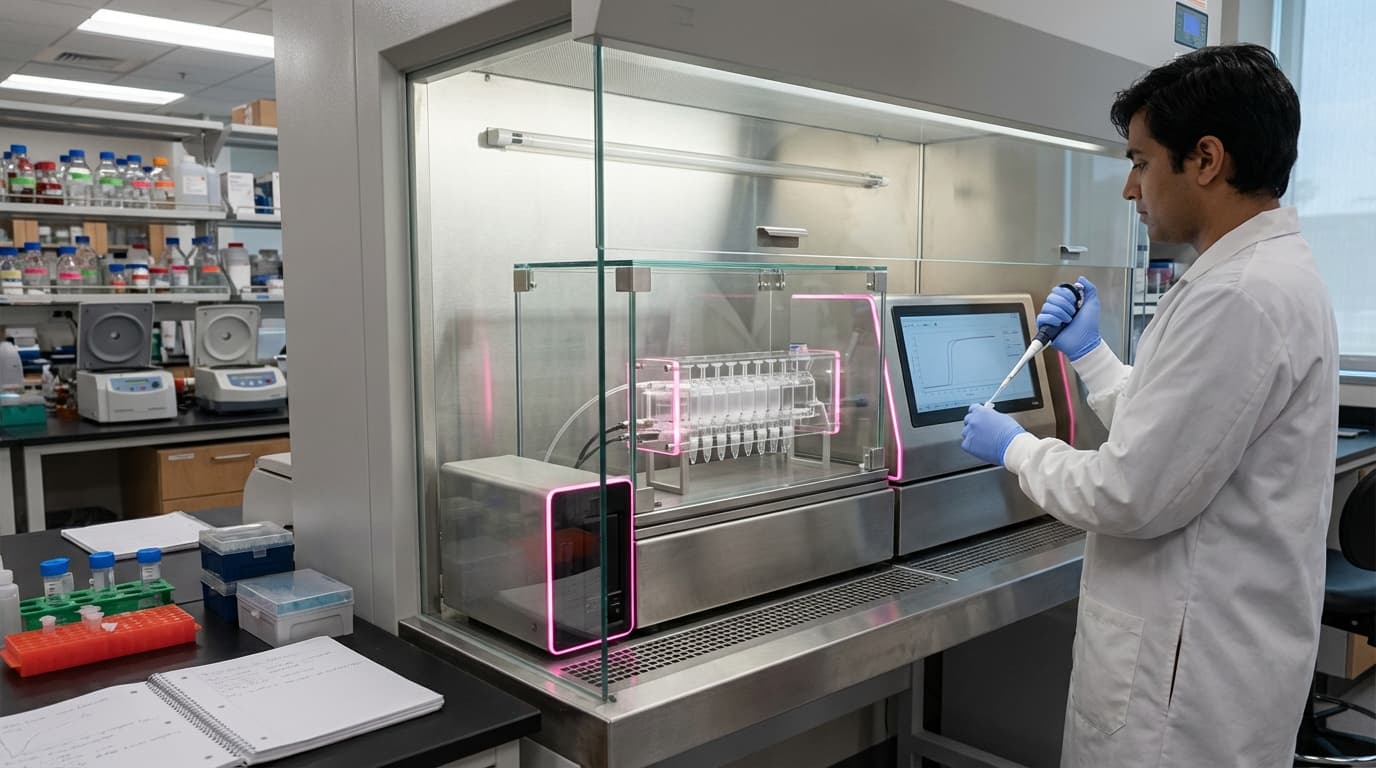
Early-stage AI safety layers for biotech are automated systems that perform biosafety scanning of DNA synthesis requests, genetic vector designs, or laboratory protocols to identify potentially dangerous sequences or procedures that could be used to create harmful biological agents. These tools analyze genetic sequences and experimental designs to flag potential risks, anticipating future regulation and providing proactive safety measures. These AI safety layers are crucial for preventing the accidental or malicious creation of harmful biological agents as biotechnology tools become more accessible and powerful, addressing growing concerns about biosecurity risks.
This innovation addresses the dual-use nature of biotechnology, where the same tools and knowledge that enable beneficial research and therapeutics could also be misused to create biological weapons or dangerous pathogens. As biotechnology becomes more accessible and powerful, the risk of misuse increases, making automated screening systems essential. Companies, research institutions, and government agencies are developing these systems.
The technology is essential for maintaining biosecurity as biotechnology capabilities expand, providing automated screening that can catch potential risks before dangerous materials are created. As the technology improves, it could become standard for DNA synthesis and research protocols. However, ensuring comprehensive detection, avoiding false positives that block legitimate research, and staying ahead of emerging threats remain challenges. The technology represents an important safeguard for biotechnology, but requires continued development to achieve the accuracy and comprehensiveness needed. Success could help prevent biosecurity incidents while enabling legitimate research, but the technology must balance security with research freedom and adapt to evolving threats.
Related Organizations

A free, privacy-preserving, open-source screening platform for DNA synthesis providers to detect hazards.

A horizontal platform for cell programming that enables other companies to develop precision fermentation strains.
United States · Consortium
An industry-led organization of gene synthesis companies that promotes biosecurity by screening customers and sequences.

A synthetic biology company that manufactures synthetic DNA based on a silicon platform.

The Intelligence Advanced Research Projects Activity invests in high-risk, high-payoff research programs to tackle difficult challenges for the intelligence community.

Battelle
United States · Nonprofit
A massive applied science and technology organization developing PFAS Annihilator™ and other advanced remediation tech.


An AI safety and research company developing Constitutional AI to align models with human values.
Supporting Evidence
Research this in Signals
Signals turns a topic into a sourced research record you can inspect and rerun. Your first scan is free, and this one starts with Early-stage AI Safety Layers for Biotech already loaded, so edit it or scan as is.