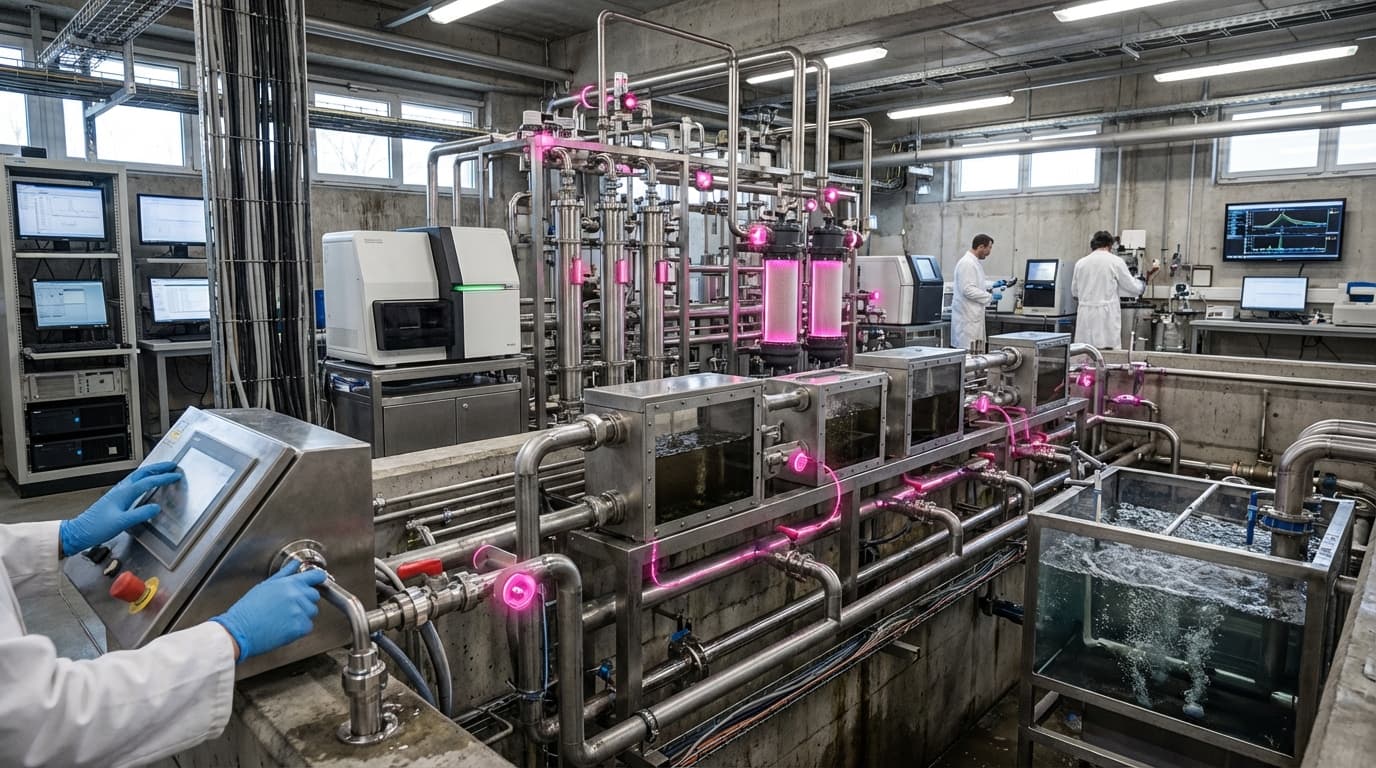
Global Bio-Surveillance Infrastructures
Global bio-surveillance infrastructures are coordinated networks that monitor wastewater, air filters, and environmental samples using high-throughput DNA sequencing and AI-powered anomaly detection to identify emerging pathogens, synthetic biological constructs, or other biological threats before they cause widespread harm. These systems are vital for pandemic preparedness (detecting outbreaks early) and monitoring potential misuse of biotechnology (identifying dangerous synthetic organisms), but they raise important questions about data ownership (who controls the surveillance data), civil liberties (privacy implications of widespread biological monitoring), and equitable deployment across regions (ensuring all areas benefit from surveillance capabilities). Government agencies, public health organizations, and research institutions are developing these systems.
This innovation addresses the need for early detection of biological threats, where early warning can enable rapid response and prevent widespread harm. By creating comprehensive surveillance networks, these systems can detect threats before they spread. However, the systems also raise concerns about privacy, data control, and equity.
The technology is essential for pandemic preparedness and biosecurity, where early detection can save lives and prevent disasters. As biological threats evolve, comprehensive surveillance becomes increasingly important. However, addressing privacy concerns, ensuring equitable deployment, and managing data responsibly remain challenges. The technology represents an important tool for public health and security, but requires careful consideration of privacy and equity implications. Success could enable early detection of biological threats while protecting privacy and ensuring equitable benefits, but achieving this balance is challenging. The development of bio-surveillance infrastructure will require ongoing attention to privacy, equity, and governance questions.
Related Organizations

A leader in wastewater epidemiology that analyzes sewage to detect viruses, bacteria, and chemical markers.

A horizontal platform for cell programming that enables other companies to develop precision fermentation strains.
United Kingdom · Government Agency
The UK government agency responsible for public health protection and infectious disease capability.

Alphabet's life sciences arm, which operates the WastewaterScan initiative.

An outbreak intelligence platform using AI to predict infectious disease spread.


Develops portable DNA/RNA sequencing devices used for real-time pathogen surveillance.
United States · Research Lab
Home to the Andersen Lab, a key hub for viral genomics and pathogen evolution tracking.

A major philanthropic organization that launched the Pandemic Prevention Institute.

Uses internet-connected thermometers to track fever levels and predict illness spread.
Supporting Evidence
Research this in Signals
Signals turns a topic into a sourced research record you can inspect and rerun. Your first scan is free, and this one starts with Global Bio-Surveillance Infrastructures already loaded, so edit it or scan as is.