




Genetic Screening
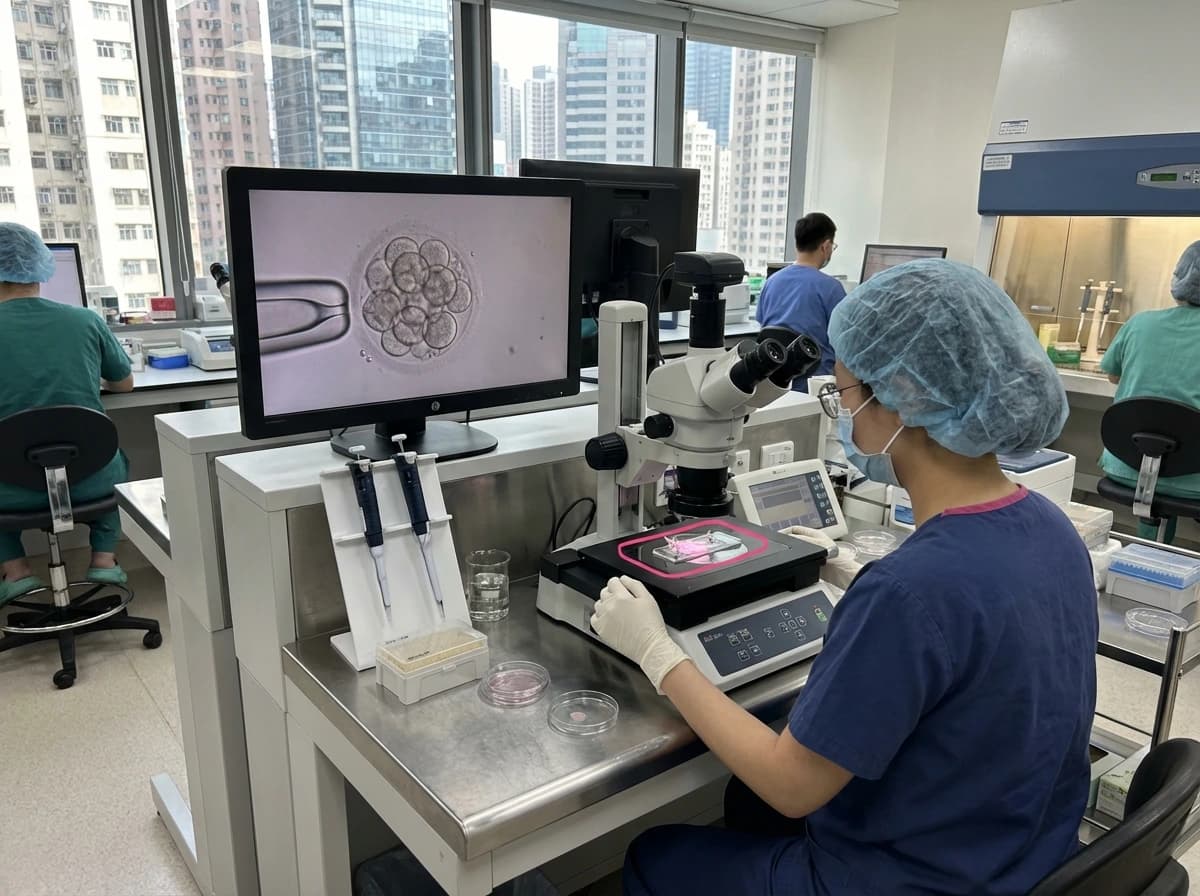
Embryo Genetic Screening Platforms
PGT-A workflows widely adopted across IVF clinics in Asia.
Embryo genetic screening platforms use high-throughput sequencing, AI-powered embryo ranking systems, and remote embryology support services to enable IVF clinics to screen embryos for chromosomal abnormalities (aneuploidy) and monogenic diseases before implantation, a process called preimplantation genetic testing for aneuploidy (PGT-A) or preimplantation genetic diagnosis (PGD). These platforms combine genetic analysis with AI systems that can rank embryos based on likelihood of successful implantation, allowing clinics to select the best embryos for transfer. Adoption across Asia is improving IVF success rates and enabling family planning with lower risk of genetic conditions.
This innovation addresses the challenge of IVF success rates, where selecting the best embryos for transfer is critical but difficult, and the need to prevent genetic diseases. By providing comprehensive genetic screening and AI-assisted selection, these platforms improve IVF outcomes and enable families to avoid passing on genetic conditions. Companies and clinics worldwide are adopting these technologies.
The technology is particularly valuable for families with genetic disease risk and for improving IVF success rates, where selecting the best embryos can significantly improve outcomes. As the technology improves and becomes more accessible, it could become standard in IVF. However, ensuring accuracy, managing costs, and navigating ethical considerations remain challenges. The technology represents an important tool for reproductive medicine, but requires careful consideration of ethical implications and continued development to achieve the accuracy and accessibility needed for widespread use. Success could improve IVF outcomes and enable families to avoid genetic diseases, but the technology raises important ethical questions about embryo selection that must be addressed.
TRL
8/9Deployed
Impact
4/5
Investment
4/5
Category
Applications
Related Organizations
A leading fertility and women's healthcare company providing IVF genetic testing services.
Developer

Fairtility
Israel · Startup
AI-powered decision support tool for IVF professionals.
Developer
An international medical device group focused on the IVF field.
Developer
BGI Genomics
90%China · Company
One of the world's leading providers of genomic sequencing services and proteomic services.
Developer
Genomic Prediction
United States · Startup
A genetic testing company providing advanced PGT services.
Developer
A reproductive health startup offering whole genome sequencing for embryos.
Developer
Yikon Genomics
85%China · Company
A leading solution provider for single cell sequencing and precision medicine.
Developer
What was expected
Published forecasts about this technology, graded against what happened in Hindsight.
Genetic Screening for Pregnancy
IVF Genetic Screening
Supporting Evidence
Evidence data is not available for this technology yet.
Research this in Signals
Scan Embryo Genetic Screening Platforms for yourself.
Signals turns a topic into a sourced research record you can inspect and rerun. Your first scan is free, and this one starts with Embryo Genetic Screening Platforms already loaded, so edit it or scan as is.