Climate-Resilient Food Systems
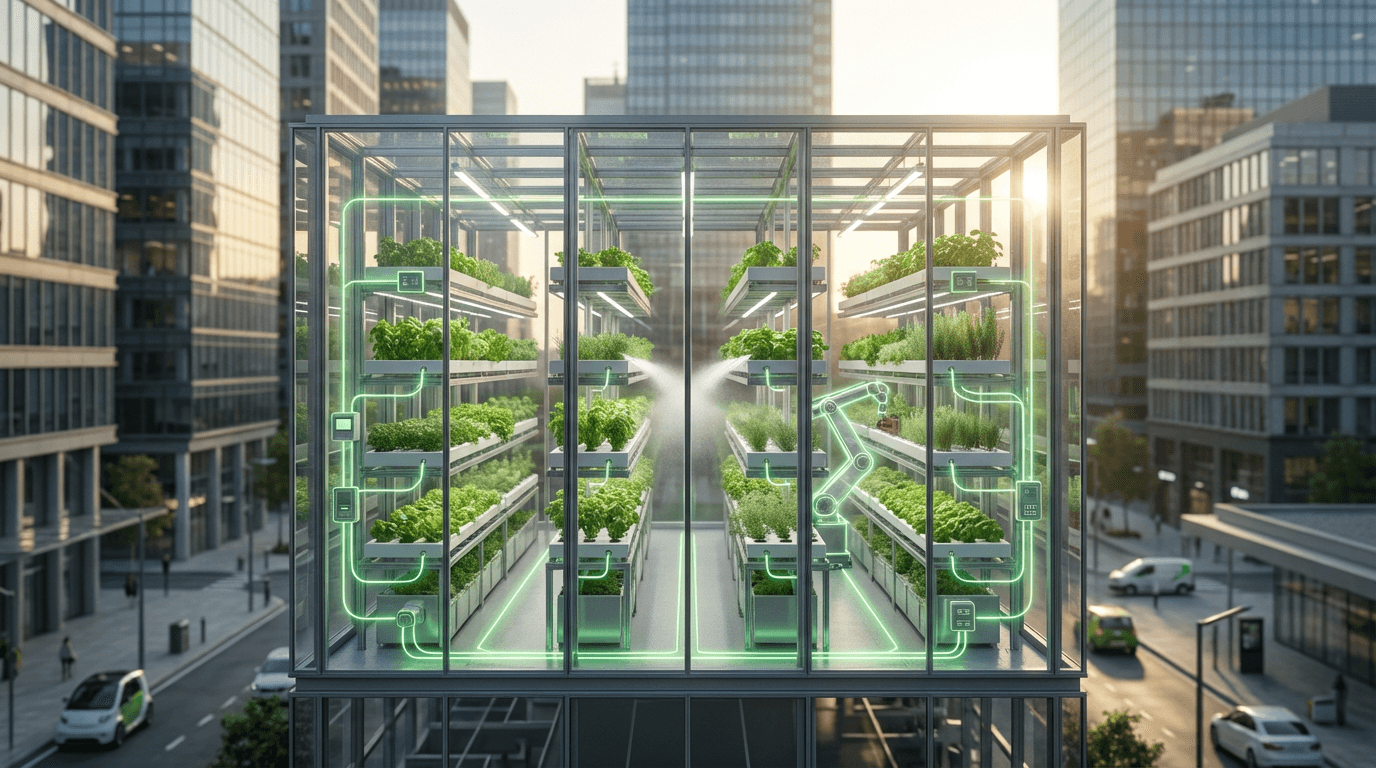
Climate-resilient food systems weave controlled-environment agriculture (CEA), regenerative field practices, and climate analytics into integrated supply chains. Vertical farms and sealed greenhouses use LED spectrums, robotics, and hydro/aeroponics to produce leafy greens or seedlings year-round with minimal water. In open fields, precision irrigation, variable-rate inputs, and biochar-enriched soils boost drought tolerance, while climate models schedule planting windows to dodge heatwaves or floods. Seed companies stack genomic edits for heat-shock proteins, saline tolerance, and pest resistance tailored to regional climate projections.
Food companies diversify sourcing with distributed micro-farms, community-supported agriculture, and cold-chain hubs powered by renewables. Governments fund resilience corridors—grain reserves, drought-proof logistics, and insurance tied to climate indexes—ensuring staple foods remain affordable during shocks. Agrifood startups integrate fintech so smallholders can access credit for sensors, drip systems, or drought insurance when they share data on soil health and yields.
Technologies range TRL 6–8 but need supportive policy, farmer training, and affordable energy. Incentives for water savings, carbon farming credits, and public procurement of resilient produce accelerate adoption. As food security becomes a national priority, climate-resilient systems will anchor both urban and rural adaptation strategies.
Related Organizations

A vertical farming technology company that uses vertical planes to grow leafy greens with high resource efficiency.

A top-tier university for agricultural research, specifically in greenhouse and vertical farming innovation.
An indoor farming company that operates fully automated vertical farms.
France · Consortium
Global partnership that unites international organizations engaged in research for a food-secure future.
United States · Company
Uses gene editing (SEEDesign platform) to create seeds that require less water and fertilizer.

Vertical farming company famous for pollinating strawberries indoors using bees and AI-driven climate control.

A food tech company unlocking the natural genetic diversity of plants to create healthier and more sustainable food options.

Operates a network of high-tech hydroponic greenhouses located on rooftops in urban centers across America.

Improves grower profitability and environmental sustainability using microbiology and digital technologies.

A technology company providing vertical farming infrastructure (Growth Towers) to other growers.
Supporting Evidence
Research this in Signals
Signals turns a topic into a sourced research record you can inspect and rerun. Your first scan is free, and this one starts with Climate-Resilient Food Systems already loaded, so edit it or scan as is.