Agrivoltaic Systems
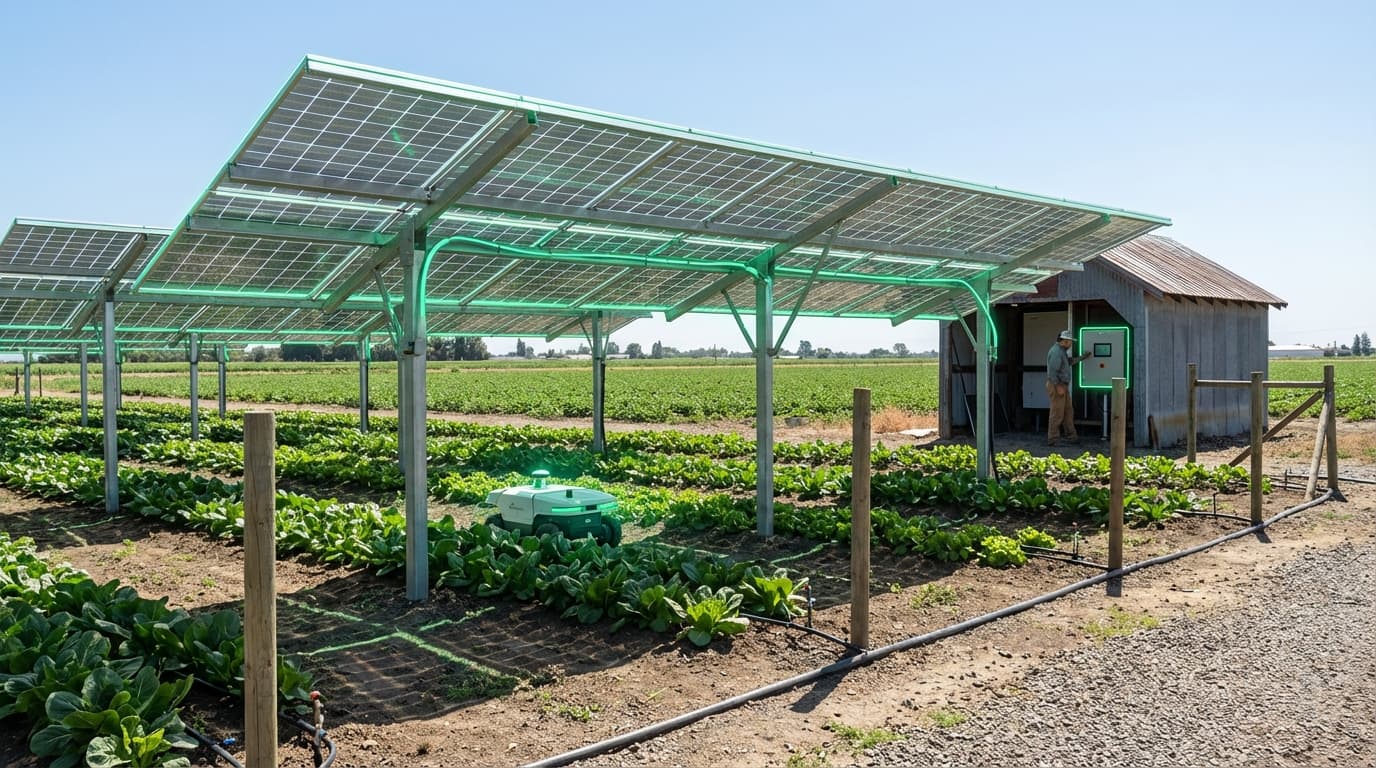
Agrivoltaic systems represent a sophisticated approach to land use optimization that addresses two of agriculture's most pressing challenges: the need for renewable energy infrastructure and the intensifying impacts of climate change on crop production. At their core, these systems integrate elevated or strategically spaced solar photovoltaic arrays directly within agricultural fields, creating a symbiotic relationship between energy generation and food production. The panels are typically mounted on structures that allow sufficient clearance for farm equipment to pass beneath, while their spacing and orientation can be adjusted to modulate the amount of sunlight reaching crops below. This controlled shading reduces soil moisture evaporation and protects plants from heat stress during peak sun hours, while the transpiration from crops creates a cooling microclimate that can improve solar panel efficiency by several percentage points. Advanced implementations employ bifacial panels that capture reflected light from the ground, tracking systems that follow the sun's path while maintaining optimal crop illumination, and increasingly, artificial intelligence algorithms that adjust panel angles throughout growing seasons based on crop development stages and weather patterns.
The agricultural sector faces mounting pressure from climate volatility, water scarcity, and the economic challenges of maintaining profitability on marginal lands. Agrivoltaic systems address these interconnected problems by creating diversified revenue streams that buffer farmers against crop failures and commodity price fluctuations. Land lease arrangements with energy developers provide predictable income while allowing continued agricultural use, fundamentally changing the economics of farming in regions where traditional agriculture alone struggles to remain viable. Research deployments across Mediterranean climates, semi-arid regions of the American Southwest, and parts of East Asia have demonstrated that certain crops—particularly leafy greens, berries, root vegetables, and forage crops—can maintain or even exceed yields under partial shade conditions while benefiting from reduced water requirements. The energy generated can power on-site operations such as irrigation pumps, refrigerated storage, and processing facilities, reducing operational costs and improving farm resilience. This dual-use model also addresses the land-use conflicts that have sometimes pitted renewable energy development against agricultural preservation, offering a pathway to meet clean energy targets without removing productive farmland from cultivation.
Commercial agrivoltaic installations are moving beyond pilot phases in several regions, with notable projects in France, Germany, Japan, and parts of the United States demonstrating technical and economic viability. However, widespread adoption requires overcoming several practical barriers, including the development of specialized farm equipment designed to navigate around support structures, the creation of crop-specific shading protocols that optimize both photosynthetic efficiency and panel output, and the navigation of complex permitting processes that often lack clear frameworks for dual-use agricultural land. Industry observers note that next-generation systems are beginning to incorporate complementary elements such as integrated drip irrigation networks, intentional pollinator habitat corridors between panel rows, and soil management practices that qualify for carbon sequestration credits. These multi-benefit configurations position agrivoltaic sites as comprehensive agro-energy hubs that deliver food, clean power, biodiversity support, and climate mitigation services simultaneously. As policy frameworks evolve to recognize and incentivize these stacked benefits, and as equipment manufacturers develop purpose-built machinery for agrivoltaic environments, this approach is poised to become a mainstream strategy for sustainable intensification of agricultural landscapes facing the dual pressures of feeding growing populations and transitioning to renewable energy systems.
Related Organizations

Leading European research institute for solar energy, pioneering agrivoltaics standards and pilot projects.

Global renewable energy developer with a dedicated Agri-PV division and multiple operational sites.

Maintains the efficiency charts for solar cells and conducts foundational research on perovskite stability.

Develops dynamic agrivoltaic systems that adjust solar panel angles to prioritize plant needs.

Specializes in vertical bifacial solar installations that allow standard farm machinery to operate between rows.

Produces translucent solar modules specifically designed for greenhouses and agricultural canopies.

Conducts extensive research on crop yield and water usage under solar arrays.
SolarGik
Israel · Startup
Develops lightweight, versatile solar trackers suitable for complex agricultural terrain.

Multinational renewable energy corporation deploying large-scale agrivoltaic projects across Europe.
Supporting Evidence
Research this in Signals
Signals turns a topic into a sourced research record you can inspect and rerun. Your first scan is free, and this one starts with Agrivoltaic Systems already loaded, so edit it or scan as is.