








Engineered Plant Ecosystems
This page is a narrower case of it.
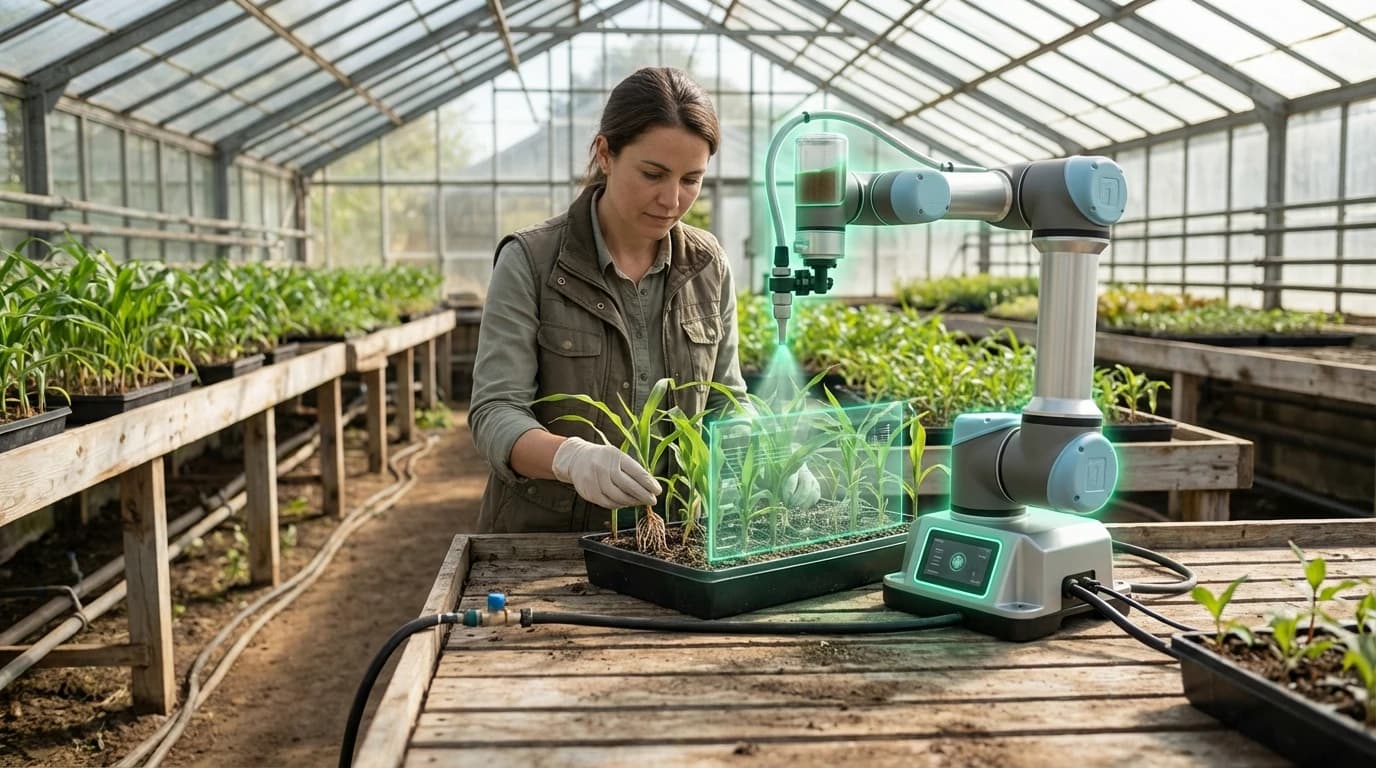
Climate-resilient crop systems represent an integrated approach to agricultural adaptation that combines advanced plant genetics with biological seed enhancements to maintain productivity under increasingly unpredictable environmental conditions. At the genetic level, these systems employ marker-assisted selection and genome editing techniques to develop crop varieties that can withstand drought stress, elevated soil salinity, and extreme heat events that would devastate conventional cultivars. These breeding approaches target specific physiological traits such as deeper root architectures, enhanced water-use efficiency, and heat-shock protein expression that enable plants to maintain photosynthesis and grain filling during stress periods. Complementing these genetic improvements, bioactive seed coatings deliver carefully selected microbial consortia—beneficial bacteria and fungi that colonize the rhizosphere and enhance nutrient uptake, produce stress-protective compounds, and improve soil moisture retention. These coatings also incorporate biostimulants that prime plant defense mechanisms and slow-release nutrients that ensure seedling vigor even when soil conditions are suboptimal. The integration of these biological and genetic components is further optimized through precision agronomic practices, including adaptive planting densities that account for expected water availability, irrigation scheduling algorithms that respond to real-time soil moisture data, and stress-forecasting models that predict heat waves or drought periods days to weeks in advance.
The agricultural challenges driving adoption of these systems are becoming increasingly urgent as climate variability threatens food security in vulnerable regions worldwide. Traditional crop varieties often experience catastrophic yield losses when subjected to even brief periods of extreme stress during critical growth stages, forcing farmers to abandon fields or rely on costly emergency irrigation. Climate-resilient systems address this vulnerability by maintaining functional yields—typically 60-80% of optimal production—even under conditions that would result in near-total failure for conventional crops. This stability is particularly valuable for smallholder farmers in semi-arid regions who lack access to irrigation infrastructure and for national food-security programs seeking to reduce dependence on volatile international grain markets. Research institutions and seed companies are actively developing region-specific solutions, with stress-tolerant maize varieties being deployed across sub-Saharan Africa and drought-adapted wheat reaching farmers in South Asia and the Middle East. The biological coating component enables these genetic improvements to express their full potential by ensuring robust establishment and early-season vigor, which is often the difference between crop survival and failure in marginal environments. This dual approach also creates new business models for agricultural input companies, who can offer integrated packages that combine proprietary genetics with biological enhancements rather than competing solely on seed price.
Current deployment of climate-resilient crop systems spans multiple scales, from humanitarian relief programs distributing stress-tolerant varieties in conflict-affected regions to commercial seed companies offering premium products to progressive farmers in developed markets. International agricultural research centers have established extensive field trial networks to validate performance across diverse agroecological zones, generating the locally adapted germplasm necessary for widespread adoption. However, scaling these systems faces several practical barriers, including regulatory frameworks that vary widely in their treatment of genome-edited crops, extension services that must translate complex agronomic protocols into actionable guidance for farmers with limited technical training, and financing structures that traditionally reward maximum yield rather than yield stability or resilience. The trajectory of this technology points toward increasingly sophisticated decision-support systems that integrate downscaled climate projections, real-time weather data, and soil sensor networks to recommend not just which resilient variety to plant, but when to switch seed coatings or adjust management practices mid-season in response to evolving conditions. As climate impacts intensify and agricultural insurance mechanisms begin incorporating resilience metrics into their premium and payout structures, the economic incentives for adopting these integrated systems will strengthen, potentially transforming them from niche solutions into standard practice for farming in an era of climatic uncertainty.
Bioceres Crop Solutions
Argentina · Company
Developed HB4 technology, the world's first drought-tolerant GM wheat and soy.
International Maize and Wheat Improvement Center, pioneering genomic selection for developing world crops.
Uses the SEEDesign platform to edit genes and modulate expression for higher yield and water use efficiency.
Improves grower profitability and environmental sustainability using microbiology and digital technologies.
An agricultural tech company producing microbial nitrogen fertilizers.
A subsidiary of Evogene, using computational biology to discover and develop microbiome-based ag-biologicals.
A food tech company unlocking the natural genetic diversity of plants to create healthier and more sustainable food options.
An agriculture technology company using CRISPR to develop new varieties of fruits and vegetables.
Uses gene editing and advanced breeding tools to improve tropical crops like banana and coffee.
Engineers crops to emit optical signals when under stress (fungal, drought, nutrient).
Published forecasts about this technology, graded against what happened in Hindsight.
Engineered Plant Ecosystems
This page is a narrower case of it.
Signals turns a topic into a sourced research record you can inspect and rerun. Your first scan is free, and this one starts with Climate-Resilient Crop Systems already loaded, so edit it or scan as is.