Tracking signals shaping the future of consumer electronics — voice, gesture, vision, embedded intelligence, and human-technology interaction systems.
Extracts 3D motion data from standard 2D video for animation and robotics applications
Radar sensors that measure range, angle, elevation, and velocity for autonomous vehicle perception
High-speed wireless networks with dedicated slices for enterprise, IoT, and mobile applications
Ultra-high-frequency wireless networks using terahertz spectrum for terabit-per-second data speeds
Window-mounted systems that cancel traffic and aircraft noise before it enters indoor spaces
Compact solid-state LiDAR sensors for autonomous vehicle perception and navigation
Focused radio signals using antenna arrays to target specific devices instead of broadcasting uniformly
Wireless protocols that measure precise device distances using phase-based radio signals
Self-administered hearing tests and education through AI-powered smartphone platforms
Deep learning tools that analyze microscope images to detect cell structures, abnormalities, and disease markers
AI systems that monitor sleep patterns and intervene to reduce snoring and improve rest quality
Computer vision systems that detect product defects and quality issues in manufacturing
AI algorithms that isolate speech from noise in hearing devices and earbuds
Wearable sensors that continuously track vitals and deliver personalized health predictions using AI
Wearable exoskeletons that activate support only when AI detects strain during lifting or bending
Electronic sensors that detect and identify odors using MEMS arrays and machine learning
IoT sensors and AI that monitor stress, posture, and environment to improve employee health and prevent workplace strain
Security systems that use AI to verify identity through biometrics and behavioral patterns
Sensors and AI that measure milk flow during breastfeeding to track infant intake
Machine learning algorithms that enhance camera image quality in fog, low light, and adverse weather
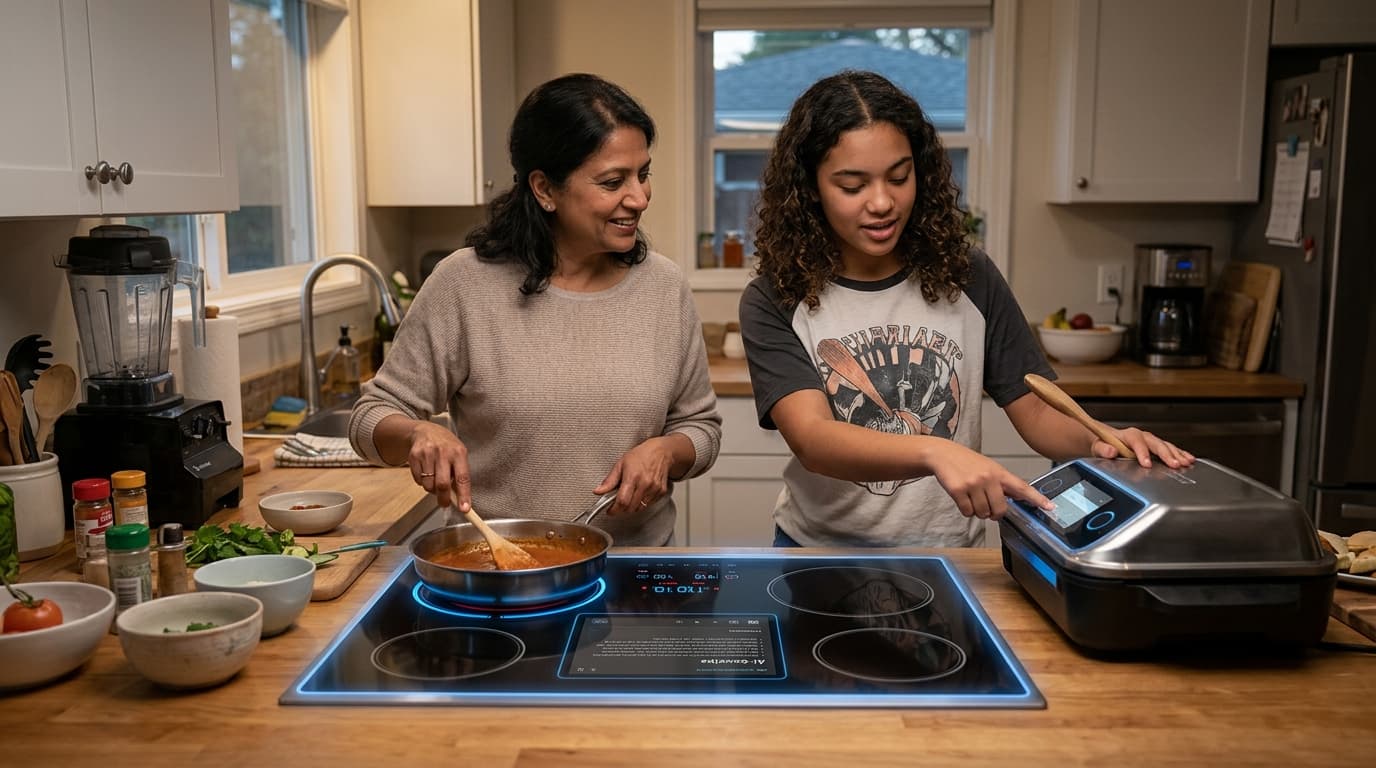
AI systems that generate recipes and autonomously control cooking parameters in real-time
Virtual replicas of buildings that optimize energy use and operations through real-time sensor data and AI
Cameras and sensors that detect falls, medical emergencies, and hazards indoors using on-device AI
AI systems that monitor, optimize, and extend EV battery health from first use to recycling
Smart glasses that auto-document lab workflows in real-time from a researcher's point of view
Powering devices by capturing energy from RF signals, light, vibration, and heat instead of batteries
Multi-layered security protecting connected vehicles from cyber threats and unauthorized access
Self-piloting aircraft using AI for delivery, inspection, and surveillance tasks
Virtual testing environments using AI to train and validate autonomous vehicles and robotics
Electronic components made from biodegradable or bio-sourced materials for reduced environmental impact
Wearable fabrics delivering microcurrent stimulation for muscle toning and circulation
Secure wireless links between wearables using electric fields confined to the body surface
Wearable cameras that detect people approaching from behind and alert the wearer in real time
Real-time emission tracking using non-intrusive sensors and AI analytics for ports and industrial facilities
Retail environments using computer vision and sensors to eliminate checkout lines
AI that turns webcams into movement analysis tools for physical therapy and injury prevention
AI-powered video analysis that measures heart rate, oxygen levels, and stress from facial skin color changes
Monitors heart rate, breathing, and presence by analyzing how Wi-Fi signals reflect off the human body
Wearable sensors that track blood pressure continuously without inflatable cuffs
Wearables that track internal body temperature continuously without invasive probes
High-power charging infrastructure that delivers DC electricity directly to EV batteries for rapid refueling
Virtual replicas of physical systems that sync in real-time for testing, monitoring, and planning
Real-time video analysis running locally on edge devices without cloud dependency
AI-powered email validation that detects fraud, verifies identity, and enriches contact data
Virtual training environments that teach robots skills in simulation before real-world deployment
AI-powered robots that recognize emotions and adapt interactions to help children with autism develop social skills
AI translation that preserves emotional tone and cultural context across languages
AI systems that detect and respond to human emotions through voice, vision, and behavior analysis
AI that detects emotion in text and voice to personalize customer support responses
AI systems that detect human emotions and behaviors from facial expressions, voice, and body language
Bendable circuits and displays on plastic or metal substrates for foldable devices and wearables
Implanted electrode arrays that interface with the cortex to record and stimulate neural activity
Antenna arrays with hundreds of elements for stronger, more directional wireless signals
Advanced memory and data pathways that feed AI chips and processors at extreme speeds
High-resolution cameras engineered for AI-driven automation in automotive, robotics, and industrial systems
Bipedal robots designed to work in human spaces using AI-driven movement and task adaptation
Single-chip solar power management adapting from indoor microwatts to outdoor watts for continuous charging
AI-powered tire monitoring systems that track pressure, temperature, and wear to reduce fleet operating costs
Network of connected devices that collect and share data for automation and insights
Biometric authentication using unique iris patterns captured by specialized infrared cameras
Ceramic battery membranes that conduct lithium ions without flammable liquids
Video compression optimized for real-time streaming with sub-millisecond delay
Acoustic sensor arrays that track position and orientation indoors to millimeter precision
Distributed AI system where thousands of specialized autonomous agents collaborate to solve complex problems
Antenna arrays that create multiple independent radio beams to serve different users simultaneously
Combining radar, vision, and tactile feedback to create realistic touch sensations in digital environments
Data transfer using electric fields instead of radio waves for secure device pairing within 5–25 cm
Terahertz frequencies, intelligent surfaces, and advanced substrates enabling ultra-fast wireless networks
EEG-based systems that translate brain signals into commands for devices, apps, and AR without surgery
Chips that analyze heart, brain, and muscle signals locally without cloud connectivity
Computer vision systems that count pills locally without cloud processing
Verifies user identity against government IDs locally on smartphones, without sending data to the cloud
Locks a vehicle's gear shifter in Park until authorized, preventing theft even if the engine starts
Wireless data transmission confined to a 10cm bubble using electric fields instead of radio waves
Adaptive antennas that align with incoming signal polarization to minimize wireless power loss
Audio systems that track listener position to maintain optimal 3D sound anywhere in the room
Sensors that measure forces and torques in robotics for safe, precise object handling
Four-legged robots that autonomously inspect substations, factories, and hazardous sites
Instant speech translation and speaker-identified captions displayed on wearable devices
AI chips that adapt their architecture on-the-fly to run vision and language models efficiently
AR waveguides using mirrors to deliver 10× brighter displays than standard optical guides
Biometric identity verification designed with privacy, fairness, and data protection built in
AI models that let robots learn general skills and transfer knowledge across different robot types
AI-guided robotic systems that automate tooth preparation and restoration in a single visit
Stores LLM query embeddings to reuse responses for semantically similar prompts, cutting latency and GPU costs
Wearables that monitor environmental and physiological signals to predict sensory overwhelm
Lithium-ion batteries using silicon anodes for 20% higher energy density and faster charging
Sensors and alerts that detect sump pump failures before basement flooding occurs
Wearable light-therapy patches using red and blue light for pain relief and recovery
Vehicles designed as computing platforms with software updates independent of hardware
Batteries using solid electrolytes instead of liquid for safer, higher-capacity energy storage
Converts spoken audio into written text using neural networks and language models
Nanoscale light modulators that generate true 3D holograms for AR glasses
Wireless charging systems delivering 90%+ efficiency for rapid battery replenishment without cables
High-power DC chargers delivering 350 kW to restore EV range in 10–20 minutes
Solid-state batteries thinner than 0.1mm for wearables and embedded devices
Electric aircraft that take off vertically for urban air taxi and personal transport services
Integrated electrical systems managing sensors, computers, and networks in modern vehicles
Contactless monitoring of heart rate and breathing using low-power radio waves
Conversational AI systems that use natural language for hands-free interaction with devices and services
On-device heart rhythm analysis that detects cardiac abnormalities without cloud connectivity
Charging devices without cables using electromagnetic fields between transmitter and receiver coils
Patch-based sensors that capture clinical-grade sleep data at home without lab visits
Infrared motion sensors that draw zero standby power, waking only when detecting heat signatures
Follow us for weekly foresight in your inbox.