The Physical Internet (π-Logistics)
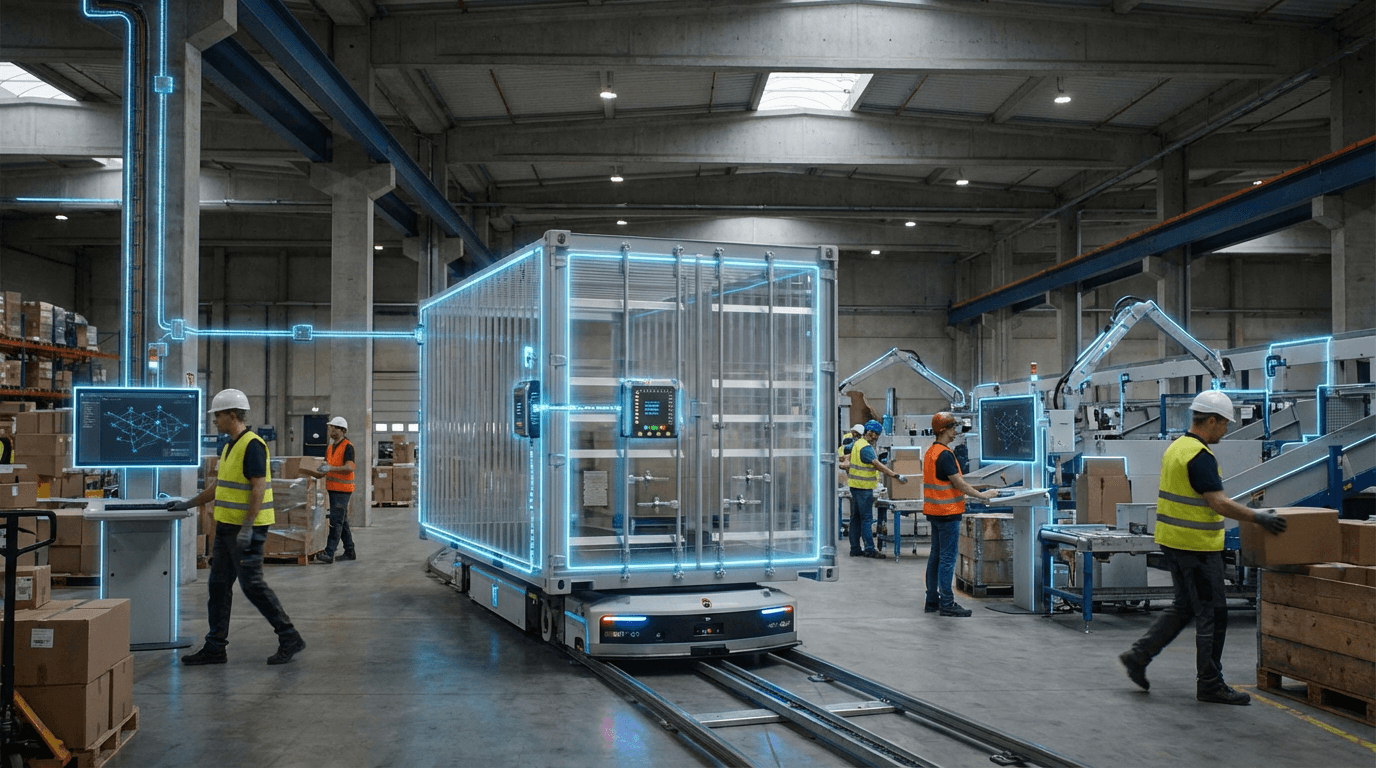
The Physical Internet represents a fundamental reimagining of global logistics infrastructure, drawing direct inspiration from how data moves across digital networks. At its core, this paradigm proposes standardizing physical goods into modular, universally compatible containers—often called π-containers—that can seamlessly transfer between different carriers, modes of transport, and logistics hubs without the need for unpacking or repackaging. Unlike traditional shipping containers designed primarily for ocean freight, π-containers are conceived as nested, stackable units optimized for multimodal transport across trucks, trains, ships, and even urban delivery vehicles. The system relies on open protocols and shared digital platforms that coordinate routing, tracking, and handoffs between independent logistics providers, much like how internet protocols enable data packets to traverse multiple networks to reach their destination. This standardization extends beyond physical dimensions to include digital interfaces, handling equipment specifications, and information exchange formats, creating a truly interoperable logistics ecosystem.
The traditional supply chain operates as a series of closed, vertically integrated networks where each company maintains its own fleet, warehouses, and distribution channels, often running half-empty trucks on return journeys and maintaining excess capacity to handle peak demands. This fragmentation results in massive inefficiencies: industry research suggests that commercial vehicles in many developed economies travel empty or partially loaded nearly 30 percent of the time, while warehouses sit underutilized outside peak seasons. The Physical Internet addresses these systemic inefficiencies by enabling dynamic sharing of logistics assets across organizational boundaries. When freight is decoupled from specific carriers and standardized into π-containers, any qualified logistics provider can handle any shipment segment, allowing for optimal route consolidation and asset utilization. This shift promises to transform logistics from a competitive advantage maintained through proprietary networks into a commoditized utility service, similar to how electricity or telecommunications evolved. The approach also tackles the growing pressure for supply chain decarbonization, as shared networks and optimized routing can dramatically reduce empty miles, consolidate shipments, and enable more efficient use of rail and waterway transport over carbon-intensive trucking.
While the Physical Internet remains largely conceptual, pilot programs and research initiatives are actively exploring its implementation across multiple continents. Academic consortia in Europe and North America have developed prototype π-container designs and conducted simulation studies demonstrating potential efficiency gains. Several logistics companies have begun experimenting with elements of the Physical Internet philosophy, including collaborative distribution networks and standardized handling protocols, though full-scale adoption faces significant hurdles including the need for massive infrastructure investment, coordination among competing firms, and regulatory harmonization across jurisdictions. The concept aligns closely with broader trends toward platform economies, circular supply chains, and the digitalization of logistics through IoT sensors and blockchain-based tracking systems. As e-commerce continues to drive demand for faster, more flexible delivery while sustainability pressures intensify, the Physical Internet offers a compelling vision for how global logistics might evolve beyond the limitations of current hub-and-spoke and point-to-point models, potentially reshaping everything from urban last-mile delivery to intercontinental freight movements over the coming decades.
Related Organizations

The European Technology Platform for logistics, actively developing the roadmap and framework for the implementation of the Physical Internet in Europe by 2030.

Provides cloud software solutions that enable logistics collaboration and interconnectivity, effectively acting as a router for the Physical Internet.

German research institute working on the 'Silicon Economy' and open source hardware/software for the Physical Internet.

GS1
Belgium · Consortium
Global standards organization (barcodes) now developing the 'GS1 Digital Link' to connect physical products to the web and digital passports.

Multinational consumer goods corporation that has been a pioneer and active participant in Physical Internet pilot projects.

Austrian university hosting the Physical Internet Laboratory, focusing on simulation and optimization of PI networks.

International logistics provider actively experimenting with pooling and shared warehousing concepts aligned with PI.
Supporting Evidence
Research this in Signals
Signals turns a topic into a sourced research record you can inspect and rerun. Your first scan is free, and this one starts with The Physical Internet (π-Logistics) already loaded, so edit it or scan as is.