Subscription-Based Circular Models
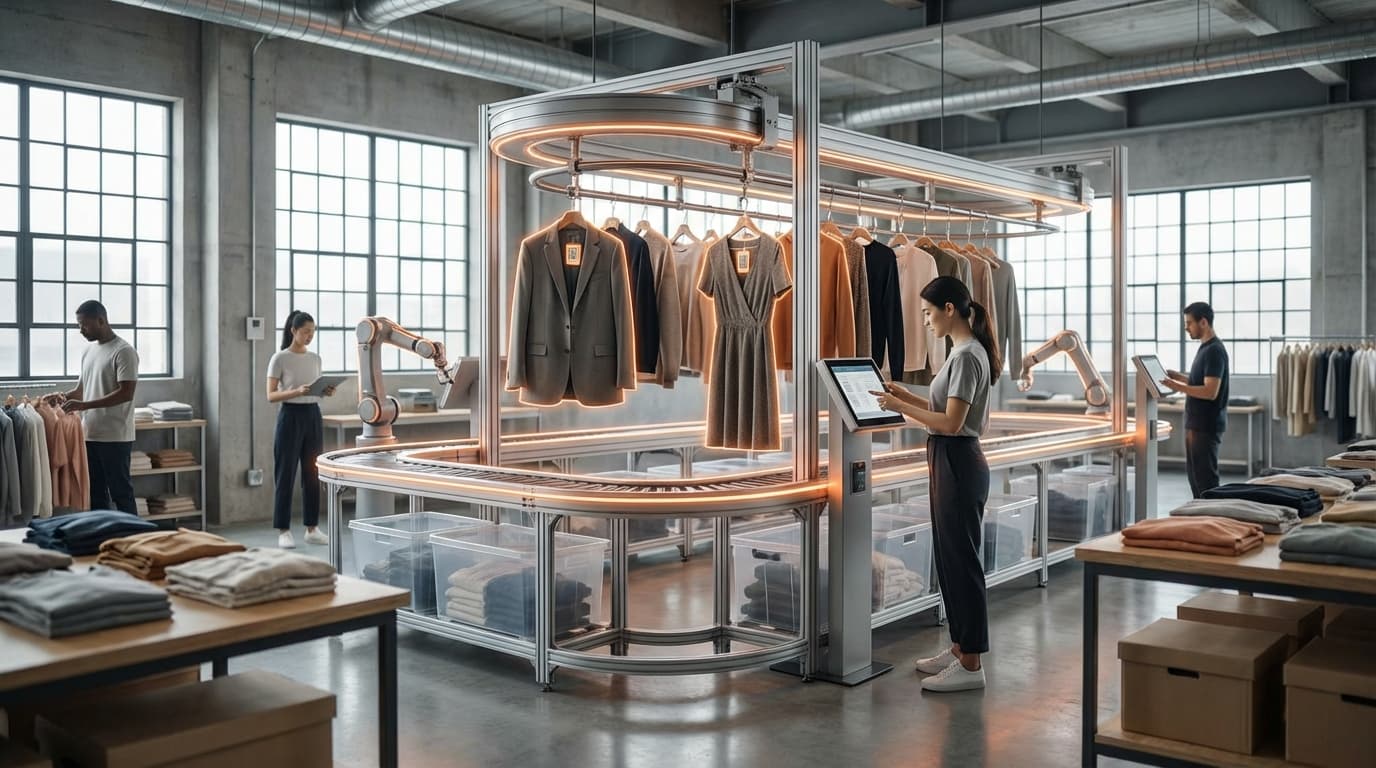
Subscription-based circular models transform fashion consumption from ownership to access, where consumers pay monthly fees to rent garments rather than purchasing them outright. These platforms use sophisticated logistics systems, inventory management software, and cleaning/repair facilities to maintain high-quality garment collections that circulate among subscribers, extending product lifecycles and reducing the need for new production.
This innovation addresses the environmental impact of fashion consumption by maximizing the utilization of each garment and reducing the total number of items that need to be produced. By creating efficient systems for garment rotation, maintenance, and recirculation, these platforms can serve many users with fewer total garments. Companies like Rent the Runway, Nuuly, and various regional platforms have demonstrated the viability of this model, though profitability and scalability remain challenges.
The technology is particularly significant as consumers become more conscious of fashion's environmental impact and seek alternatives to fast fashion. Subscription models offer access to variety and quality without the commitment of ownership, appealing to consumers who value experiences and sustainability. As the model matures and logistics become more efficient, subscription-based circular models could become a mainstream alternative to traditional fashion retail, potentially reducing the industry's overall environmental footprint.
Related Organizations

The pioneer of the fashion rental economy, offering subscription plans for designer apparel and accessories.

CaaStle
United States · Company
Provides a B2B white-label technology platform that handles logistics, inventory, and cleaning to enable retailers to launch their own rental subscription services.

Nuuly
United States · Company
A subscription rental service owned by URBN (Urban Outfitters, Anthropologie) allowing customers to rent six items per month.

A hybrid peer-to-peer and B2B fashion rental platform that also offers white-label technology to retailers like Selfridges.

Australia's leading online fashion rental business offering both one-time rentals and subscription boxes.

European logistics and software platform specifically designed to help brands launch rental and resale business models.

Style Theory
Singapore · Startup
Southeast Asia's largest fashion rental subscription platform, offering designer apparel and bags.

Zoa Rental
United Kingdom · Startup
A 'Rental-as-a-Service' technology platform born out of the rental site Hirestreet.

A clothing rental membership service that uses algorithms to curate personalized closets for professional women.

A technology rental subscription platform that is expanding the 'access over ownership' model.
Supporting Evidence
Research this in Signals
Signals turns a topic into a sourced research record you can inspect and rerun. Your first scan is free, and this one starts with Subscription-Based Circular Models already loaded, so edit it or scan as is.