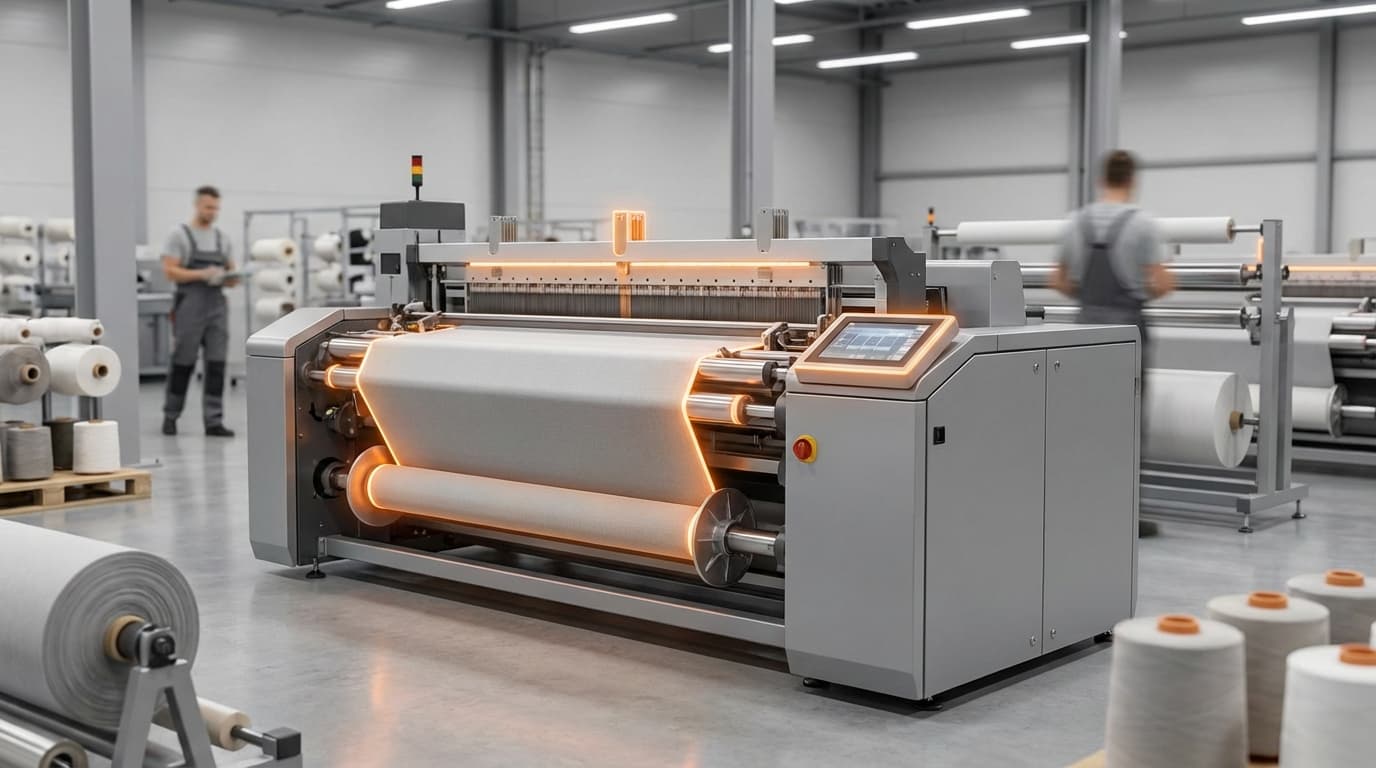
Energy-Efficient Manufacturing Equipment
Energy-efficient manufacturing equipment includes advanced sewing machines with servo motors that use significantly less energy than traditional systems, low-energy curing and drying ovens that optimize heat transfer and reduce energy consumption, and optimized HVAC systems that maintain comfortable working conditions while minimizing energy use. These technologies reduce the energy intensity of apparel production, which is a significant contributor to fashion's carbon footprint.
This innovation addresses the substantial energy consumption of textile and garment manufacturing, which accounts for a significant portion of the industry's environmental impact. By improving the efficiency of manufacturing equipment, brands can reduce both their carbon footprint and operating costs. The technology is mature and commercially available, with manufacturers continuously improving efficiency. However, adoption requires capital investment, making it most viable for larger operations or brands with sustainability commitments.
The technology is becoming increasingly important as brands commit to carbon reduction targets and face pressure to improve their environmental performance. As energy costs rise and carbon regulations tighten, energy-efficient equipment offers both environmental and economic benefits. However, achieving significant impact requires widespread adoption across the global supply chain, which faces barriers including cost, access to capital, and the need for training. As these barriers are addressed, energy-efficient manufacturing equipment could significantly reduce fashion's carbon footprint while improving the economic viability of more sustainable production.
Related Organizations

Leader in sustainable finishing technologies for denim, using lasers and ozone to replace water and energy-intensive processes.

A leading industrial sewing machine manufacturer that co-developed the specialized sewing machine required to install AiryString zippers.

Manufacturer of textile dyeing and finishing machinery.


Specialist in dry finishing lines and coating machinery.



Provides the Plant Operation Center (POC) for manmade fiber production, connecting polymer processing equipment.

Supporting Evidence
Research this in Signals
Signals turns a topic into a sourced research record you can inspect and rerun. Your first scan is free, and this one starts with Energy-Efficient Manufacturing Equipment already loaded, so edit it or scan as is.