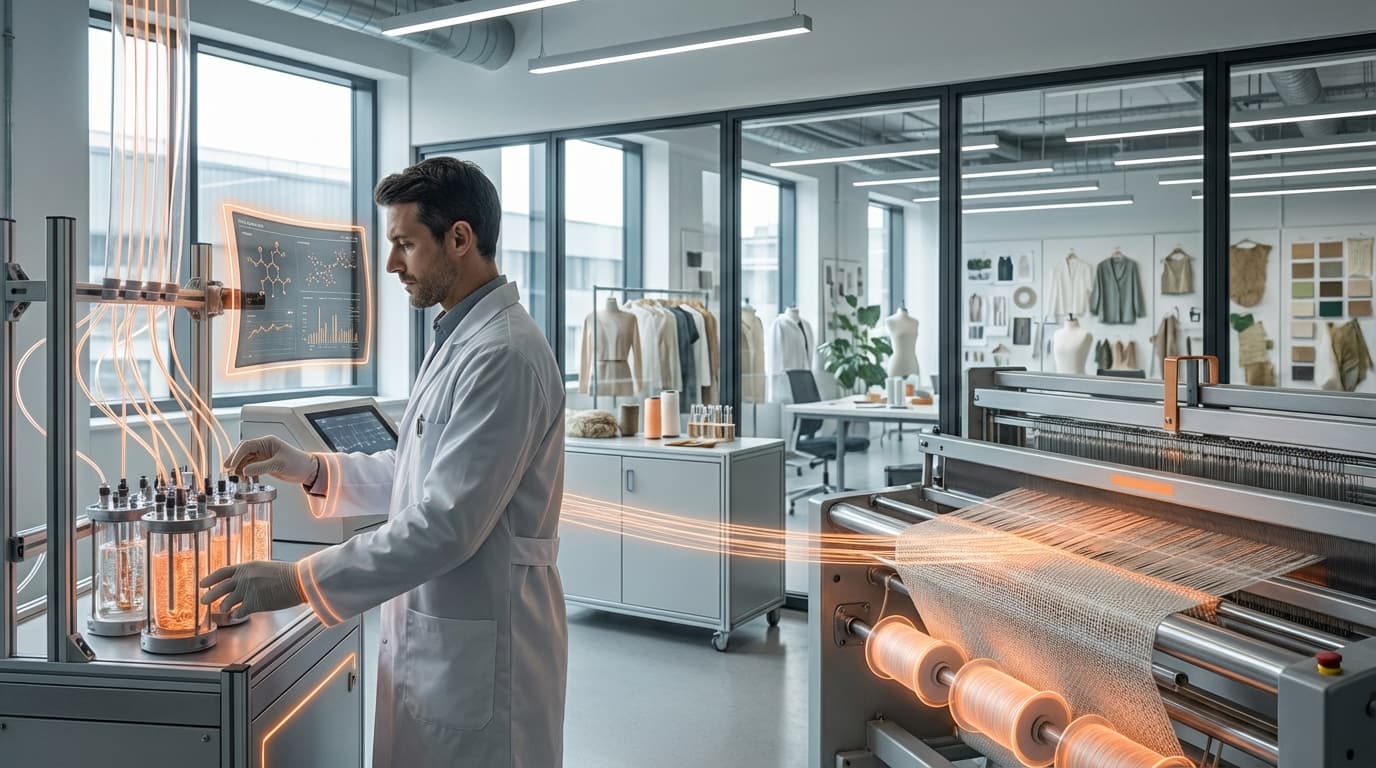
Biofabricated Collagen Fibers for Textile Production
Biofabricated collagen fibers emerge from advances in cellular agriculture and biomaterial engineering, where collagen—the structural protein naturally found in animal skin and connective tissue—is produced through controlled fermentation processes rather than animal husbandry. The production process typically involves genetically engineered microorganisms, such as yeast or bacteria, that have been programmed to express collagen genes. These microorganisms are cultivated in bioreactors under carefully controlled conditions of temperature, pH, and nutrient availability, producing collagen proteins that can then be harvested, purified, and processed into fibrous structures. Through precise manipulation of the growth environment and subsequent spinning techniques, manufacturers can engineer specific fiber characteristics including diameter, tensile strength, elasticity, moisture absorption, and surface texture. Unlike traditional leather or wool production, this approach allows for molecular-level customization of material properties, creating fibers that can be tailored to specific performance requirements while maintaining the natural biocompatibility and biodegradability of collagen.
The apparel industry faces mounting pressure from multiple directions: ethical concerns over animal welfare, environmental impacts of livestock farming and tanning processes, and increasing regulatory scrutiny of chemical treatments used in conventional textile production. Biofabricated collagen addresses these challenges by eliminating the need for animal raising and slaughter, dramatically reducing water consumption, land use, and greenhouse gas emissions associated with traditional leather and wool production. The controlled laboratory environment also eliminates the variability inherent in animal-derived materials, where factors like animal age, diet, and health can affect hide quality. This consistency enables more predictable manufacturing processes and reduces material waste from quality inconsistencies. Furthermore, the technology opens new design possibilities for fashion brands, allowing for the creation of materials with properties that would be impossible to achieve through conventional means—such as fibers with embedded functional properties, gradient textures, or precisely engineered biodegradation rates for circular fashion applications.
Early commercial developments indicate growing industry interest, with several companies advancing from laboratory research toward pilot-scale production facilities. Modern Meadow has developed biofabricated collagen materials under its Zoa brand, while VitroLabs focuses on cell-cultivated leather alternatives. These ventures have attracted significant investment from both traditional fashion houses and venture capital firms focused on sustainable materials. Current applications center on luxury accessories and footwear, where premium pricing can offset higher production costs during the scaling phase. Industry analysts suggest that as bioreactor technology matures and production volumes increase, cost parity with conventional leather could be achieved within the next decade. The technology aligns with broader trends toward biotechnology-enabled manufacturing and circular economy principles, positioning biofabricated collagen as a potential cornerstone of future sustainable fashion systems. As consumer awareness of environmental and ethical issues continues to grow, and as regulatory frameworks increasingly favor sustainable alternatives, biofabricated collagen fibers represent not merely an incremental improvement but a fundamental reimagining of how textile materials can be produced.
Related Organizations

Biotechnology company producing bio-fabricated materials, including 'Bio-Vera' and 'Bio-Alloy', using fermented proteins.

Biotech startup growing real leather from cells in a lab environment, replicating the collagen structure of animal hide.

Dutch company developing cell-cultured leather technology to produce premium leather without cattle farming.

Designs and produces biodesigned collagen and elastin for the beauty and food industries via fermentation.

Global luxury group managing brands like Gucci, Saint Laurent, and Balenciaga.

Industrial supplier of synthetic silk biopolymers produced through bacterial fermentation.

Japanese biotechnology company producing 'Brewed Protein,' a structural protein fiber produced via microbial fermentation that mimics spider silk and wool.

Manufacturer of Collagen Type 0 derived from jellyfish for medical and biomaterial applications.

Develops rhCollagen bioinks and partners with 3D Systems to print breast implants and other tissue scaffolds.
Supporting Evidence
Research this in Signals
Signals turns a topic into a sourced research record you can inspect and rerun. Your first scan is free, and this one starts with Biofabricated Collagen Fibers for Textile Production already loaded, so edit it or scan as is.