Envisioning is an emerging technology research institute and advisory.

LinkedInInstagramGitHub

2011 — 2026

research
  • Reports
  • Newsletter
  • Methodology
  • Origins
  • Vocab
services
  • Research Sessions
  • Signals Workspace
  • Bespoke Projects
  • Use Cases
  • Signal Scanfree
  • Readinessfree
impact
  • ANBIMAFuture of Brazilian Capital Markets
  • IEEECharting the Energy Transition
  • Horizon 2045Future of Human and Planetary Security
  • WKOTechnology Scanning for Austria
audiences
  • Innovation
  • Strategy
  • Consultants
  • Foresight
  • Associations
  • Governments
resources
  • Pricing
  • Partners
  • How We Work
  • Data Visualization
  • Multi-Model Method
  • FAQ
  • Security & Privacy
about
  • Manifesto
  • Community
  • Events
  • Support
  • Contact
  • Login
ResearchServicesPricingPartnersAbout
  1. Home
  2. Research
  3. Fabric
  4. Biodegradable Athletic Wear

Biodegradable Athletic Wear

Performance sportswear designed to fully decompose without releasing microplastics
Back to FabricView interactive version

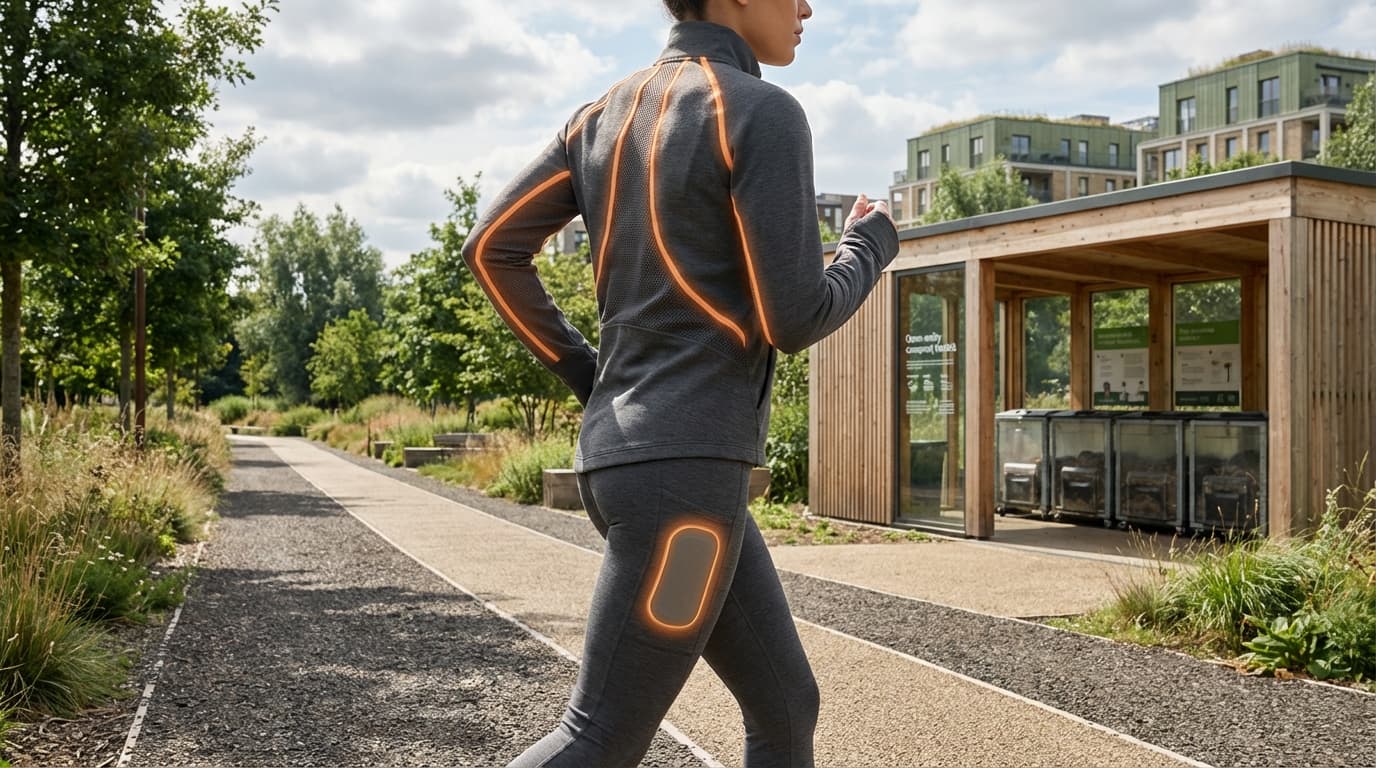
Biodegradable athletic wear is engineered from bio-based materials including plant-derived elastomers, cellulosic fibers, and natural dyes that can fully decompose in industrial composting facilities. These garments maintain the performance characteristics expected from athletic apparel—moisture-wicking, stretch, durability—while being designed to break down completely at end-of-life without releasing microplastics into the environment.

This innovation addresses the massive environmental problem of synthetic athletic wear, which is typically made from polyester and nylon that shed microplastics during washing and persist in landfills for centuries. As extended producer responsibility (EPR) regulations emerge in Europe and North America, brands face increasing pressure to take responsibility for end-of-life disposal. Companies like Pangaia, Girlfriend Collective, and Allbirds are pioneering biodegradable performance fabrics, while material innovators like Natural Fiber Welding and Circular Systems develop the underlying technologies.

The technology represents a fundamental shift toward circular design in performance apparel, where garments are designed with their entire lifecycle in mind. As consumer awareness of microplastic pollution grows and regulations tighten, biodegradable athletic wear offers a pathway for brands to maintain performance standards while meeting sustainability commitments and regulatory requirements.

TRL
6/9Demonstrated
Impact
4/5
Investment
4/5
Category
Applications

Related Organizations

Vollebak logo
Vollebak

United Kingdom · Company

95%

Experimental clothing brand that launched the 'Graphene Jacket', acting as a radiator and conductor.

Developer
CiCLO logo
CiCLO

United States · Company

90%

Textile technology company offering a sustainable additive for synthetics.

Developer
On logo
On

Switzerland · Company

90%

Performance running shoe and apparel company.

Developer
Pangaia logo
Pangaia

United Kingdom · Company

90%

Materials science company and direct-to-consumer fashion brand.

Developer
Fulgar logo
Fulgar

Italy · Company

85%

Italian leader in the man-made fiber market, producer of Q-NOVA® recycled nylon 6.6.

Developer
Lenzing Group logo
Lenzing Group

Austria · Company

85%

International group producing wood-based viscose fibers, modal fibers, lyocell fibers and filament yarn.

Developer
Mango Materials logo
Mango Materials

United States · Startup

85%

Uses methane-eating bacteria to produce PHA (polyhydroxyalkanoate), a fully biodegradable bio-polyester that can replace conventional plastics.

Developer
Allbirds logo
Allbirds

United States · Company

80%

Footwear and apparel company focused on natural materials.

Deployer
Icebreaker logo
Icebreaker

New Zealand · Company

80%

Outdoor apparel brand specializing in merino wool.

Deployer

Supporting Evidence

Evidence data is not available for this technology yet.

Connections

Hardware
Hardware
Algae-Based Biopolymers

Biodegradable plastics from fast-growing algae for apparel components and accessories

TRL
5/9
Impact
4/5
Investment
4/5
Ethics Security
Ethics Security
Microplastic Filtration Technologies

Filters and treatments that prevent synthetic microfibers from entering waterways during laundry

TRL
6/9
Impact
4/5
Investment
3/5
Hardware
Hardware
Biofabricated Collagen Fibers for Textile Production

Lab-grown collagen produced via fermentation and spun into animal-free textile fibers

TRL
4/9
Impact
4/5
Investment
4/5
Hardware
Hardware
Hemp and Recycled Polyester Blended Fabrics

Textiles blending hemp fiber with recycled polyester for durable, low-impact apparel

TRL
9/9
Impact
3/5
Investment
3/5

Book a research session

Bring this signal into a focused decision sprint with analyst-led framing and synthesis.
Research Sessions